


To travel in Cameroon either:
- be well-to-do enough to have a car or hire one together with the driver
- be under 63, better in your 30s
- be patient, resilient, intrepid, in excellent health, water-proof, malaria-proof,
- be prepared …
- be a Cameroonian, they know what to expect and don’t travel for FUN
No, it’s not an adventure, it’s a challenge. Massimo calls it “something in between nightmare and incubus”.


Cameroon’s pride is its diversity: peoples and cultures, terrain and landscapes, flora and fauna. Africa in miniature! See as much as you can in 3 weeks holiday!
Take away the no-go zones:
- the North! (Not that I’d have any appeal to Boko Haram)
- the West! Unrest among the English-speaking population demanding autonomy or fighting for secession to keep the revenue from their oil reserves to themselves
- the East, rain forest region, impassable during the rainy season which ends in November
So this is the plan: buy a ticket, take a bus and go on a cultural sightseeing trip ending with a couple of days of relax on Kribi’s beaches on the Gulf of Guinea before going back to Yaoundé.
Start with Foumban:


only 250 km away, history- and culture-rich capital of the Bamoun Kingdom, one of the oldest towns in Cameroon, see the Royal Palace, watch the Sultan visit the mosque on Friday, visit the colourful, bustling market, see the biggest tam tam (talking drum) you can imagine, visit the art museums with most wonderfully carved thrones, masks, sculptures … Exciting place to visit.
Practical problems: which bus? where to leave from? (bus station: gare routière, which one?), what time, how to book ahead … ?????
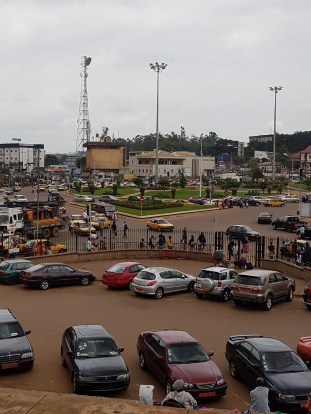
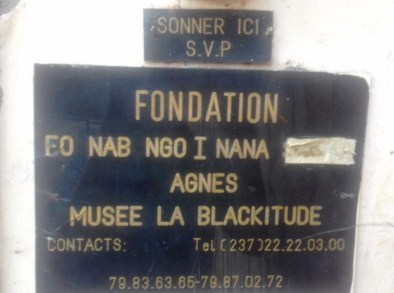
… all your preconceptions become misconceptions starting with the non-existent Tourist Information Centre. Information on the internet? Zero! You just keep chatting with everybody you encounter about your travel plans and some museum guide (in this case the multi-laureate from le Musée de Blackitude I mentioned on Facebook who is actually from the Foumban region) sends you to Confort Voyages at some far away carrefour the name of which he mispronounces (instead of Manguier, he said and wrote Mangier), so you mispronounce it to the taxi driver and wonder why it is so difficult to convince anyone to take you there.
The minibus is scheduled to leave at six in the morning, so you better be there at half past five to comfortably conquer a seat on the bus, which chronically has a problem of high demand and low supply and leaves a couple of protesting customers standing in the mud. You are allowed one piece of luggage small enough to fit under the seat.


For three weeks!? A sheet bag against possible bed bugs or a nice dress for going out in the evening? Forget it! Underwear, malaria pills, toothbrush, be a good sport! I’m so overwhelmed by the frenzy at the bus station, I forget to take pictures. It’s still dark, anyway. The bus leaves 40 minutes late and the driver seems to be trying to make up for the delay: no limit, no rule, no road construction, no hole in the road would convince him to slow down. He succeeds … in making the car go haywire. He had ignored various requests for a physiological stop by some passengers, now the physiology of the car gives in and the stop is inevitable. Everybody out, no prudery, ladies and gentlemen, messieurs-dames, there’s no “men to the left and women to the right”, there’s only standing or squatting, maybe the women go a bit further away. Who cares! No pictures here.
The trip takes more than six hours. Vendors hand in homemade snacks like fried bananas, cola nuts, roasted peanuts and some brownish round balls that the ladies around me make me try. A boy carefully gives me one of those balls, not touching it with his bare hands but with a piece of writing paper. They are made of ground peanuts and banana flower and … the ladies had forgotten to tell me … “Ah that was hot” … “le piment”.
At the arrival in Foumban the other ladies and I congratulated each other.
Hotel Pekassa de Karche: outside two bronze cheetahs, inside wooden sculptures and masques like a museum, looks clean, very nice staff, three elderly men presumably cook and waiters, two of them speak English because they are from Bamenda, West of Foumban, but advise us not to go there. “Too many problems”.


What to do? Go and see the Palace which is supposed to host the museum and to your surprise, right next to it is an enormous two-headed snake with a spider on top. In his notorious ignorance the European visitor thinks of a kind of African Disneyland.


Try to go and buy a ticket to see the Royal Palace and museum, there’s no sign, no list, no cashier. Wait for a guide, you’ll find out the price. There are more guides than visitors and you can’t walk around on your own. Never, ever in any museum, it’s been like that in Yaoundé and will be like that everywhere else.
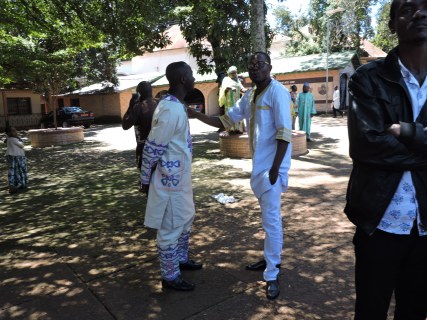
guides guides guides
The Museum is being transferred from the palace to the new building, the big two-headed snake with the spider on top, so we can’t see all the artifacts but our guide is making up for the lack with his very detailed explanations about Bamoun history. The two-headed snake and spider are the emblems of the Bamoun dynasty which dates back to the 14th century. It’s a long story, a long history. Only so much: the snake goes back two the Bamoun people fighting on two front lines and the spider is a symbol for wisdom and patience.
The Sultan, Ibrahim Mbombo Njoya, is sitting at the entrance to his palace giving his benediction to buses full of Hadj pilgrims leaving for Mecca. Being also a senator he is actually a kind of mediator referring the people’s grievances and wishes to the country’s government. He seems to be close to his people and well-liked by both, the Muslim majority (85%) and the Christians.


It wasn’t easy to get to Foumban but it was worth the effort as I will show you in my next letter.
Cheers Gerburg








































![DSCN8247[1]](https://gerburgkamm.blog/wp-content/uploads/2017/09/dscn82471.jpg?w=490&h=396)
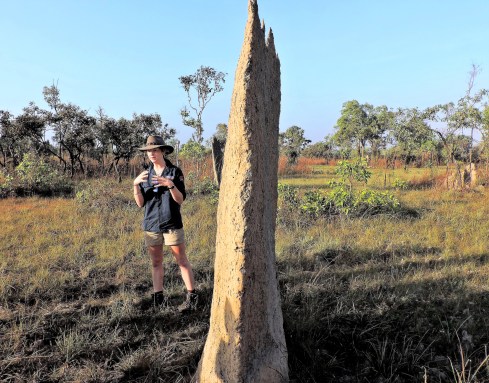
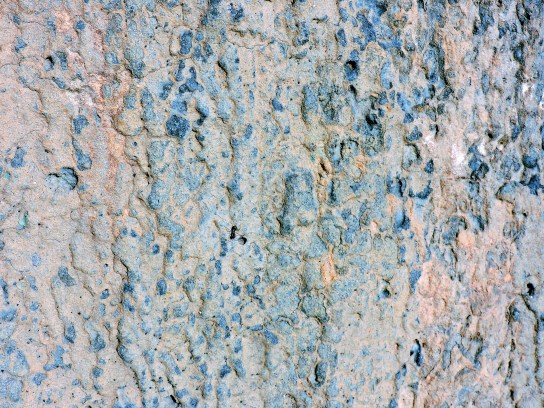
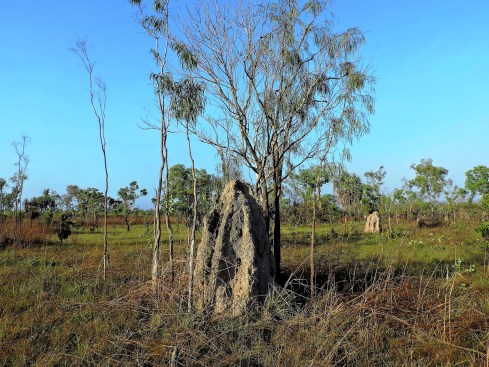
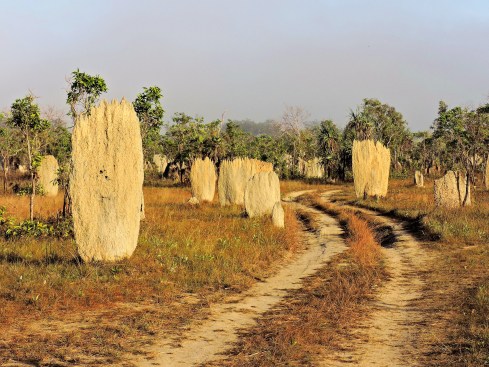 It never gets too hot on any side of the mounds, also, the termites move to the more temperate side during the day (and I keep thinking of Dubai and Abu Dhabi architects). With its tunnels, chambers and chimneys made from the yucky recipe of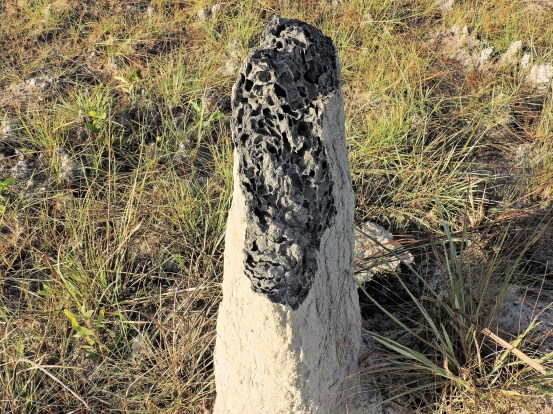
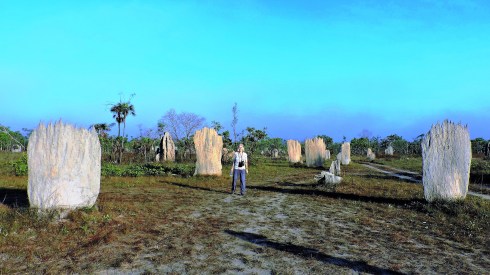


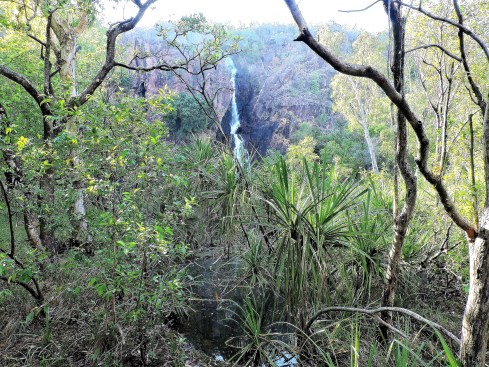
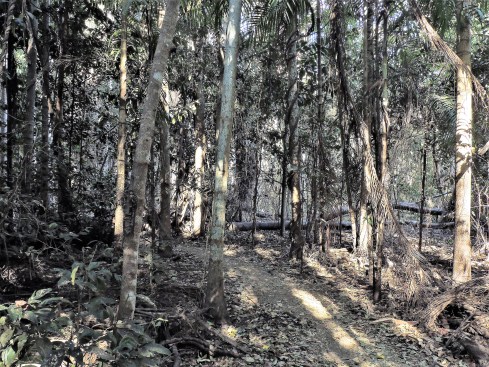
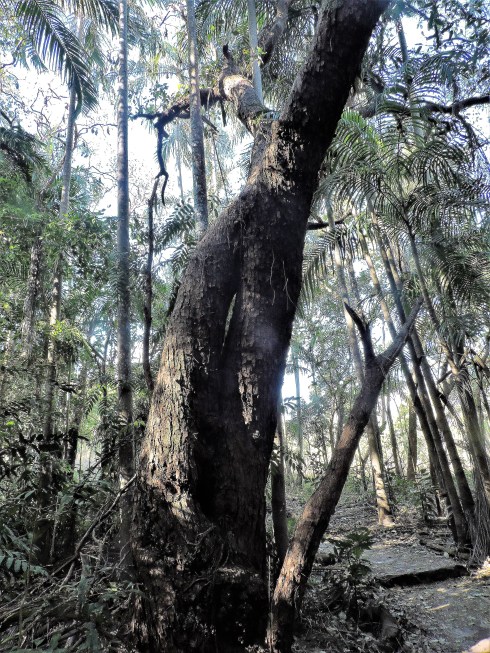
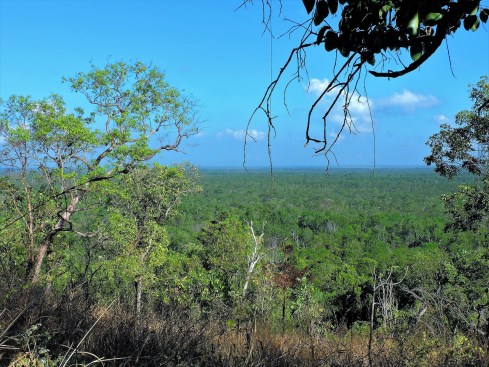
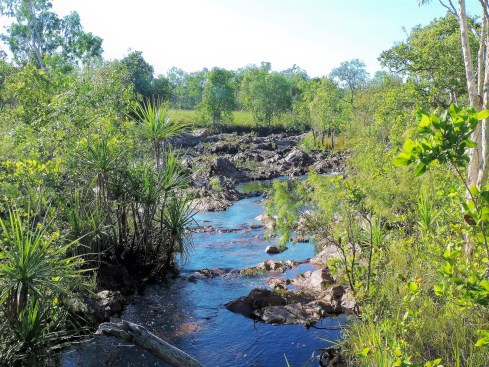
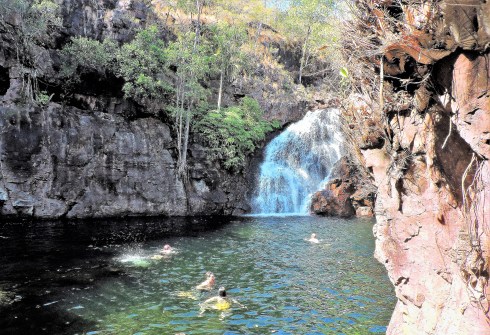
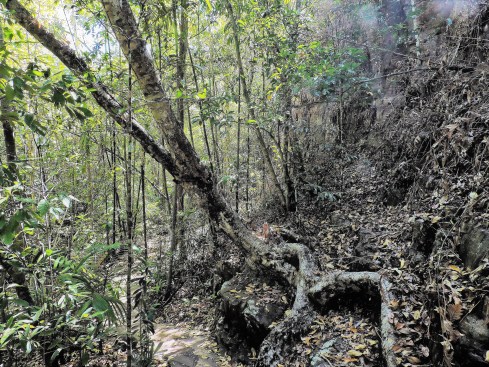
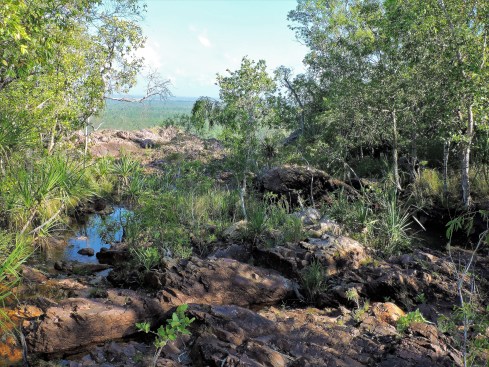 I felt great, but, to tell the truth, it hadn’t been such a tough walk, after all, and I kept asking myself what this fussing about age was all about.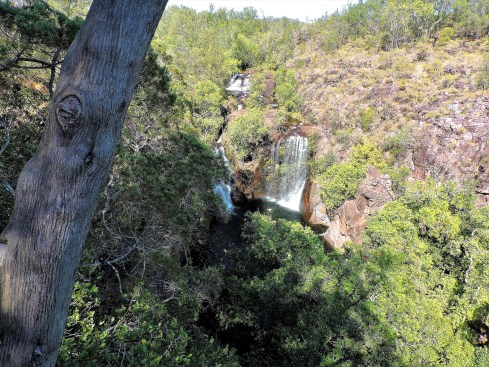





![FB_IMG_1505659136457[1]](https://i0.wp.com/gerburgkamm.blog/wp-content/uploads/2017/09/fb_img_15056591364571.jpg?w=241&h=321&ssl=1 "FB_IMG_1505659136457[1]")
![FB_IMG_1505659143872[1]](https://i0.wp.com/gerburgkamm.blog/wp-content/uploads/2017/09/fb_img_15056591438721.jpg?w=241&h=321&ssl=1 "FB_IMG_1505659143872[1]")






 gerburgkamm