Archive | Uncategorized RSS feed for this section

We were anchored off Madagascar …

17 Dec

… and had the plague on board; auf deutsch (vivacious march rhythm) : “Wir lagen vor Madagaskar und hatten die Pest an Bord”!
We learned that song in a children’s “holiday camp” or was it at school? I liked shanties; they told of the big wide world and “men’s freedom”, even if that meant being thrown overboard as plague-ridden corpses. And what 9-year-old knew where Madagascar was? In any case, the song didn’t exactly encourage travelling there. In September / October 2025 the news explicetly discouraged travelling to Madagascar because of “Gen Z” protests over power and water outages and corruption allegations. The elite CAPSAT soldiers (Corps d’administration des personnels et des services administratifs et techniques) refused to obey the government order to shoot at the protesters, instead they helped to bring about a coup d’état. The killings of 22 protesters and civilians were blamed on the “gendarmerie”, a guide in Antananarivo told me later. The actual government is transitional and the interim president is a Colonel.

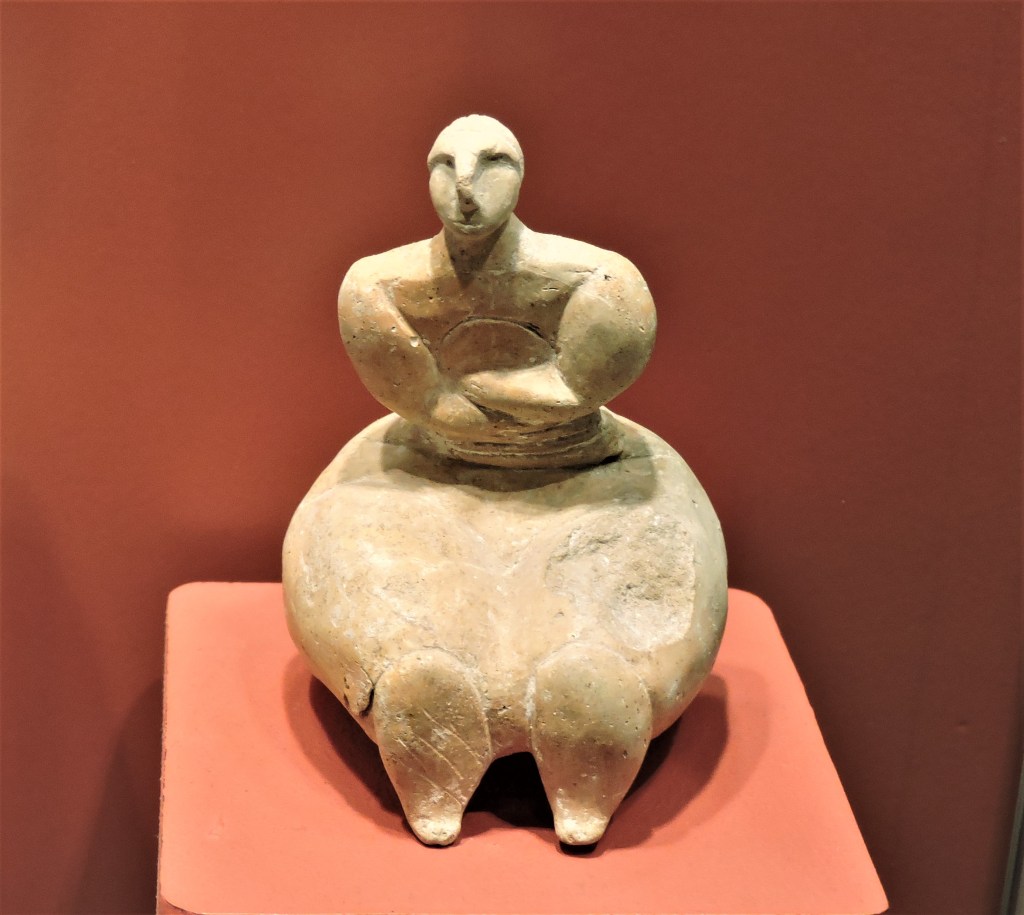
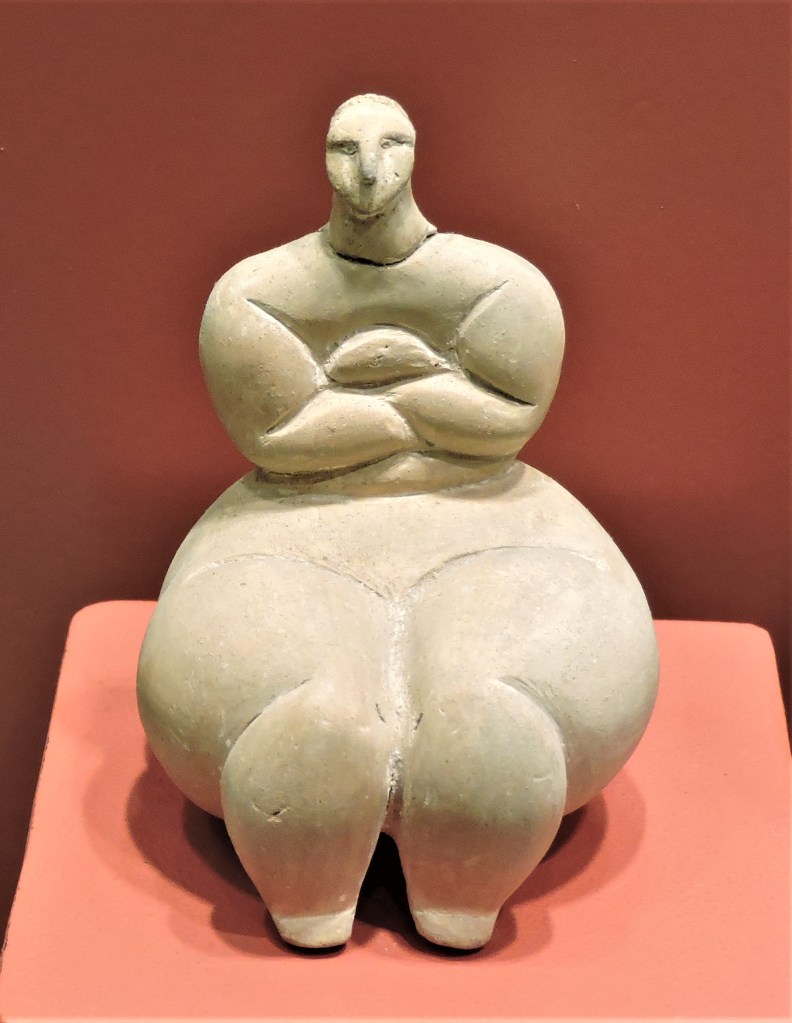
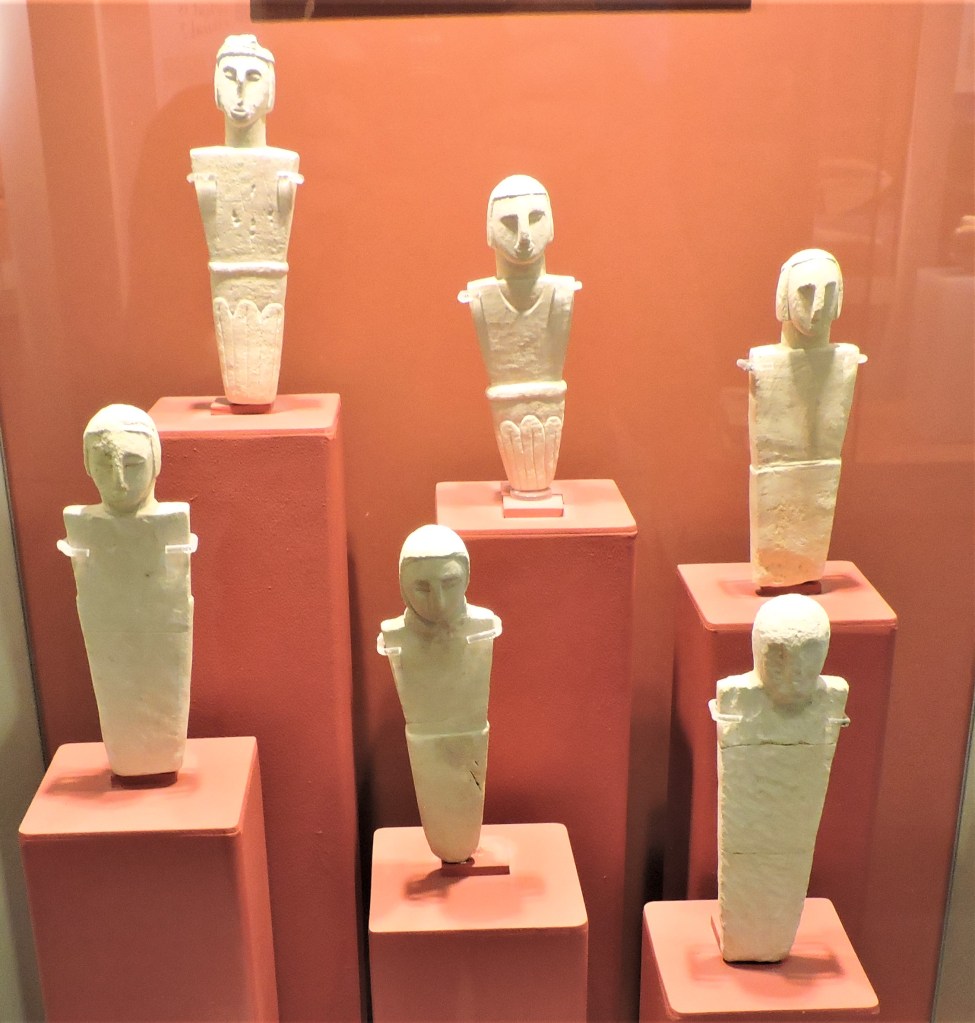
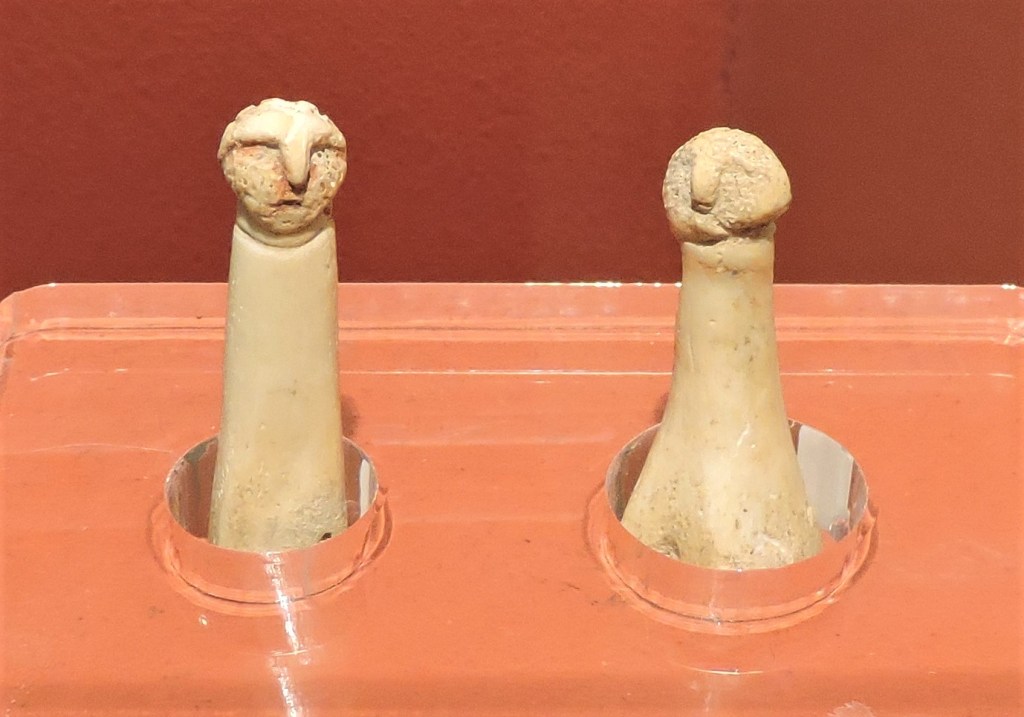
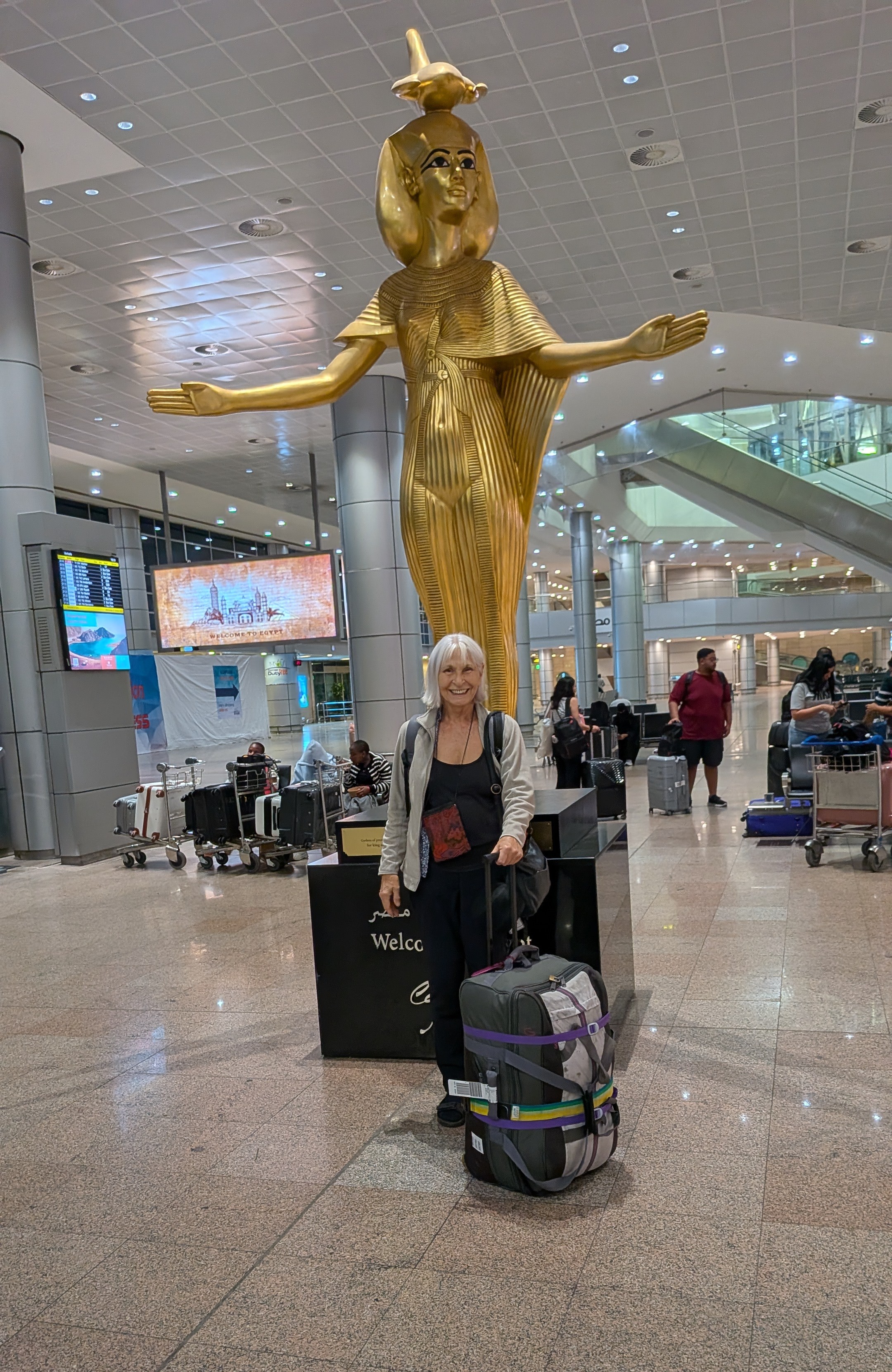
I went on my trip as I had planned (I’m too old to lose time). Stopover in Cairo: who wouldn’t want to have a physique like Cleopatra’s. Picture 1.

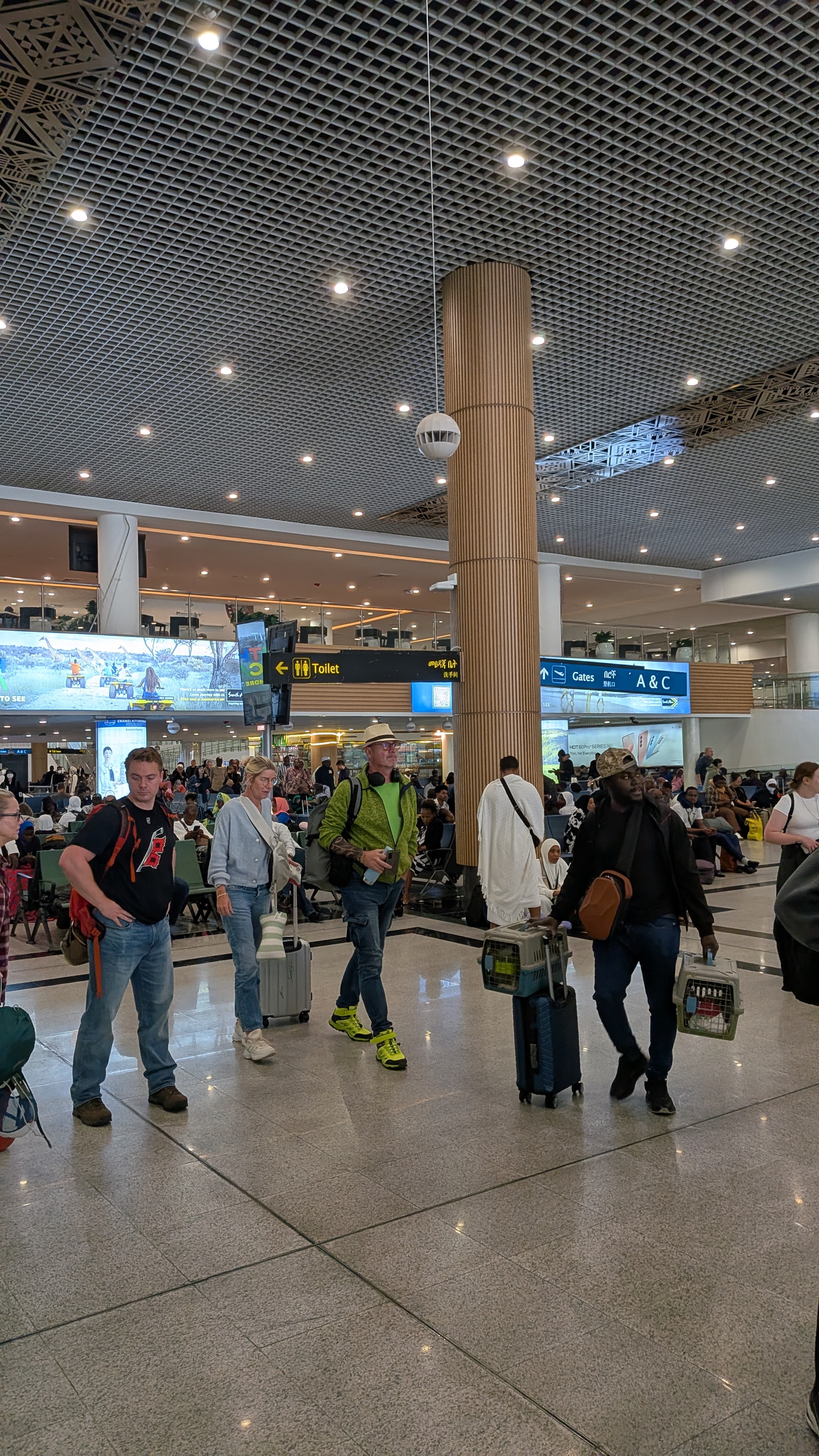
The airport of Addis Ababa has become a hub of interesting people with exciting life projects, like Joey Potter, who is a one man NGO and saves young girls all over the world from being sold and dragged into premature marriage. During a cup of coffee he told me that he had fierce enemies. Immagine me looking around furtively while listening in awe … Look him up (https://www.joeypottermissions.org/).

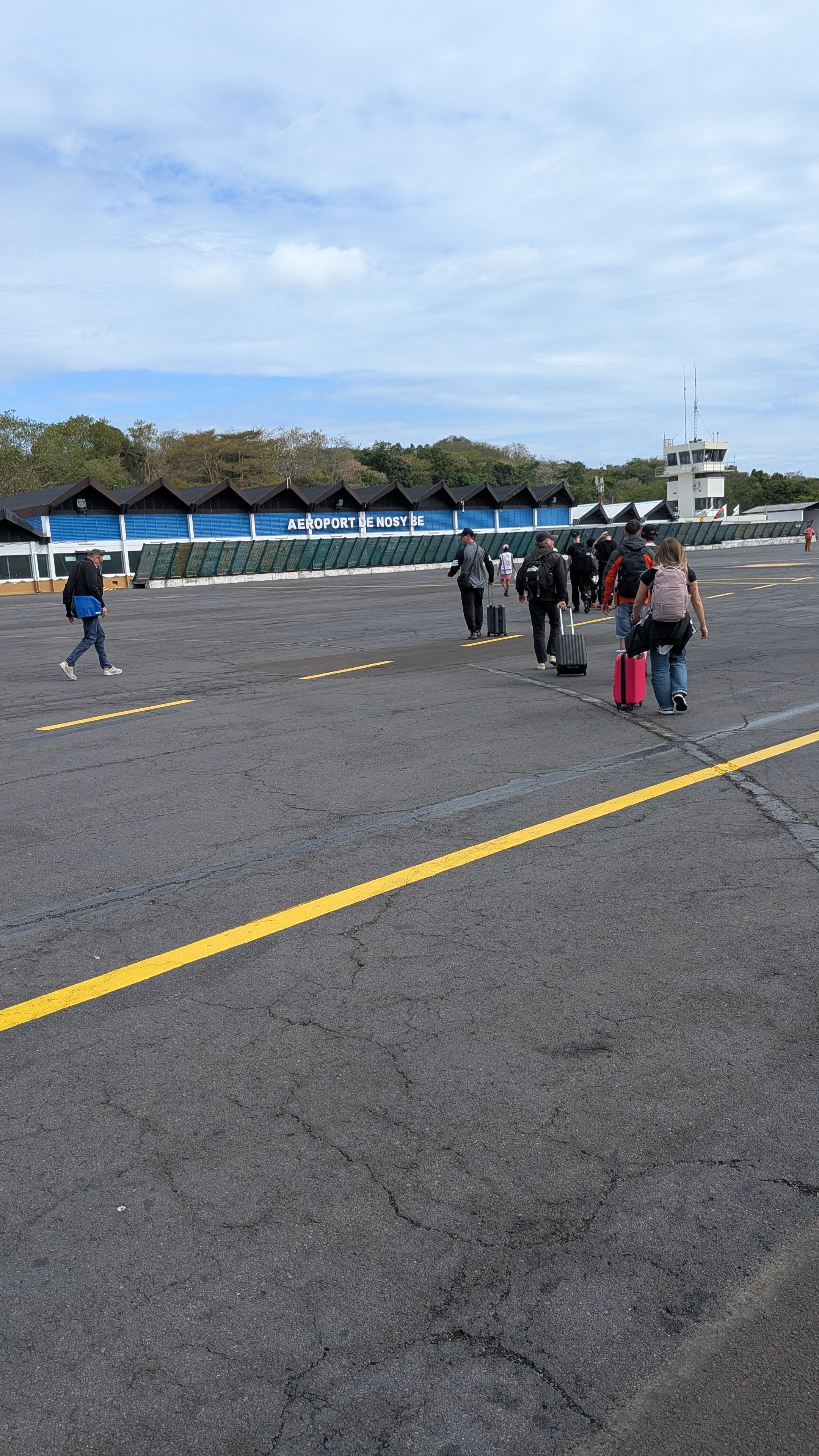
Arrival at the Aéroport de Nosy Be, pic 3: walk to the airport building, someone in uniform gives you a relatively unbureaucratic, plain looking (difficult to decipher) visa for a couple of Euros. I paid less than what it said in the entry regulations; and … no! no receipt! Strange!

Nosy Be! Don’t pronounce the island’s name as if you were speaking English; say something like: “nussy beh” instead. The name means “Big Island”.
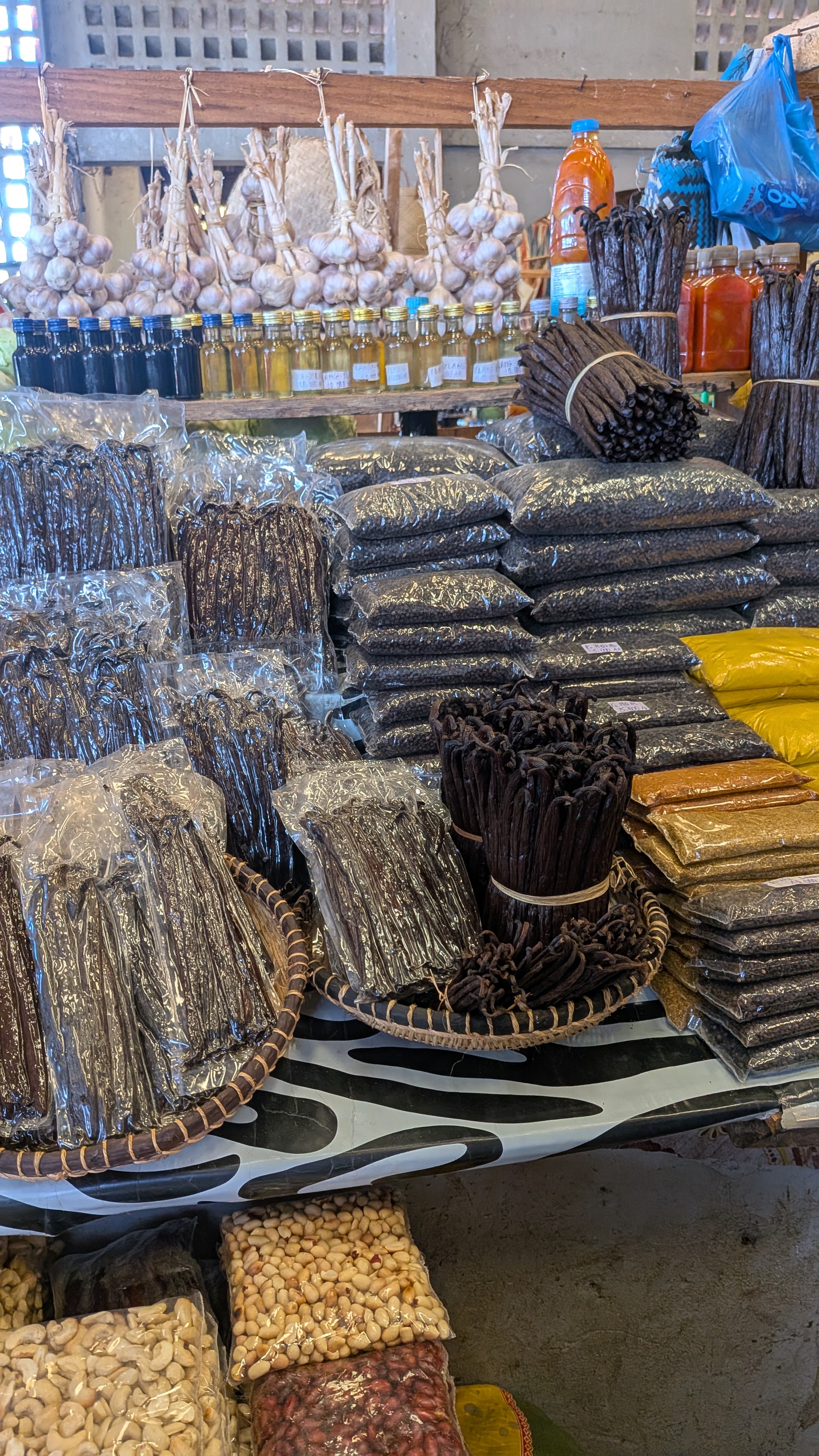
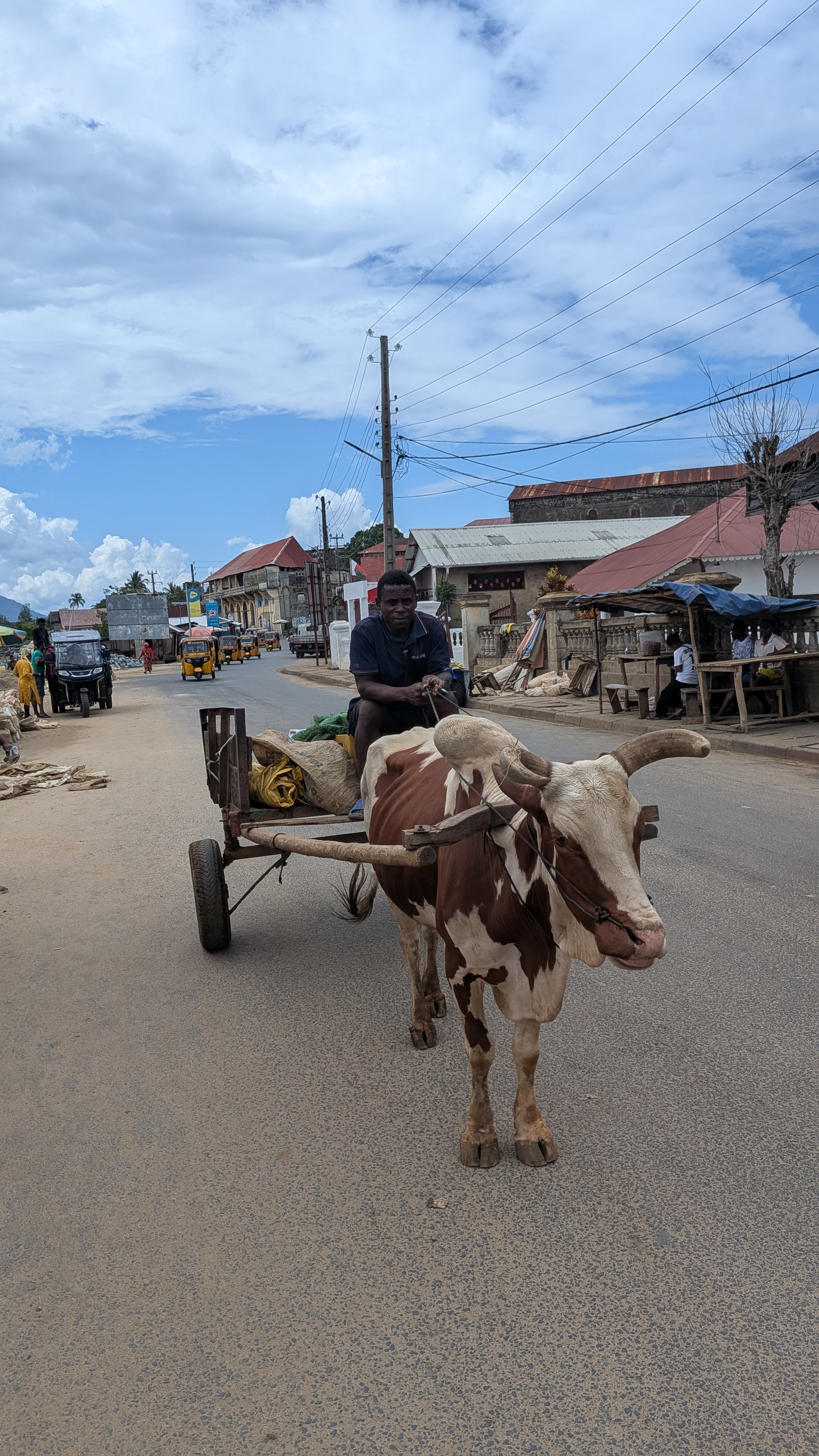
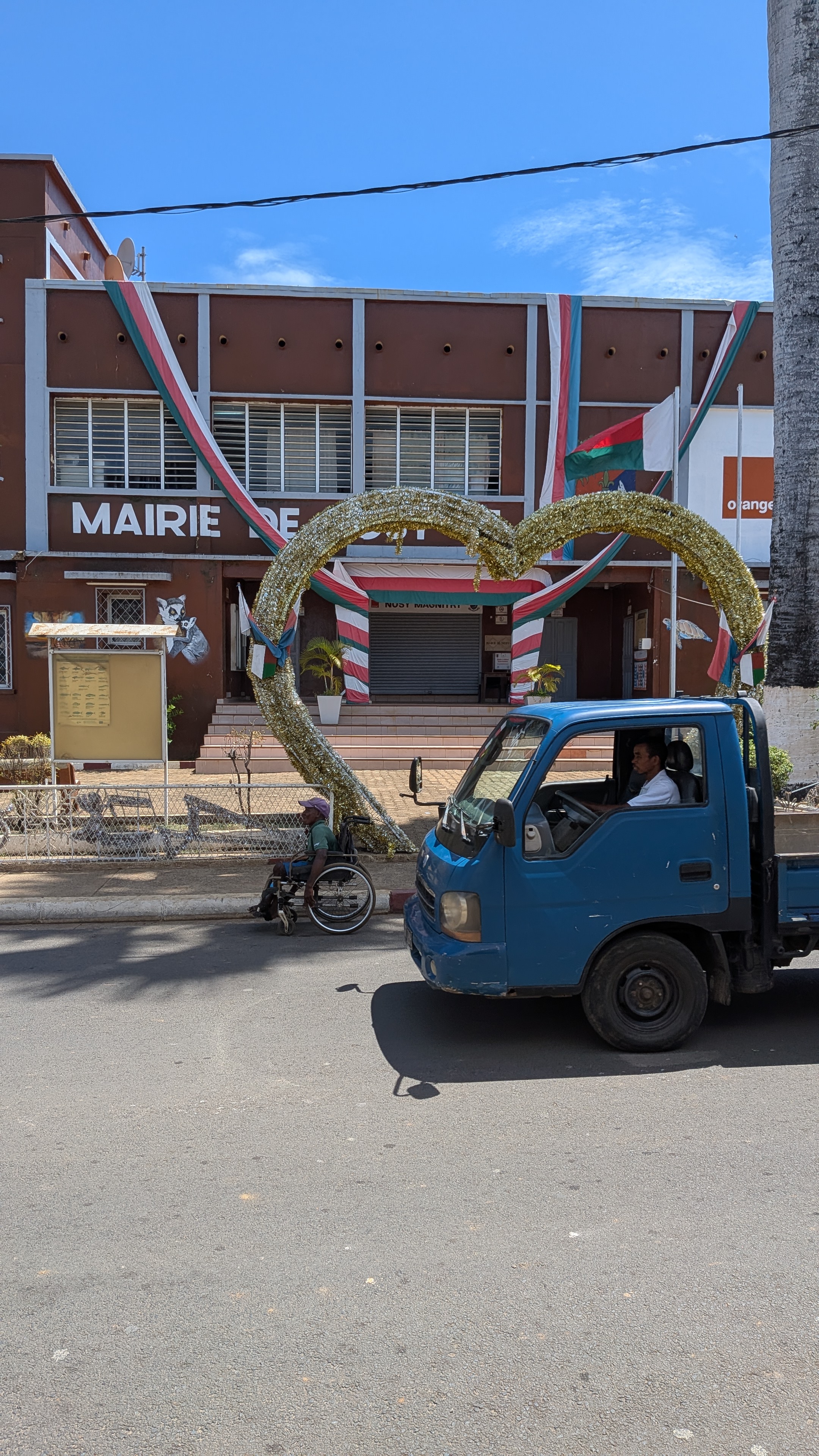
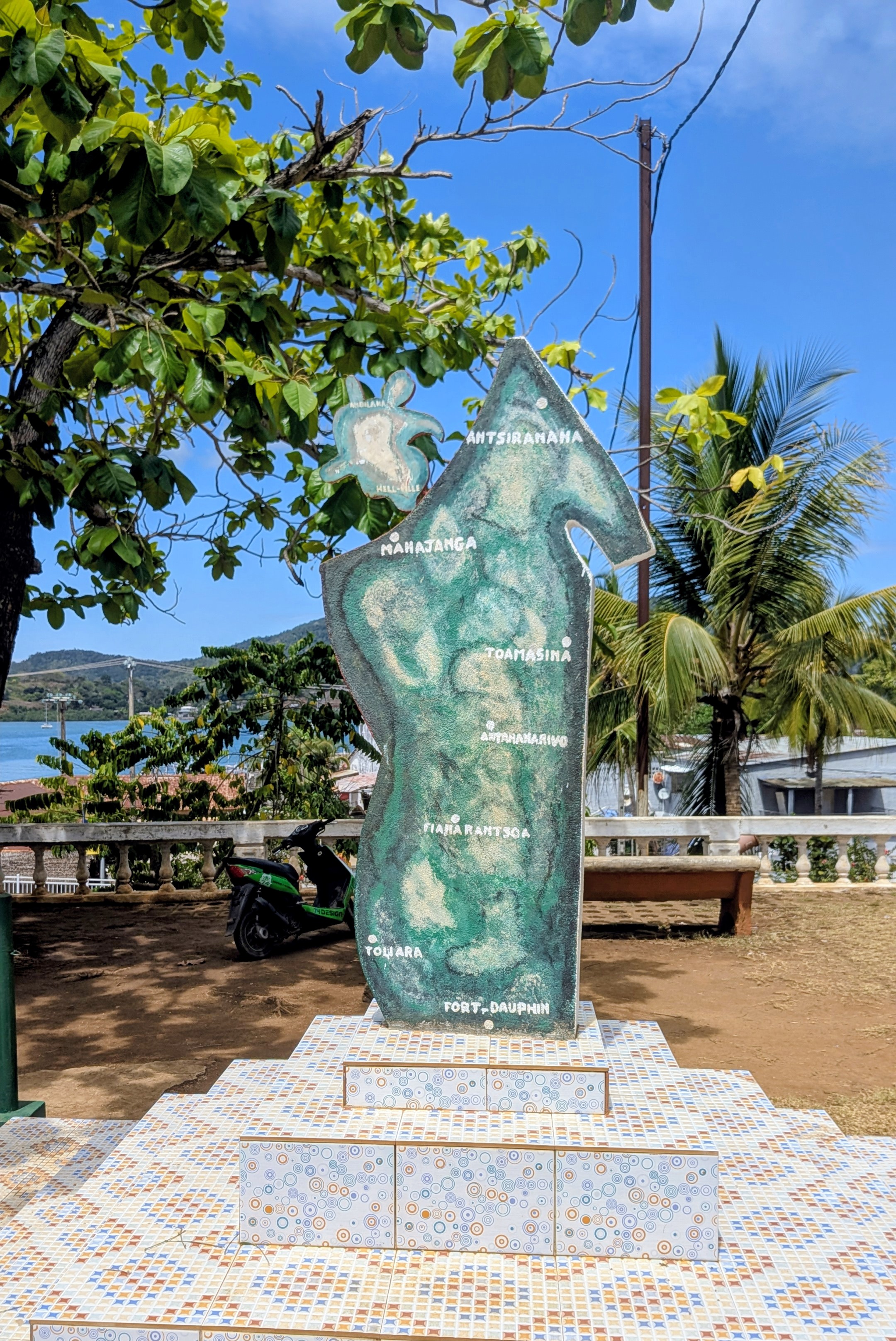
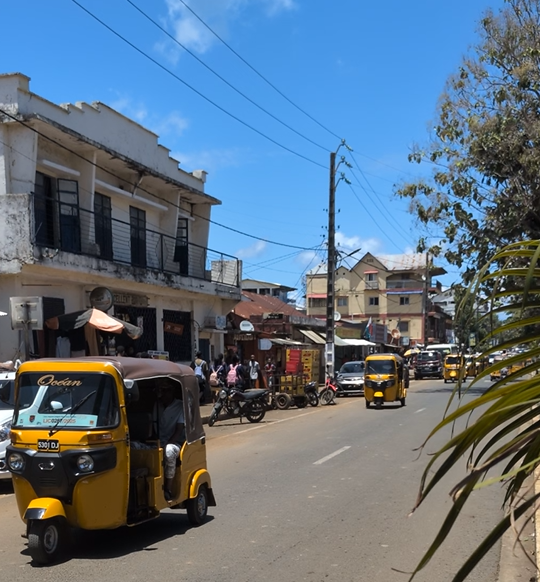
First day: I explore Hell-Ville, Nosy Be’s capital, change money, buy a simcard and walk, walk, walk and take a tuk tuk. Hell-Ville’s post colonial name is Andoany, but most people still call it after the French Admiral Louis de Hell. Hell! it’s not a nickname for a hot and trafficky town as I thought in the beginning. Pic 1 below. “Where the pepper grows” in German means: a very remote place. In Nosy Be you find all kinds of spices, the most famous one: Bourbon vanilla; the orchids are hand-pollinated during their single-day bloom, like almost everywhere. I took pictures of the flower when I travelled over Polynesia in ’23. The specialised insect for vanilla orchid pollination survives and thrives only in Central America. Bourbon vanilla pods for friends and family are a real gift. Pic 3 below
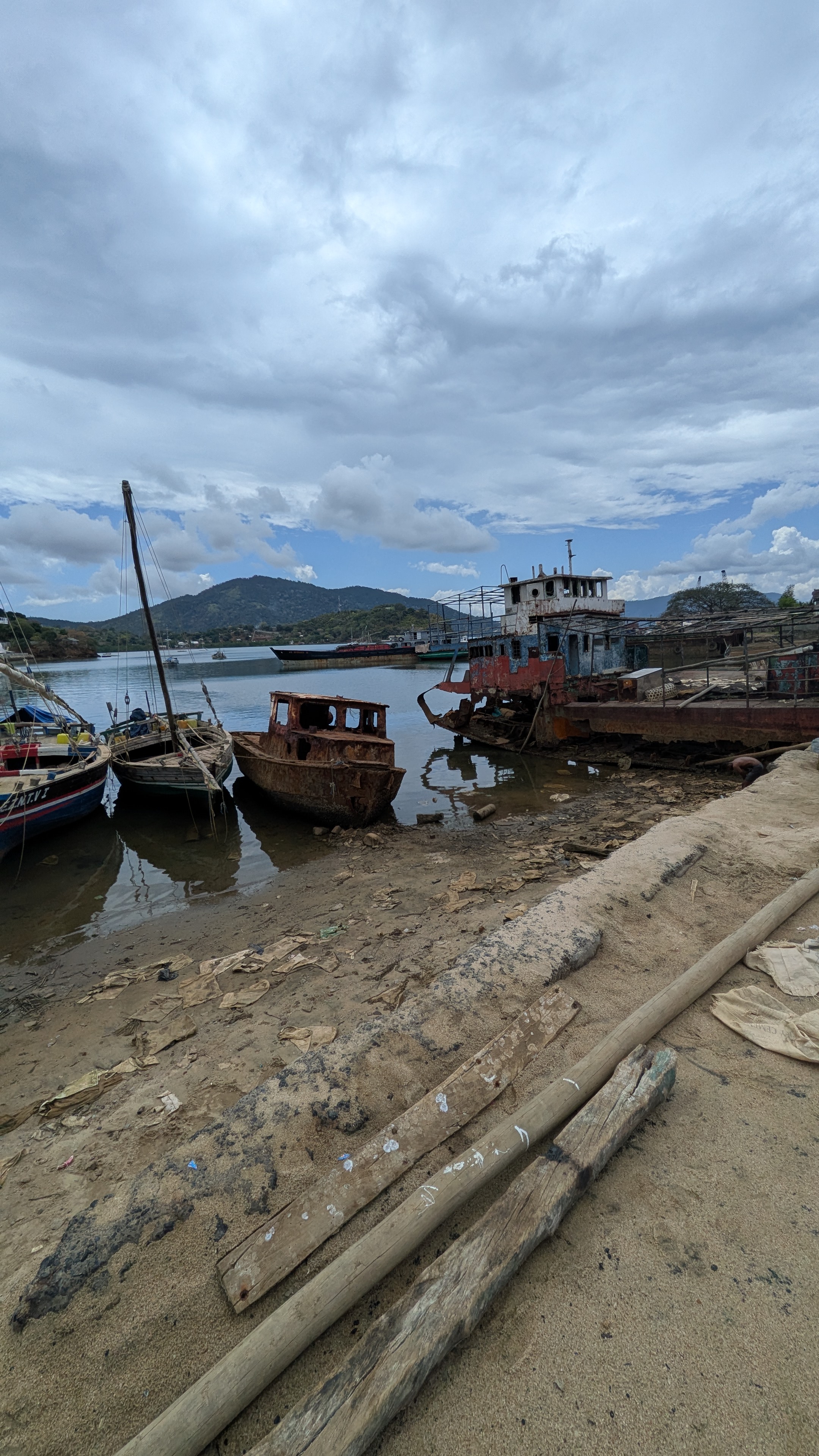
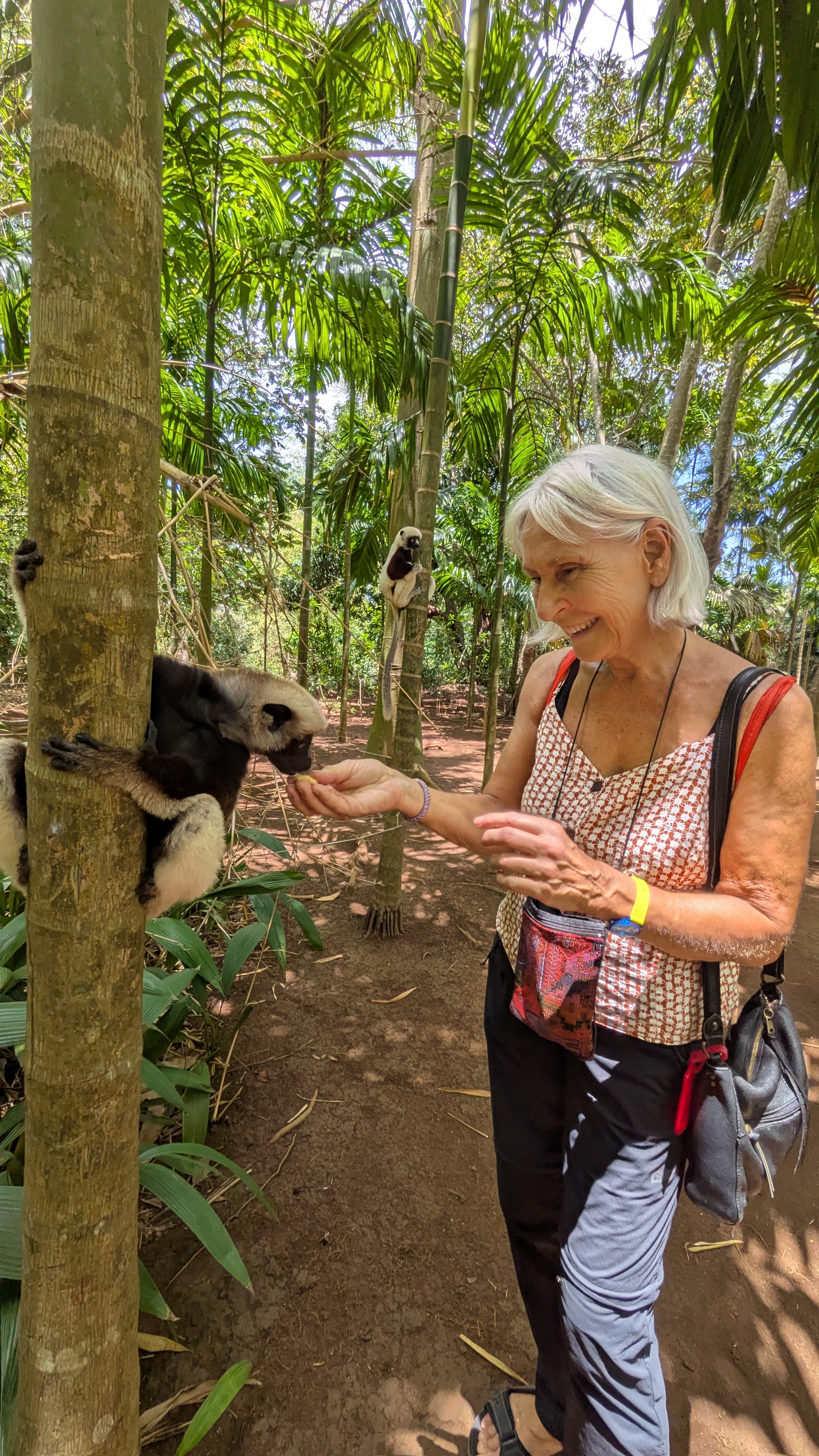
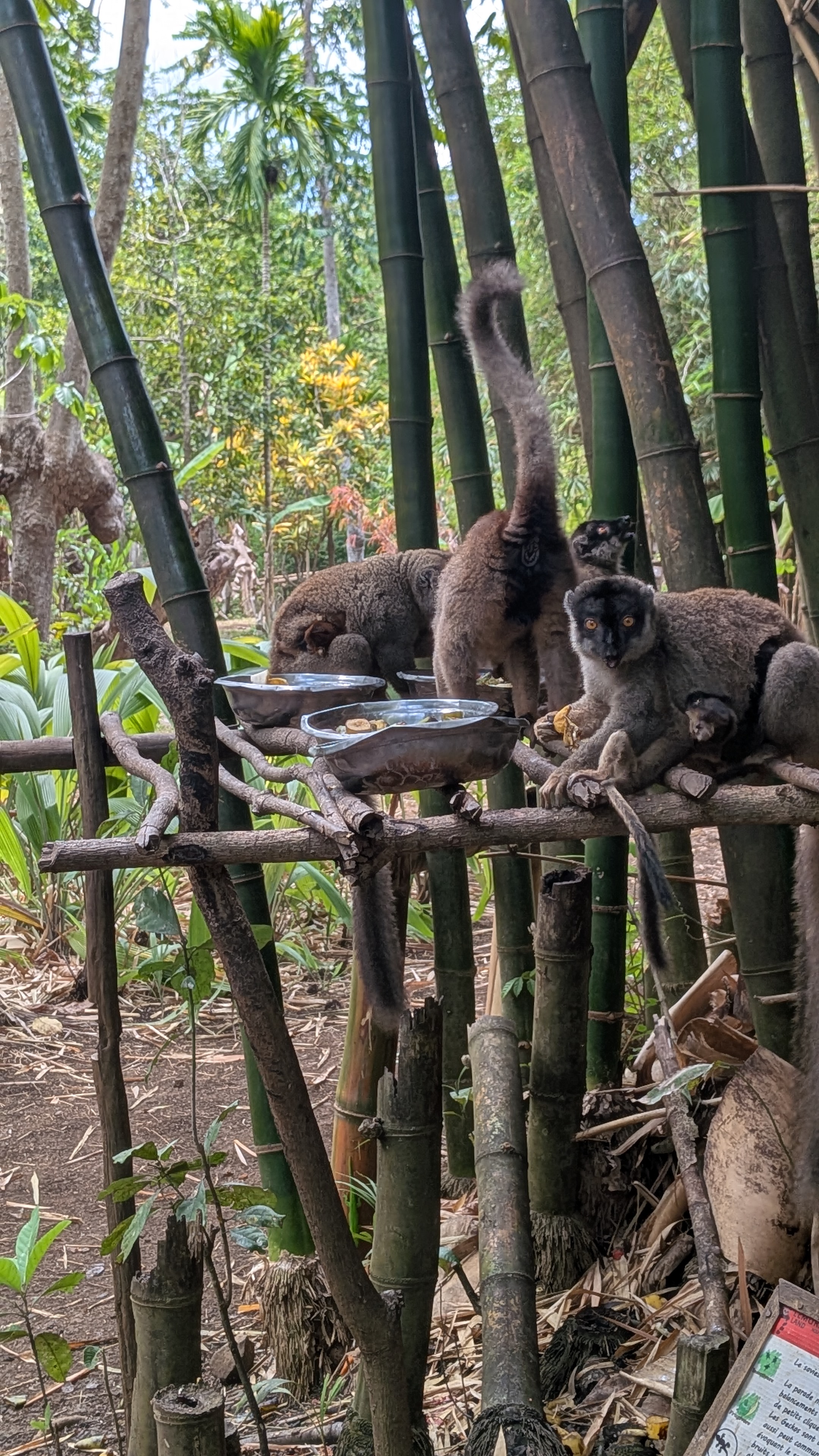
My immediate programm: Go and meet the long-tailed, wide-eyed little forest ghosts and fall in love with them. Walking to Lemuria Land (a park 4 km from the centre of Andoany and nobody goes there on foot) I get into the feel of being in tropical Madagascar. At the entrance of the Nature Park I hire an English speaking guide for an hour and then roam about on my own. The park is beautiful and the animals are well cared for and kept in a near-natural environment.
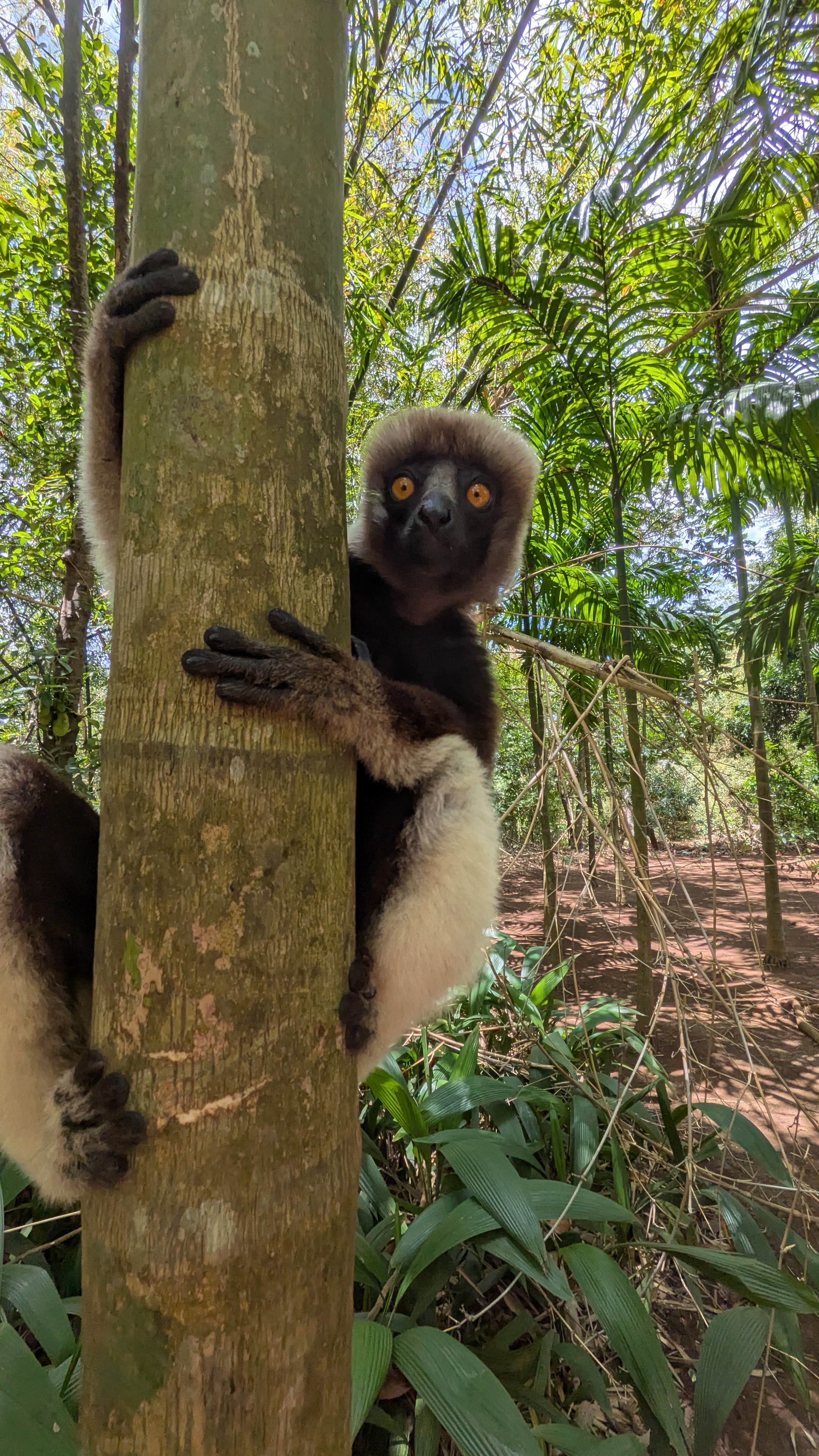
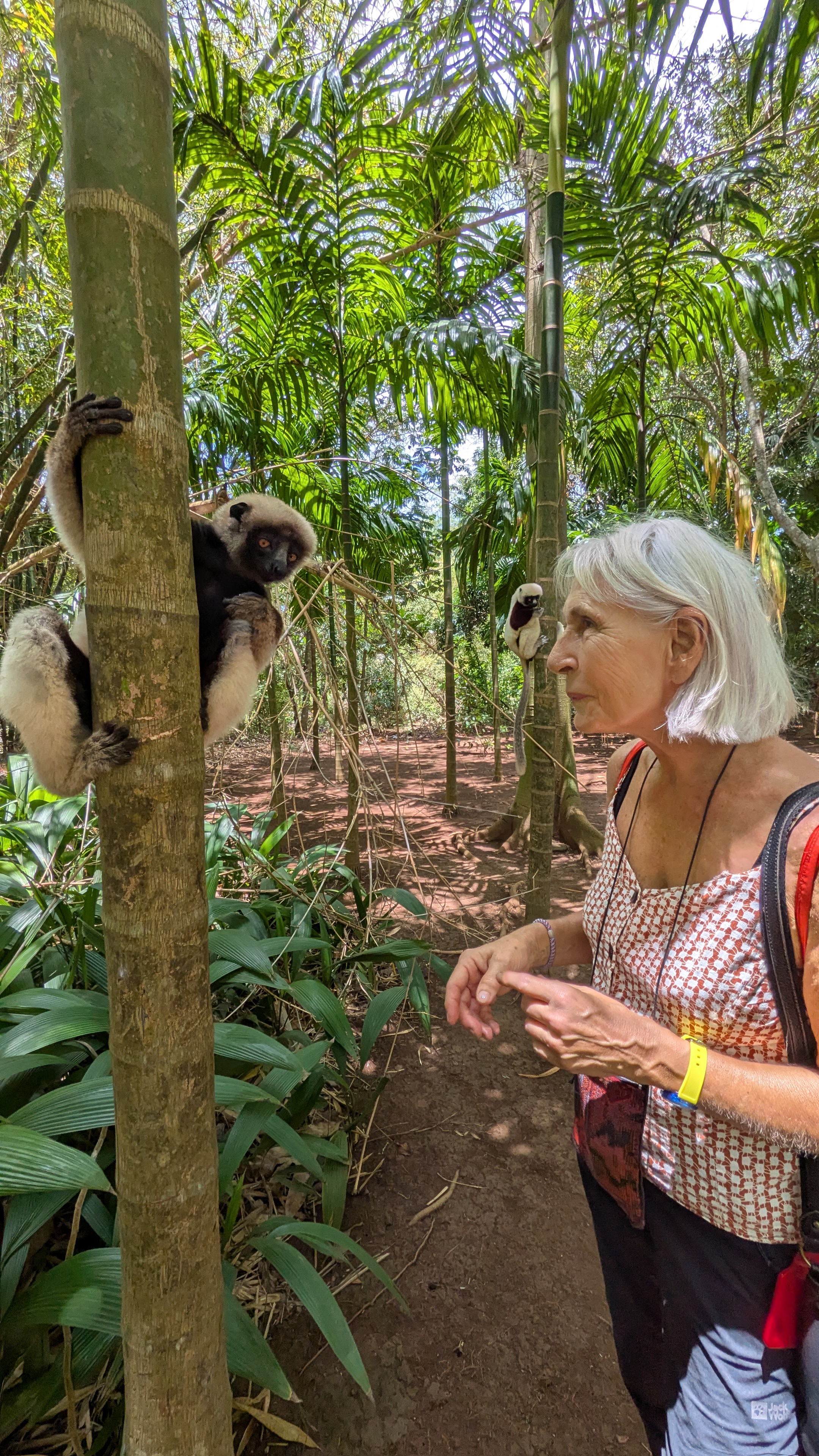
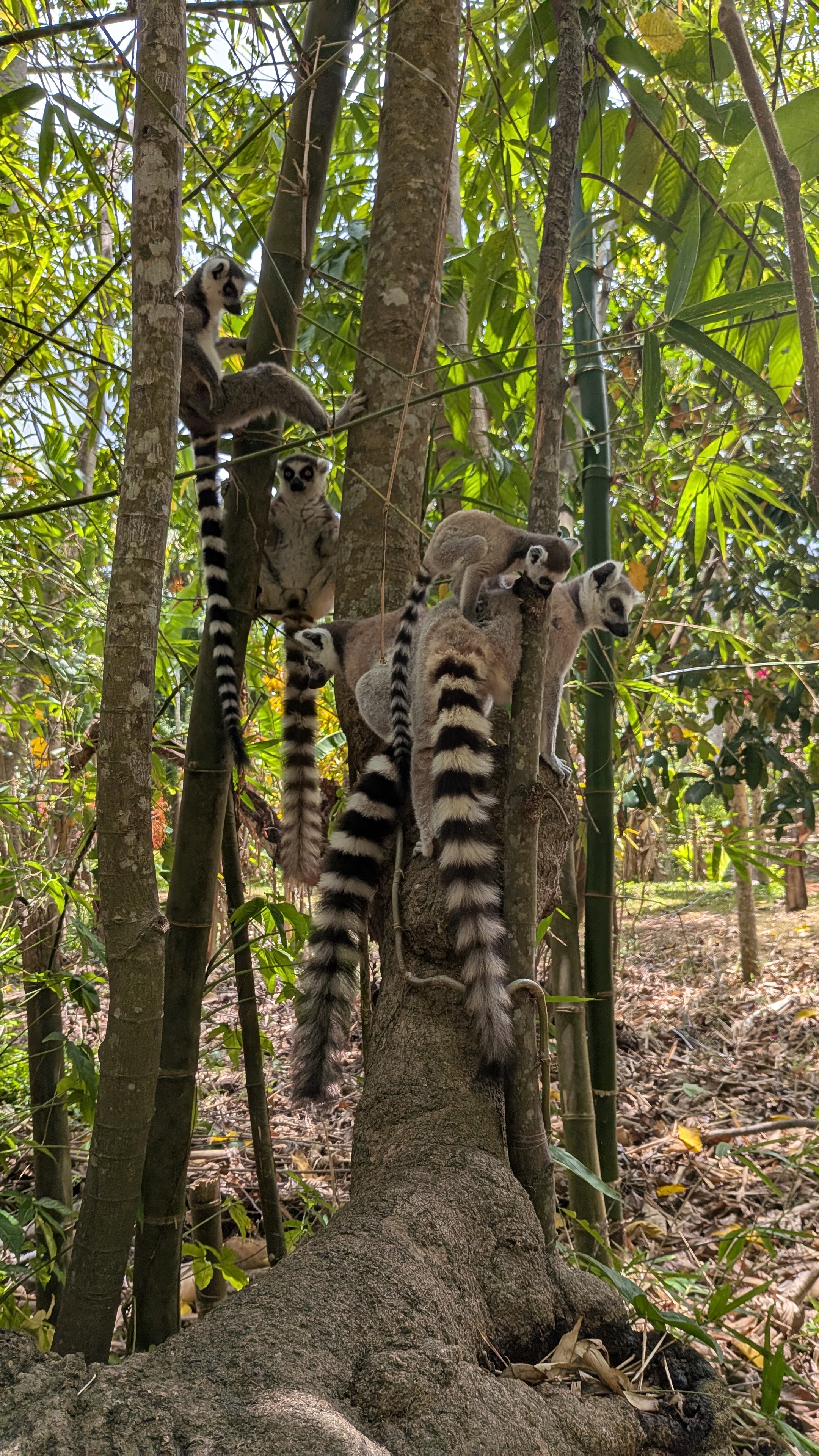
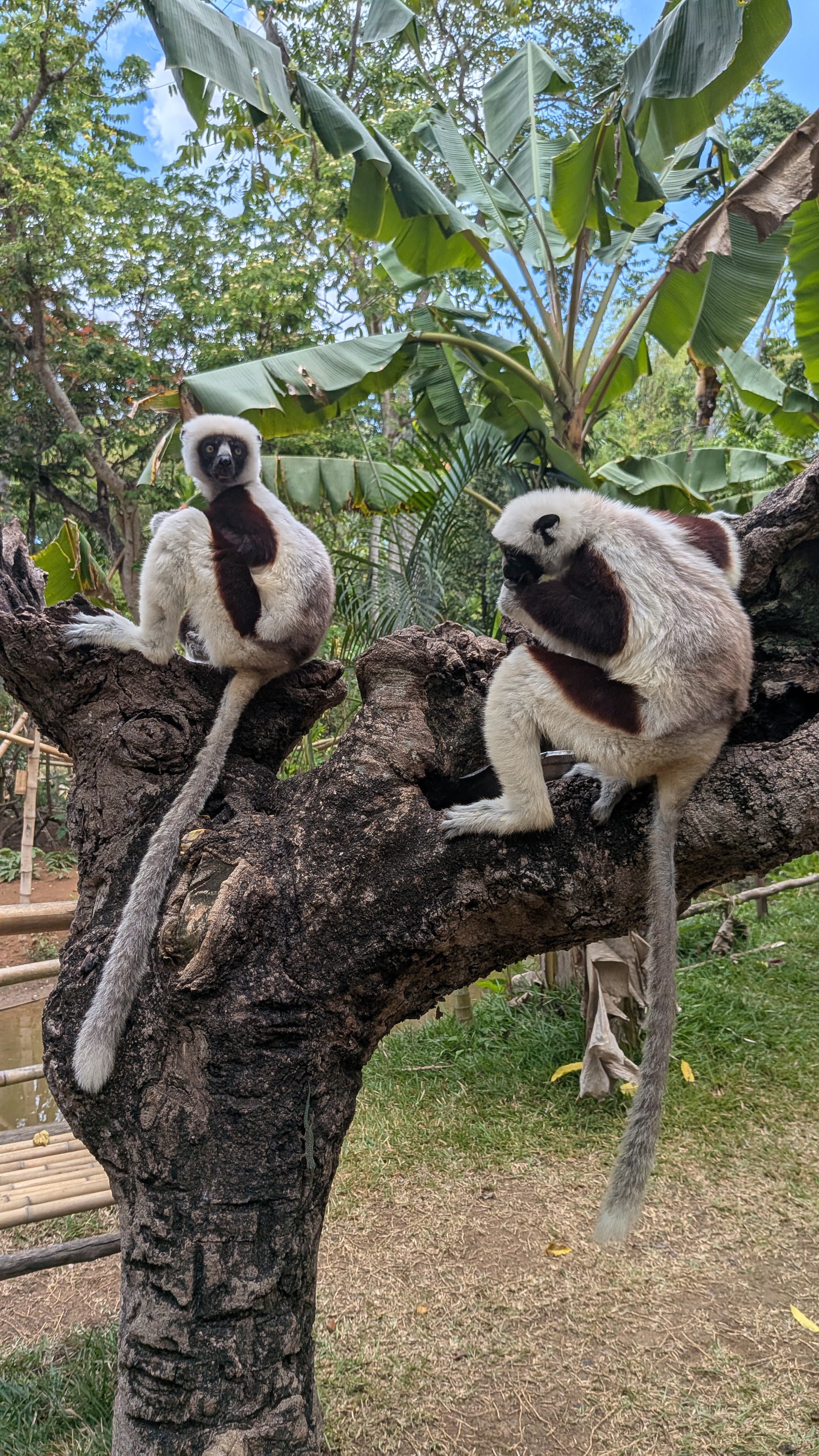
A common true or false quiz question: There are more than a hundred species of lemurs (from the tiny mouse lemur to the big 3 feet tall indri). Answer: True! 108 species … all over of Madagascar. Lemurs can be lively, one moment you see them, the next moment they are gone. They are primates, mostly live in matriarchal groups and are endemic to Madagscar.

Reptiles

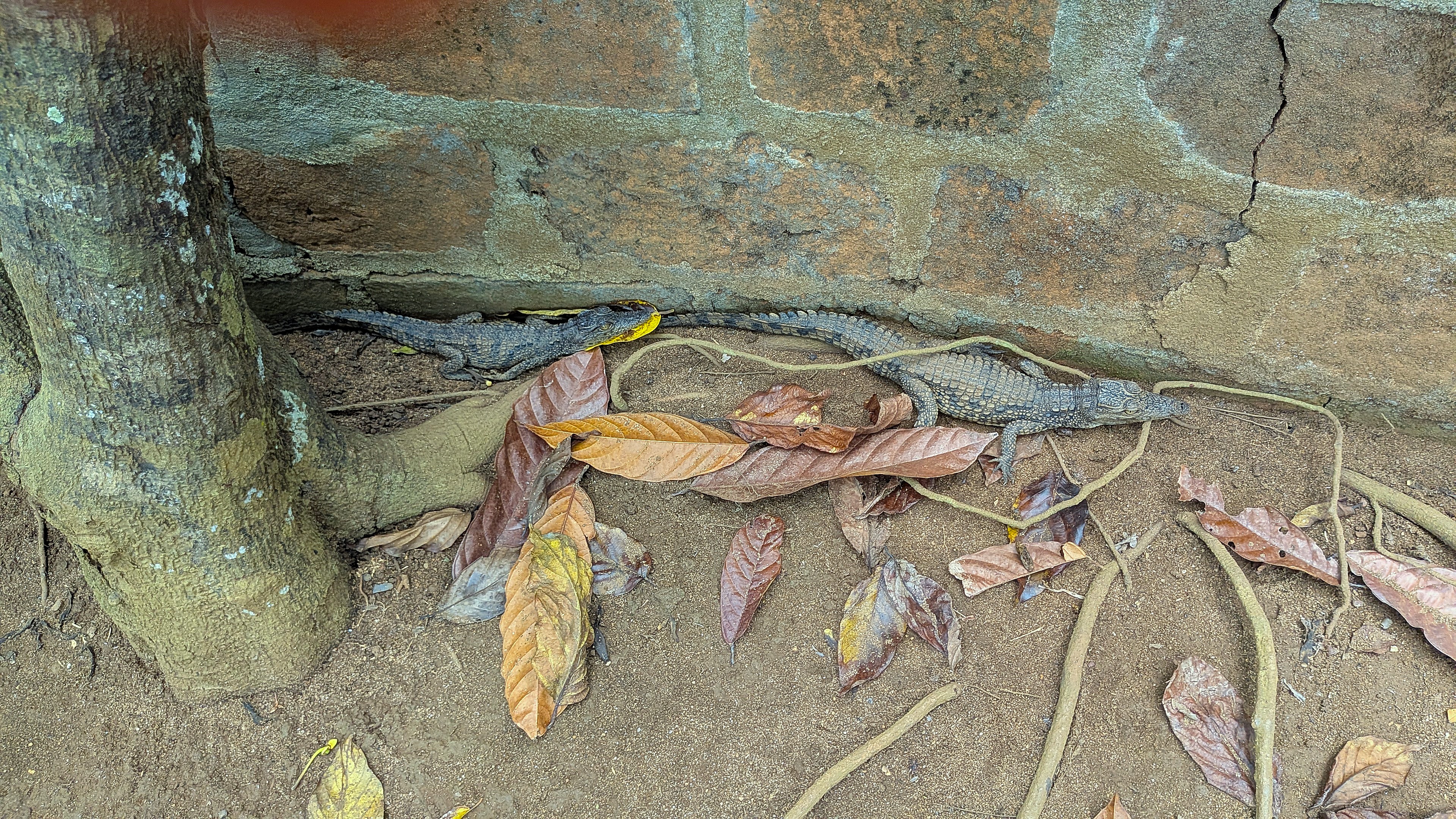
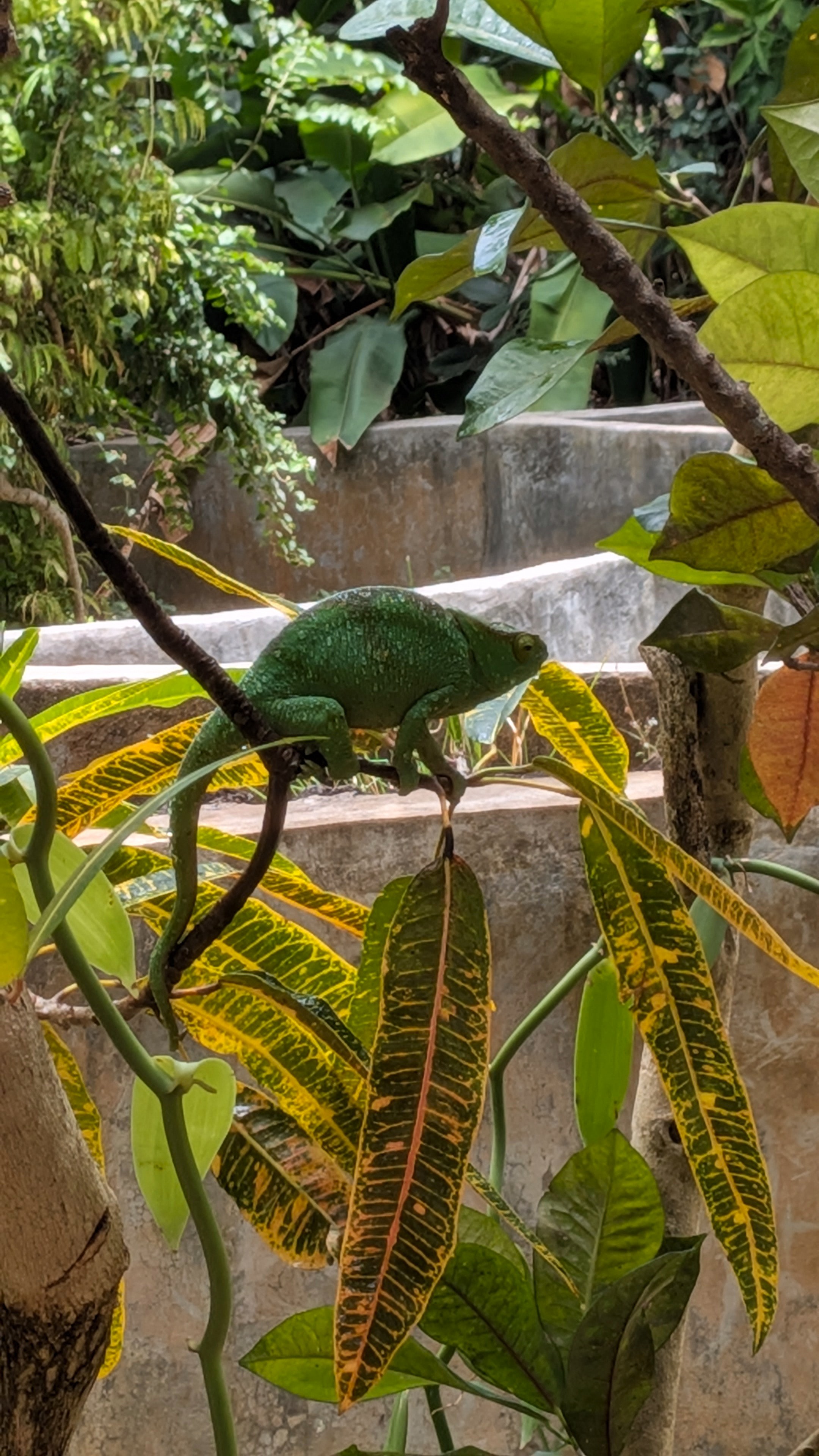
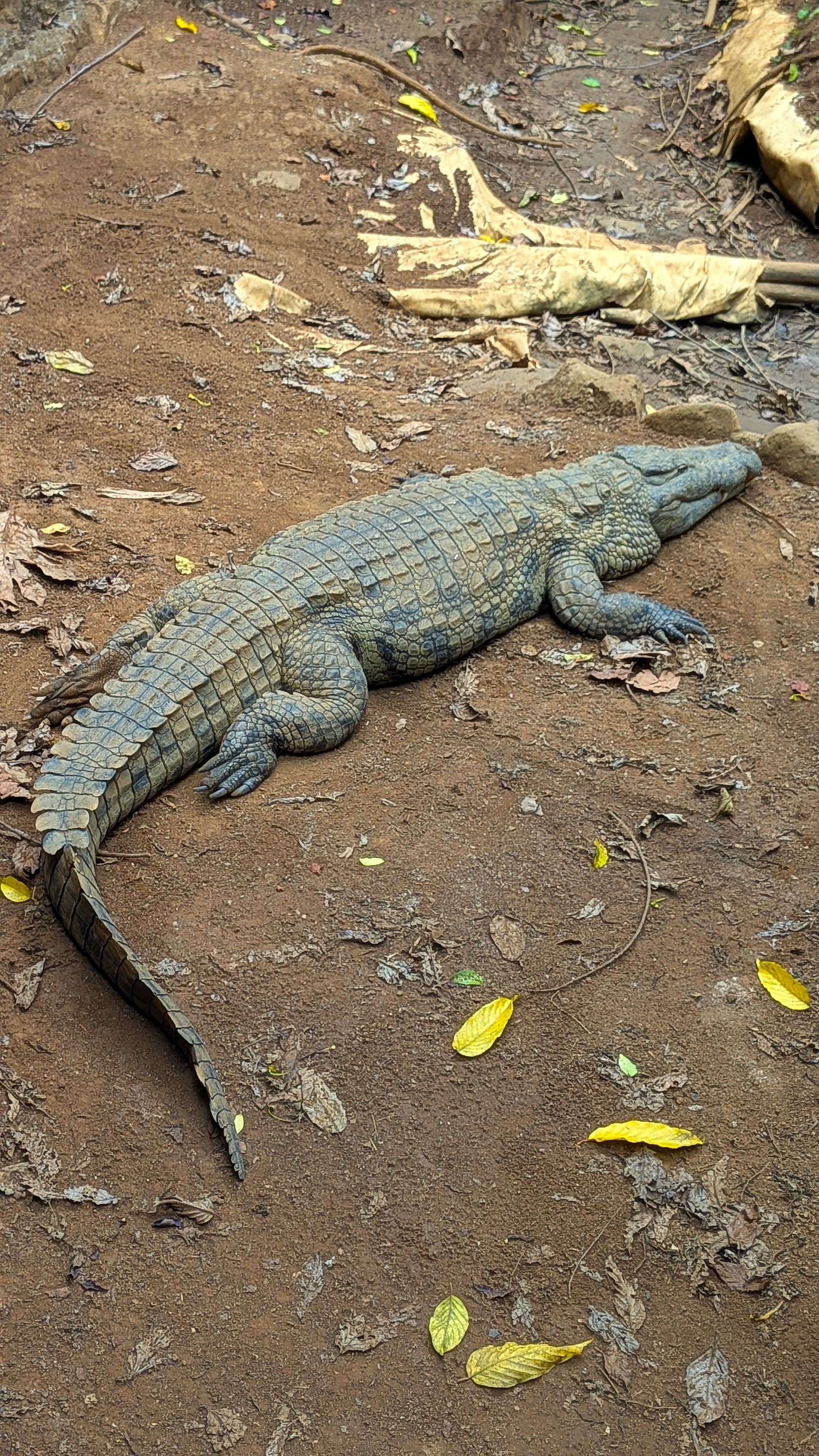
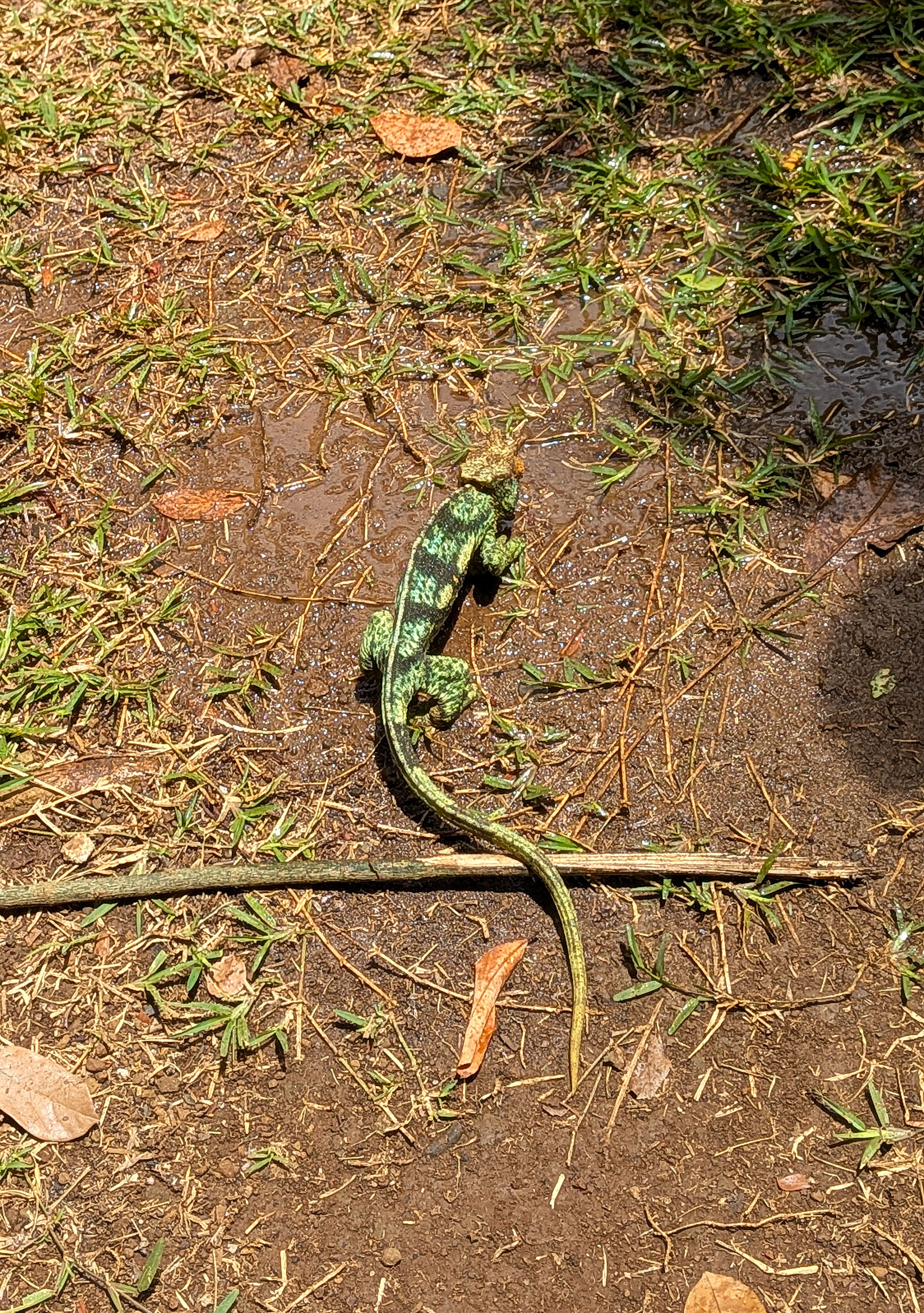
They may be difficult to detect but when spotted they stay and give you time to take a picture.The Malagasy are incredibly proud of their reptiles, the most iconic being the chameleon. People here have an eye for it and spot its hump easily in day- and nighttime. Apropos of eyes: here Chameleons symbolize forsight: “one eye on the future, one eye on the past.” And … no, they don’t change colour with their surroundings, rather with their mood or sometimes with the temperature, like we do ;-). Their tails are curled when they are relaxed and sleep (nighttime pictures later) and straight when alert. With their fascinating perfect hands and feet (3+2 fused toes and 2+3 fused fingers) they hold onto the tiniest twiggs. The Nile crocodile is not endemic but has adapted well to the environment and is said to keep the eco-system healthy, simply by feeding on other animals. Watch out when swimming in caves, they like people, too.
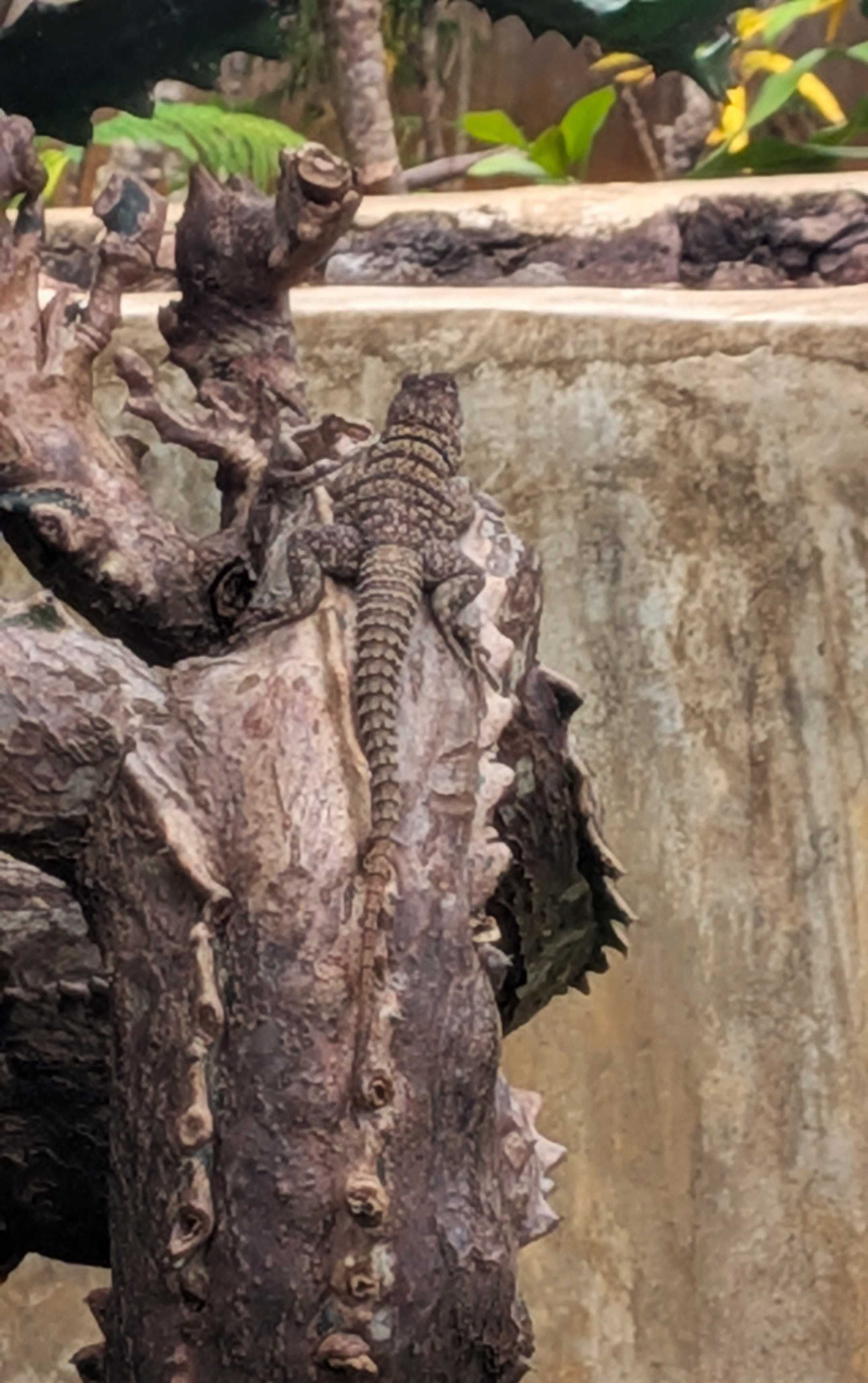
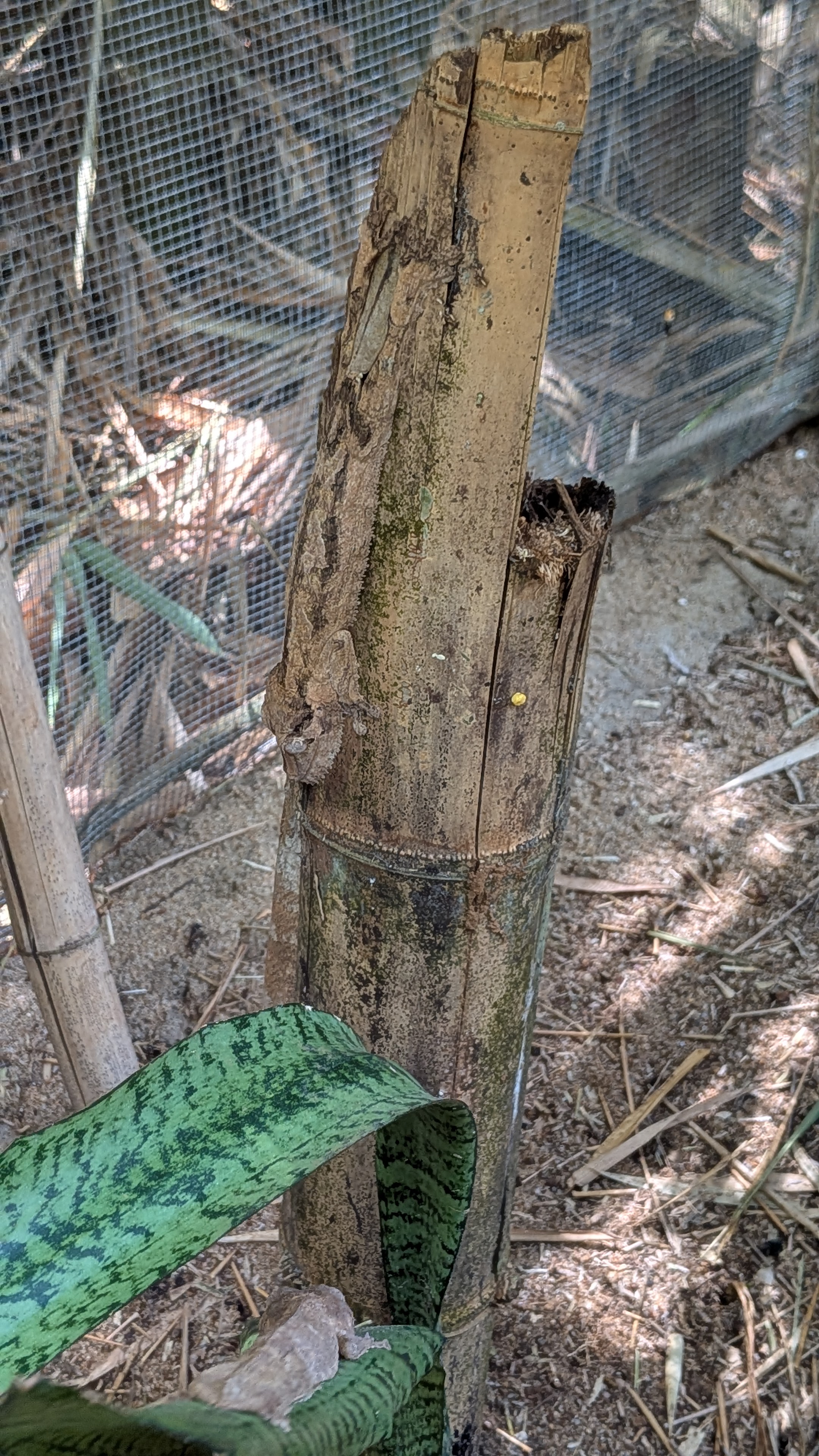
Lizards come in many shapes and colours and sometimes you take a picture before you even SEE them.
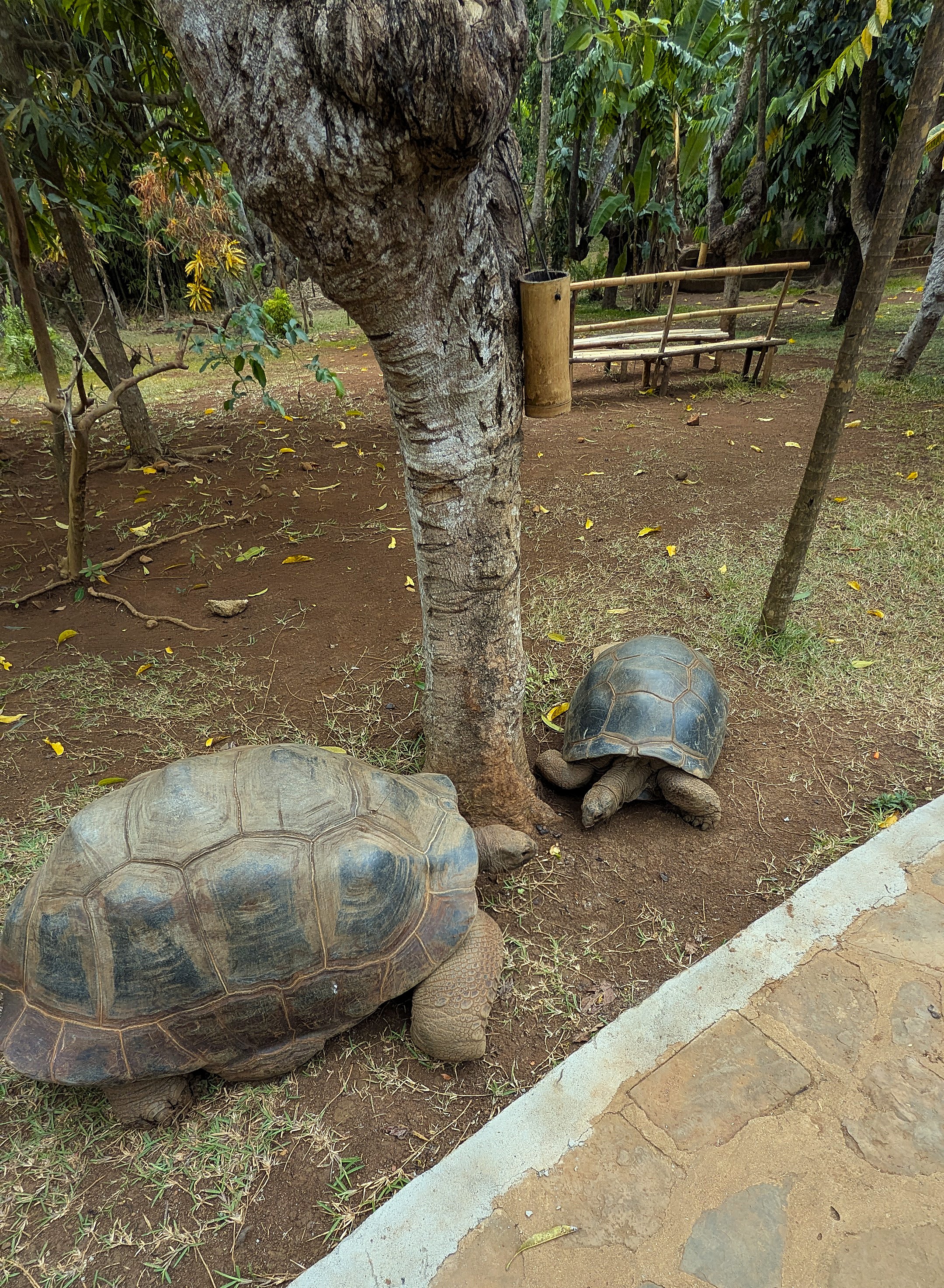
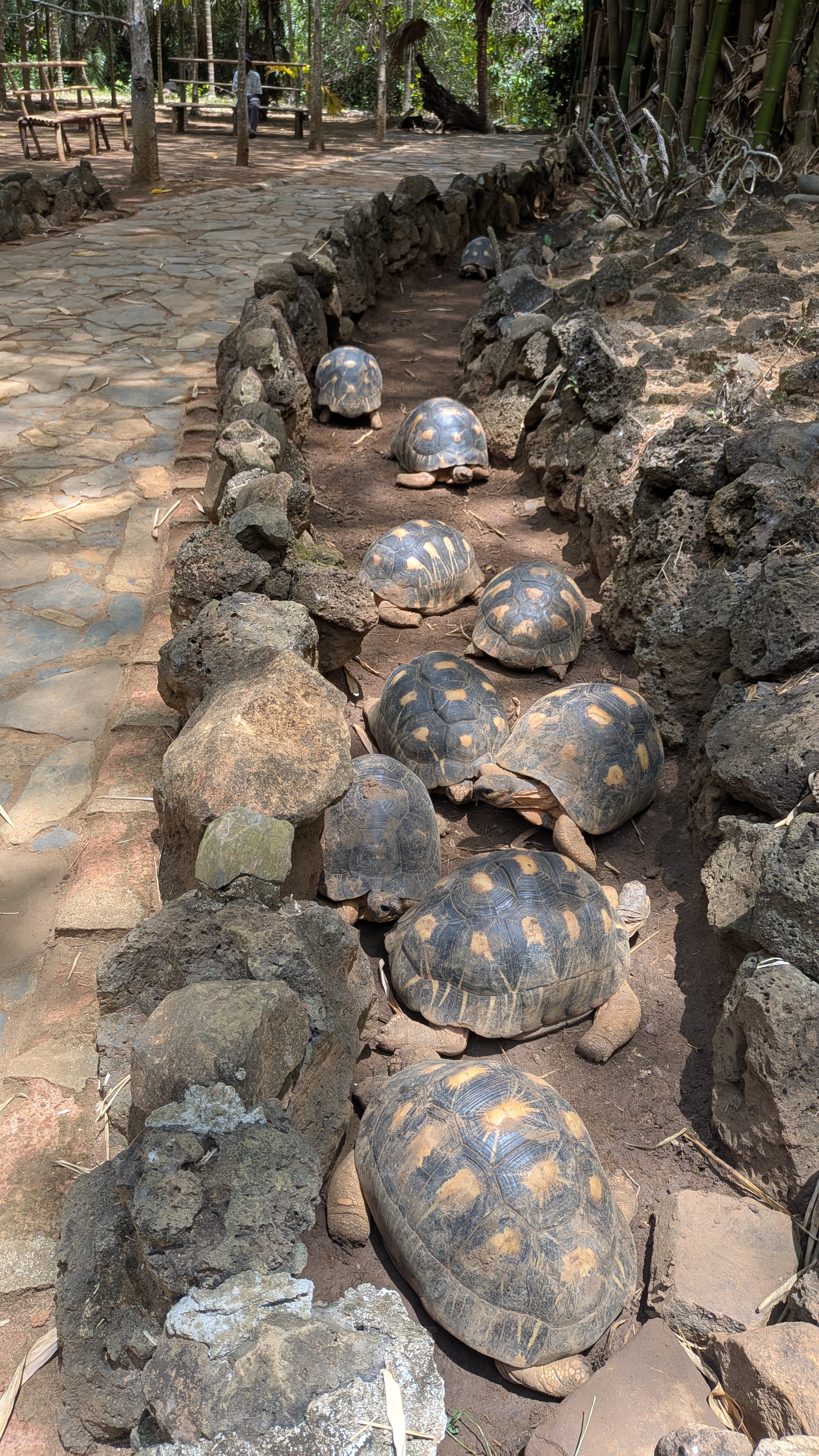
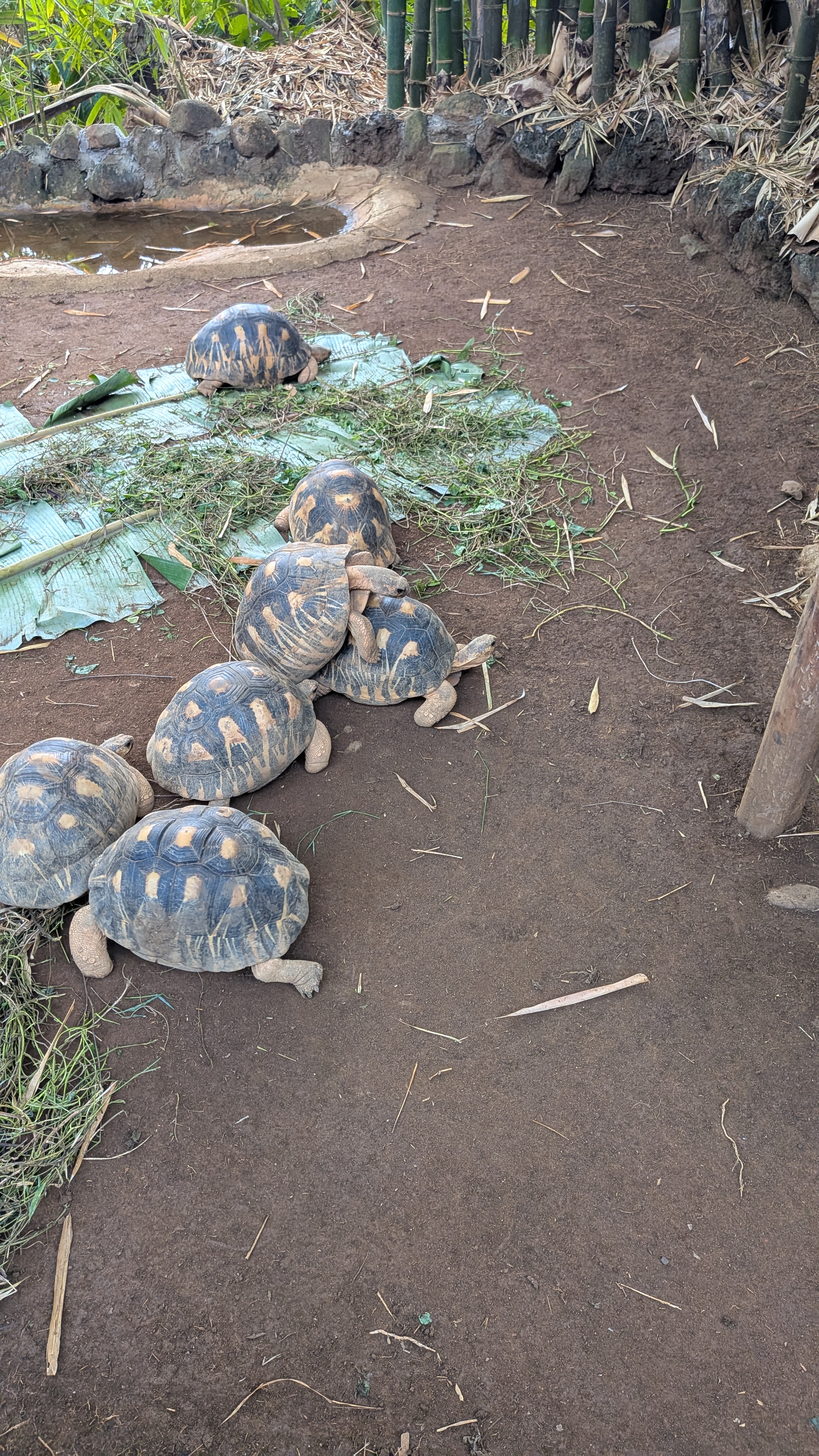
Turtles and Tortoises are part of the conservation projects of the volunteer camp on Nosy Komba where I was to spend the following three weeks. They are beautiful, sadly never fast enough to escape their ruthless, greedy poachers who kill them for their meat and their pretty shells. Testudines come in all sizes, and designs, they live in water and on land. One fresh-water species behaves like piranhas (I just took a picture of the pond). Turtoises can be observed in company or on their own. The famous couple her are Napoleon and Josephine. Pic 3 below. Yes, they are a couple but he is 150 years old and ways 250 kg, she only 58 kg. So … I guess …
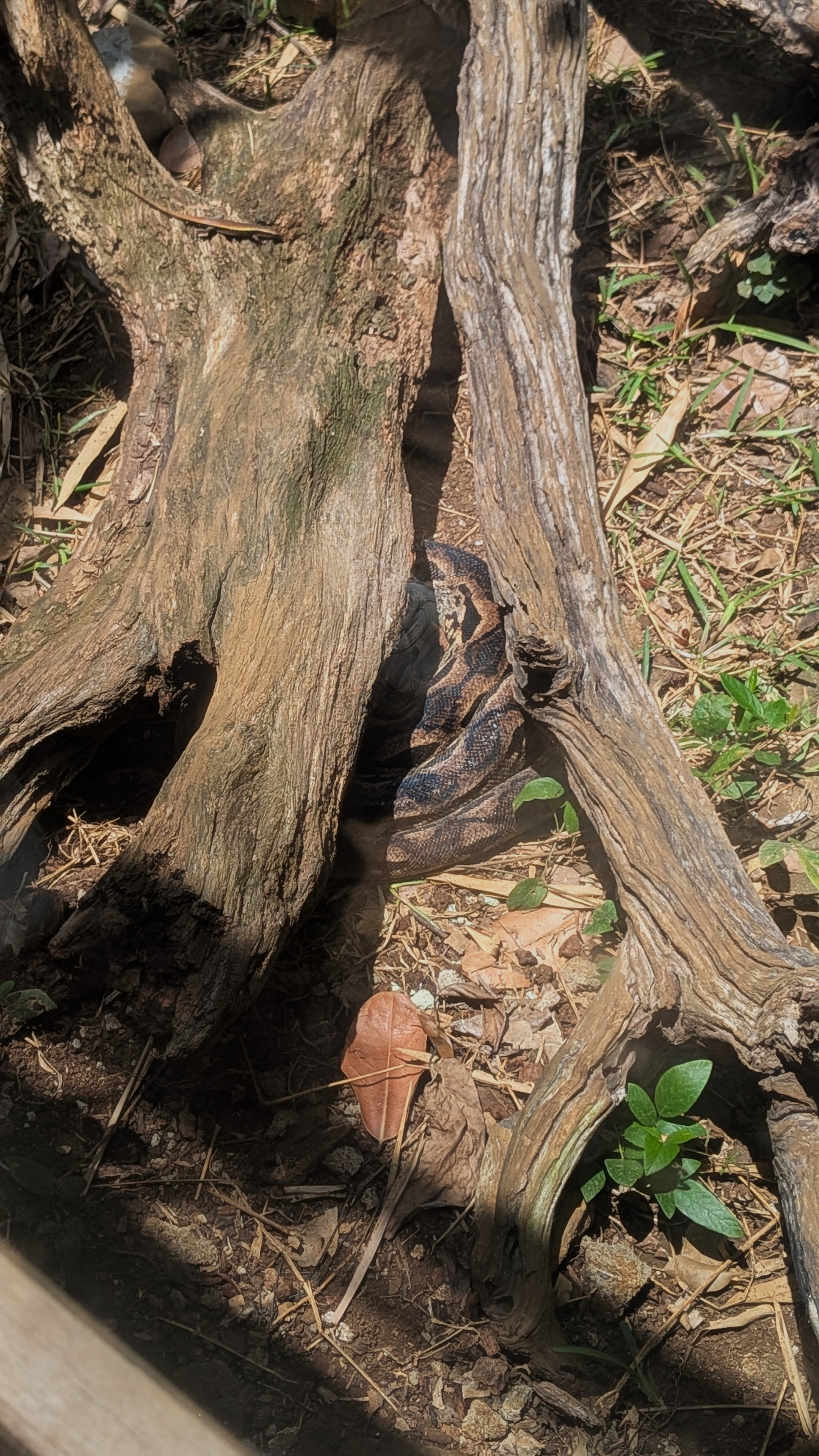
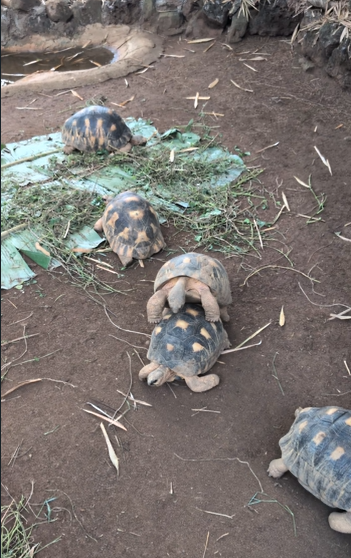
… they leave the lovemaking to others. Picture 2 below was actually a sound video clip 😉 that exhilerated my followers on FB and WhatsApp. You don’t have much to fear from snakes in Madagascar. They are mildly venomous, just enough to kill what they can swallow, or they are constrictors, like boas that may even be welcome in the household because they feed on rats and mice. On top of the trunk (pic 3 below) under which the snake is curled up you see the tiniest skink (a smooth lizard).
The Queen of Perfumes Ylang – Ylang
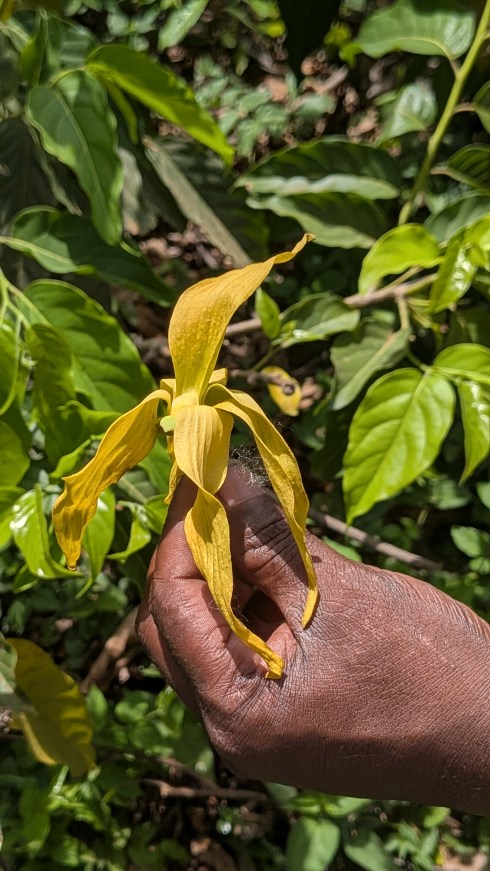
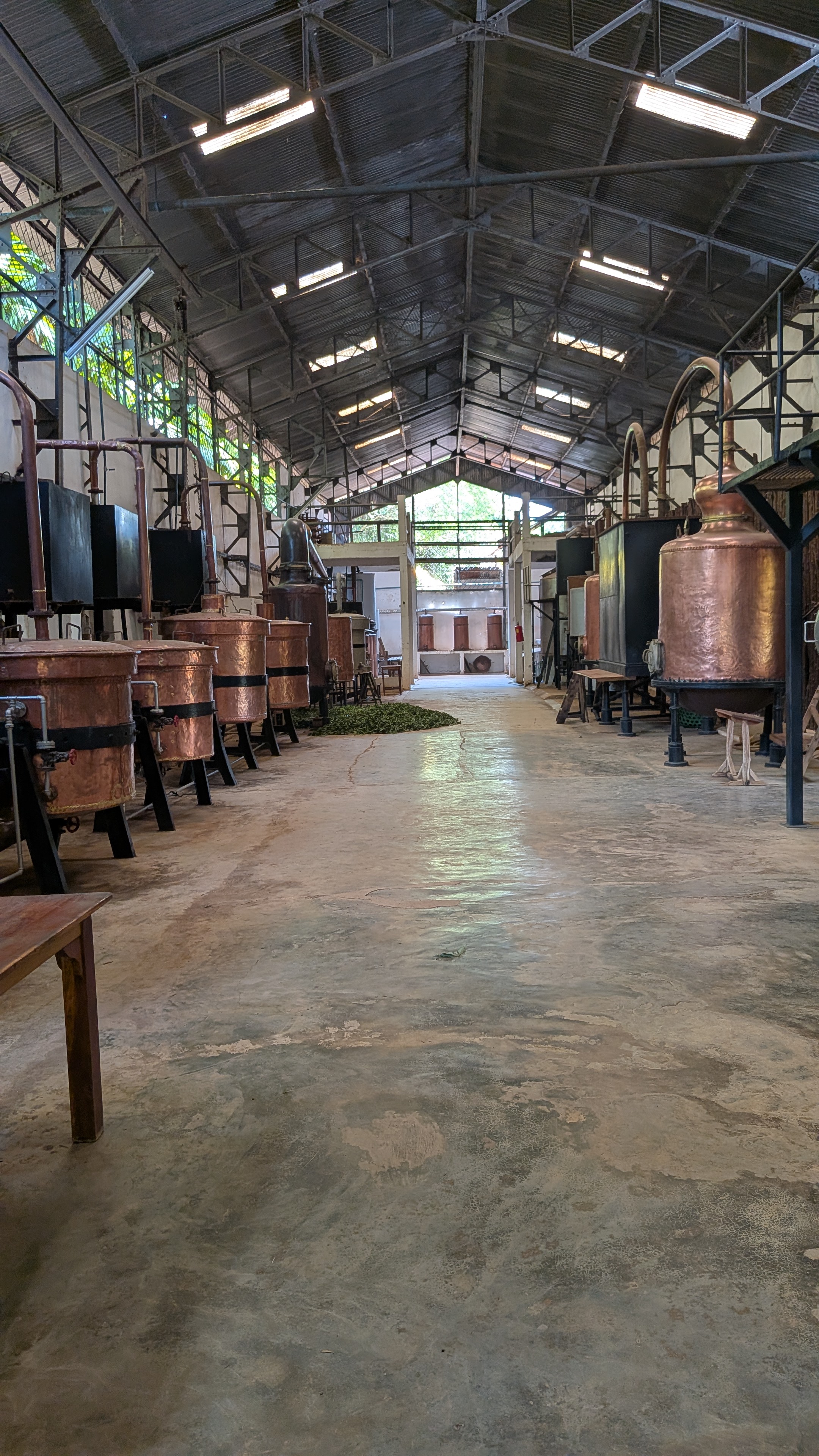
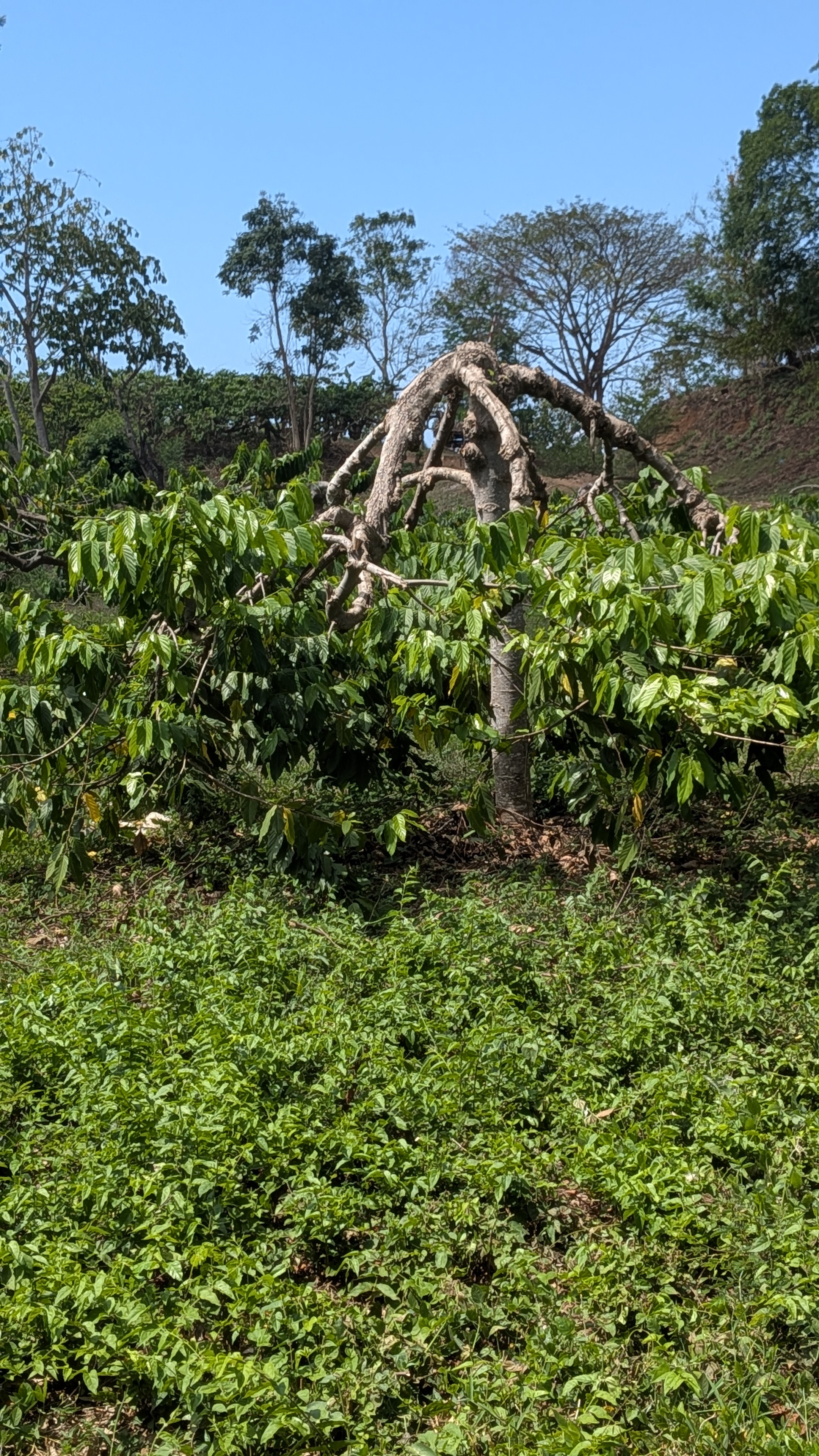
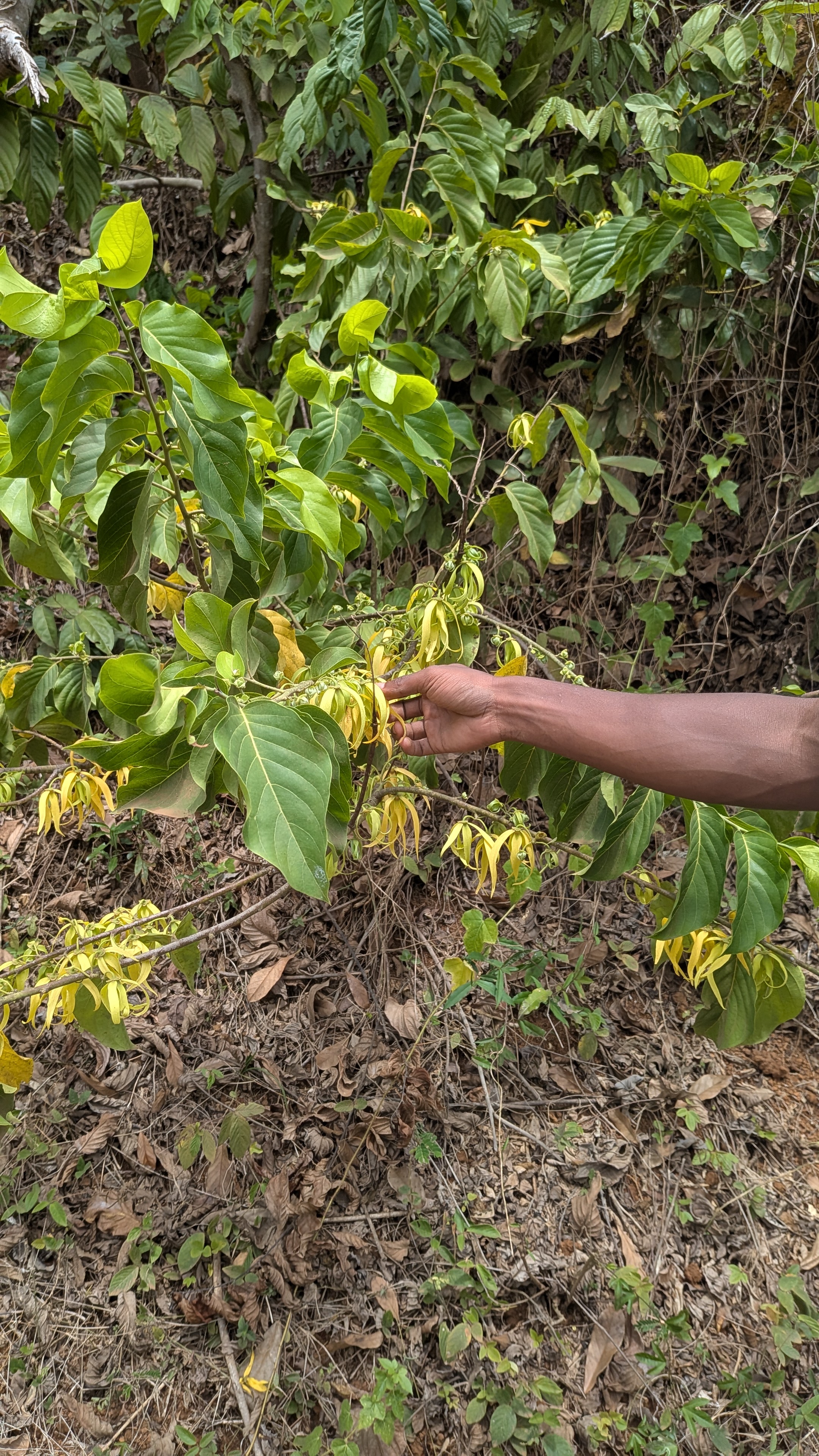
The Malagasy pronounce it in such a way that I hear almost only Lang Lang and keep wondering that music and fragrance may have something in common. The cananga tree is really very high but usually pruned to remain short to facilitate the harvest of its unique star-shaped, fragant flowers. My guide explains the complex process of harvest and distillation to me.To gain 12 l of essential oil you need 500 kg of the beautiful yellow flowers picked in the early morning hours when the scent is strongest and 300 l of water for distillation. The distillery in Nosy Be has to sell all its essential oil to France, she says. But I doubt that this is still the case.
The sacred tree

I hail a tuk tuk and tell the driver I want to go and see the sacred tree (l’arbre sacré, l’ar-bre saaa-cré!!!). The driver stops another driver and another one until I have about 5 tuk tuks and their drivers and a few passers-by around me. They are passing my phone with GPS map open from hand to hand, discuss in French and Malagasy and shake their heads. I tell them, I’ll walk – being on my last legs already – when a young chap appears: What’s the problem? Get on my tuk tuk, I’ll take you there. It turns out he is from Mahatsinjo Village which is right near the sacred place.
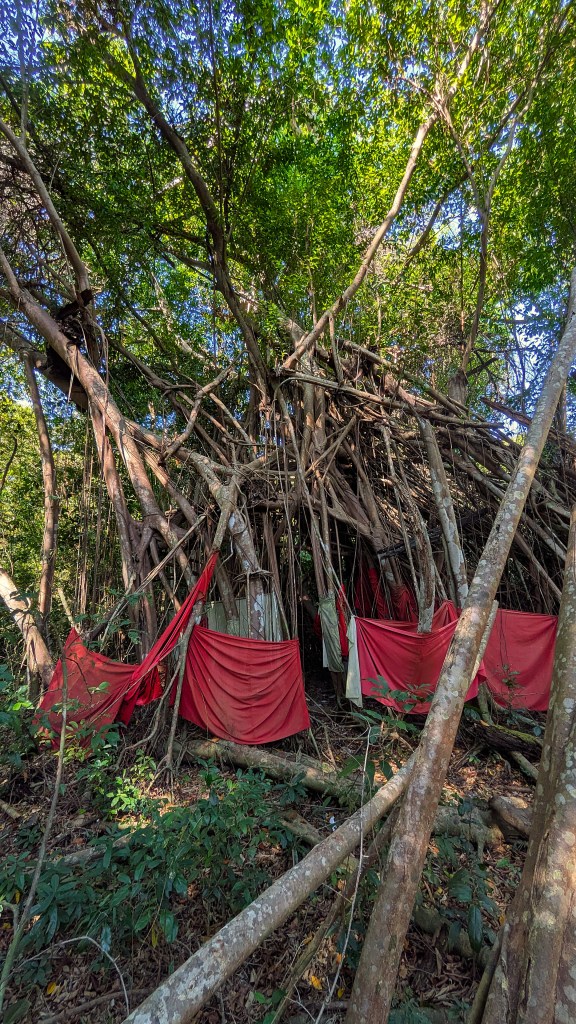
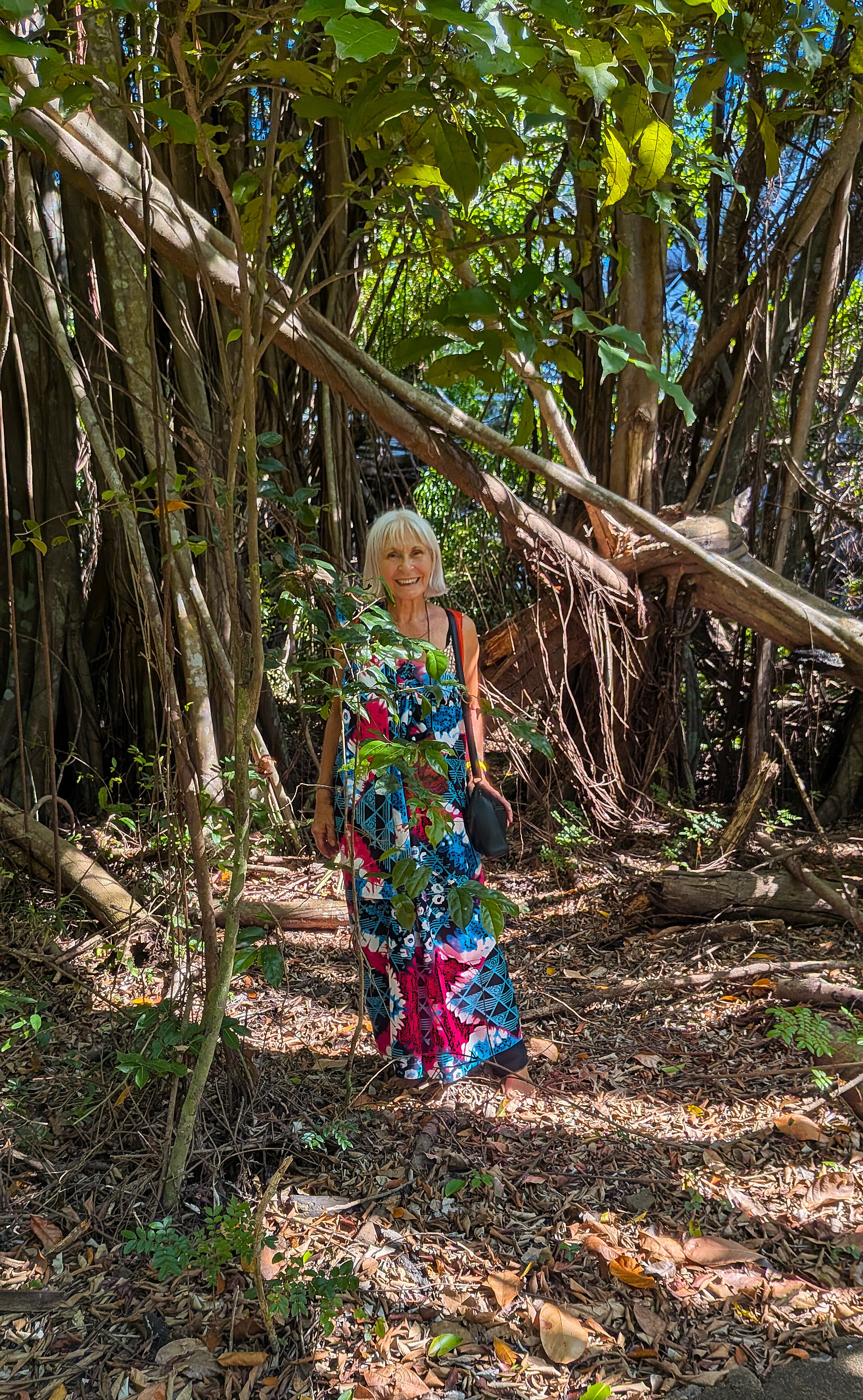
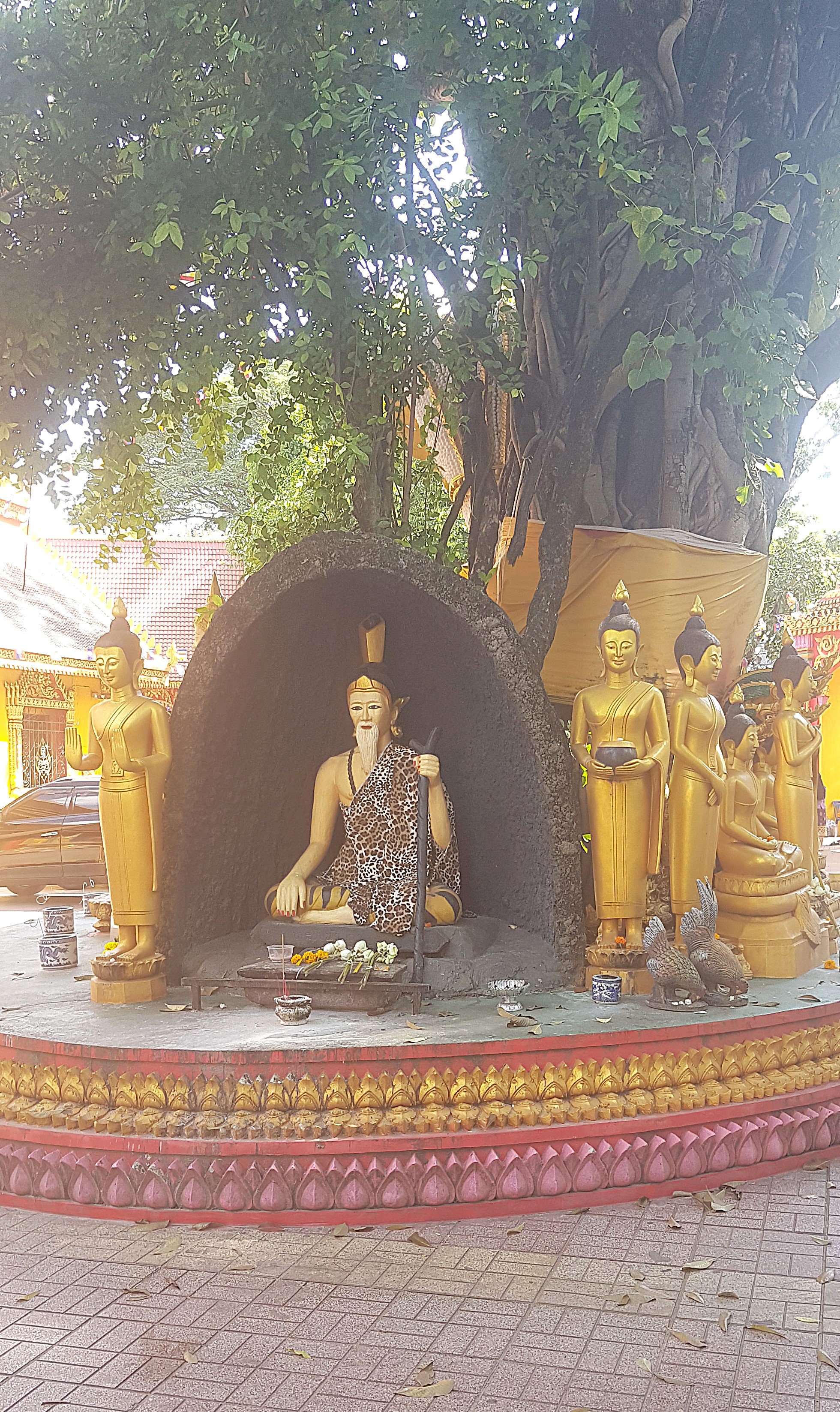
A Banyan tree!?!? One of the trees under which the Buddha meditated? I am surprised but I remember that the connections between Asia and Madagascar are manyfold, even more than between Madagascar and Africa, it seems to me. A seed most likely brought over from India was planted almost 200 years ago at the request of queen Tsiomeko of the Sakalava tribe to create a place of worship for the people. Now hundreds of its aerial roots become trunks make up a little impenetrable forest of more than 5,000 square feet. Sacred places are usually draped with red and white cloths which symbolize gold and silver of the Sakalava royalty. So take off your shoes, put on a Lambahoany (pareo) and enter the site with your right foot first. Walk along the footpath through the mini forest and enjoy the peaceful atmosphere away from the hustle and bustle of the town centre. Don’t be surprised when you step into a soft, warm pile of lemur poo. Your guide will help you wash it off once you’re out.
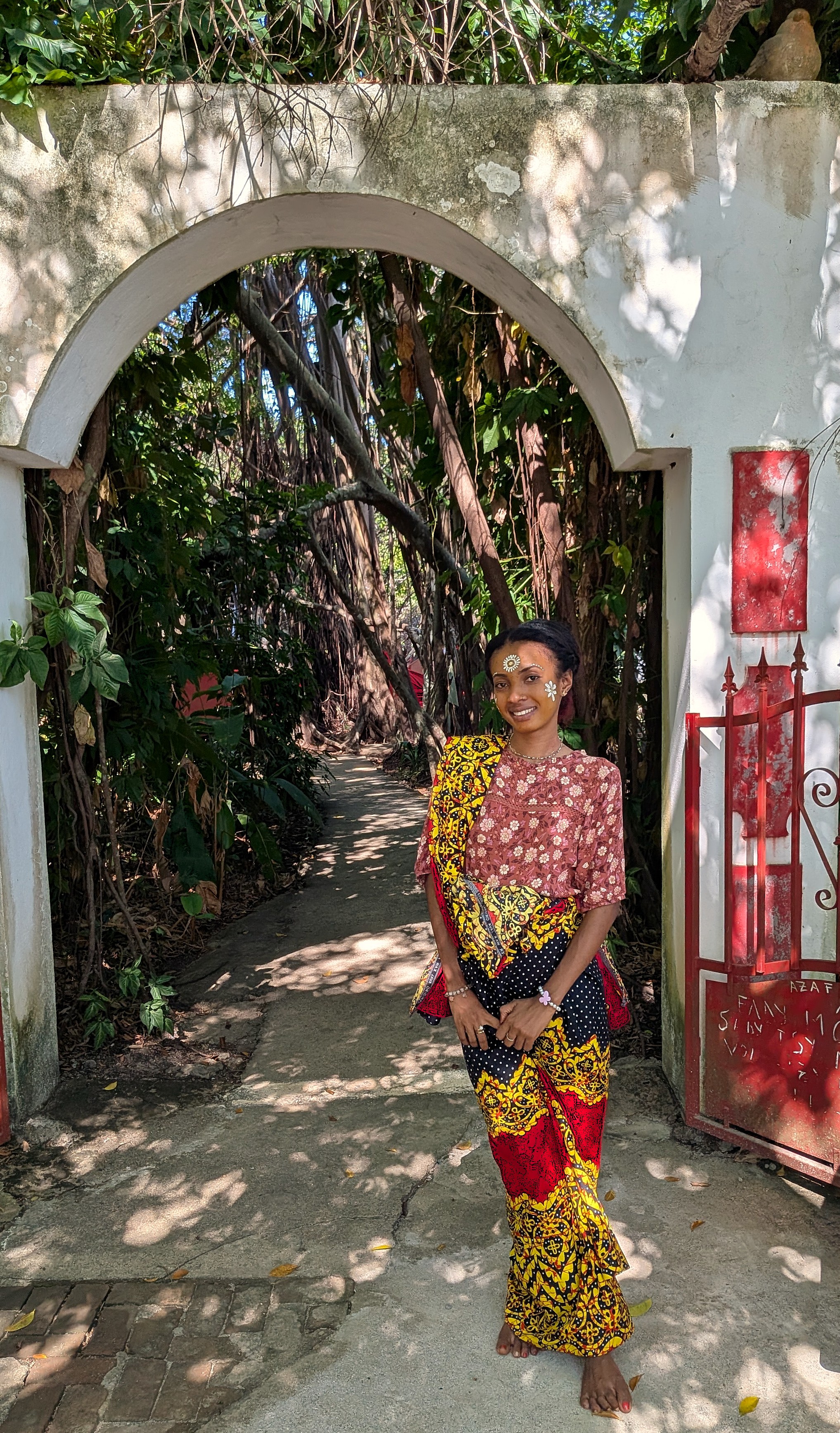
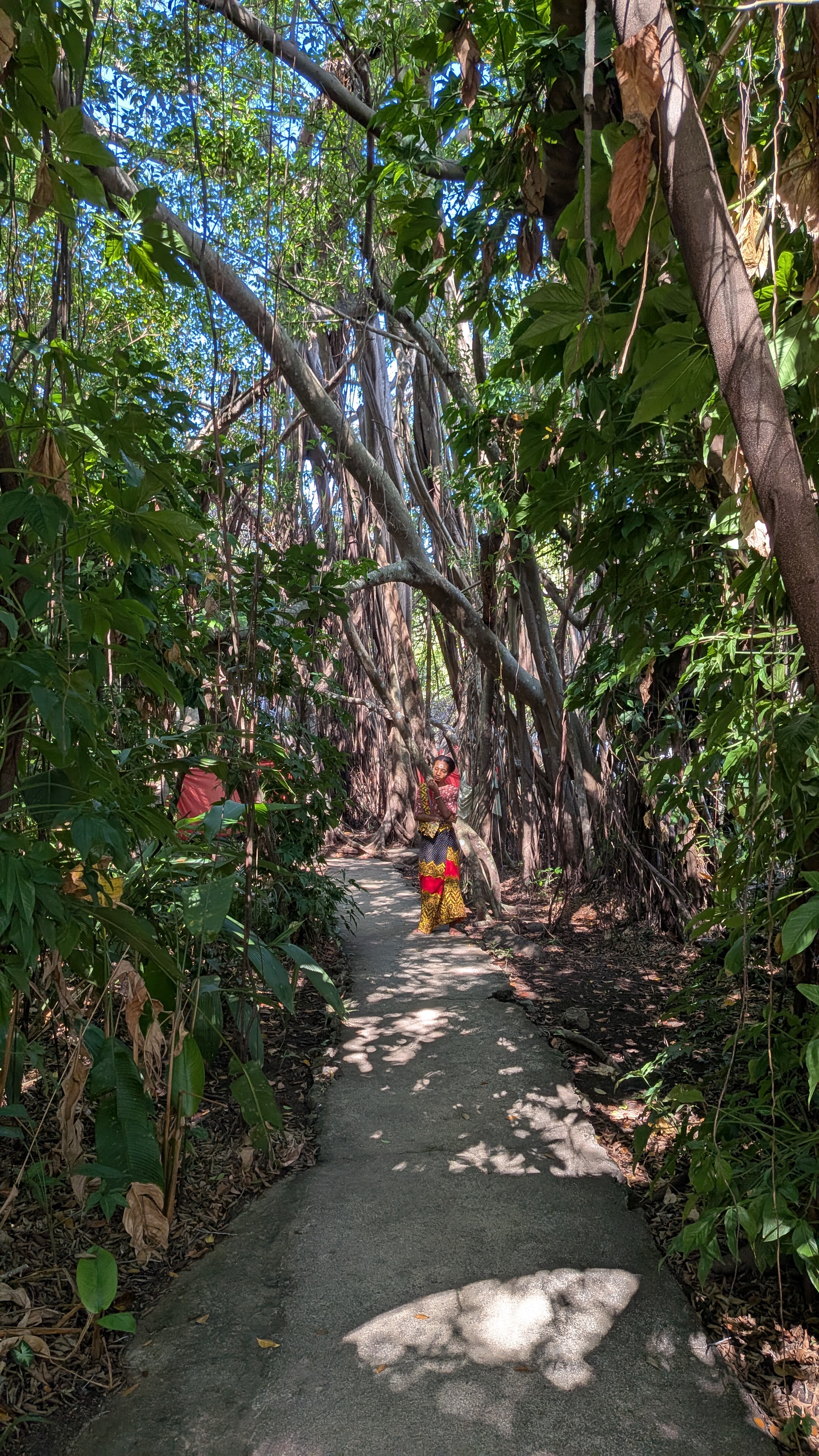
My first day in Nosy Be.

And while I am immersing myself in warm memories of this tropical island, I am looking at my watch to see if it’s late and cold enough for the heating to be turned on.

see you again in 2026

Gerburg
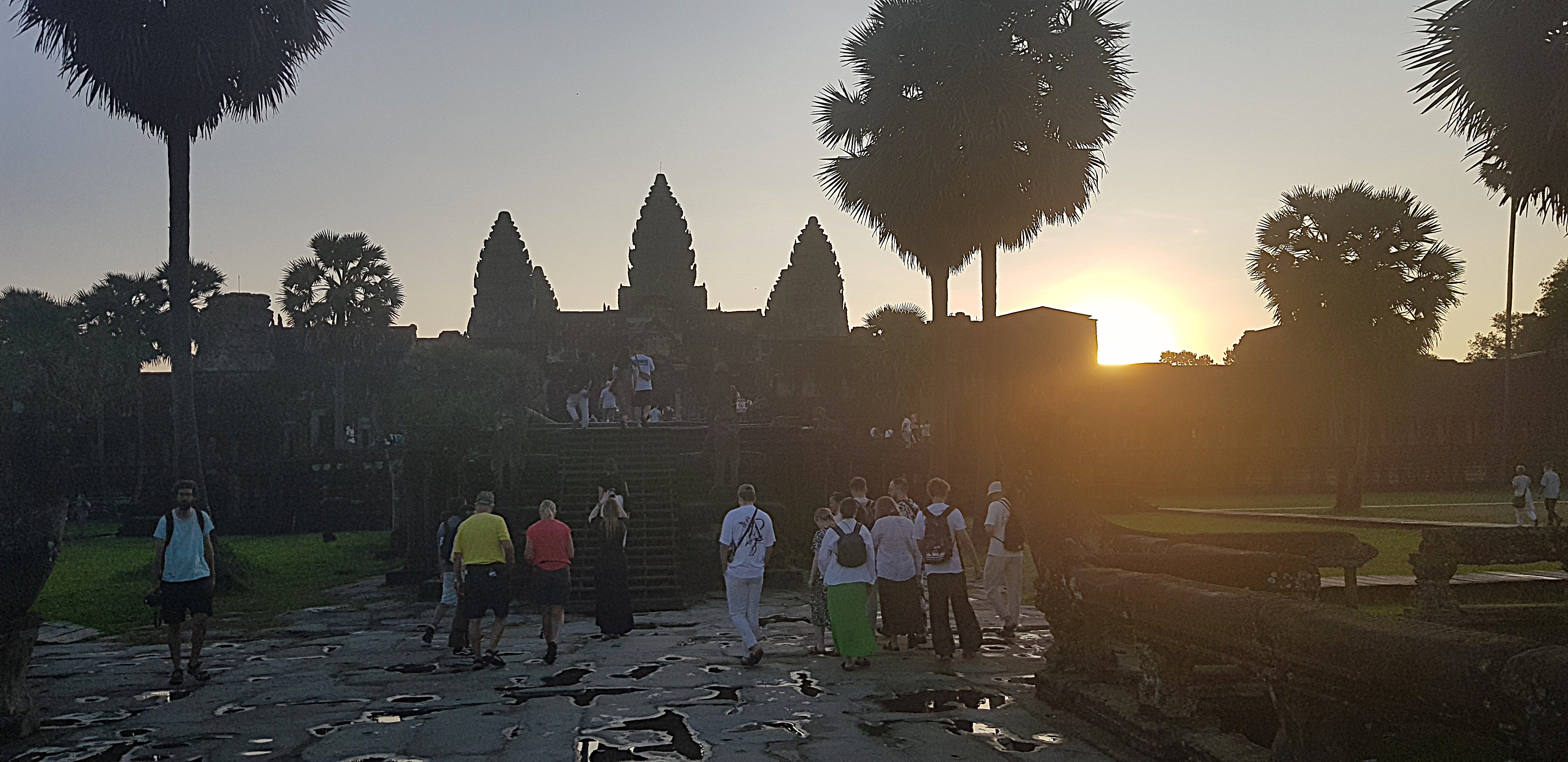
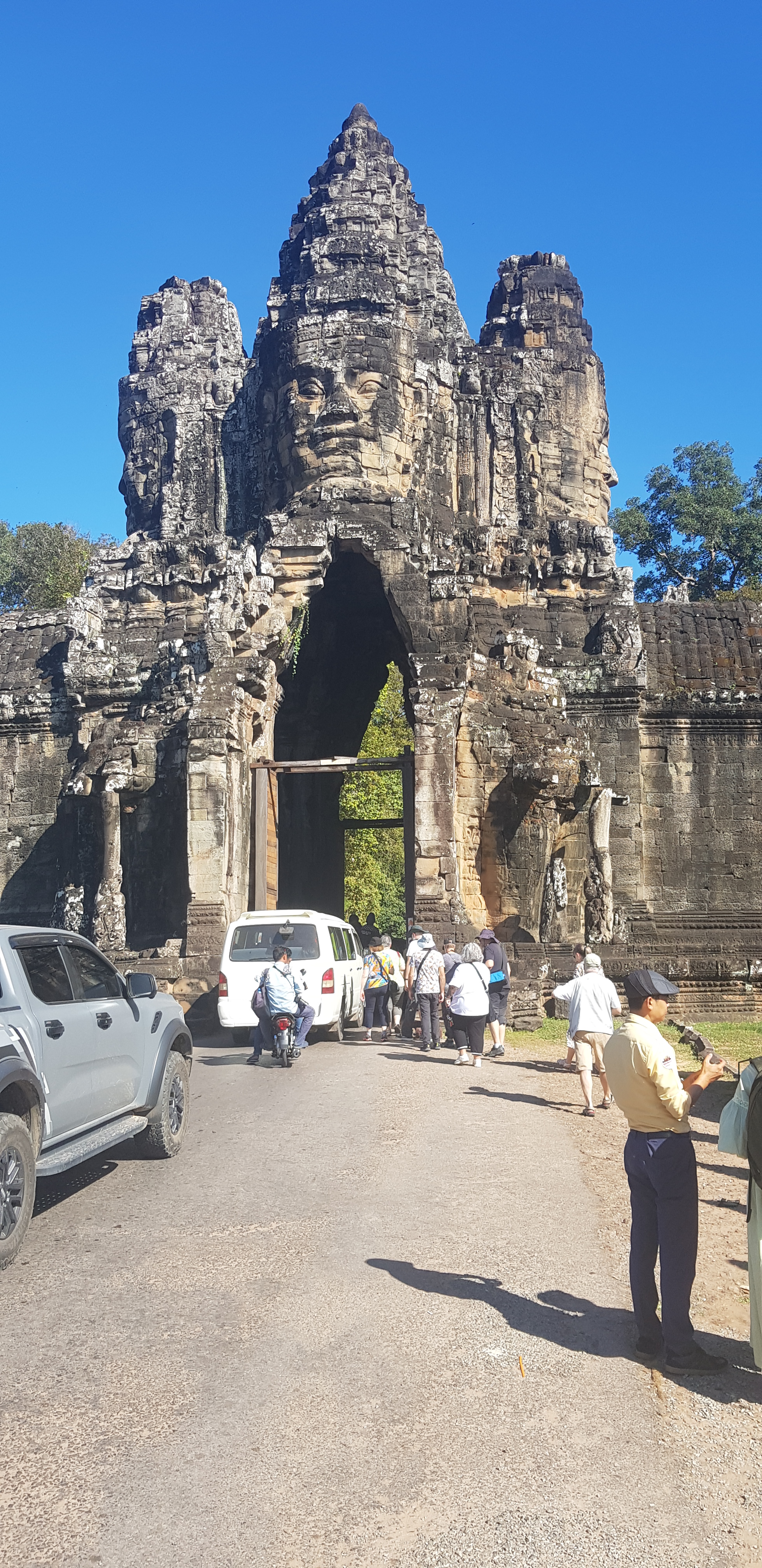
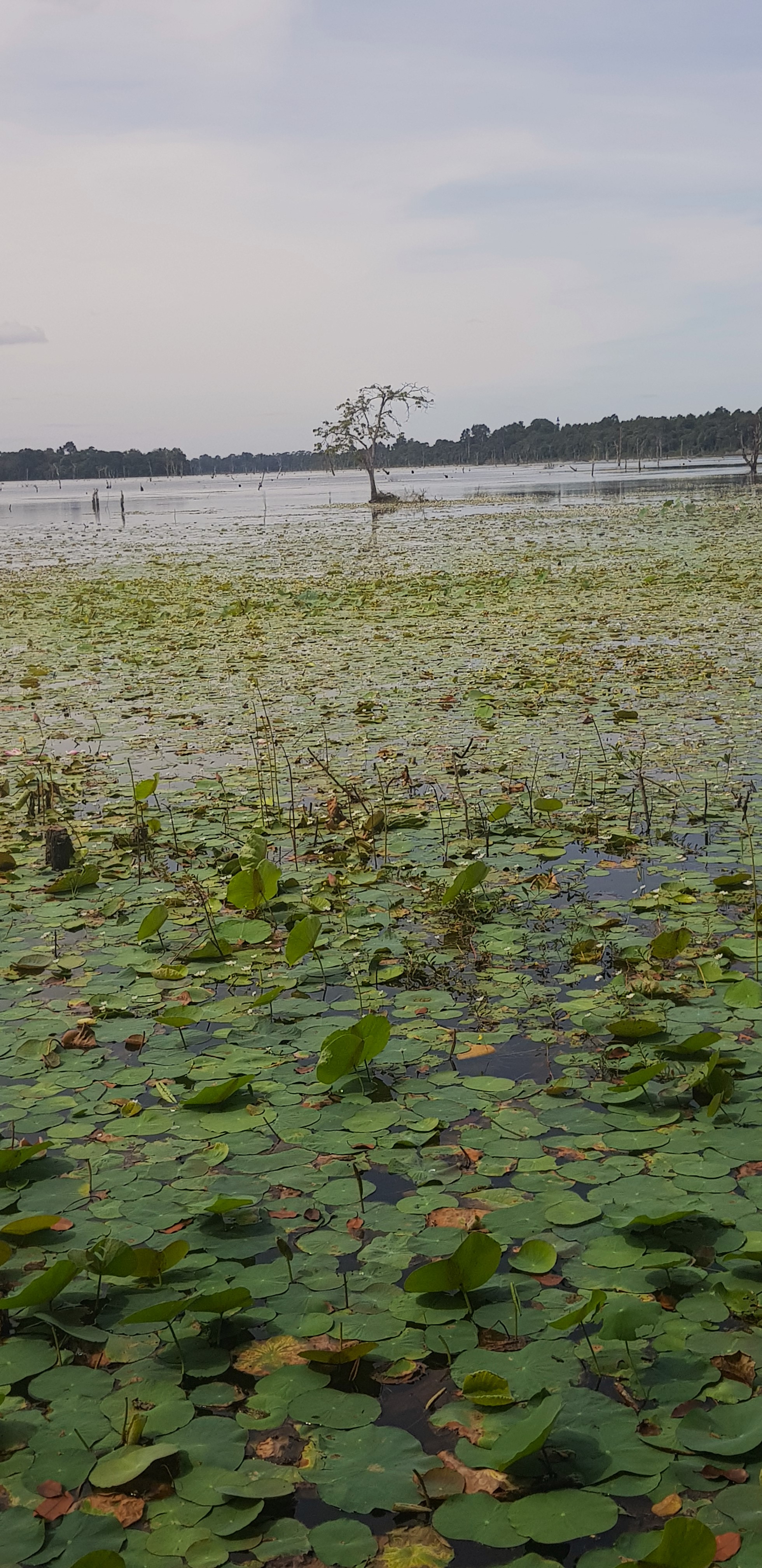
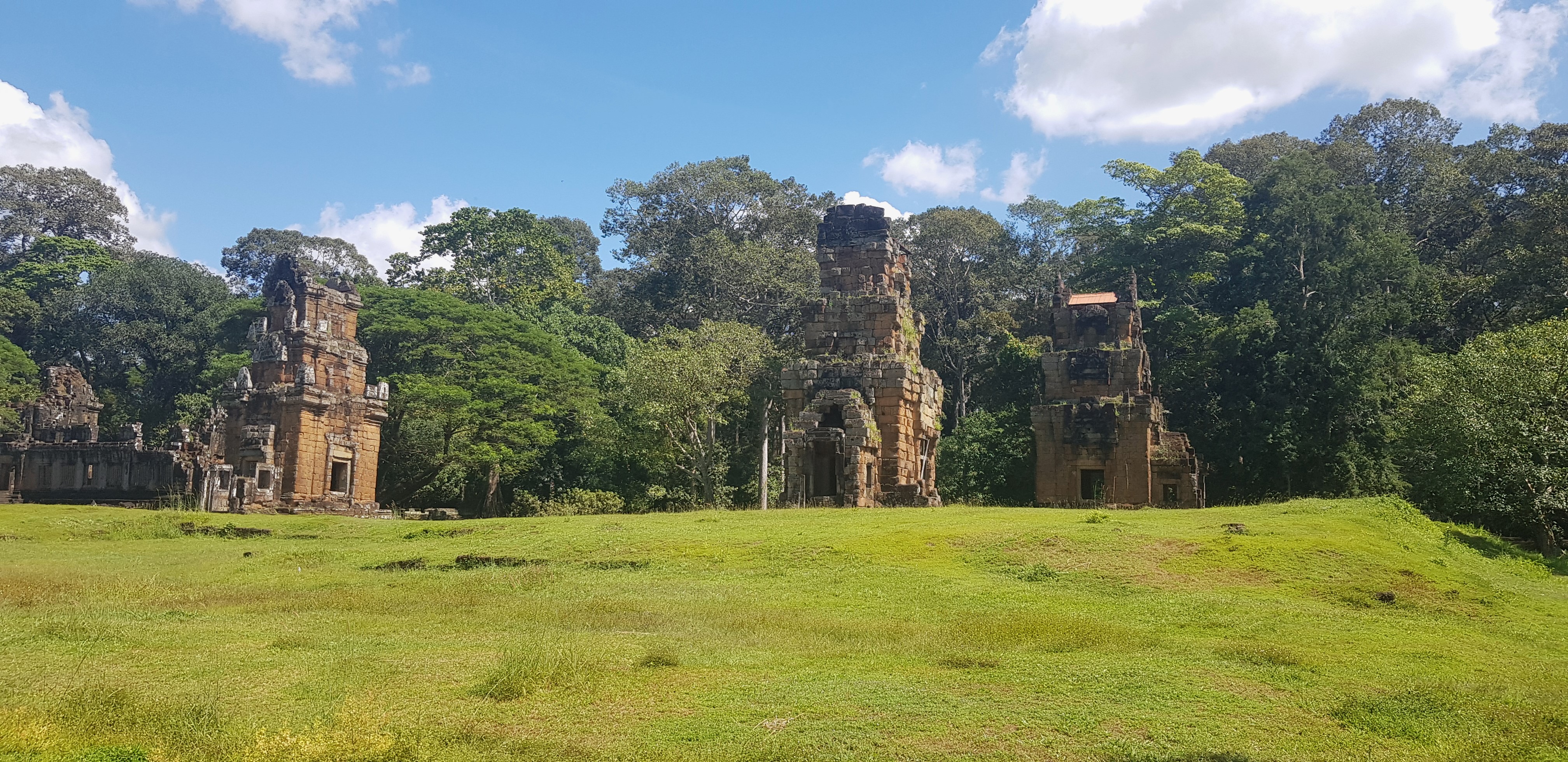
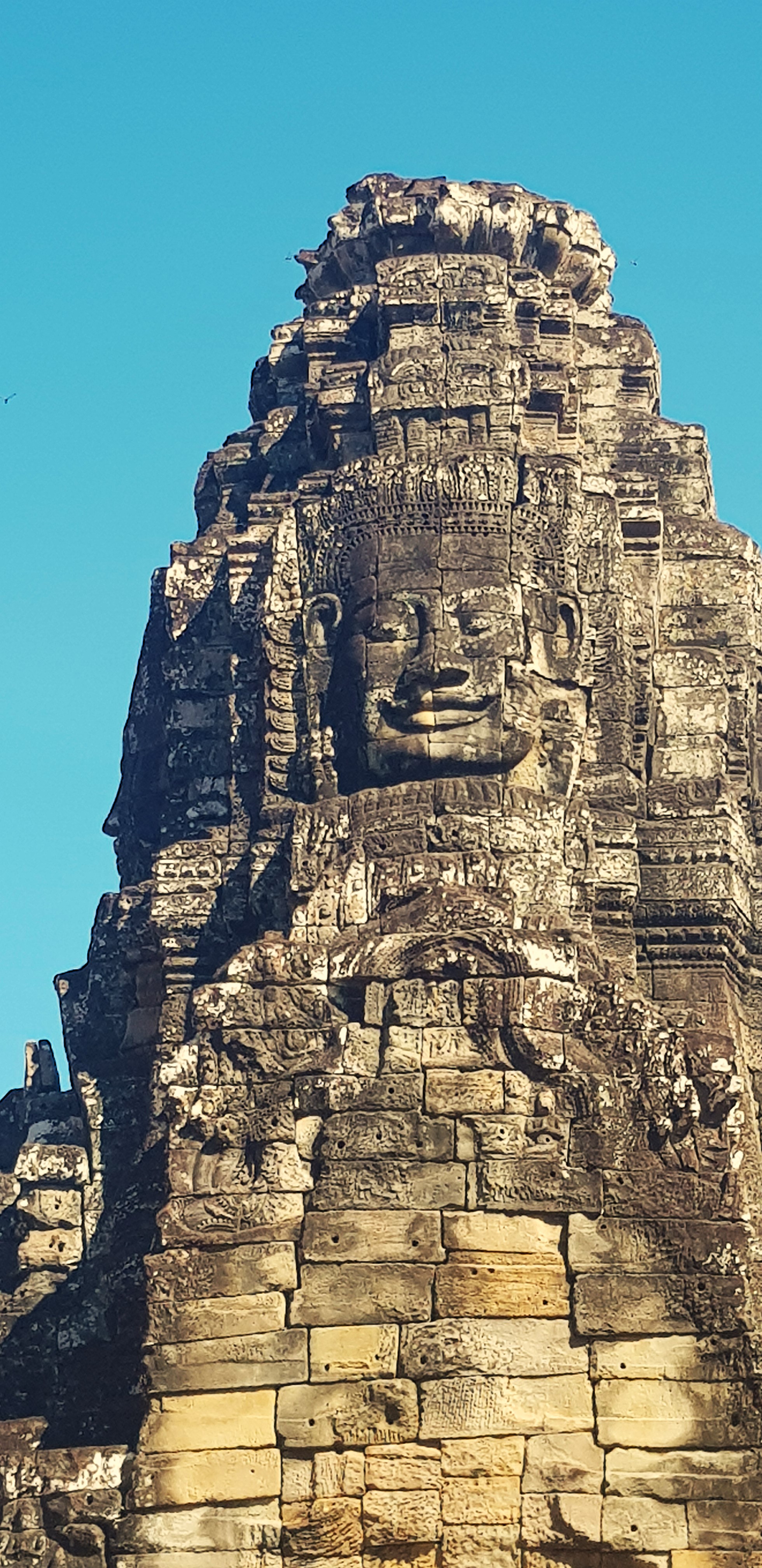
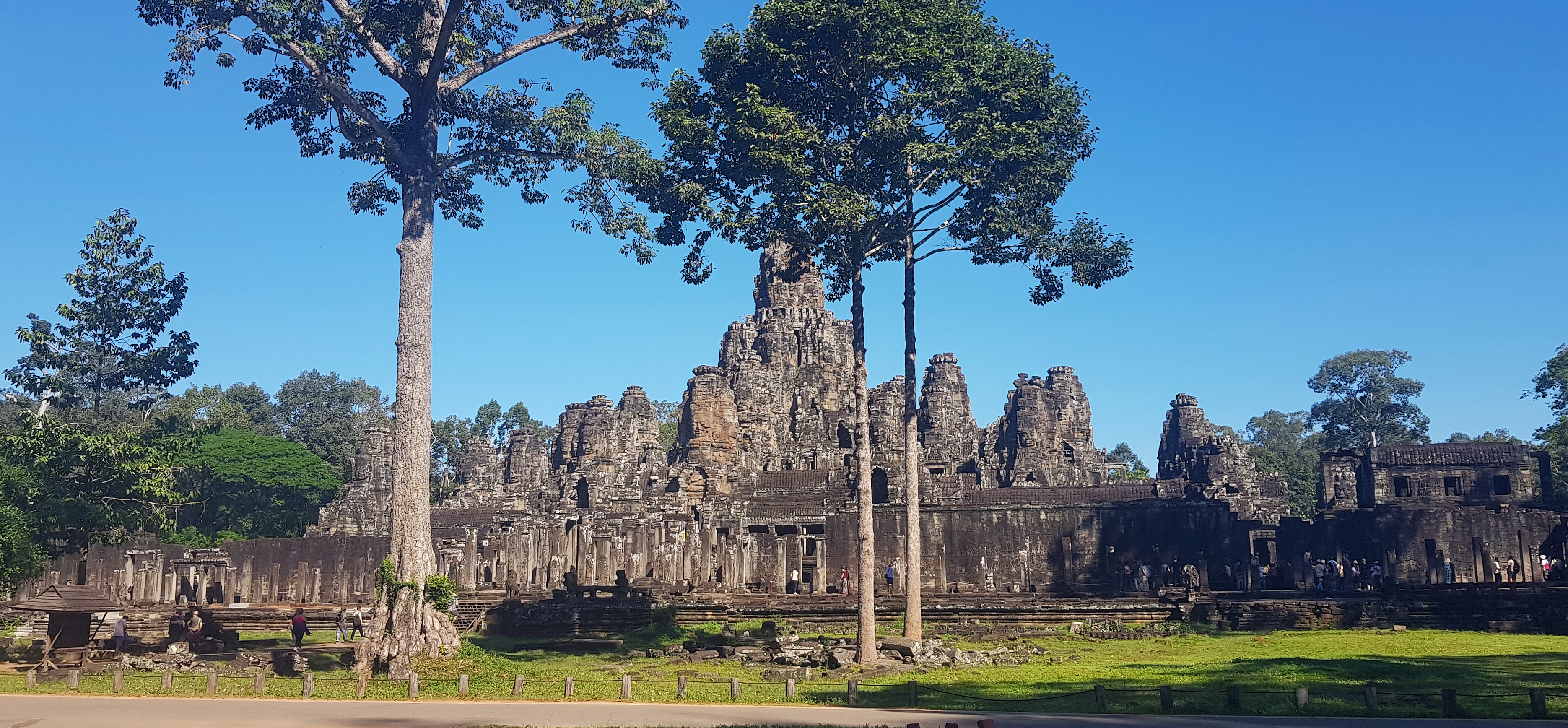
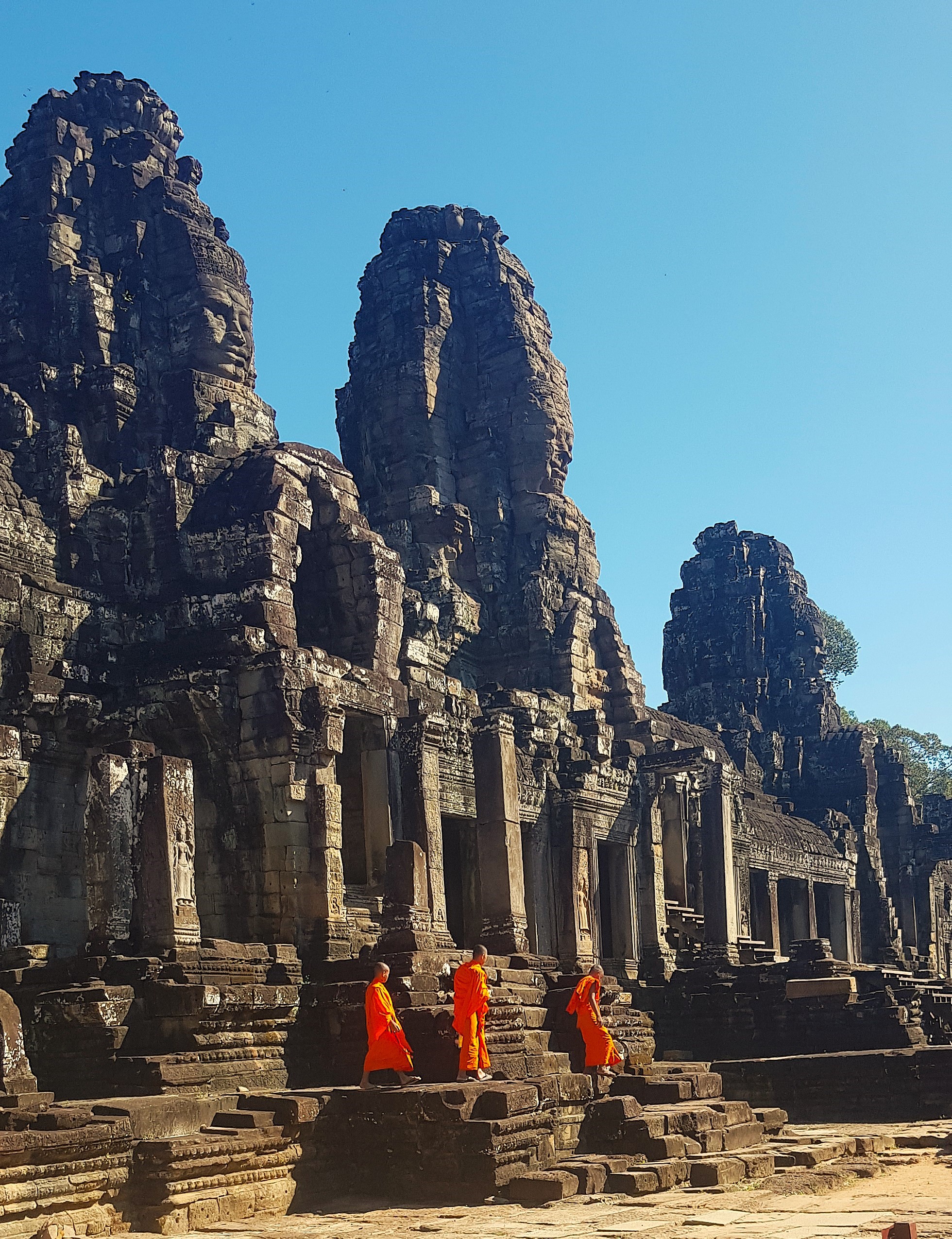
Angkor, what else?

10 Mar

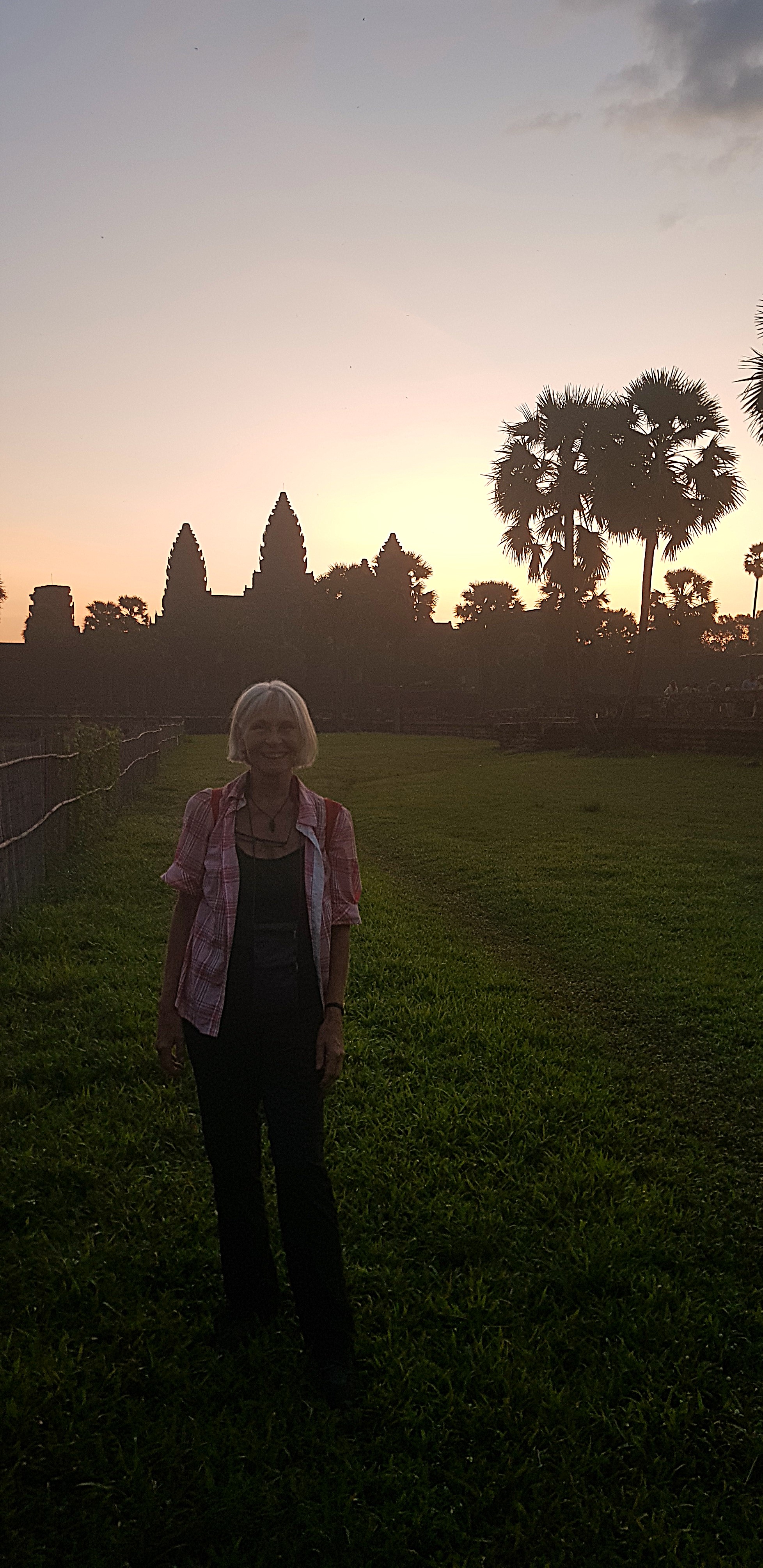
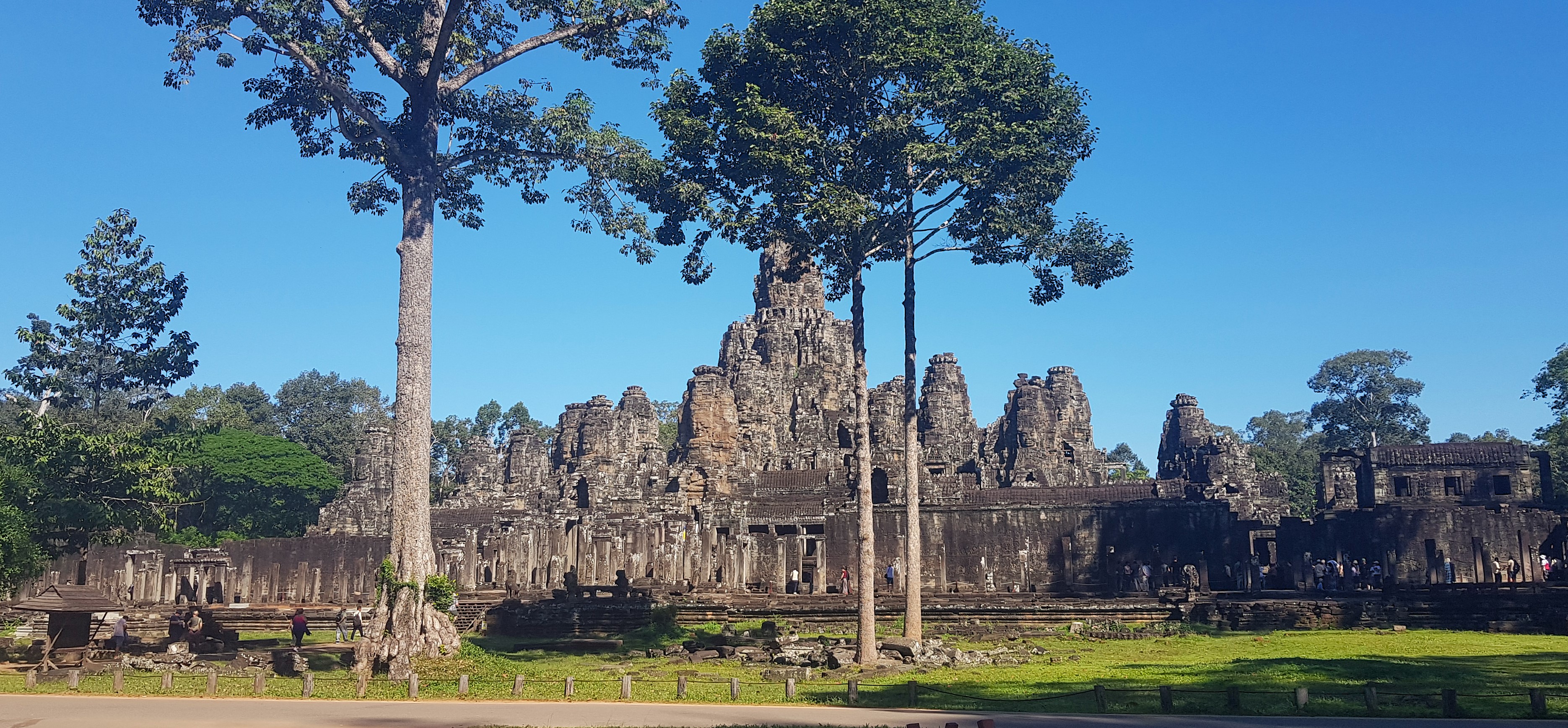
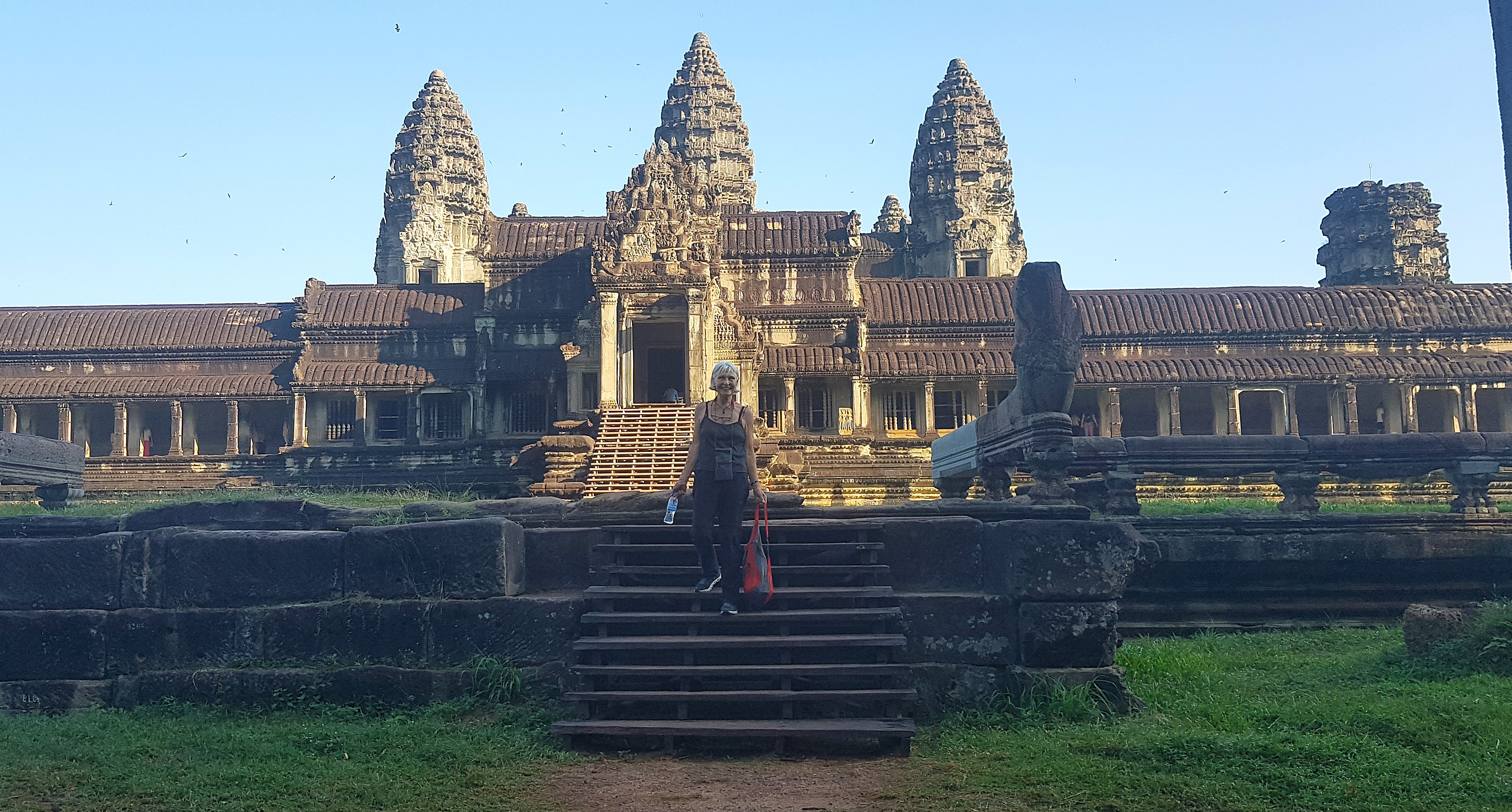
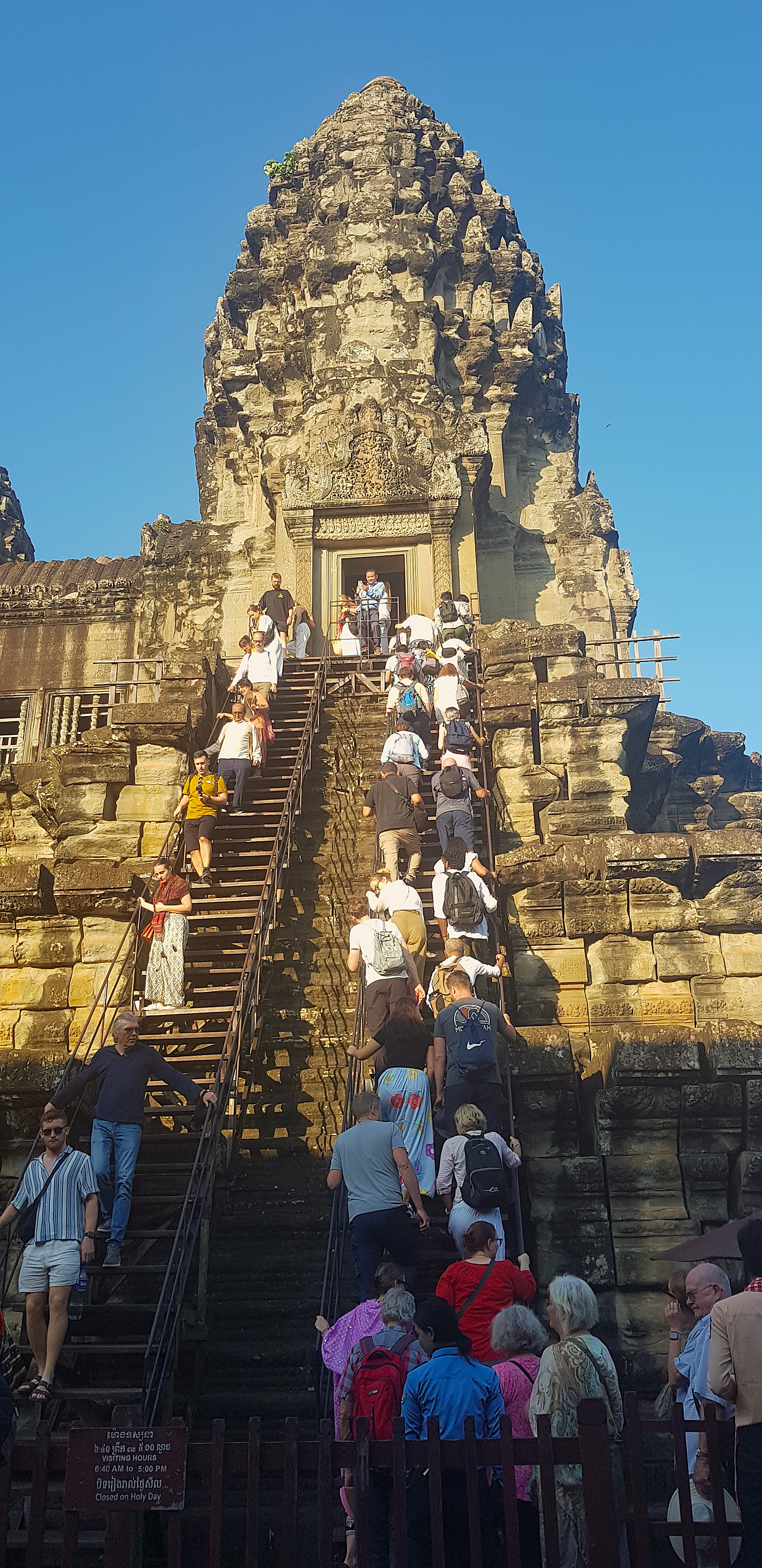
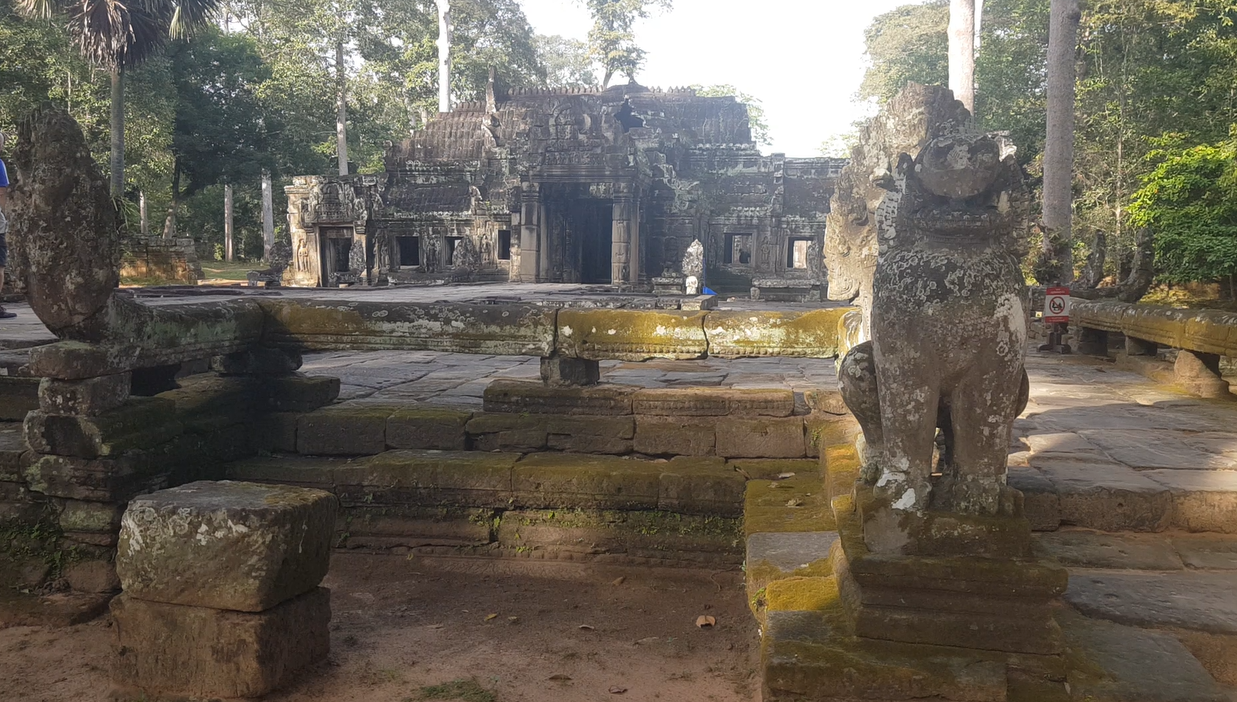
sunrise at Angkor Wat’s Lotus towers: Get up early! Pick up is at 4.00 – 4.30 a.m.

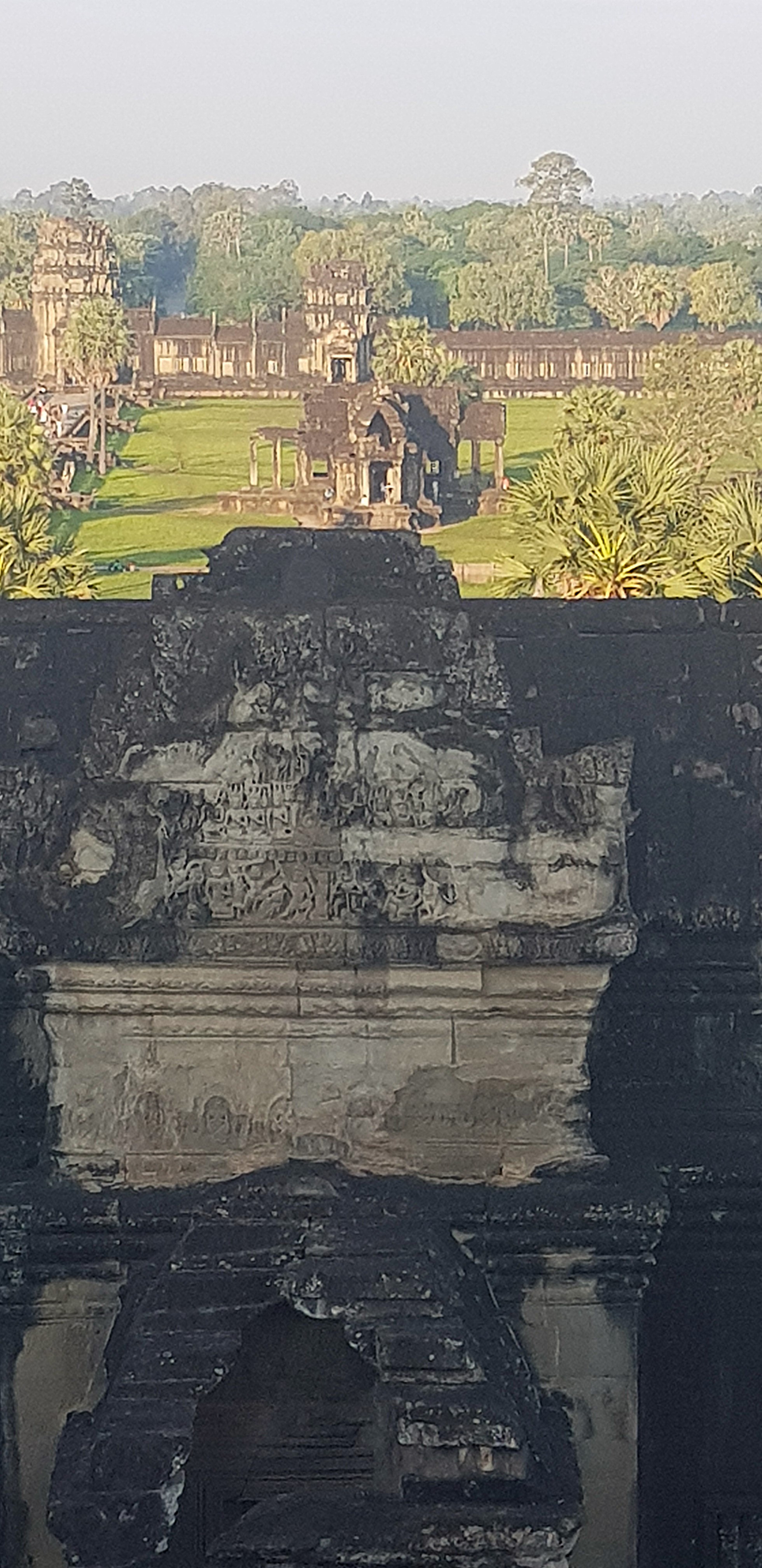
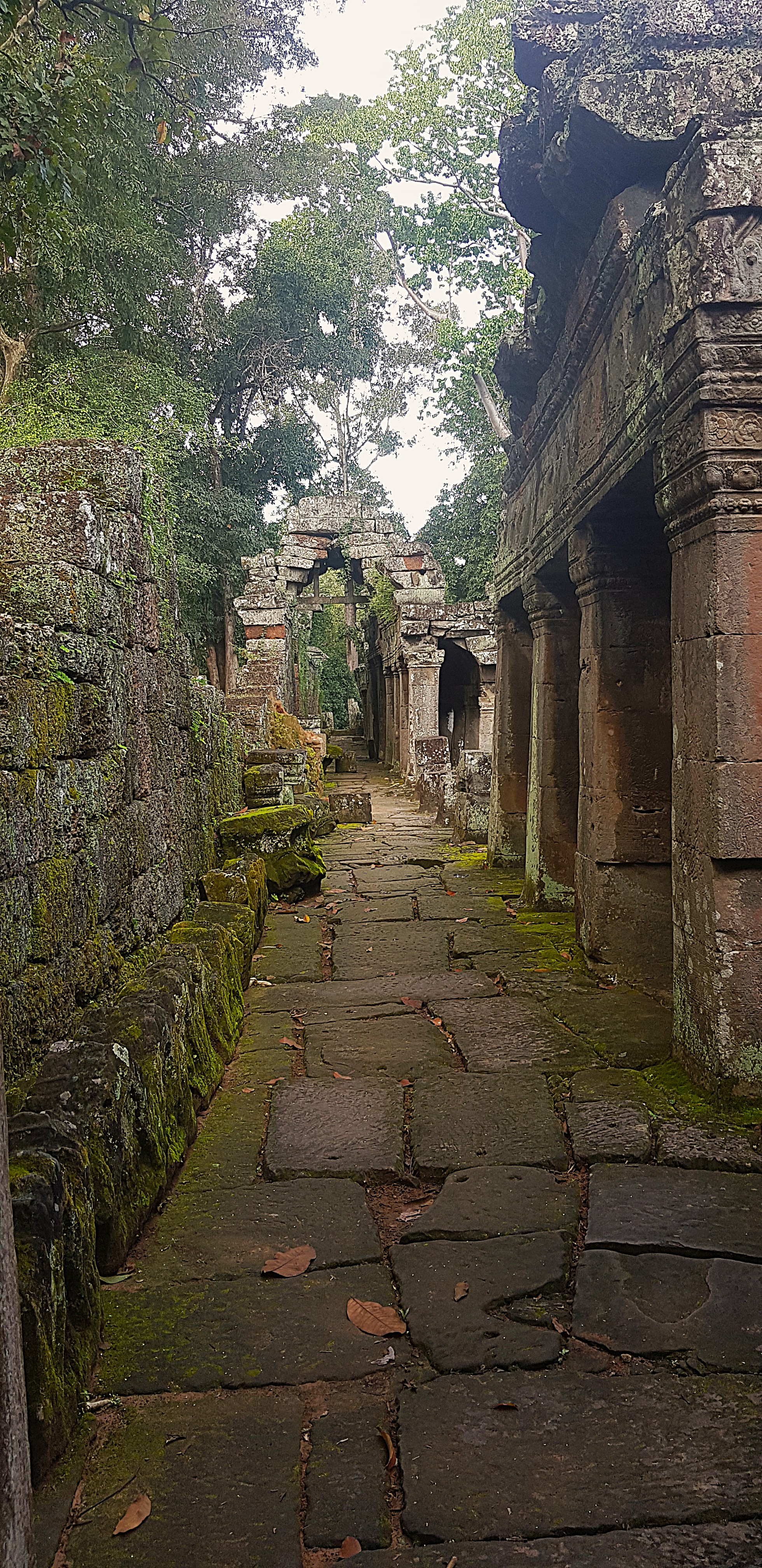
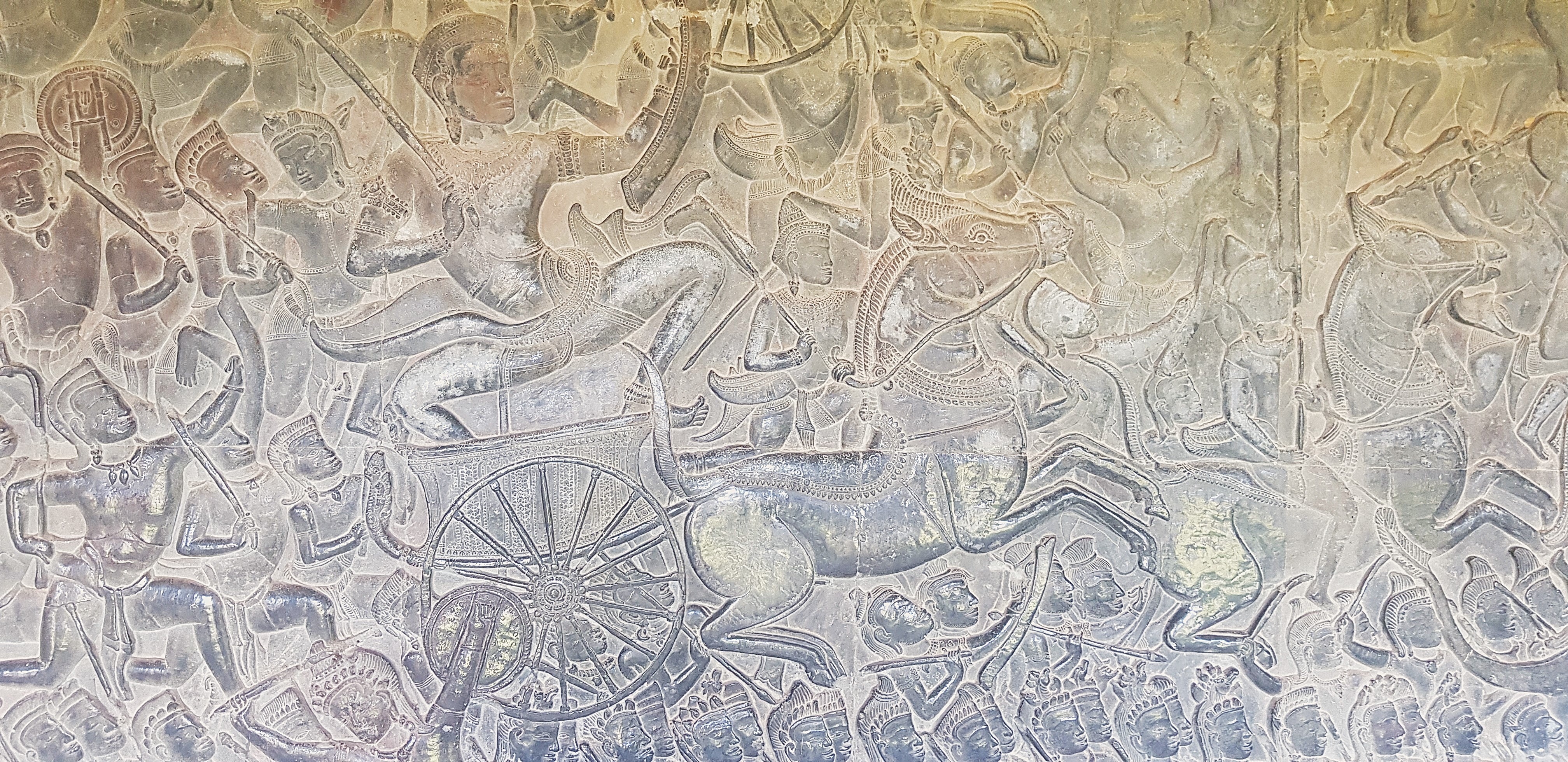
say /ˌæŋkɔːr ˈwɒt/; it started in 1150 CE as a Hindu temple dedicated to the deity Vishnu; 1,626,000 m2 (can’t figure out how many soccer fields that would be) For more information see the internet and wiki, buy books. There is so much to know about what you see over ground, what there is under ground, about its history, about the ancient Khmer people: their highly sophisticated culture, and their advanced architectural and technical know how.

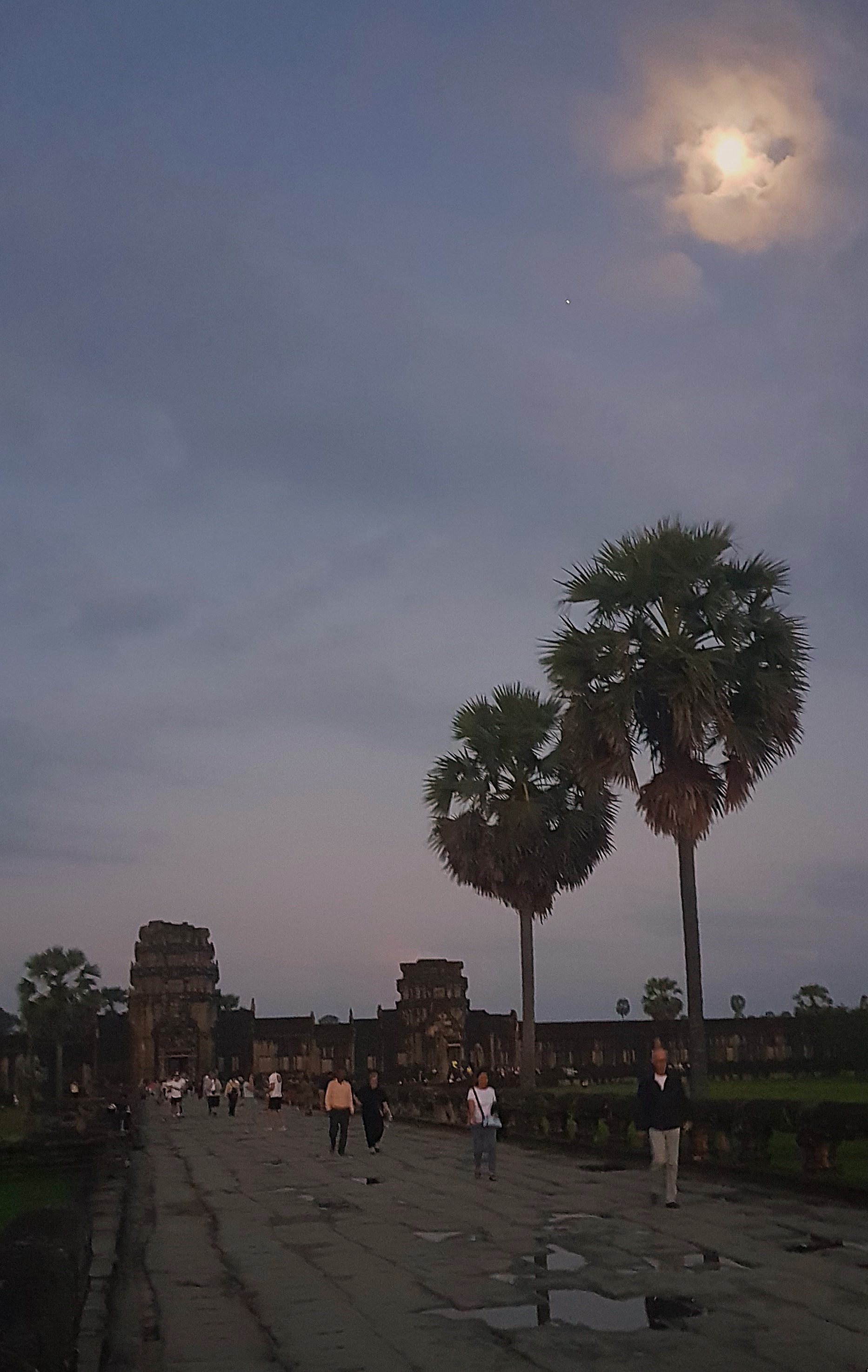
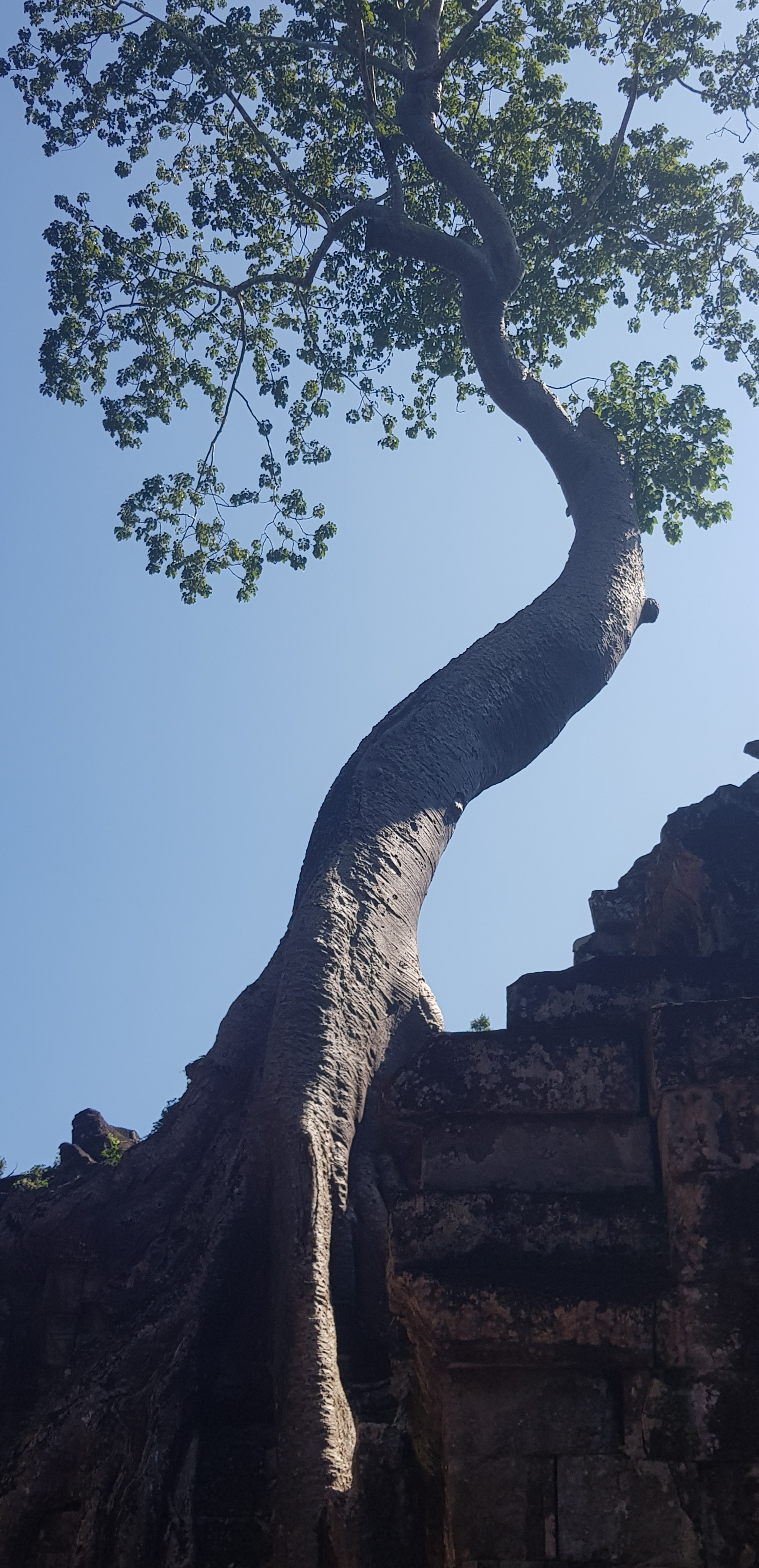
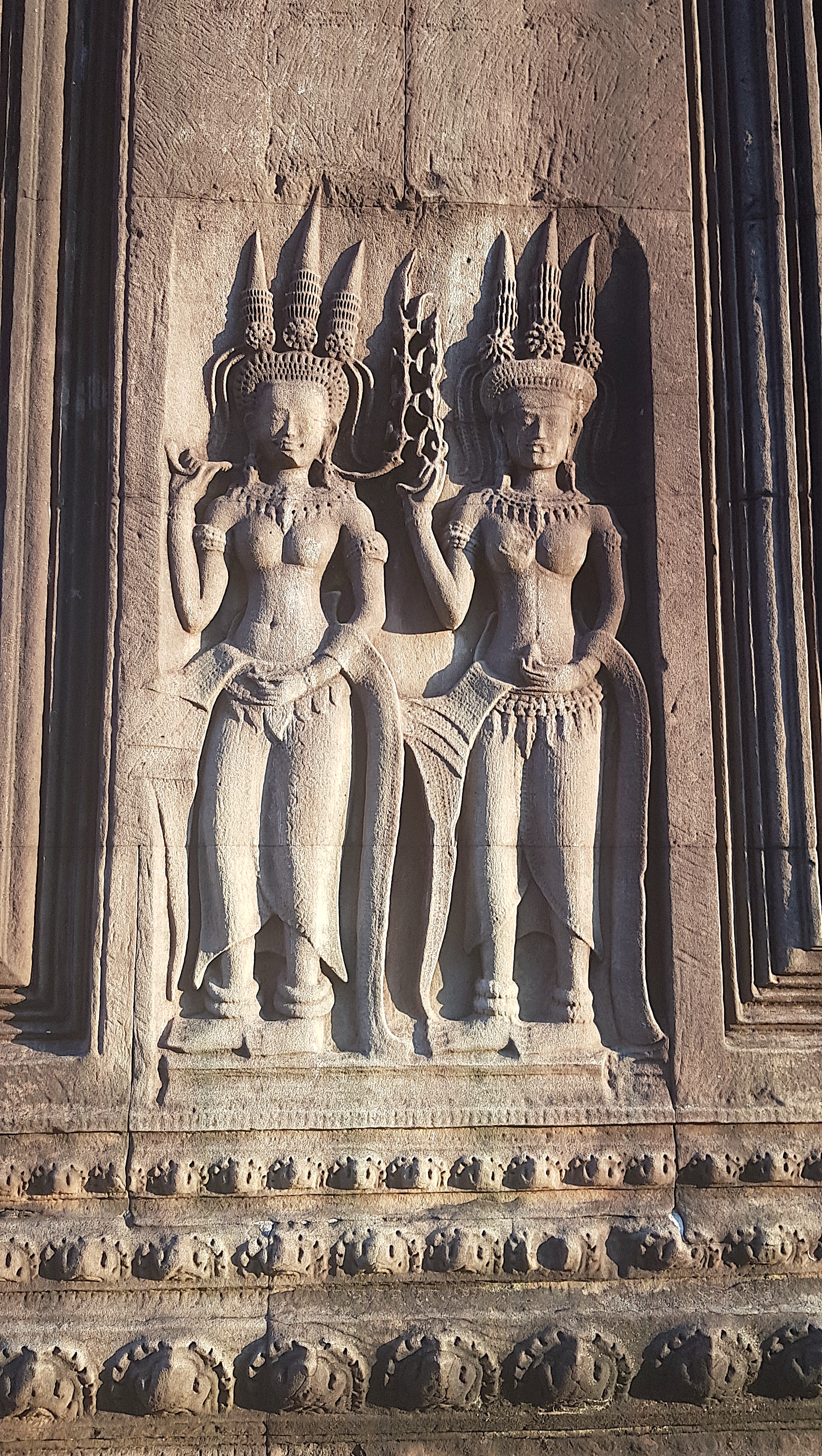
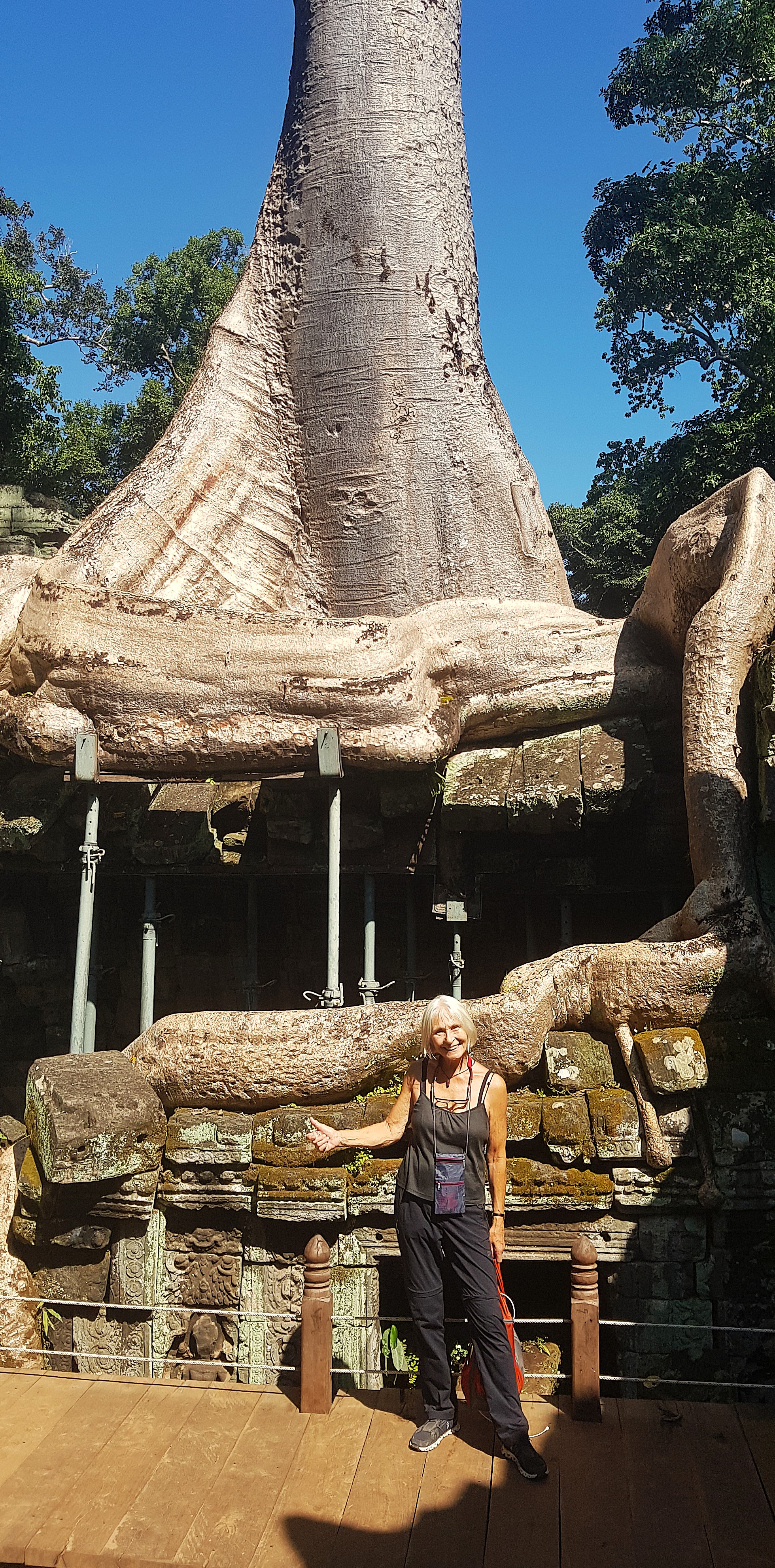
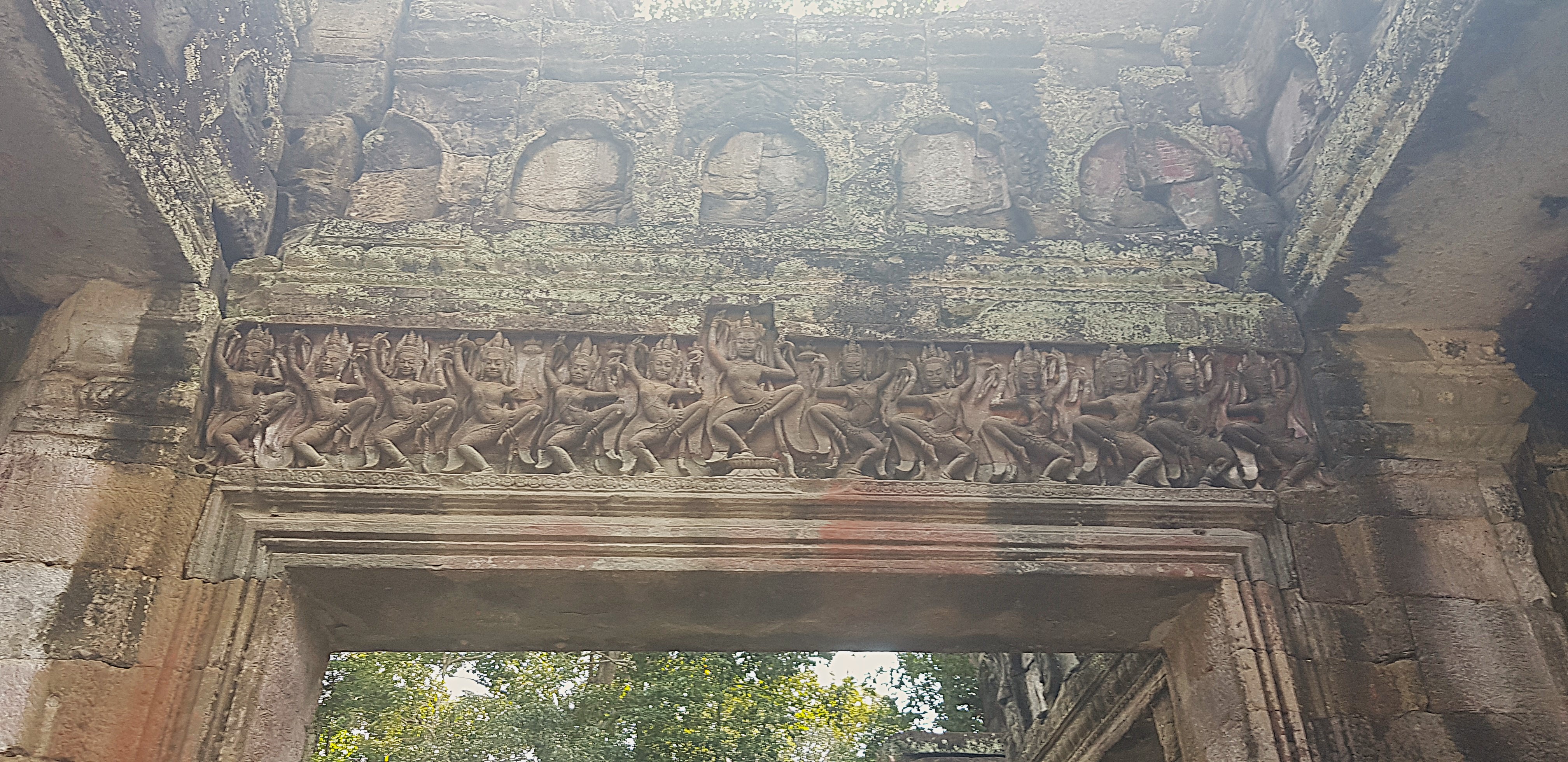
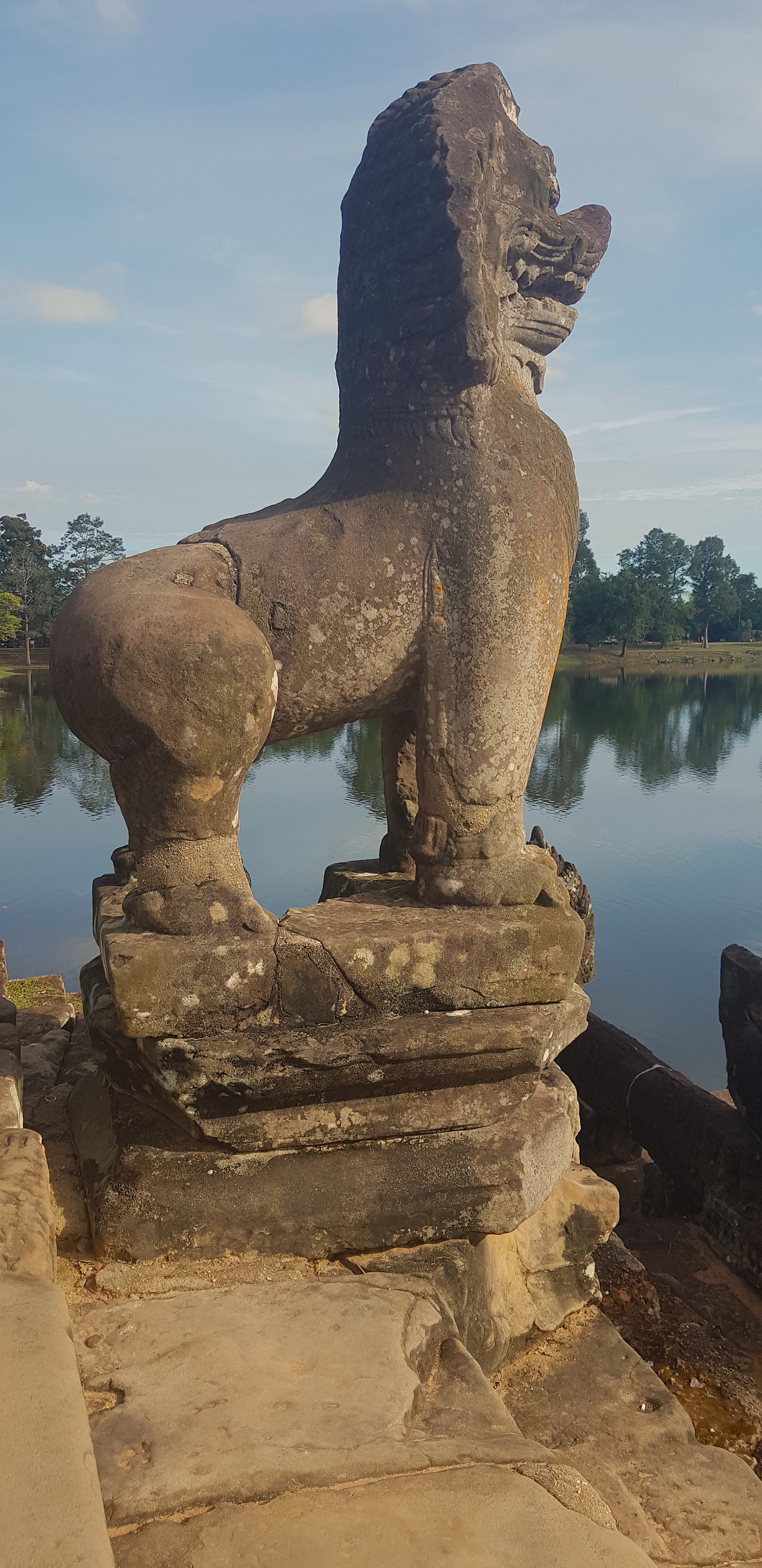
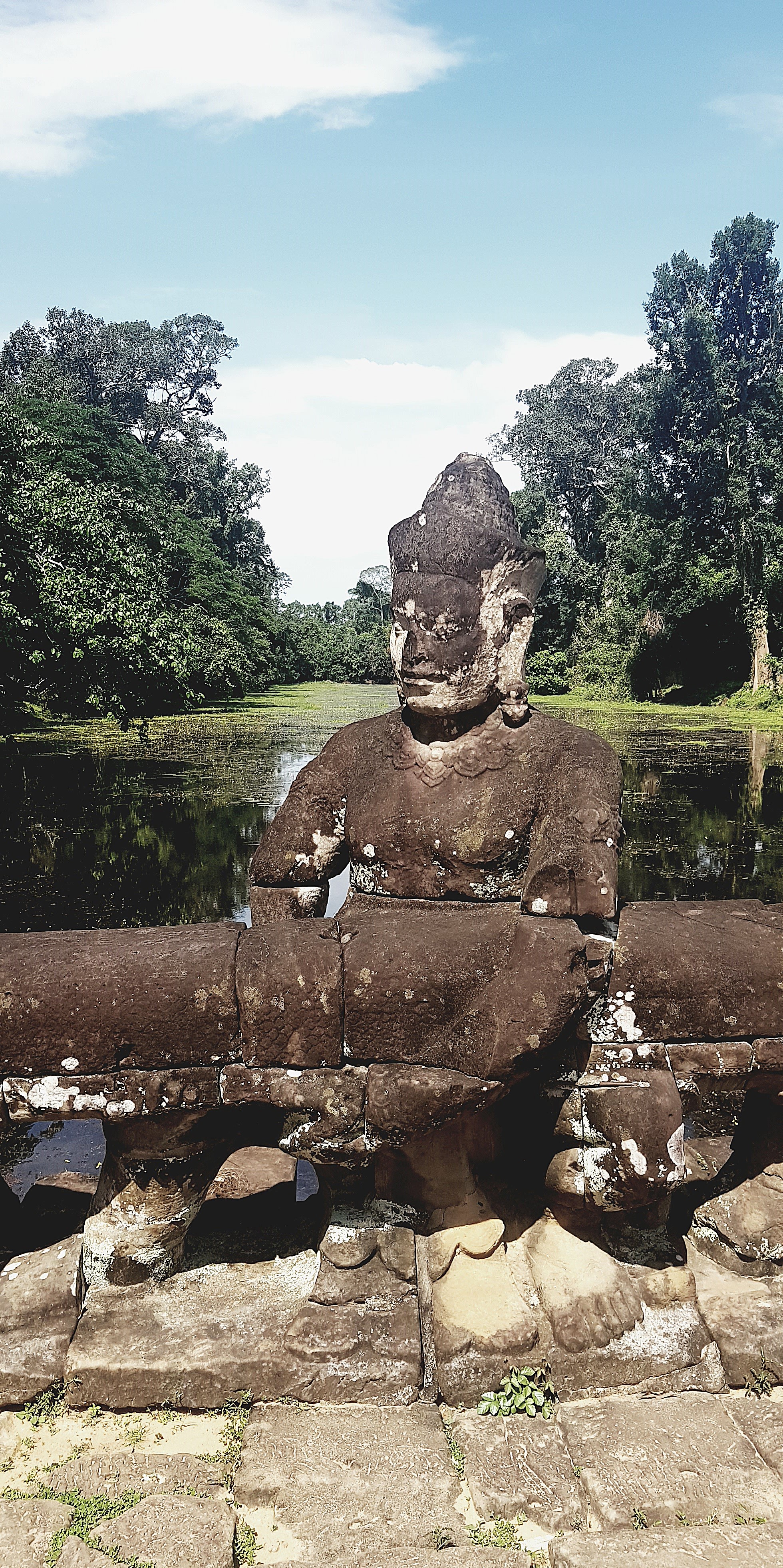
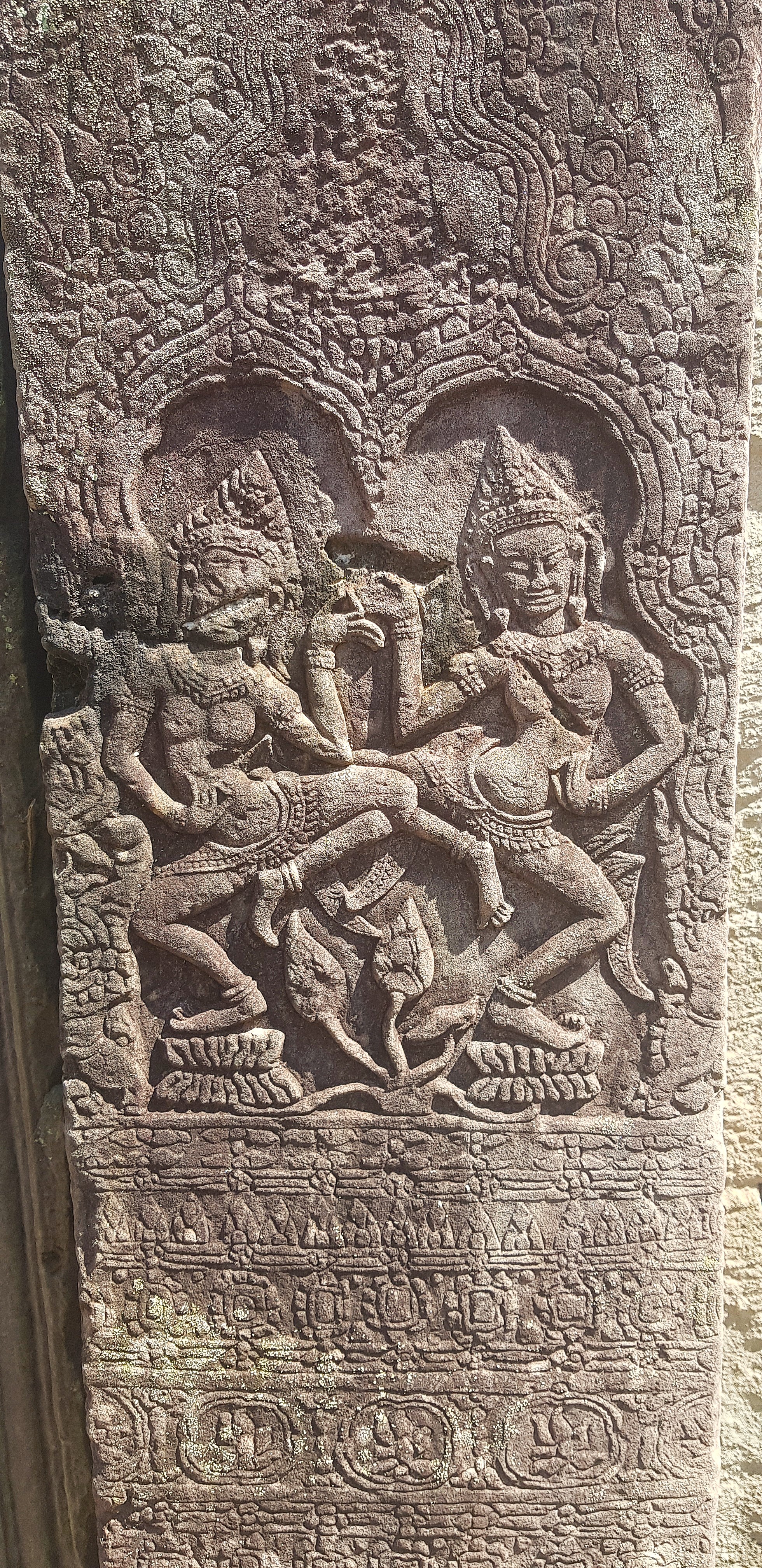
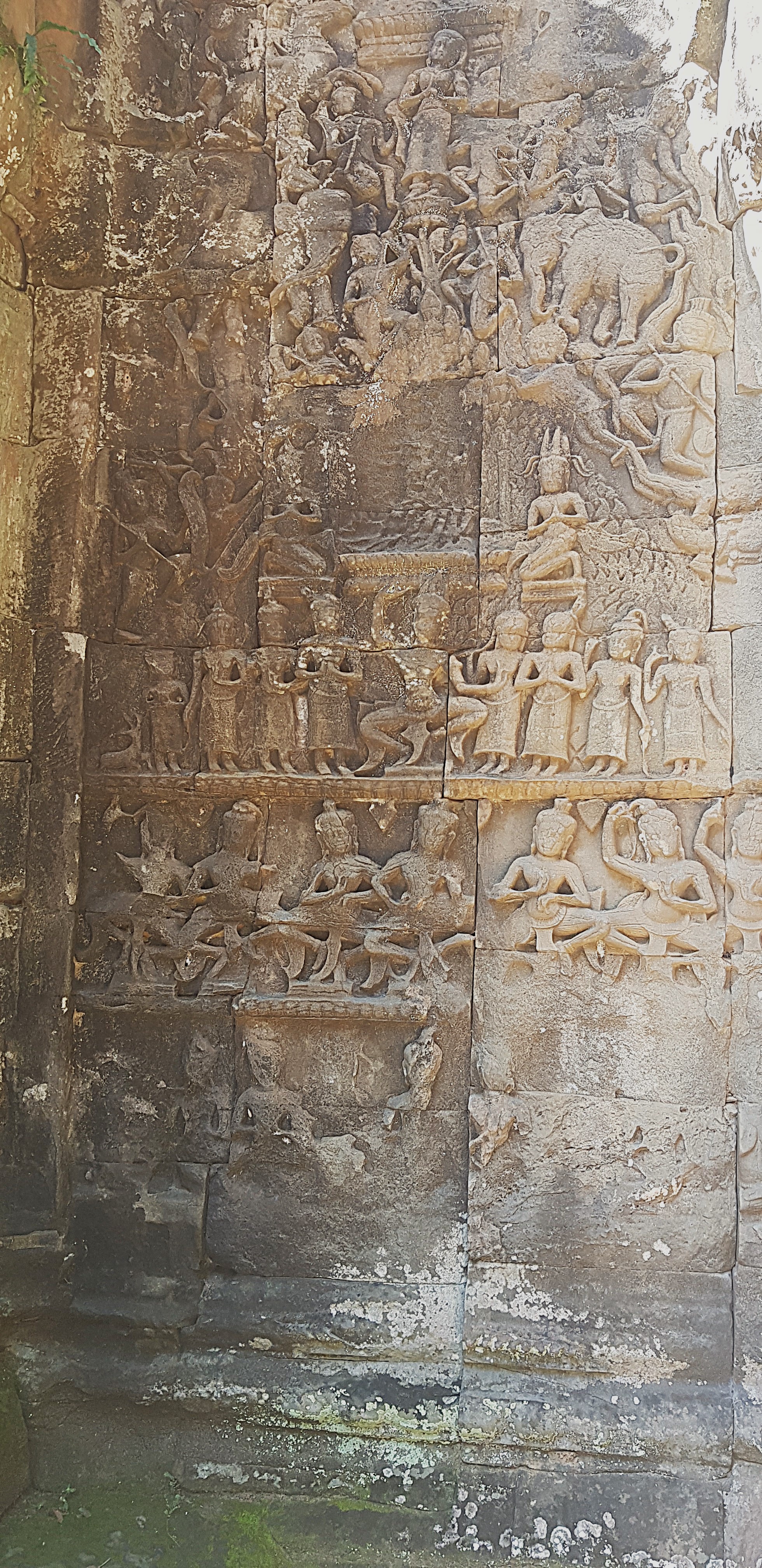
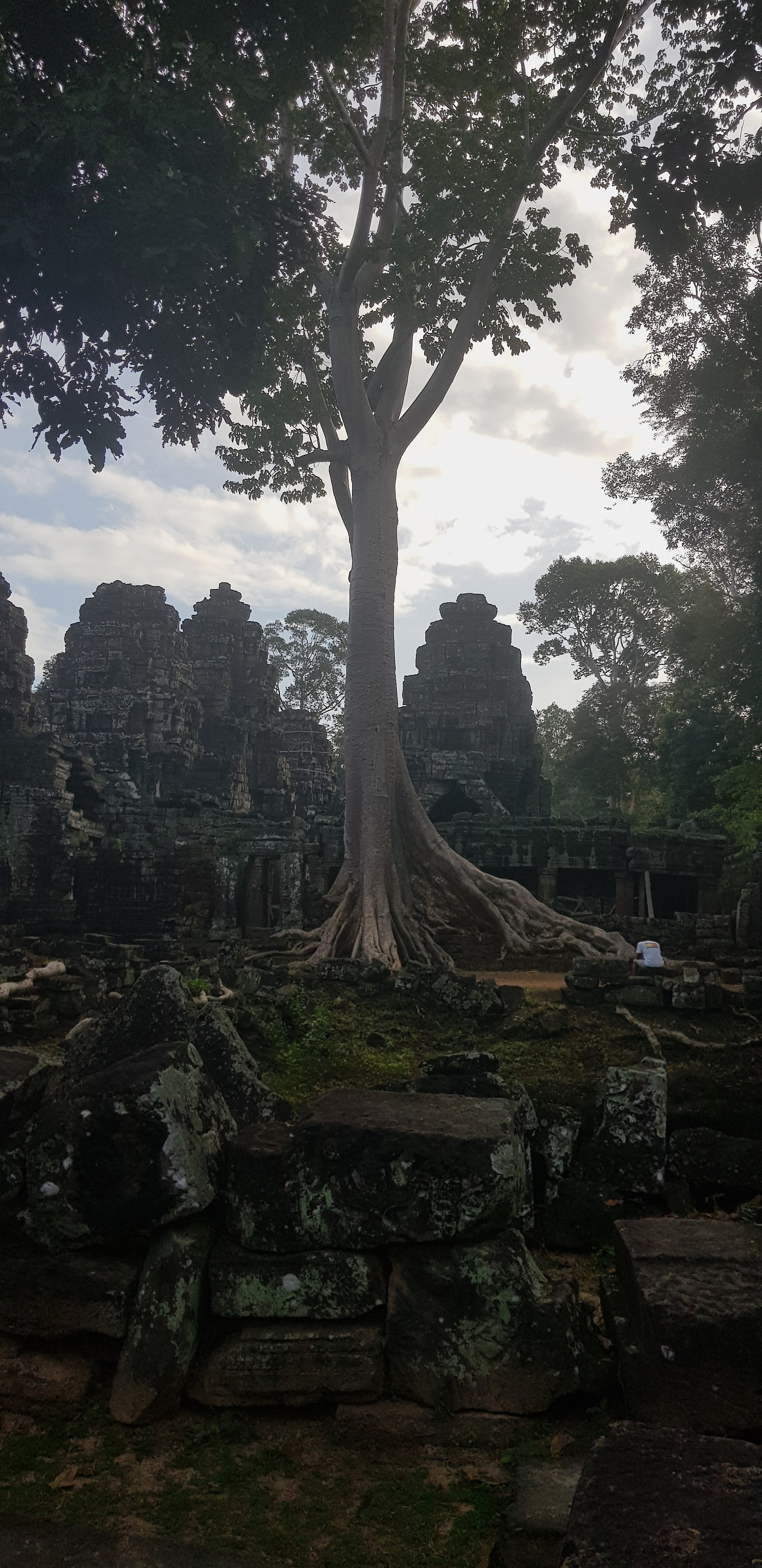
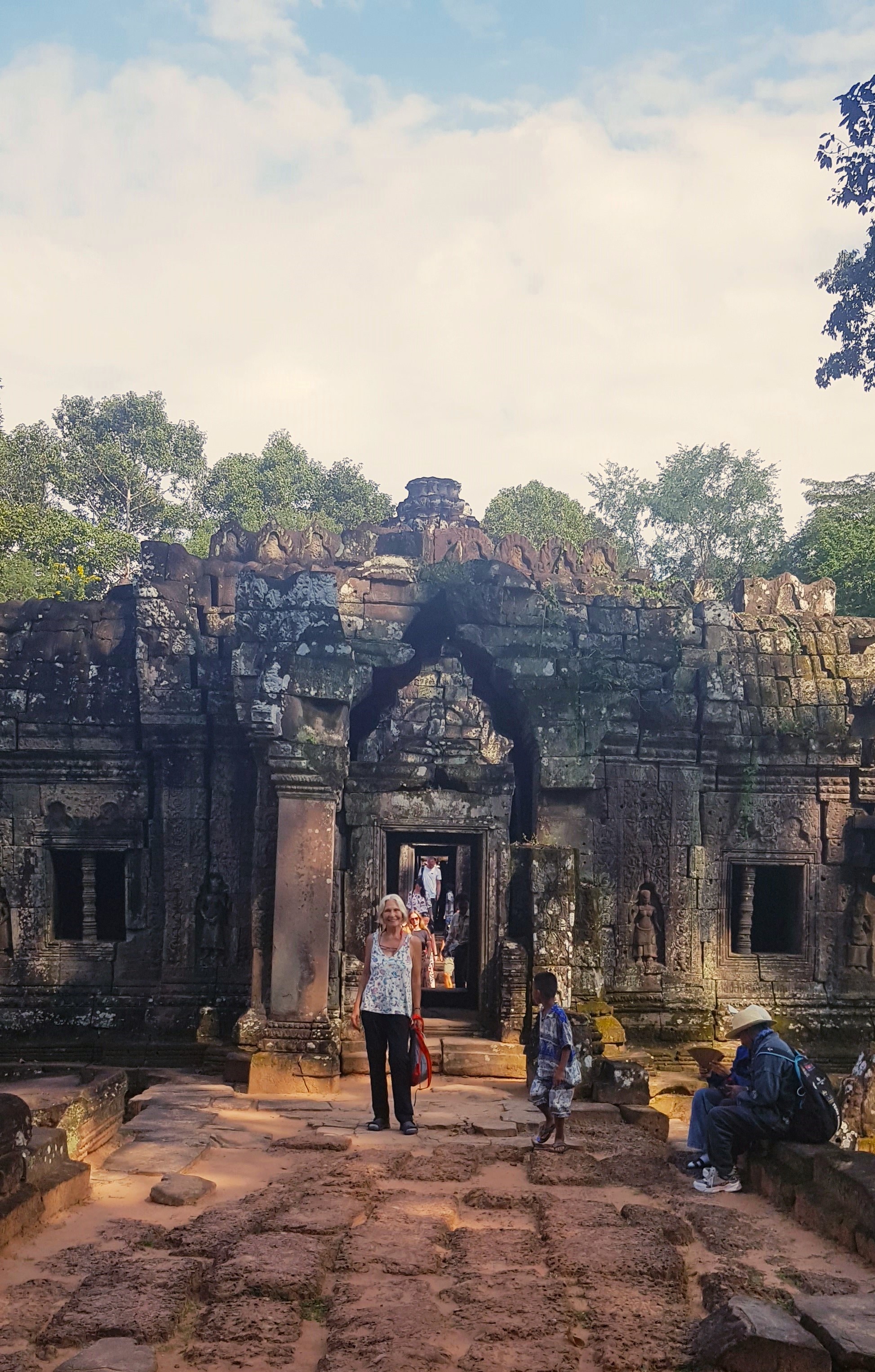
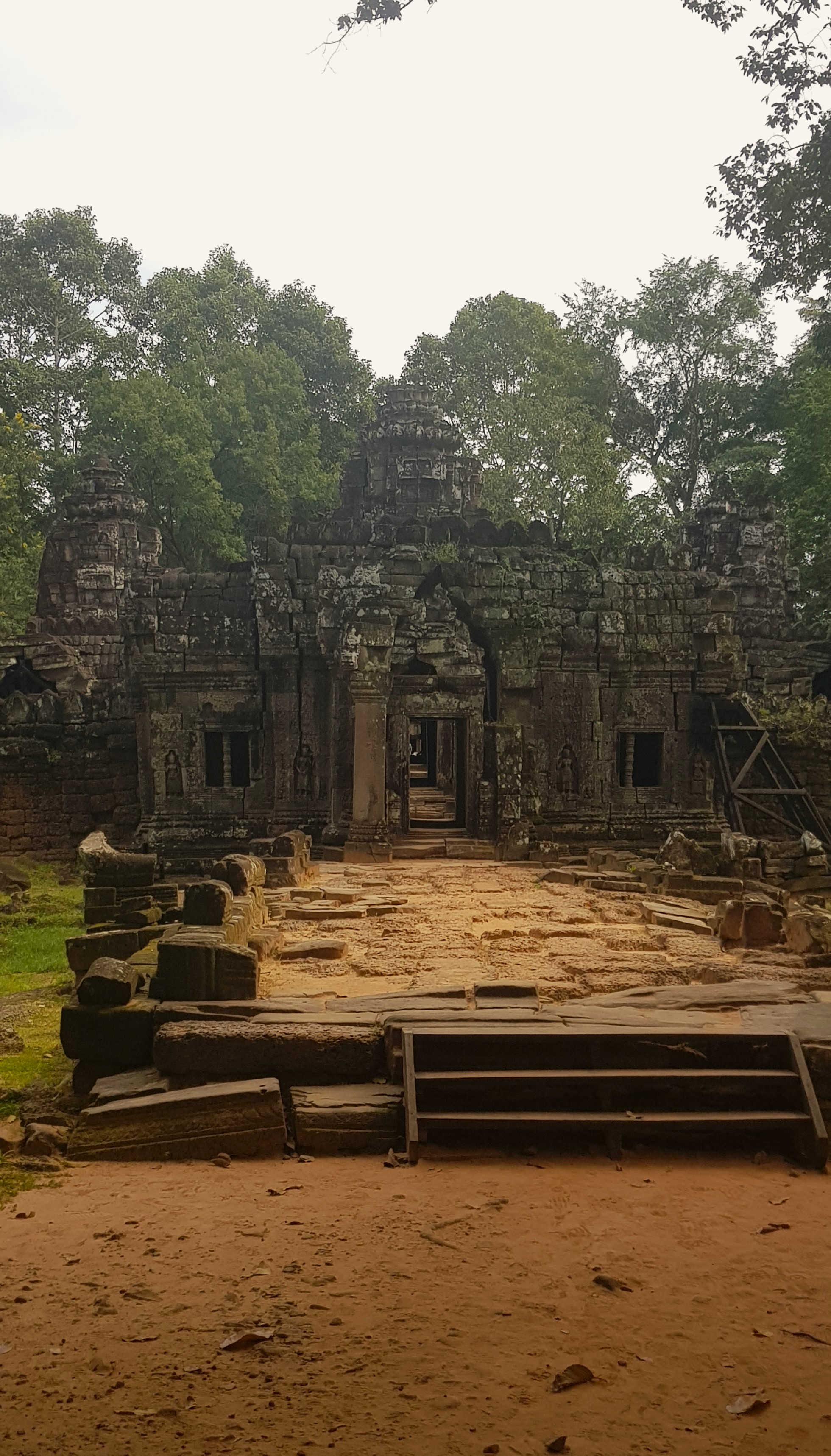
  1. Walking towards the Lotus towers turn around for a look back to see the moon descend; 2. ask someone to take your picture during sunrise, otherwise you won’t even believe you were there; 3. see how nature reclaims its rights; 4. envy the apsaras for their otherworldly beauty.

Angkor Wat means … guess what! Tick up to 5 options:

  1. Heaven on Earth?
  2. City of Temples?
  3. Wildest Dream?
  4. See Angkor and live?
  5. 8th Wonder of the World

I’ve been trying to think of a catchy title like “see Angkor and die” or “Angkor is the new Florence”, “modern day Grand Tour or ultimate pilgrimage?” whatever, but no … I am lost for words. Three months after my return from Southeast Asia I am still overwhelmed by my pictures which are not of exceptional quality (I know) but still: my heart starts racing, I gasp for air, tears come to my eyes, am I fainting? hallucinating? oh my God, I got it … the syndrome of … of… of Angkor.

Hinduism – Buddhism – Tourism

“First, we had Hinduism, …

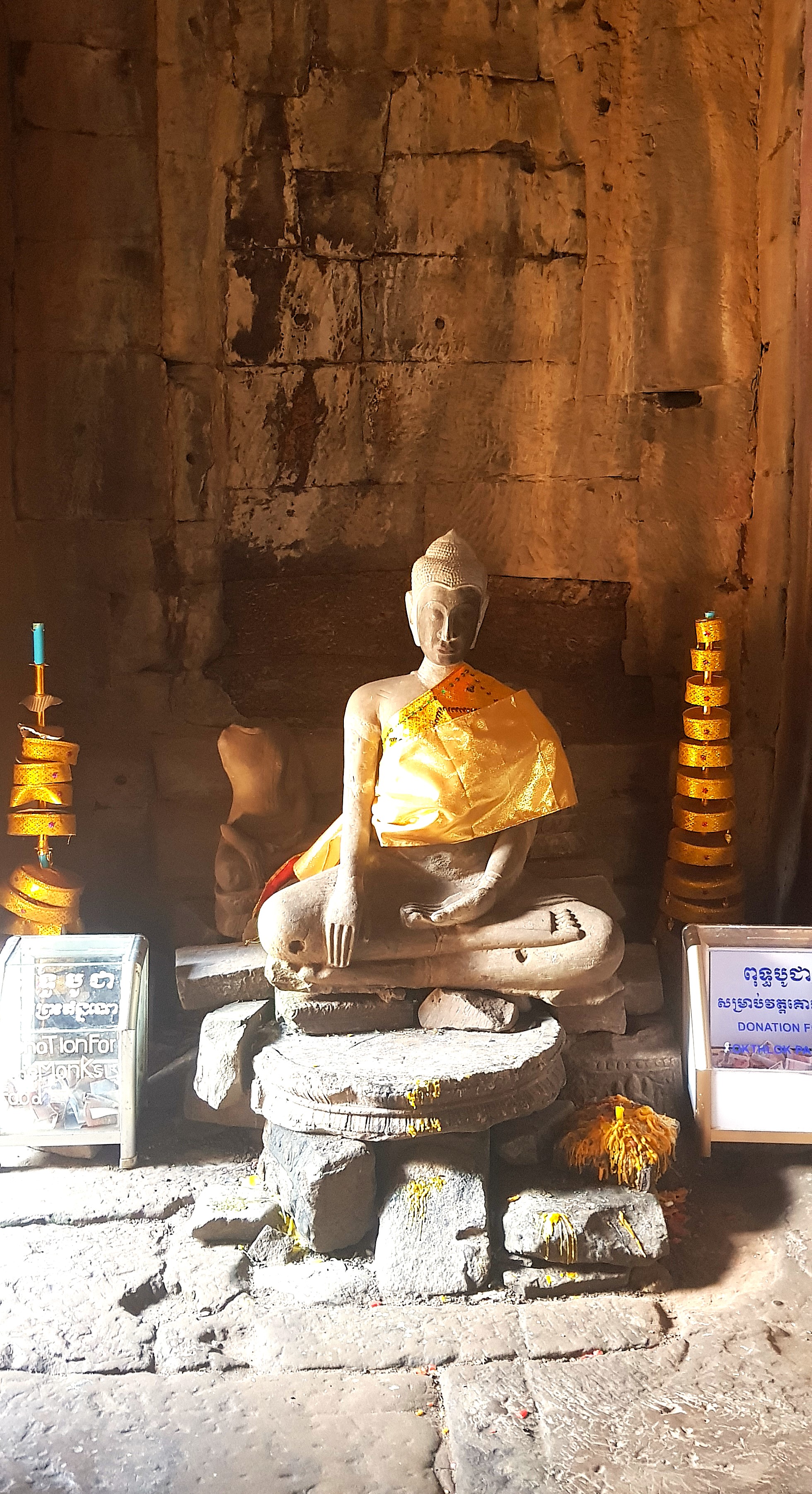
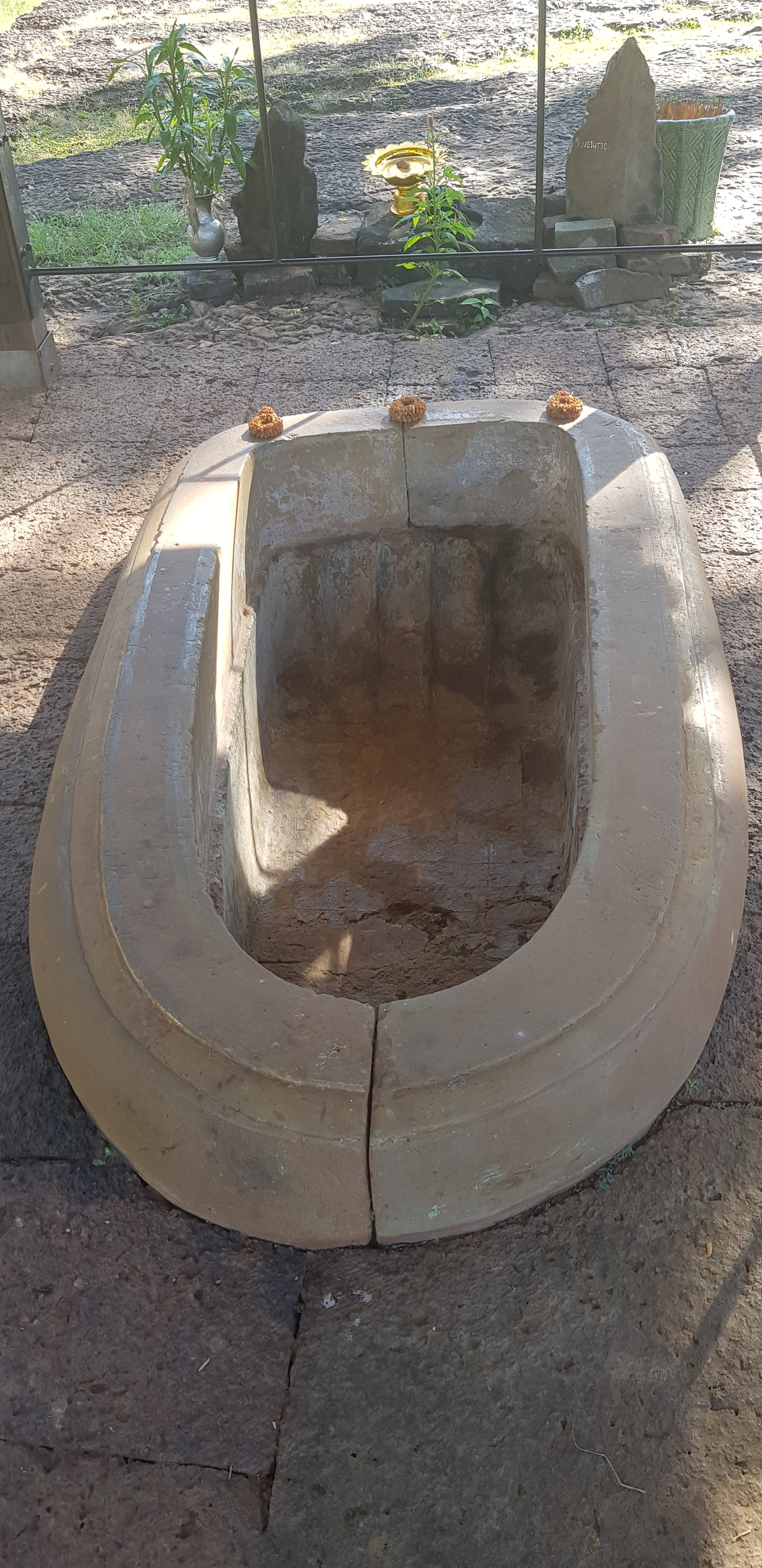
… then Buddhism came (pic 3: Buddha’s footprint, Shaquille O’Neal would be flabbergasted)

… and now we have Tourism,”

… a joke that the guide probably makes to all his groups and there’s no shorter summary to Angkor’s history.

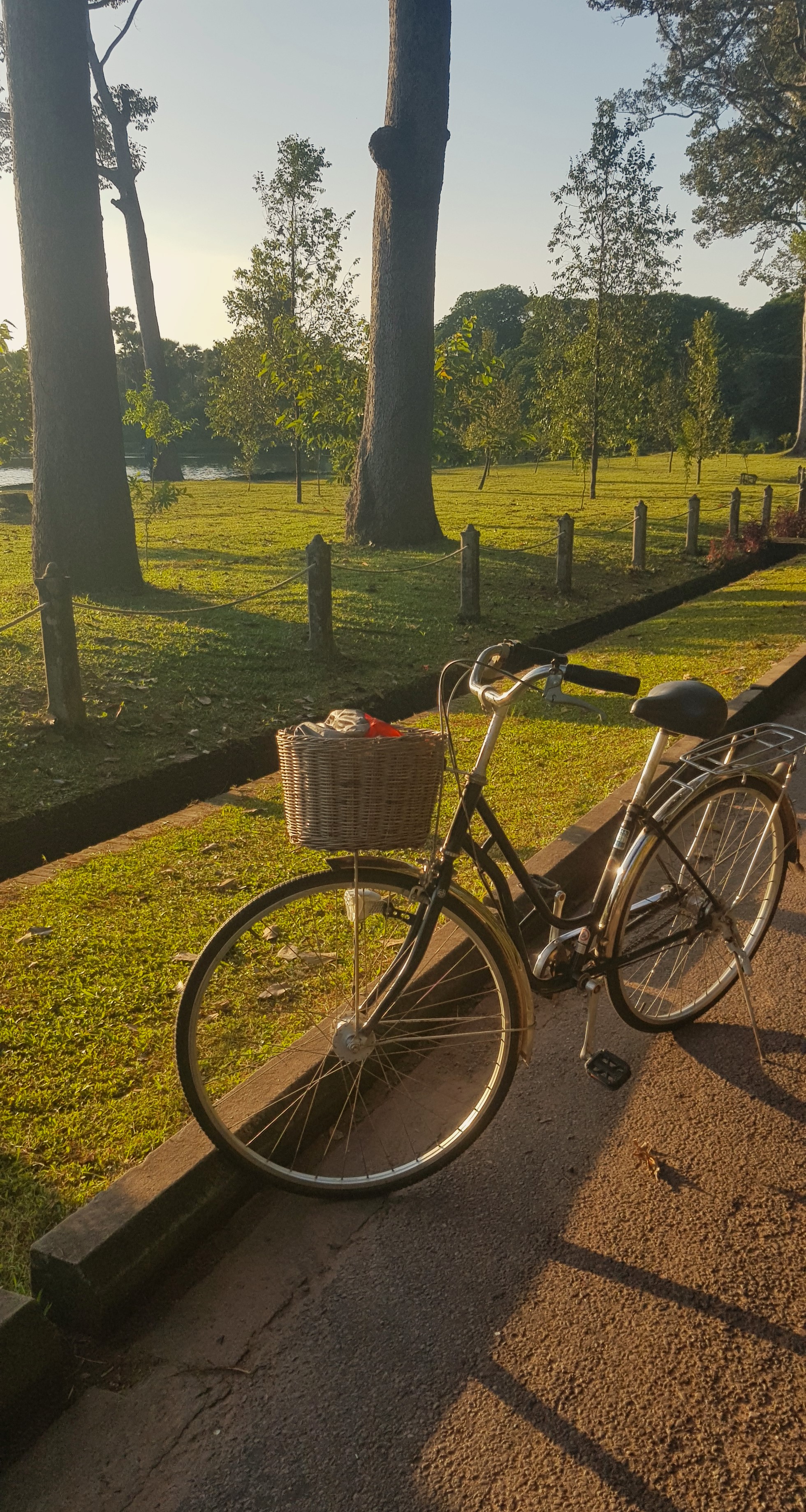
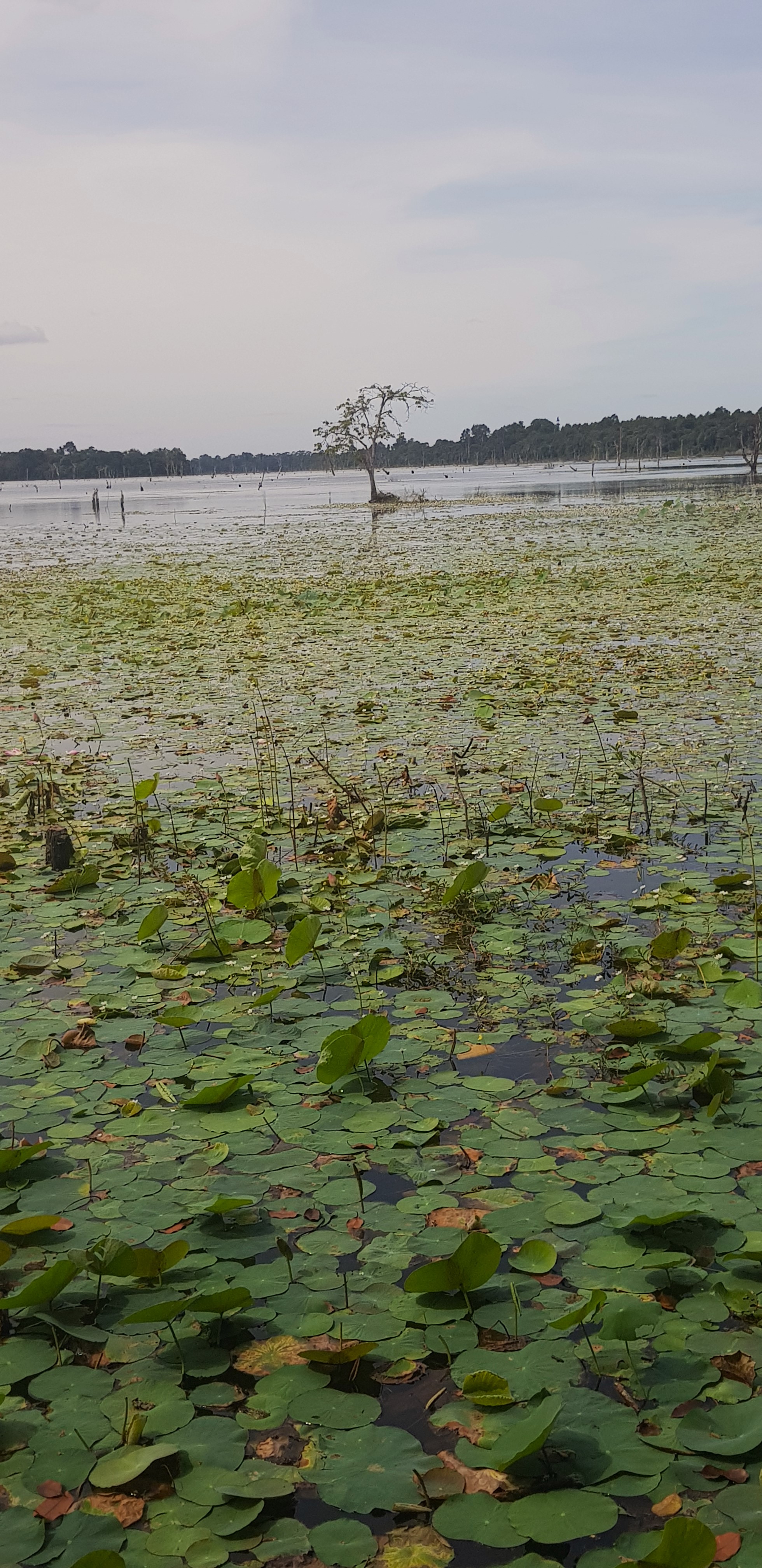
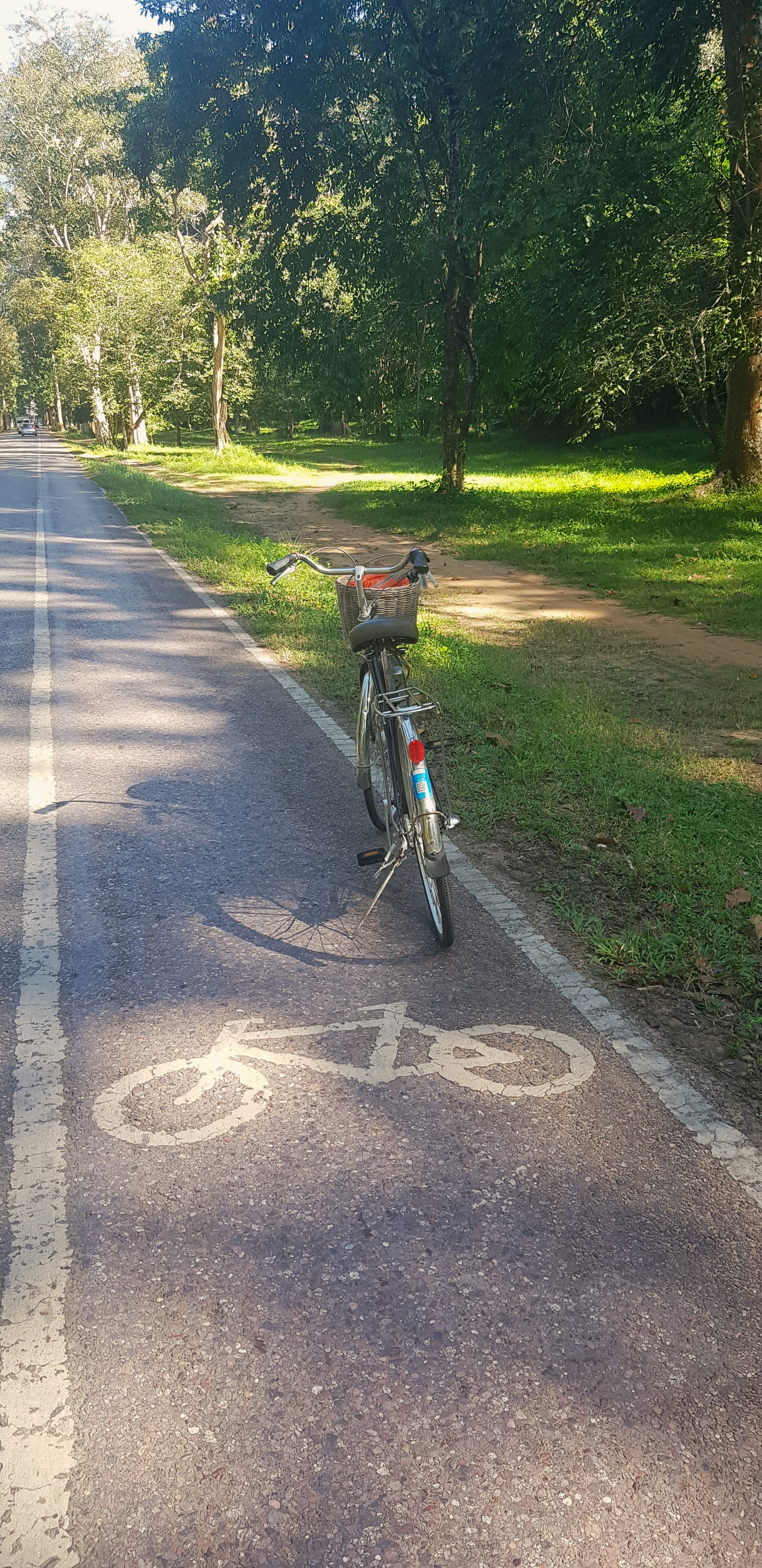
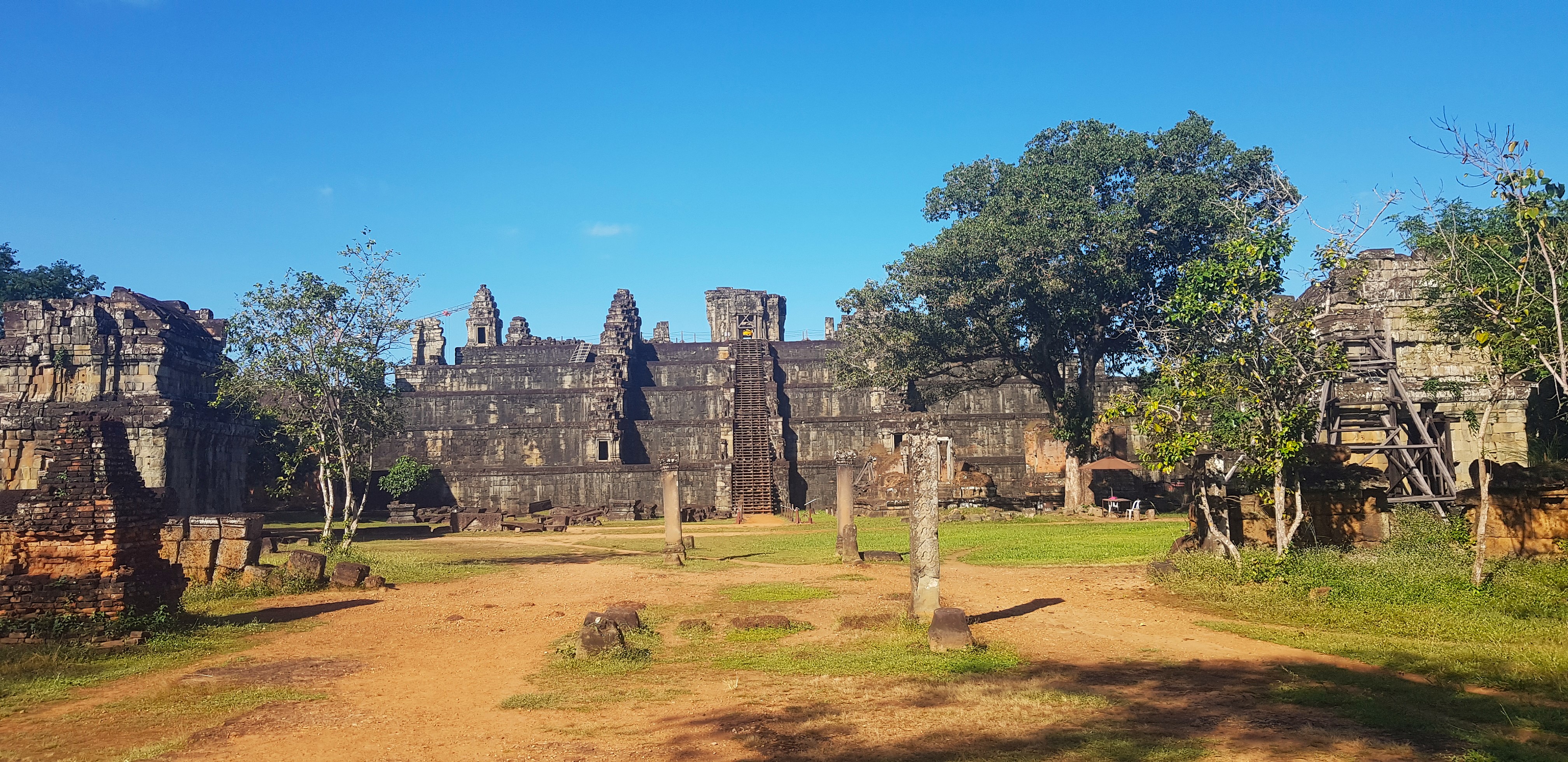
“Bicycle, bicycle, bycicle… I want to ride my bike… I want to ride it where I like”: all over the Angkor Wat and Angkor Thom area, literally a breathtaking experience. The heat is tropical, and the distances are farther than they seem when rattling around in a tuk-tuk. I start at 5:30 in the morning, take my time, get away from the crowd, get lost, and enjoy serendipitous encounters. You can hire the most modern bicycles in Siem Reap, but I opted for an old-fashioned ladies’ bike – not electric, not even with gears – with a small basket at the front for the indispensable water bottle.

I love cycle tracks, they give me the feeling to be in a place where people care. In the most enjoyable solitude … I take my time and

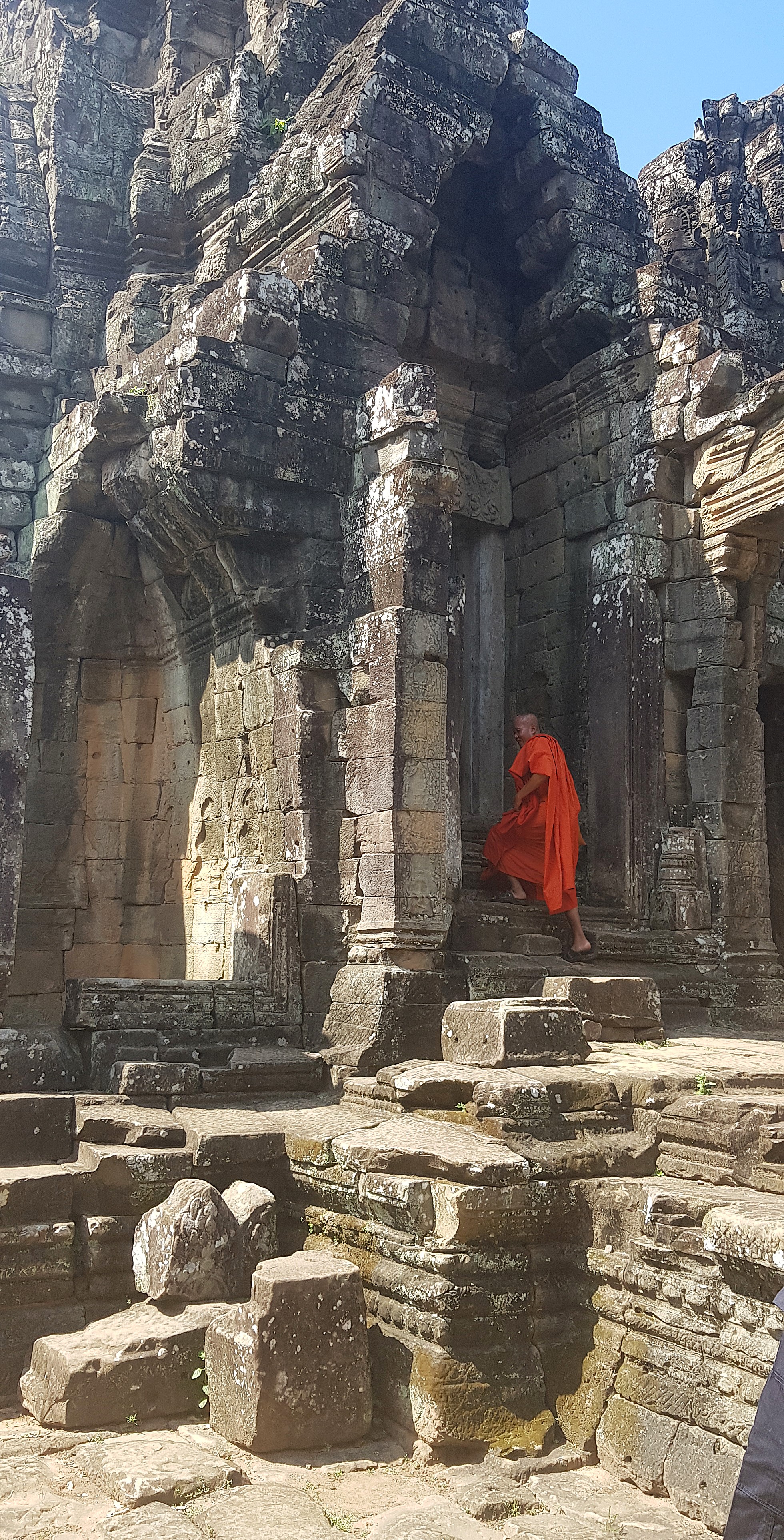
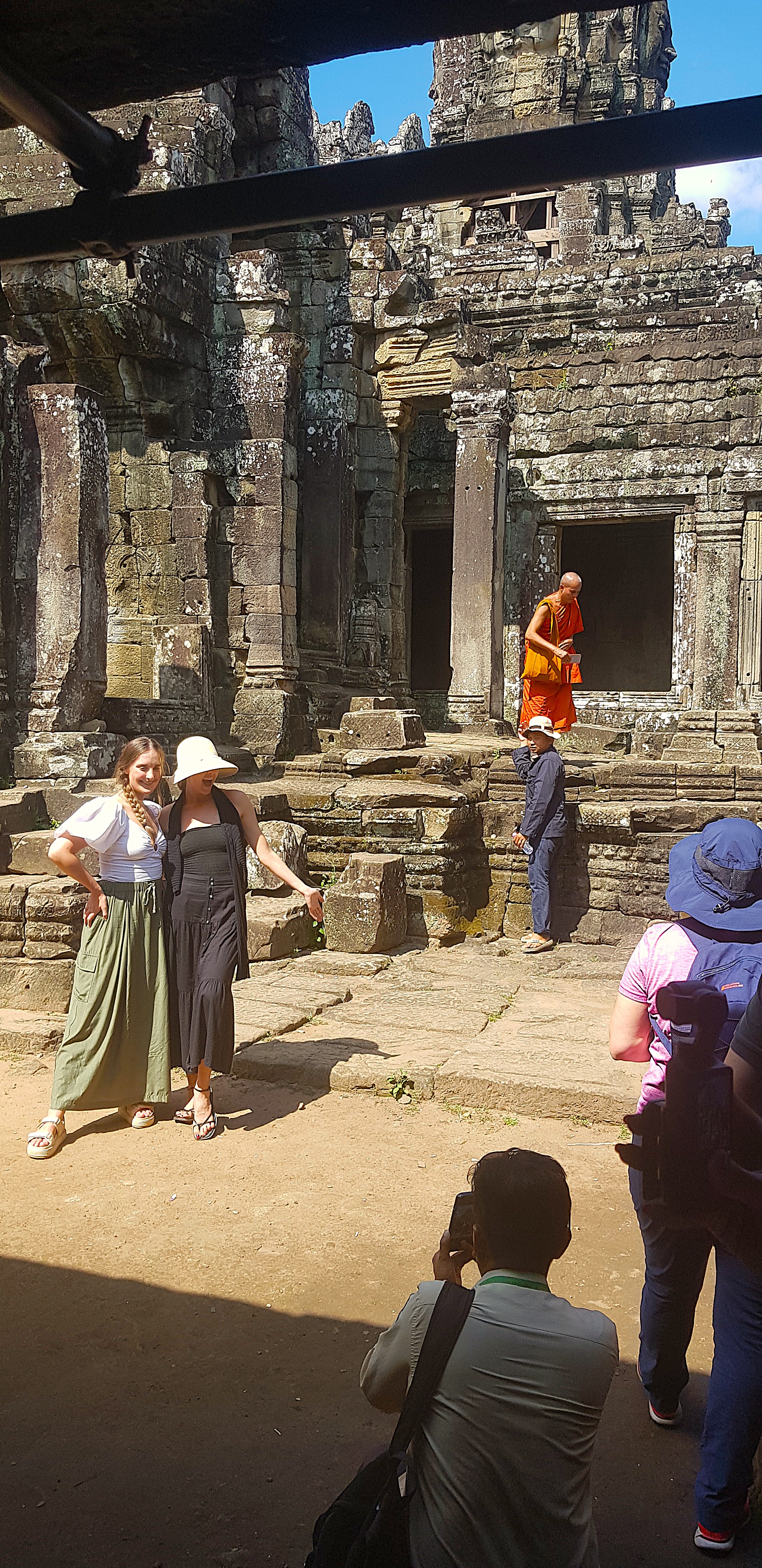
… explore deserted temples without anyone standing in my picture emitting silly noises, I meet and talk to most adorable people, or sit down, close my eyes, and look back a few hundred years.

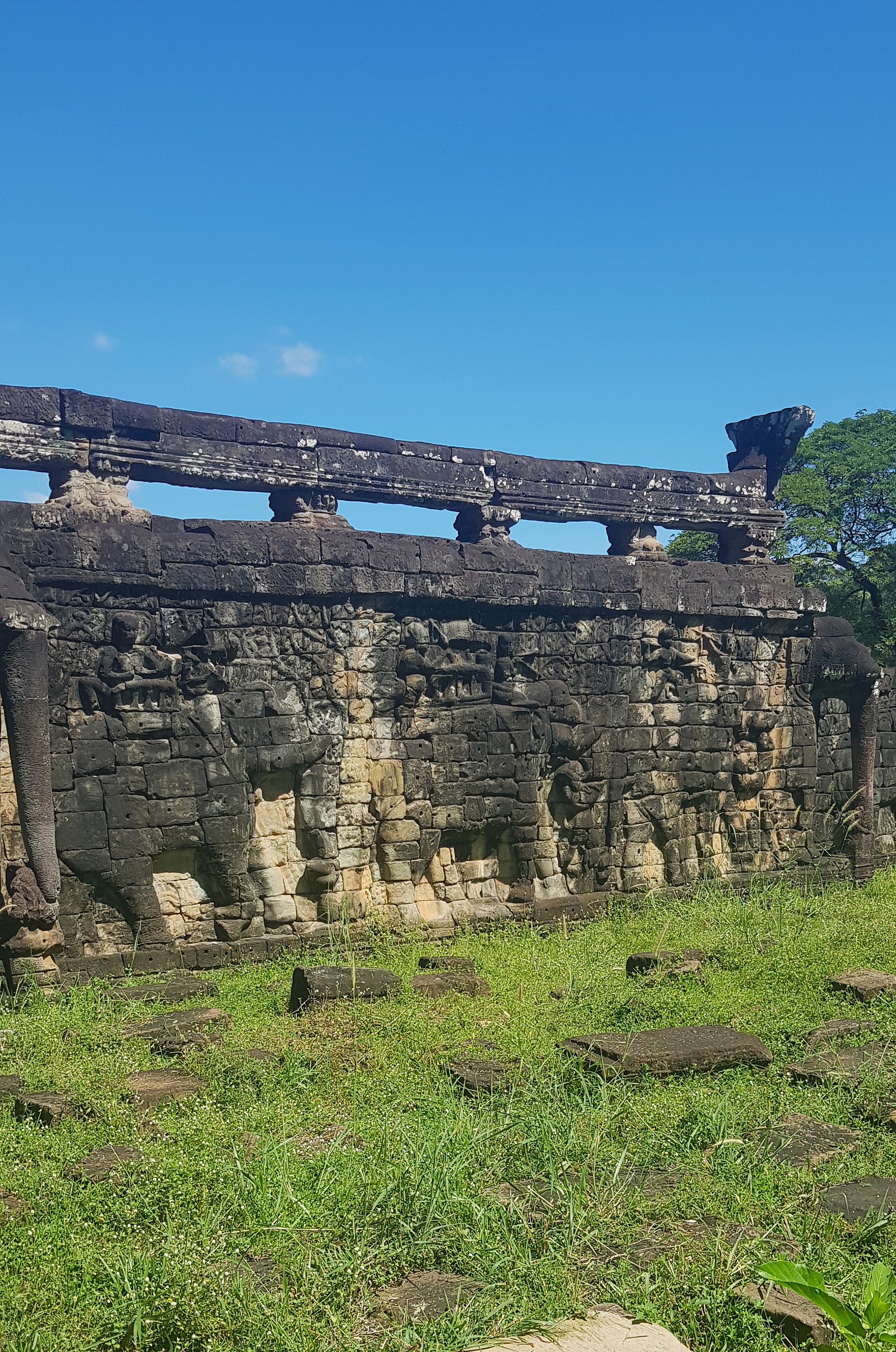
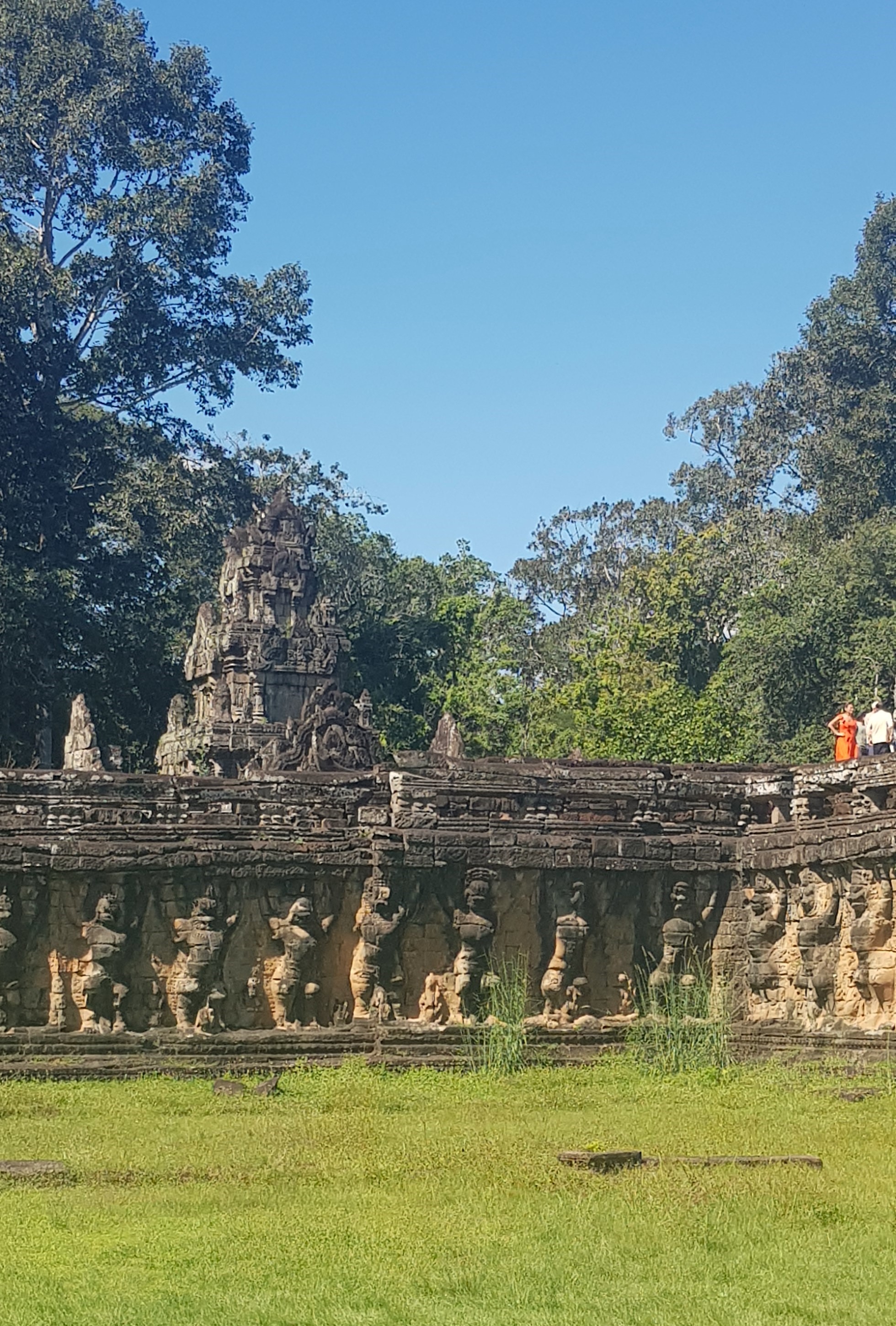
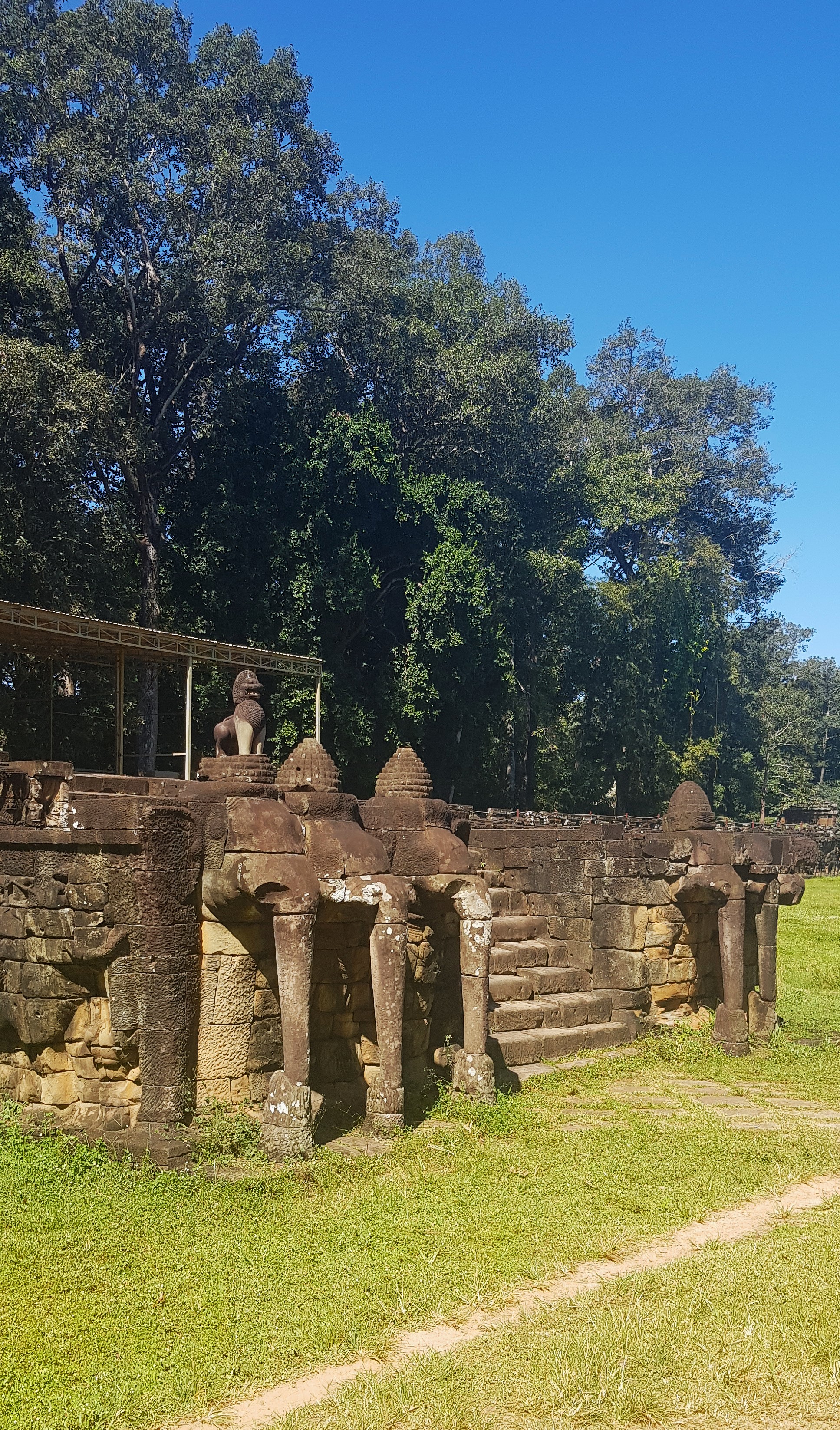
My tour: “deeply spiritual, breathtakingly adventurous, absolutely mind-boggling, awe-inspiring, …”, noooo, just joking, it was simply wonderful, every minute of it – even when, all of a sudden, my bicycle had disappeared from where I had parked and locked! it in order to explore the Terrace of the Elephants and the Terrace of the Leper King with their adjacent temples. I was really shocked when I came back and didn’t see my bike. I started talking to everybody around, two very nice Swiss chaps felt so sorry for me … and then their personal guide, who had never believed that it could have been stolen, saw it: someone, maybe another conscientious tourist guide had moved my bike out of the boiling noon heat into the shade (and probably prevented my tires from blowing up, thank you, my unknown guard).

There are still hundreds of pictures left. Come and see them all! I know there are nicer photos everywhere on the internet but I’ll tell you a little anecdote that goes with each picture.

Now, dear friends, I need to check my old suitcase and my backpack to get them ready before the wanderlust irresistibly takes hold of me again. (“Fernweh” is the nicer word, it tells of the pain of staying at home for too long).

Greetings to you all and thank you for following me.

Cheers Gerburg
Tears and Cheers in Southeast Asia

14 Jan

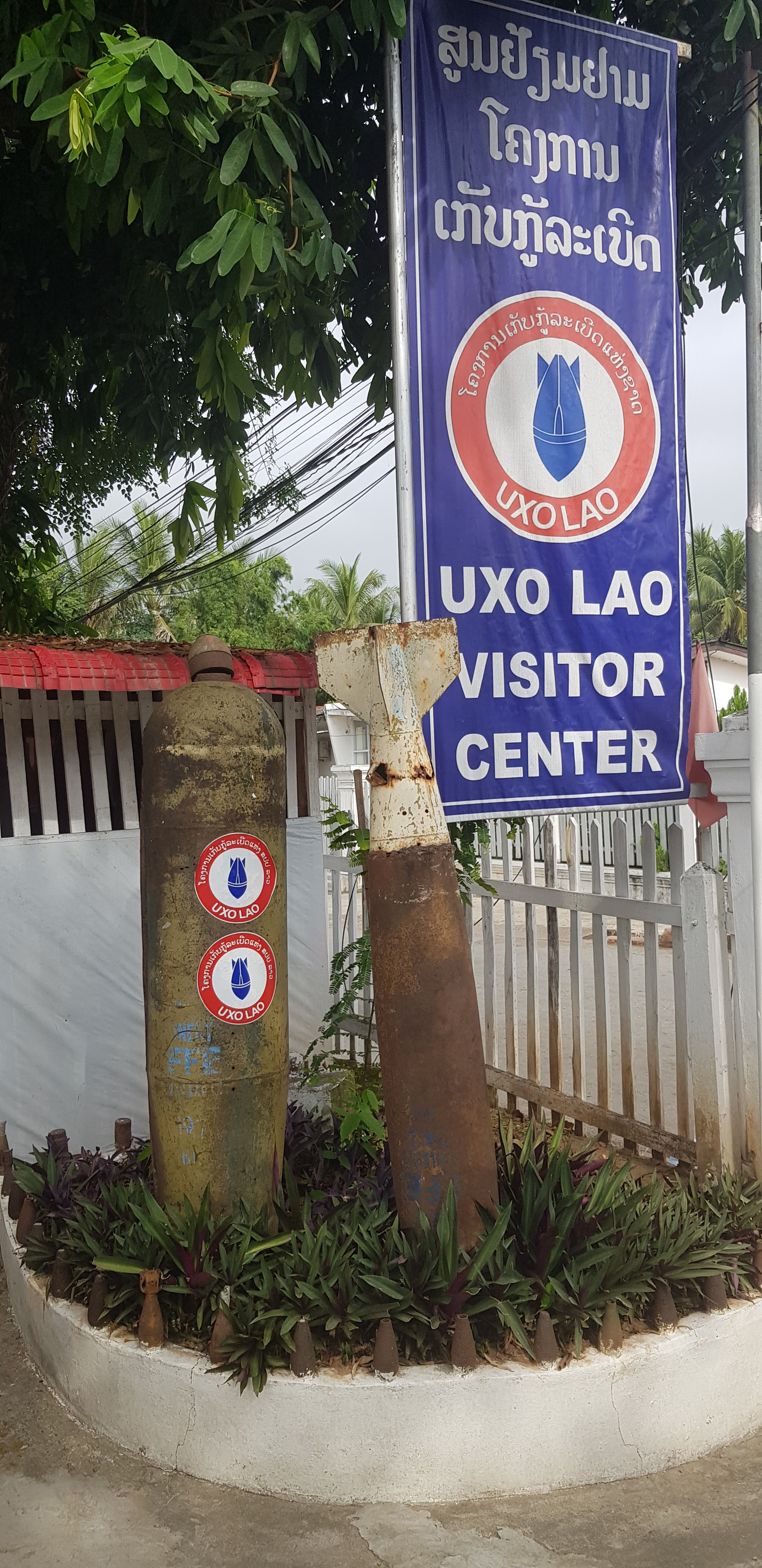
UXO LAO VISITOR CENTER

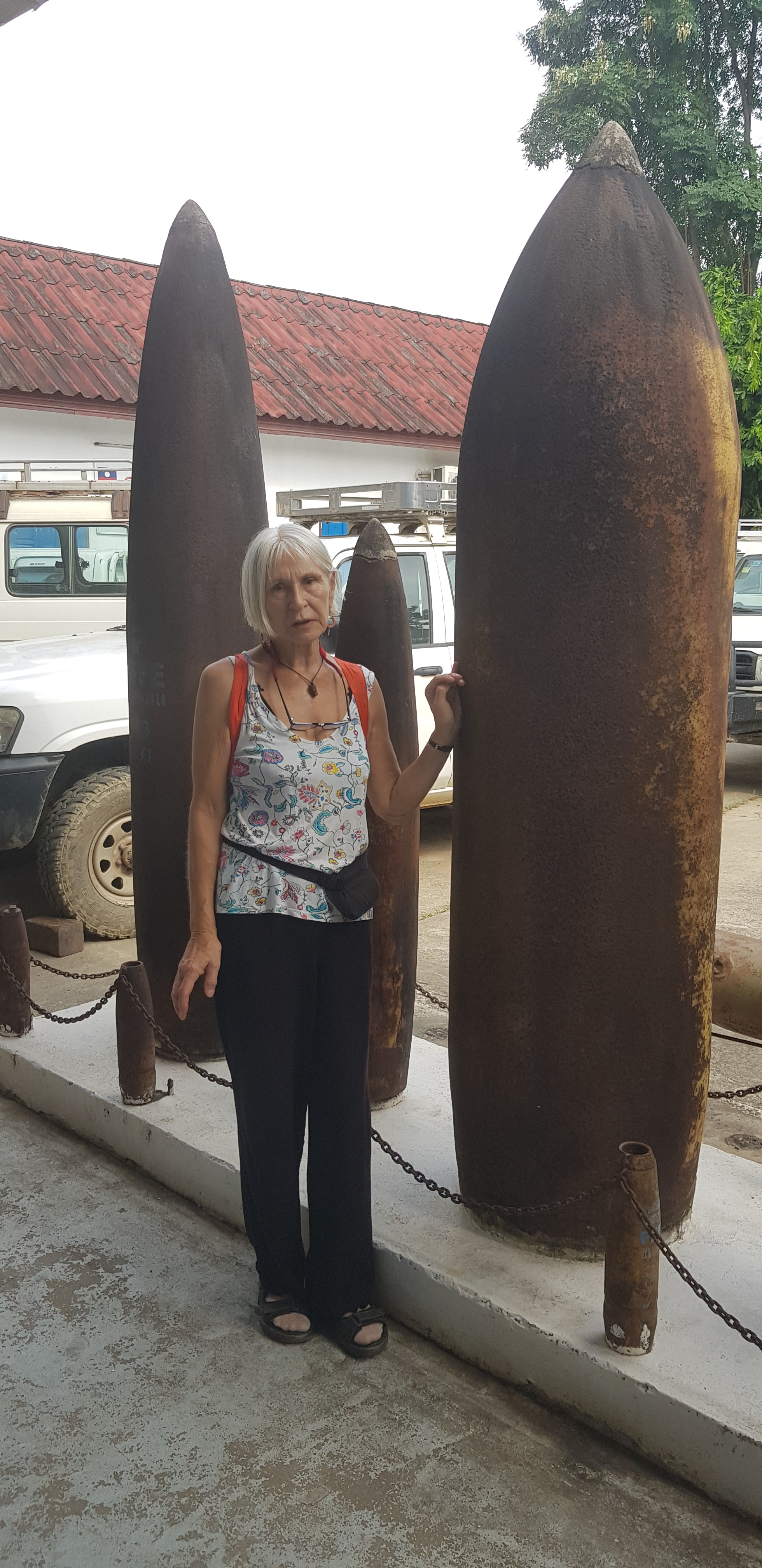
I’ll start with the tears. I am crying inside, like when I guided my classes through memorial sites in Germany. Here I am alone. There are not many visitors, just one young guy, perhaps American, silent, moved. I ask him to take a photo of me at the end.

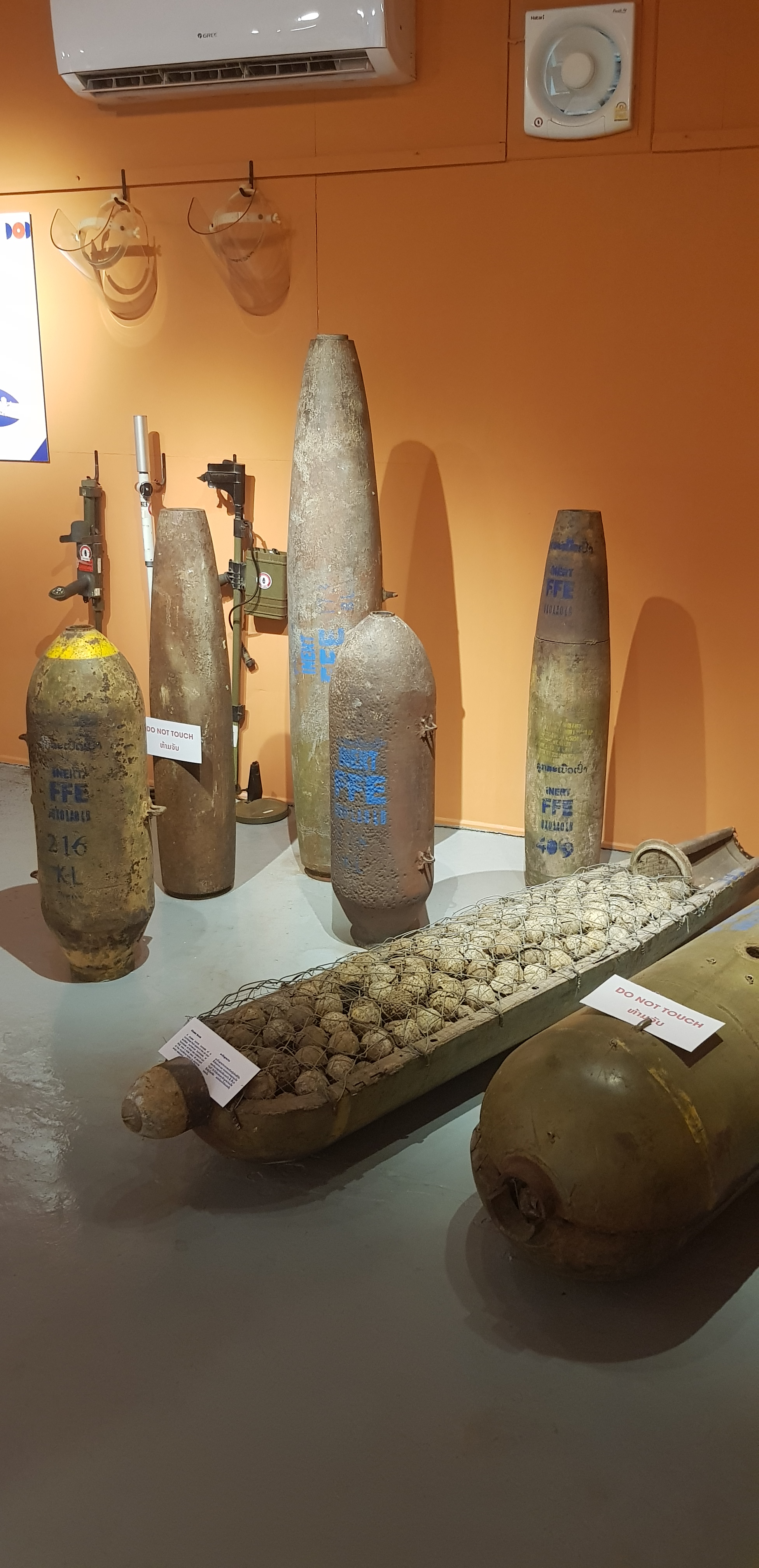
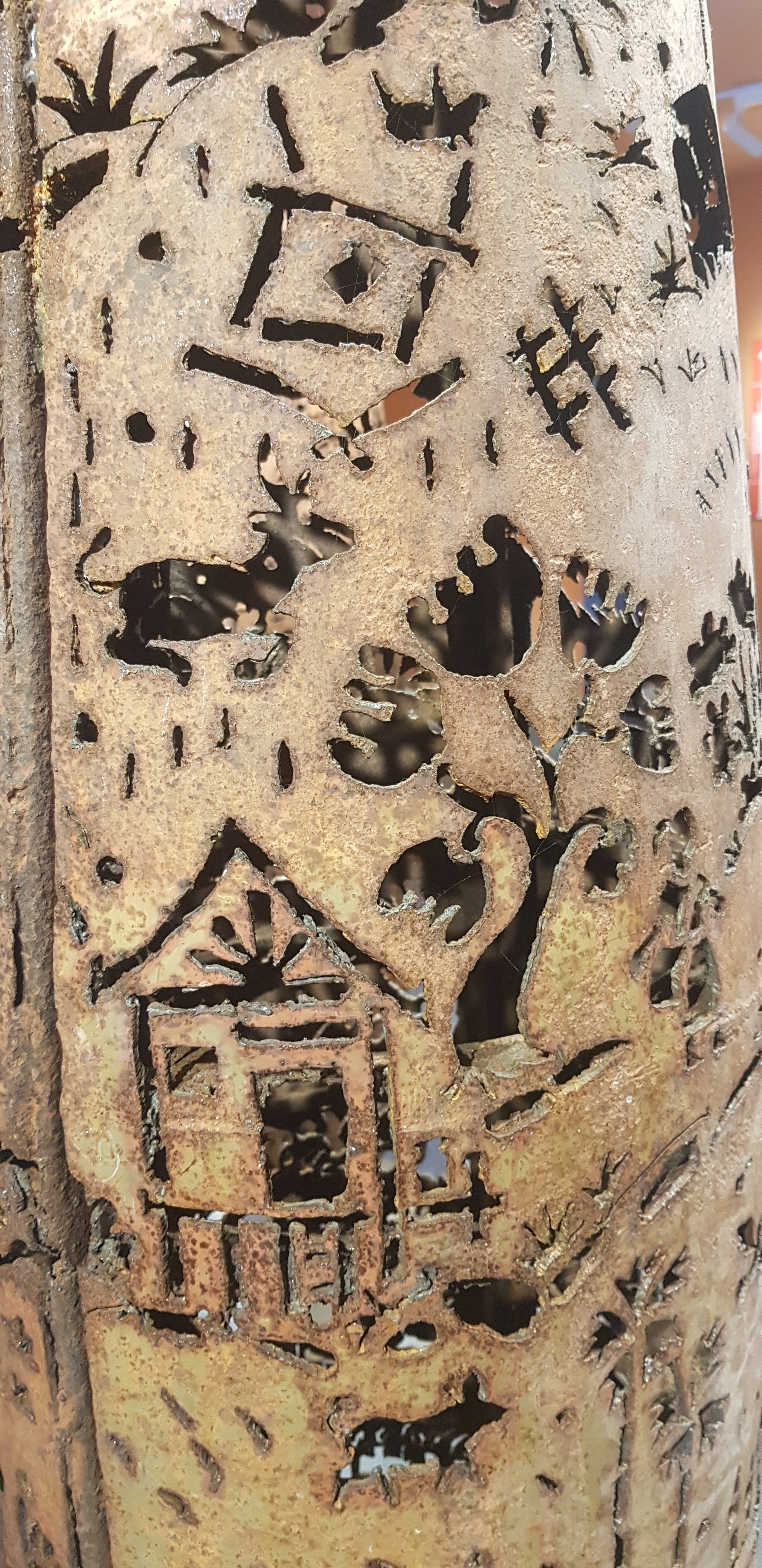
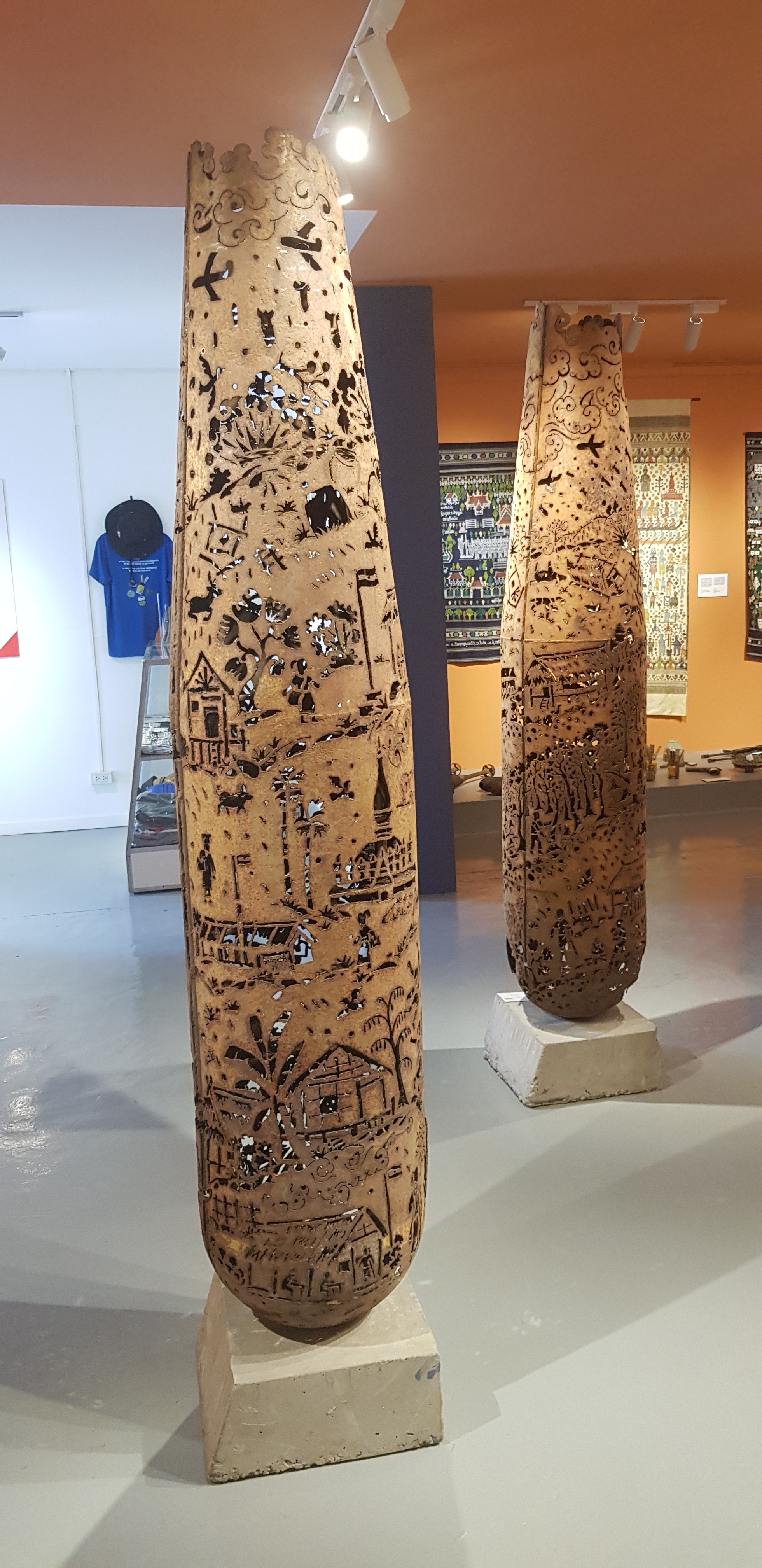
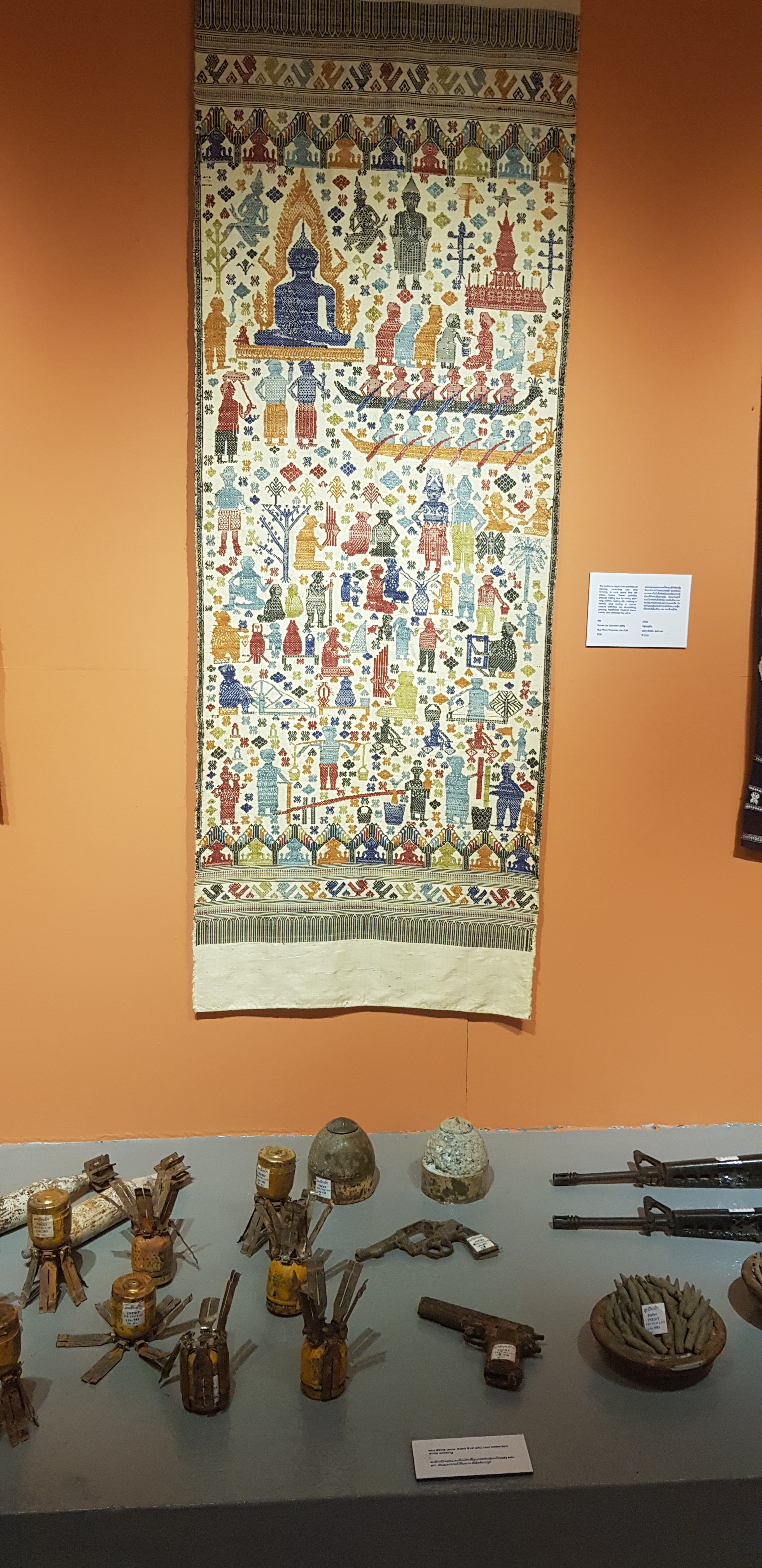
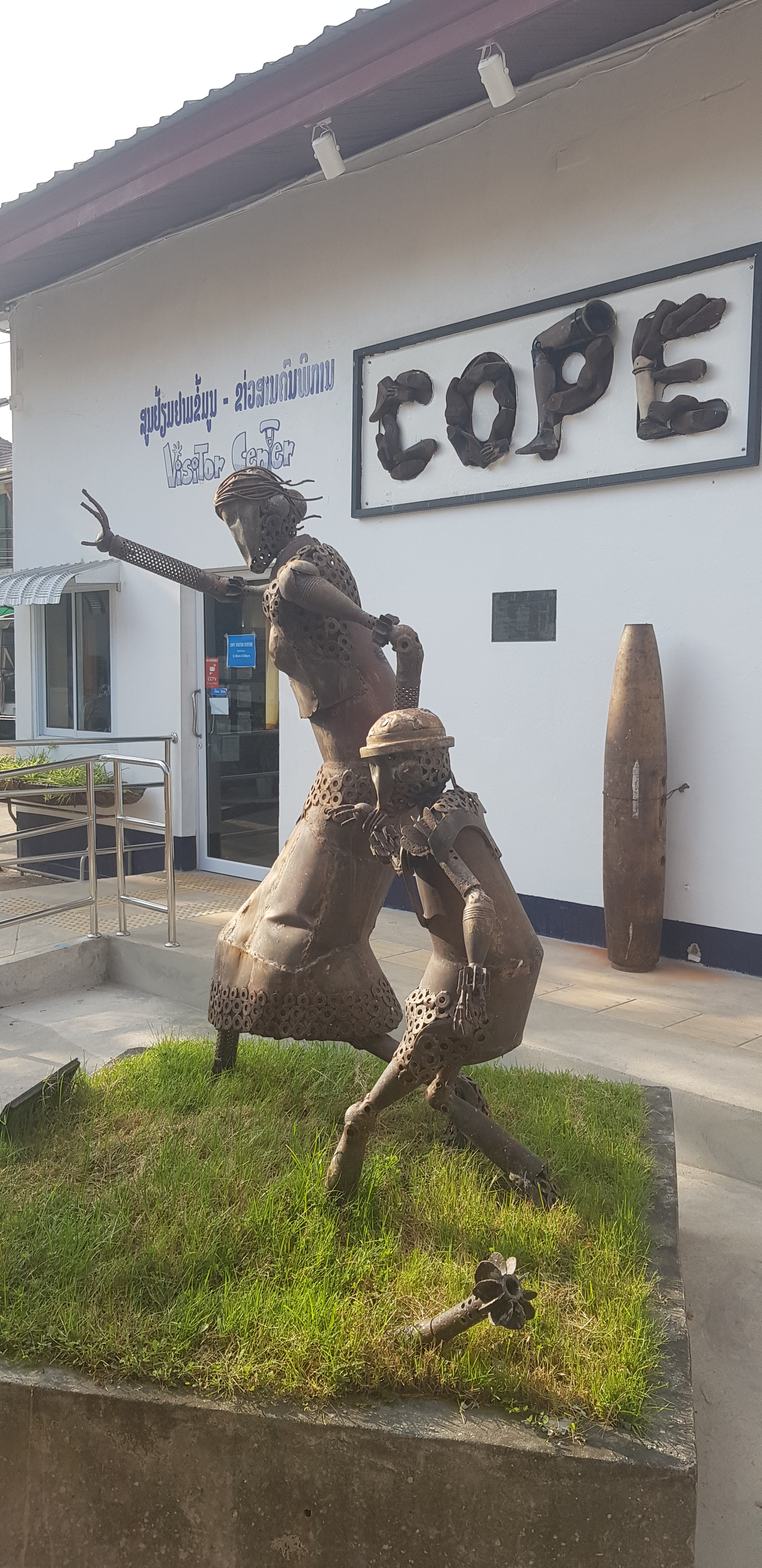
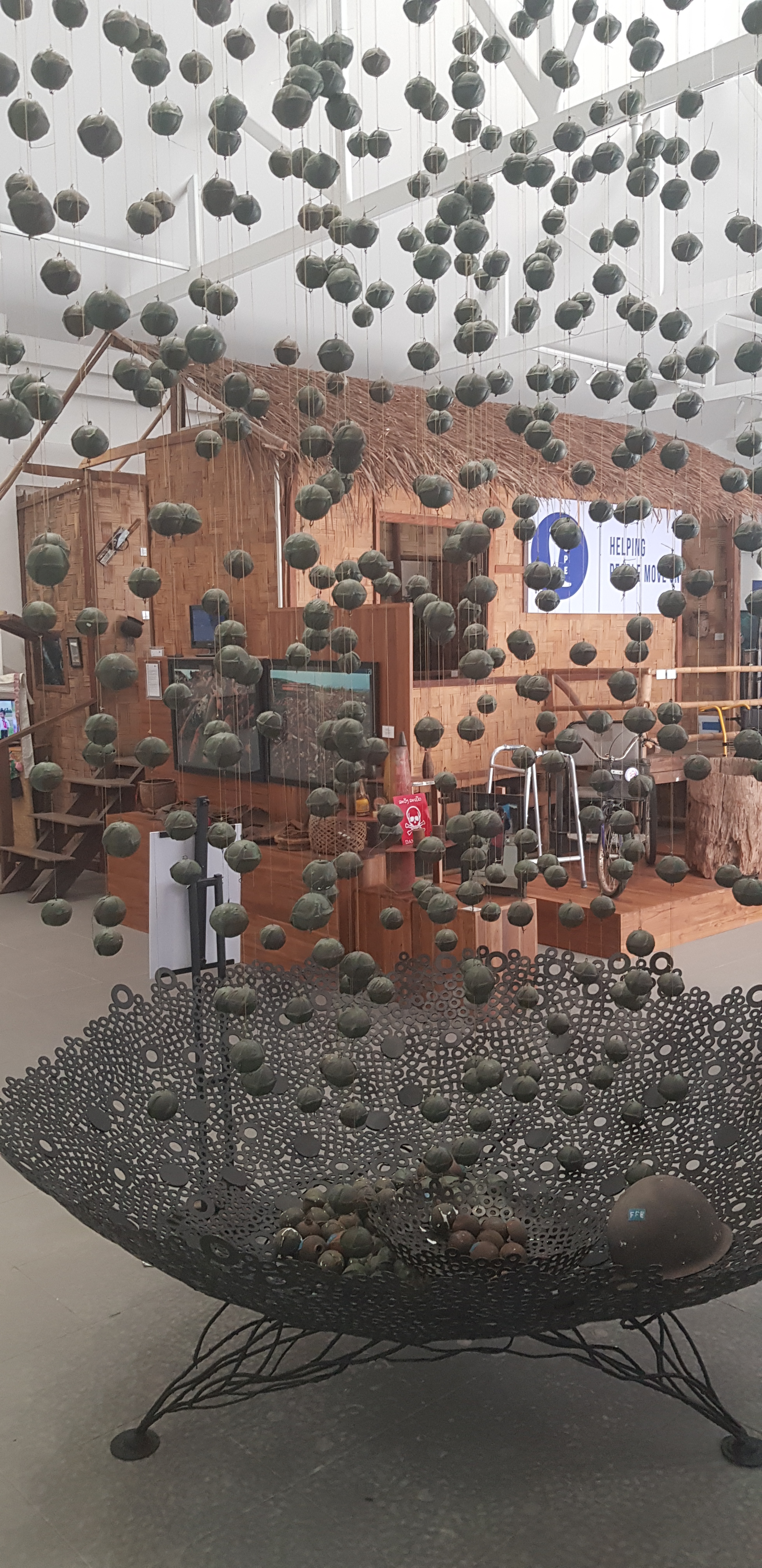
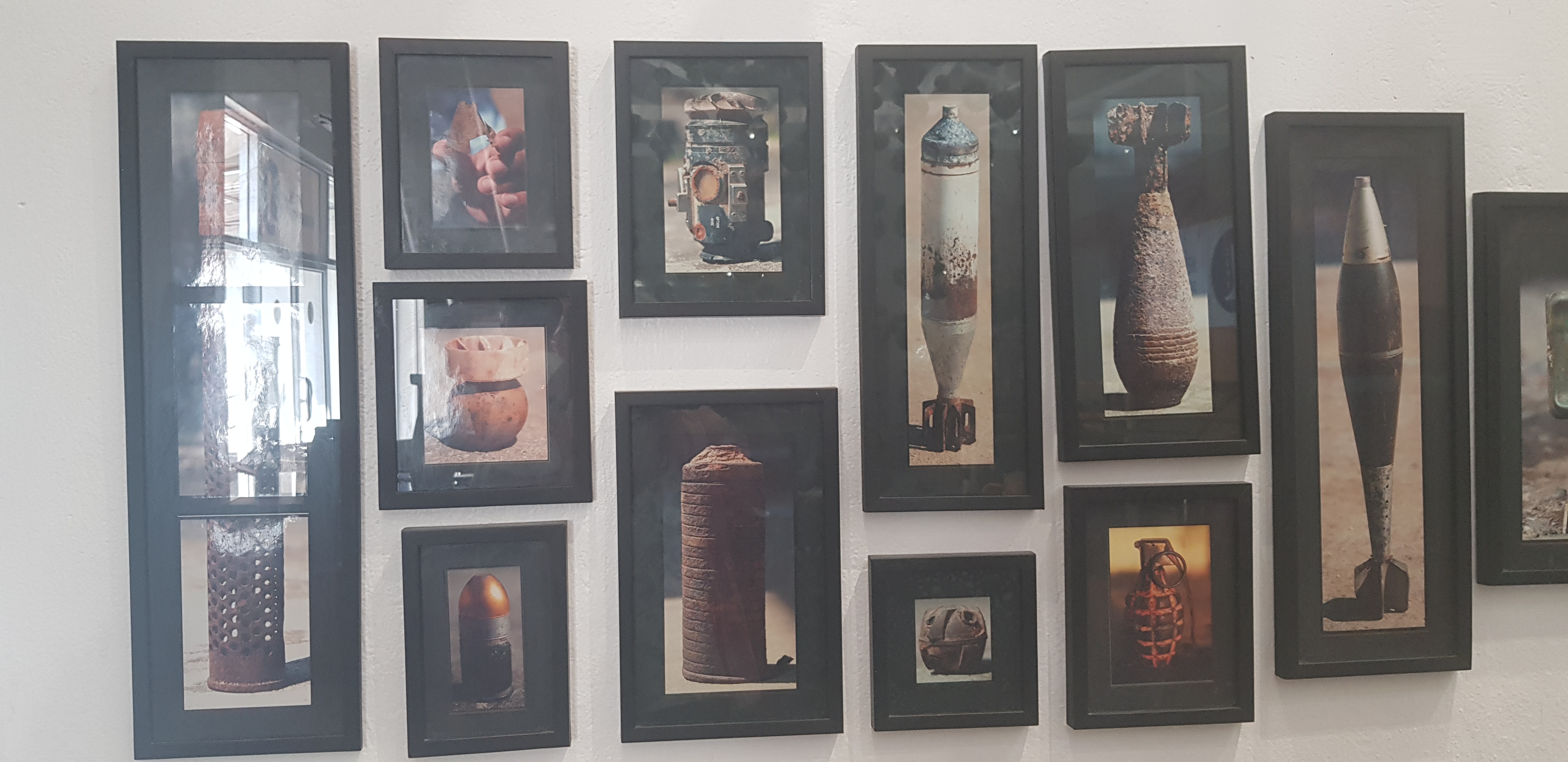
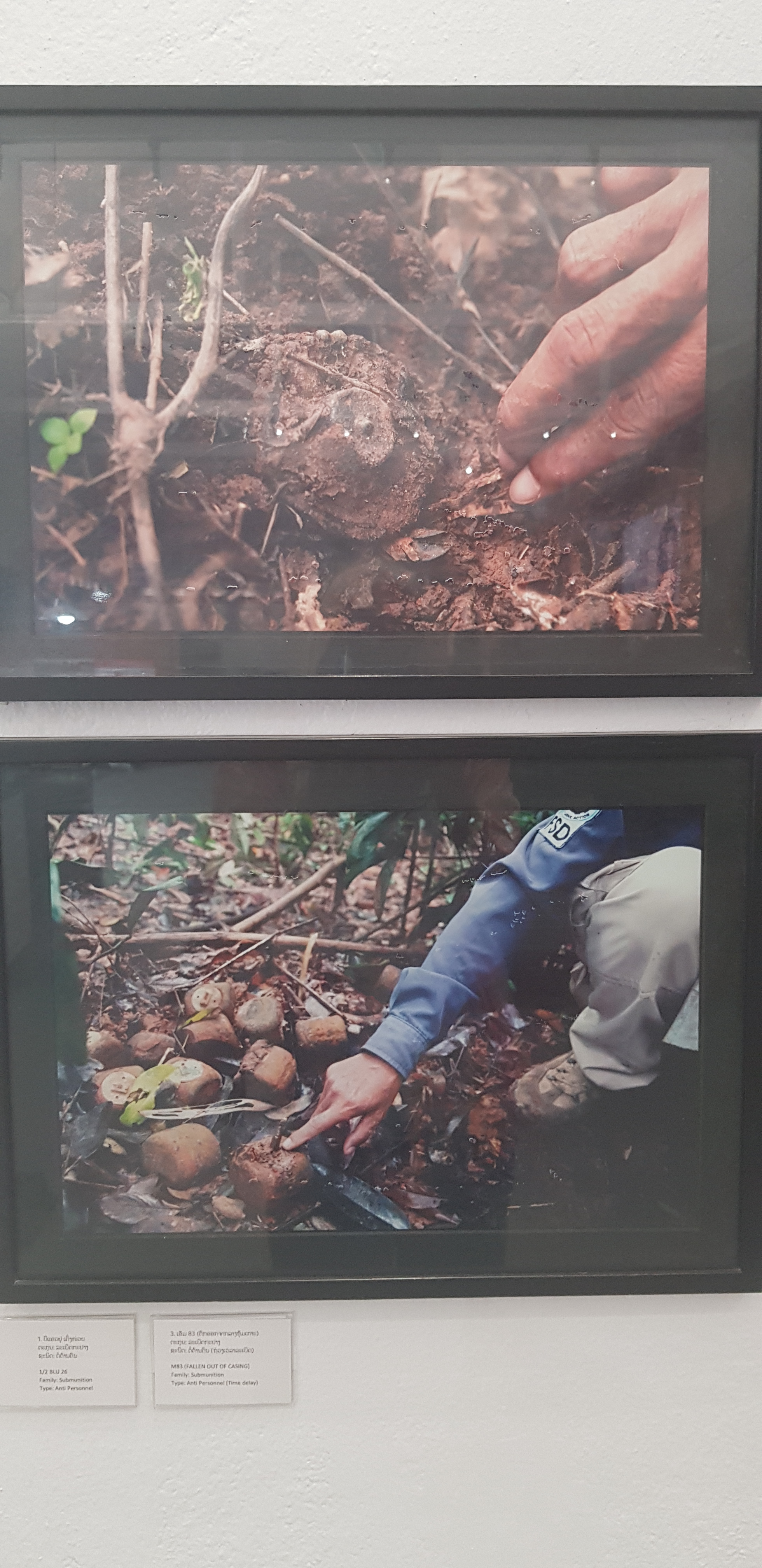
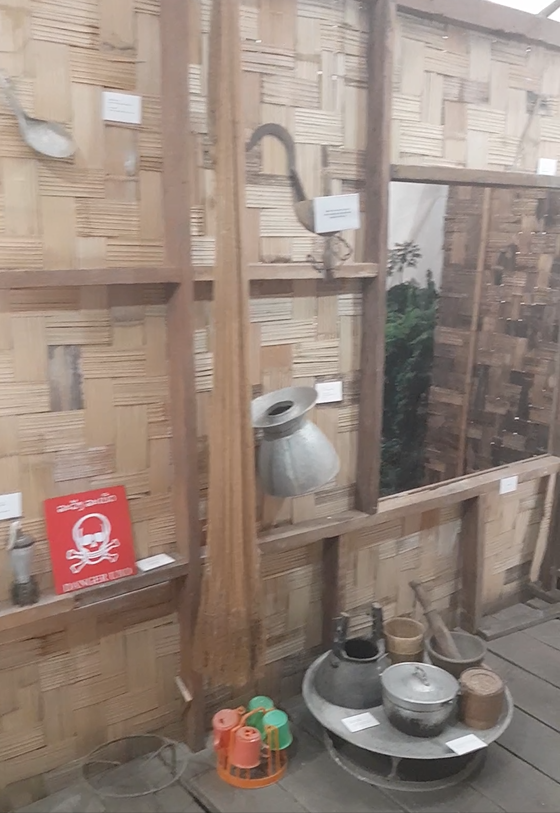
UXO means unexploded ordnance: bombs and other kinds of ammunition that didn’t go off during the military action and that are still claiming victims among the innocent population 50 years after the war. And we won’t live to see the end of the current wars, because the earth won’t heal, UXOs remain. Between 1964 and 1973 (it was called Vietnam War) over 2 million tons of ordnances were dispersed over Lao PDR, which means a planeload of munitions every 8 minutes, 24 hours a day for 9 years. Picture 1 a cluster bomb, pictures 3 and 4: the metal from the UXOs is used for art works and utensils.

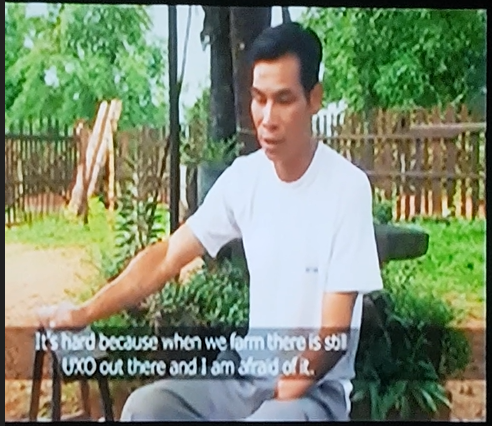
270 million bombs were dropped with an estimated 30 percent failing to detonate immediately, which means: 80 million devices remain as Unexploded Ordnances in forests, where people collect firewood or food stuff, on fields to be tended, on school routes that children use every day.

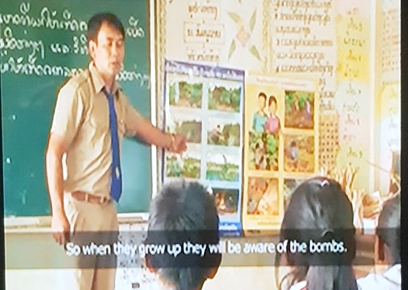
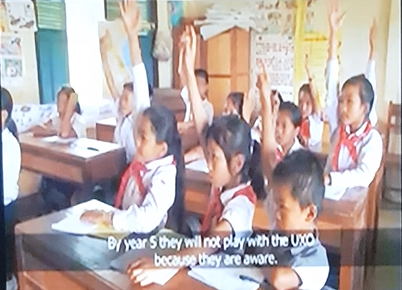
Each injury or death is a tragedy and children learn at school how to recognise the UXOs and report them to the authorities.

And I keep thinking: how could such a thing be done to the friendliest people in the world?

Not only do older visitors appreciate spending time here among people, who are caring, generous, polite and open, but young foreigners seem happy to follow the example of their Lao peers and become friendlier and more attentive (my personal impression).

“Did you know that more bombs were dropped on Laos than on Germany during World War II?” asks one of my volunteer “colleagues” later. I’m trying to make sense of it: Is merely supporting communists more punishable than actually being barbarous Nazis? Or is the threshold for killing ethnically determined: The more the enemy resembles you, the more reluctant you are to kill him? Or was the arms industry simply better developed in the sixties and seventies than in WW II?
Laos is the most heavily bombed country in history. So far, but now they are trying to catch up, as best they can.

… In my mind’s eye I see children with wide-open, terrified eyes and I imagine their screams. And their faces, contorted in pain, look all alike, no colour, no ethnicity, just children, like everybody’s children, like what we see in the news in Europe every day now.

“Are you alright?” asks the employee of the UXO – Centre. I nod and buy a few gadgets made of UXO metal for my friends .

Hope with COPE

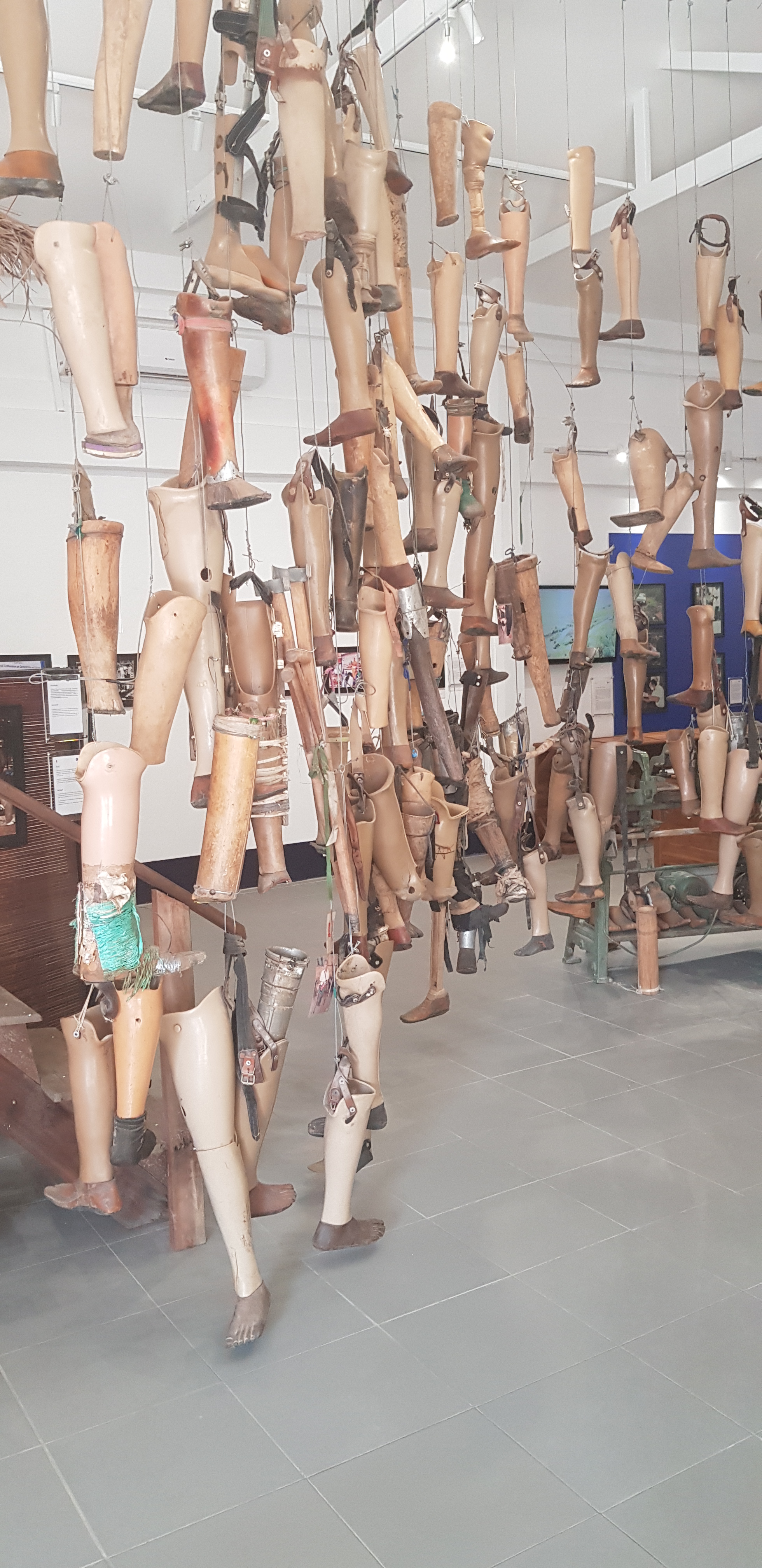
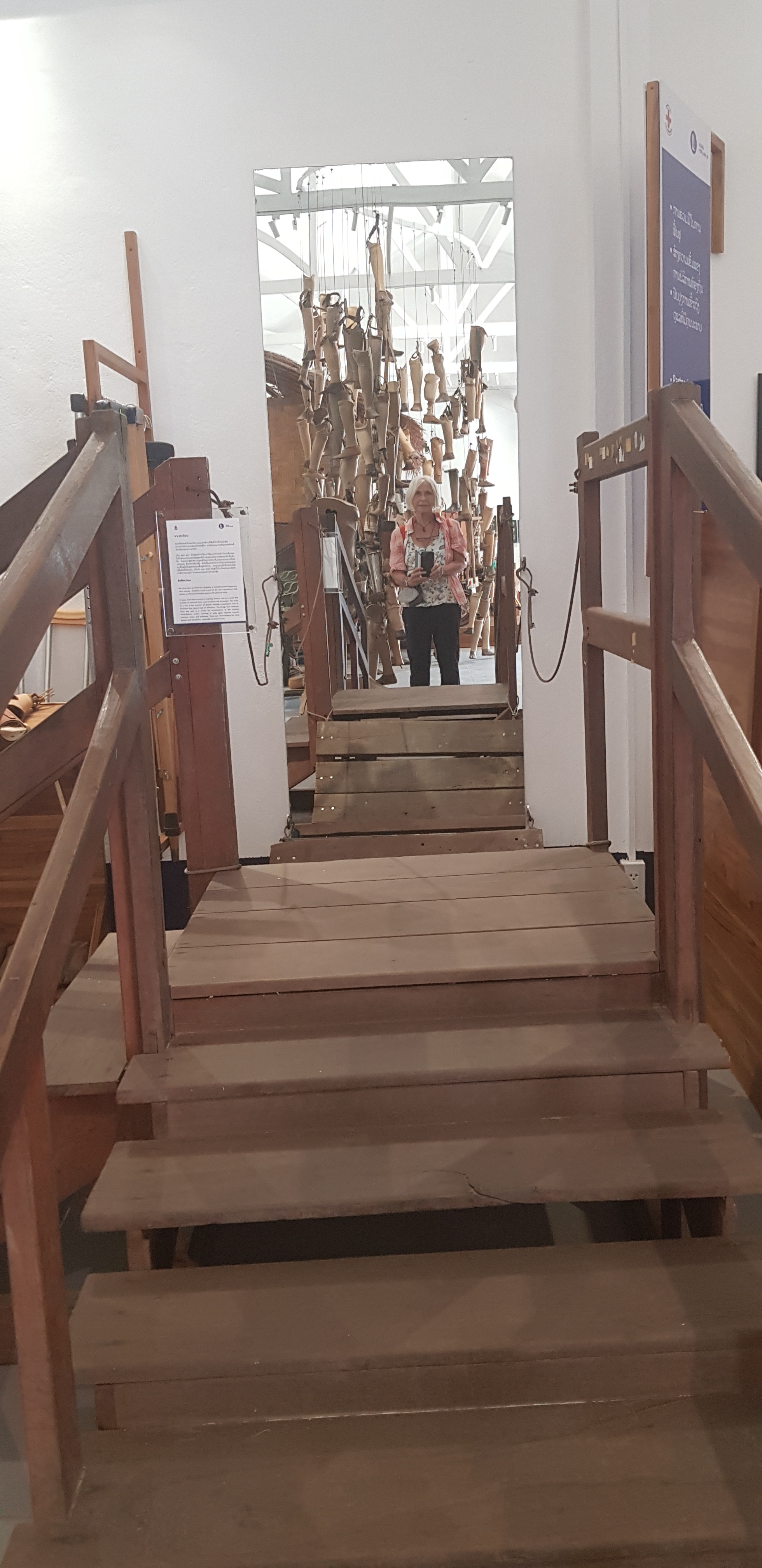
If there are people who have to suffer so much, then the least I can do is to know it, to acknowledge it and to empathize with it. In Vientiane I visit COPE (Cooperative Orthotic & Prosthetic Enterprise).

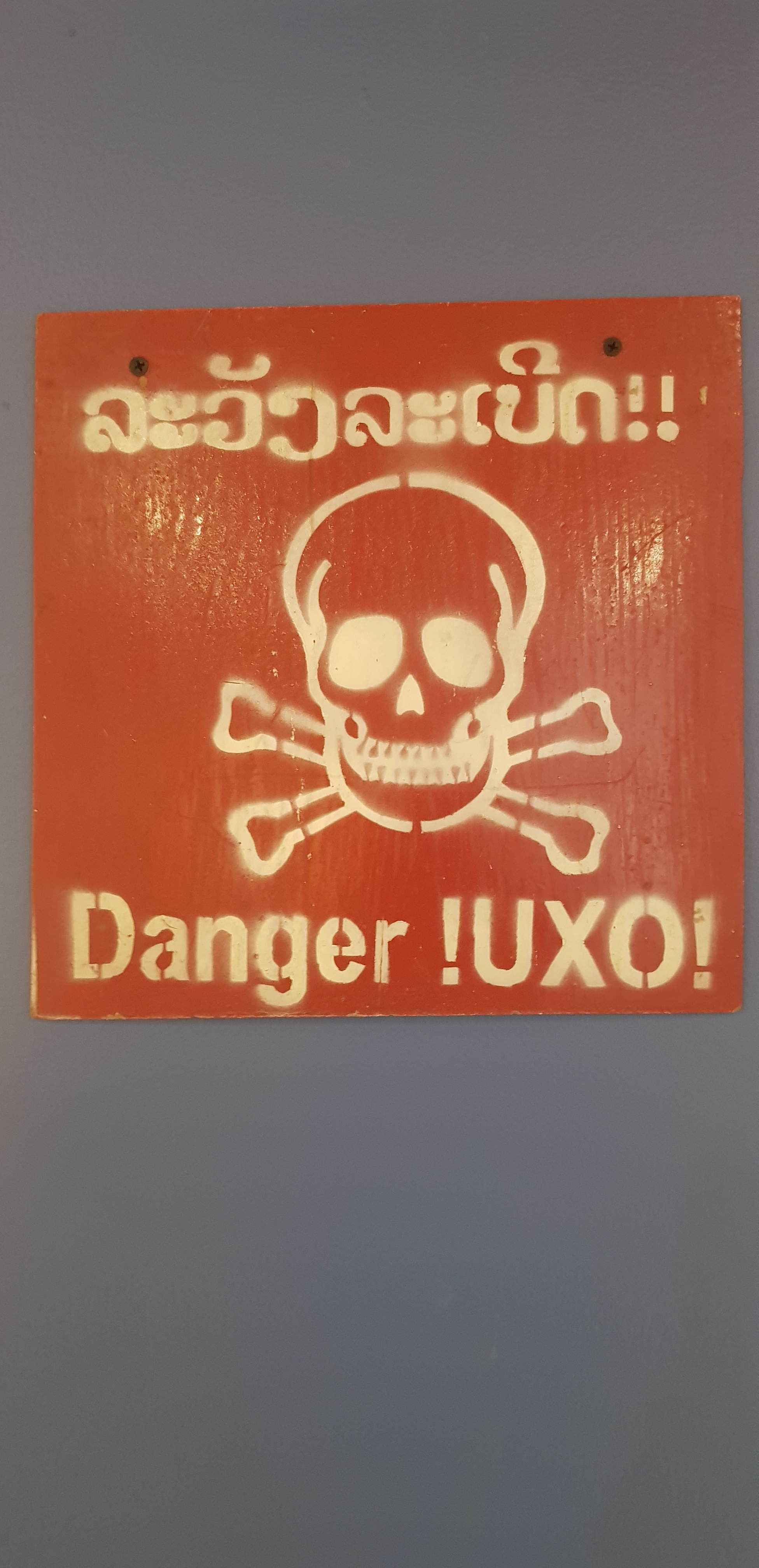
UXOs have all kinds of shapes and sometimes you don’t see them and sometimes they look like toys or something valuable, something useful (pictures 3, 4). Between 2008 and 2023 the Convention on Cluster Munitions (picture 2) was signed by many states, but some belligerent countries are still using them now.

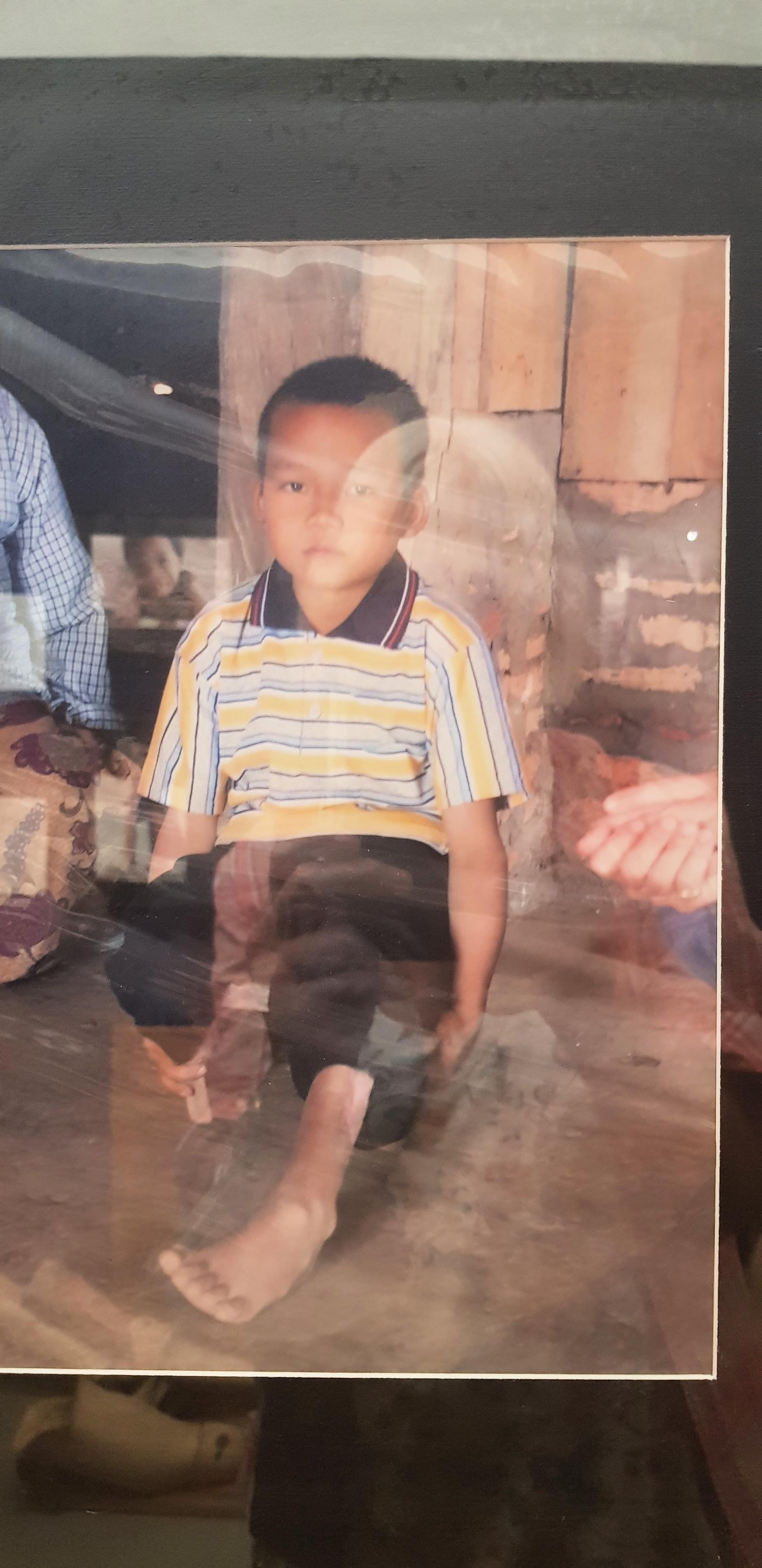
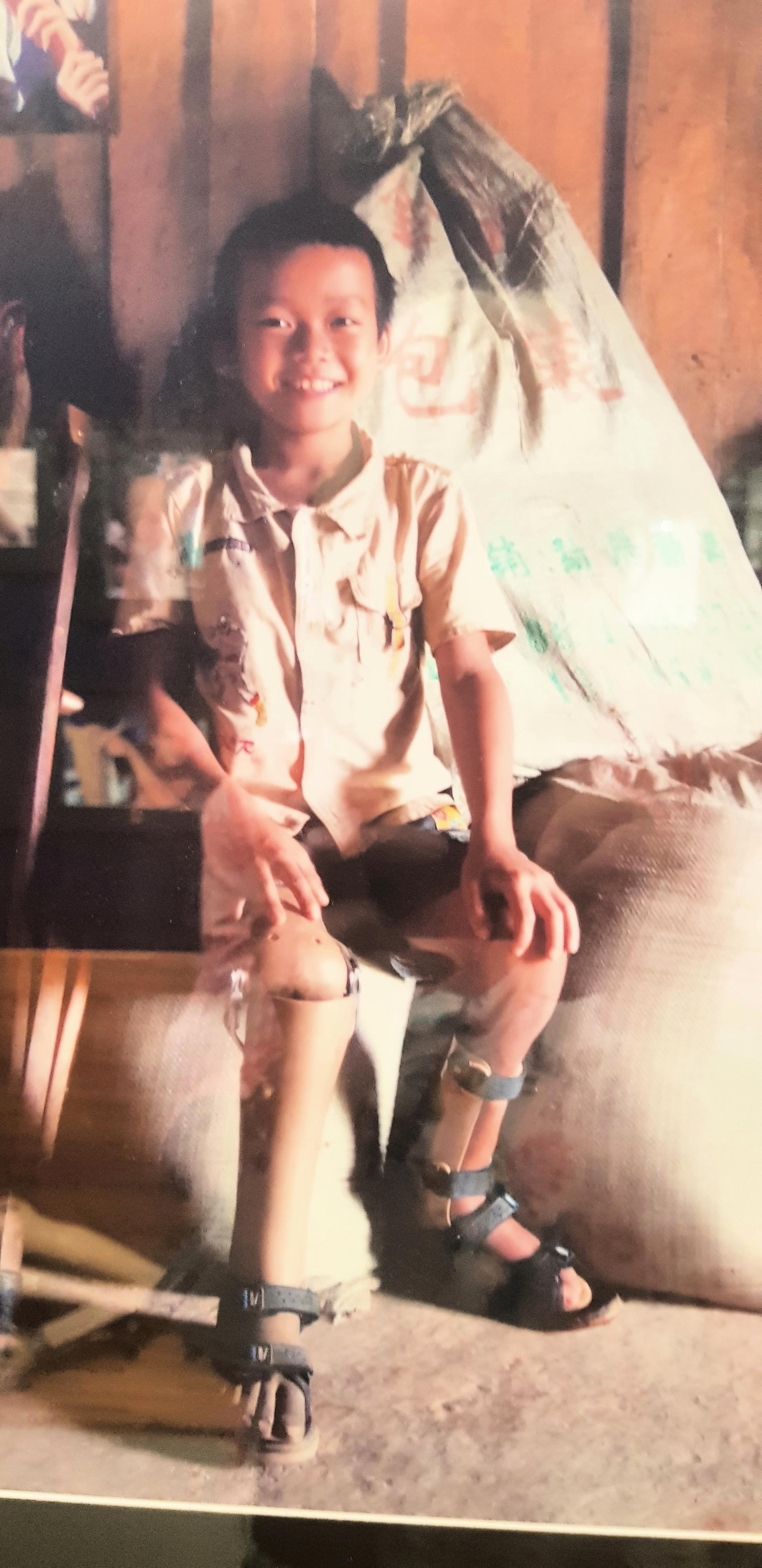
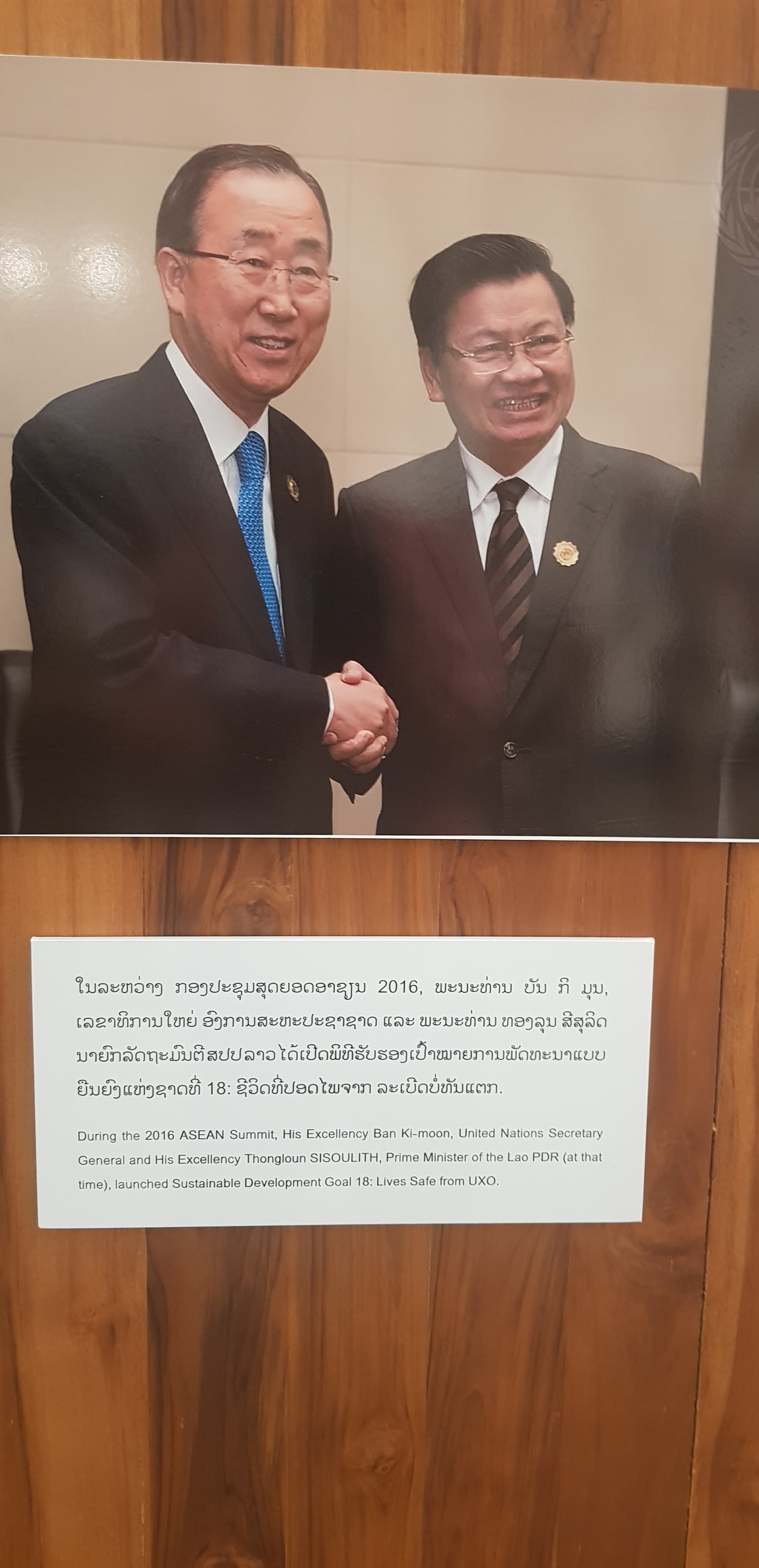
Below: a traditional cabin with utensils made from UXO metal, a boy before and after he got his prothesis, second row, politics: making people’s lives safe from UXO.

The United States has expanded its UXO program significantly in recent years, tripling United States-funded UXO teams from 70 in 2020 to a total of 210 teams in 2024. This includes training, equipping, and deploying 40 additional clearance teams and expanding operations into two additional provinces in 2024. And still: It will take ages to clear Laos and the whole of Southeast Asia.

More tears: Cambodia, Kampuchea, Khmer Rouge, Pol Pot

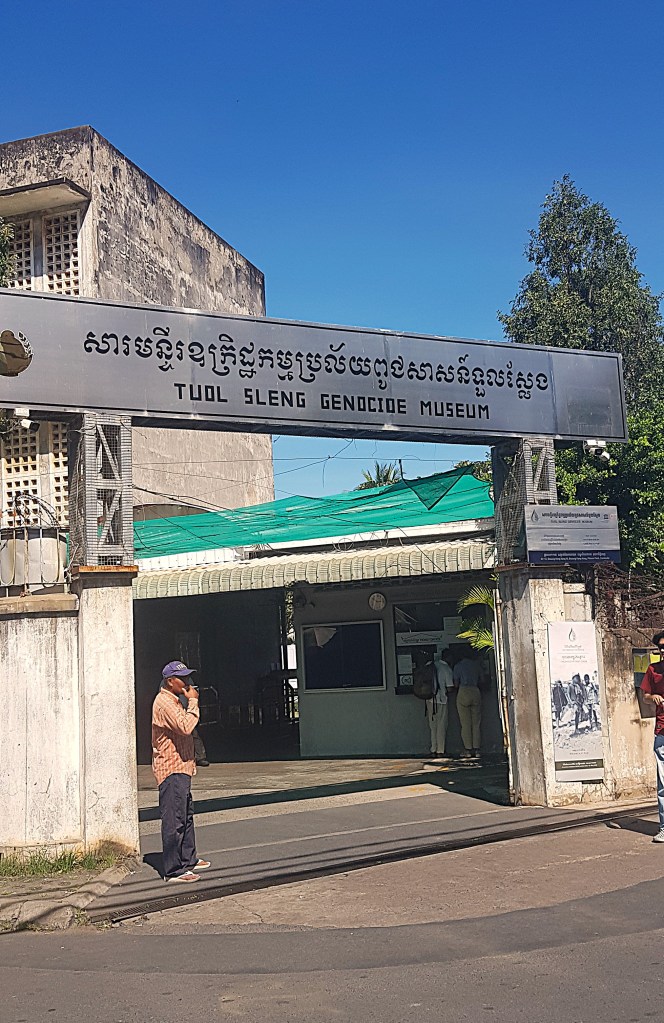
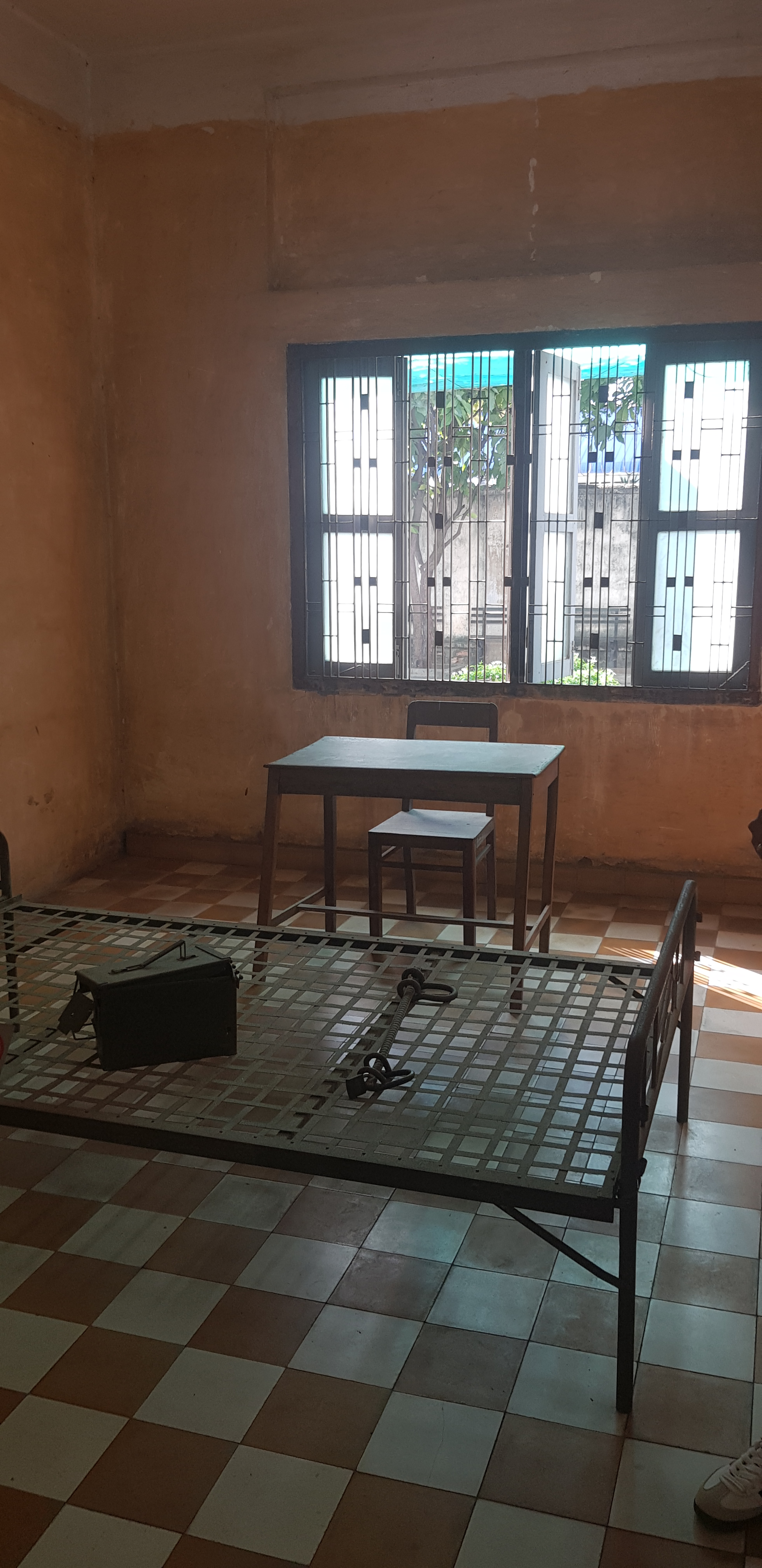
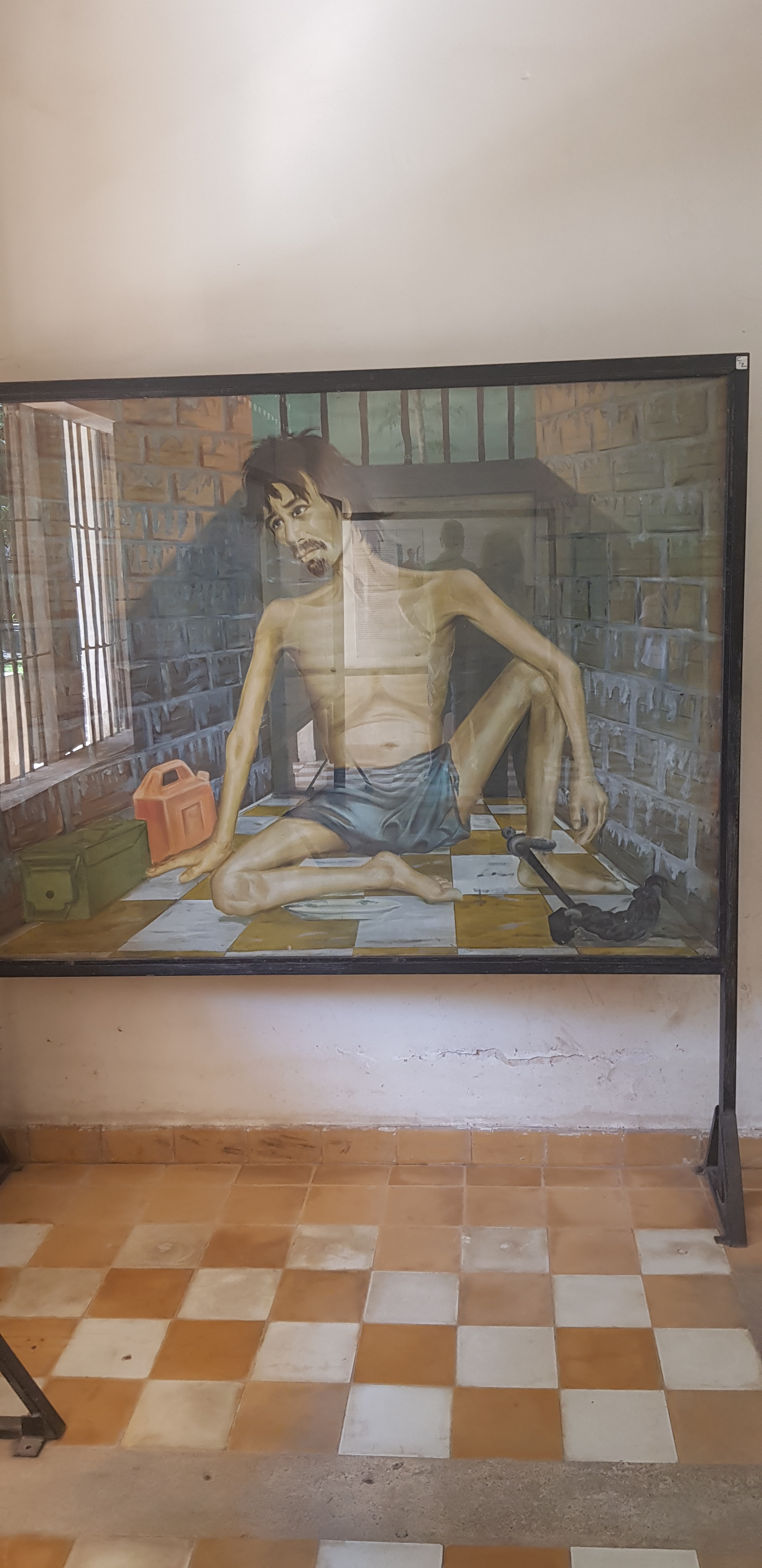
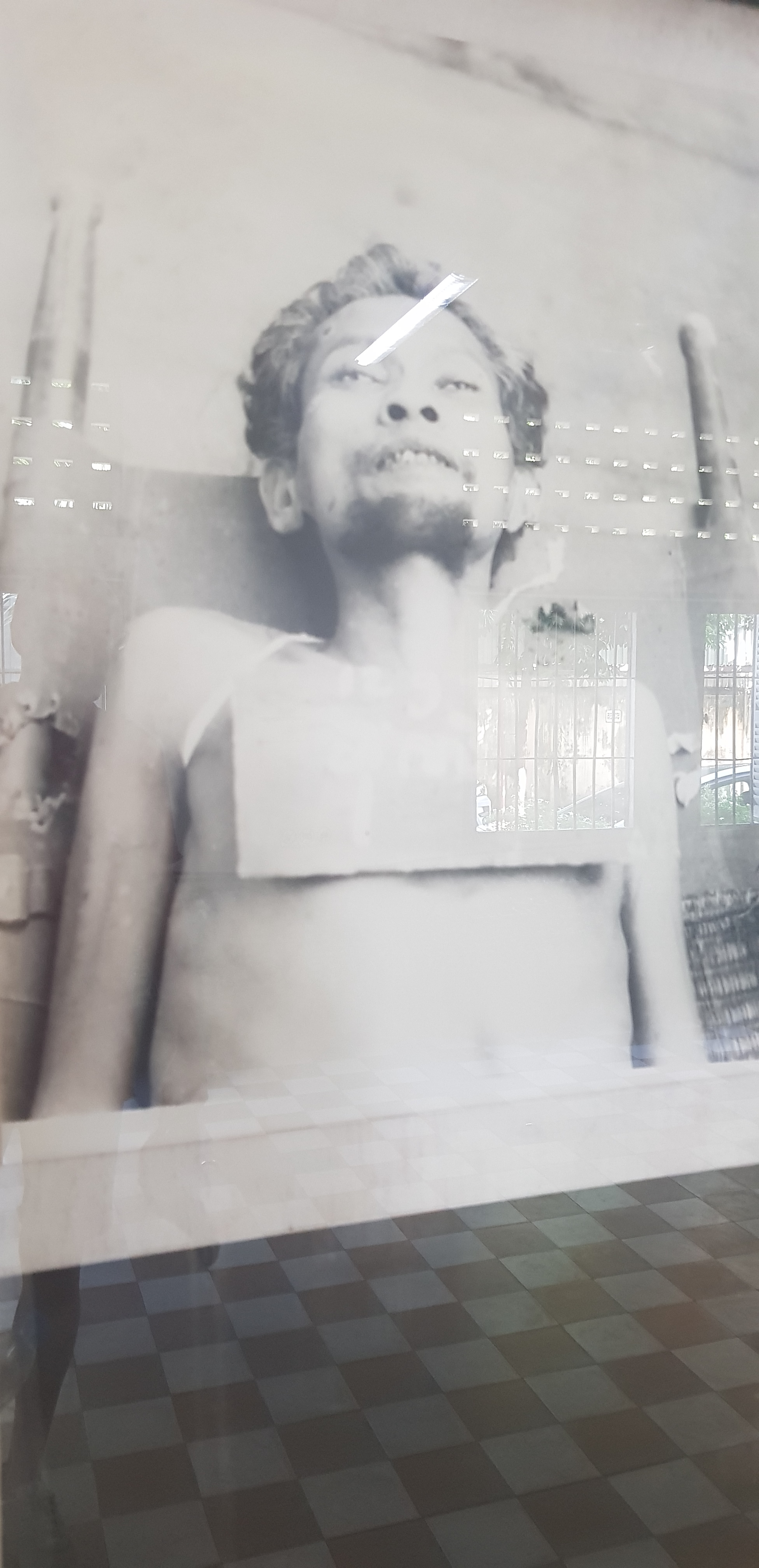
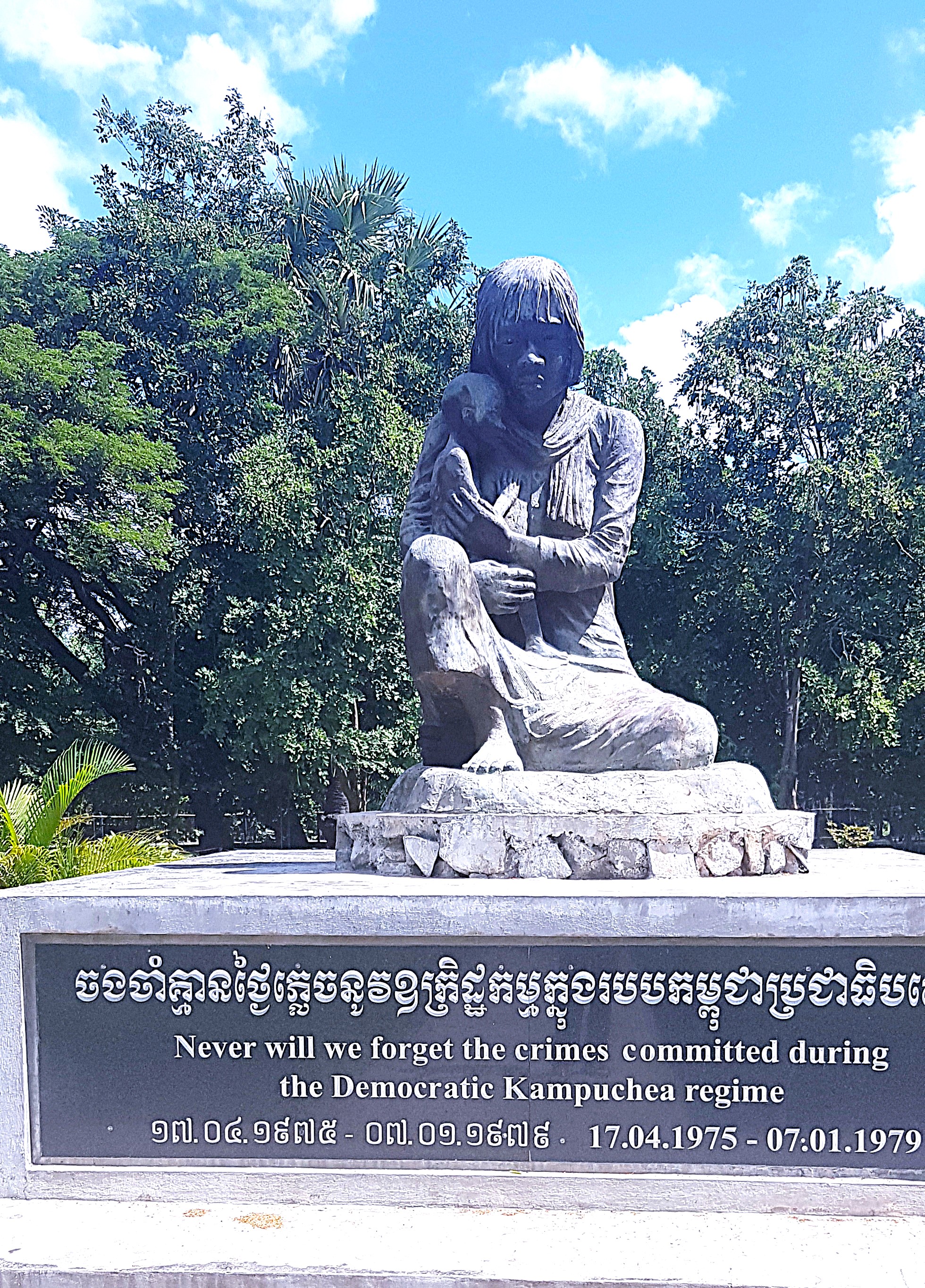
… and on April 17, 1975, I was probably having my biggest party ever, being 20 years old that day. The Khmer Rouge announced “Year Zero”, and decided that everything before that date had to be purged. What that really meant I found out visiting Tuol Sleng Genocide Museum (Phnom Penh) and the Killing Fields, memorials of an overlooked, or ignored or undervalued genocide.

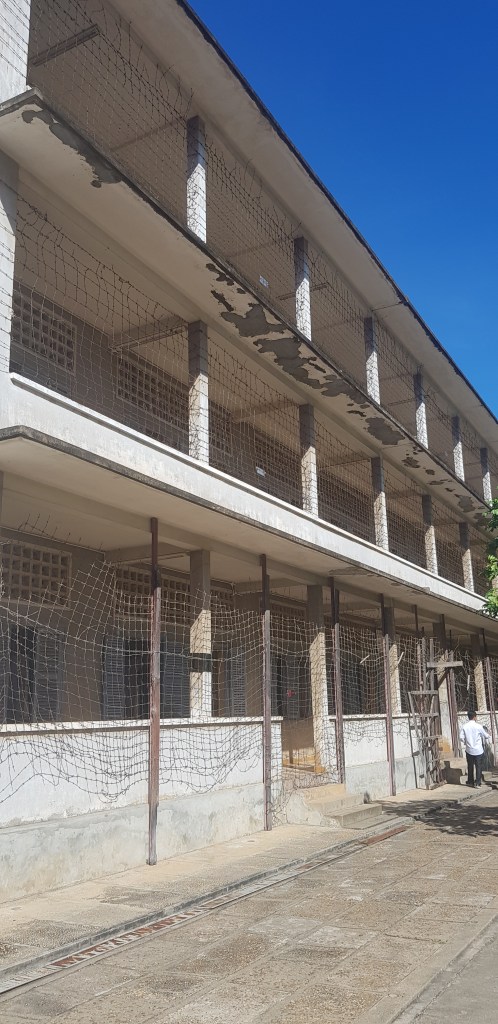
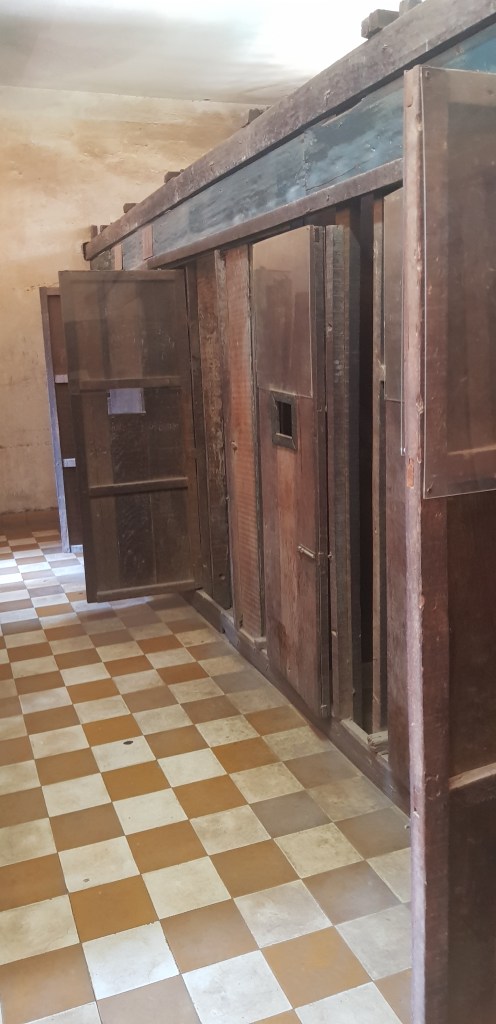
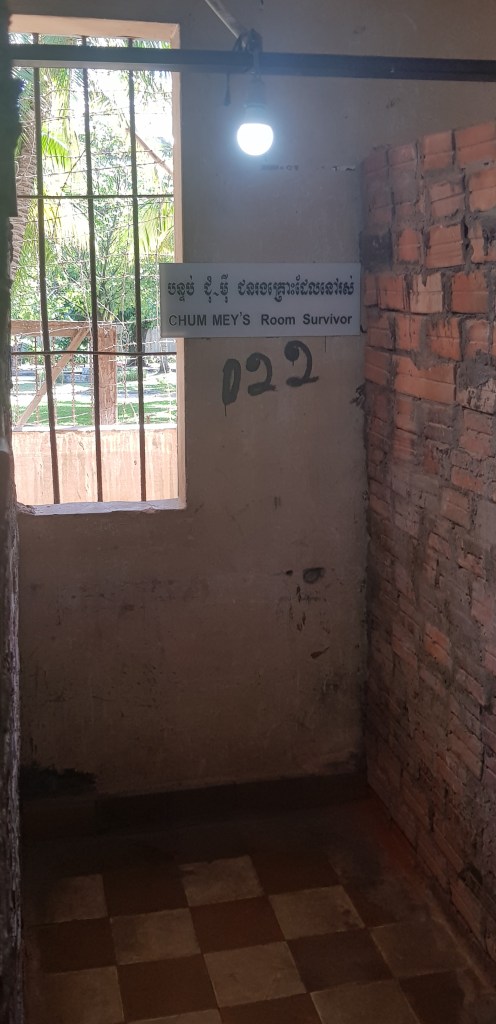
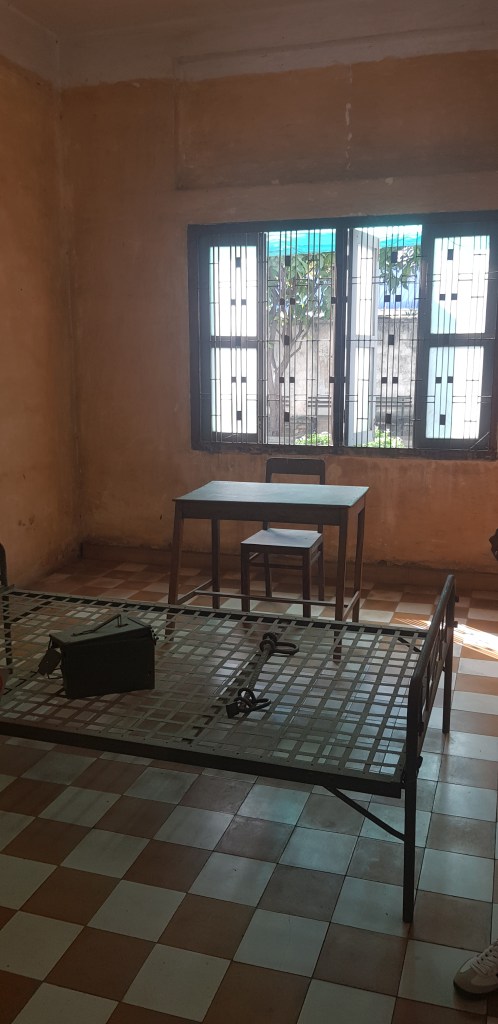
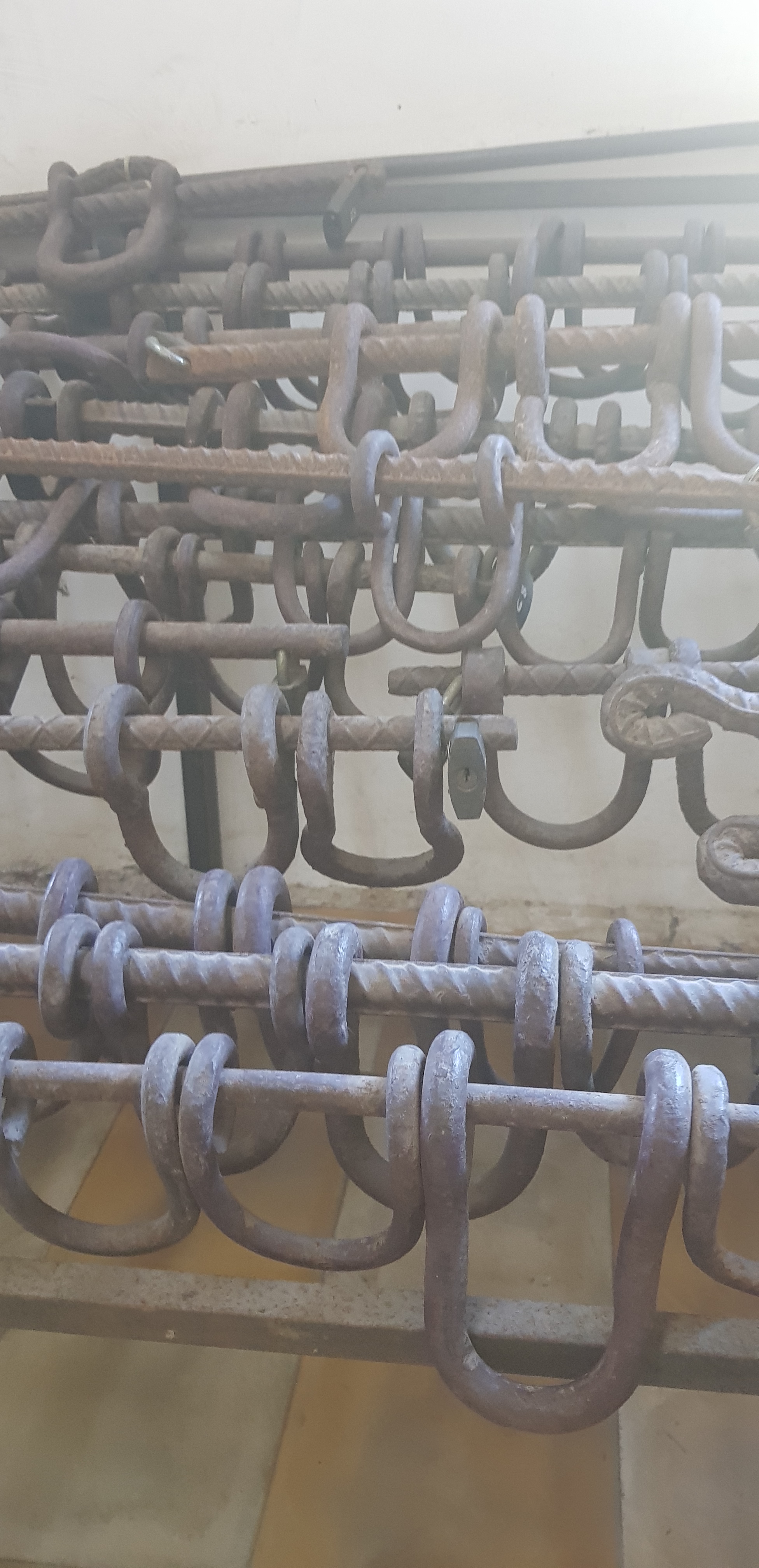
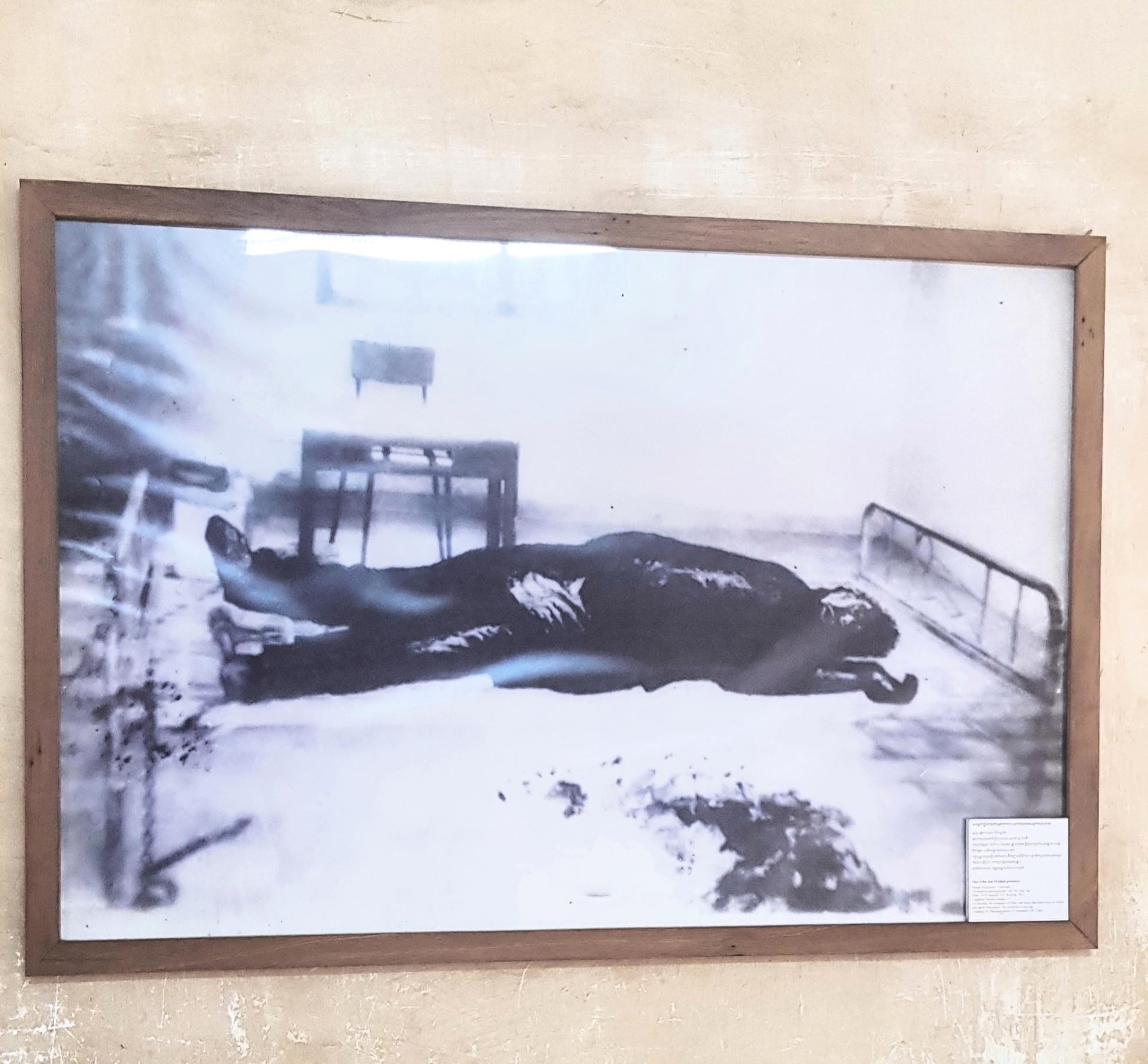
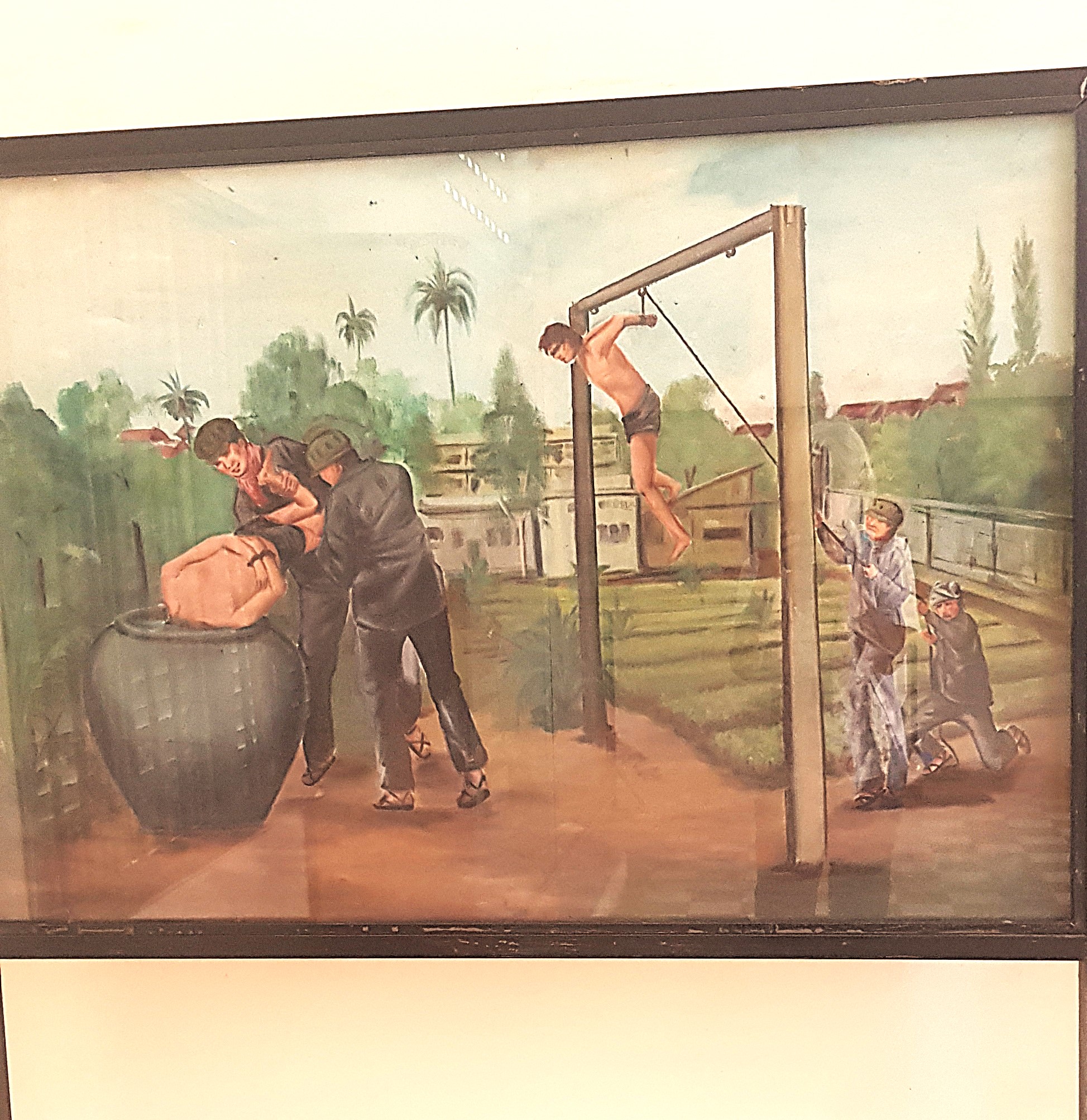
A secondary school converted into Security Prison 21 or Tuol Sleng (“Hill of the Poisonous Trees”) became the infamous place where the Khmer Rouge murderers had a free hand to torture innocent, defenseless people to death. And the world was looking on again.

Back then we heard some of the horror stories of what Pol Pot’s hordes did to the population: to the spectacle wearers accused of being intellectuals, to the babies and their mothers sitting around the camp fire in their villages, to minorities, to anyone, for no reason. We didn’t know that the Khmer are actually very gentle people, some of whom were brought to savagely slaughter their own kind. We didn’t know that a quarter of the population was exterminated. For us Democratic Kampuchea was so far away, a war zone anyway, not a holiday place like Italy or England. And, even the United Nations General Assembly didn’t seem to have the will to stop the “genocidal tyrant” Pol Pot. For us, the world was alright when Cambodia did away with its “colonial” name and re-adopted its supposed “ancient” name of Kampuchea. Today it seems Kampuchea and Kambuja or Kamboja have the same origin.

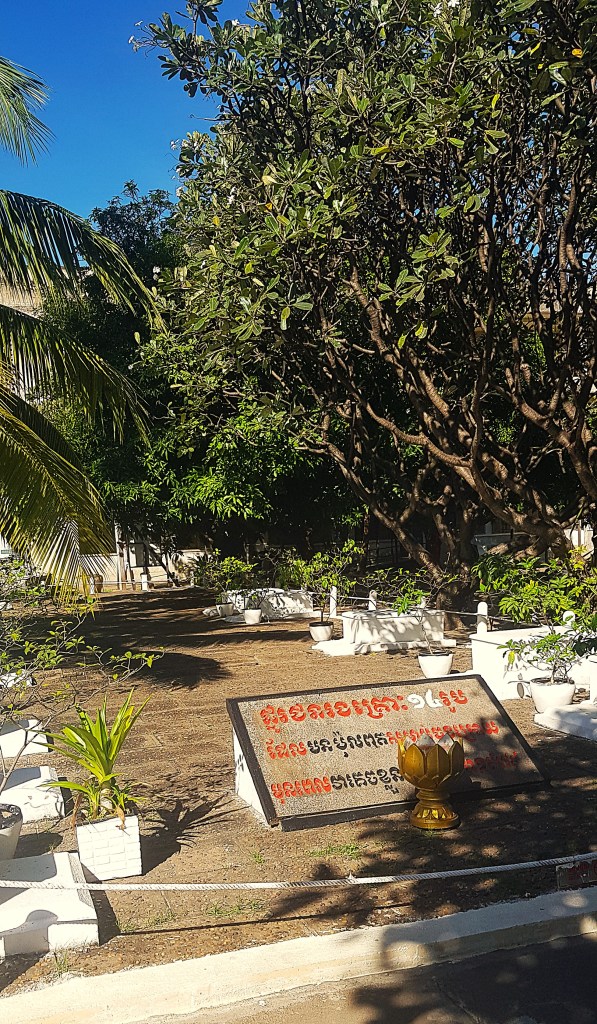
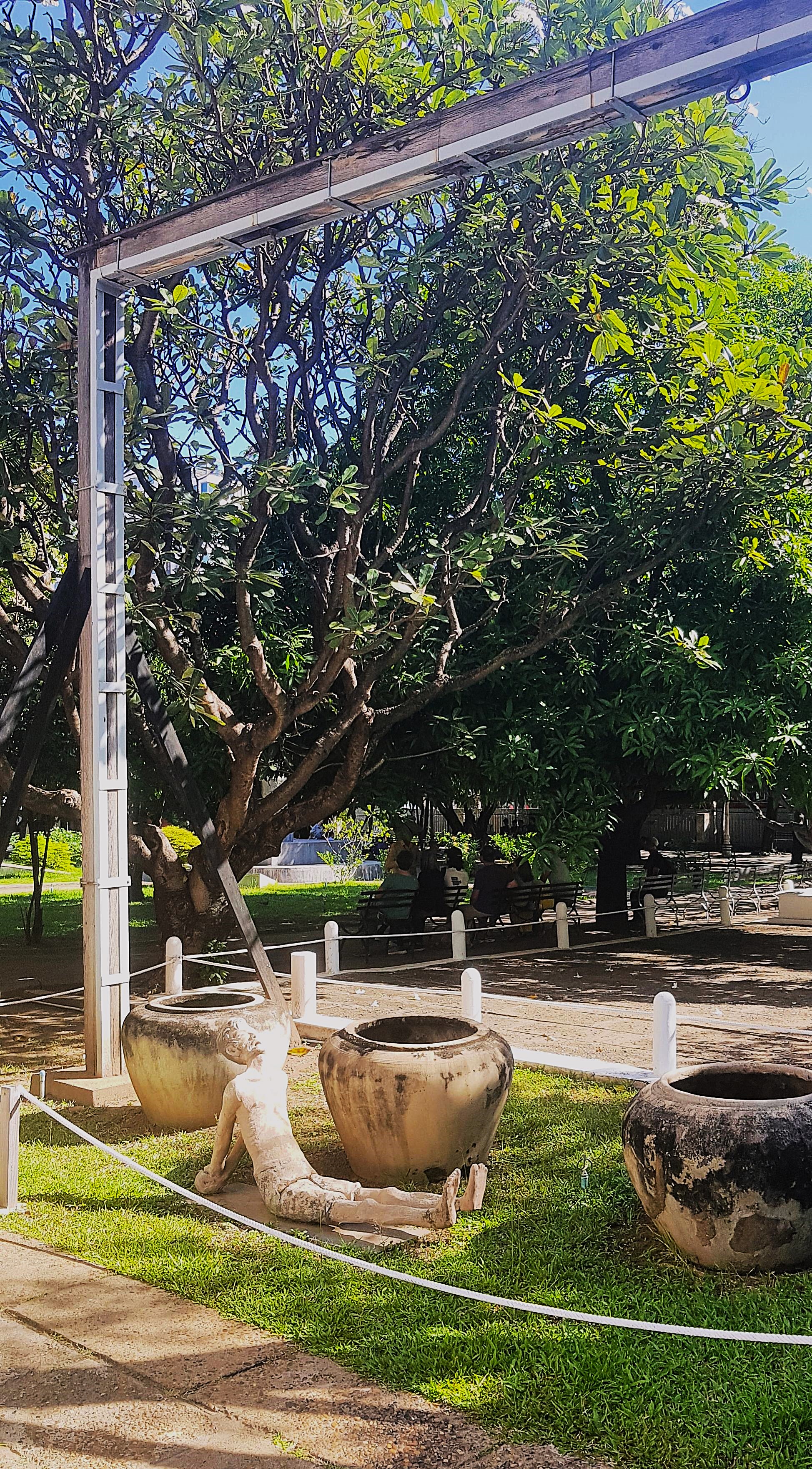
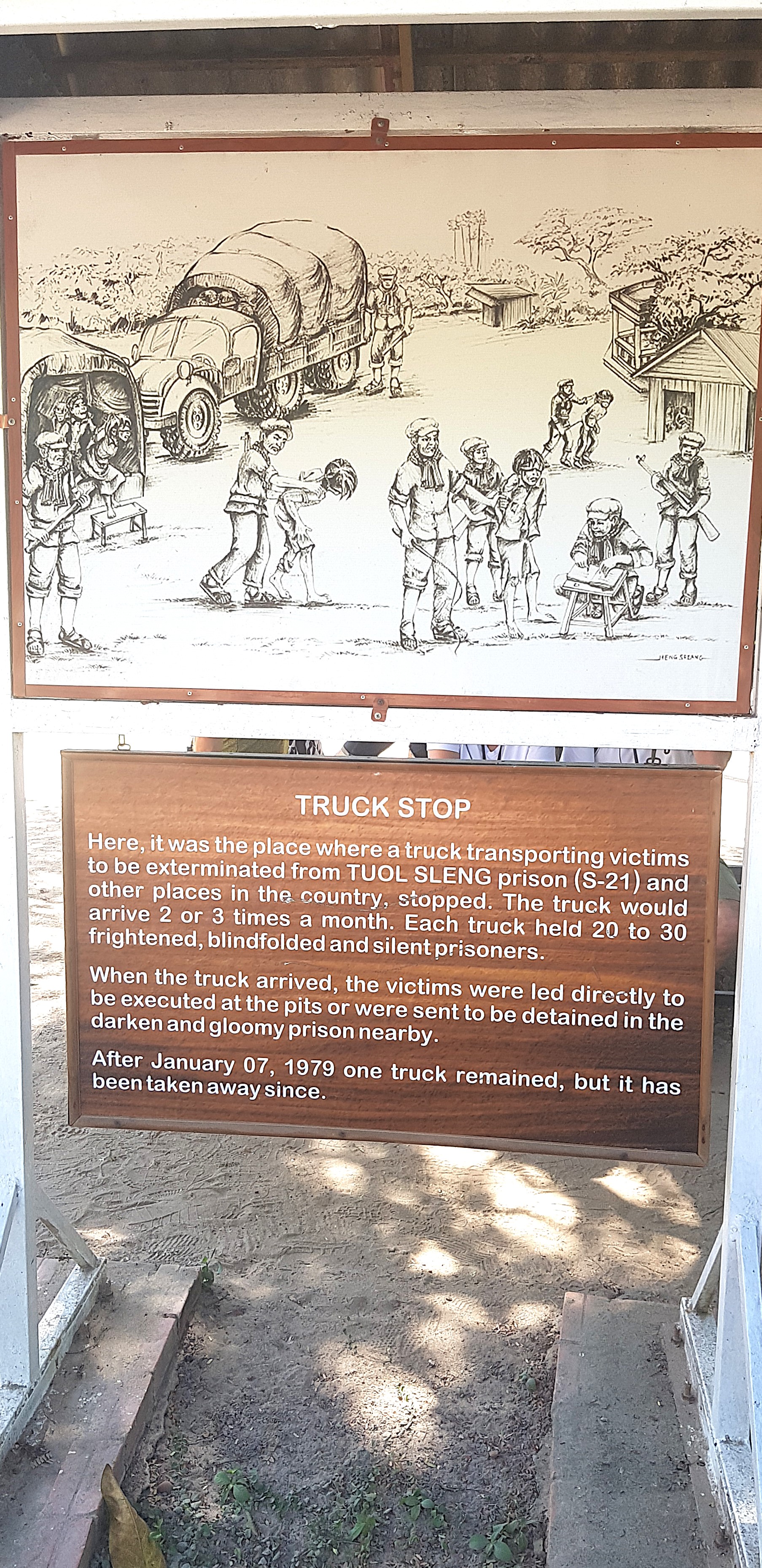
Choeung Ek, the killing field connected to Tuol Sleng

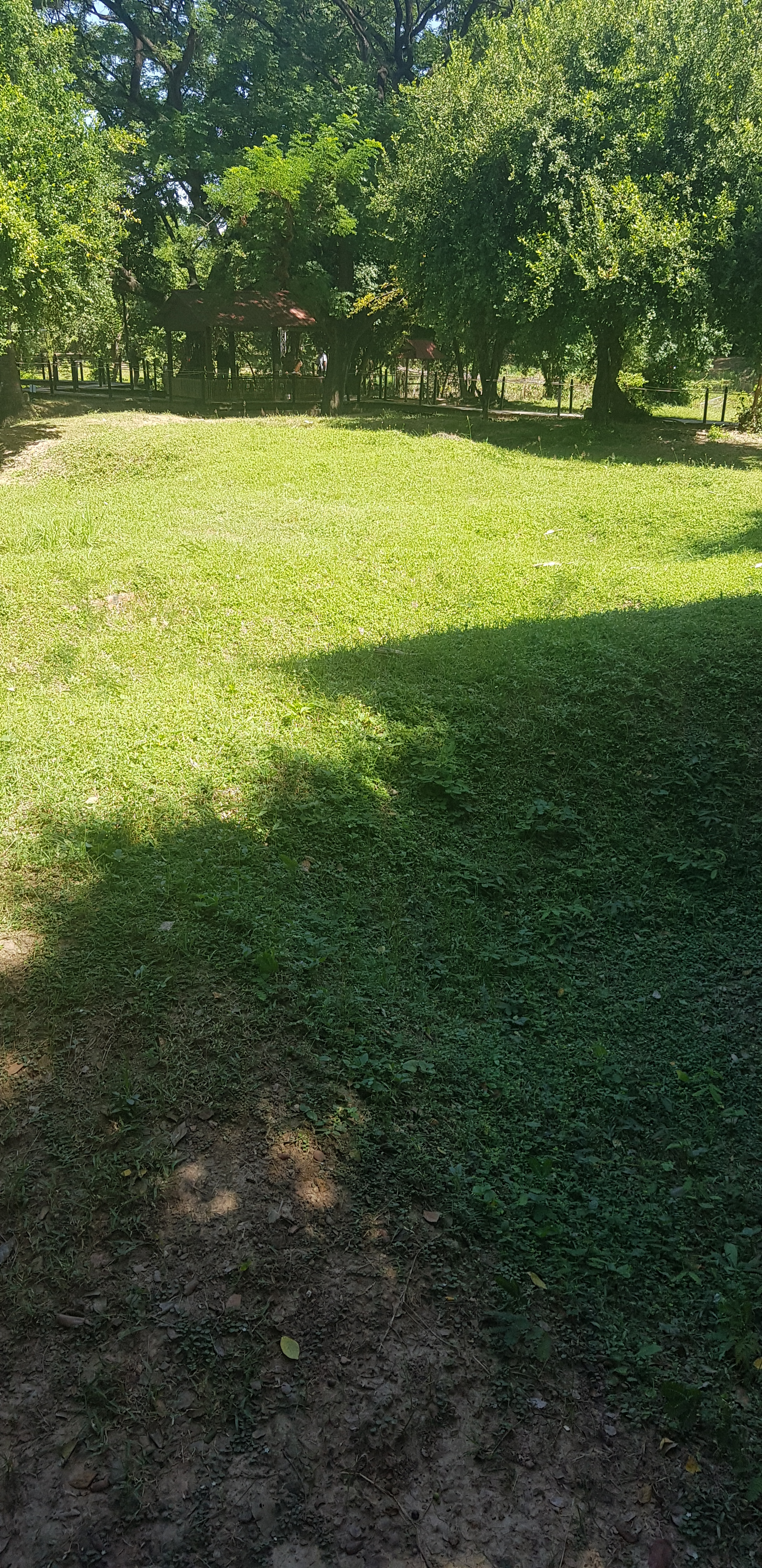
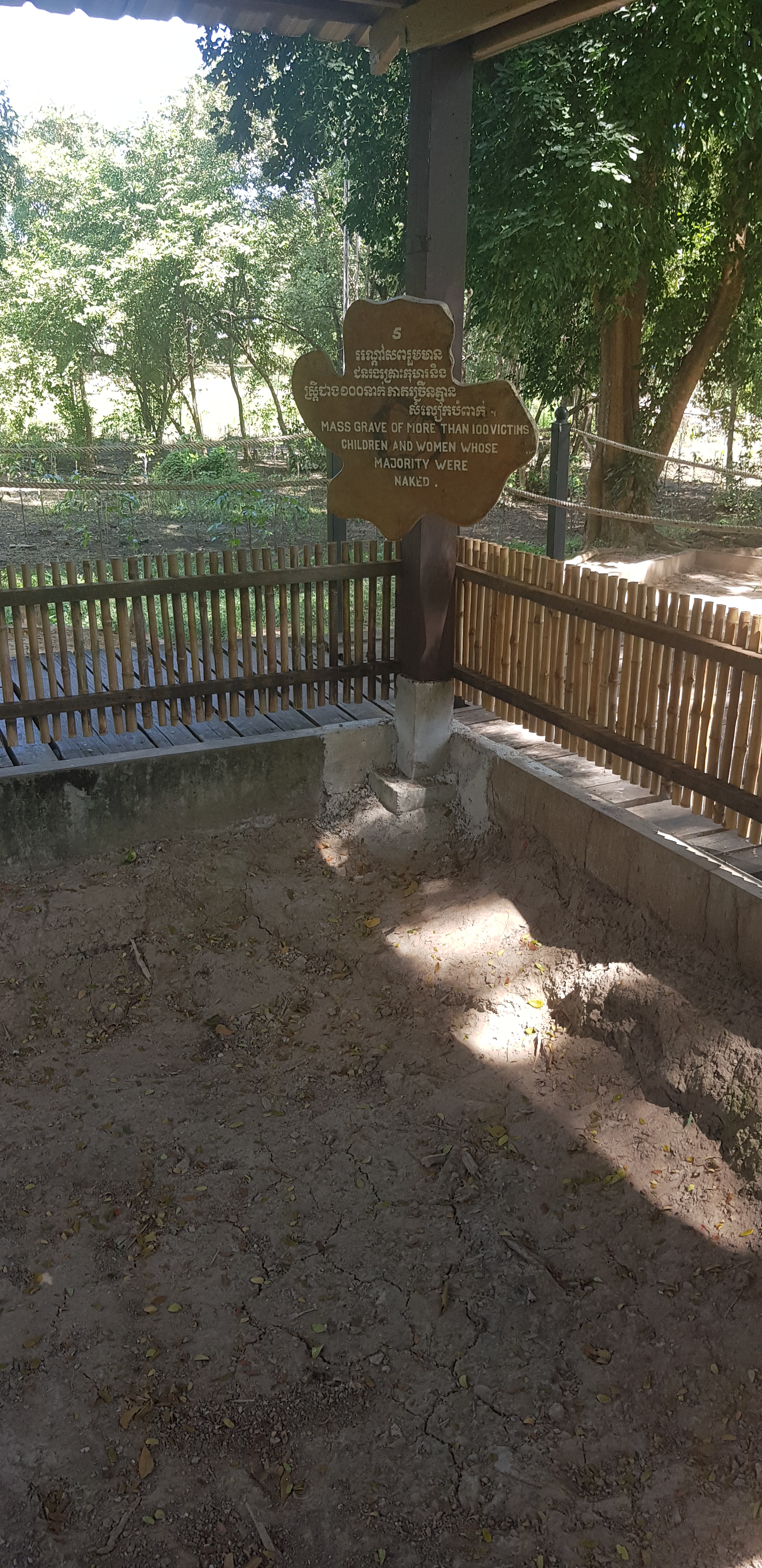
Eerie silence, where once the blaring music of loudspeakers hanging from the top of a tree drowned out the screams of the tortured and dying. Below: 1. the truck stop, where the victims were unloaded 2. mass grave under a lawn 3. mass grave of children and their mothers, …

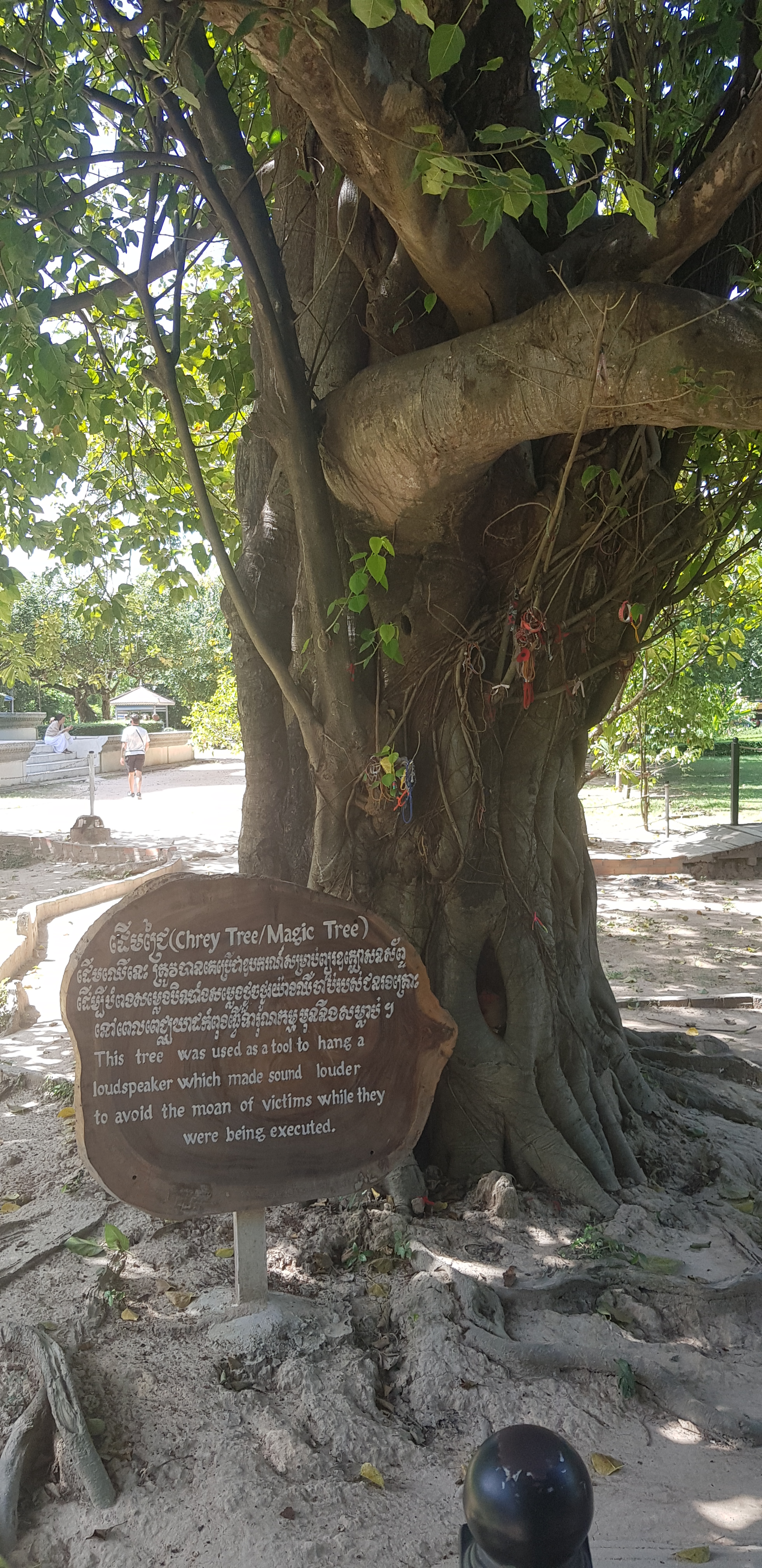
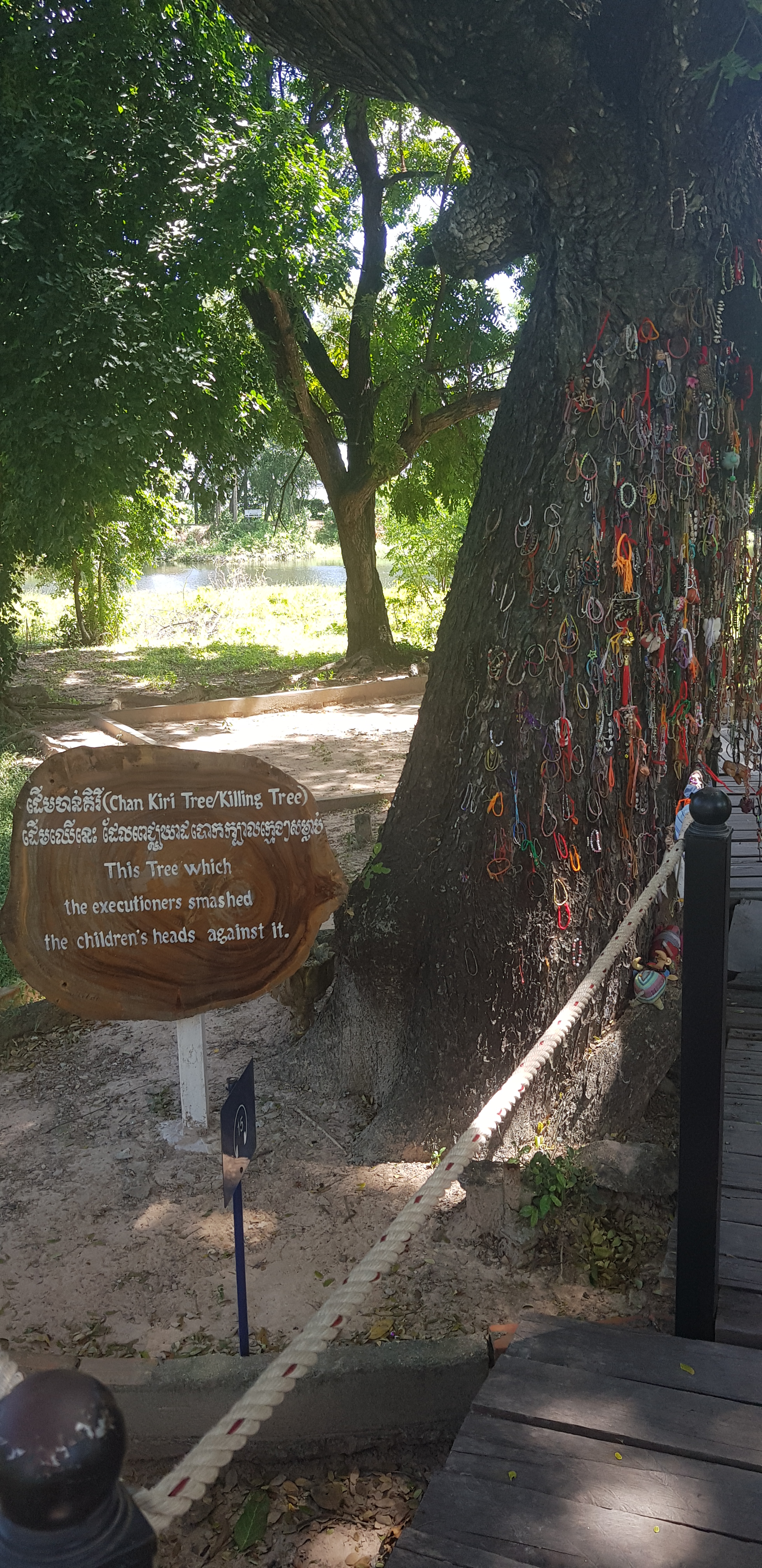
(above) … 4. the tree from which the loudspeakers were hanging and 5. the tree which was used to commit unimaginably ferocious crimes.

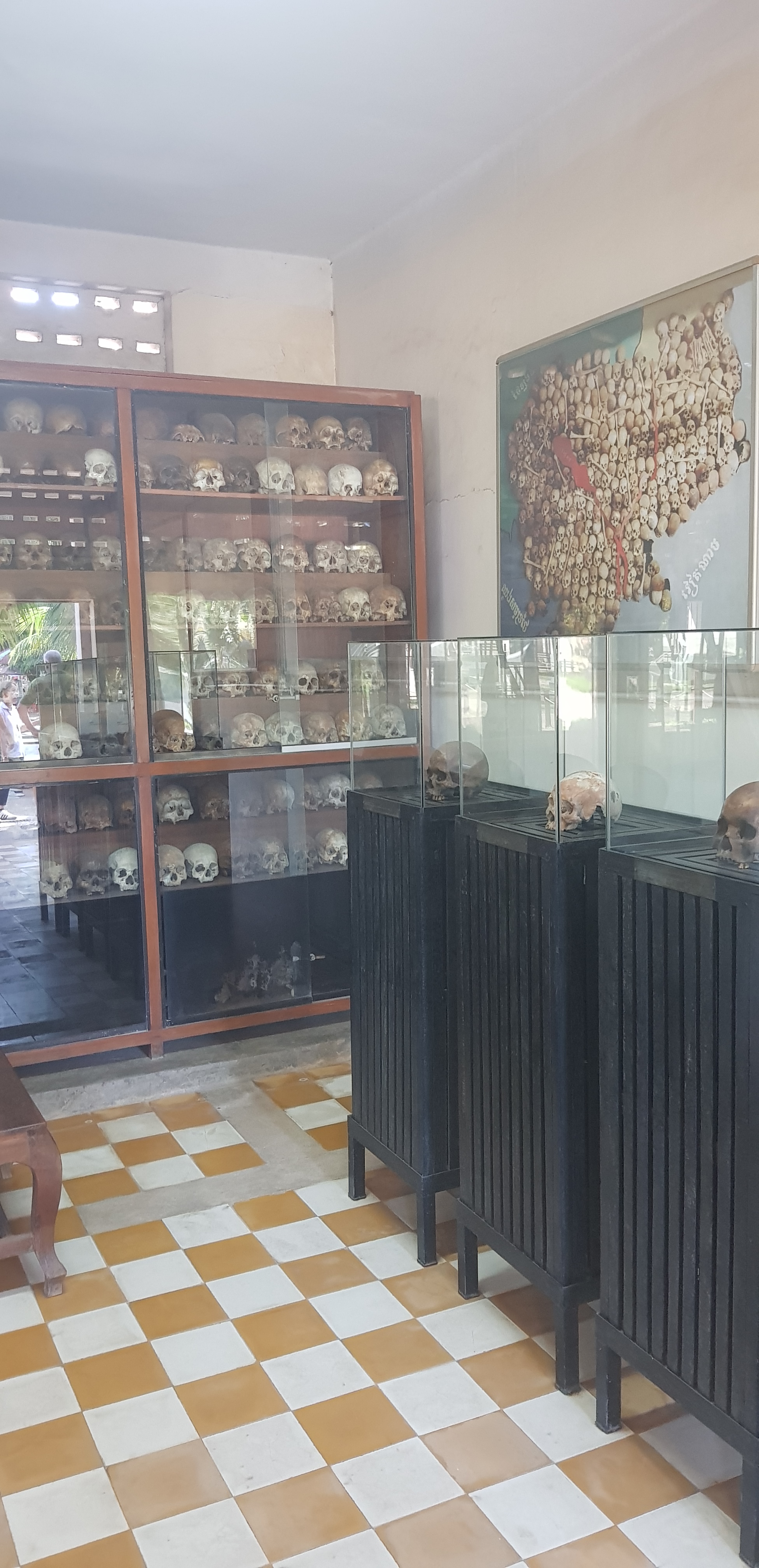
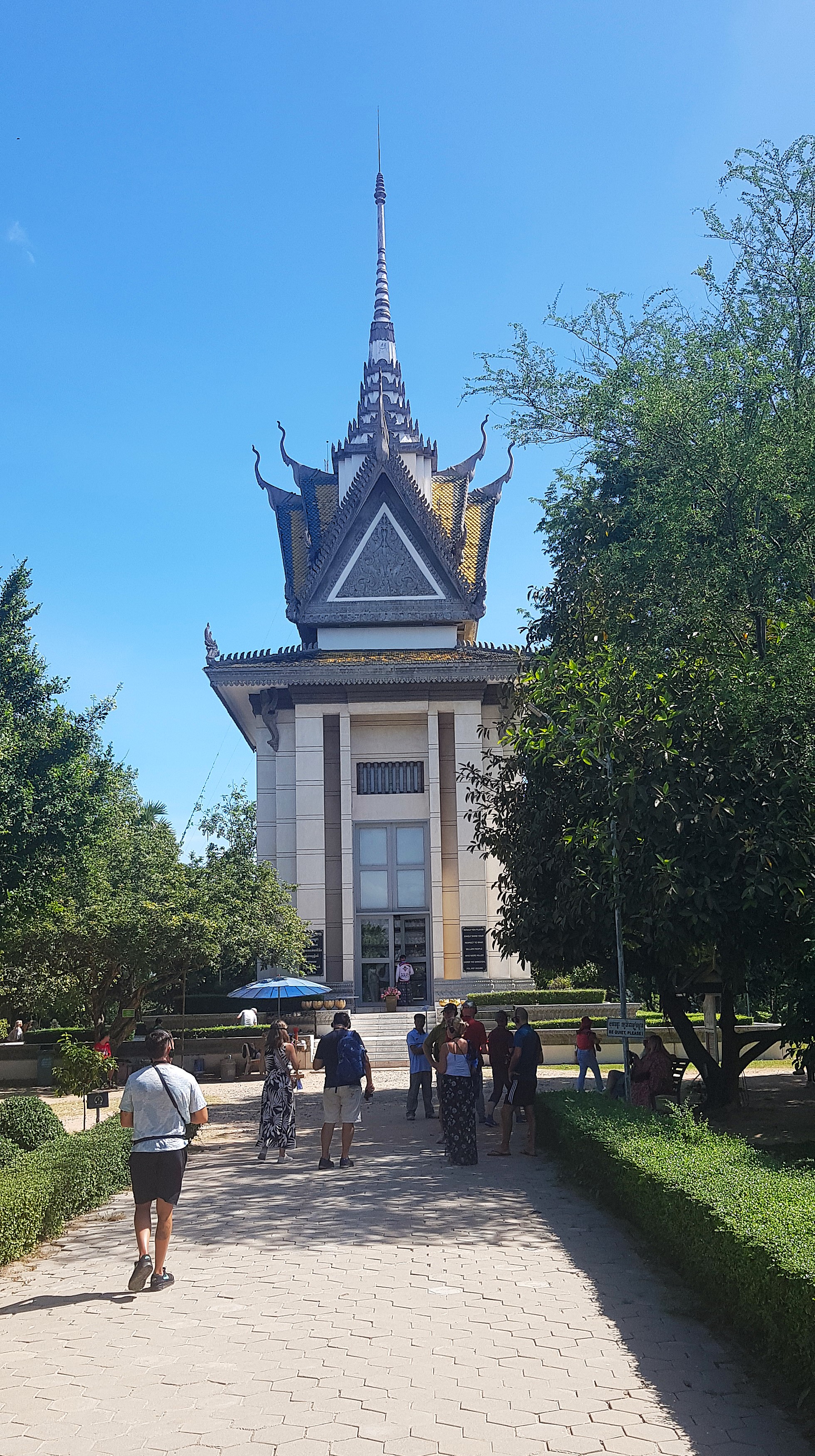
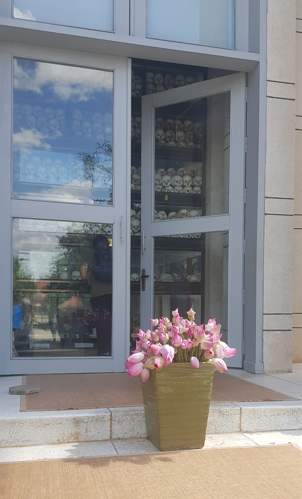
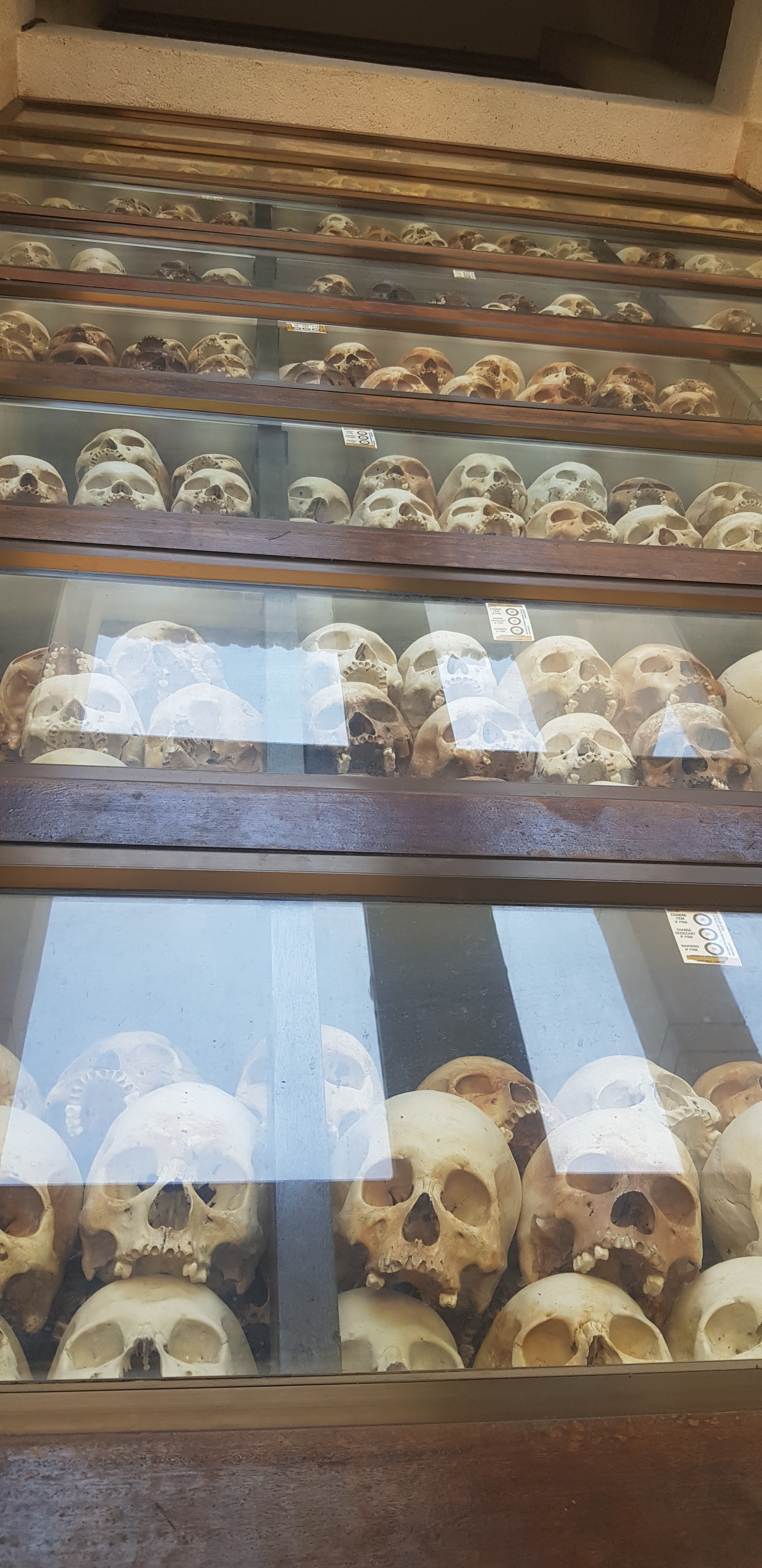
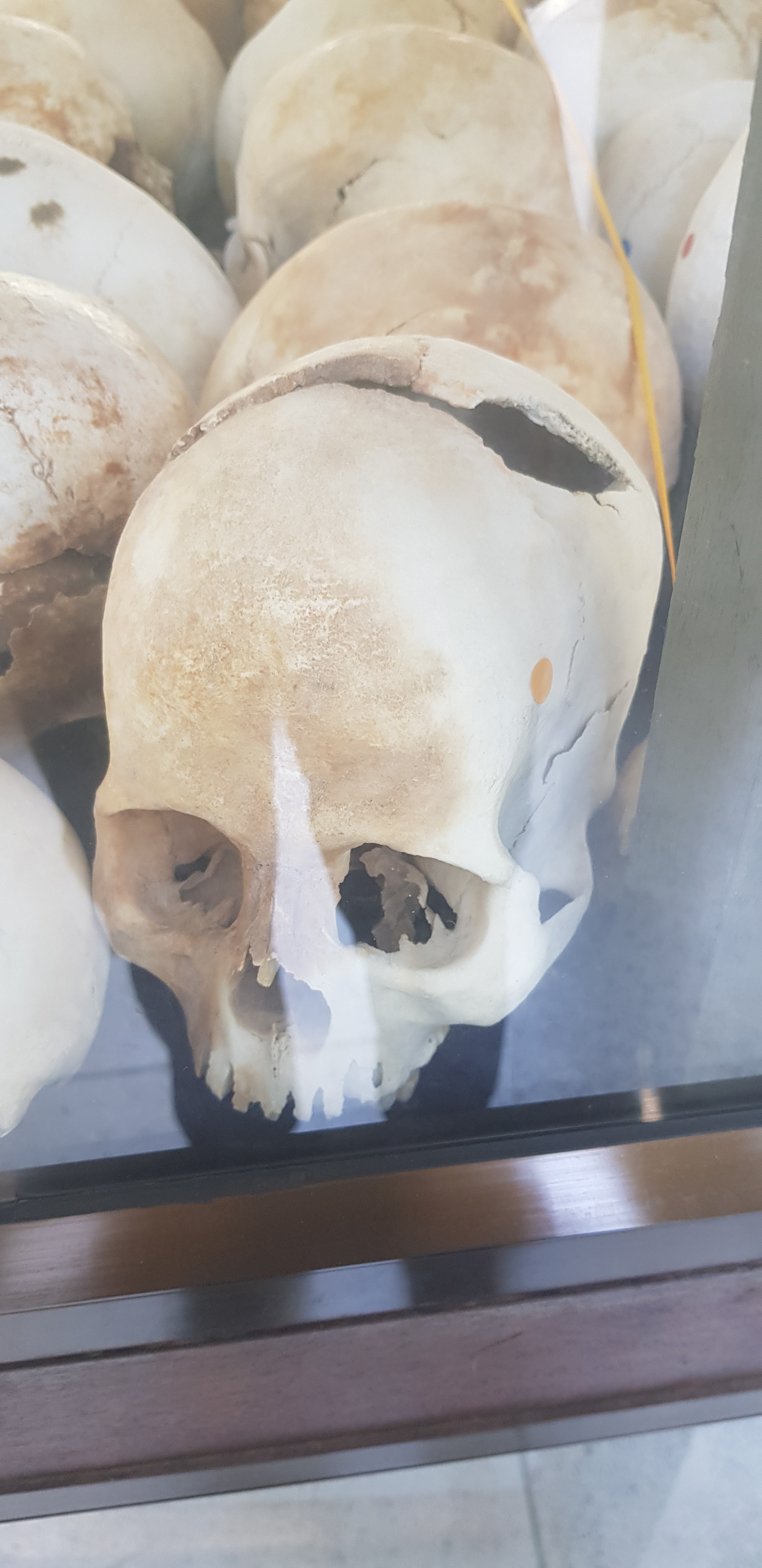
The stupa is filled with skulls and bones up to the top. No need to be a forensic scientist to know, how the people were killed. As you walk around the stupa you hear a faint melodic sound. Leave a lotus flower to show your compassion. And pray “never again”, as always.

&&&&&&&&&&&&&&&&&&&&&&&&&&&&&&&&&&&&&&&&&&&&&&&&&&&&&&&&&&

Cheers: feeling like Christmas and birthday and winning the jackpot, all in one day

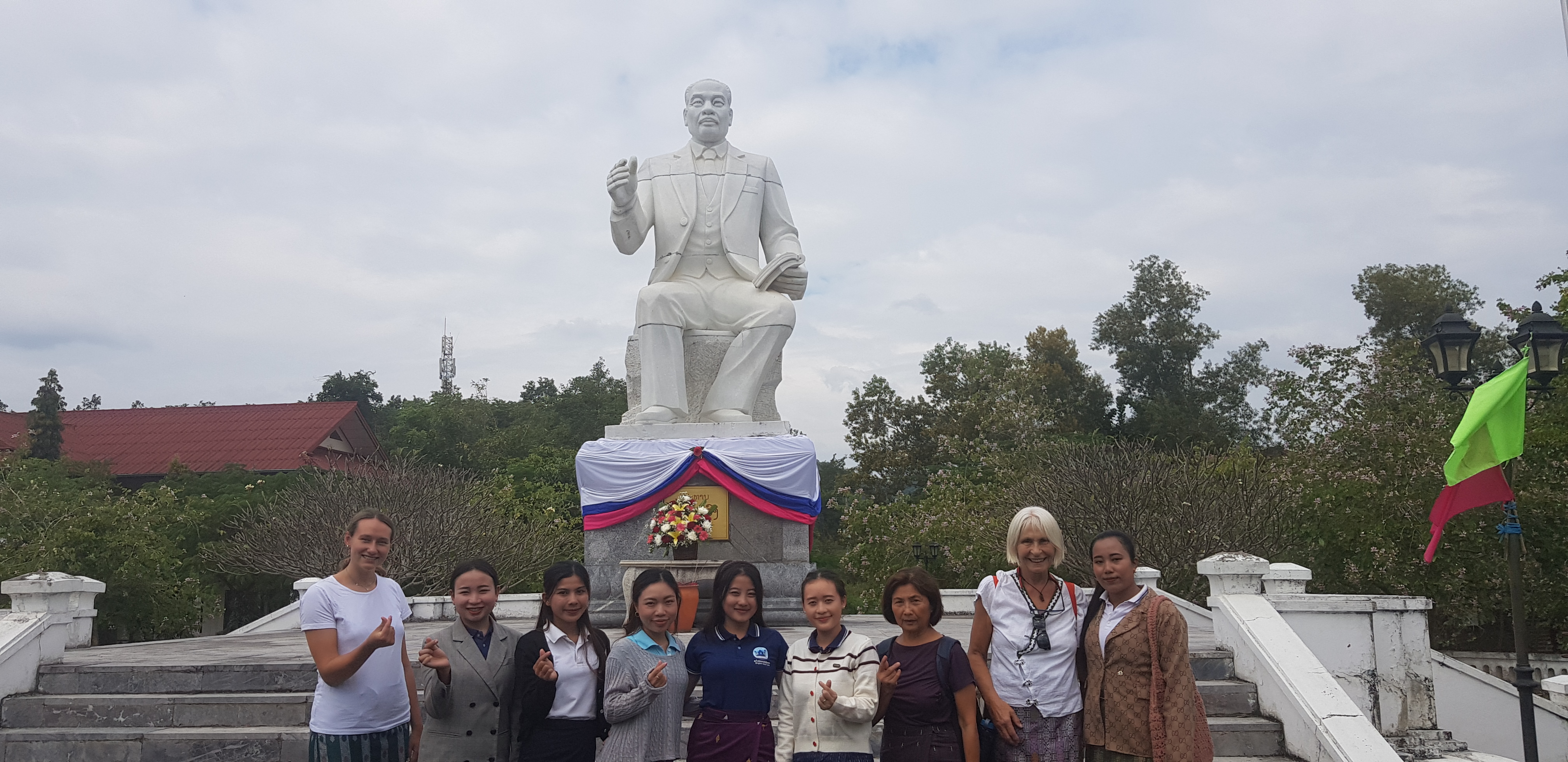
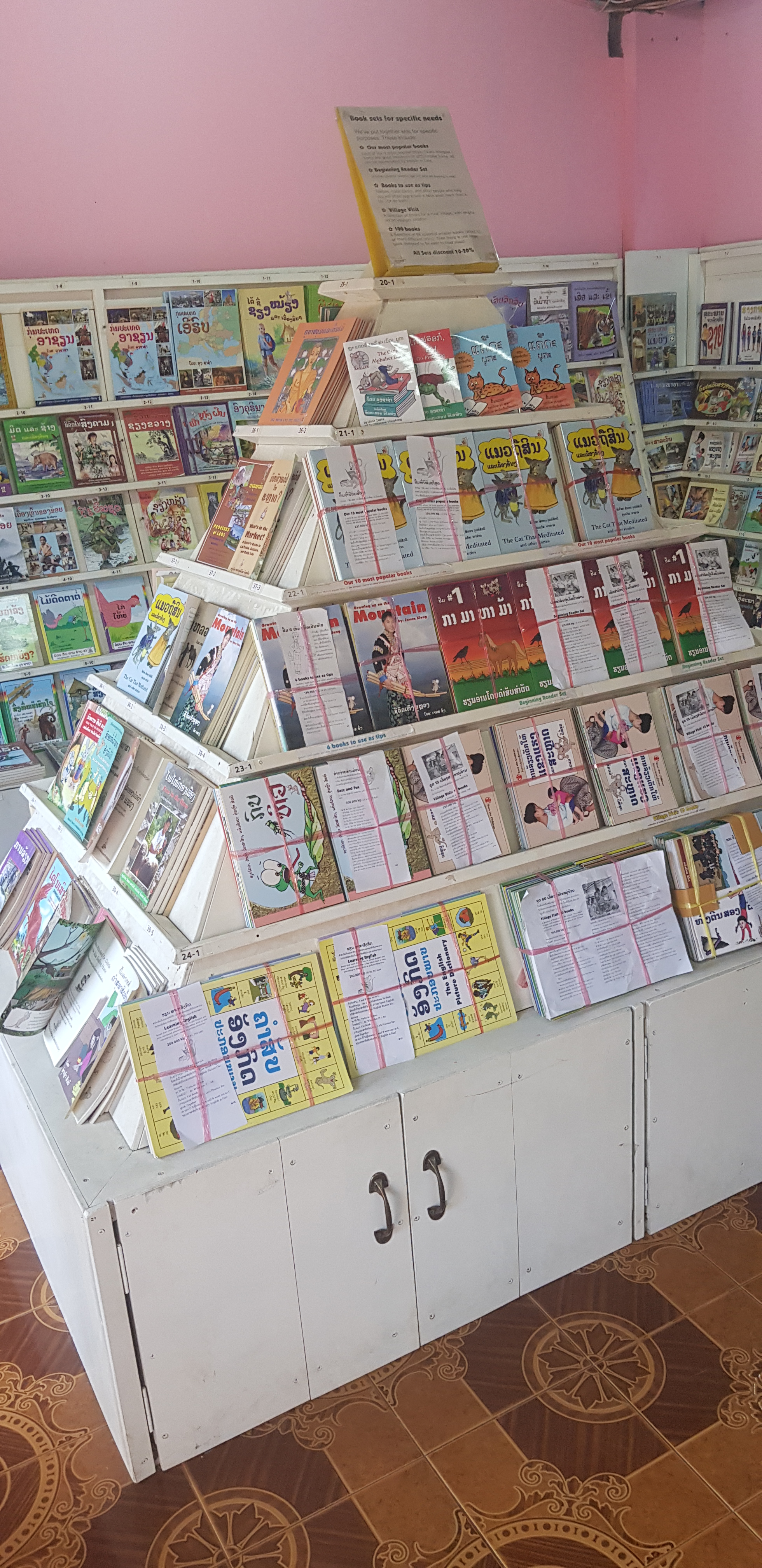
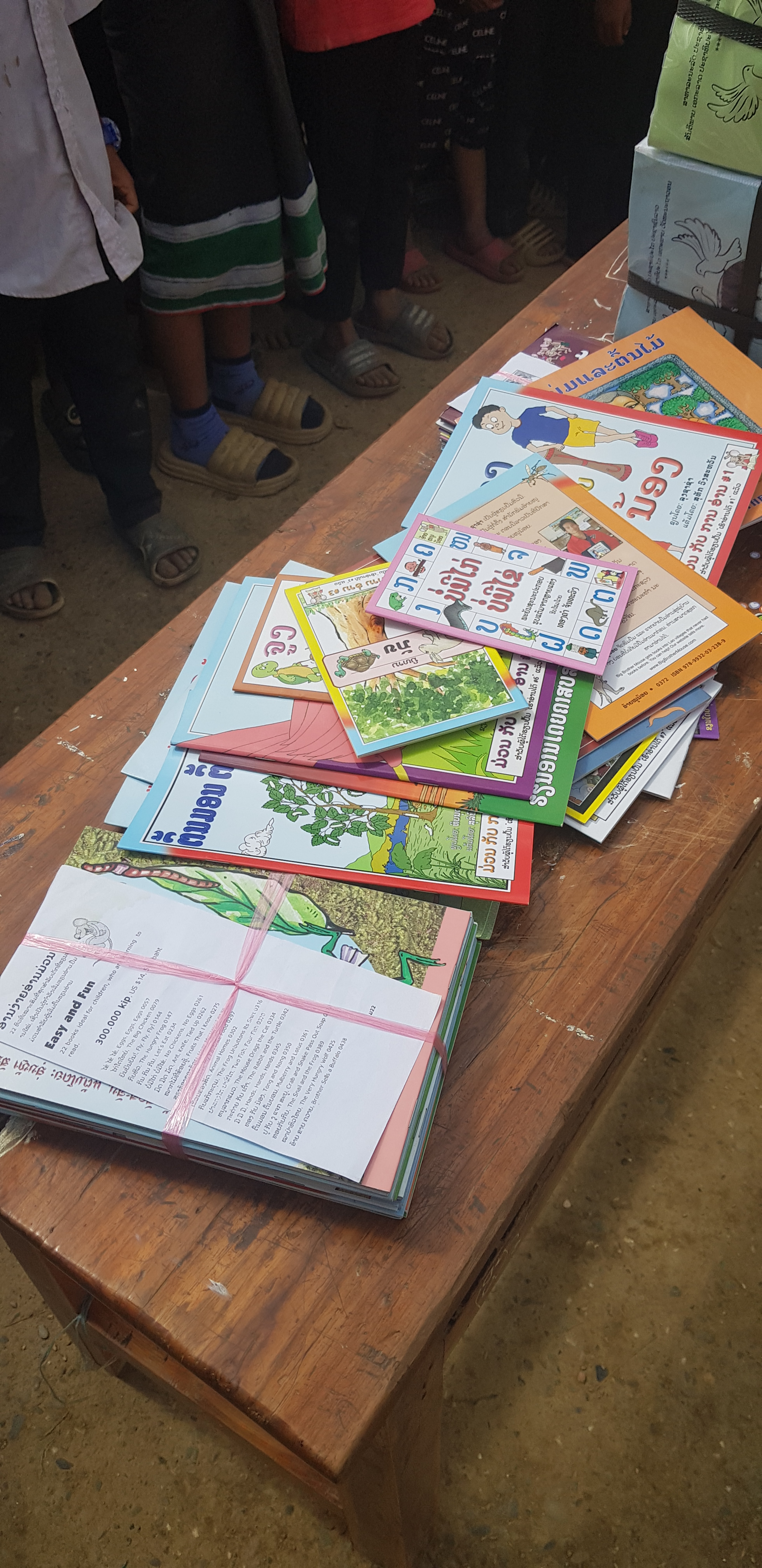
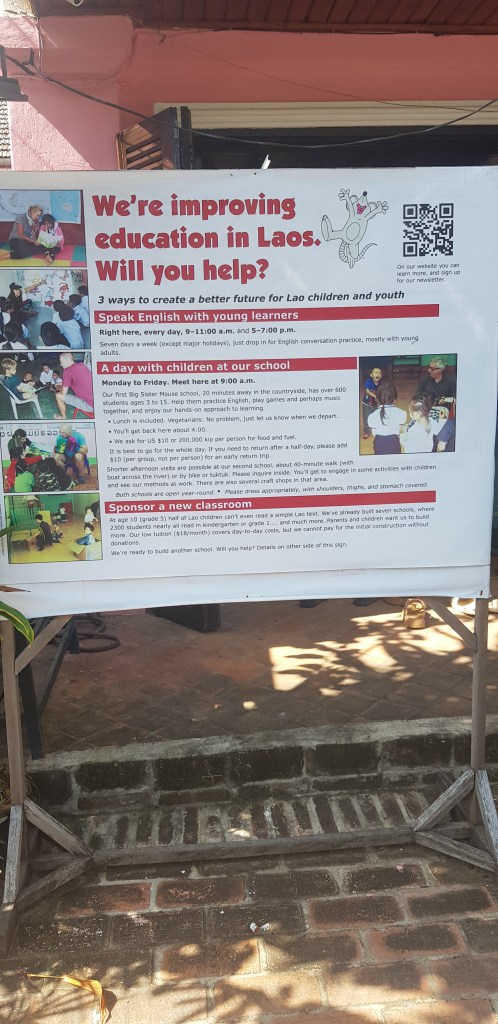
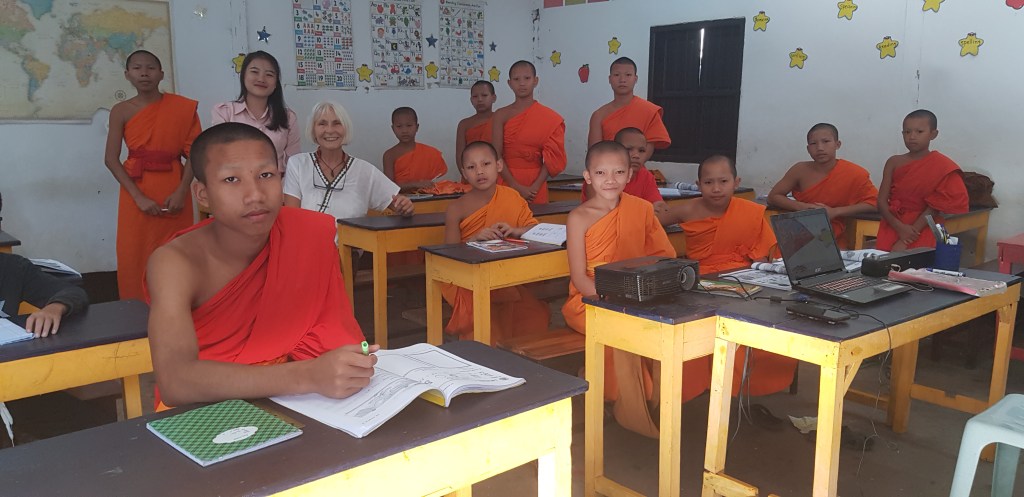
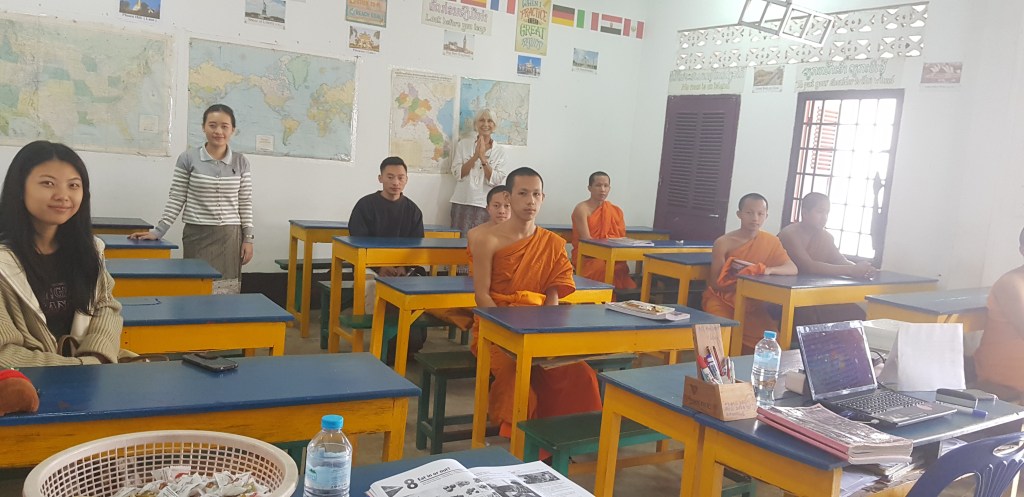
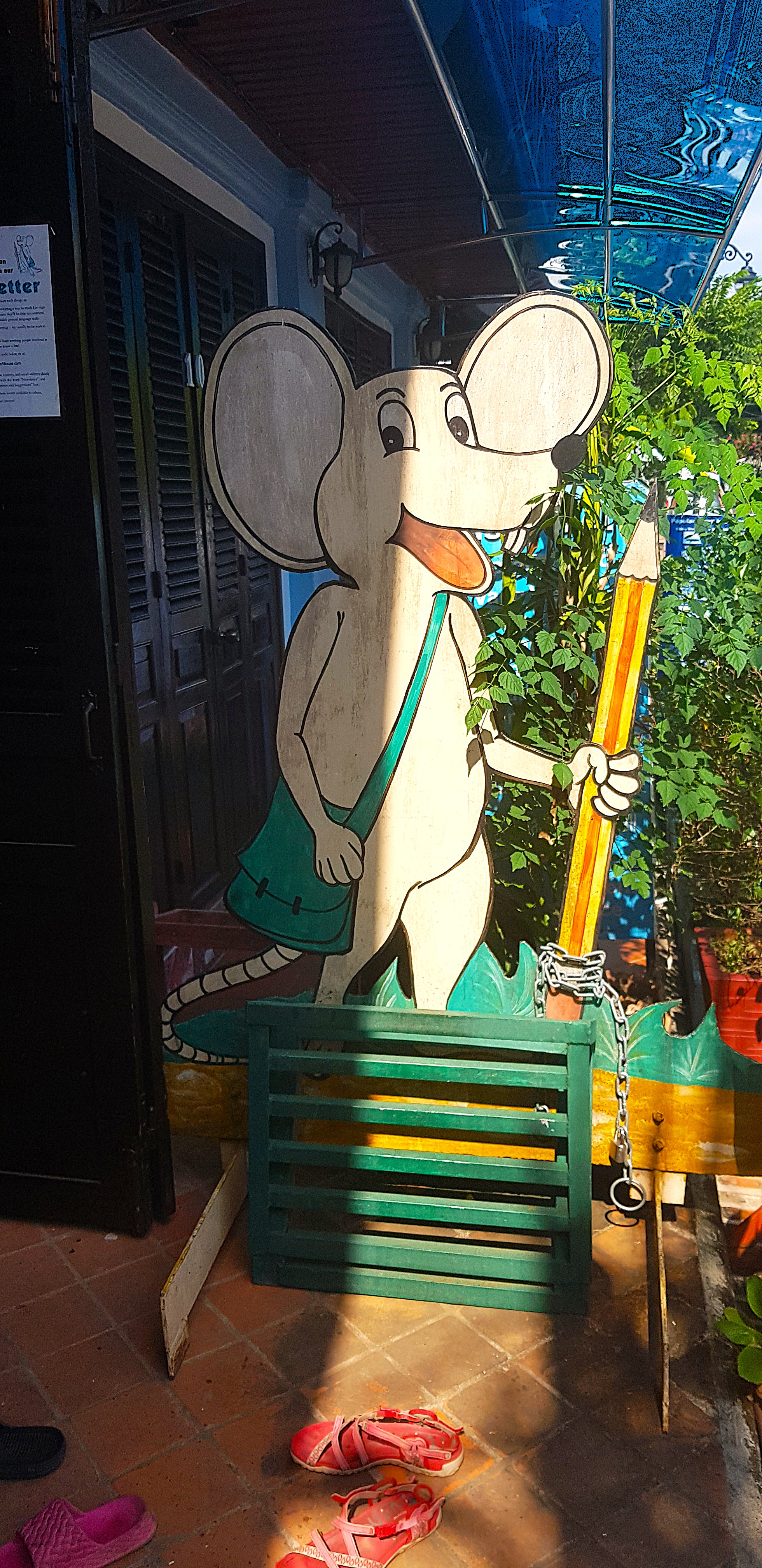
It all started with Big Brother Mouse, a book shop in Luang Prabang with the aim to promote reading among the Lao population. And soon the owners began something new: a centre for English conversation practice, where young Laotians and English speaking tourists could meet, sit down together and talk to each other. Between our lessons we went there and talked to students, monks and everyone who wanted to improve their English. It really helps, not only the local students, also the visitors from abroad. You don’t have to be a mother tongue English speaker and you learn a lot about your holiday country. And sometimes a very good student and a very generous sponsor find each other.

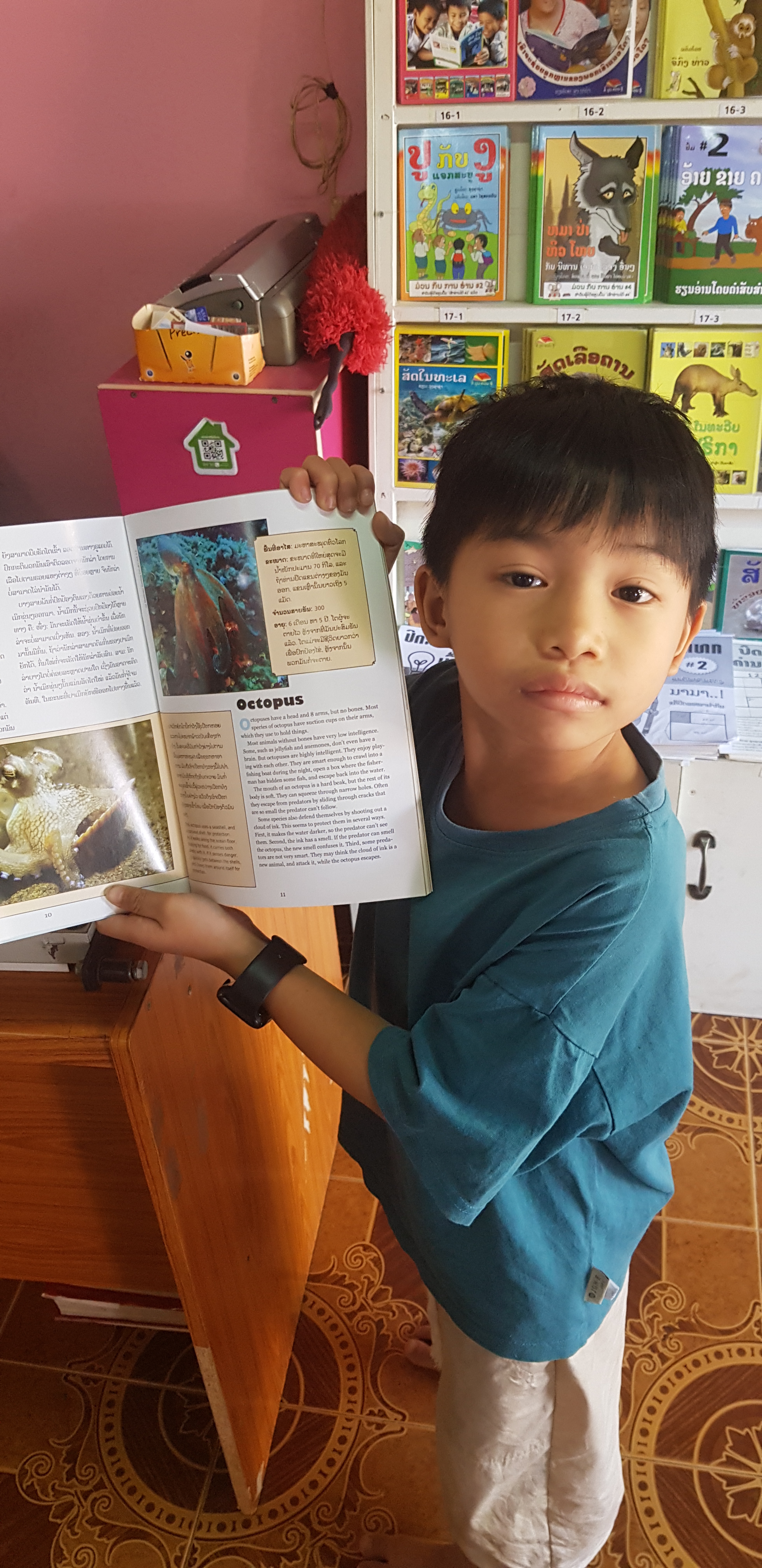
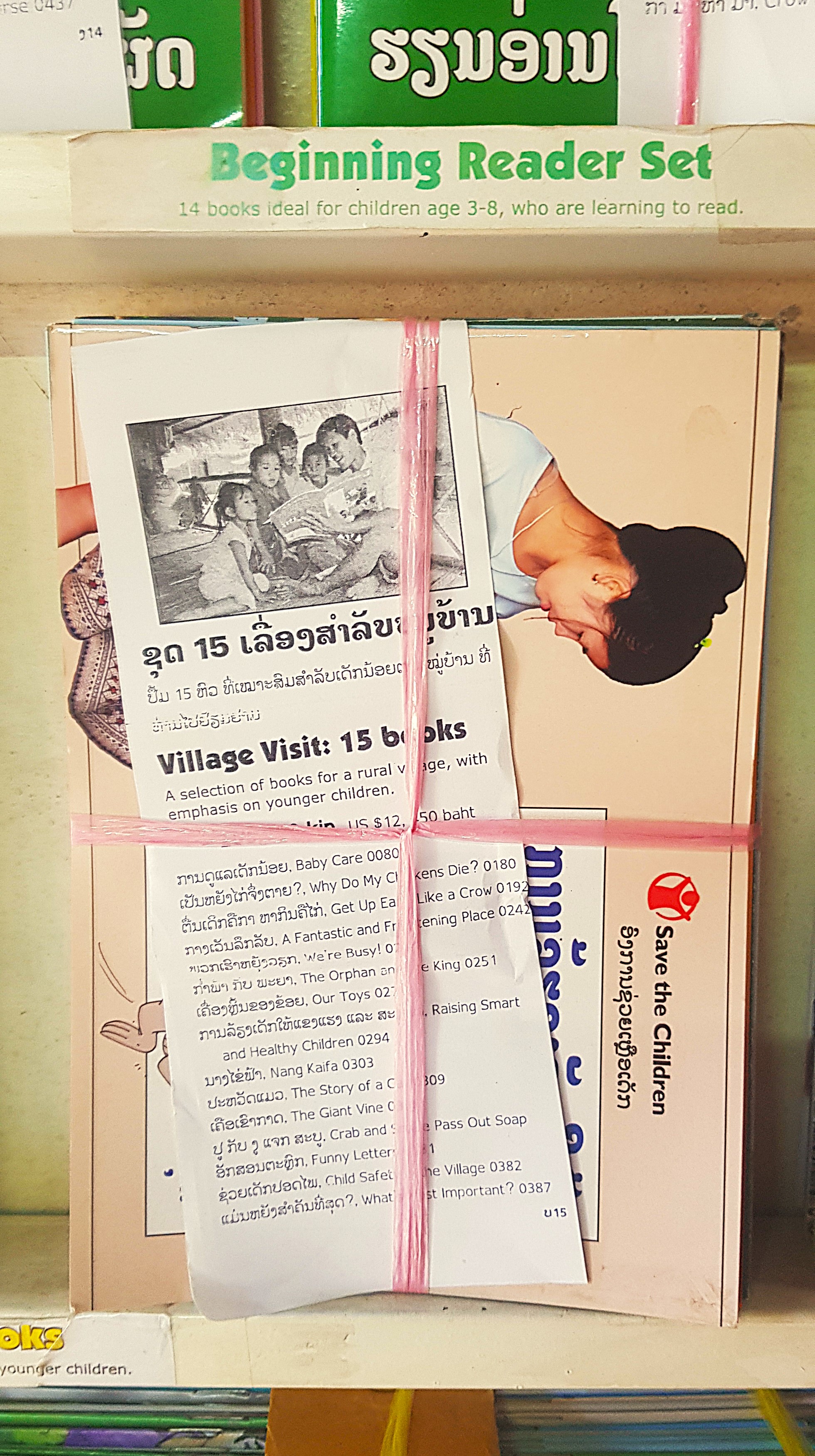
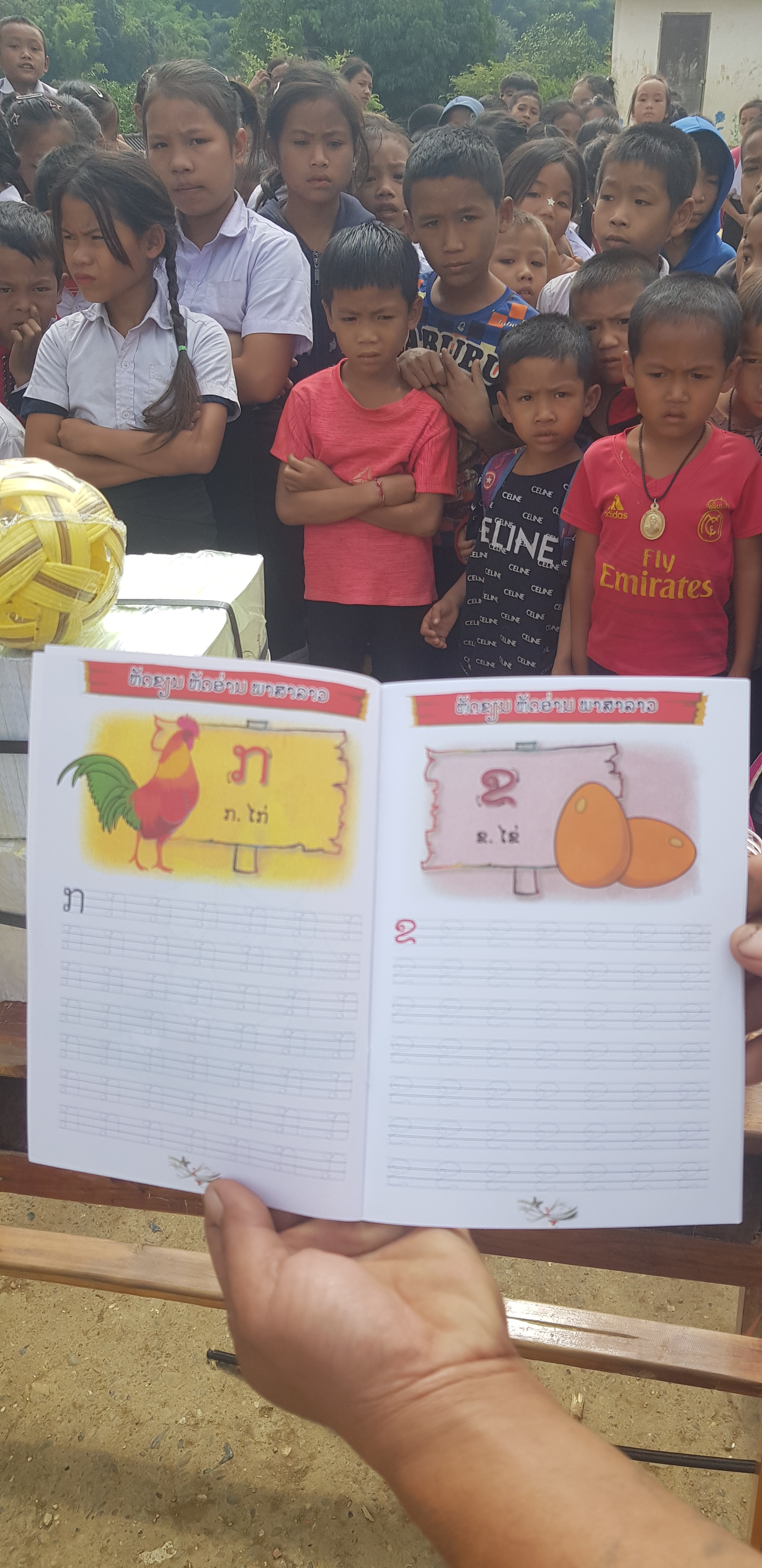
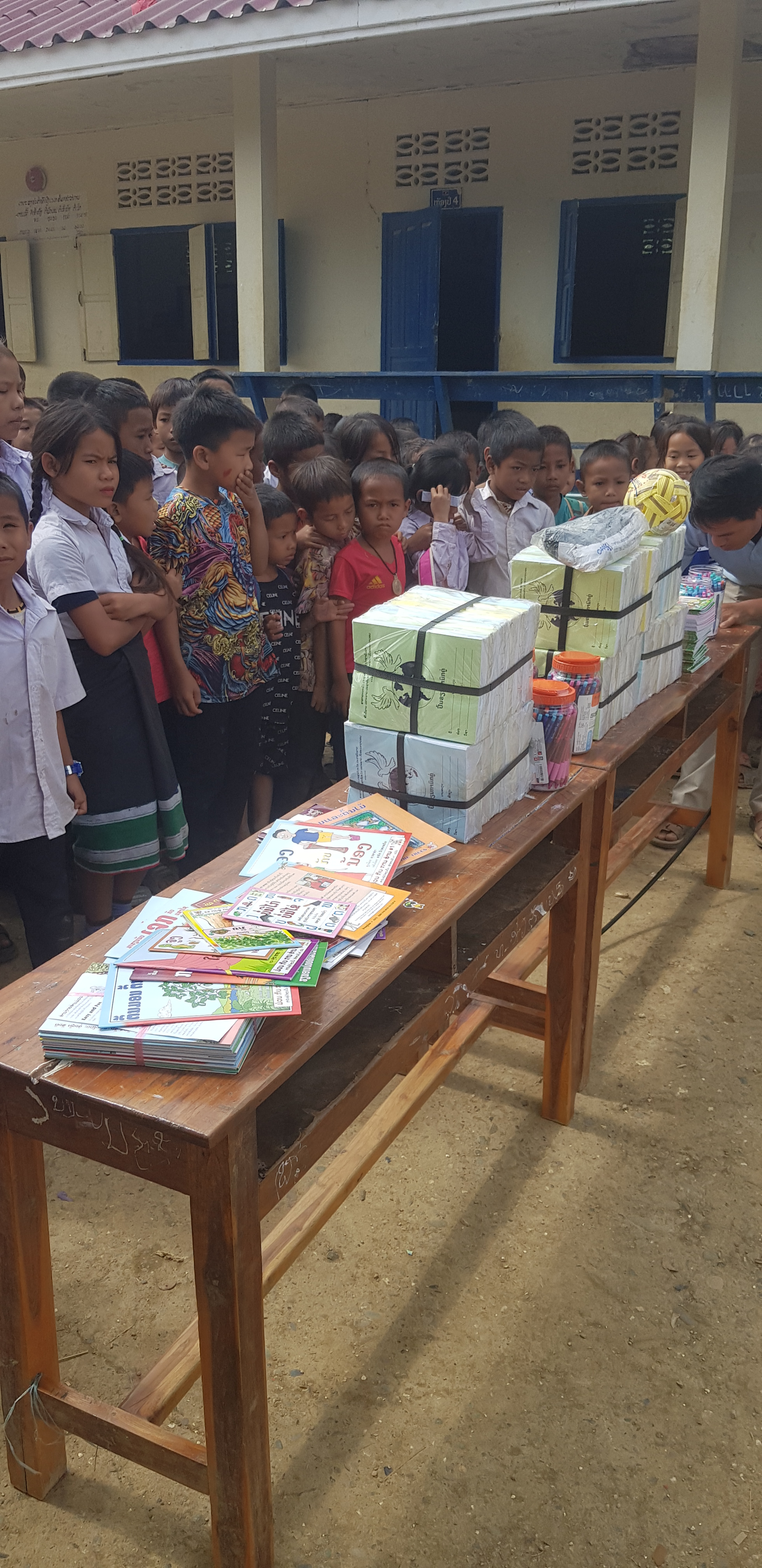
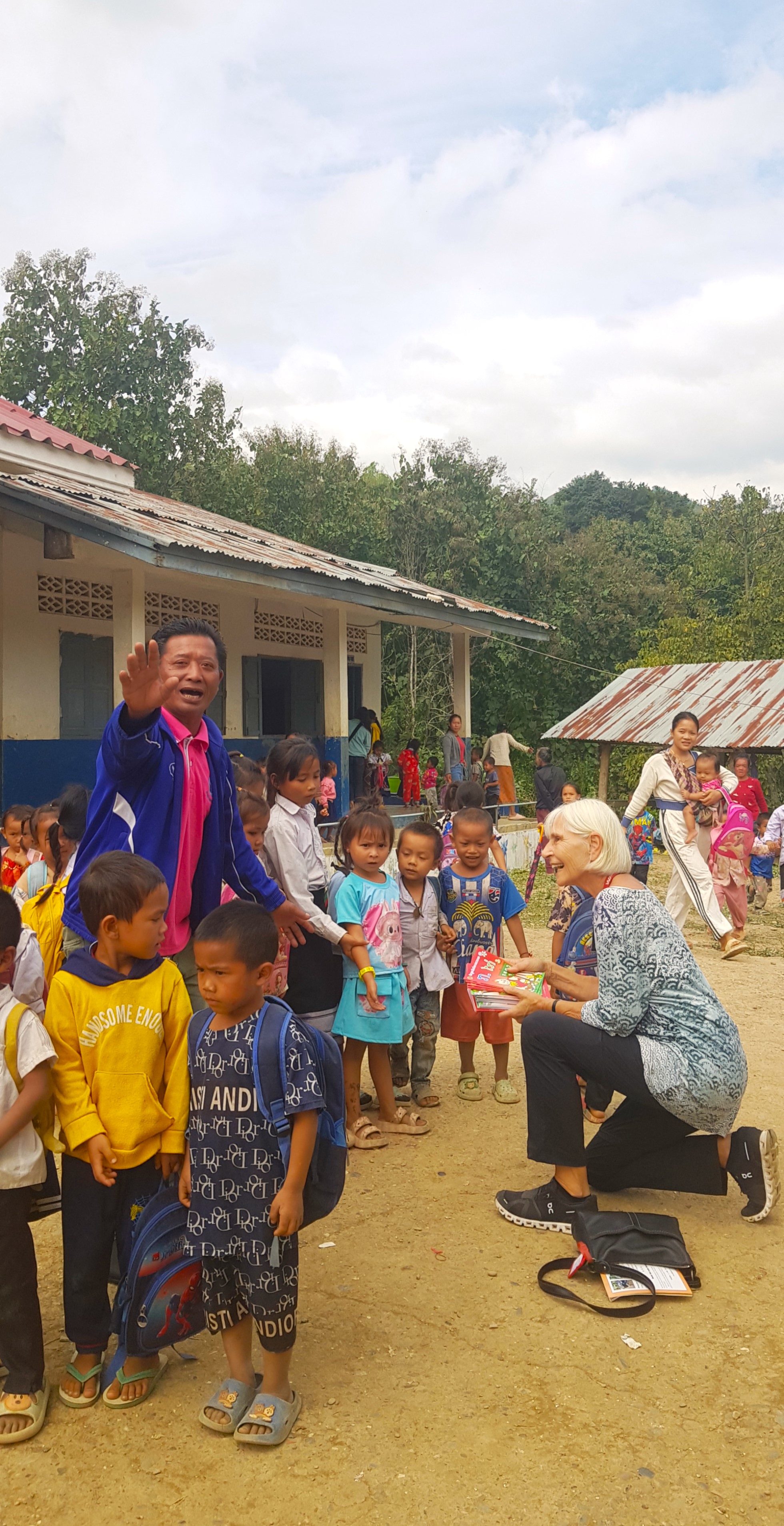
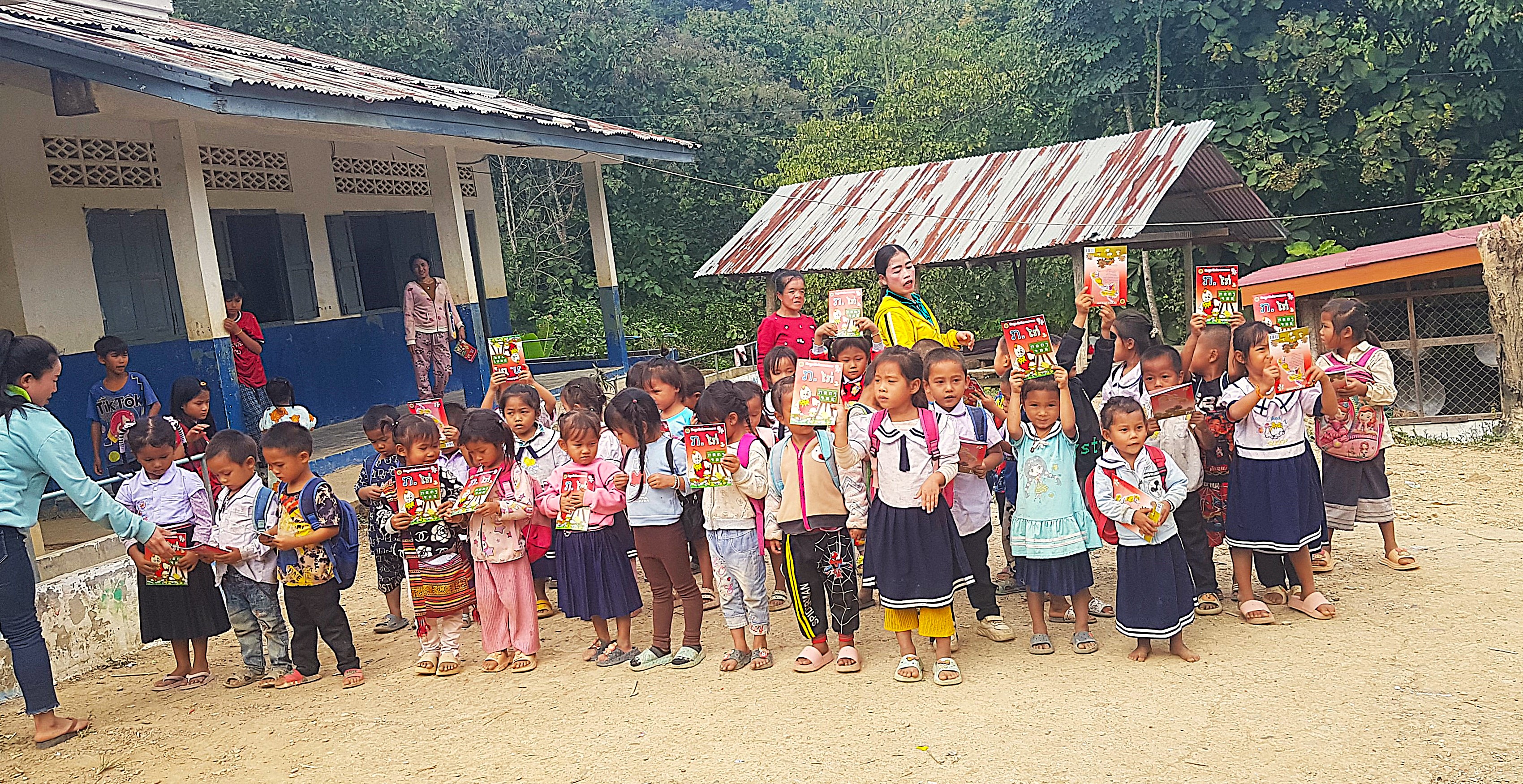
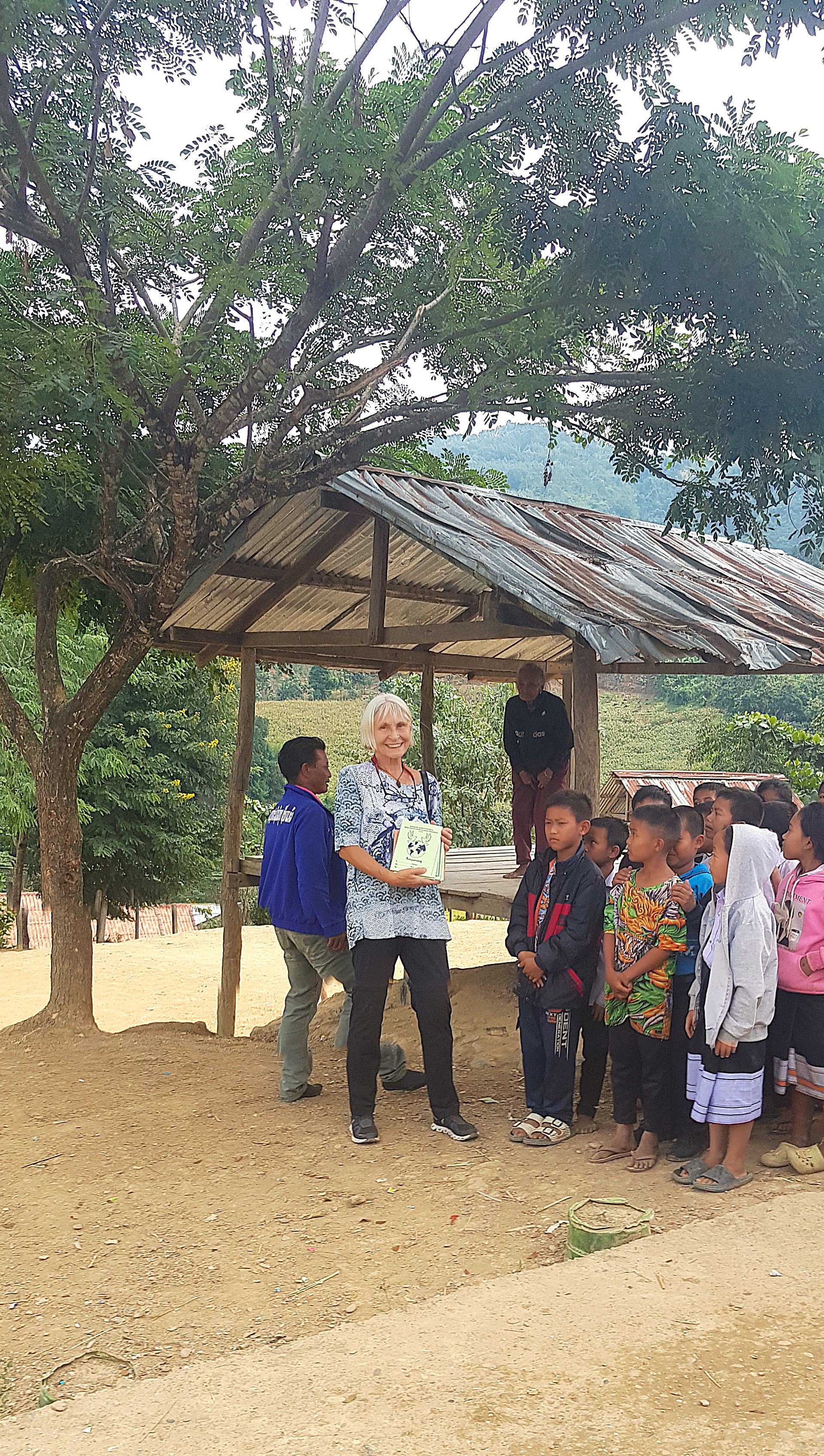
That’s where I saw the packs of books. The idea is to get the books to the children in the country side where there is neither a school library, nor a book shop. What you need is a sponsor who buys a pile and sends it to a village school. I was immediately enthusiastic, but I wanted to take the books to a school myself. So the project coordinator of my volunteer group organised a car to travel to the village of Kacham, where there is a primary school and a kindergarten that take in children from three villages in the vicinity. Well-travelled friends of mine and a cousin liked my idea and sent me a generous amount of money. This enabled me to buy not only the book packs, but also exercise books for the whole school, even for the kindergarten. Thank you, dears, for helping me to have the best time of my life.

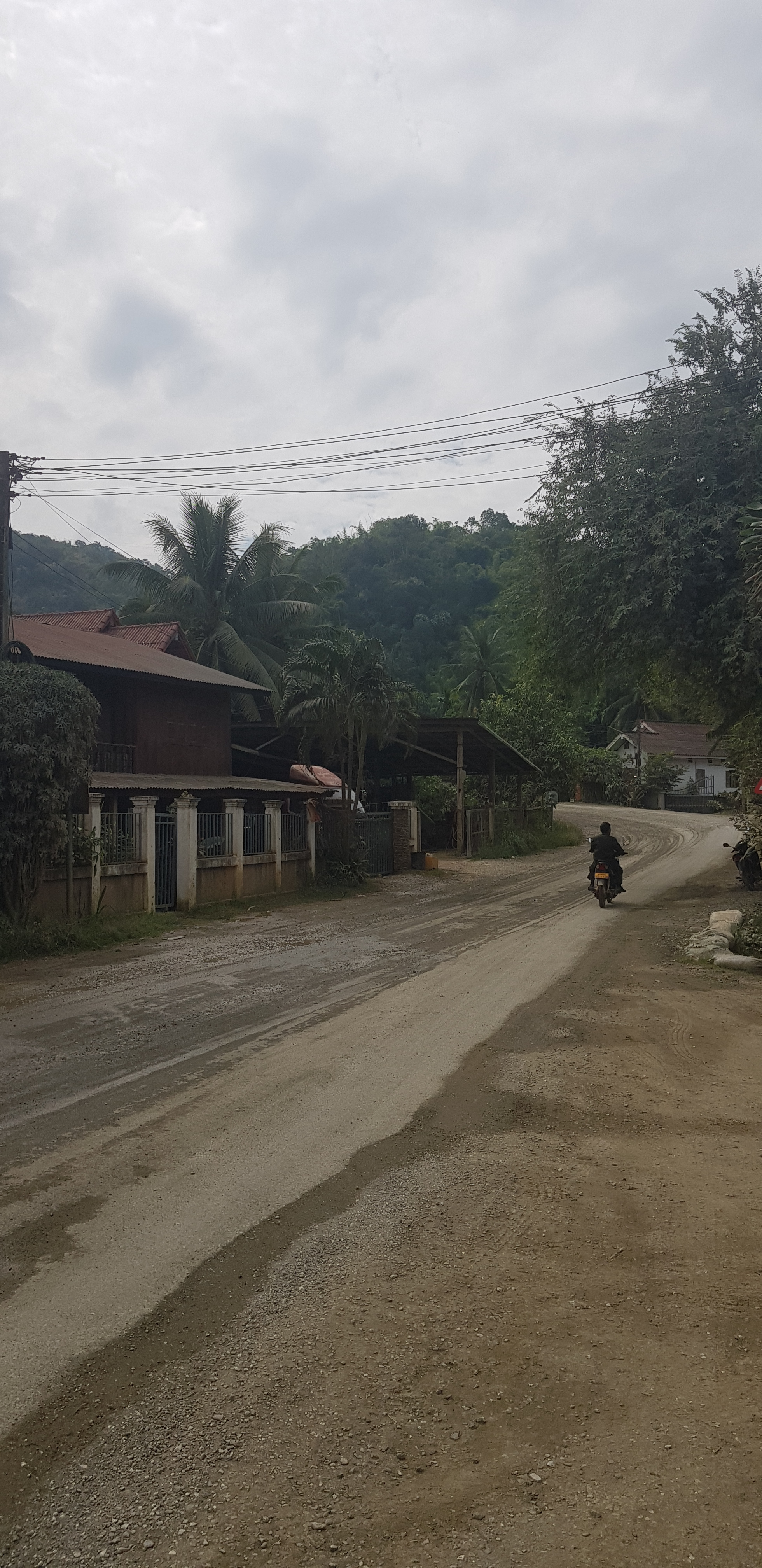
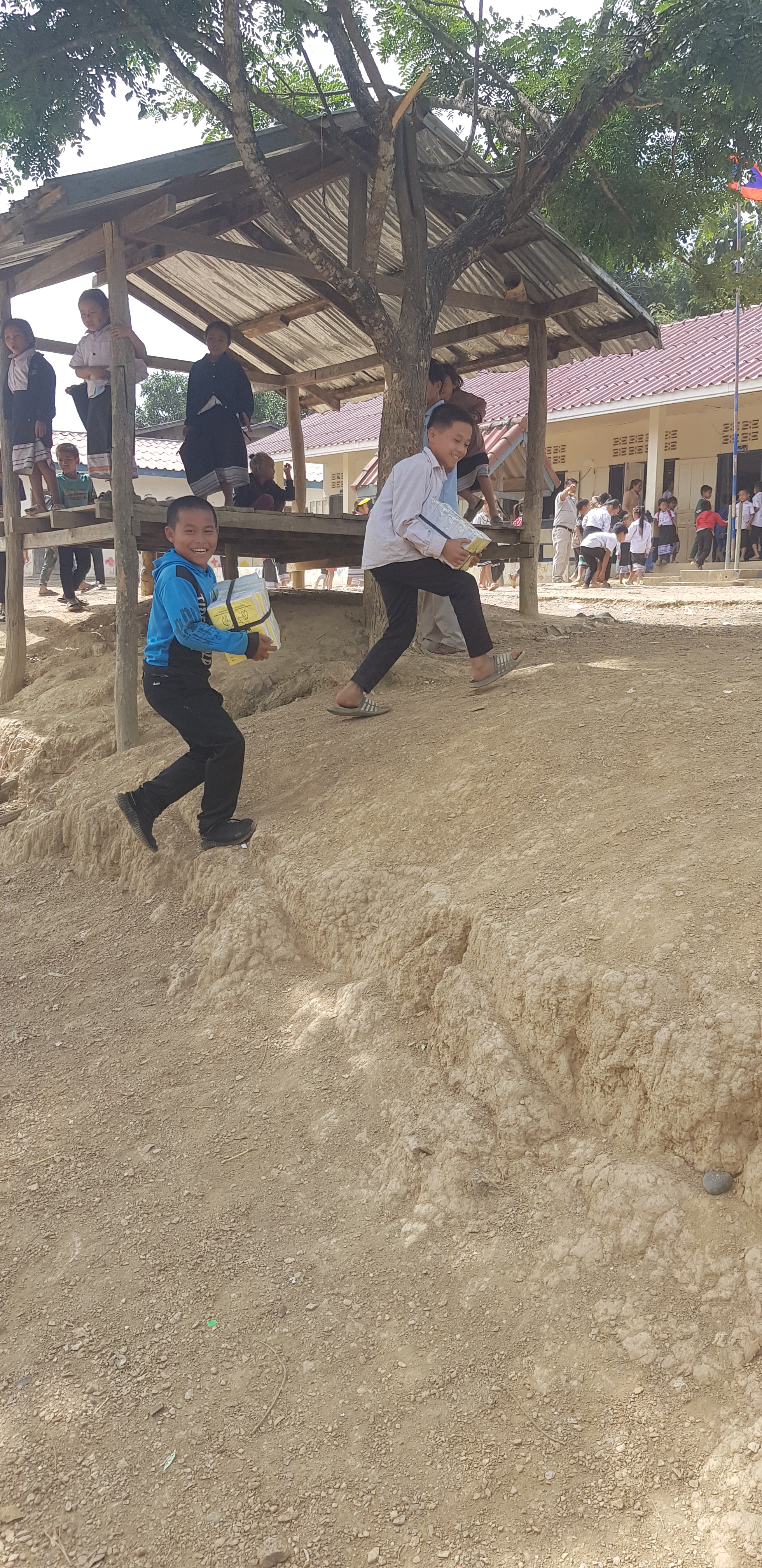
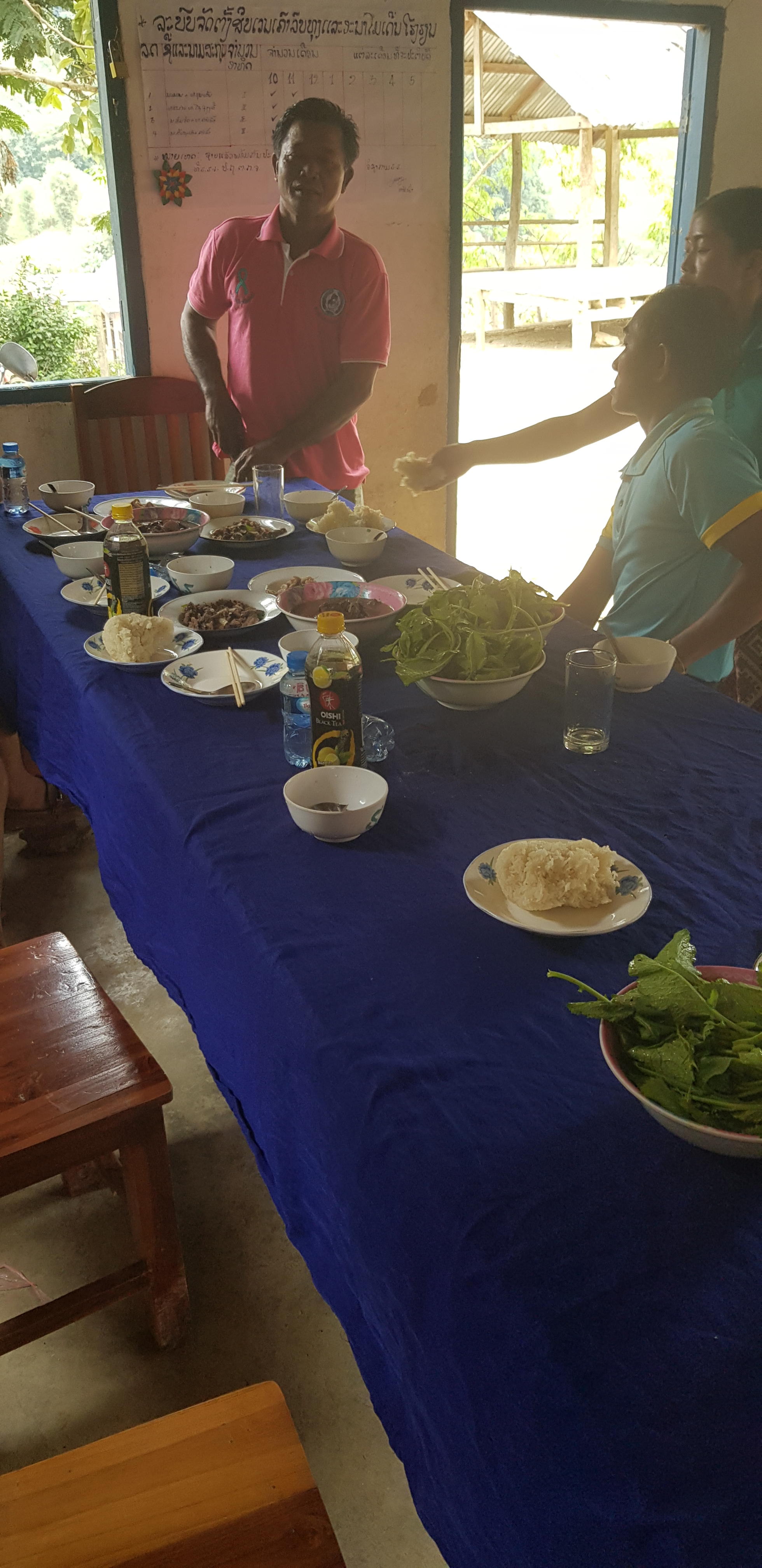
  1. going to Kacham Village: road in the country side 2. On our arrival the precious freight was unloaded in no time 3. pupils anxiously waiting for their exercise books (in front).

4. Is it a load of learning materials or is it a drop in the ocean? 5. No books in English, because they don’t have an English teacher. But they all know two words: “thank you!”

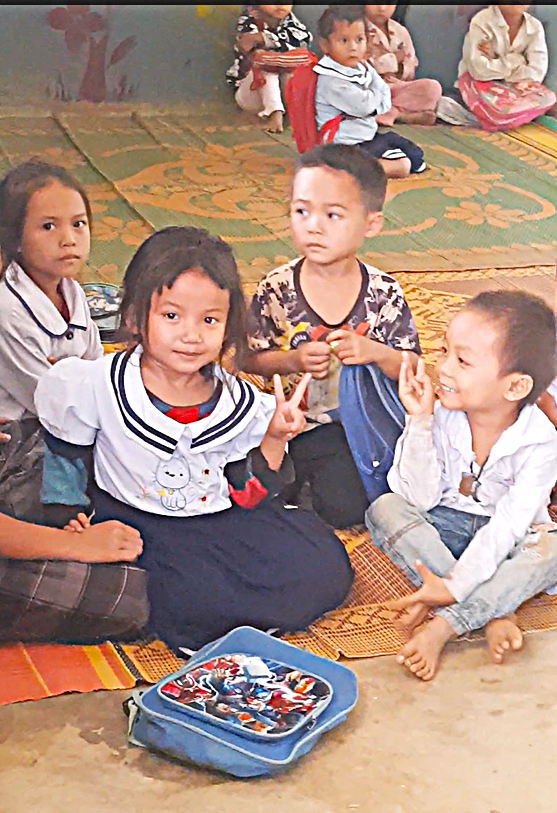
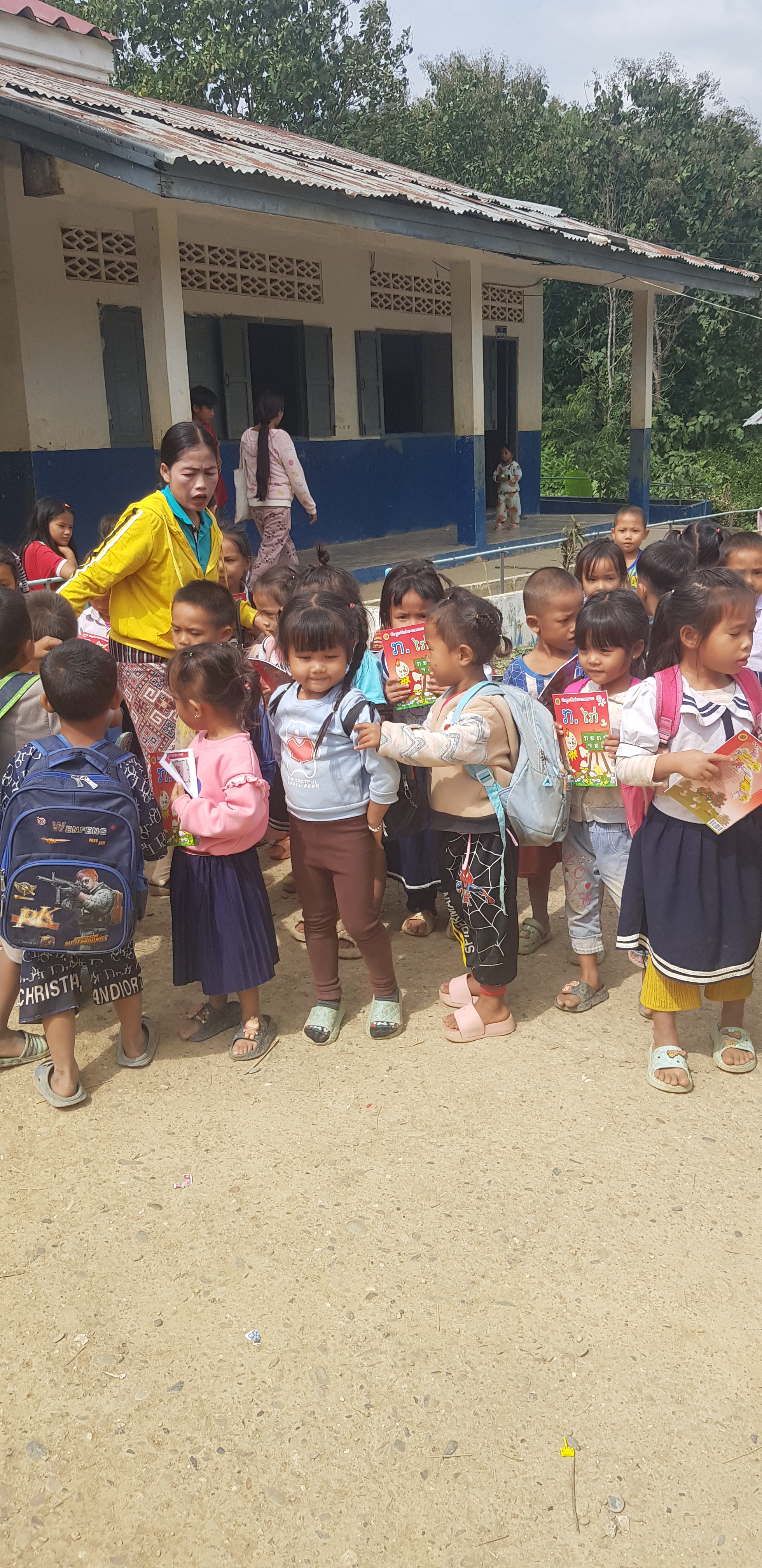
The Kindergarten: 1. I didn’t know the little ones didn’t have any toys at all 2. They are all so beautiful 3. getting organized to receive their booklets.

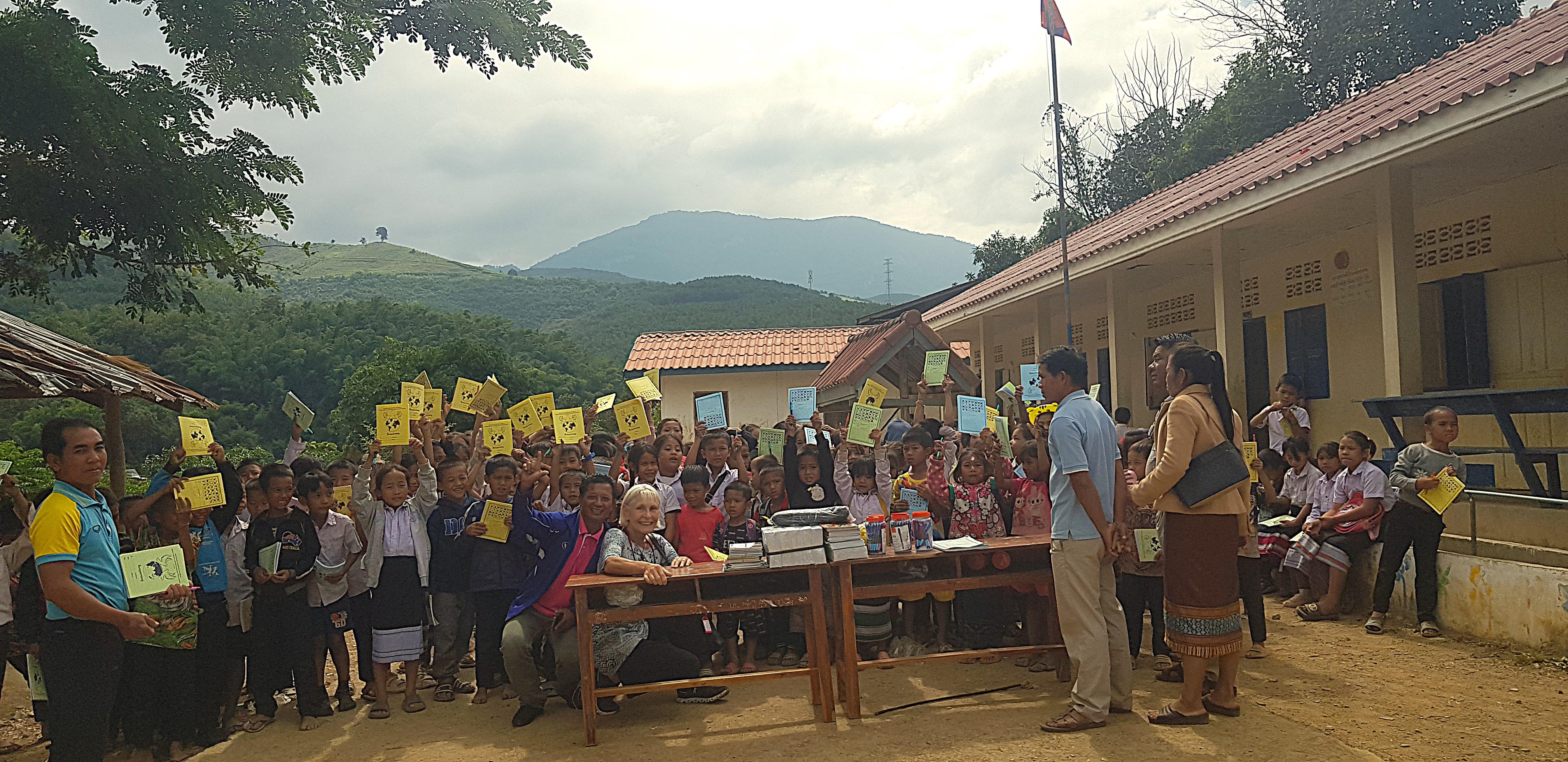
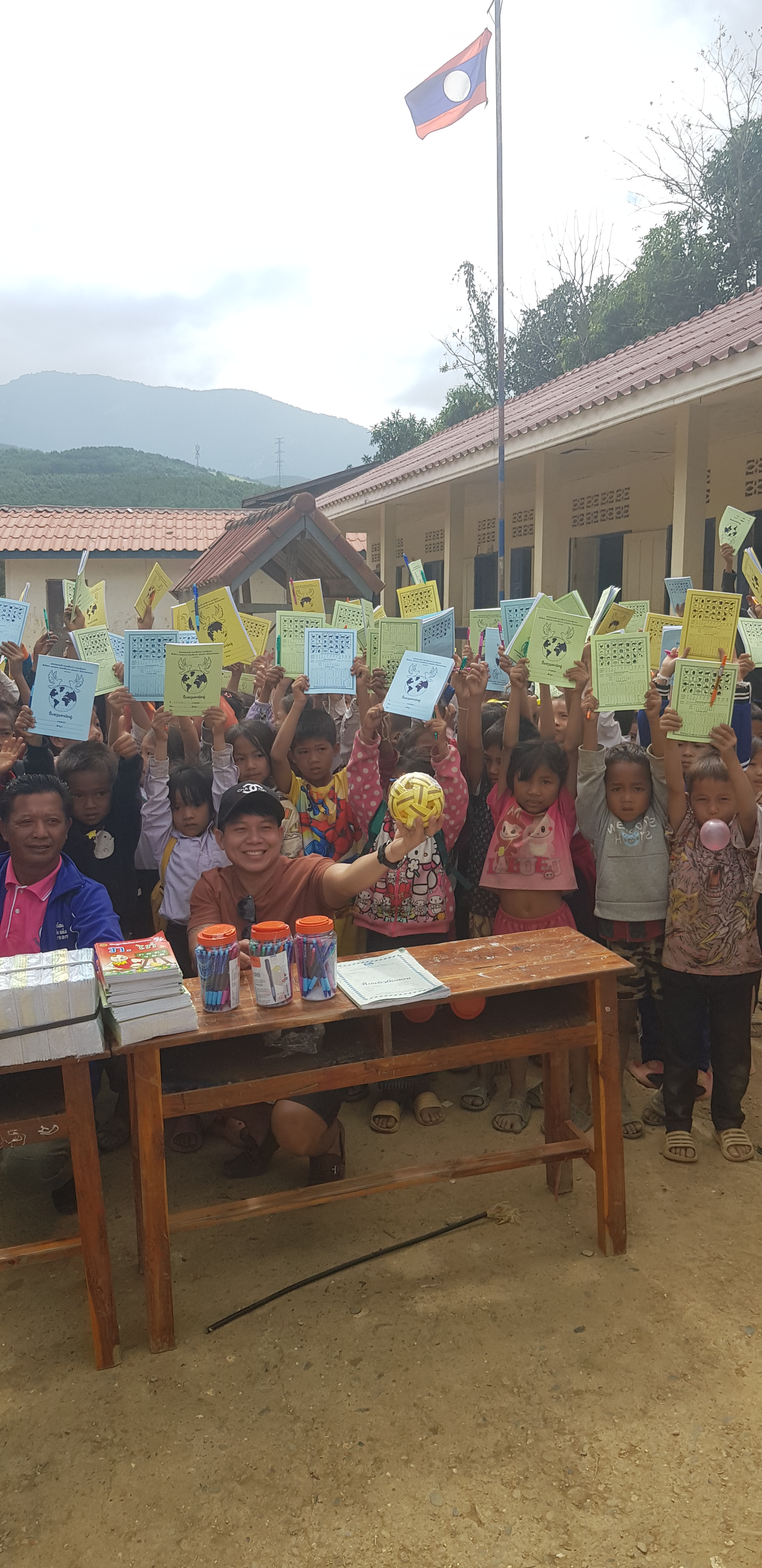
4. happily showing their booklets 5. No one goes home without his/her exercise book

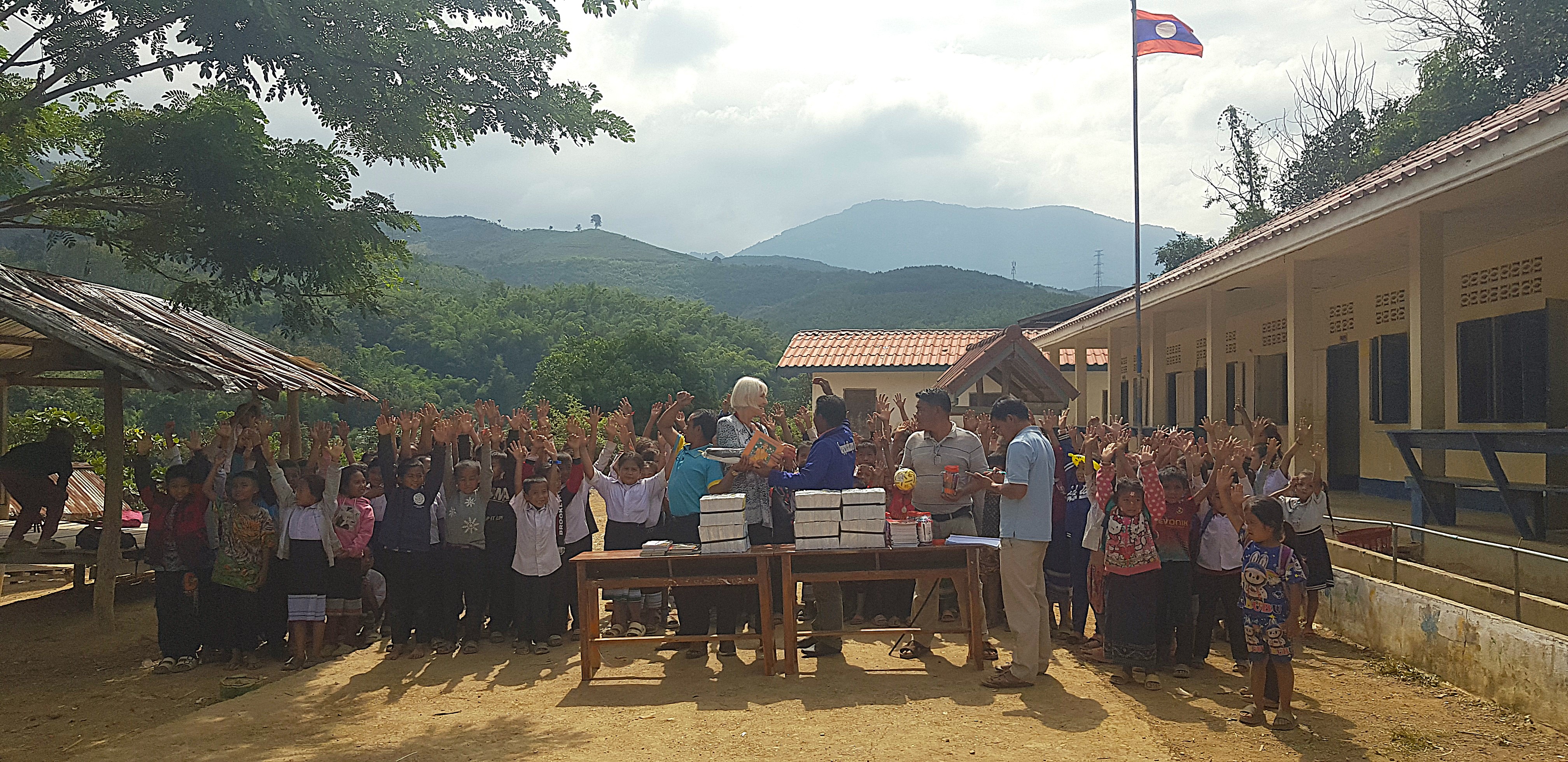
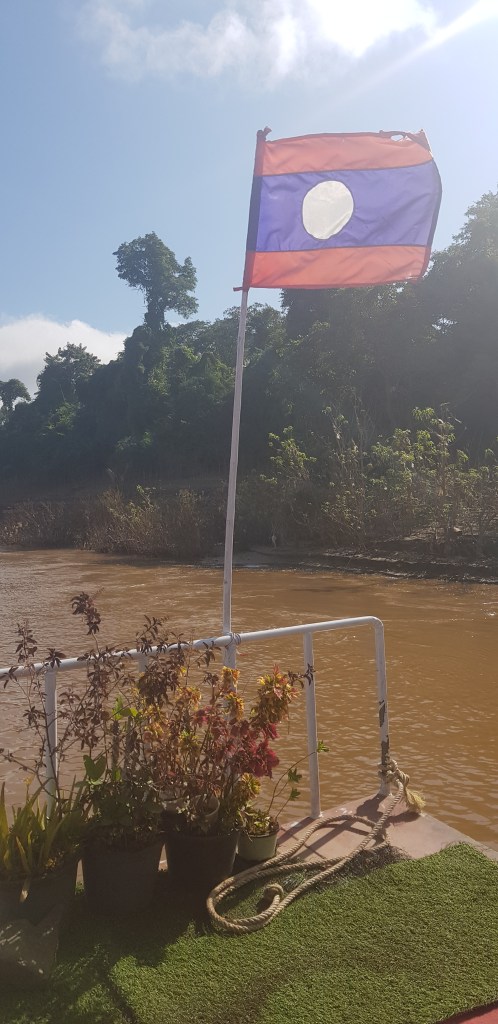
The elementary school: 1. I help hand out hundreds of exercise books and pens 2. everybody is cheering under the Laotian flag.

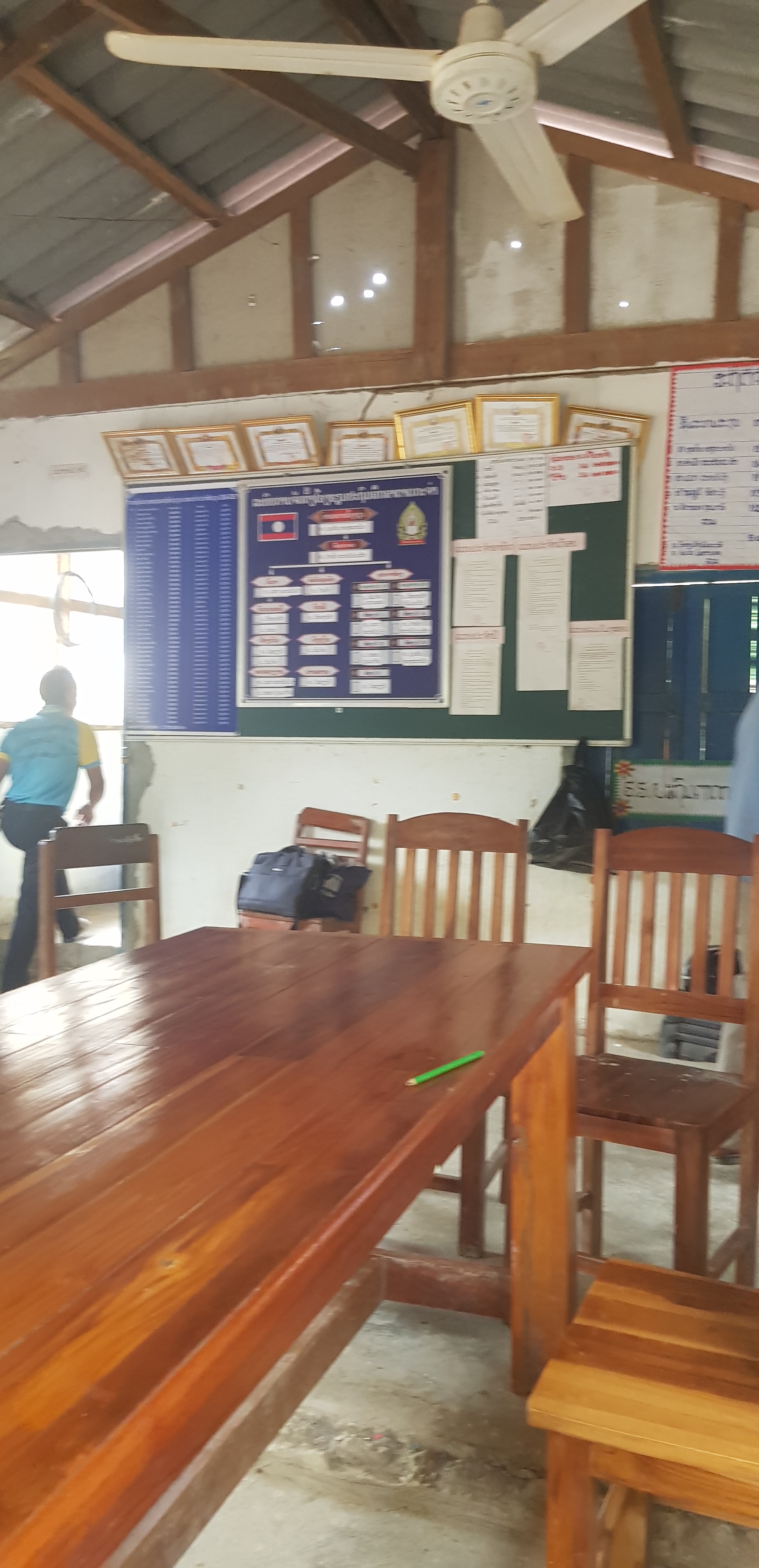
3. and 4. very official “thank you, teacher Lulu*”! 4. and 5. teachers’ room converted into dining room, for a very traditional and very very good lunch!!! *Lulu is my nickname at home and I adopted it as my travel name, for obvious reasons.

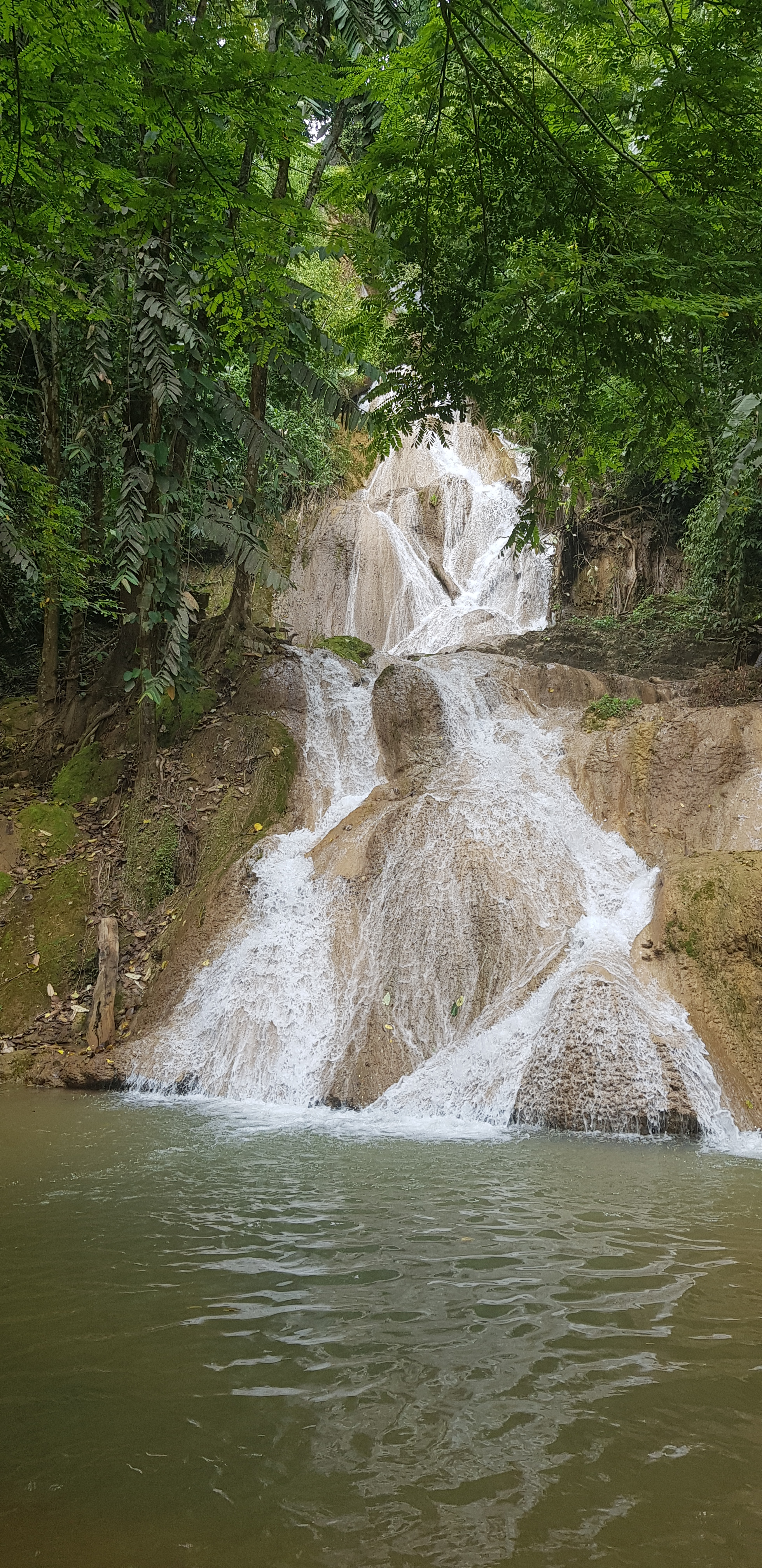
On the way back, past the Kacham waterfall, other villages and harvested rice fields, I repeated inside myself: “Khob chai lai lai!” “Khob chai lai lai!”

see you again

cheers Gerburg
Nagas and Wats

22 Dec

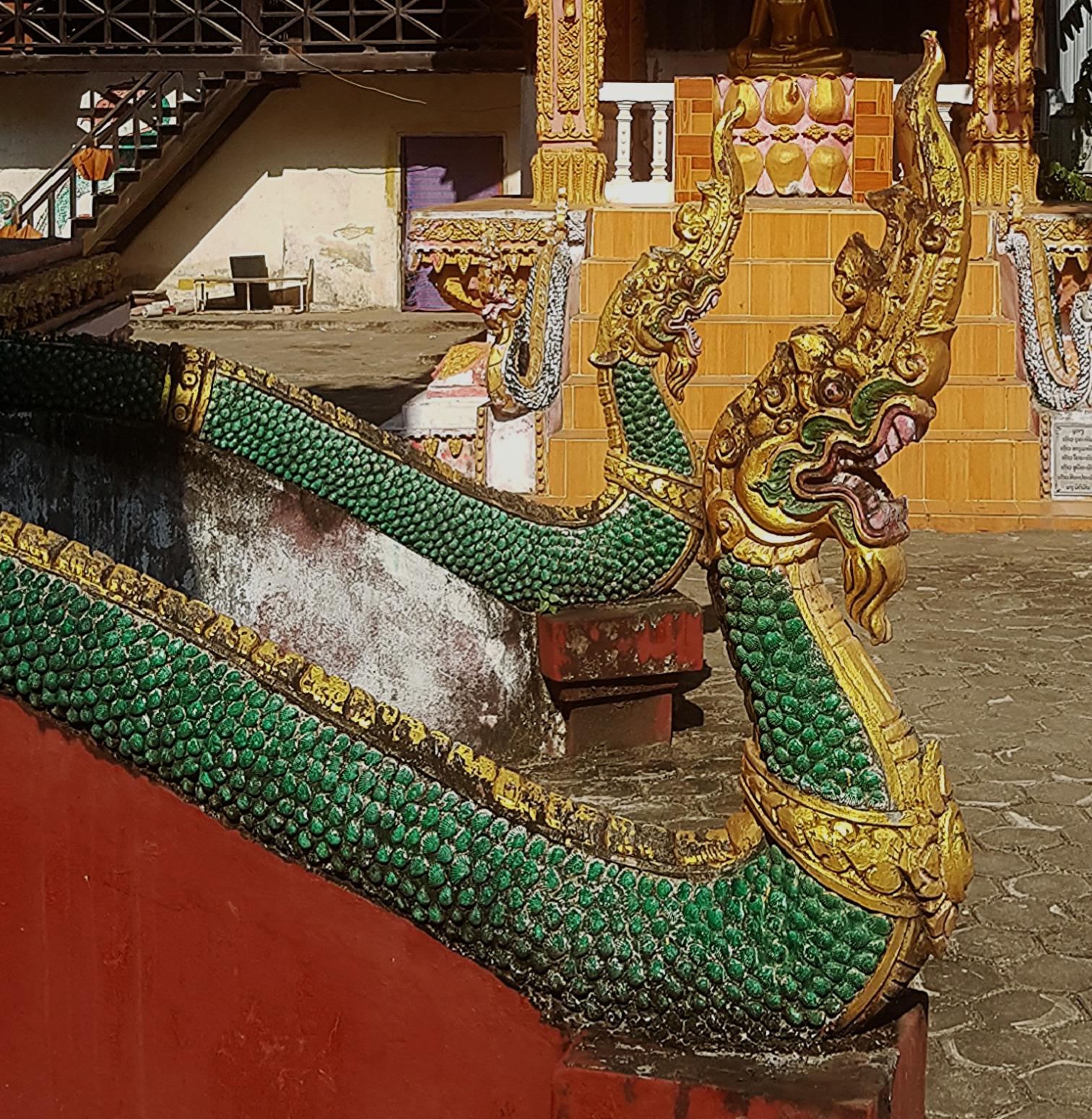
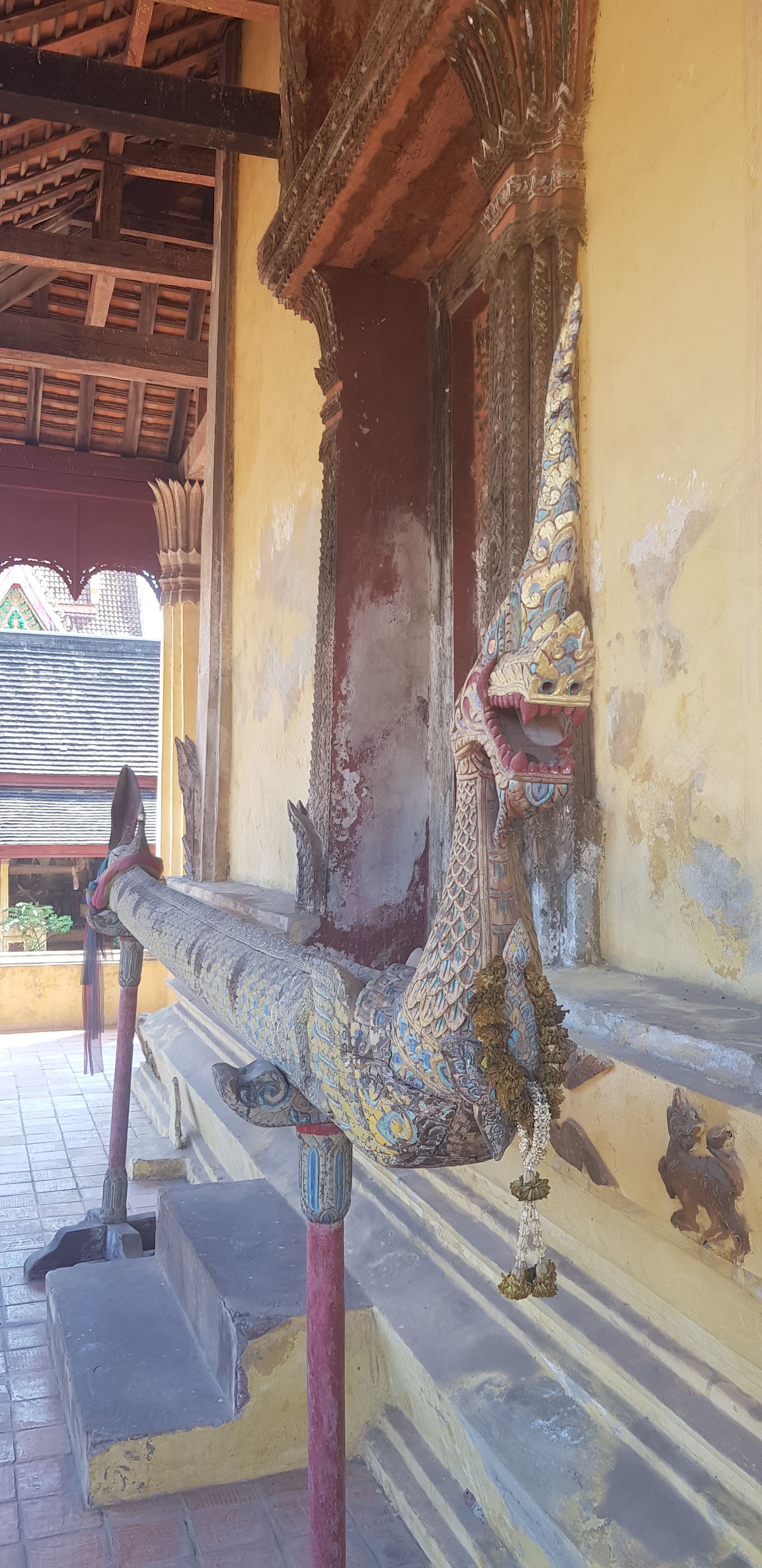
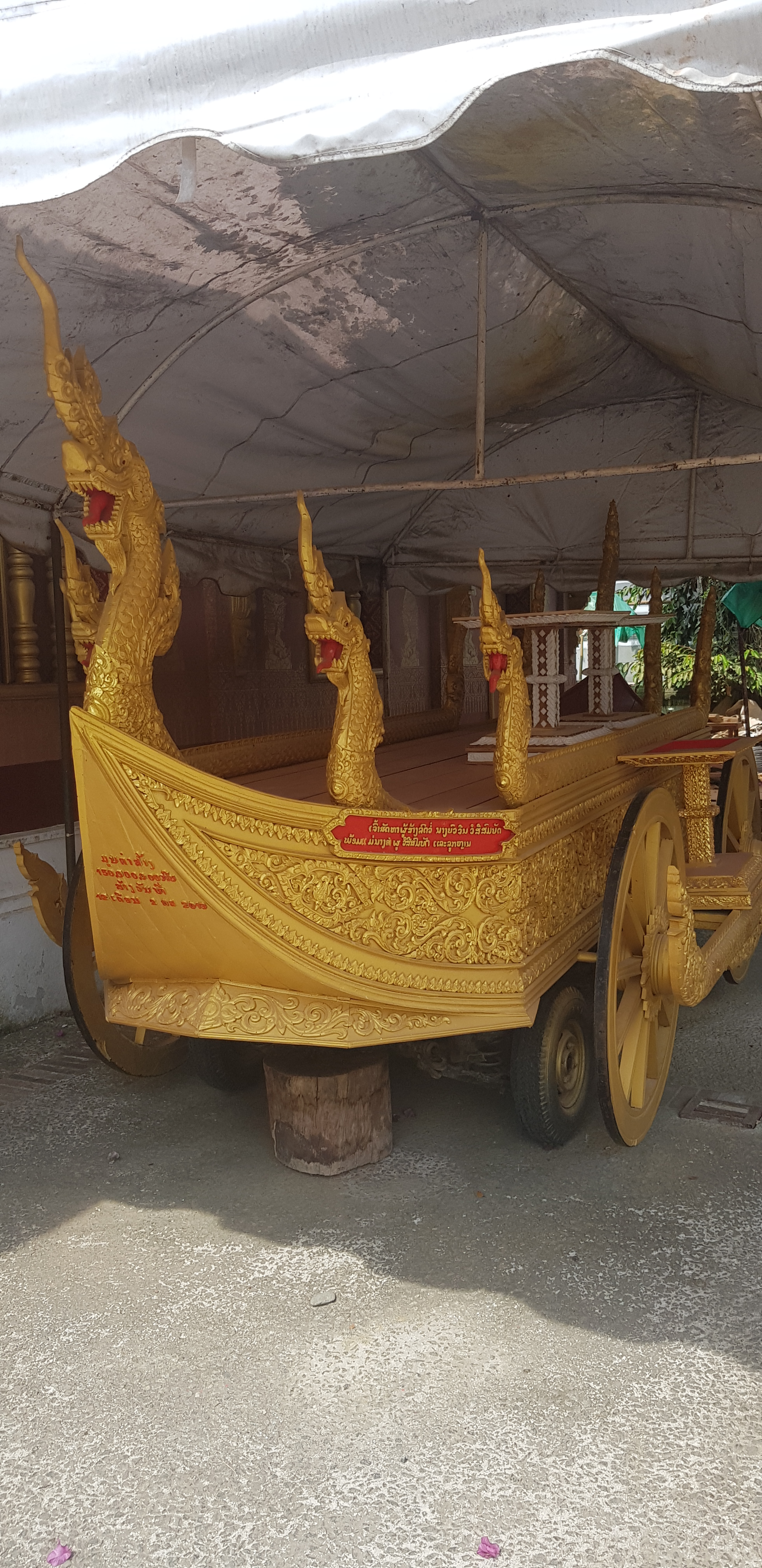
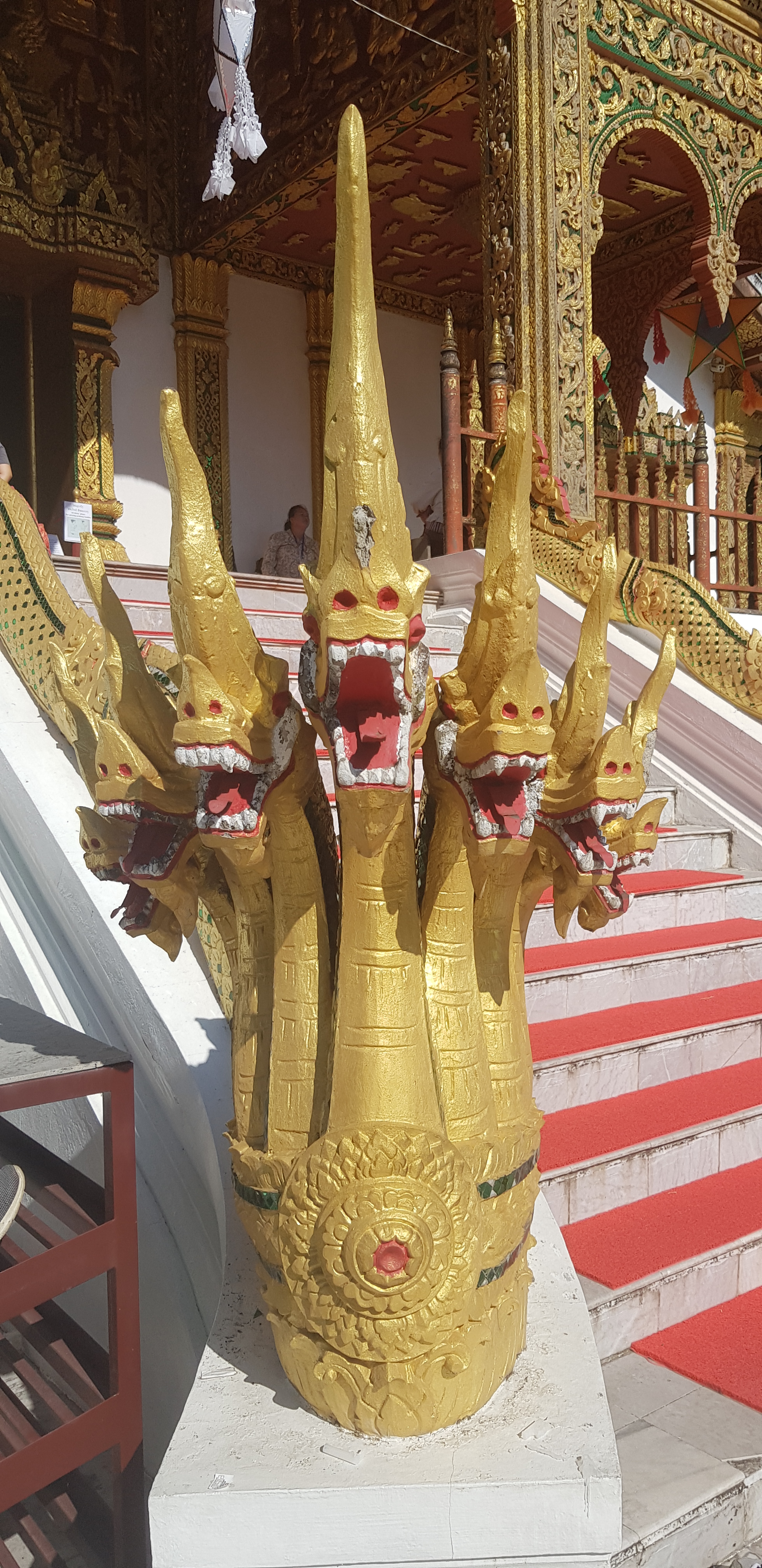
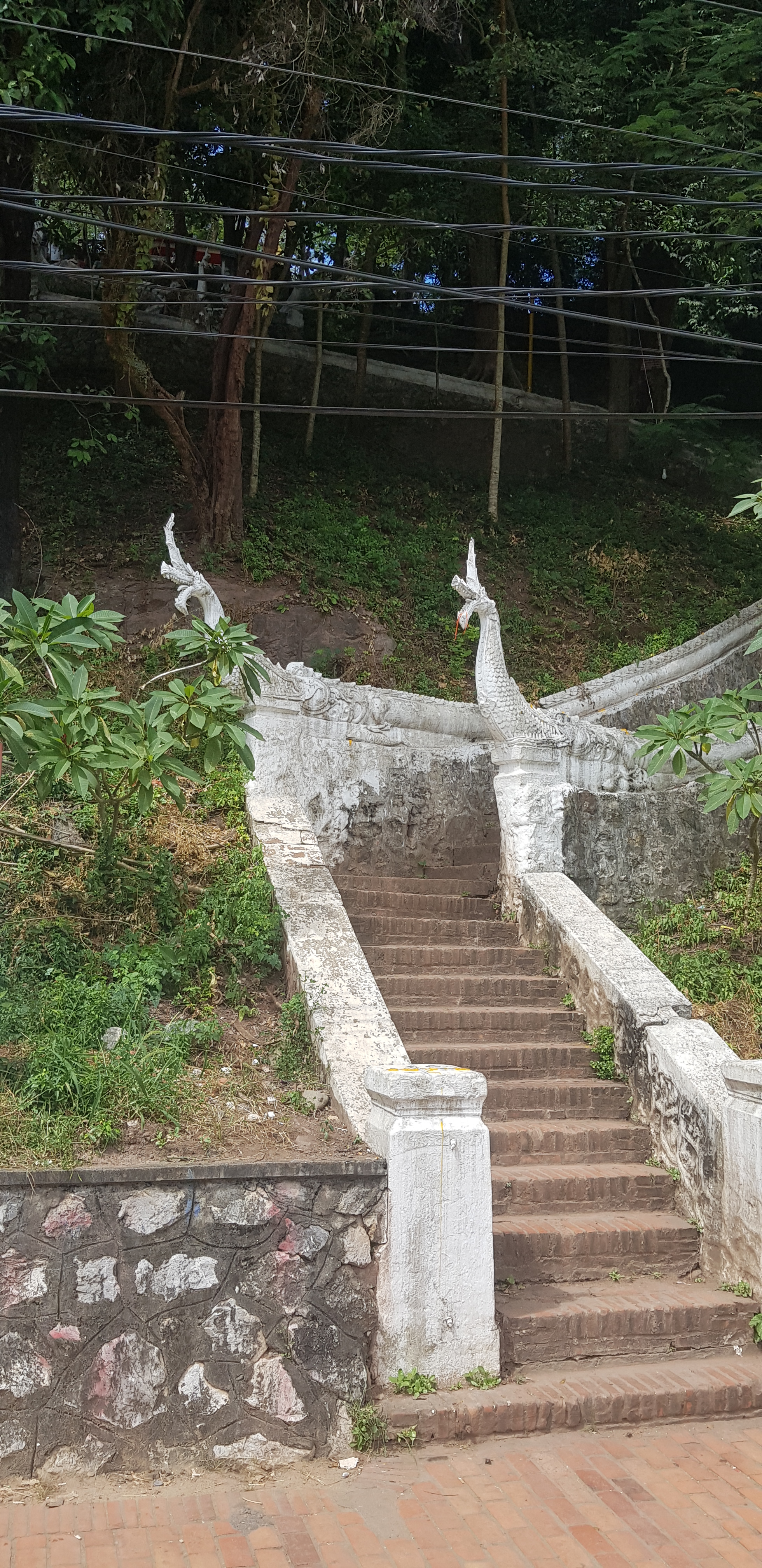
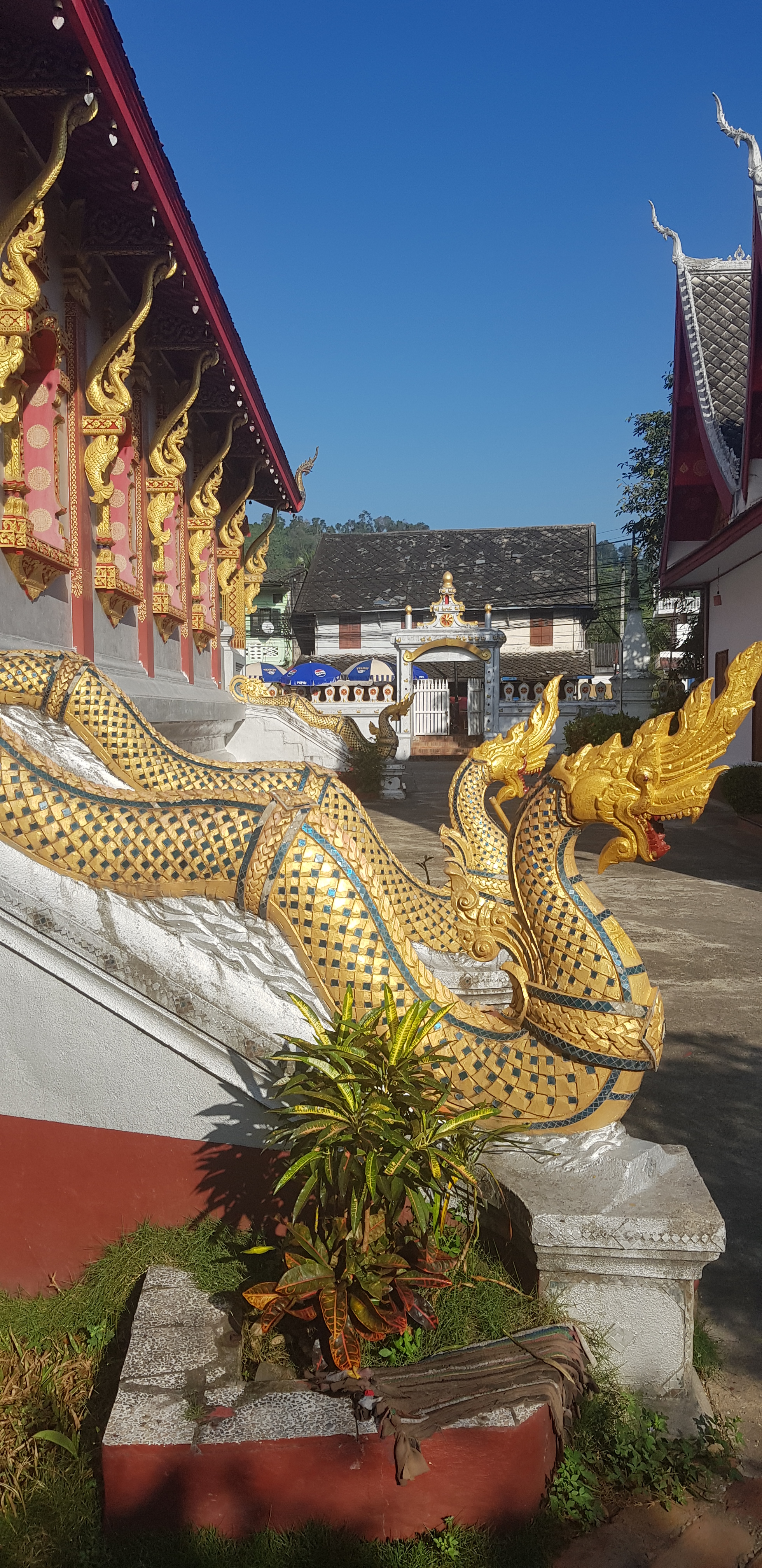
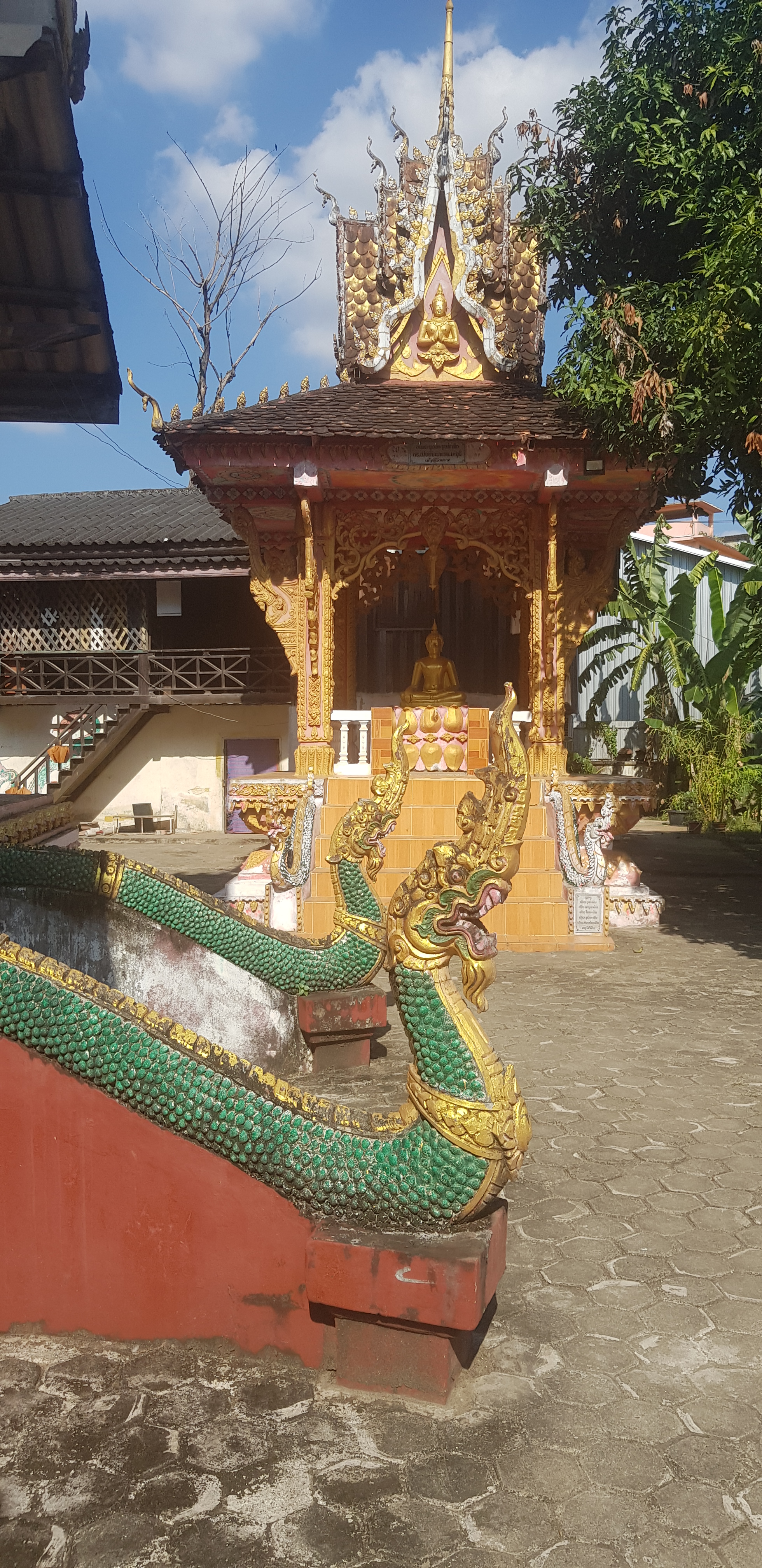
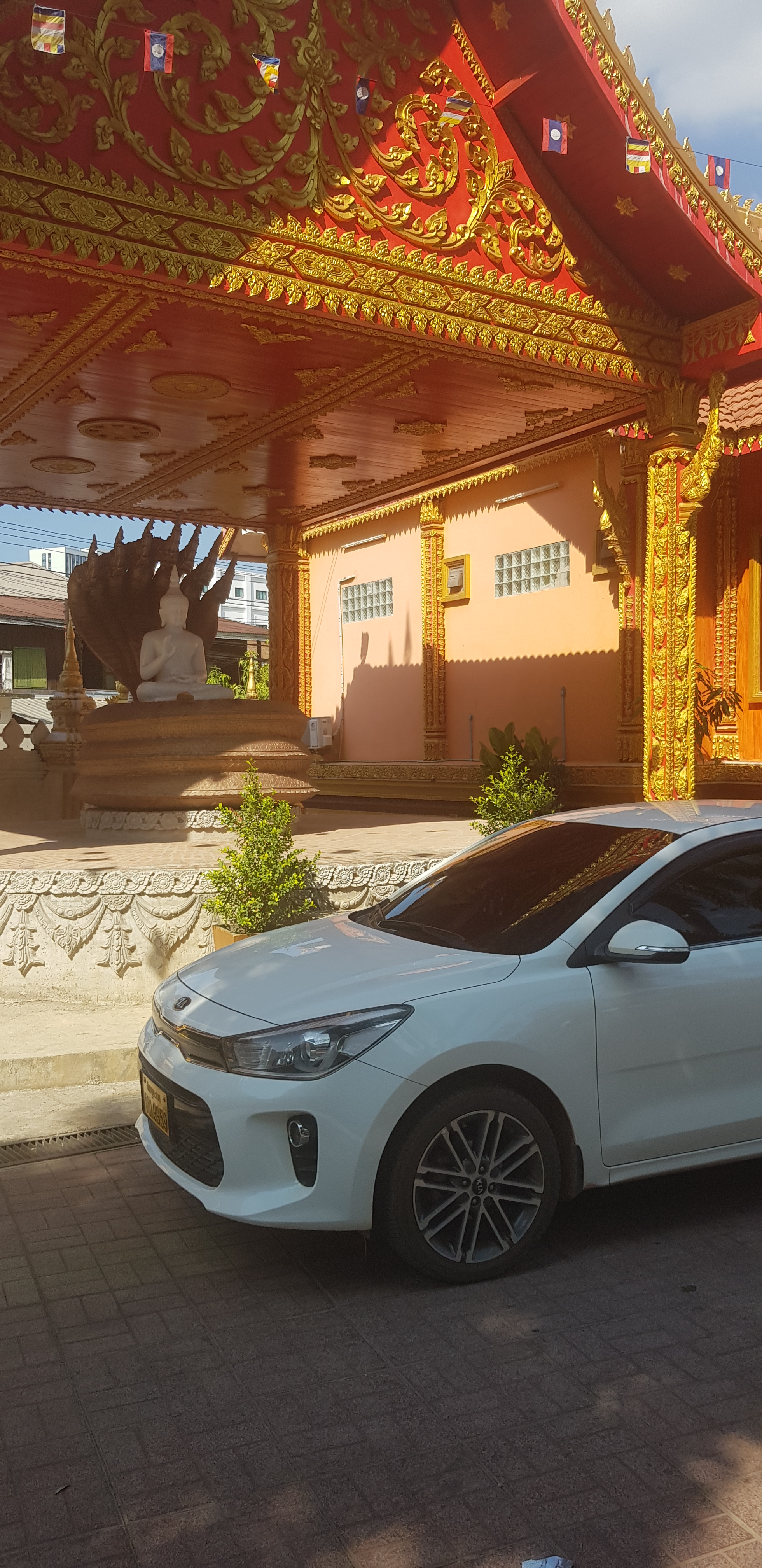
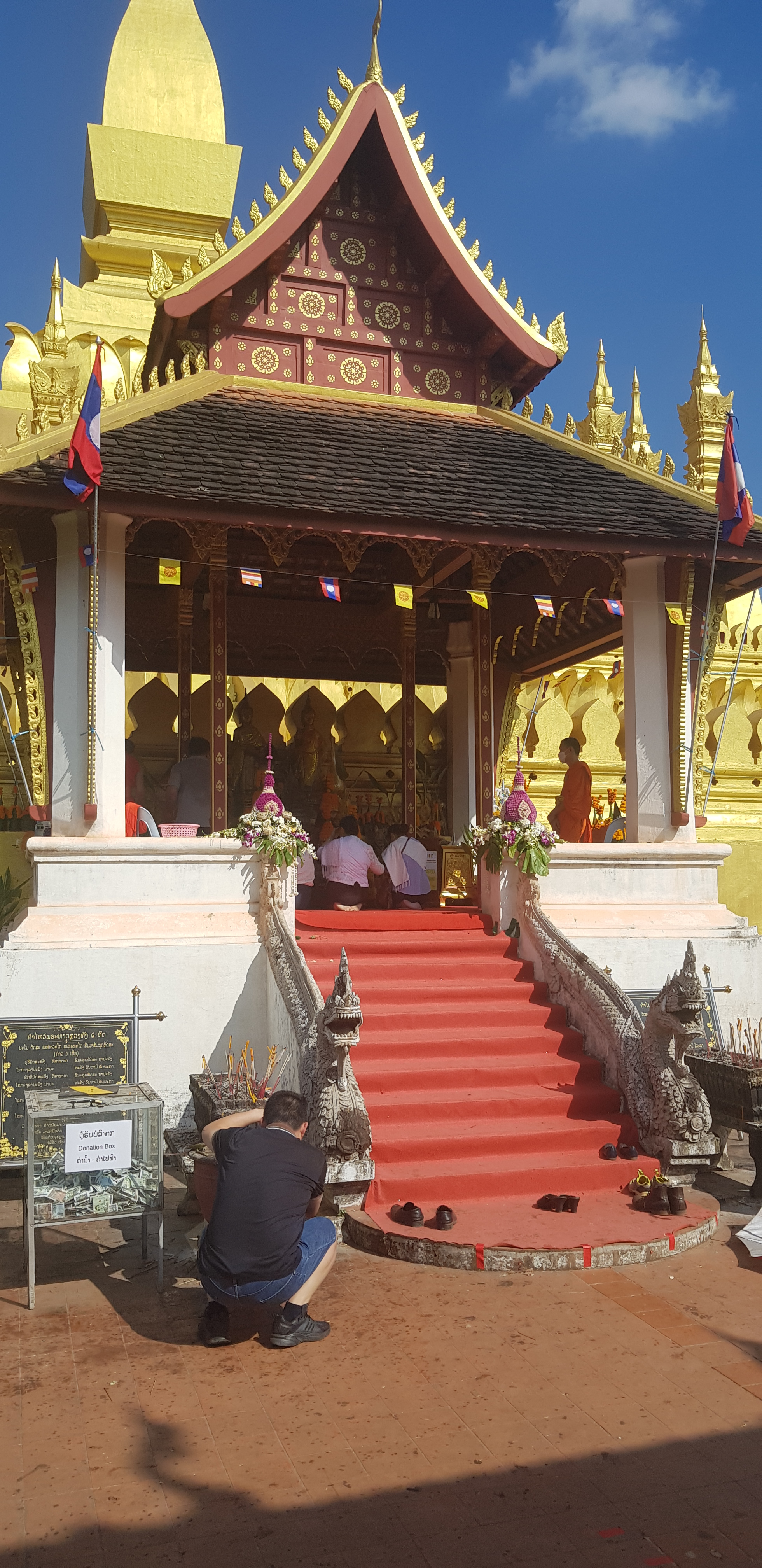
Last year it was the Tiki, this year I fell in love with the Nagas, these mythical, elegant looking snake-like creatures with their fearsome pointed teeth that live in rivers and ponds and offer protection to temples and humans.

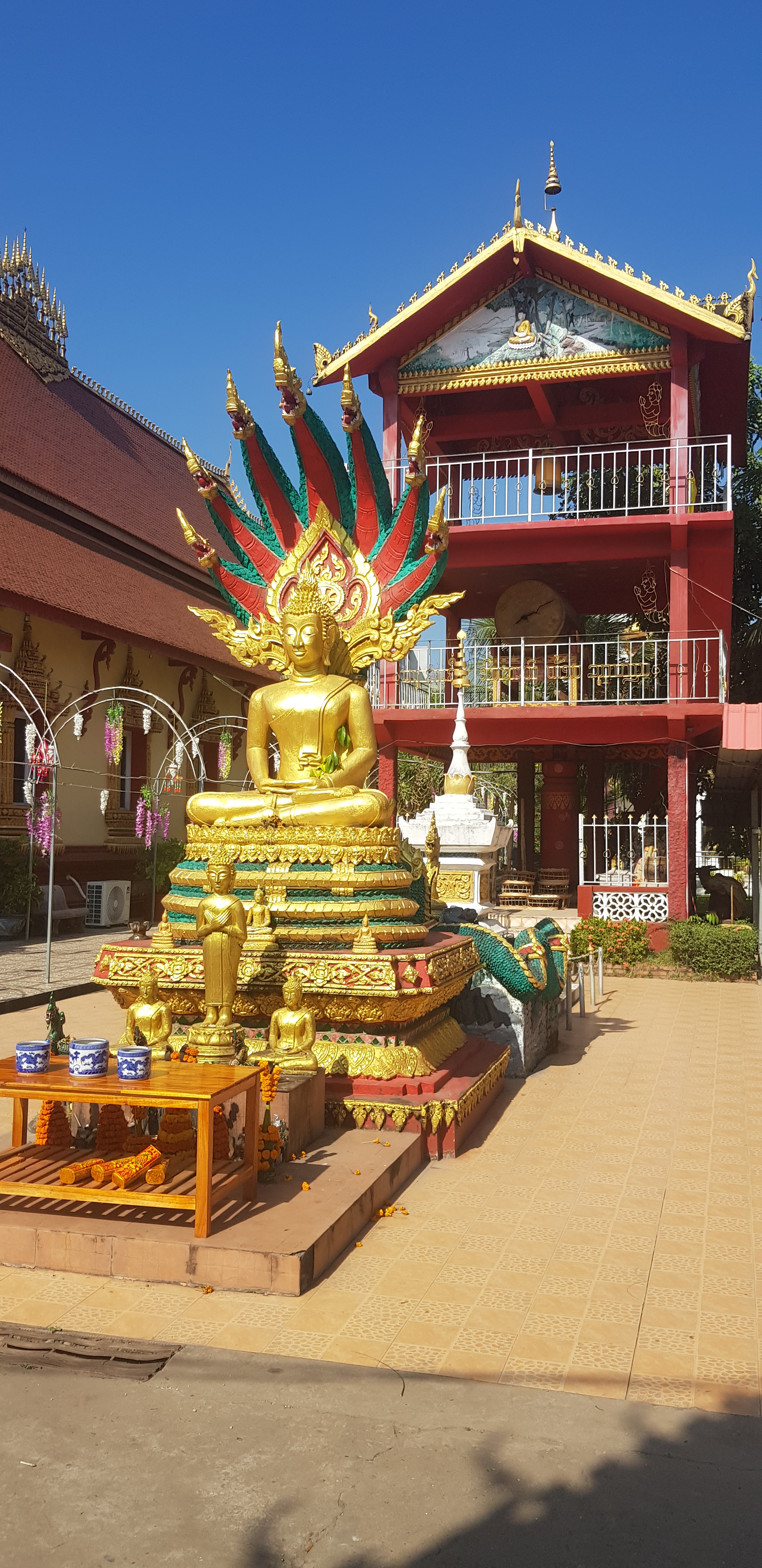
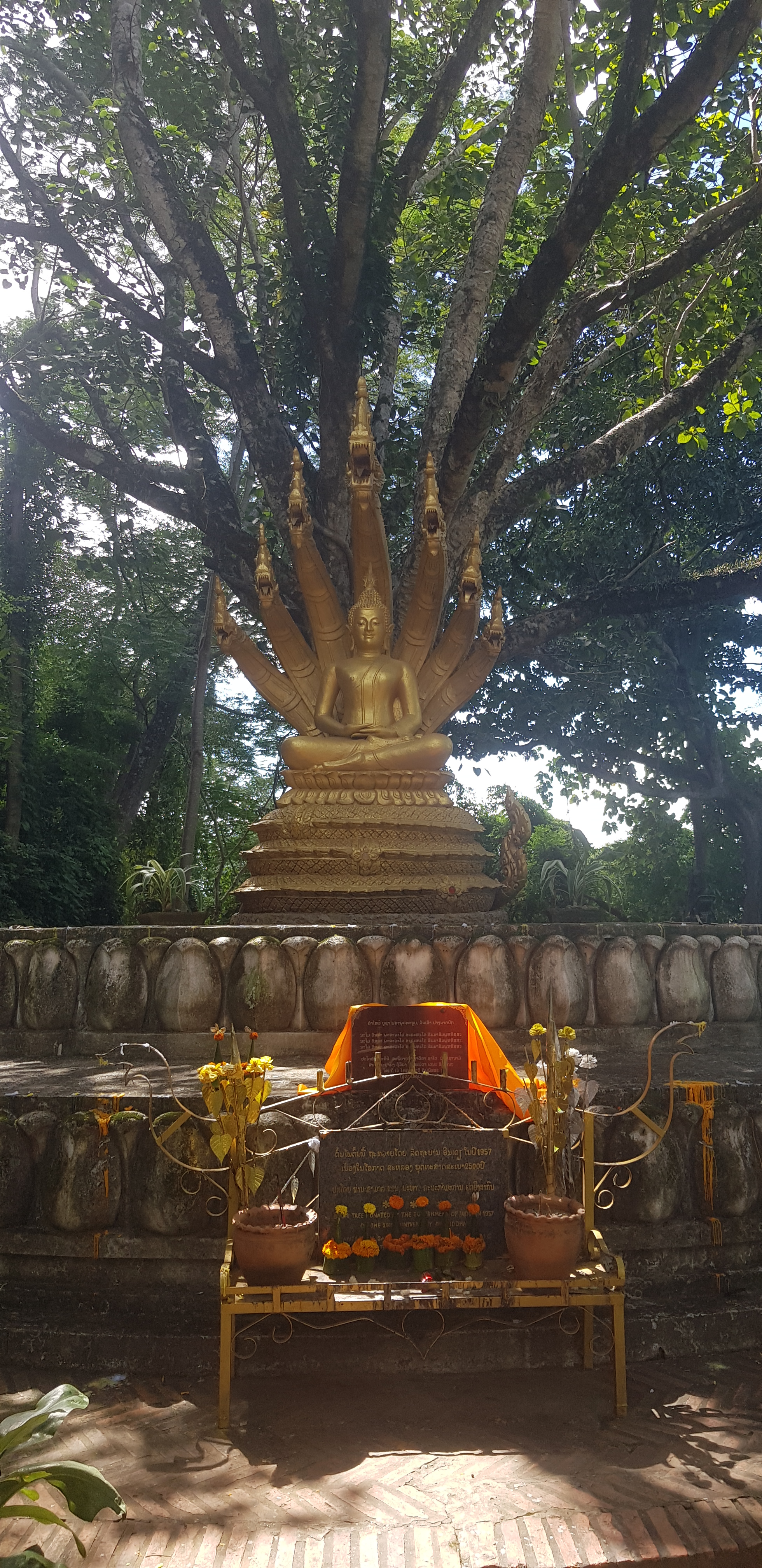
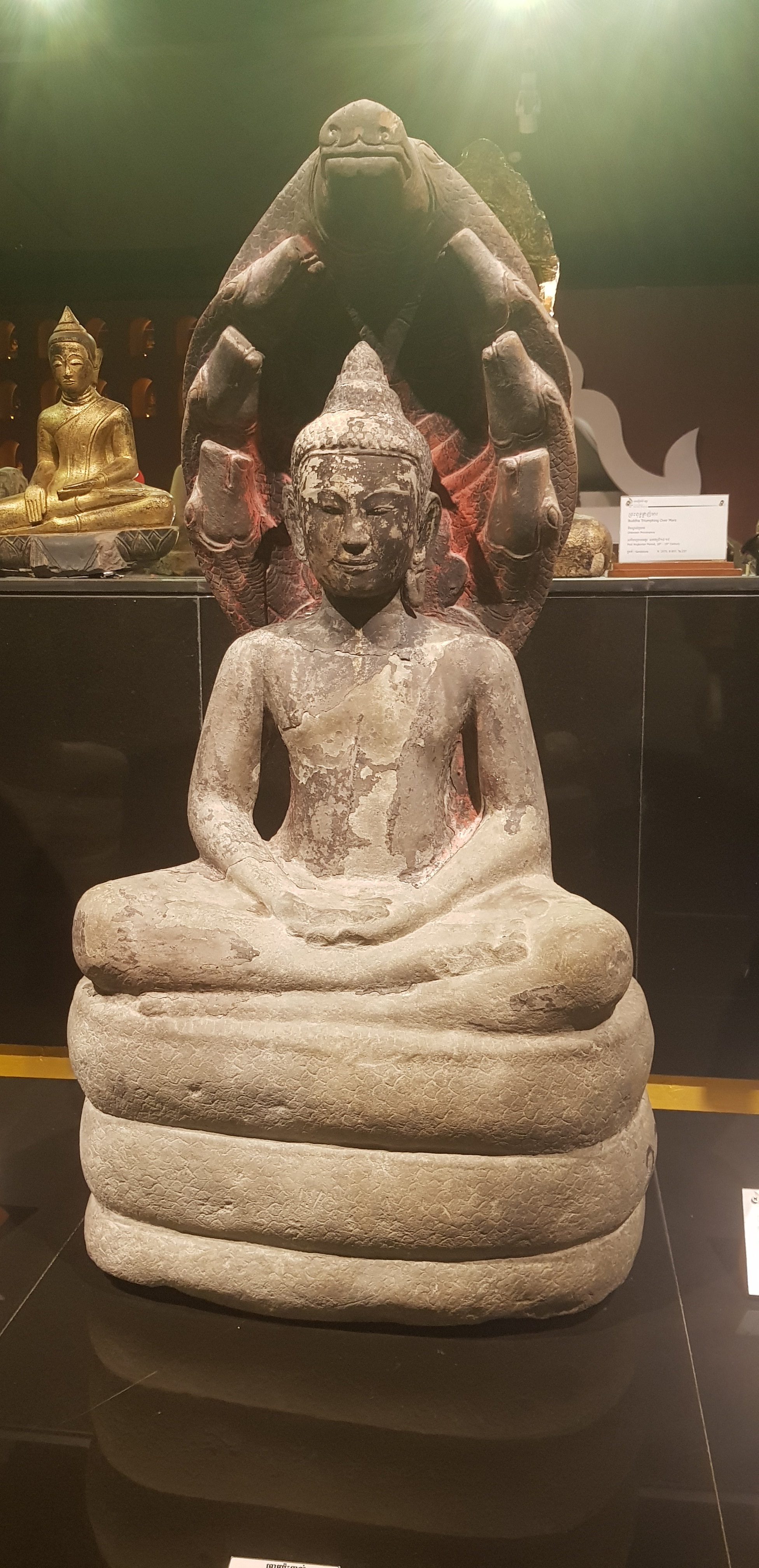
They are benevolent and do good, not like the sneaky, treacherous, apple-stealing reptile we know from Genesis. The nagas deserve worship. Take, for example, the Buddha: He sits absorbed in meditation, it starts to rain, in no time he would sit in a mudpuddle, if it weren’t for the naga that curls up underneath him and unfolds his 7 heads like an umbrella over the Buddha’s head.

A traditional storyteller in Luang Prabang might tell you the legend of a poor weaver girl becoming a princess by getting married to a Naga Prince.

In order to present his chosen sweetheart to his parents in the underwater kingdom, the Naga prince disguised himself as a chicken, stole the weaver girl’s shuttle so that she had to follow him through the water, probably the Mekong River, to his underwater home. There he turned back into a naga, proposed to the girl and his parents gave her a lotus flower as a gift for her parents. Overnight, the lotus flower turned into a diamond and the girl’s parents agreed to the marriage. From then on, the happy couple spent half a year on land and half a year in the water.

Isn’t this a much more pleasant and a much less mysogenist story than our European myths about dirtyoldman Zeus, who kept turning himself into any kind of unsuspicious animal (a swan, a cuckoo, a bull … a husband) whenever he intended to ravish (not marry!) a pretty, young lady.

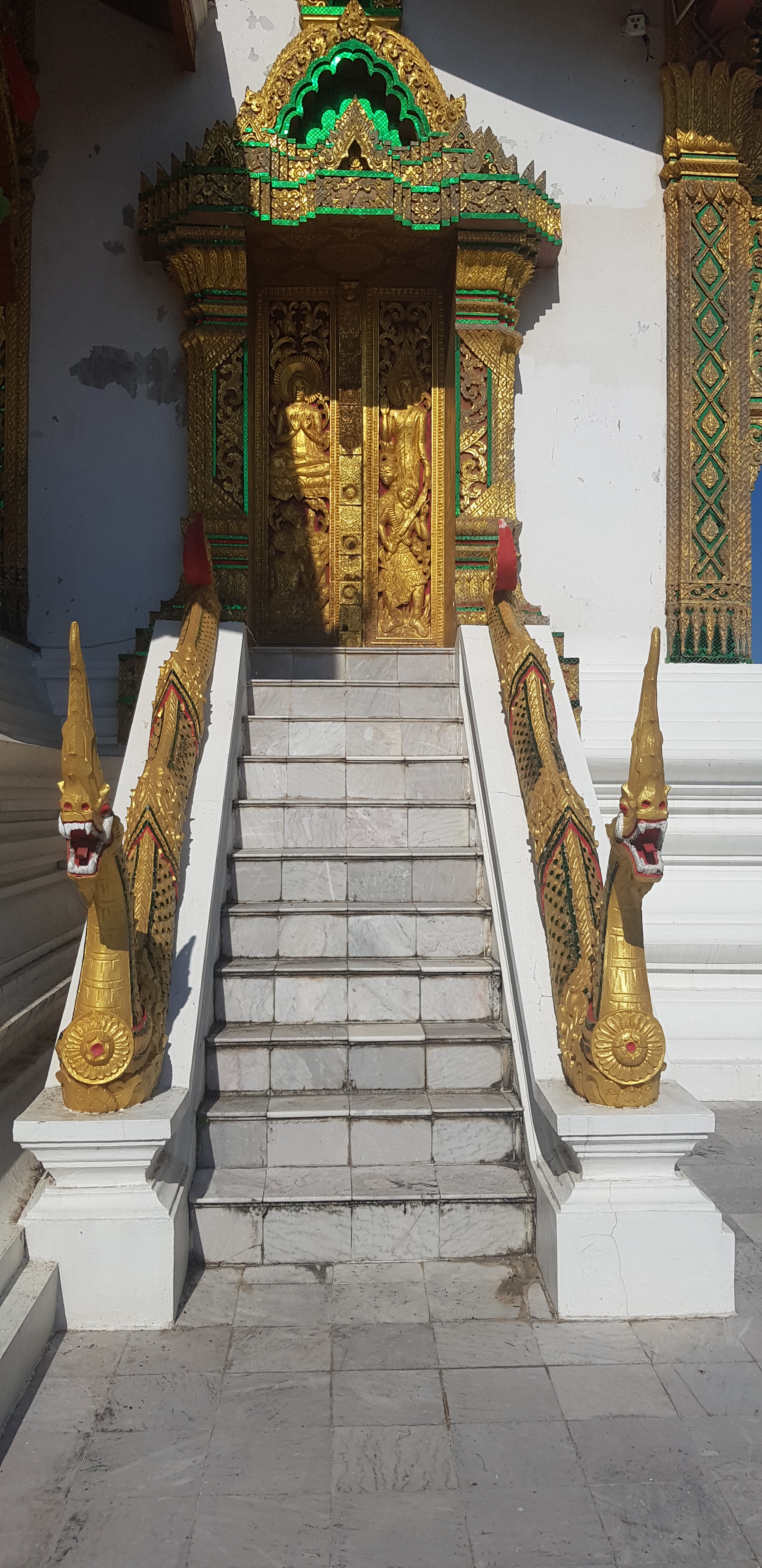
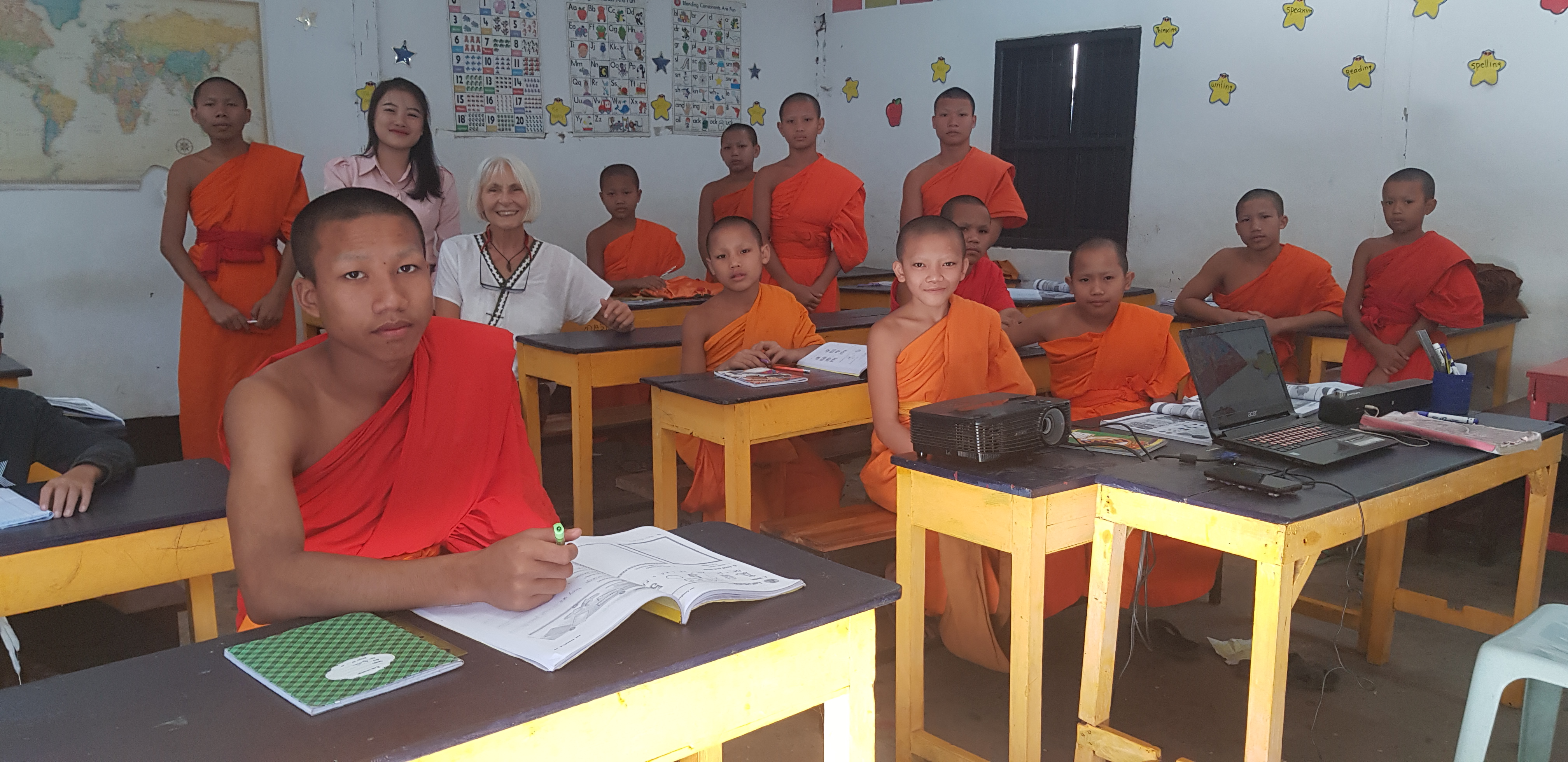
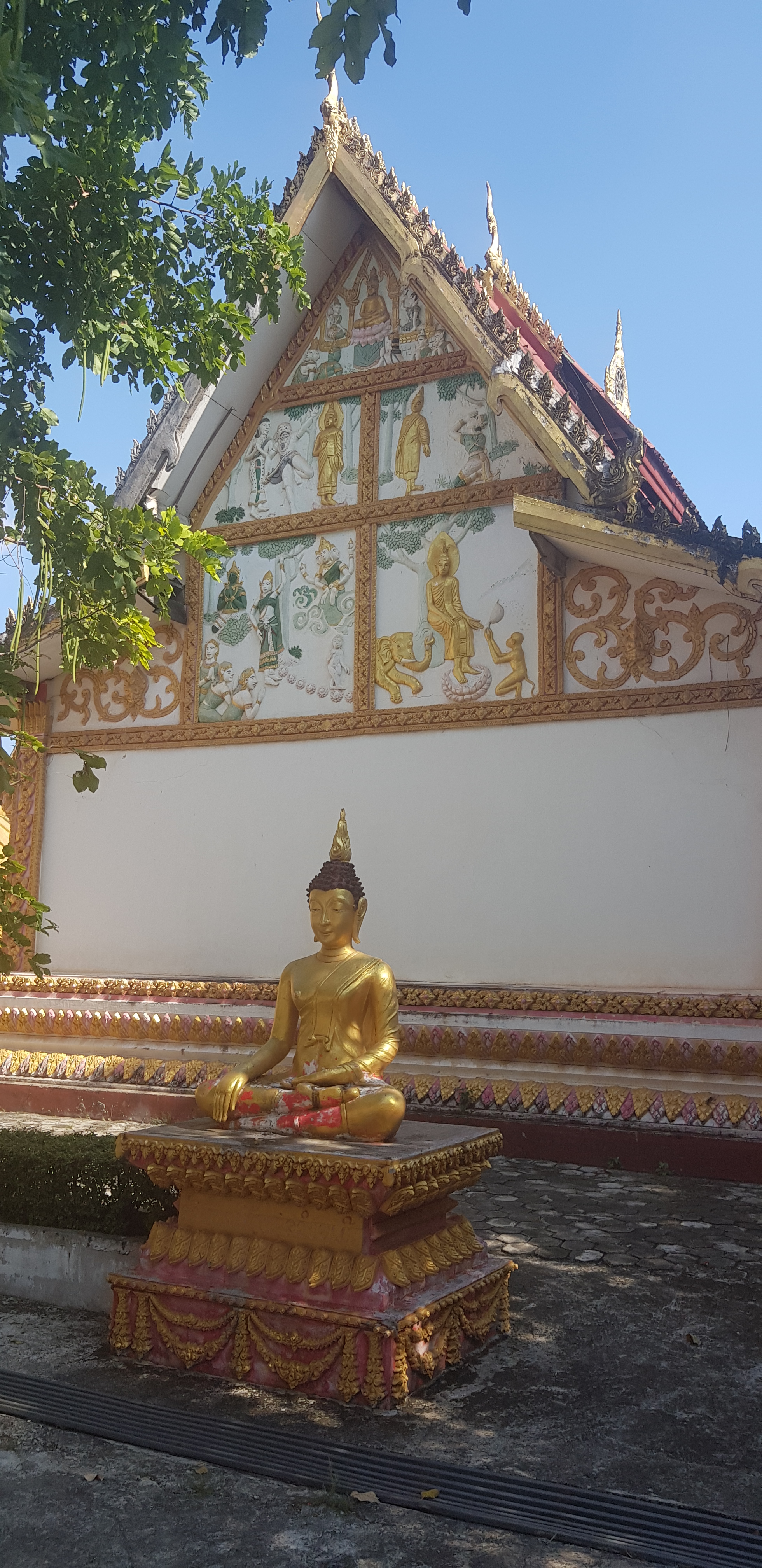
Nagas deserve to be worshipped because they are guardians of temples, of wats, their bodies run along the staircase leading to the entrance of a holy place. Wats are temple complexes, they are a bit like living quarters where Buddhist monks find all the necessary elements for their daily life made up of meditation, study, worship. There are prayer halls, ceremonial halls, stupas containing relics, a drum tower, a pond with lotus flowers, a library, dormitories and classrooms for lessons. Especially in rural areas wats offer boys whose families can’t afford school fees the possibility to get an education.

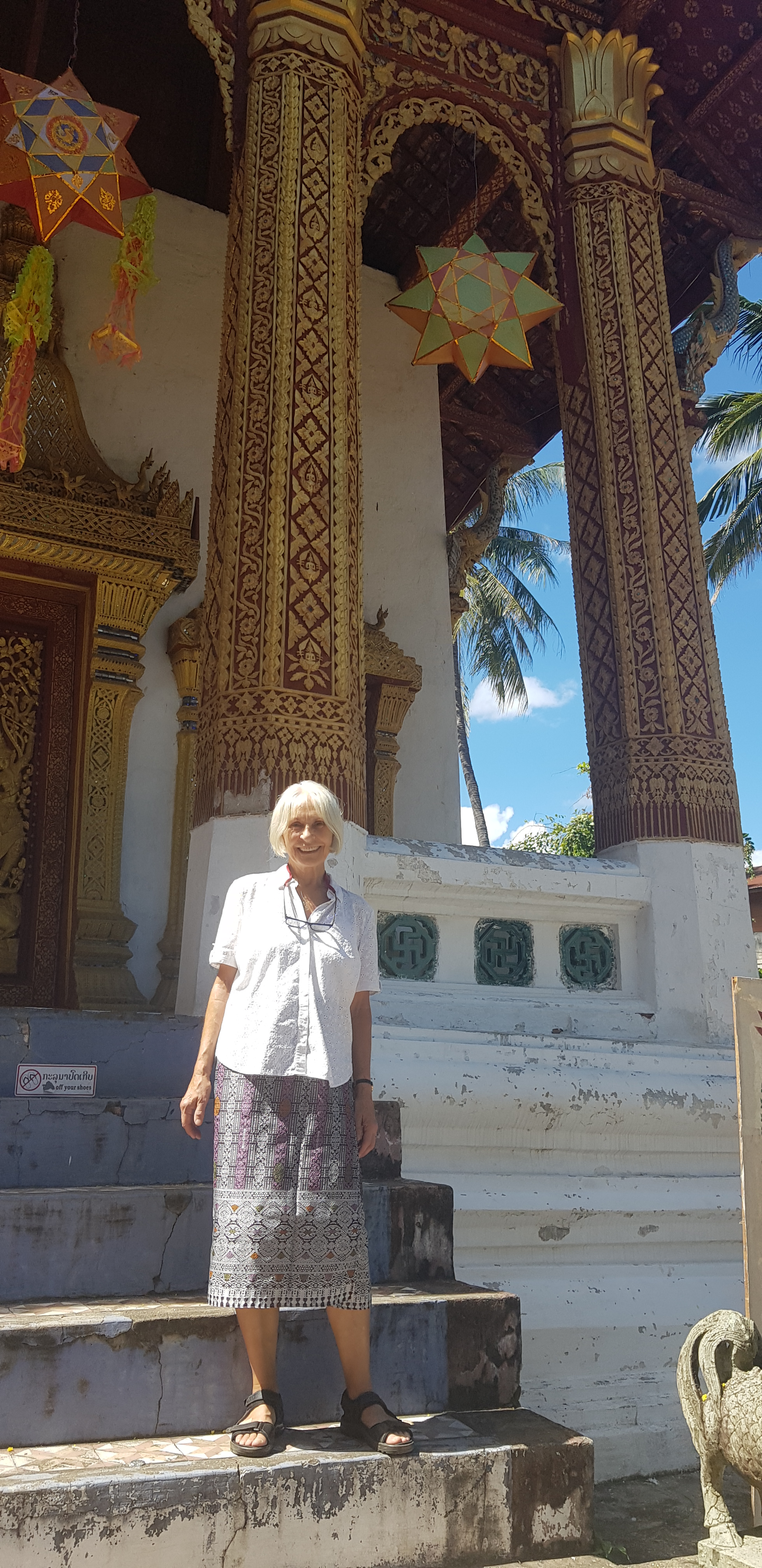
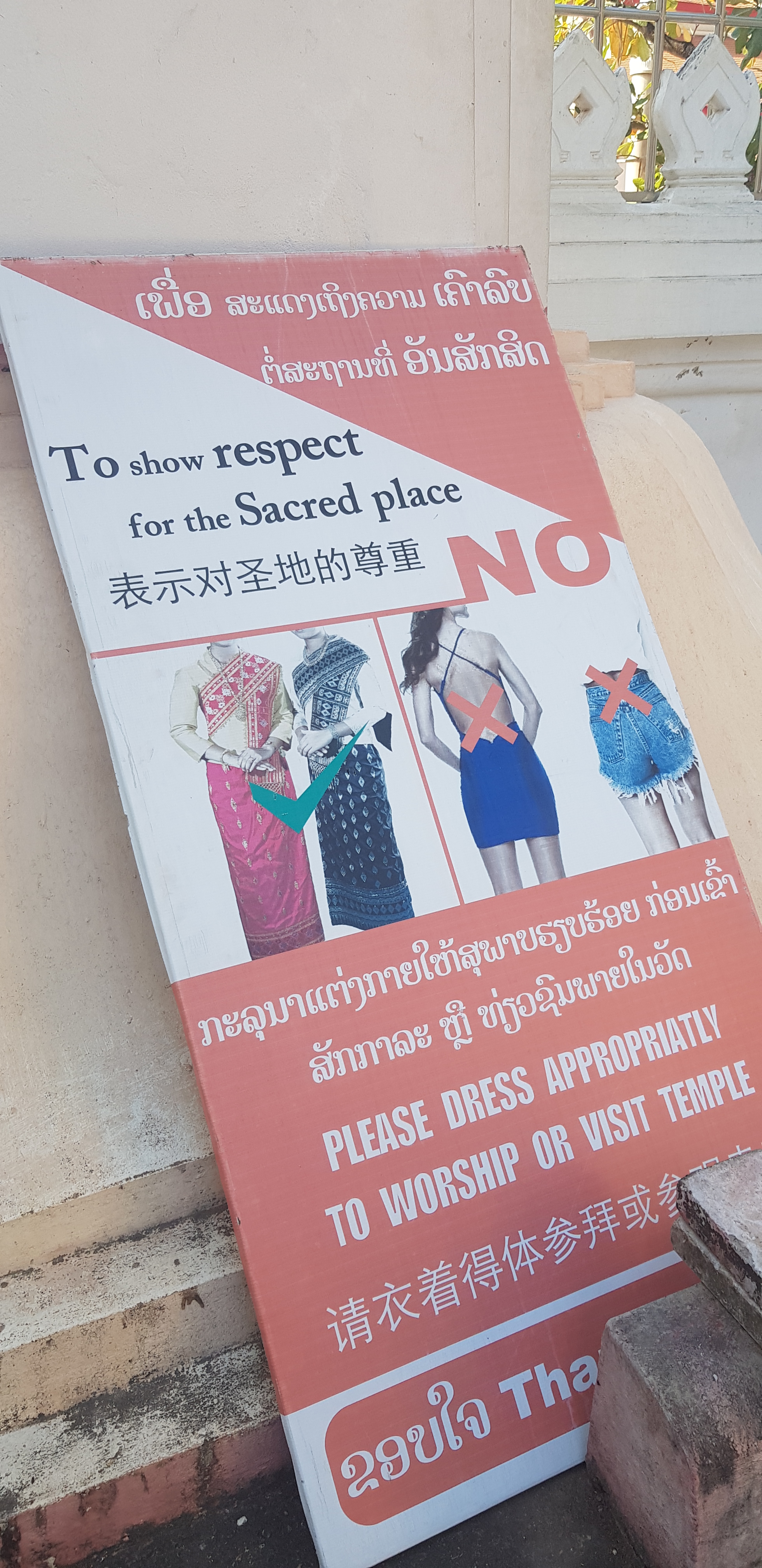
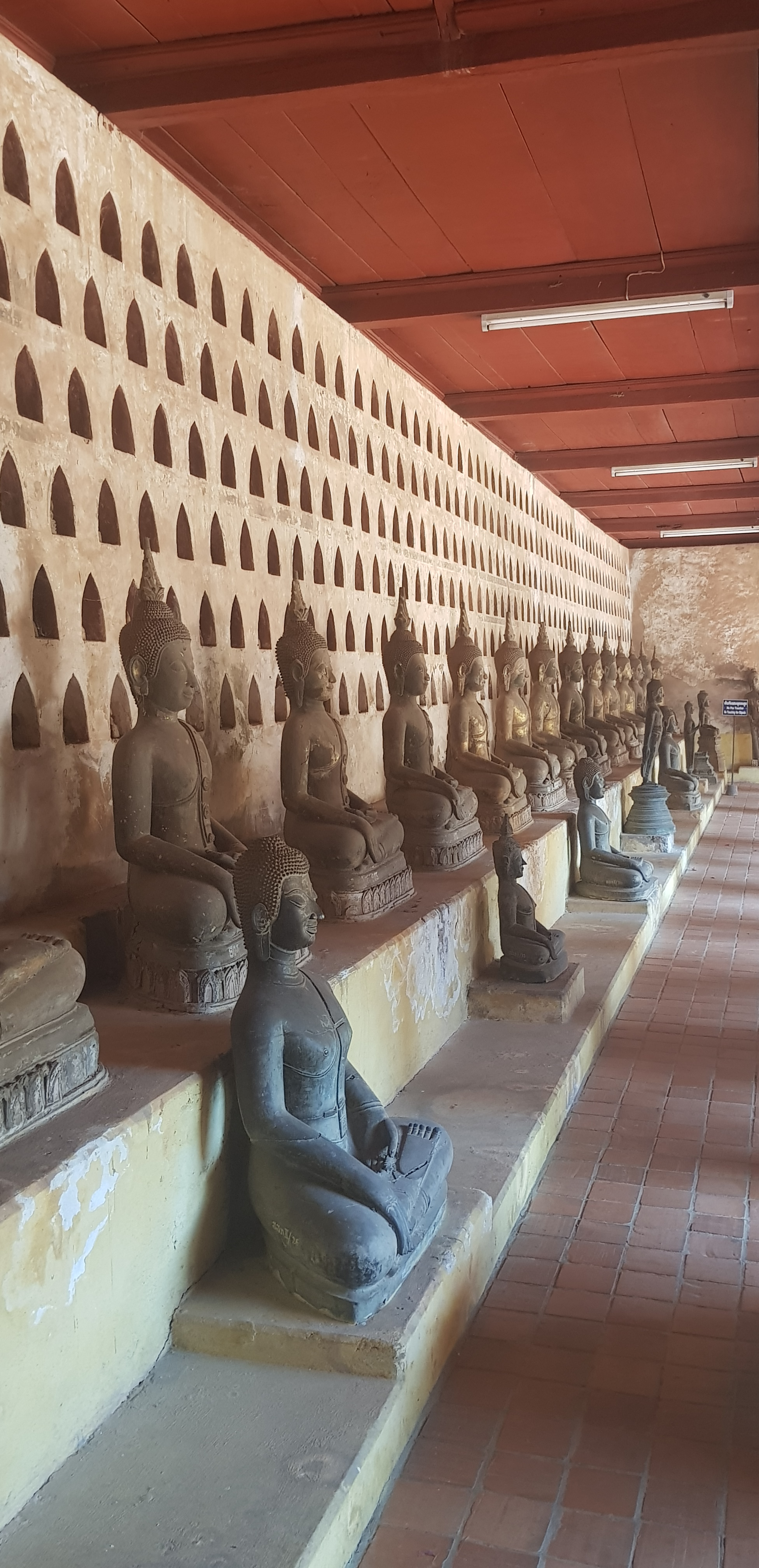
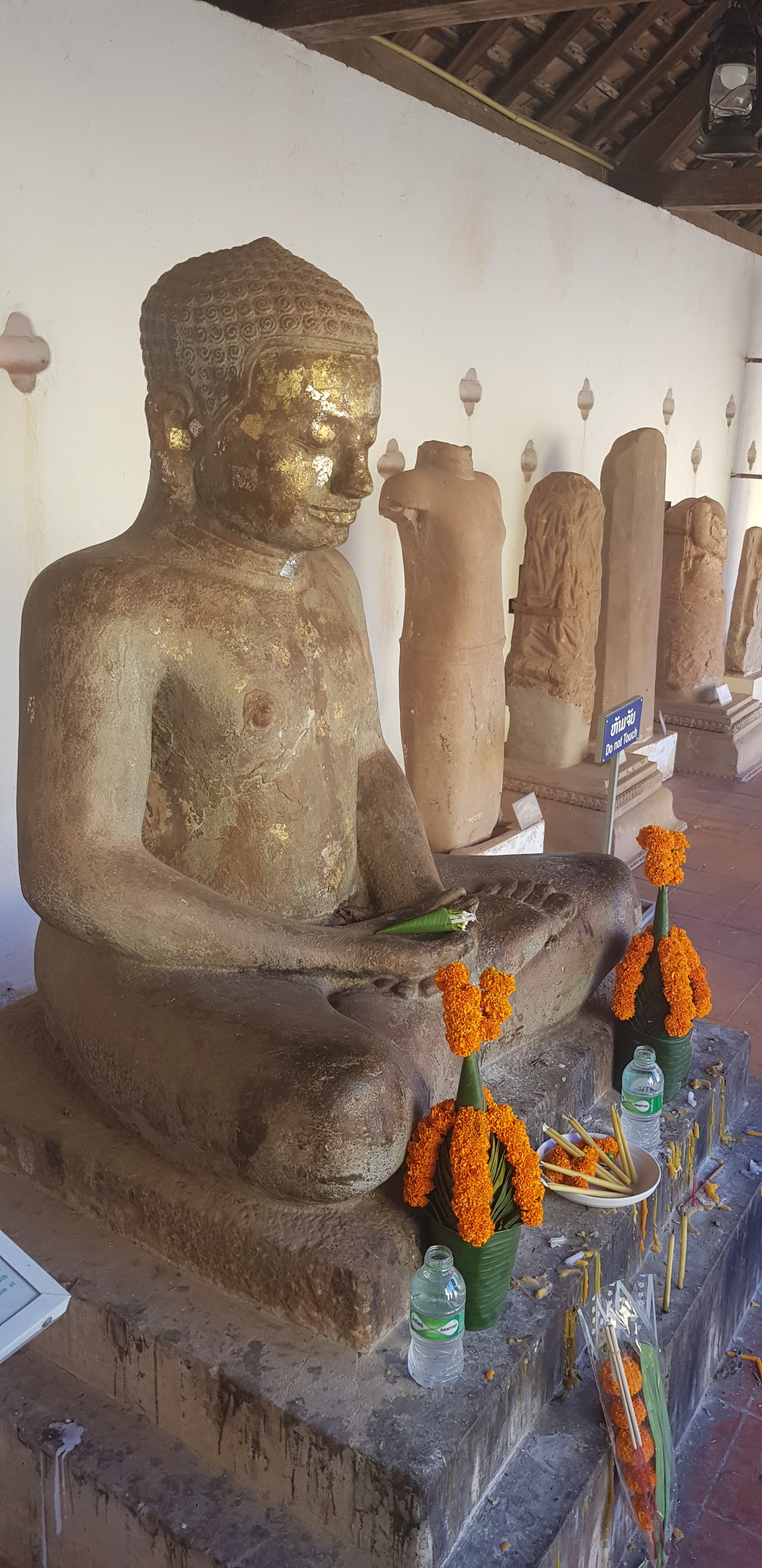
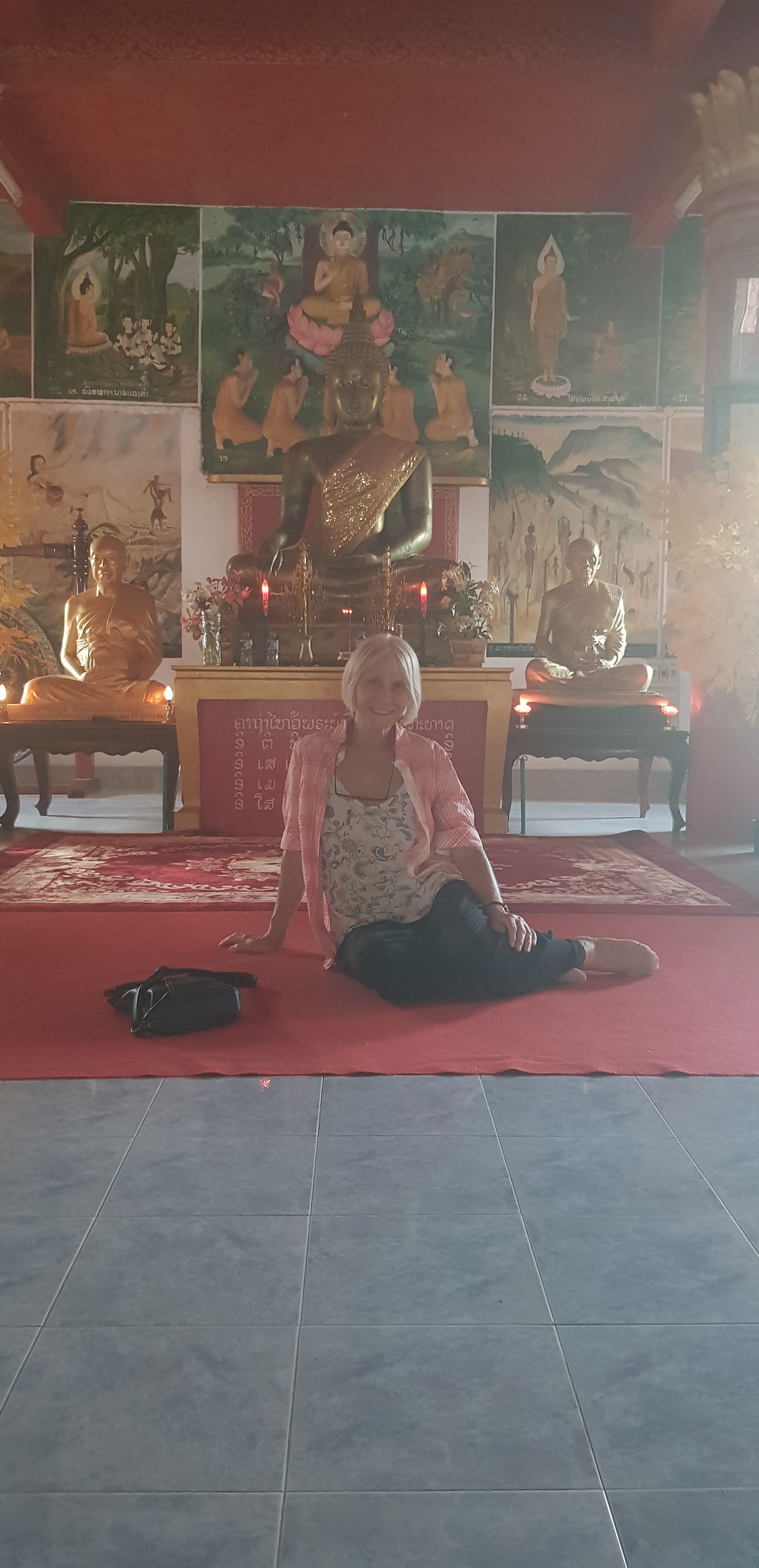
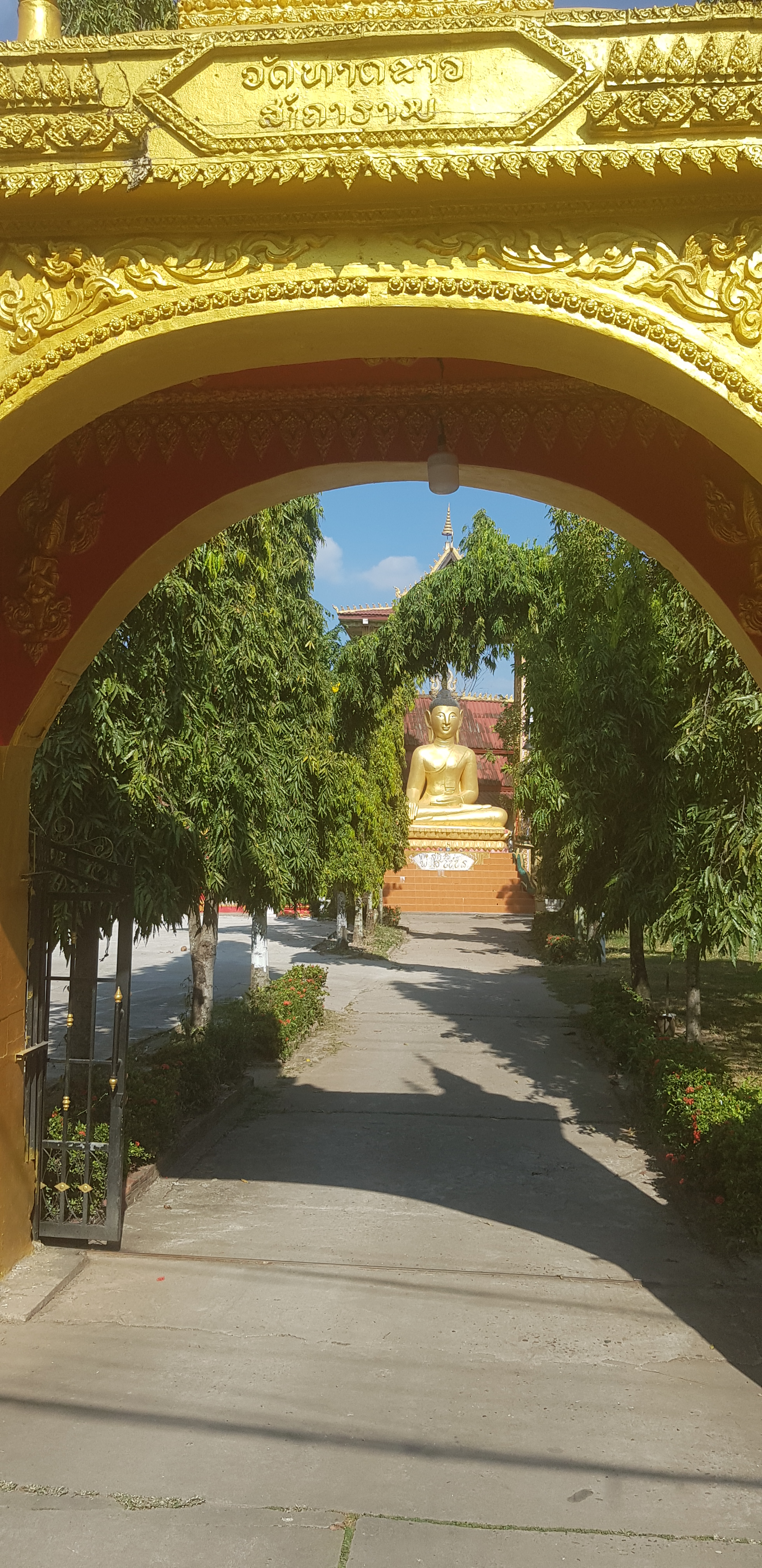
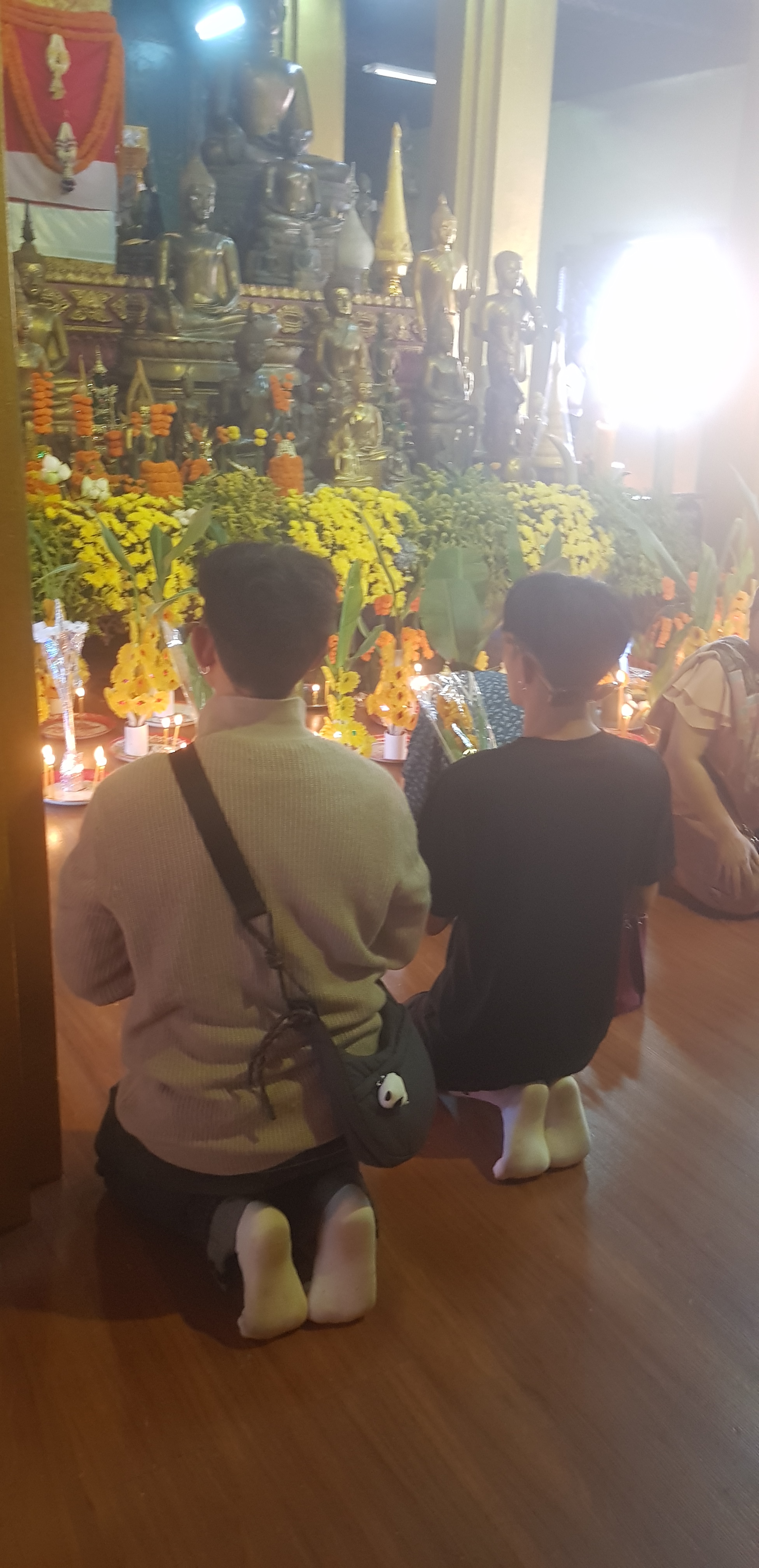
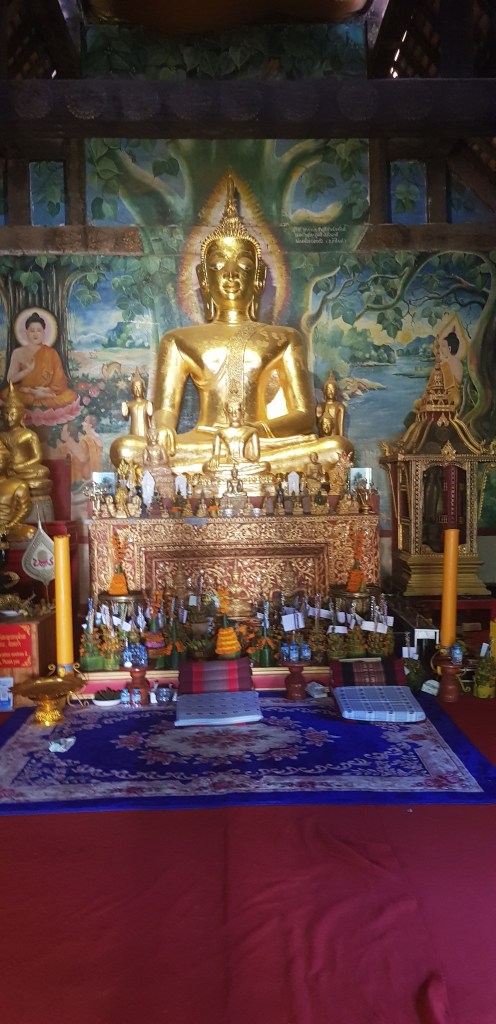
Wats have become my favourite places. You can do lots of things there: you can meditate sitting in front of a Buddha image or walking slowly along the cloister flanked by Buddha figures surrounding the temple area, you can kneel and pray, or make a donation, you can set a little bird free or you go on a foto spree that later on makes it difficult not to bore people to death with your > 2000 pictures. Dress as if you were going to the Vatican (not like going to the beach or the gym).

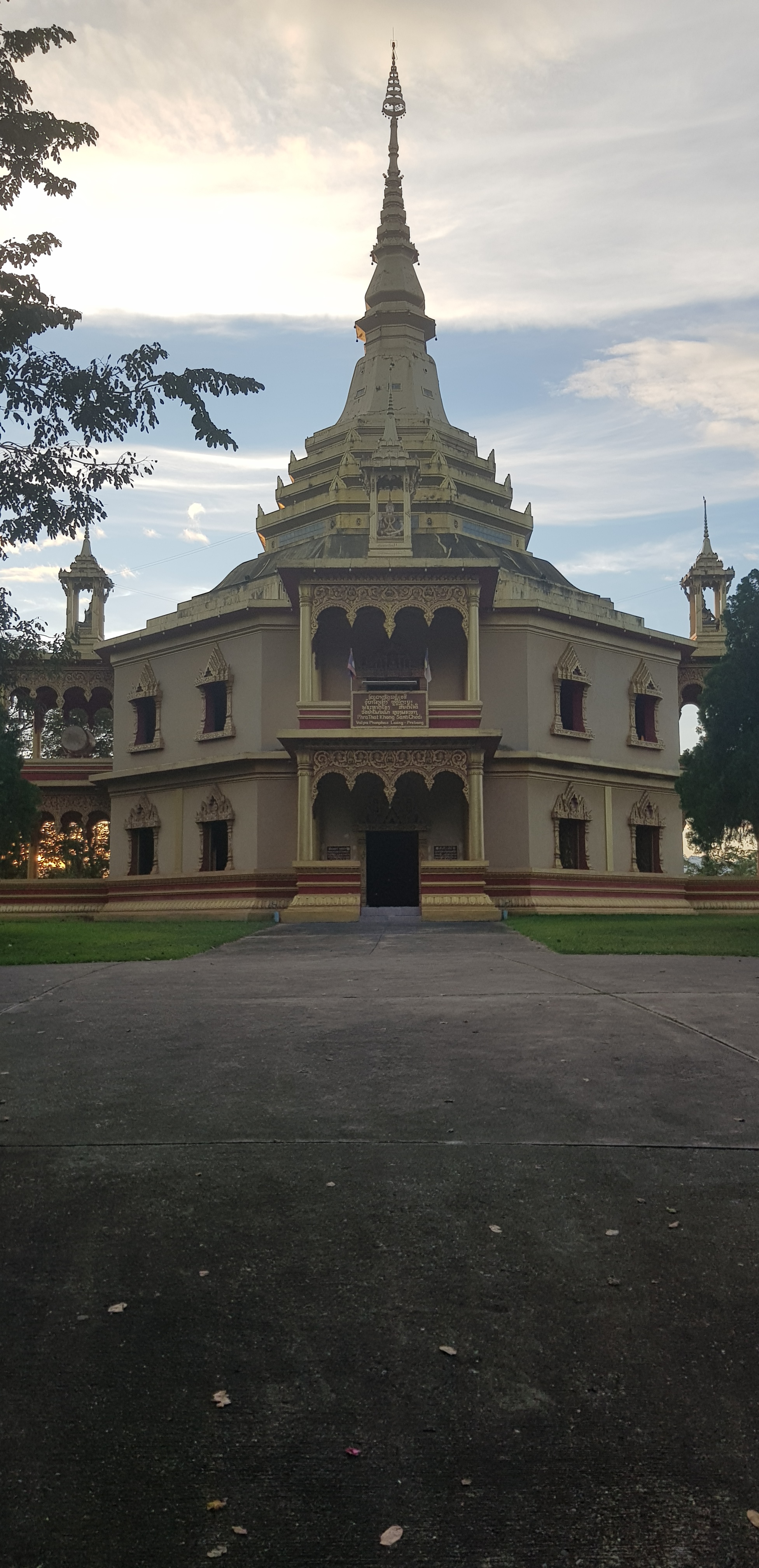
One of my favourite wats was Wat Pa Phon Phao, on a hill in the forest, not far from where I lived.

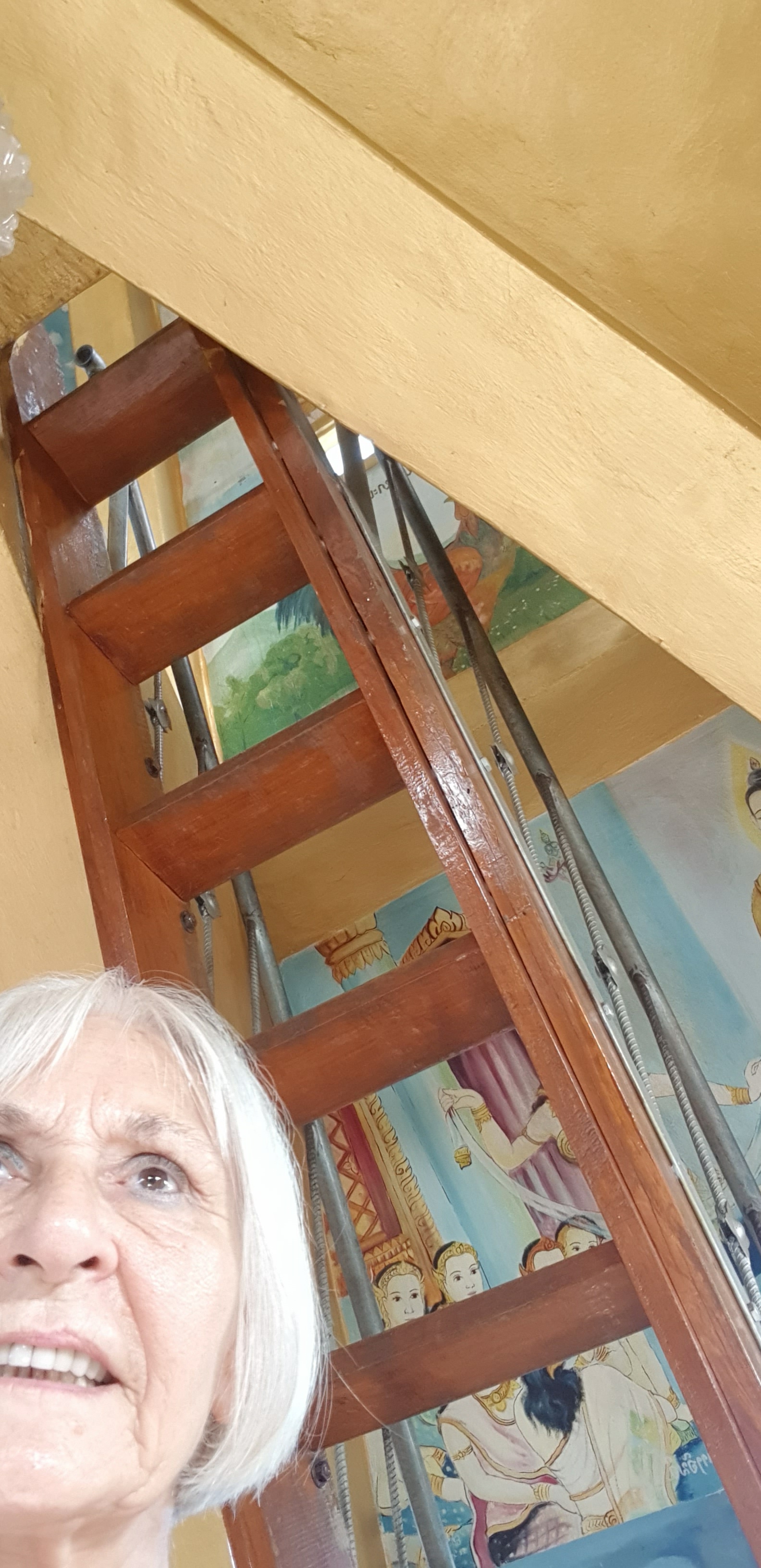
The most silent place, no other visitors, a five-storey temple that waited to be explored. One day I went all the way up to the top over the last 90 degrees steep staircase (more like a ladder) not considering that I would have to climb down again.

Some wats are true oases of silence

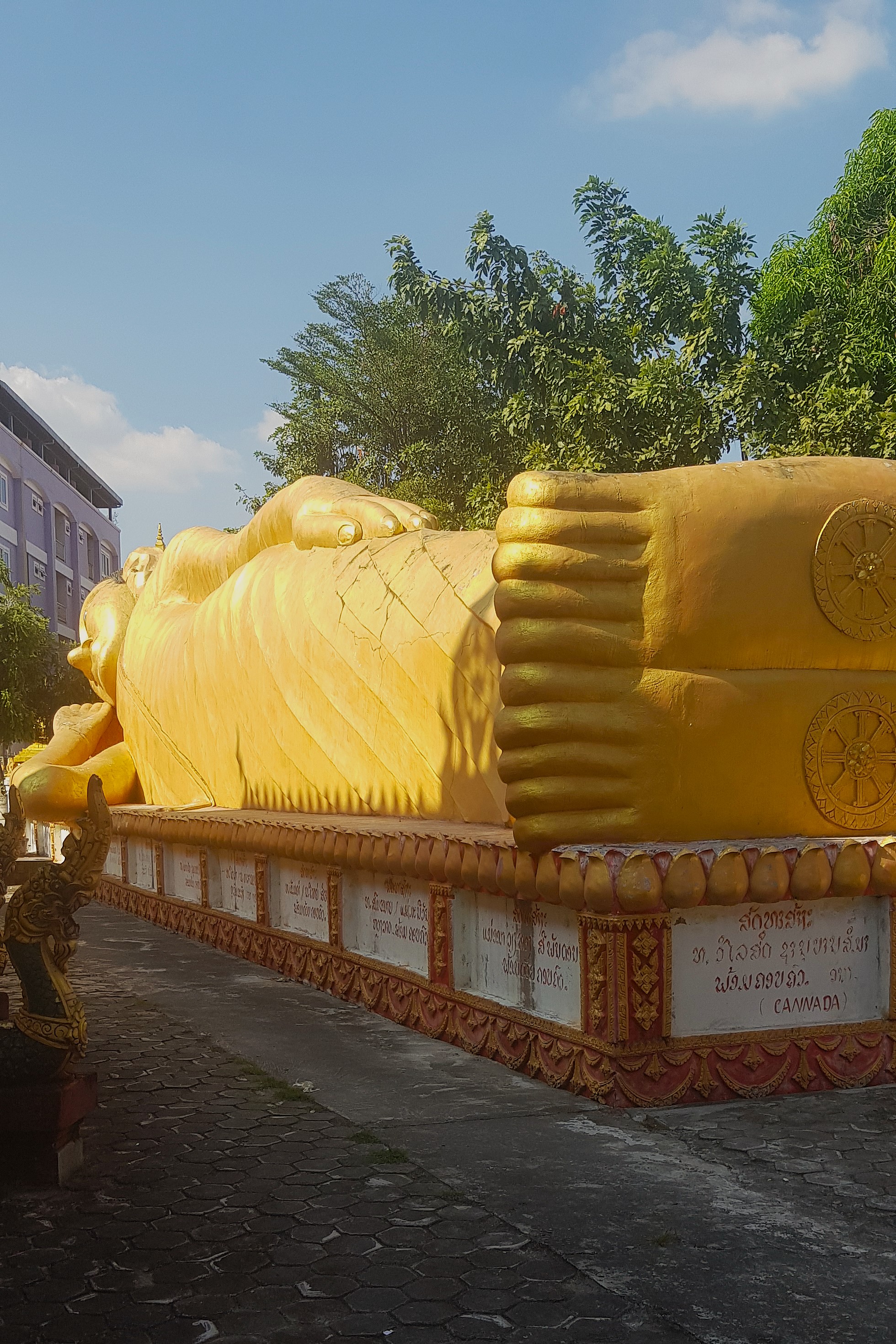
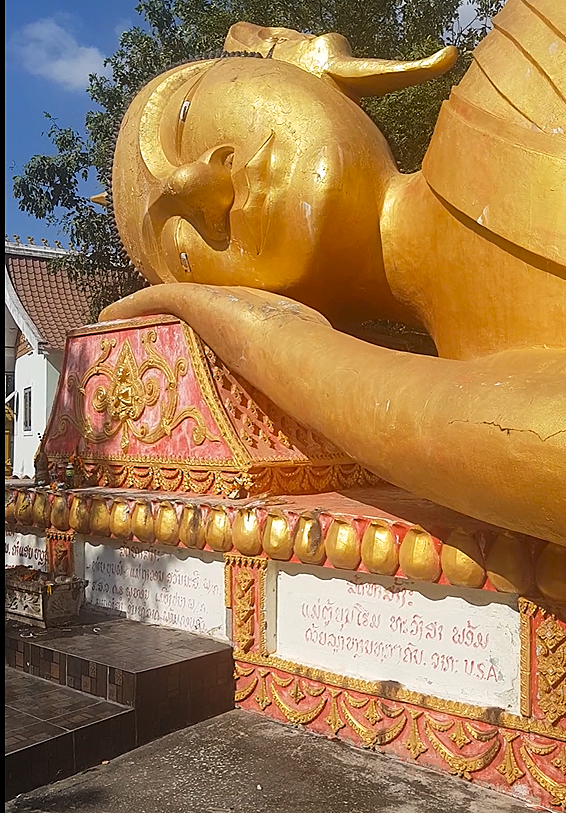
Wat Pha that Luang Neua in Vientiane with the looooong reclining Buddha was such a silent wat apart from the crowing of a rooster, no tourists, no worshippers, just me taking a rest (like the Buddha below).

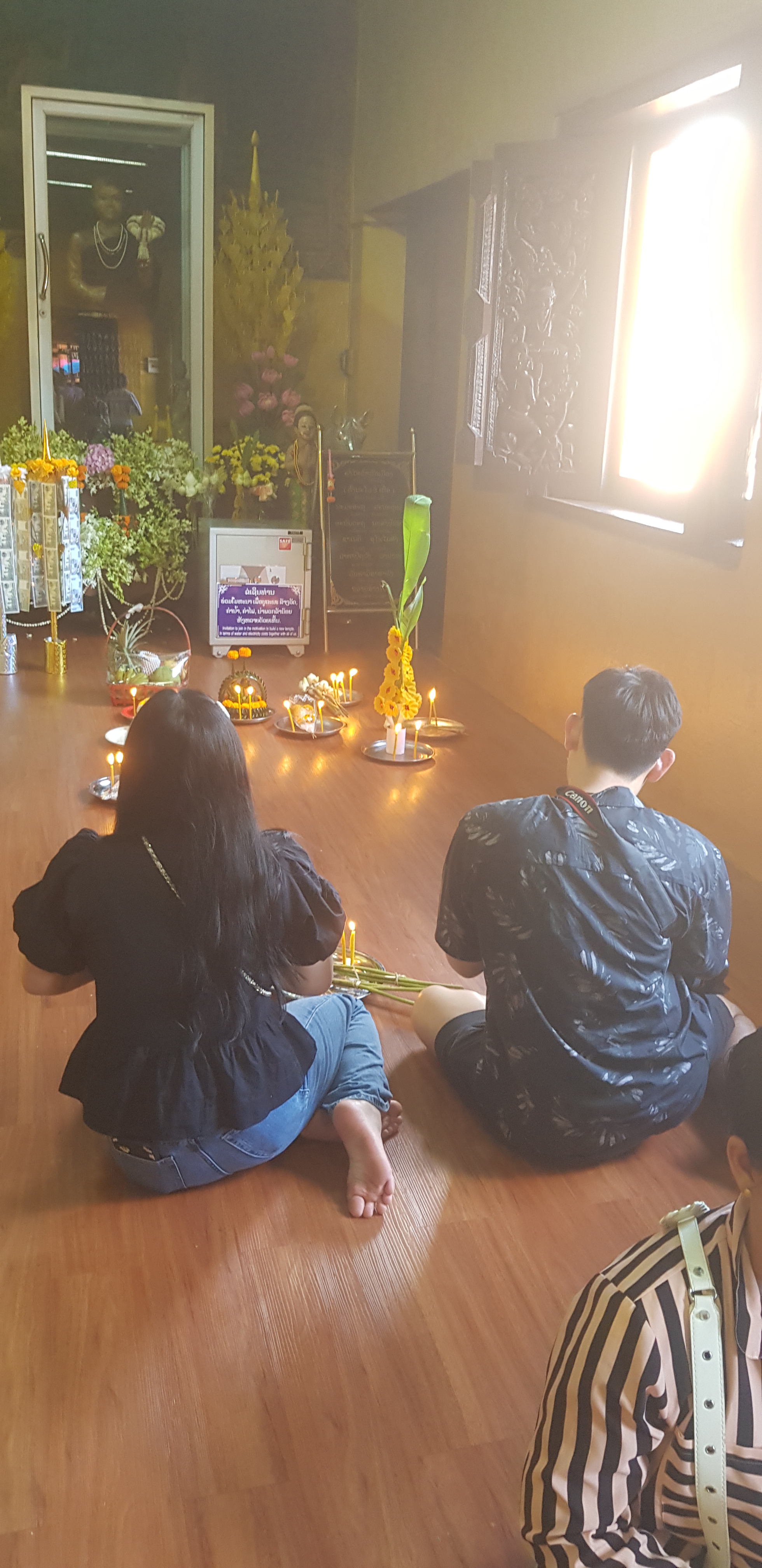
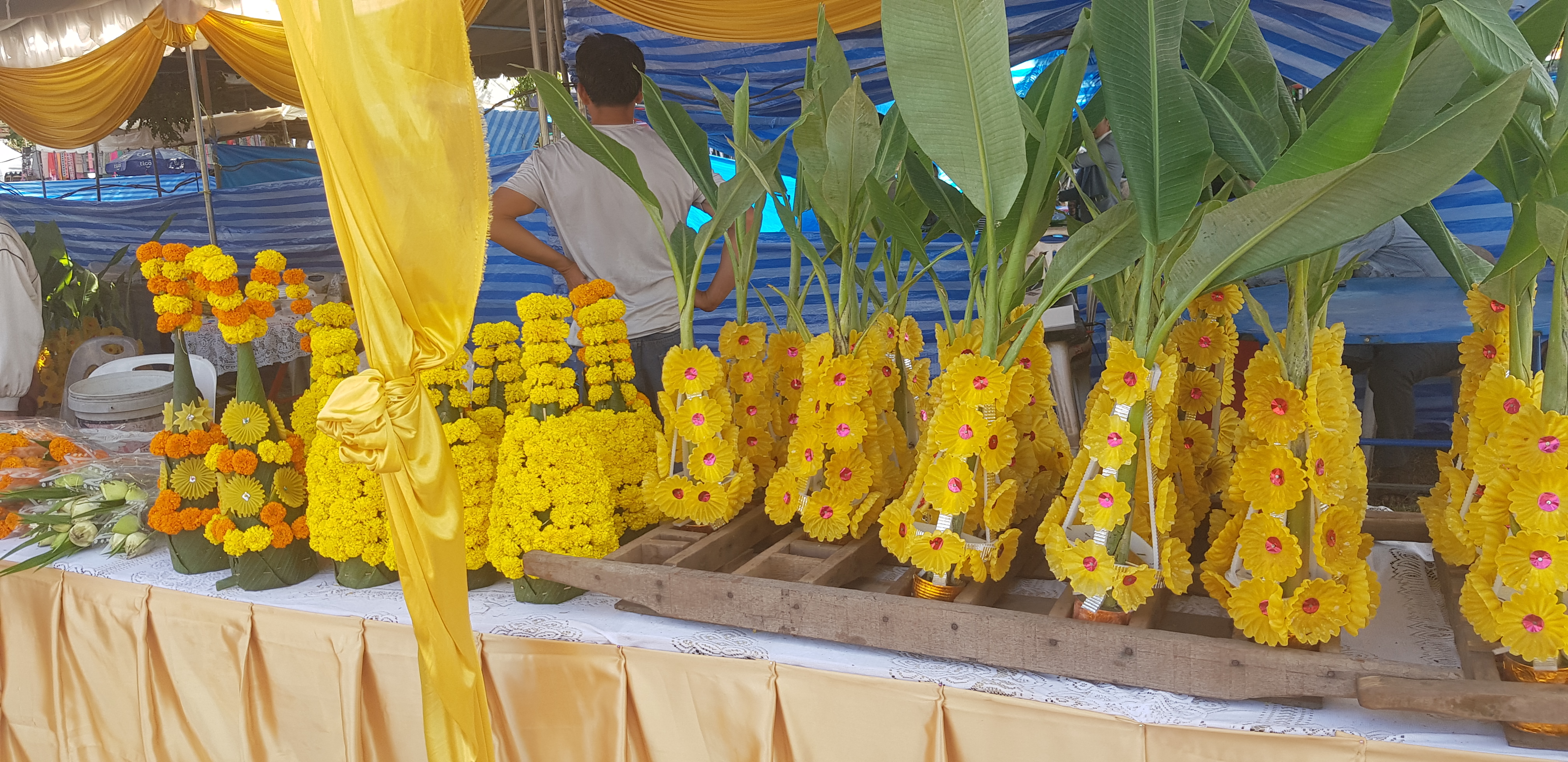
And then there are the busy wats like Wat Si Muang where loud music and car engine noises mix and make for a kind of fairground atmosphere, where meditation and contemplation are probably difficult. People go there to have their secret wishes granted or to have other problems solved, to make donations like flower arrangements, bananas, coconuts, incense and candles or simply kips (money) and to receive blessings. If you are in hurry, you drive in.

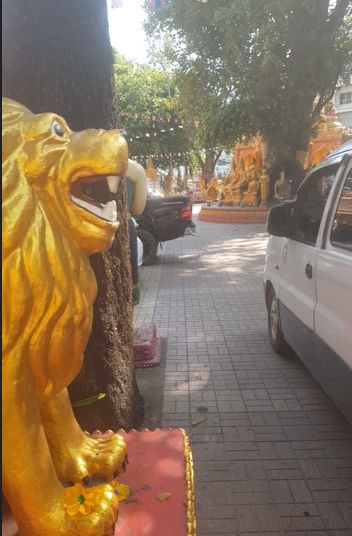
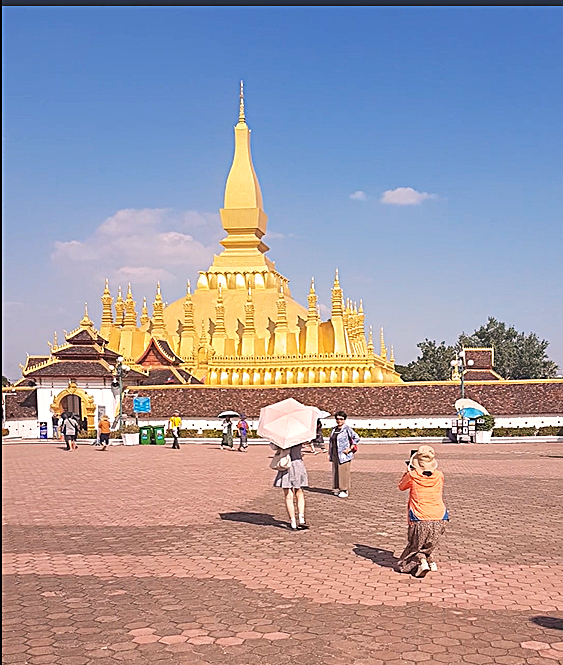
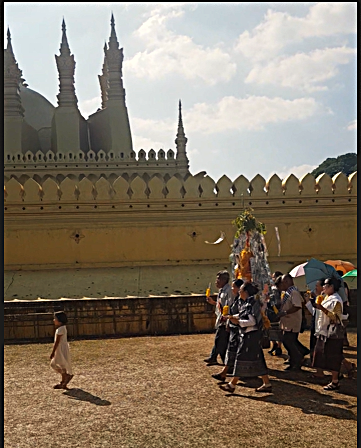
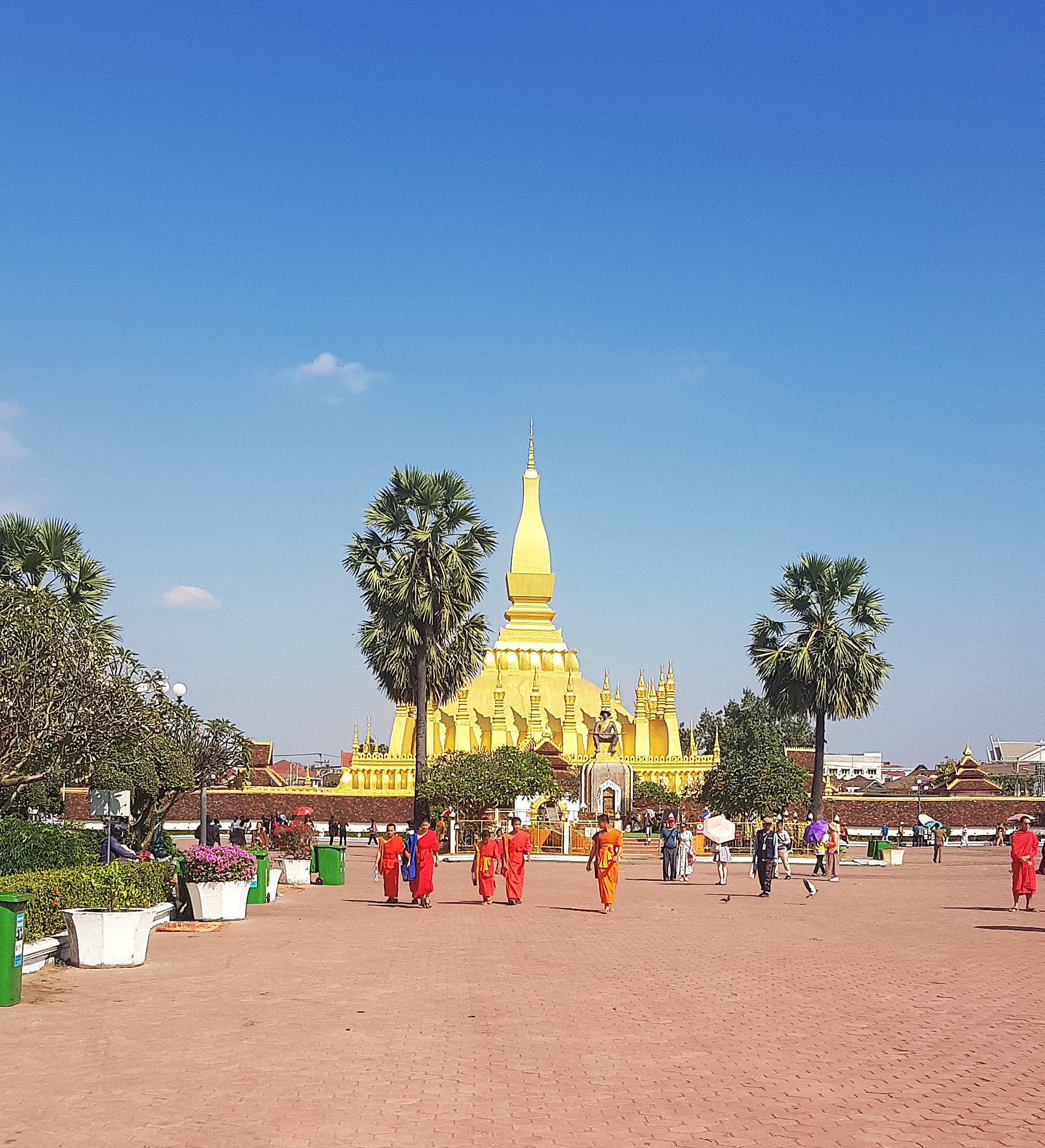
Going to Wat Pha That Luang, 4 km from the city centre, is like a pilgrimage. From far away you see the golden stupa shining in the sun, you hear the music, there is a fair or a market in front. A stupa erected here in 3rd century B.C. was believed to enclose a piece of Buddha’s breastbone. Now it is the most important national monument. No cars here. Entrance is free but ladies have to rent a long Lao skirt to enter.

Wats resemble each other and still are unique. I spare you the other onethousand ninehundred and something pictures until I publish a post about the most famous one: Angkor. That’s really different.

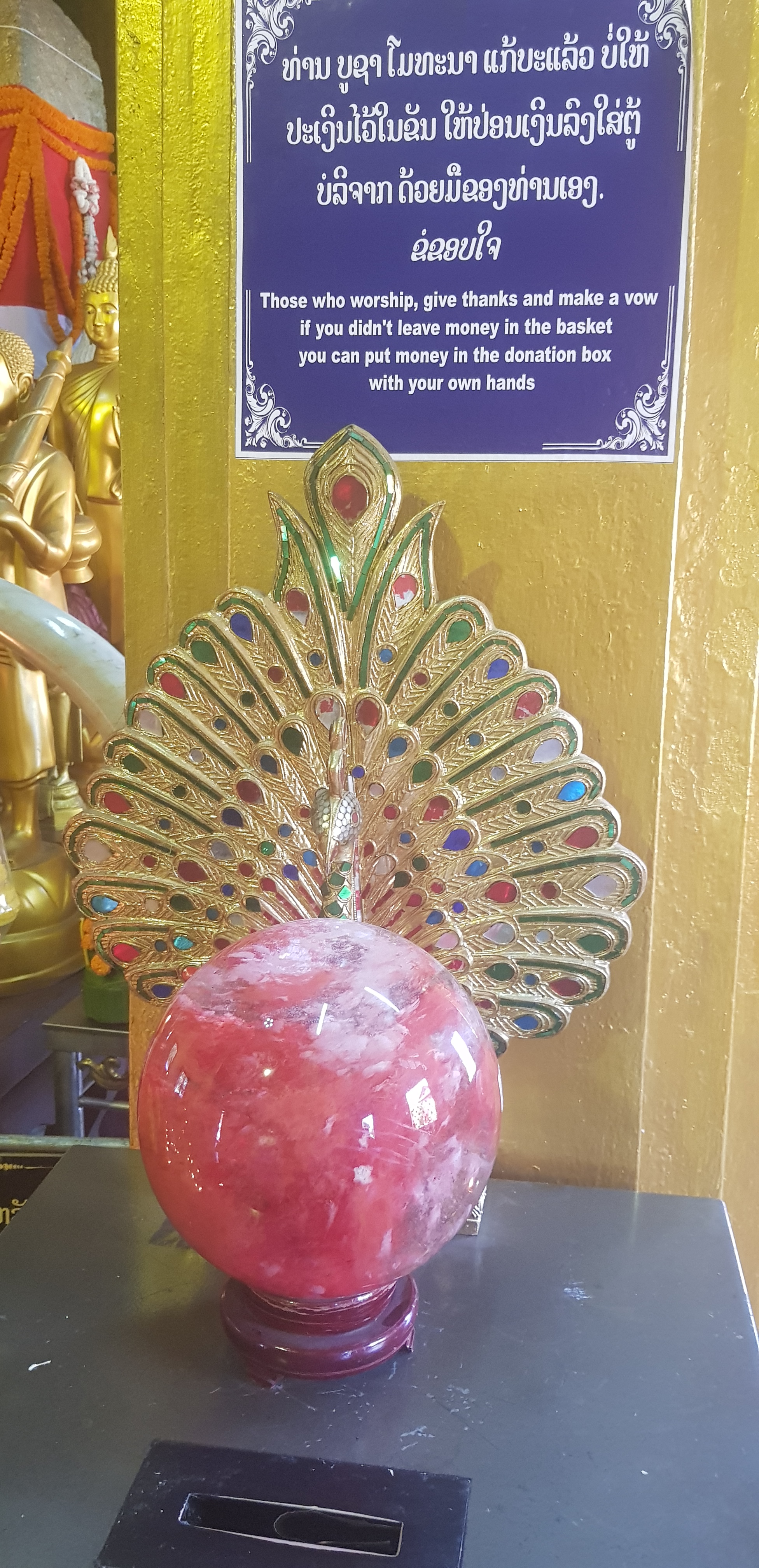
It says above: Those who worship, give thanks and make a vow, if you didn’t leave money in the basket you can put money in the donation box with your own hands. (I liked the translation)

In spite of feeling the December cold and in spite of baking Christmas cookies every day I can’t muster up that Christmas feeling but nevertheless I wish you all a merry merry Christmas, a time of tranquility, compassion and mindfulness.! (oops ;-))

Gerburg
Travelling with a purpose

8 Dec

(as my friend Irene Chua says)

English lesson

What’s your favourite country?

Laos, the lovable sleeping beauty between its famous neighbours Thailand, Myanmar, China, Vietnam and Cambodia.

PDR doesn’t really mean ‘Please, don’t rush’, it’s a common joke of the Laotians themselves with a slight touch of self-irony. So as a visitor I, too, relax and enjoy their kindness and generosity, as an older person I am pleased with the respect and consideration they show me, and as a European I simply hope that all their positive character traits will stick with me.

You don’t have to be rich: 1$ is 21.937 kip. Mental maths: forget it, I don’t distinguish 20.000 from 200.000, even 2.000 is a problem.

Wats everywhere (ladies, cover your shoulders and your knees, gents, too. Fellow Europeans: this is not the beach or the gym!)

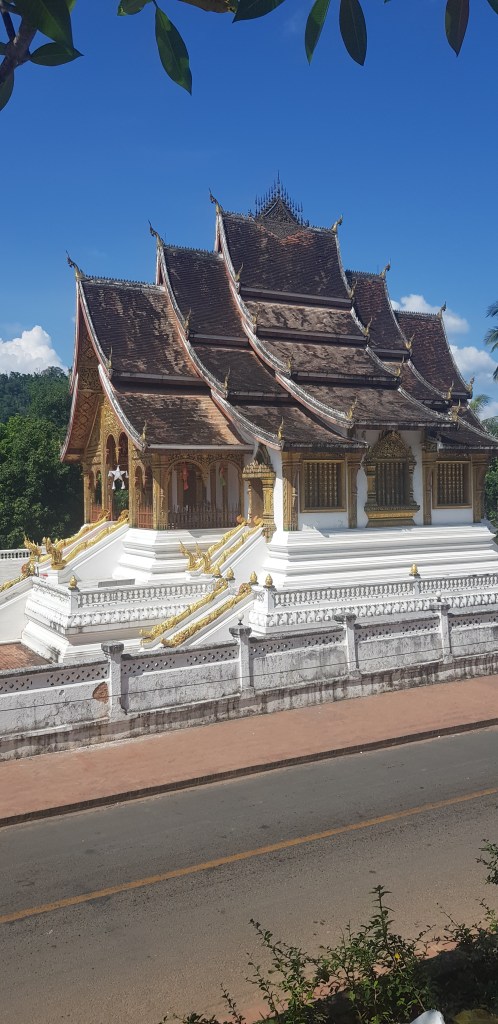
Wat Ho Pha Bang with an important Buddha statue inside, but … no photos. It’s part of the Palace Museum. Climb up the stairs, take off your sandals, peep inside, and shoot a mental photo.

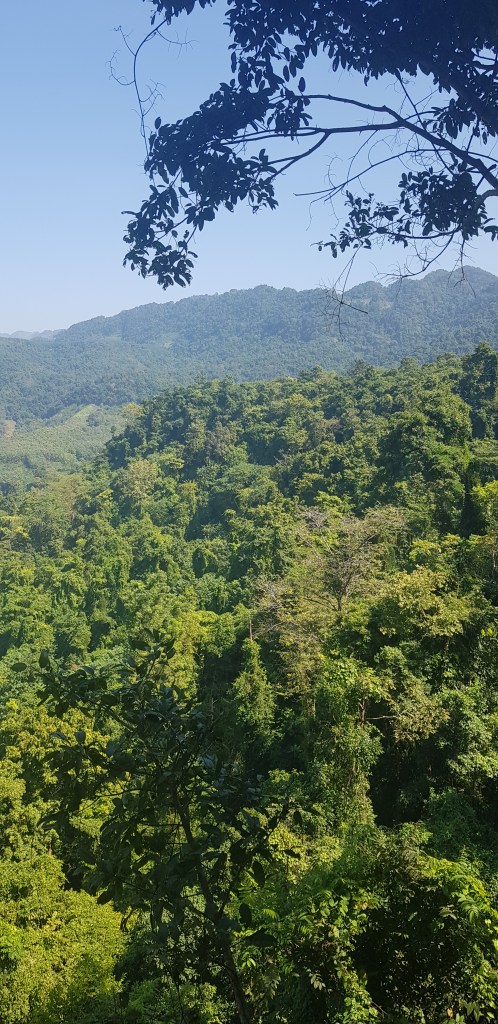
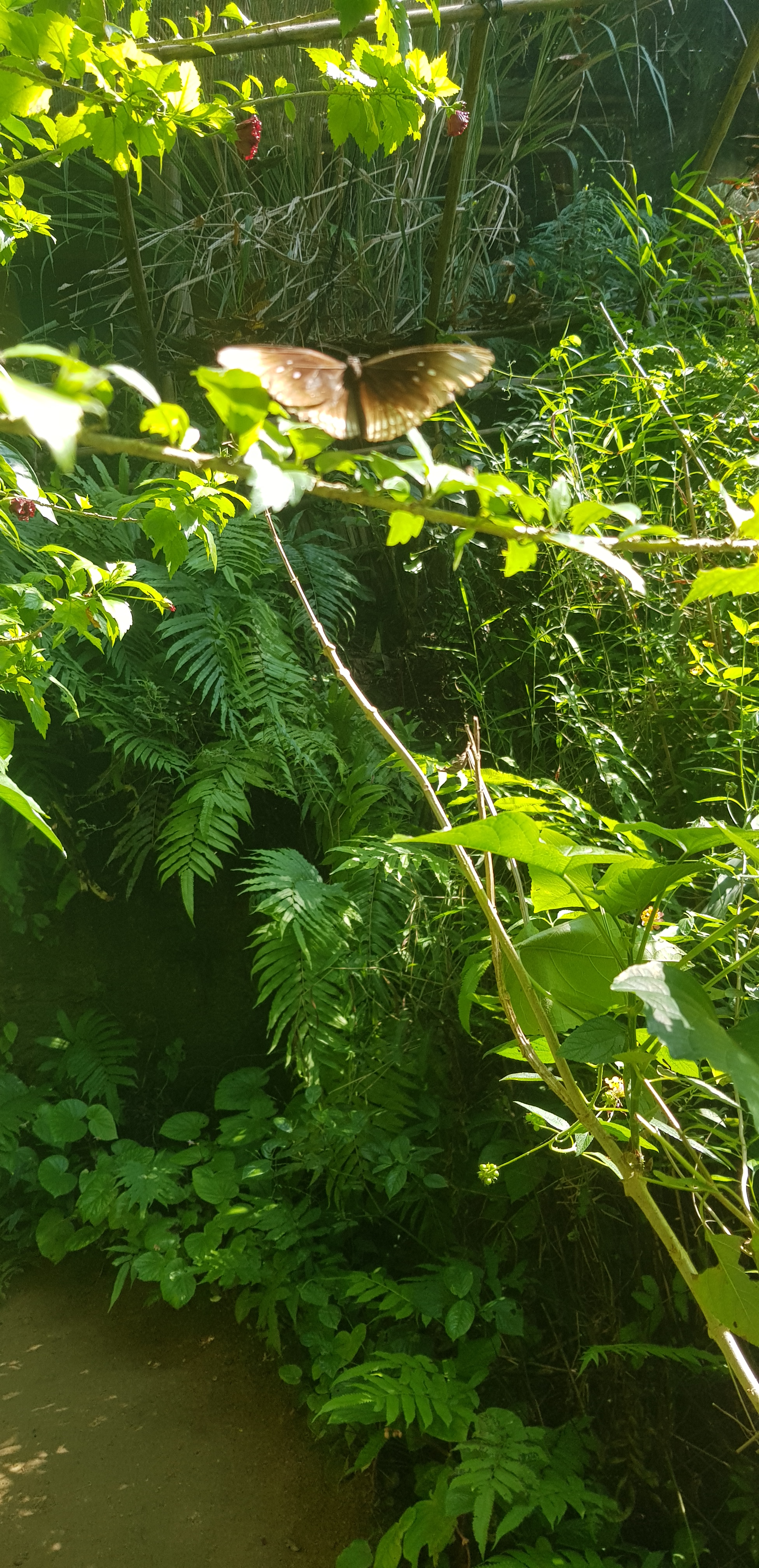
Call it forest, call it jungle, nature is abundant. The really cool people go ziplining through the treetops. I prefer to go photo hunting and all I catch is a butterfly. Where the heck is the Indochinese tiger?

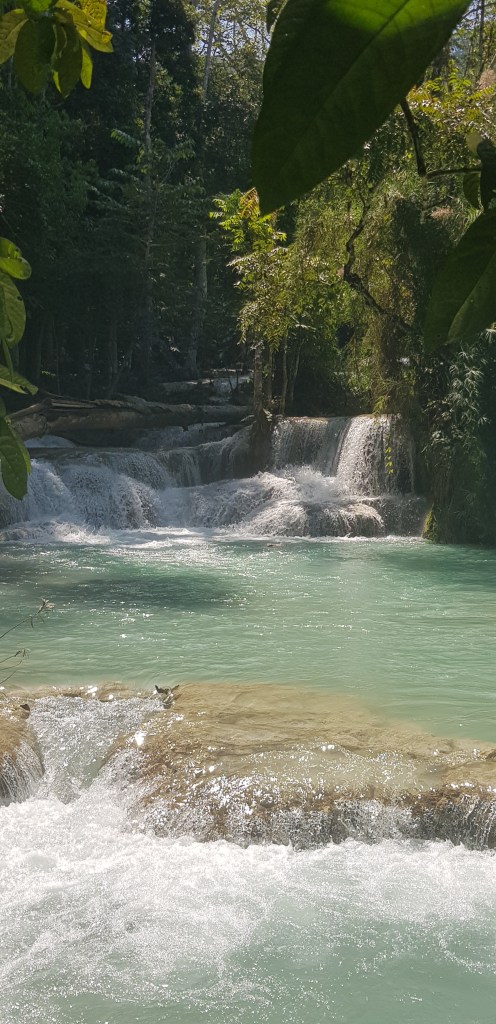
Kuangsi Waterfalls: take a bath there. It’s refreshing after the climb up to the top of the mountain. Make sure your arms are strong enough to pull yourself up to scramble out of the deep pond.

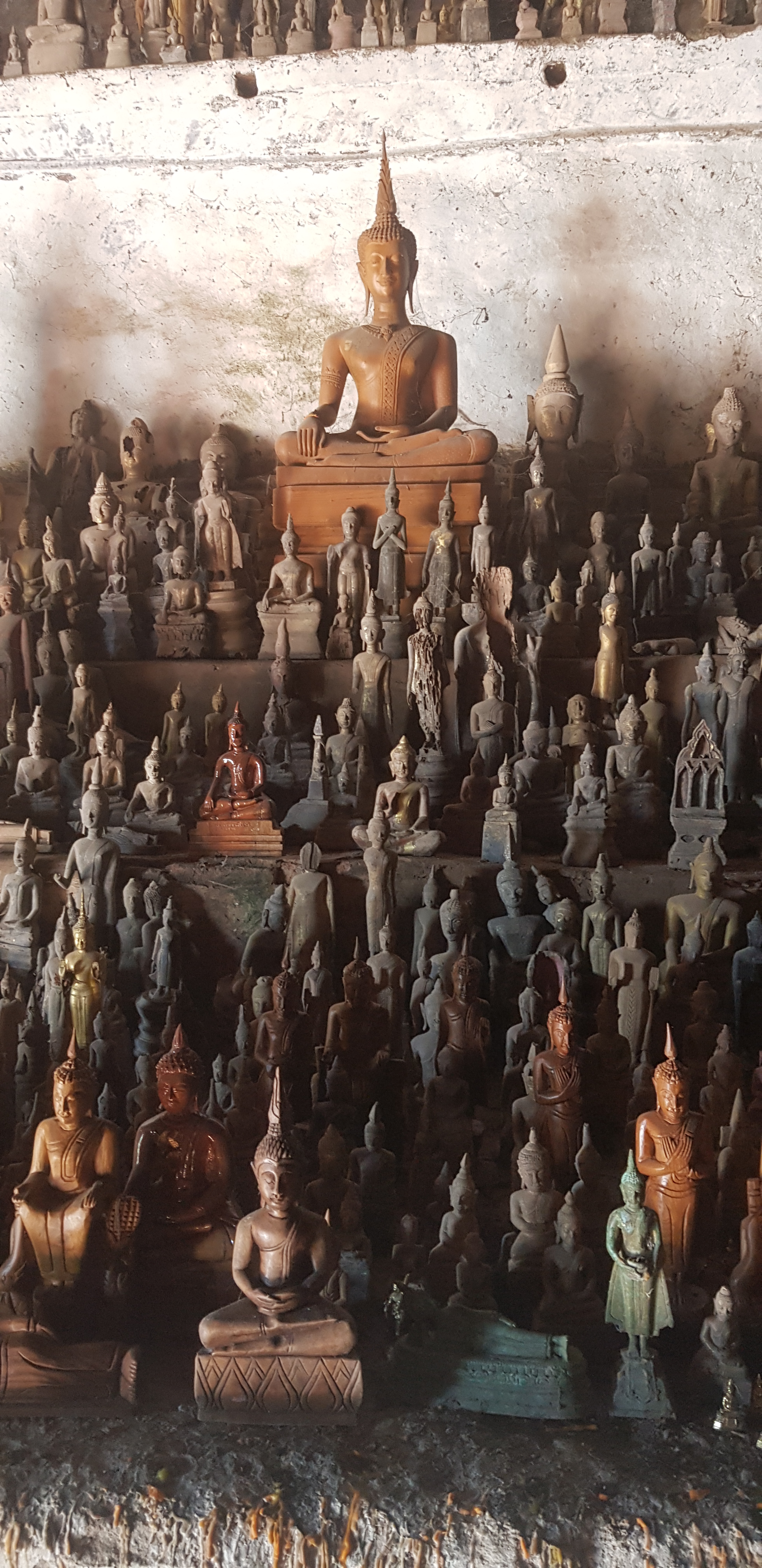
Buddha statues everywhere: don’t count them and don’t go looking for unique design and style! Forget art history, meditate!

What’s your favourite town?

Luang Prabang with a silent “r” is NOT the capital, the name means “Royal Buddha Image”. The town centre on the peninsula between the Nam Khan and the Mekong River is so pretty and picturesque with its numerous wats, with its traditional and French colonial houses that it was declared a World Heritage Site in 1995. I love this place.

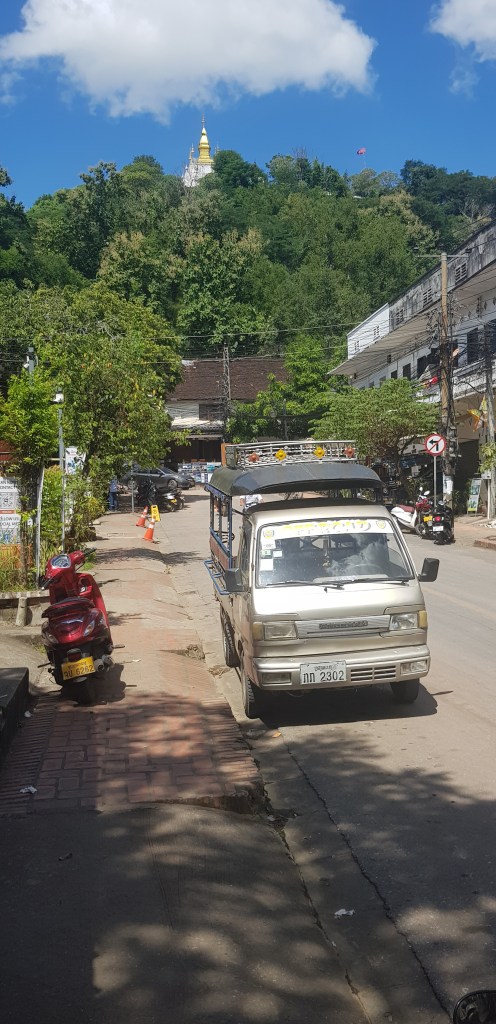
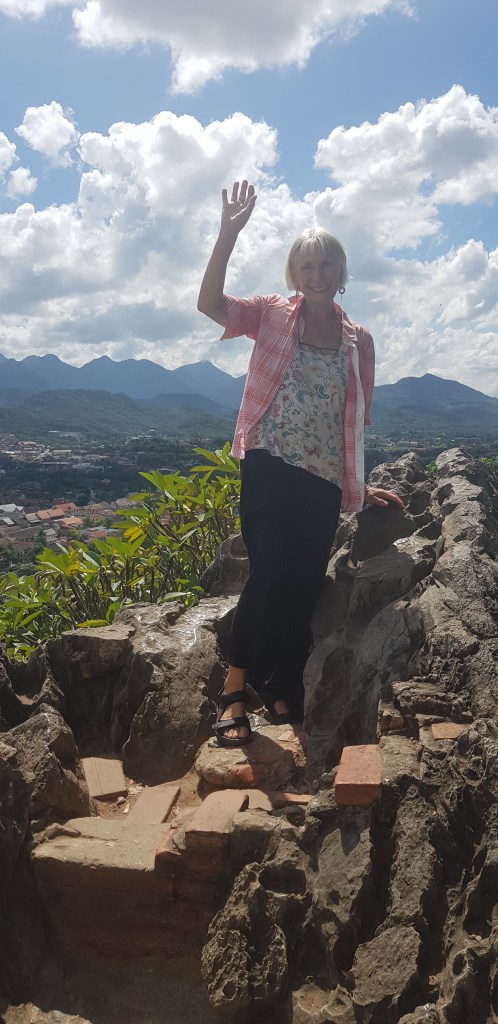
From Phou Si Mountain you overlook the whole town, if you are able to get up there at 35° C and 96% humidity, chastely covering your shoulders with a blouse. That’s where I started to put electrolytes into my waterbottle.

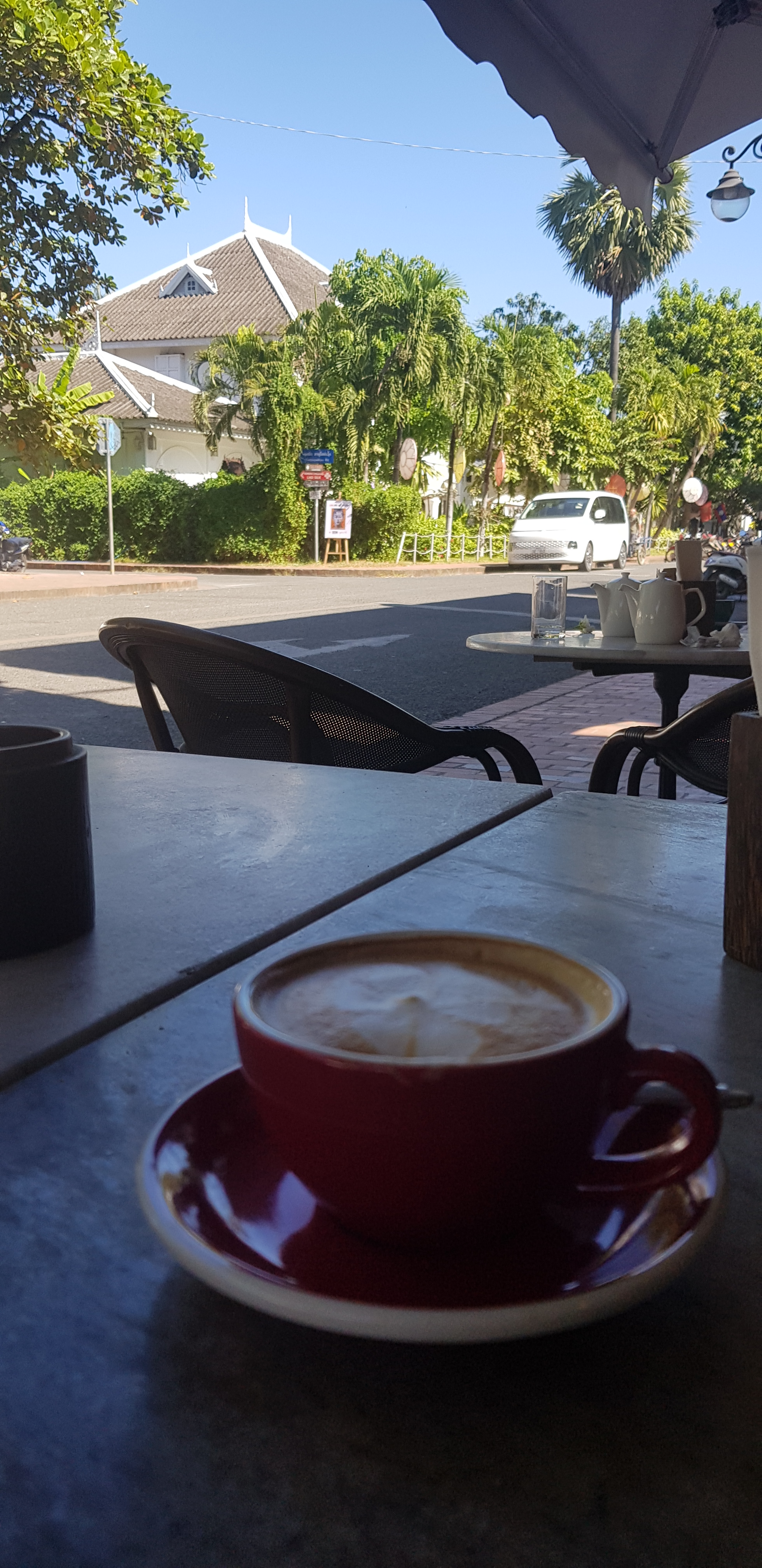
Nice cafés and restaurants everywhere, particularly along the Mekong river. And the coffee is sooooo good.

What’s your favourite job?

Teaching, even without the Dharmachakra position of hands and fingers, is extremely gratifying.

As teachers from all over the world, we are working together with our lovely Lao counterparts, enjoying each other’s company and learning from one another. The lady teachers wear a Lao skirt, very elegant and quite warm.

“Sabaidee!” ສະບາຍດີ

Education is improving! In Luang Prabang the situation is quite promising. Students of all ages take English courses after school, employees before and after work. Many of them have smartphones (even here a lesson starts: “Please, put your phone away!”) and the kids have little motorbikes to travel home with their siblings after lessons. Courageous parents, traffic is abundant but not rowdy. There is a huge difference in access to education between the city and the countryside.

What’s your favourite language?

ehm …. English

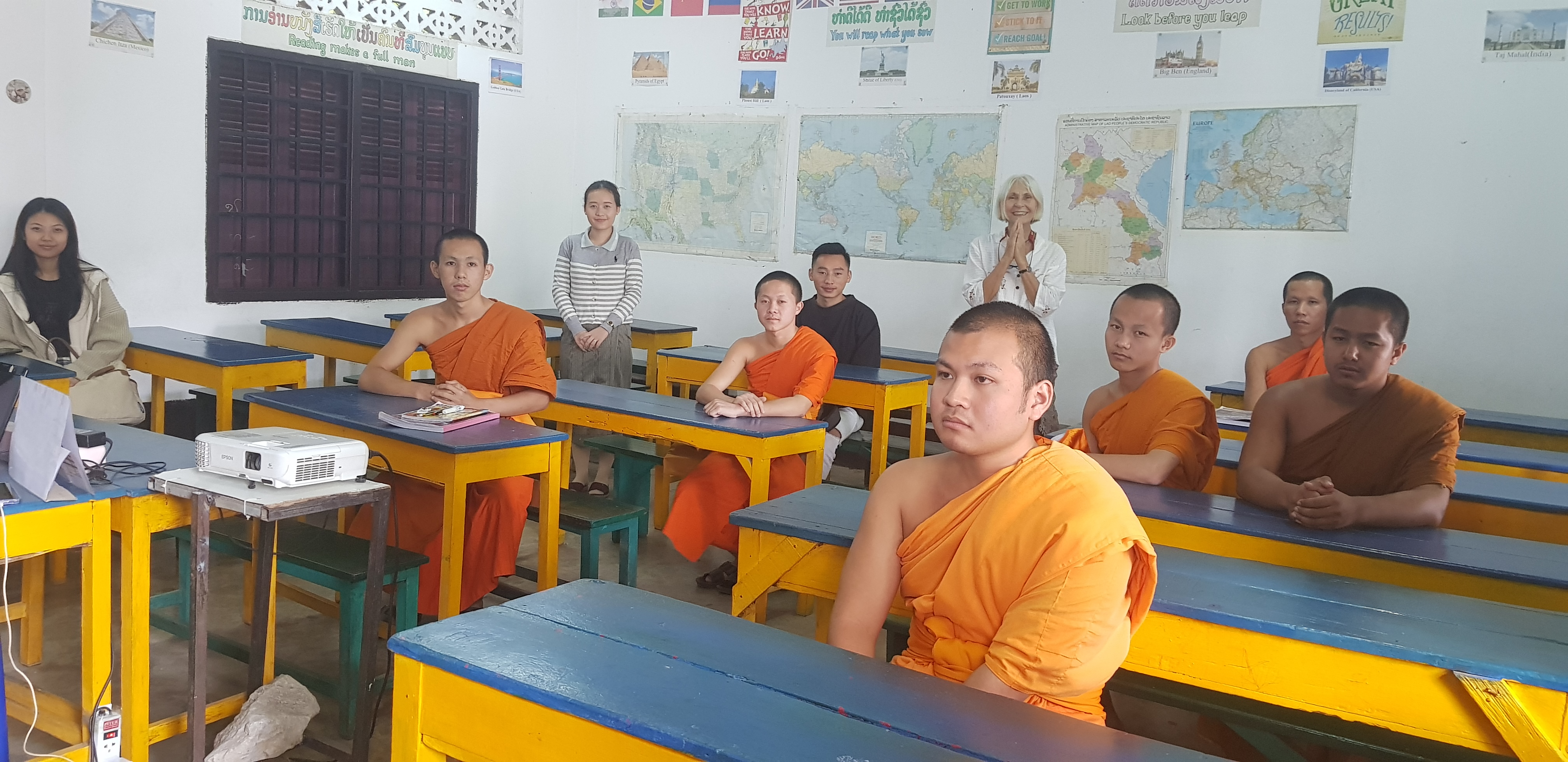
The monks and novices come in for English lessons in the morning after having meditated since 3 or 4 o’clock. Little wonder, they are a bit drowsy. Singing and moving usually helps activate tired students but the monks are not supposed “to do sports”.

Instead of “Stand up, stand up, sit down, sit down”, we play engaging word games and do a little geography using the inflatable globe I brought along. “Where’s Italy?” “Where is Laos?” We are having fun!

What’s your favourite river?

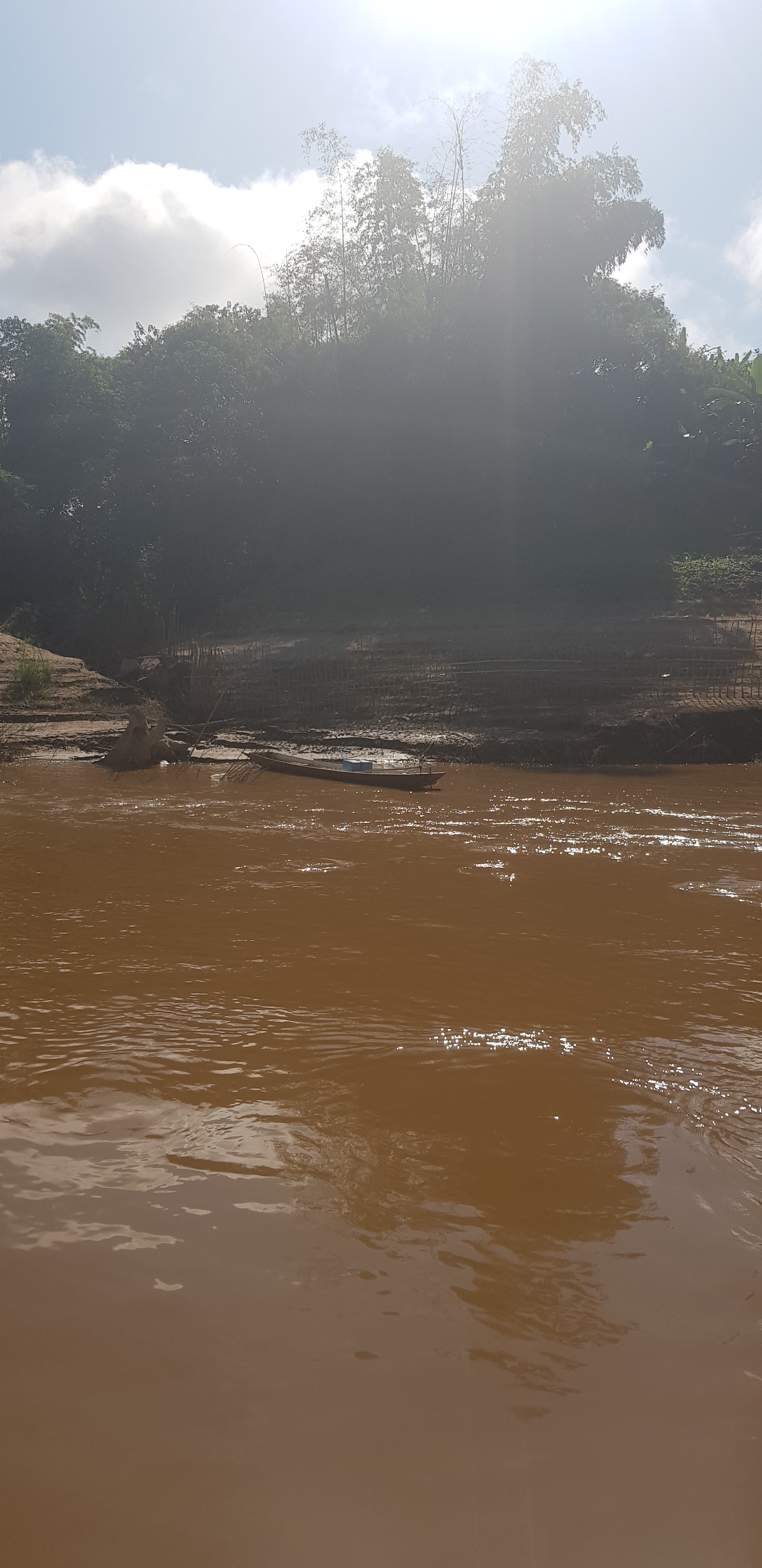
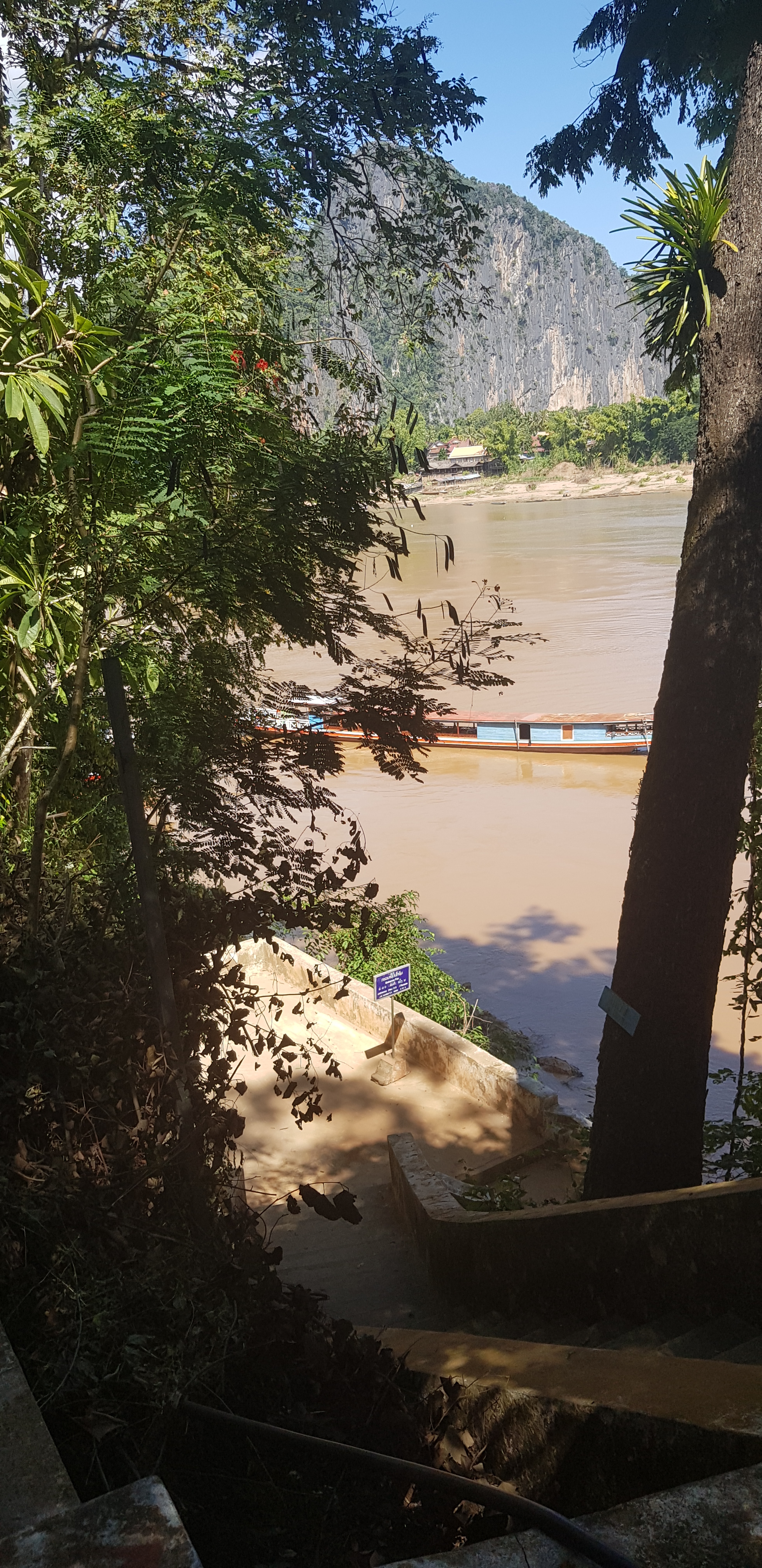
The Mekong is 4.350 km long and a large part of it flows through Laos. Its water is muddy brown, a natural fertiliser. And fish thrive in it.

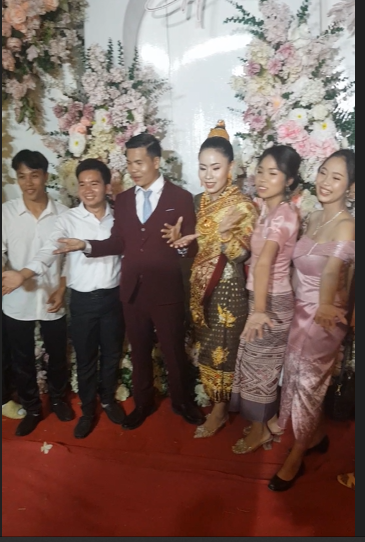
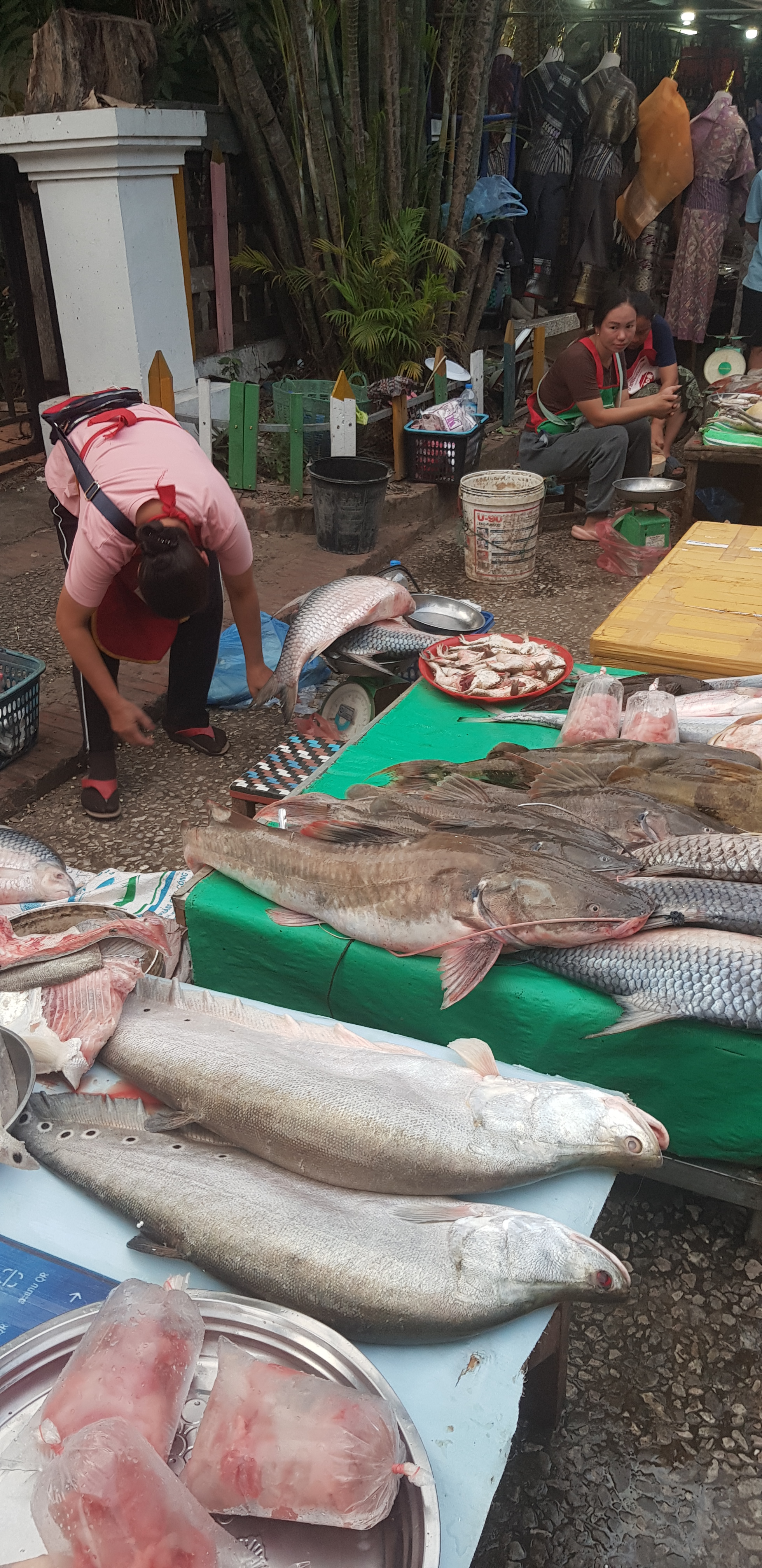
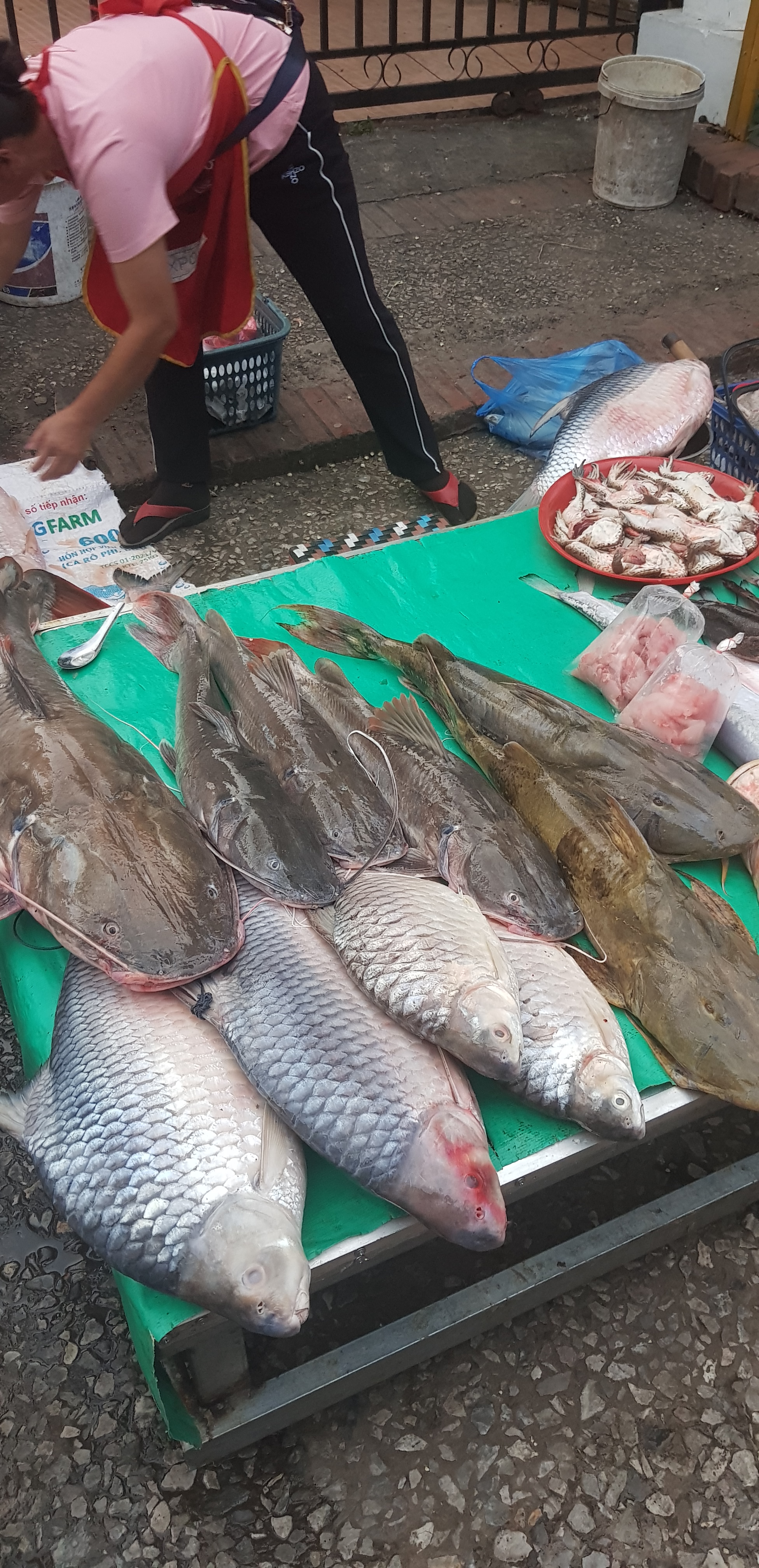
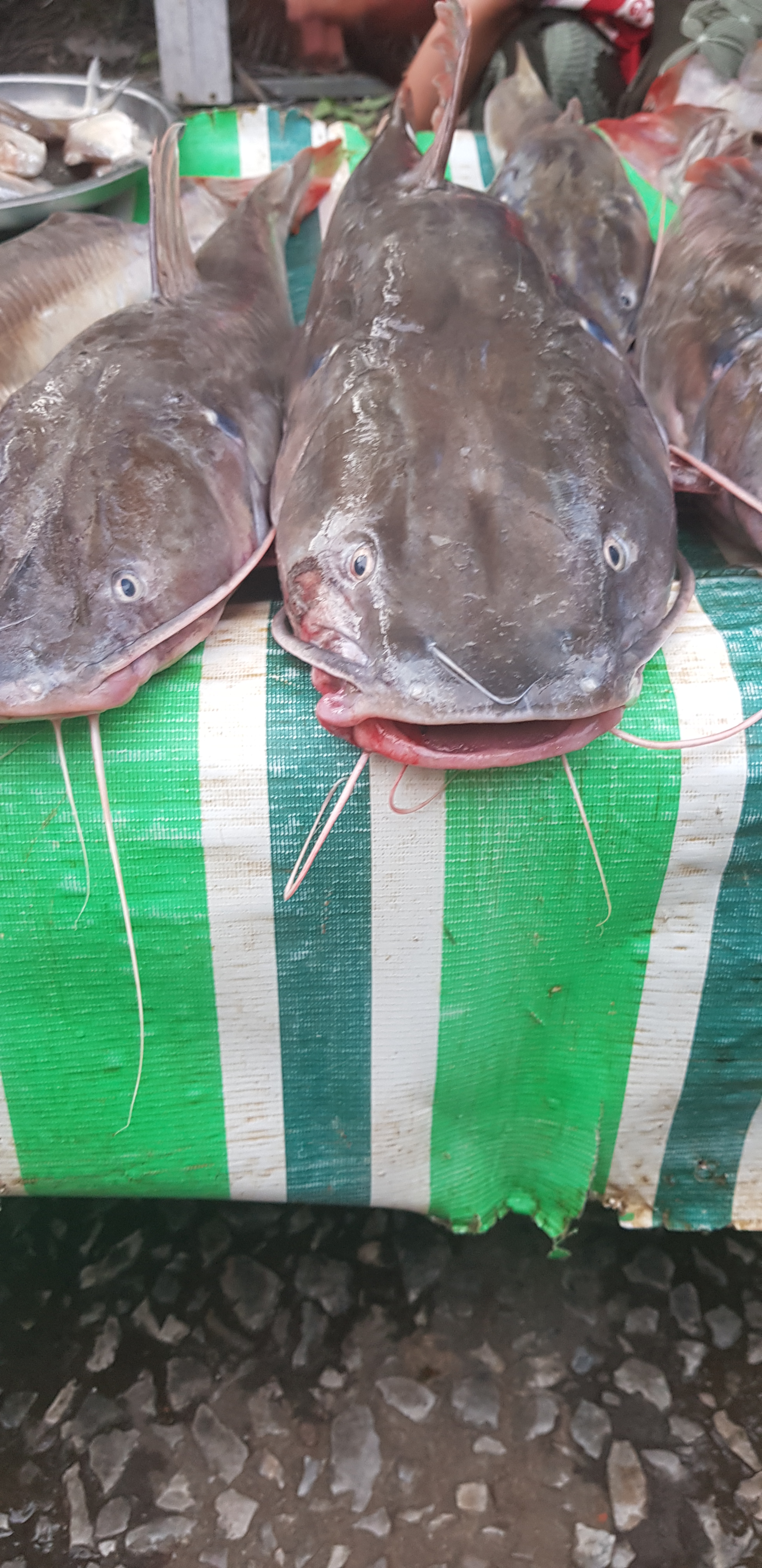
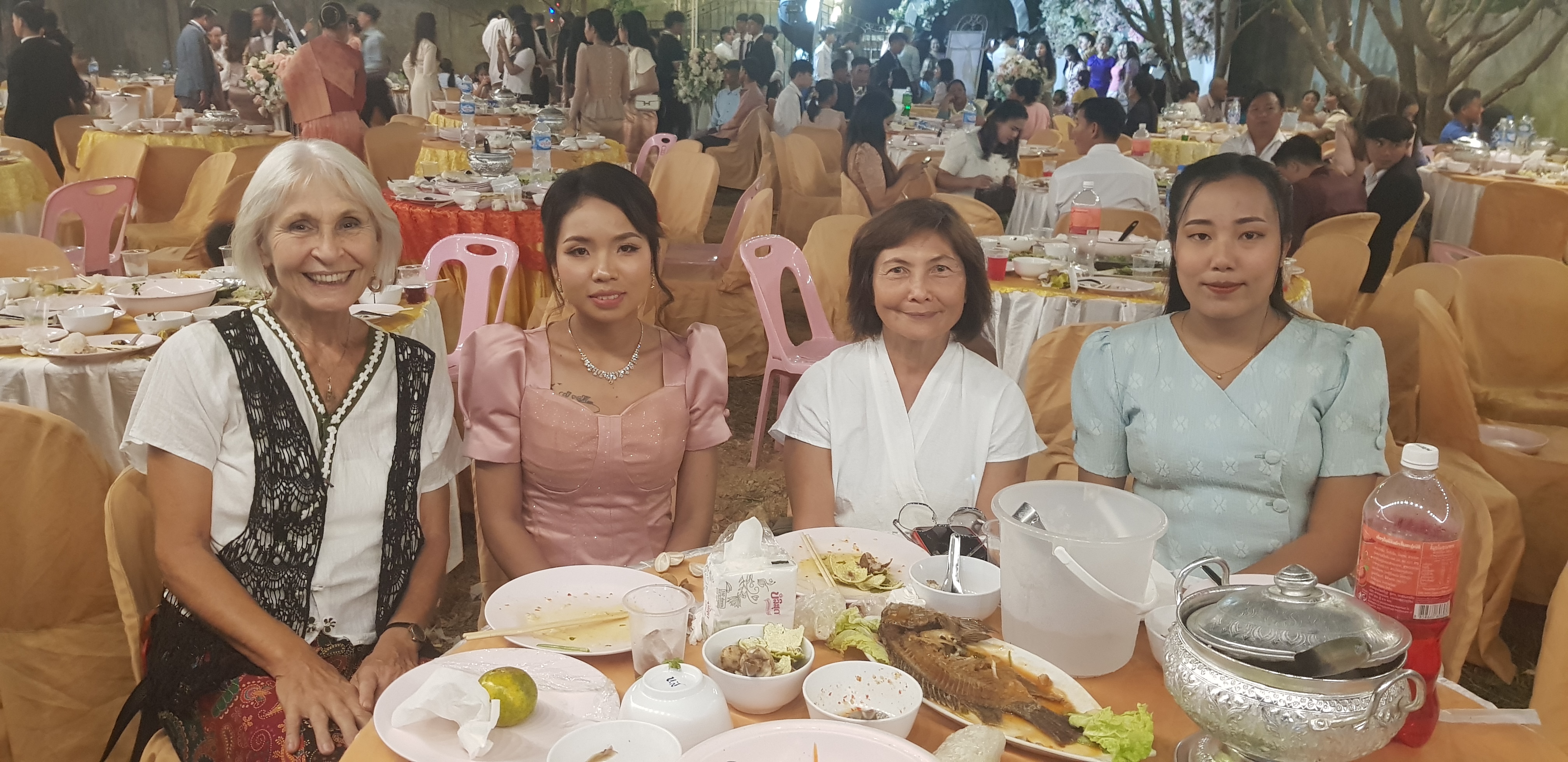
At a wedding dinner

How about a swim in the Mekong River?

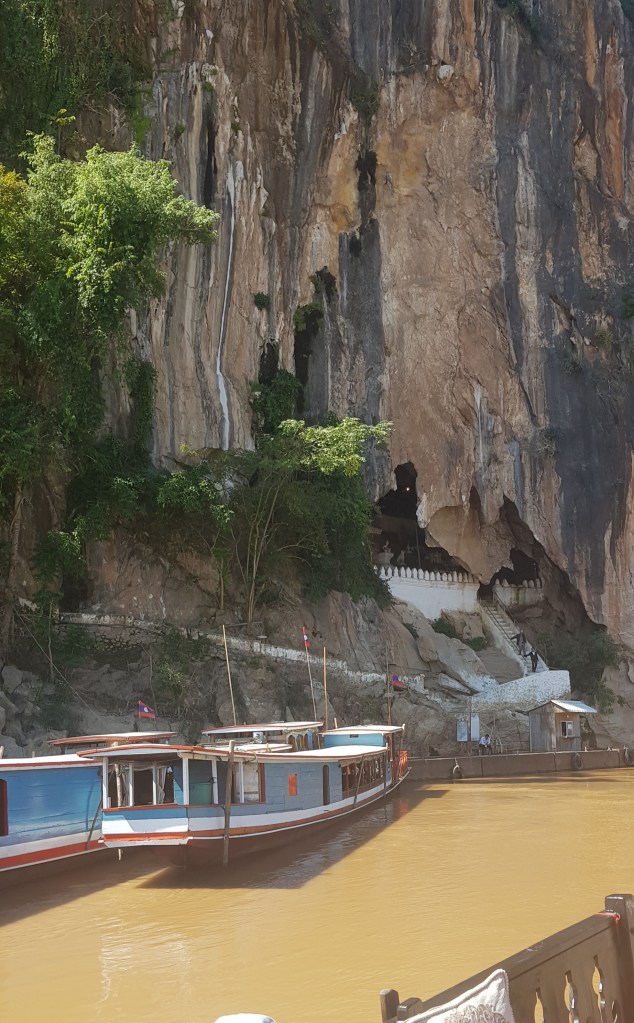
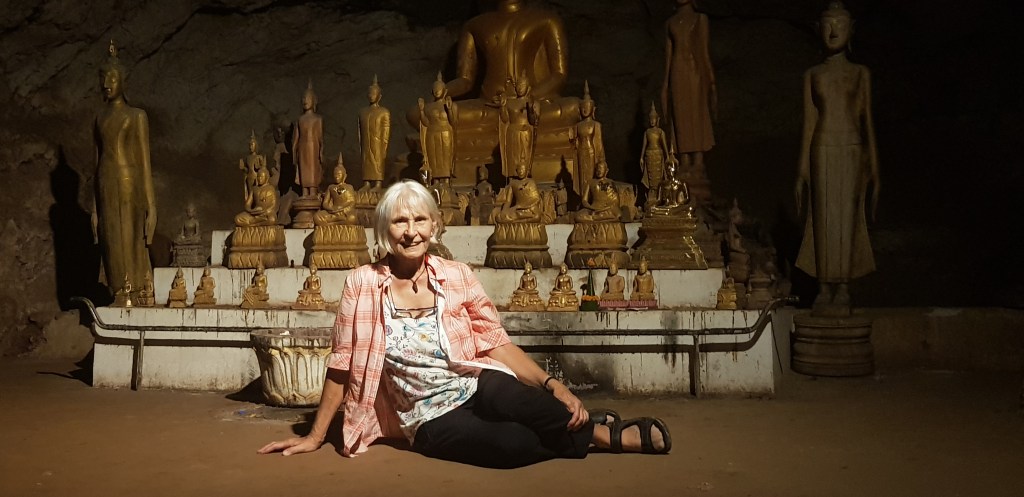
Rather, travel upstream and visit the Buddha caves!

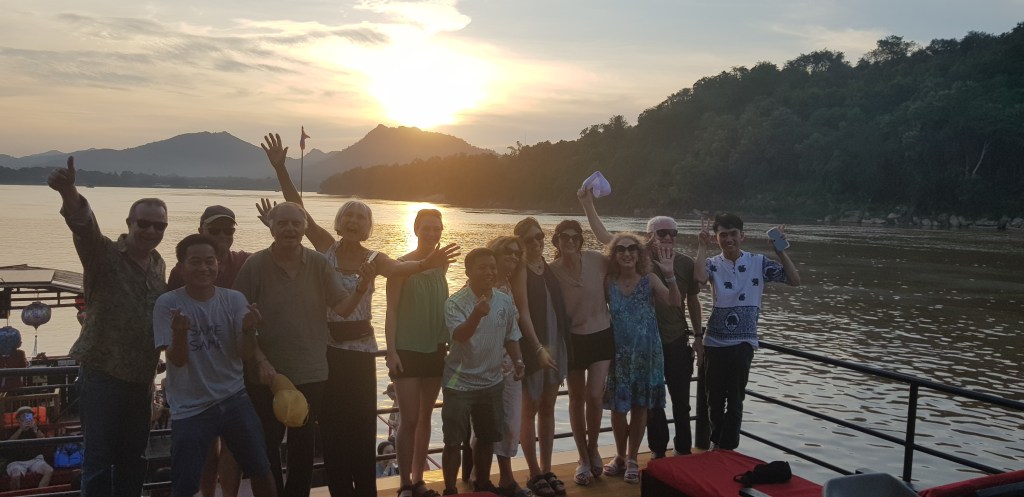
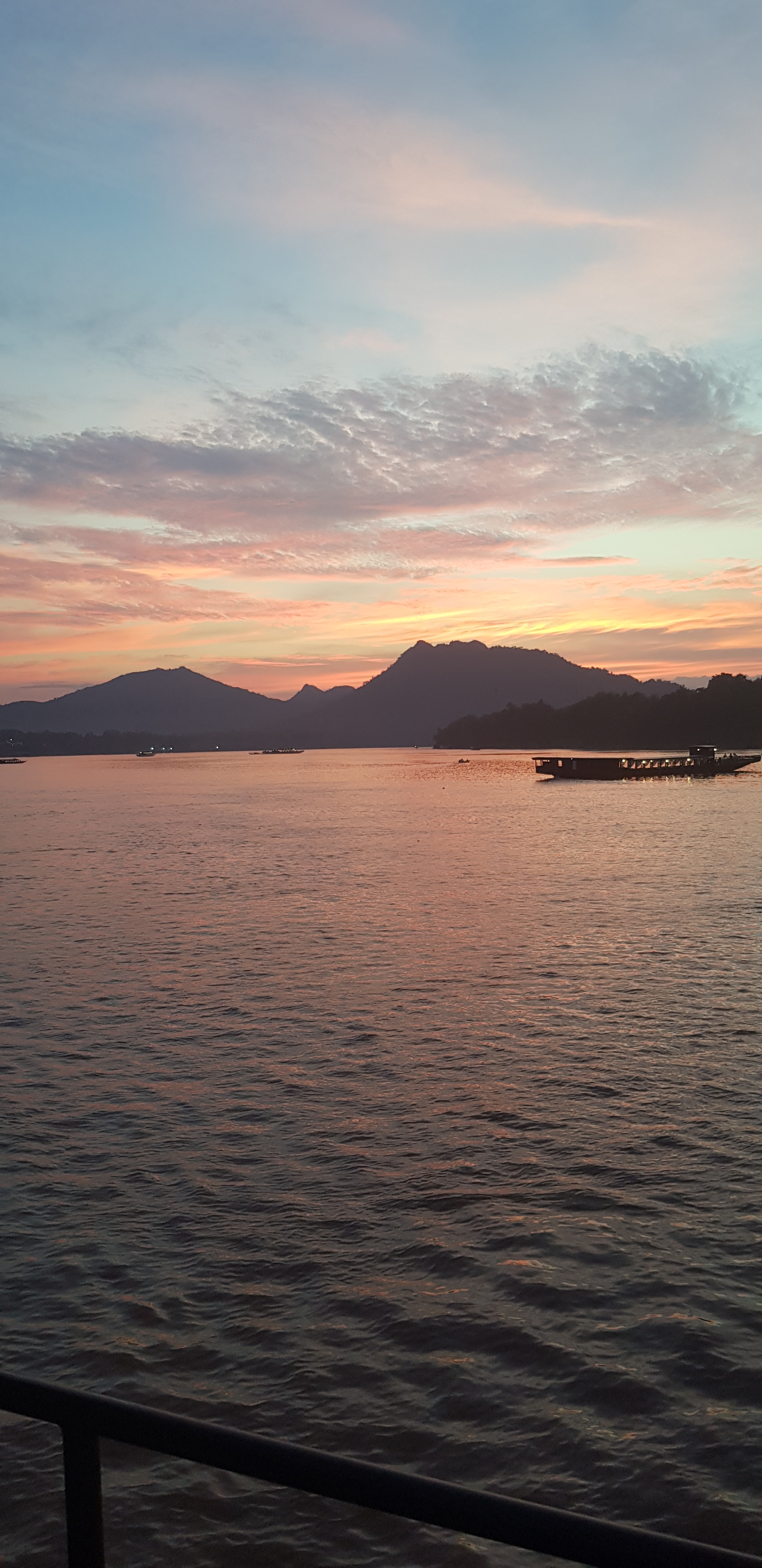
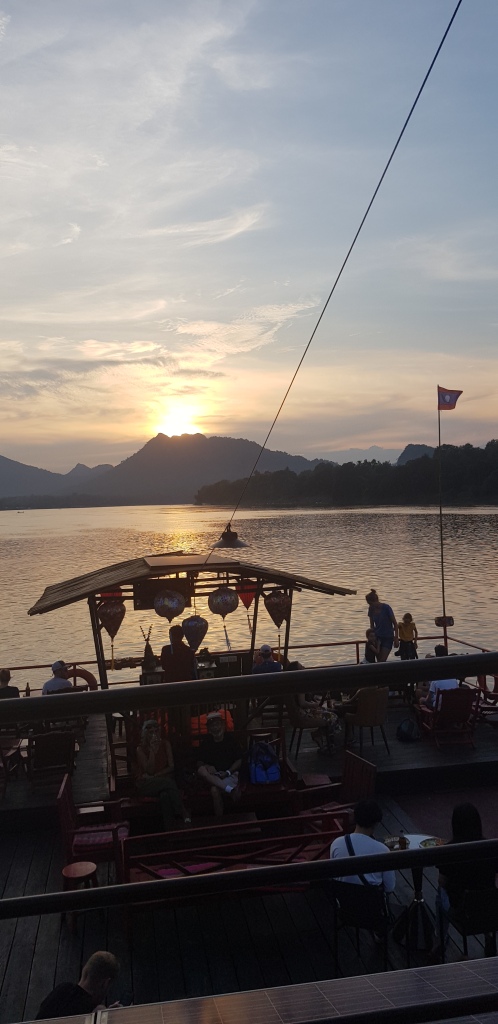
Or go on a sunset cruise with your friends!

Included: spring roll, mojito or beerlao, and music.

What’s your favourite colour?

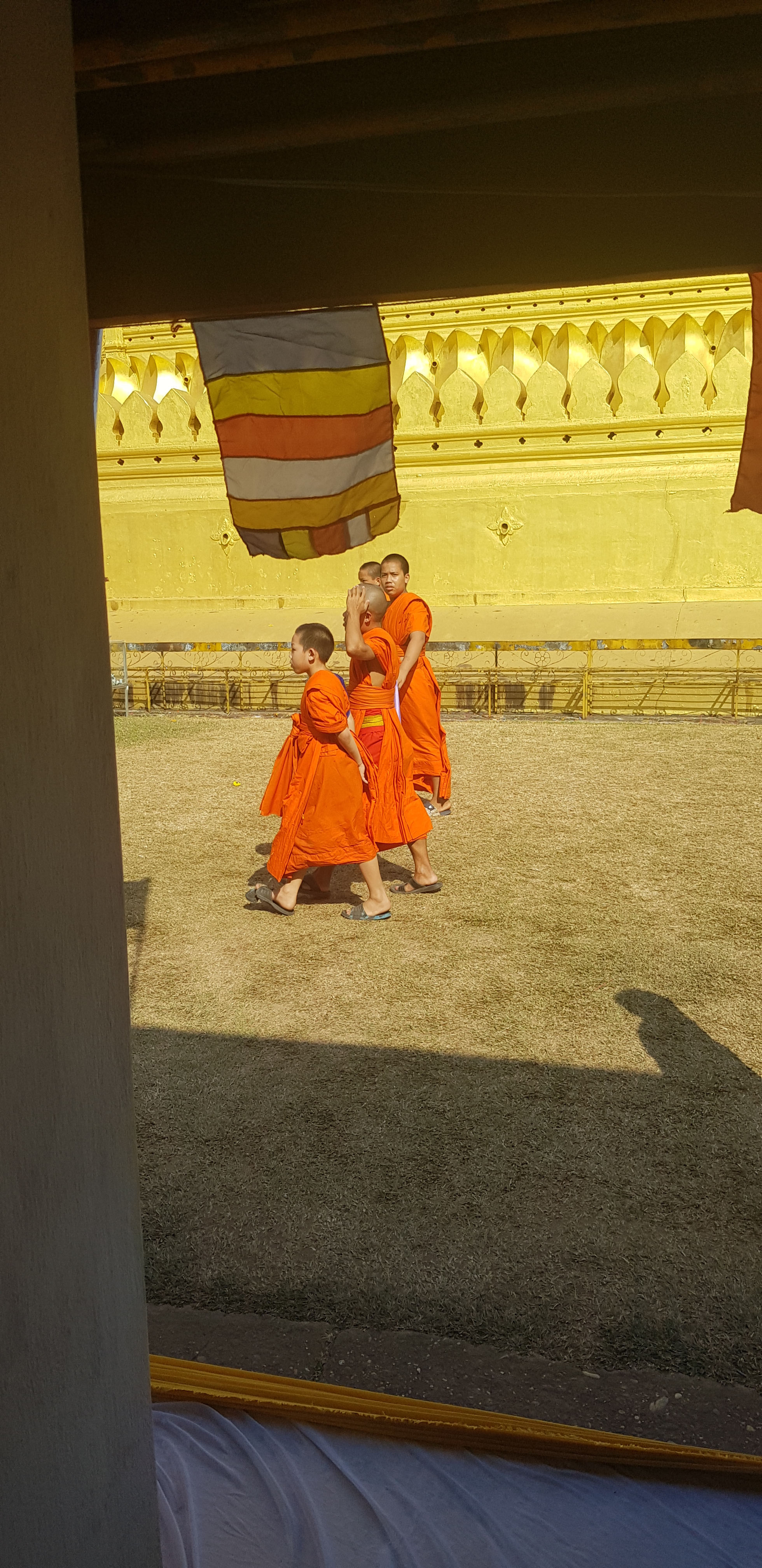
Orange: like the monks’ robes, like the light, like the flame (of the Buddha’s teachings)!

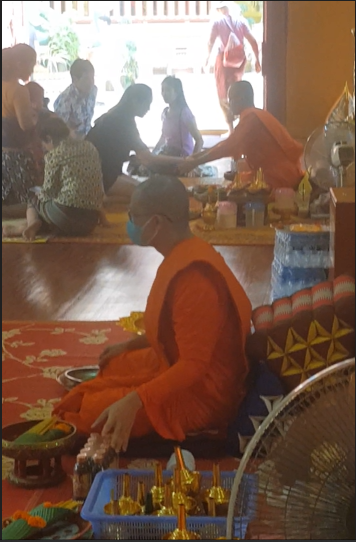
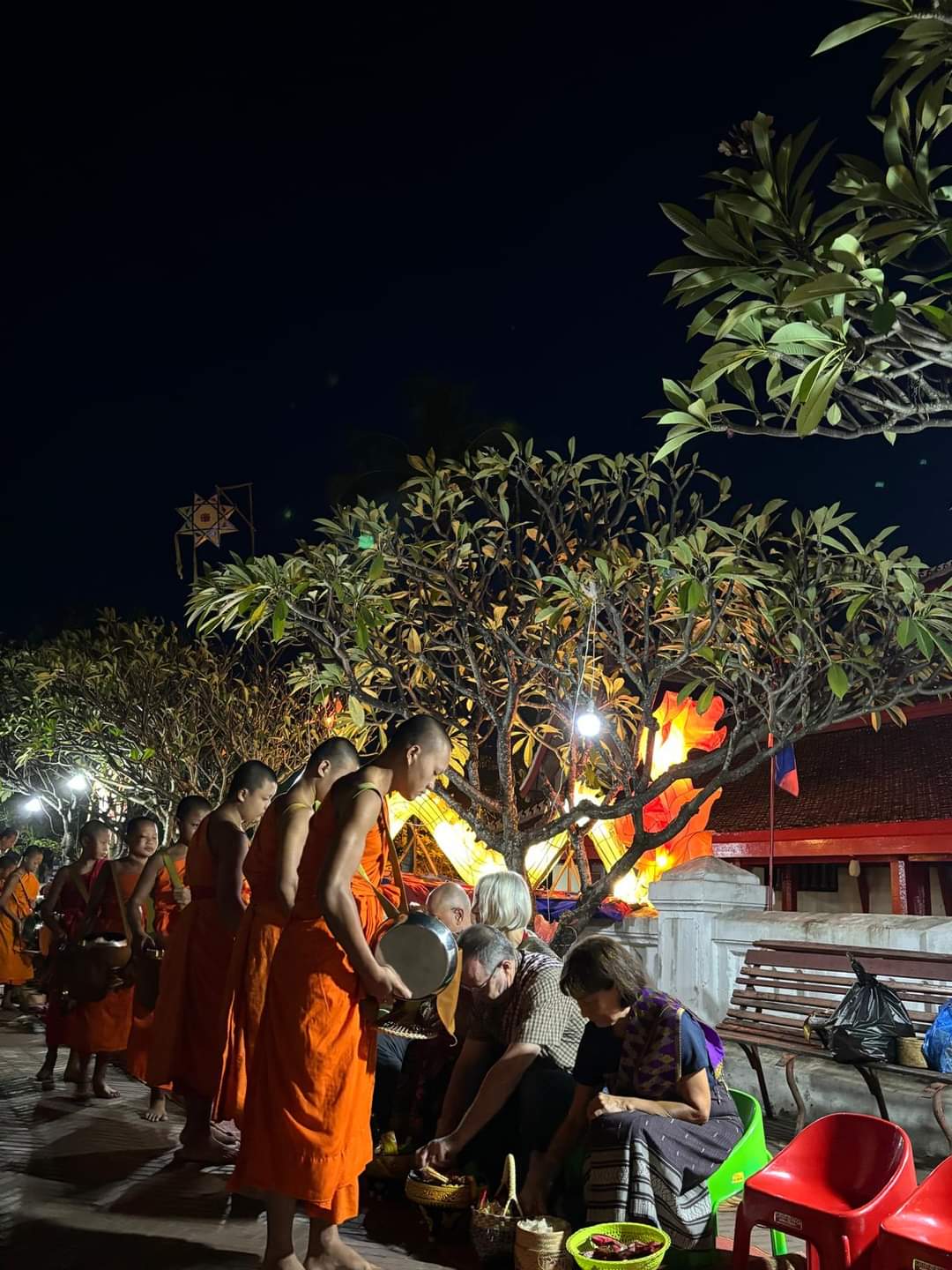
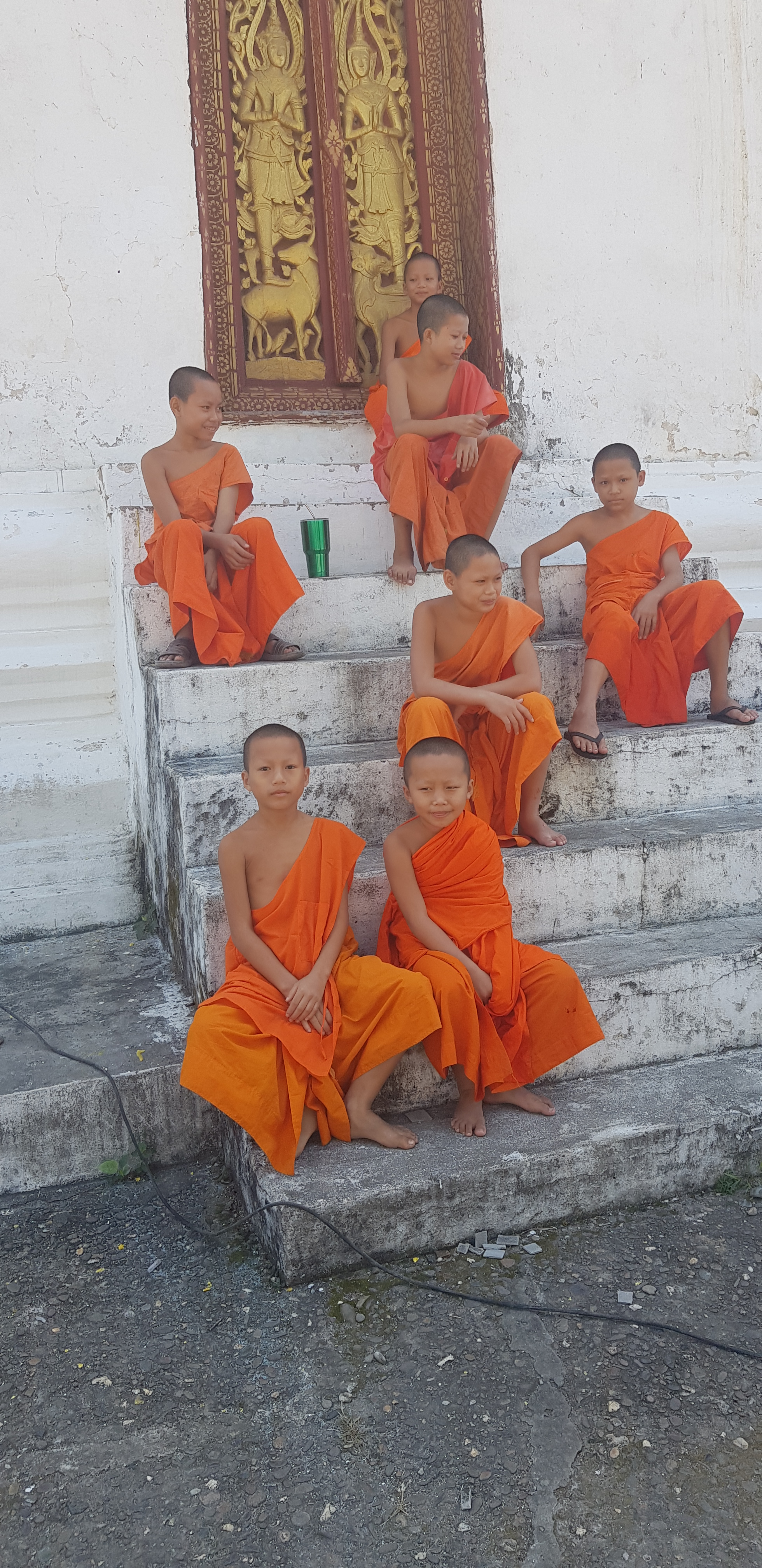
Feeding the monks is a ritual. Or call it almsgiving. It needs some preparation: get up at 2 o’clock at night to cook sticky rice. It’s a long and tricky process, but sticky rice is convenient because it comes in one big lump, from which you take off small chunks to put into the monks’ alms bowls. Bring along 60 or 70 small packs of biscuits. Dress decently (long skirt, shoulders covered) and go to the street where the alms round takes place. In the dark, you see the monks in their bright orange robes approaching, bring your food bowl to your forehead, and when the monk is in front of you, lift a handful of food to your forehead and gently place everything into his bowl, without touching either robe or bowl. And this goes on for about an hour. Don’t be surprised when some ill-informed tourists in shorts and belly-free top get in the way to take pictures of the monks. They don’t know any better.

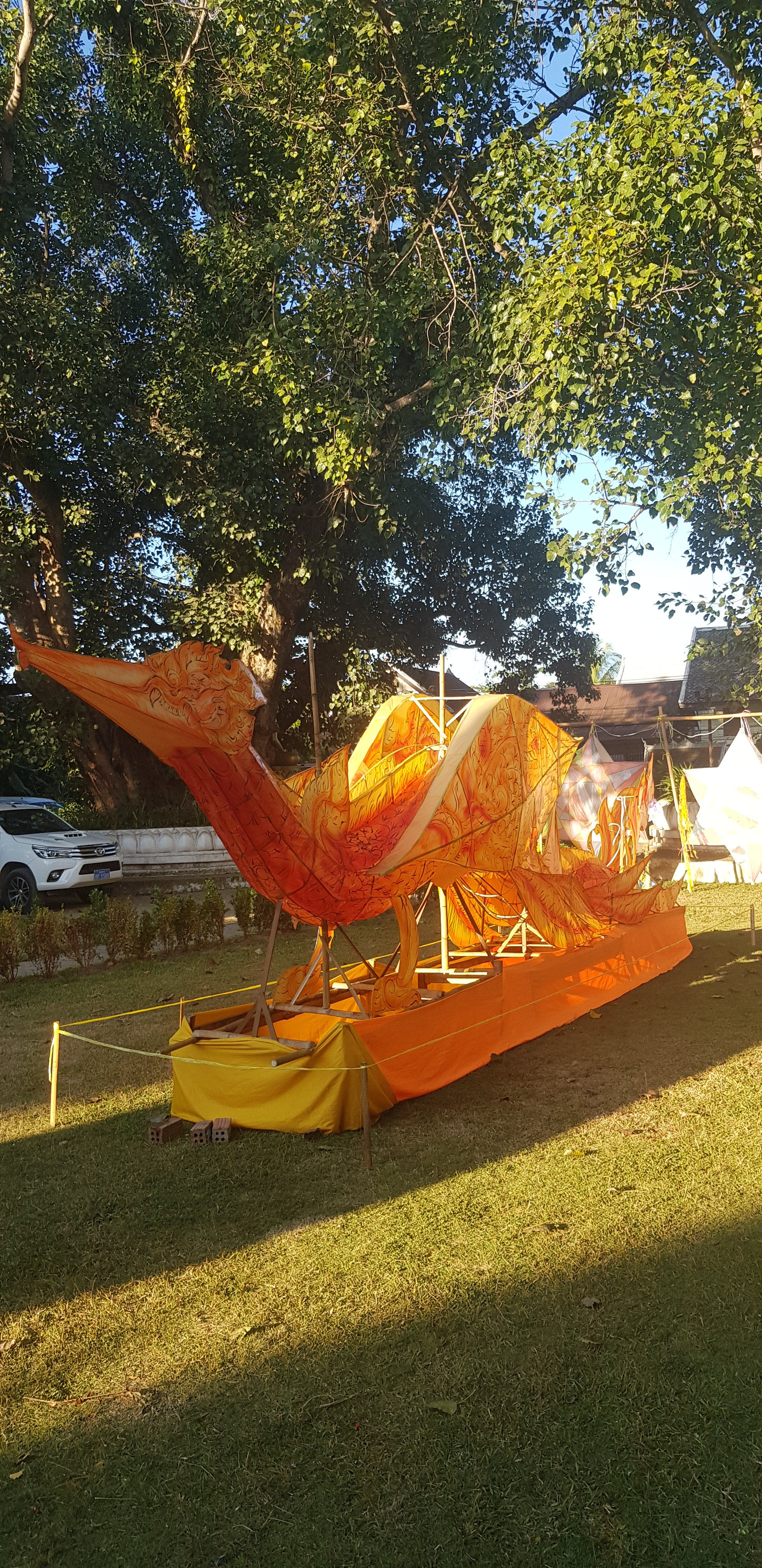
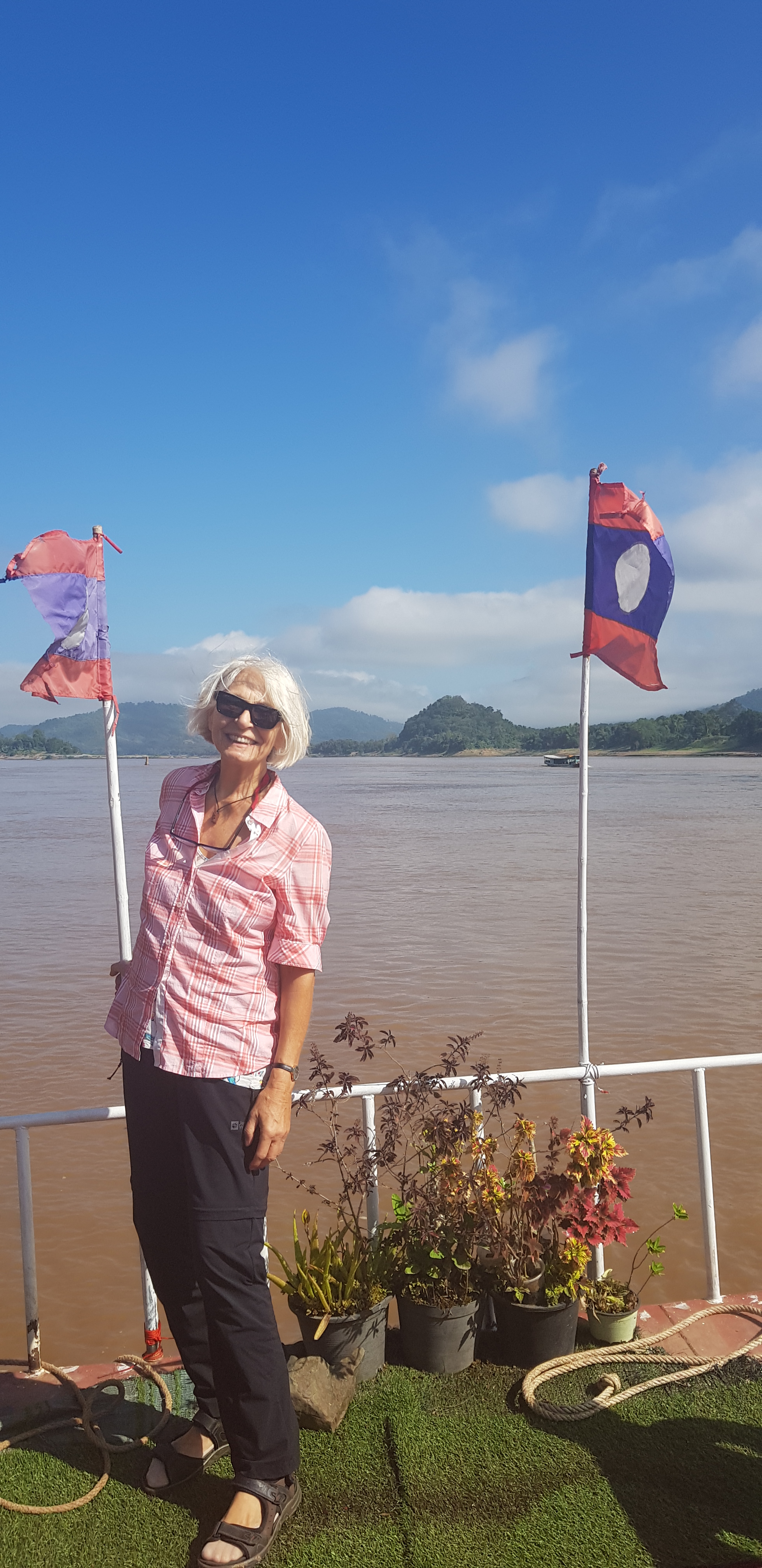
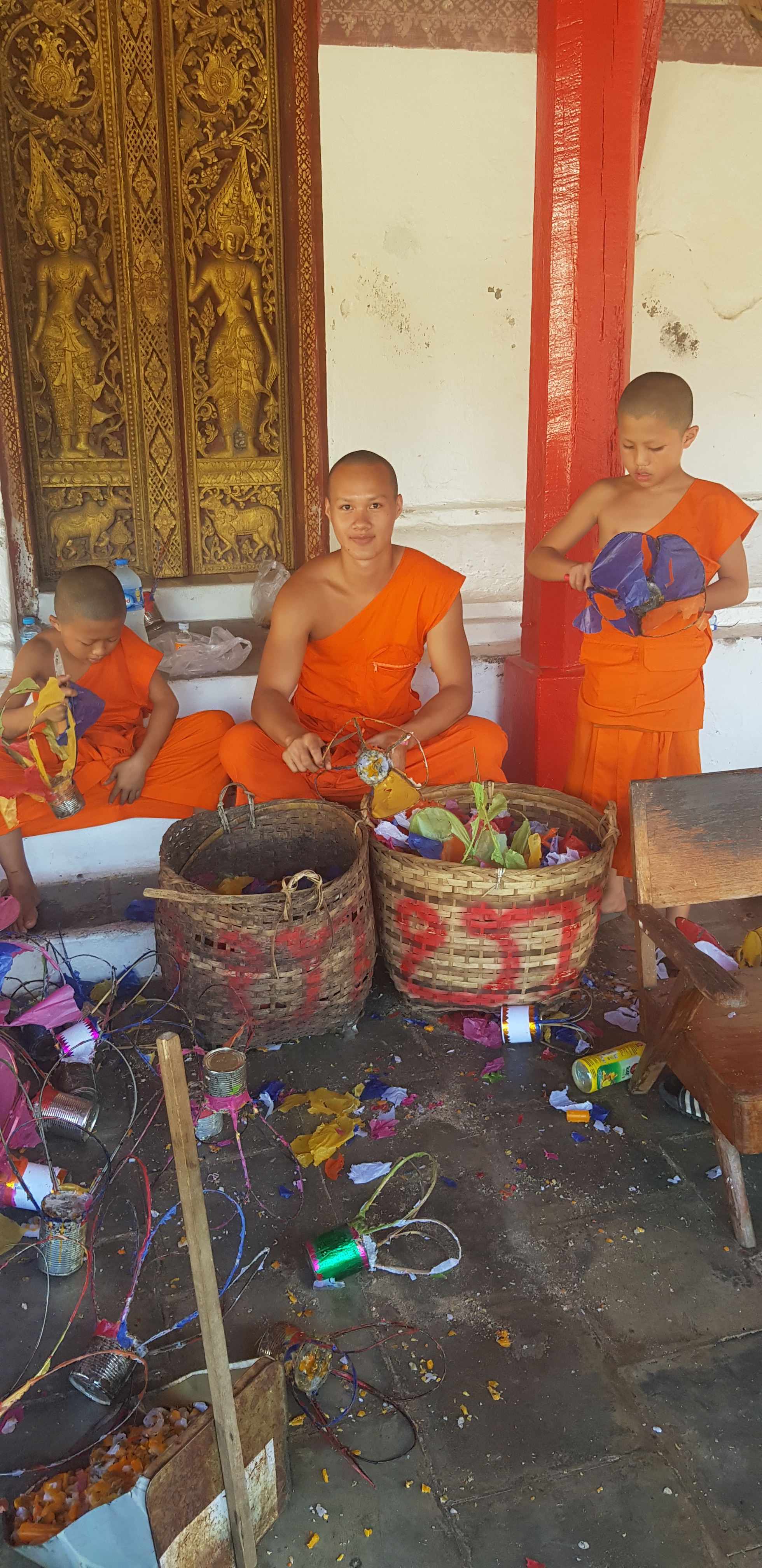
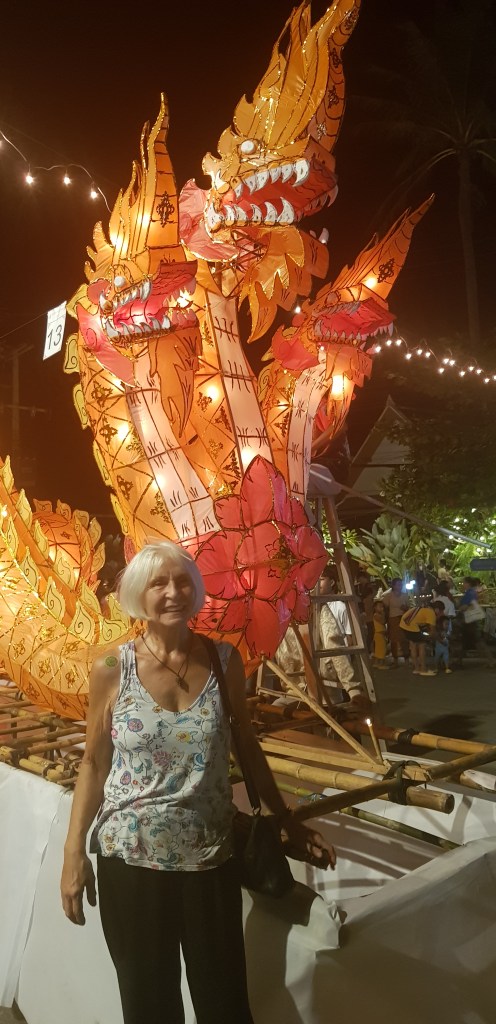
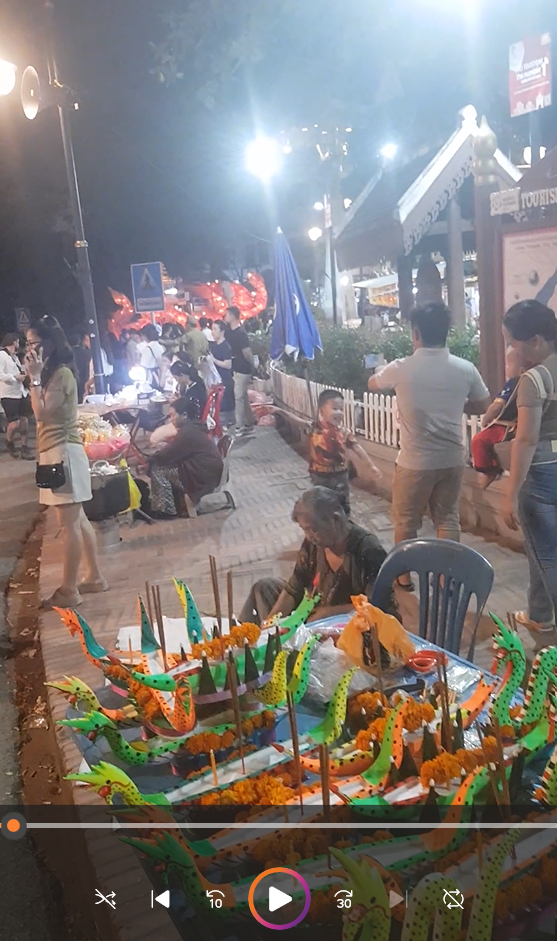
On my first night in Luang Prabang I went to see the Festival of Lights. A long fire boat parade wheels through Luang Prabang to the riverside where the boats are carried down to the Mekong River and float away going up in flames. They are made of orange coloured paper and bamboo with candles inside. You can buy offerings to the Buddha, to the river Mekong “the mother of all things”, or to the nagas. That way you ask for forgiveness for having polluted the river and you avert bad luck. The fire boat behind me represents the nagas. I love nagas (serpent spirits) and take pictures everywhere I see them!

I was so fascinated that I lost my group and not yet having a Lao sim card I couldn’t use the gps or call someone.

Luck is when a tuktuk driver understands what you are saying and knows the place you want to go to.

to be continued

cheers Gerburg
In love with Tiki

9 Oct

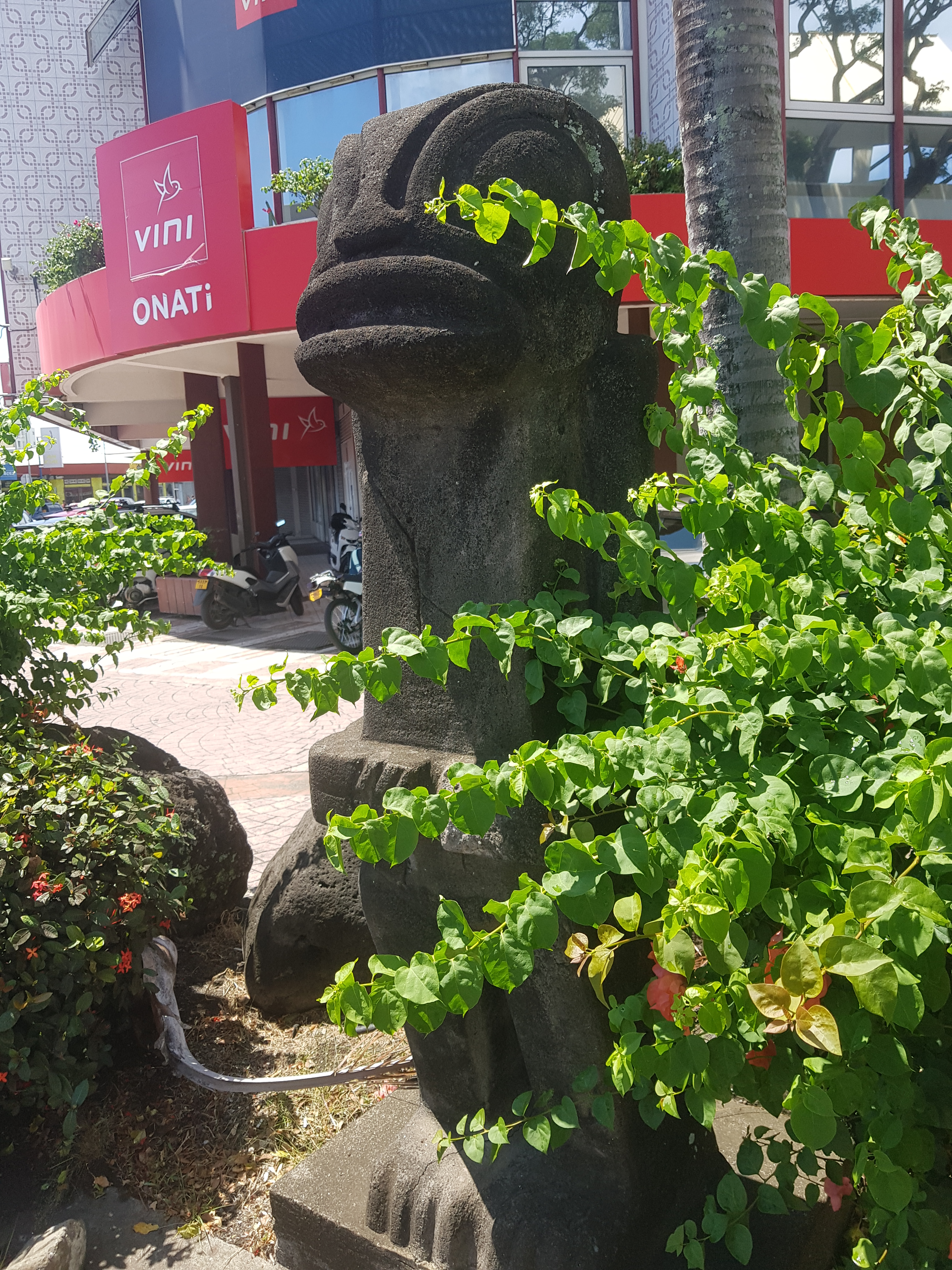
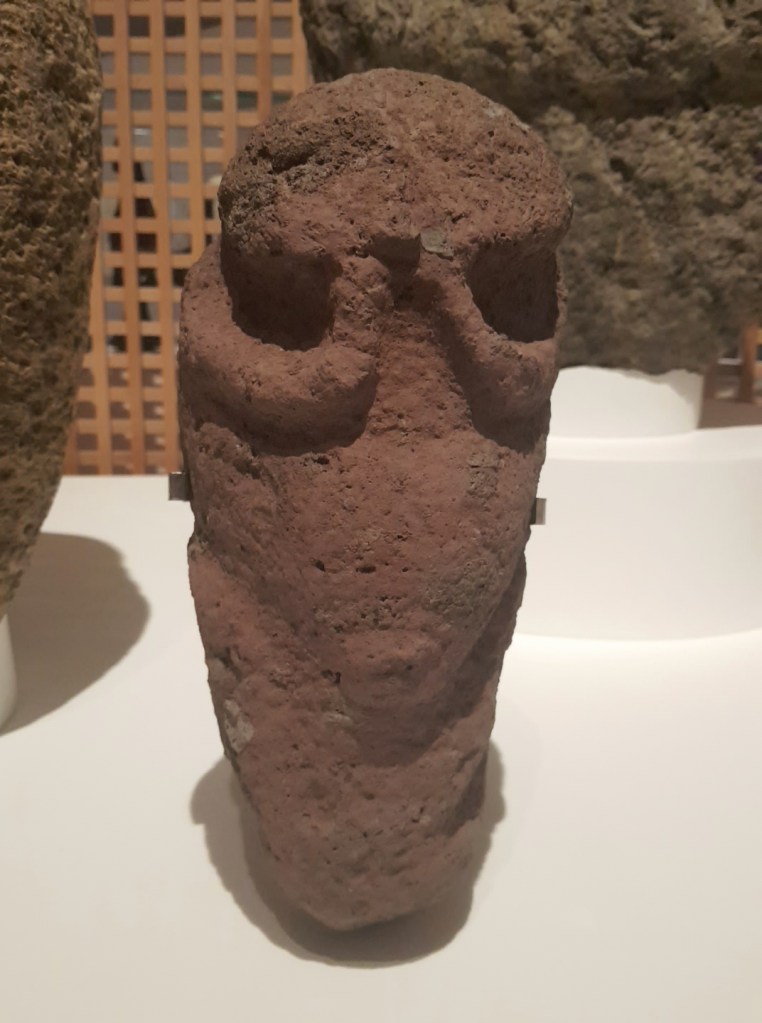
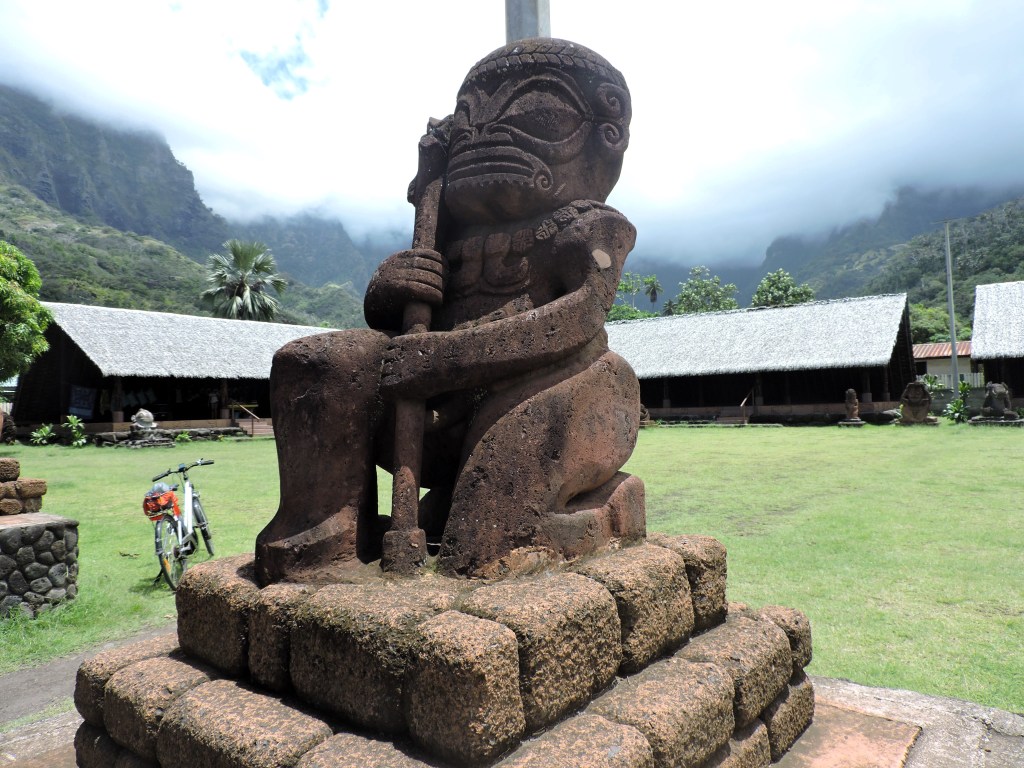
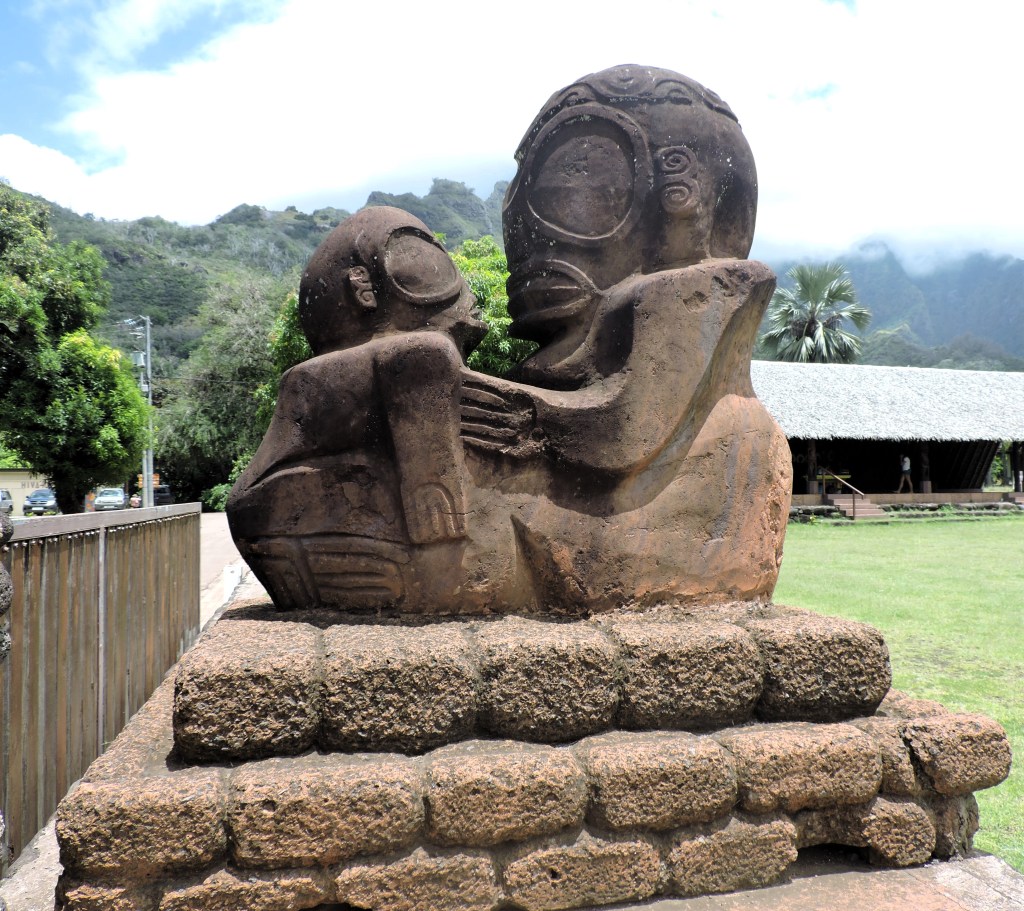
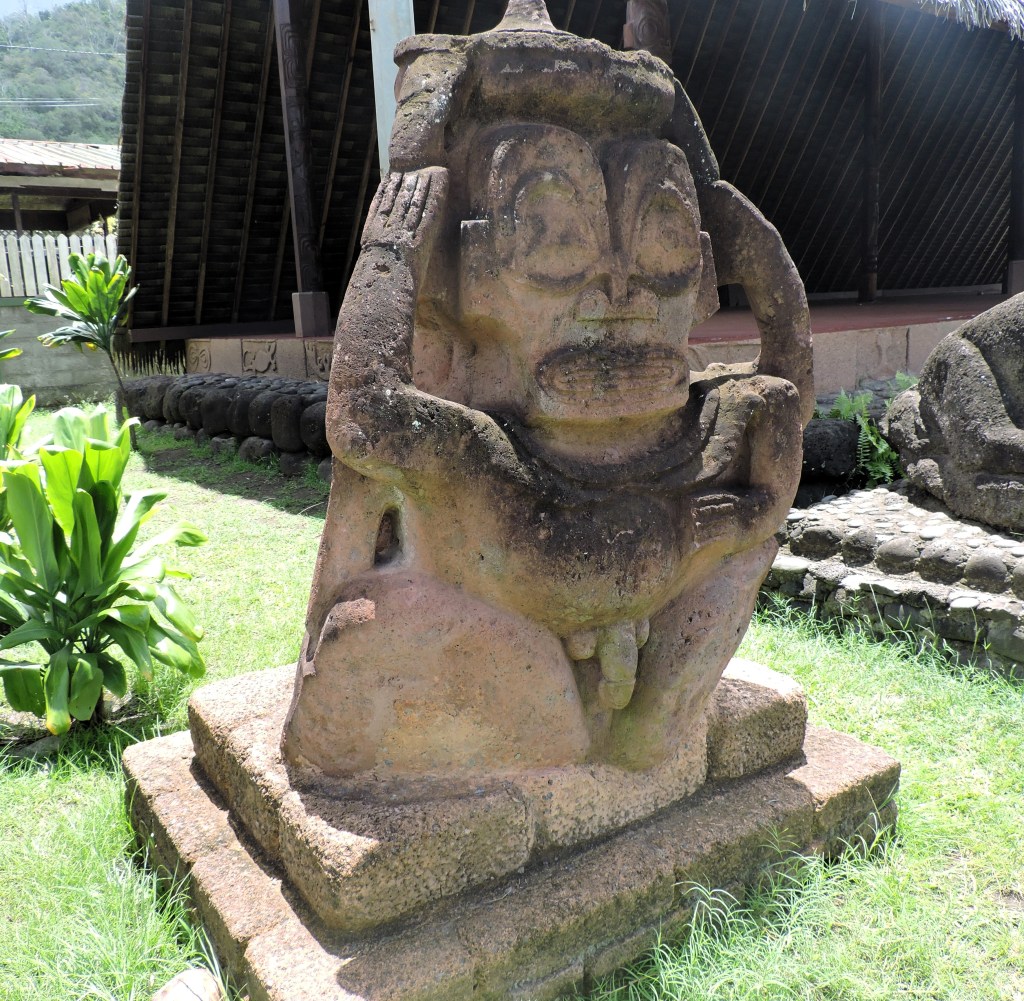
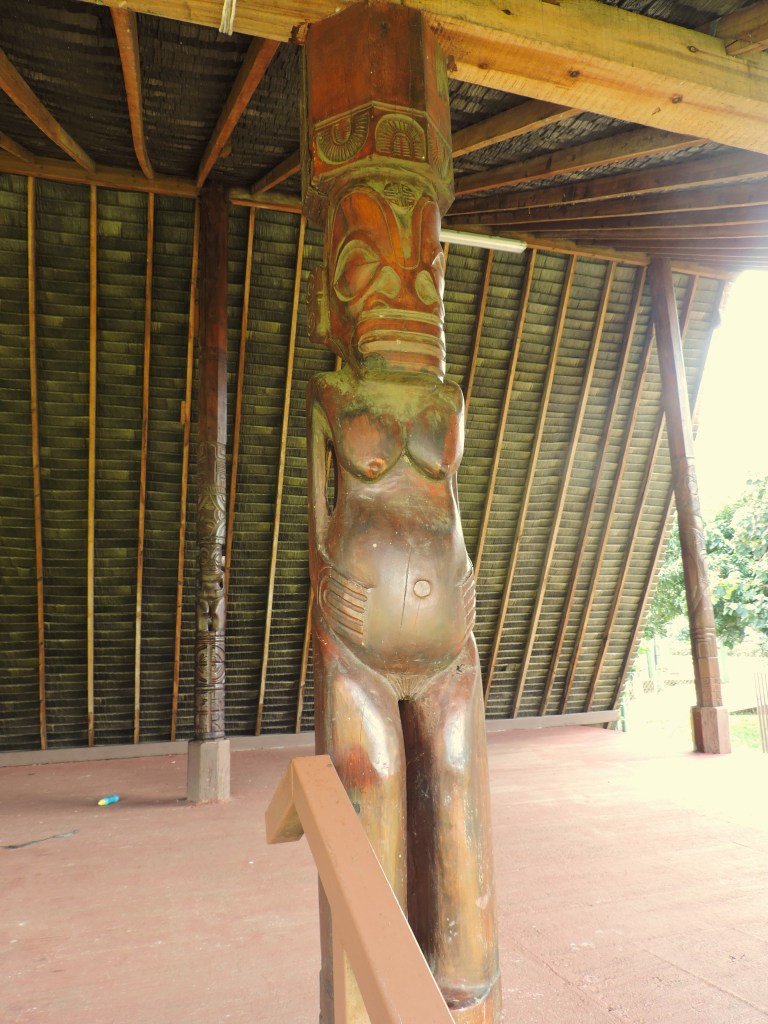
I didn’t know much about Tiki when I started out, it was just a figure, carved in stone or wood, resembling what? a human being? ET? With large oval eyes and high arched eyebrows, wide mouth, squatting or kneeling, even standing upright … sometimes in the middle of a busy street or in front of a Bank. I saw my first Tiki when I went to buy a Polynesian Sim Card fom VINI.

Is it decorative? Is it pretty?

I simply fell in love with it and started taking pictures of every Tiki I came across. And I didn’t know what it was all about. I’m still puzzled today, and I’m still infatuated.

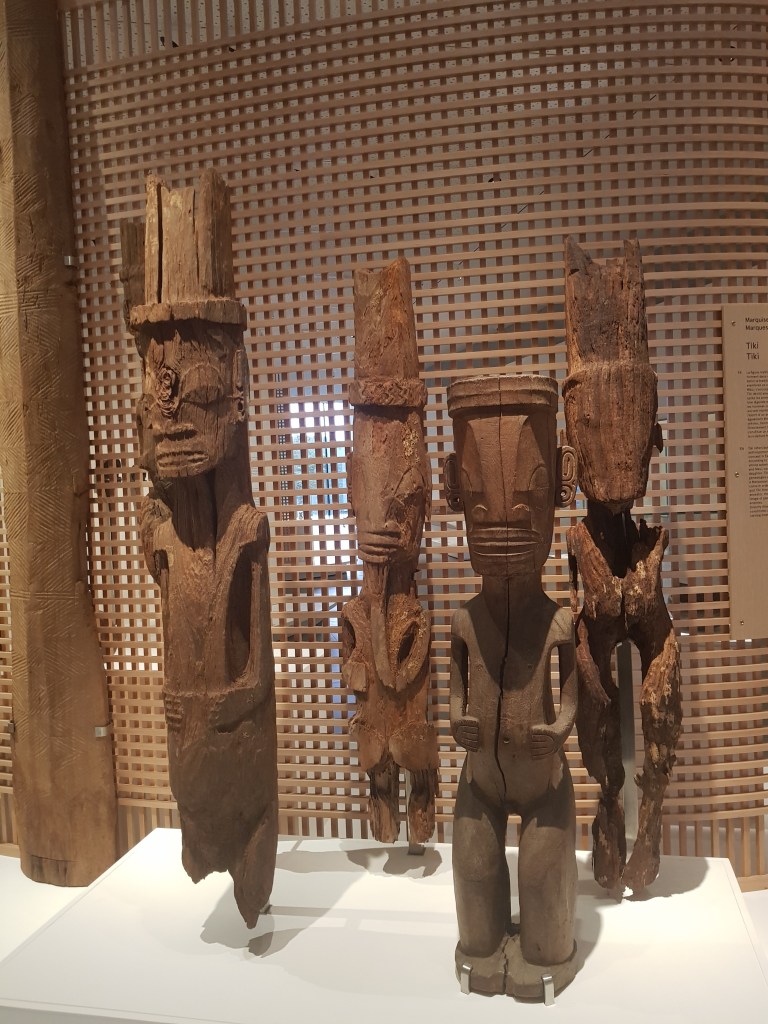
A symbol of Polynesian culture and spirituality Tiki or Ti’I, means demigod and is therefore considered the creator of man. He represents ancestors or gods and has protective powers. That’s why you would also put it in your garden or in your house.  I want one!

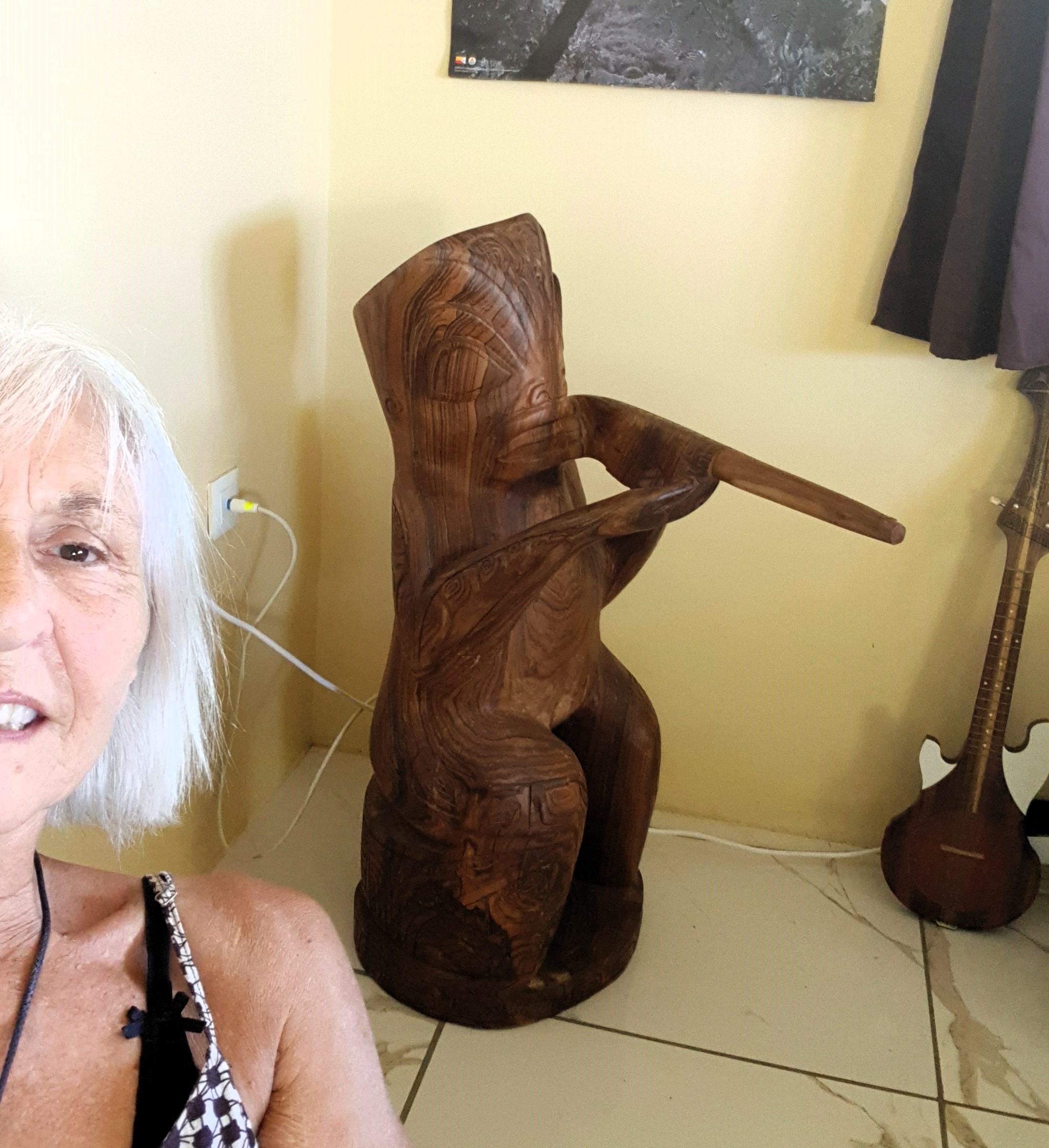
Modern Tiki: A not so suttle statement against the white invader? In my bungolow on Hiva Oa.

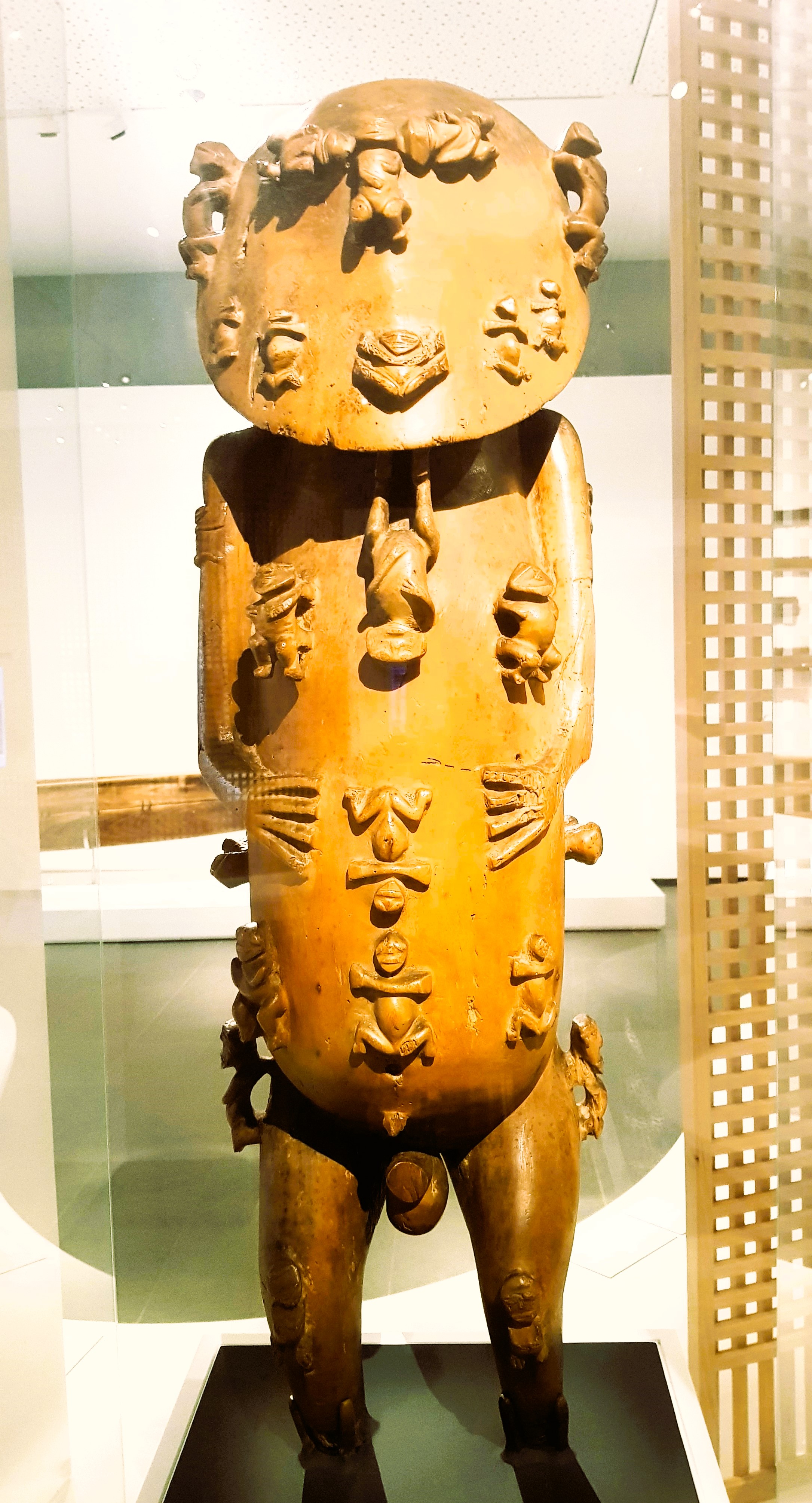
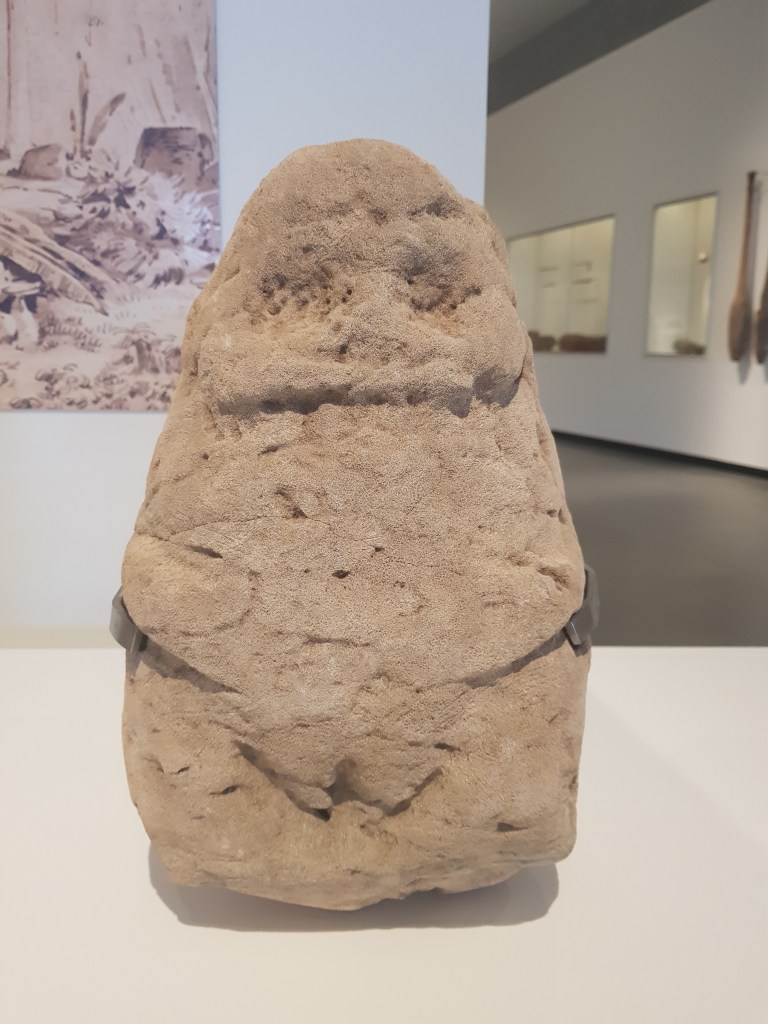
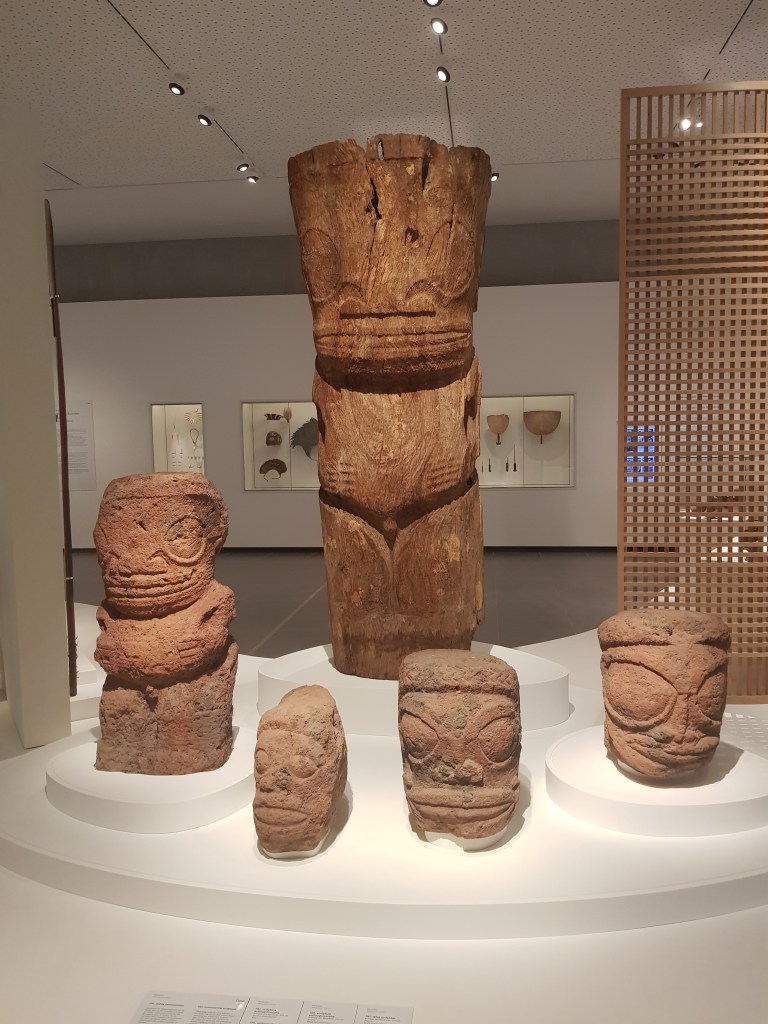
I suppose not all anthropomorphic figures are Tiki. Here are some pretty ones from the Musée de Tahiti et des Îsles. (Entrance fee around 20 €. Ok, no quarrel, already the Louvre costs 17 €.)

Most pieces of art in the museum are on loan from the British Museum, le Museum of Archaeology and Anthropology of Cambridge, la Congrégation des Pères des Sacrés-Cœurs de Jésus et de Marie, the musée du quai Branly – Jacques Chirac and other important European Museums.

On loan … That is so generous!!!

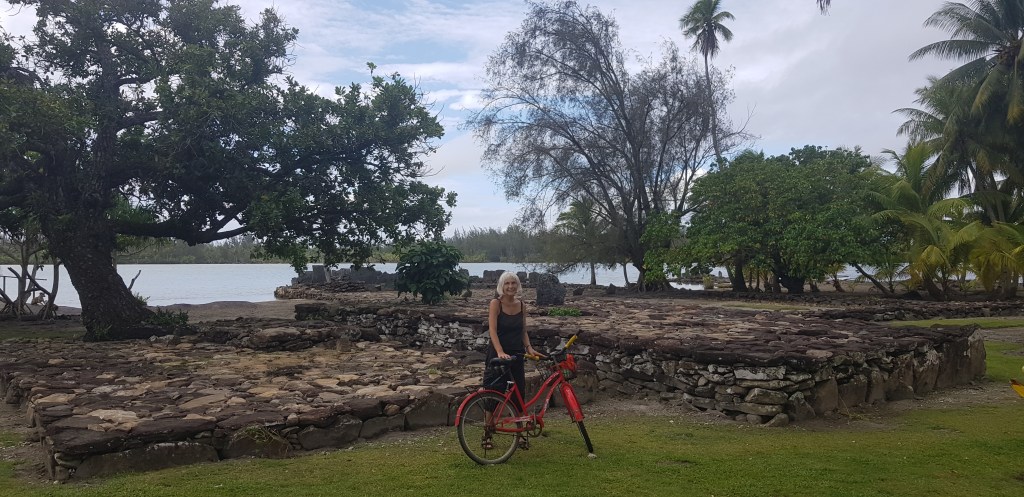
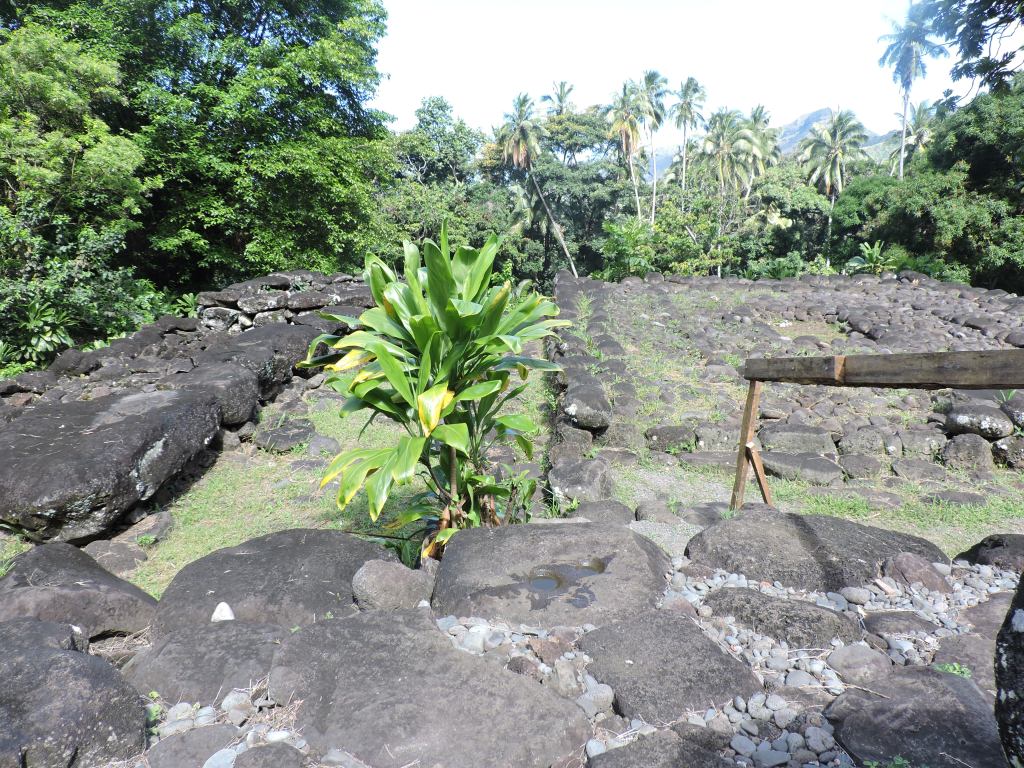
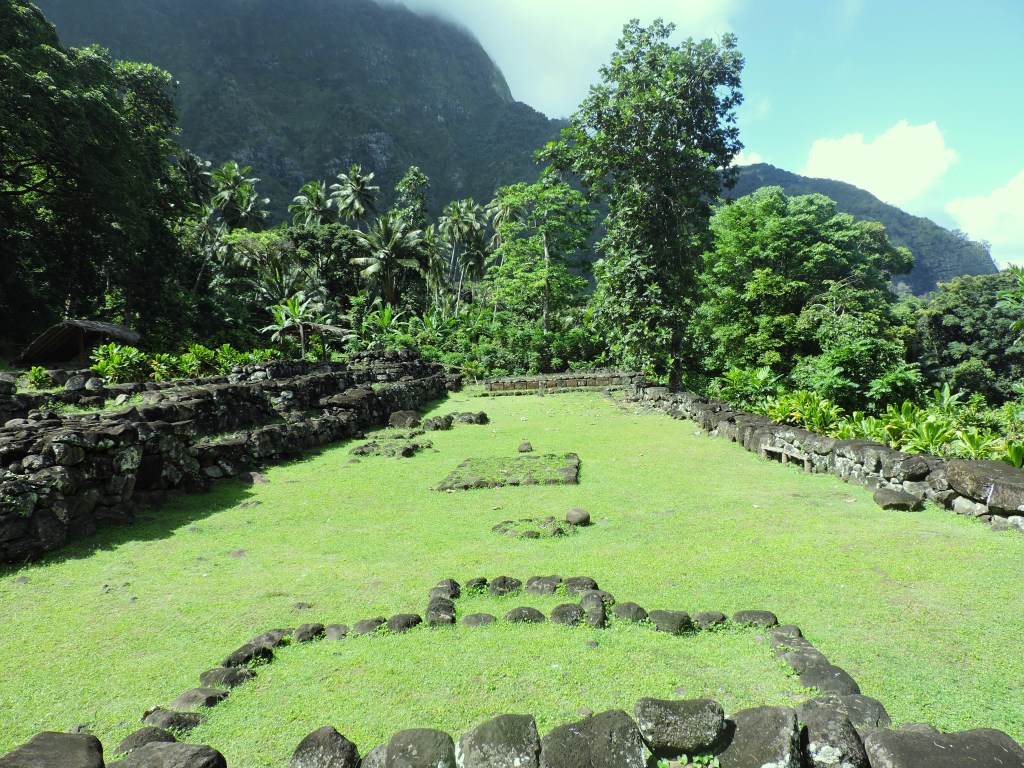
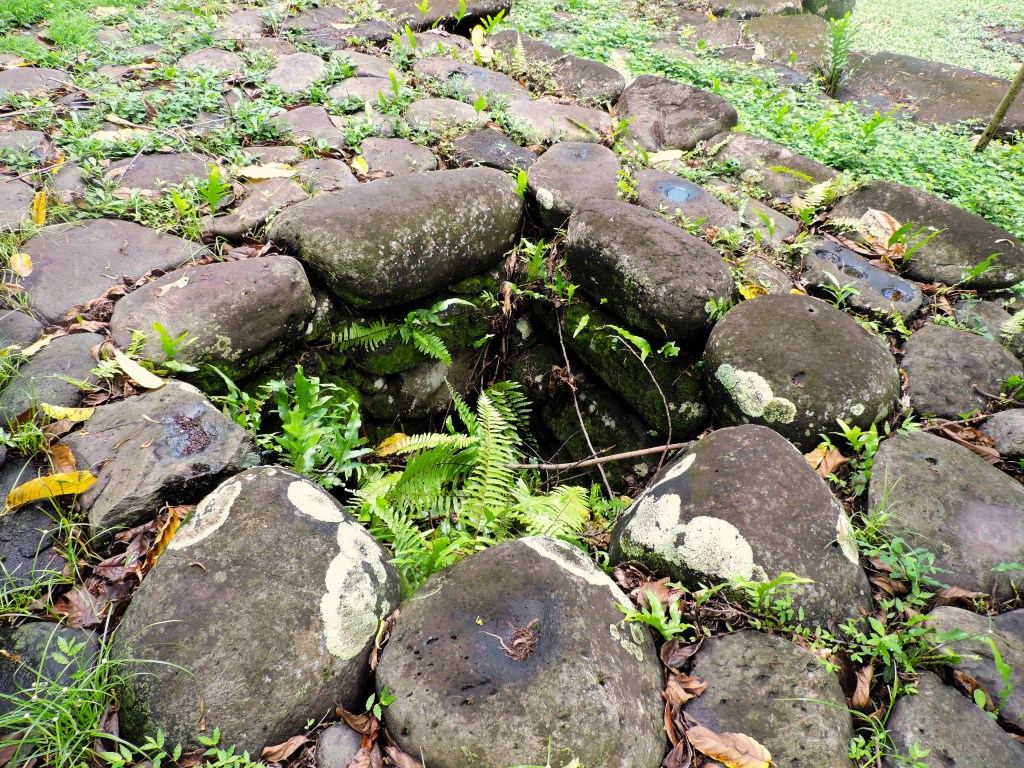
Some carved heads from Tiki could represent deified prestigious chiefs or enemies that had been sacrificed. You’ll find them mainly in the vicinity of the meàe the sacred sites formed of huge, meter high stone platforms where rituals were performed. Today they are indicated as archaeological sites. There you find pits for food storage and caved out bowls in the rocks used to mix tattoo ink.

Only spiritual leaders and their assistents were allowed here, sometimes the chief and high ranking members of a clan. For ordinary people all that was sacred was “tapu”, forbidden: the head and sacred body parts, people, places, times, objects and foods. And now we also use the word, in all our languages.

According to the oral tradition, Tiki, half-man half-god, coupled with Hina-one, whom he fashioned out of sand, then with their daughter. Tiki thereby became the creator of humankind. He appears after the first gods and before the deified chief of a clan. Creation myths may vary from isle to isle or one archypelago to the next.

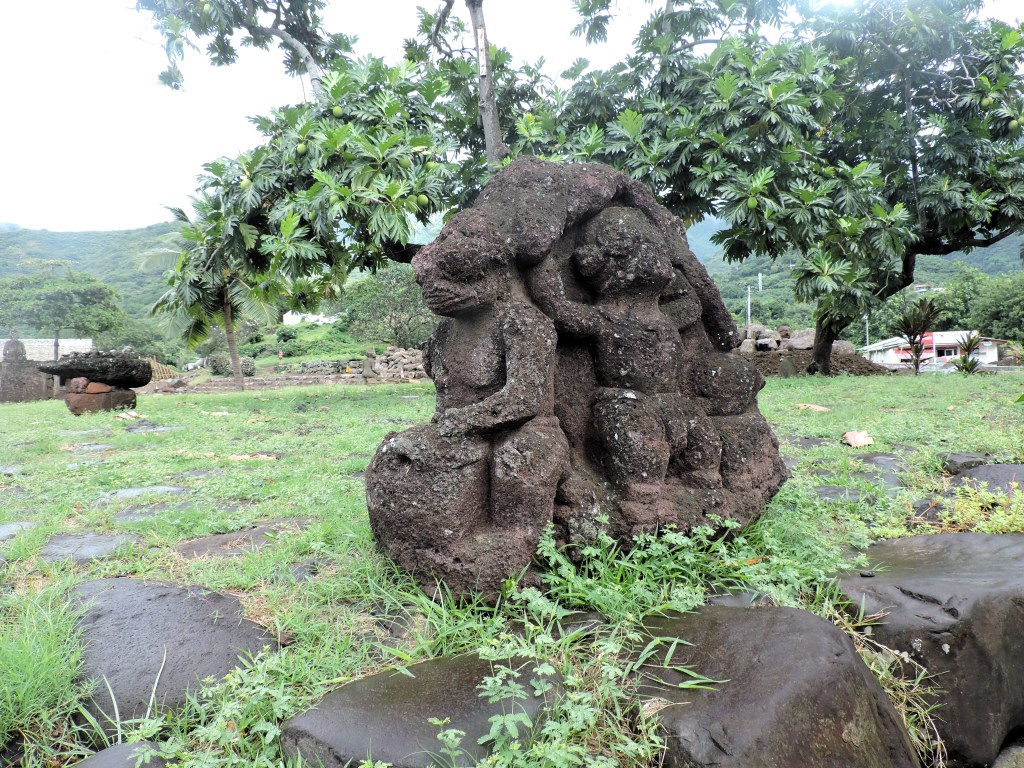
Here “Tiki family life” on a community square in Hiva Oa (Marquesas Islands); of rather recent making but still in the tradition.

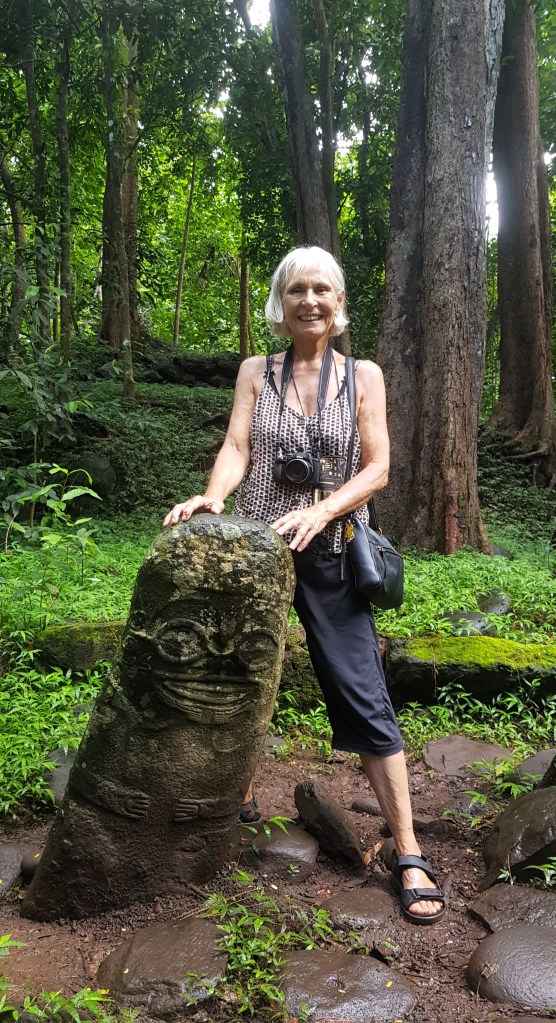
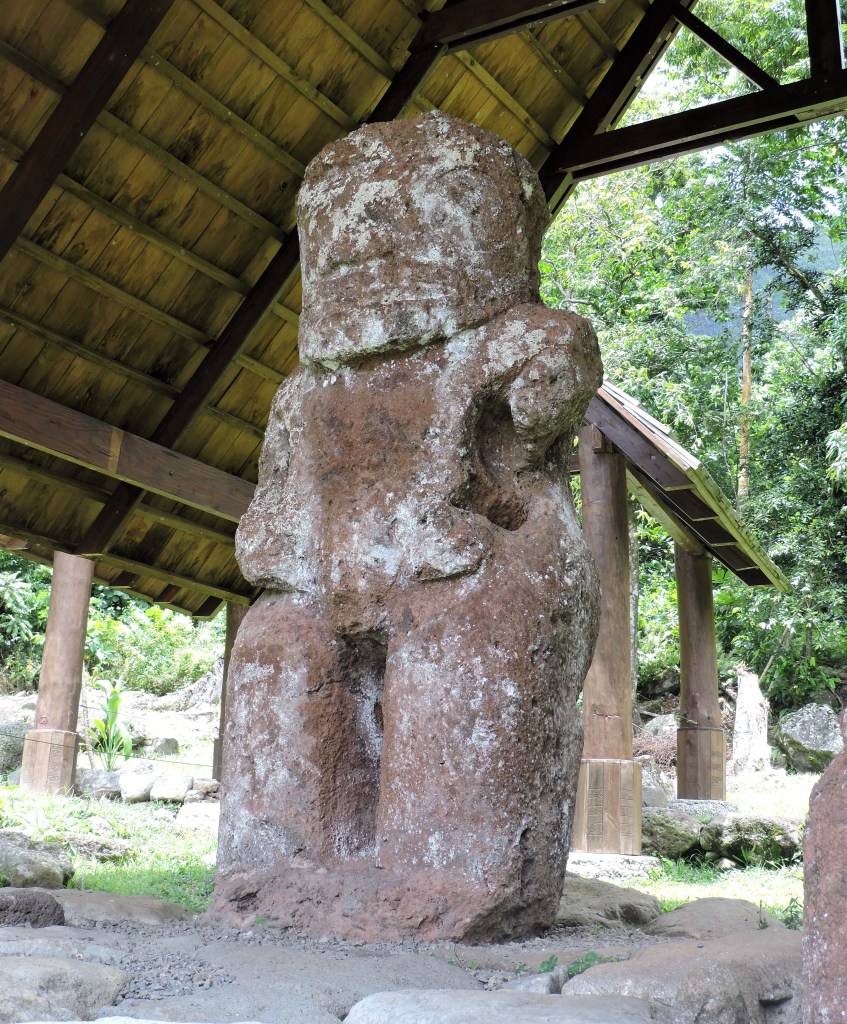
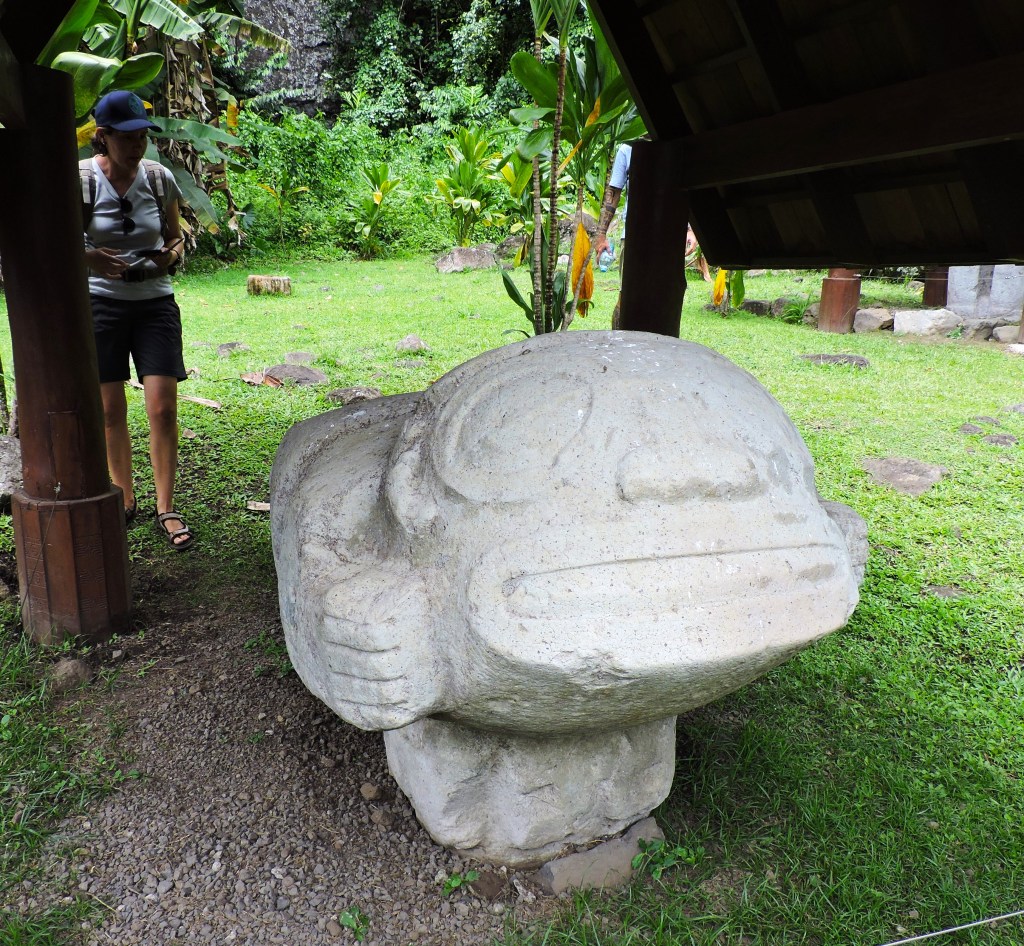
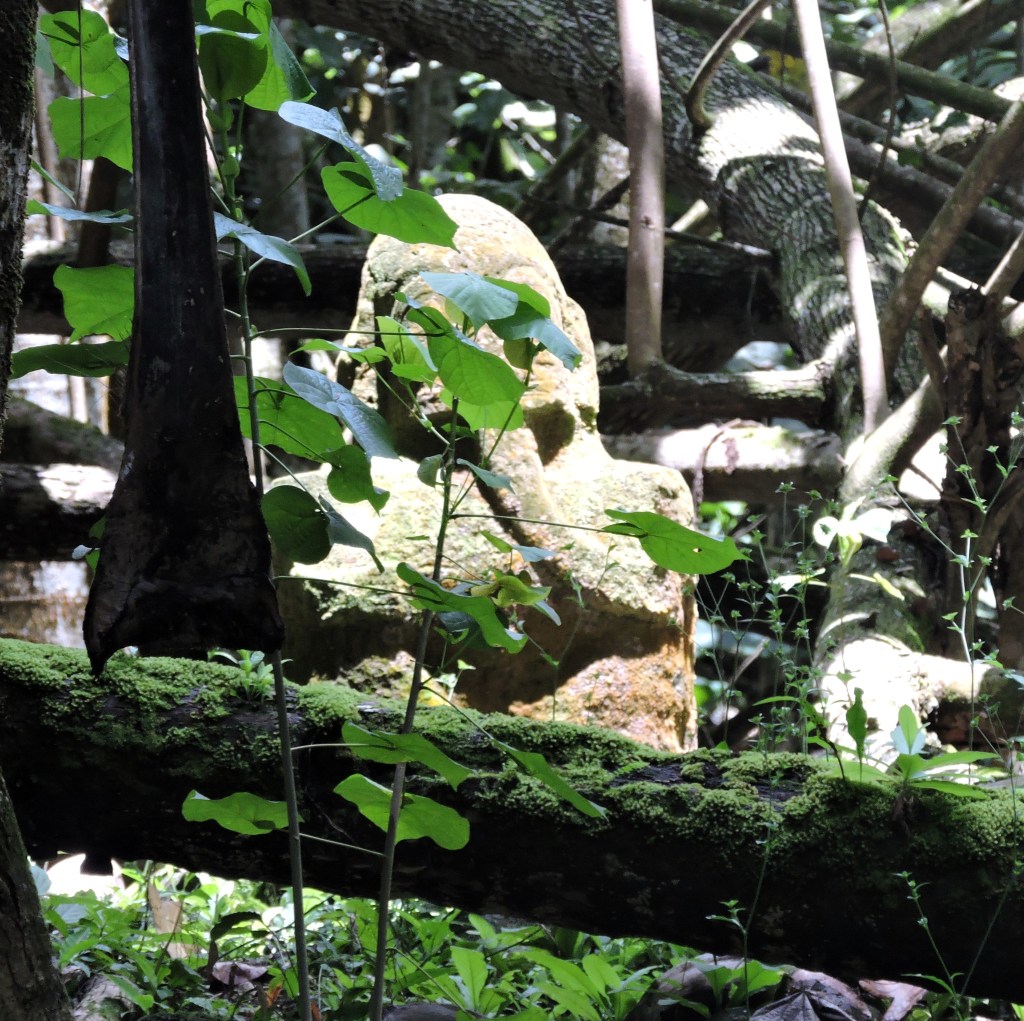
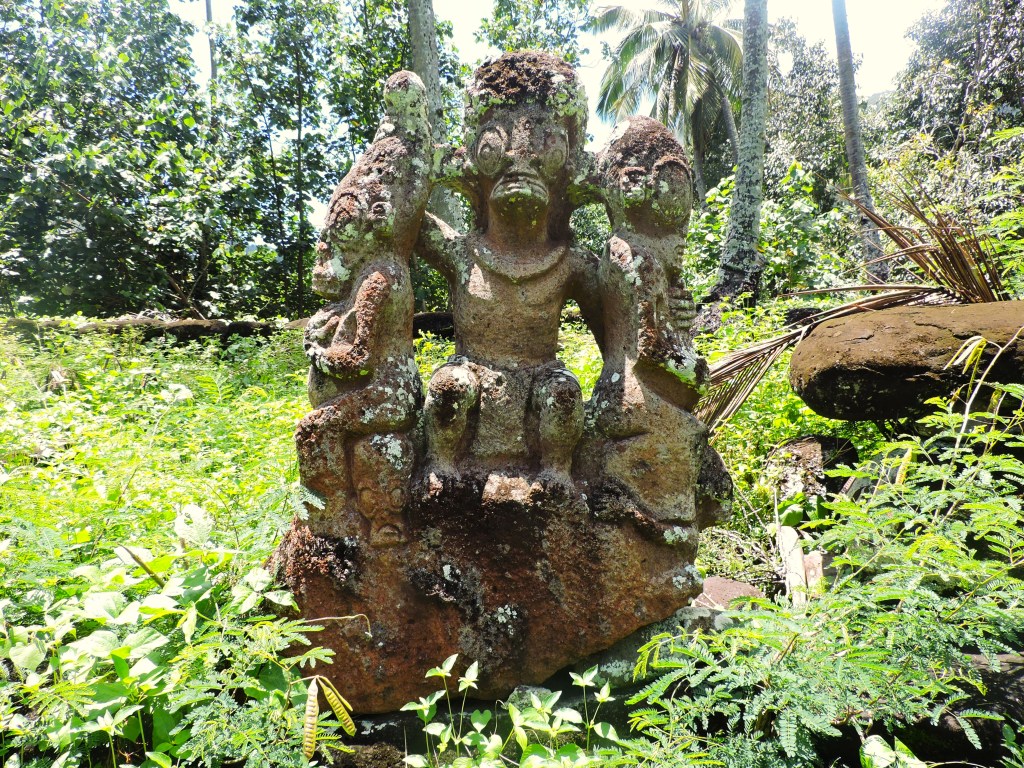
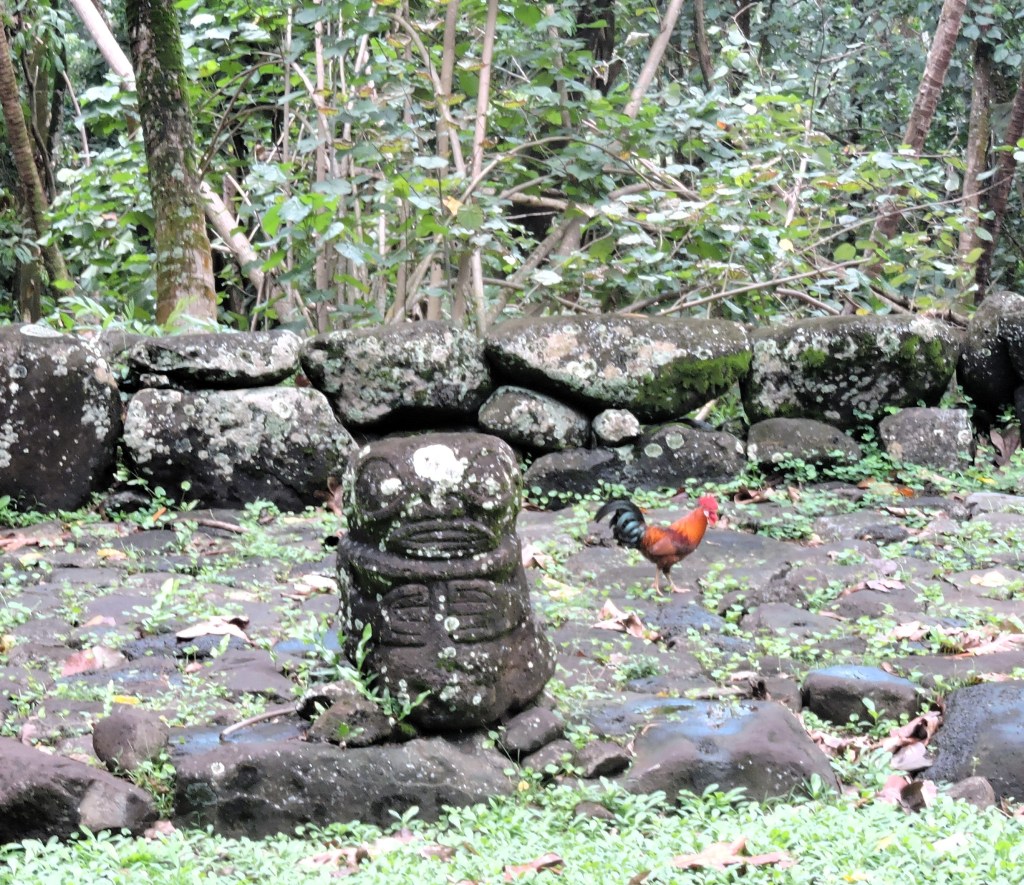
Meeting Tiki in nature makes it look even more mysterious than in town or in the museum. All overgrown with lichens and moss, it is hard to distinguish it from the surrounding rain forest.

Hiva Oa: Smiling Tiki, tallest Tiki, prone Tiki, hidden Tiki

His big head is the symbol of his power, his large mouth sometimes with his tongue wide out marks the challenge he throws at his opponent, his big eyes reflect his divine power and the knowledge he possesses.

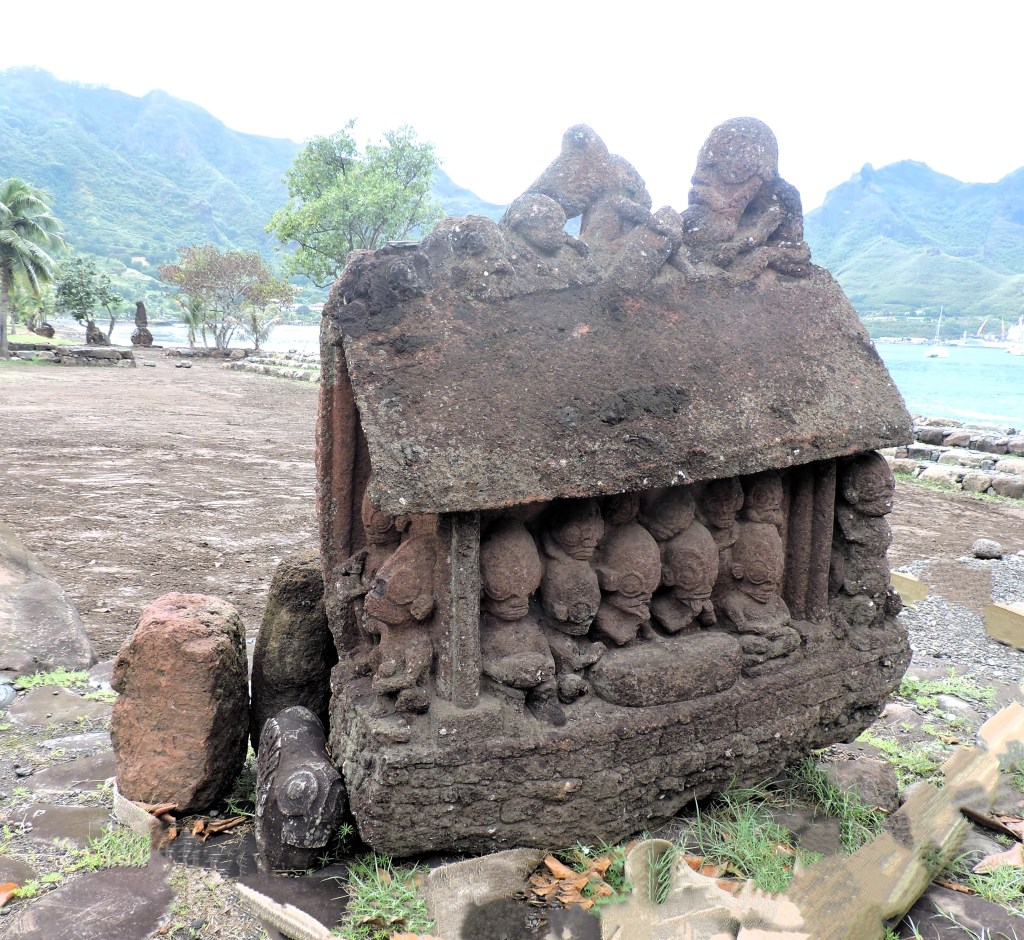
Nuku Hiva (Marquesas Islands): Tiki family seated on heads, Tiki with live rooster, Tiki houseboat? (voyaging the Pacific Ocean in search of new islands?).

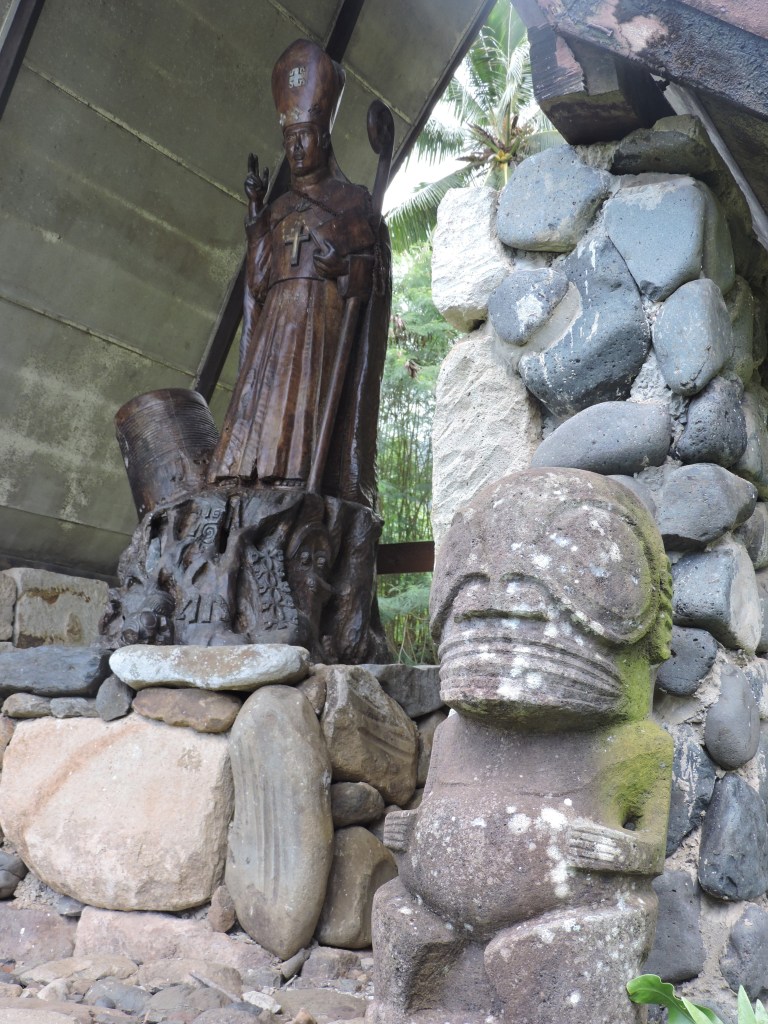
Christianity doesn’t exclude Tiki (any more, after having forbidden their usage in the past, after having destroyed a great deal of the sculptures, after having thrown them in the ocean and punished their worshippers). Here Tiki sentinels for the bishop of Nuku Hiva. There is another Tiki on the other side.

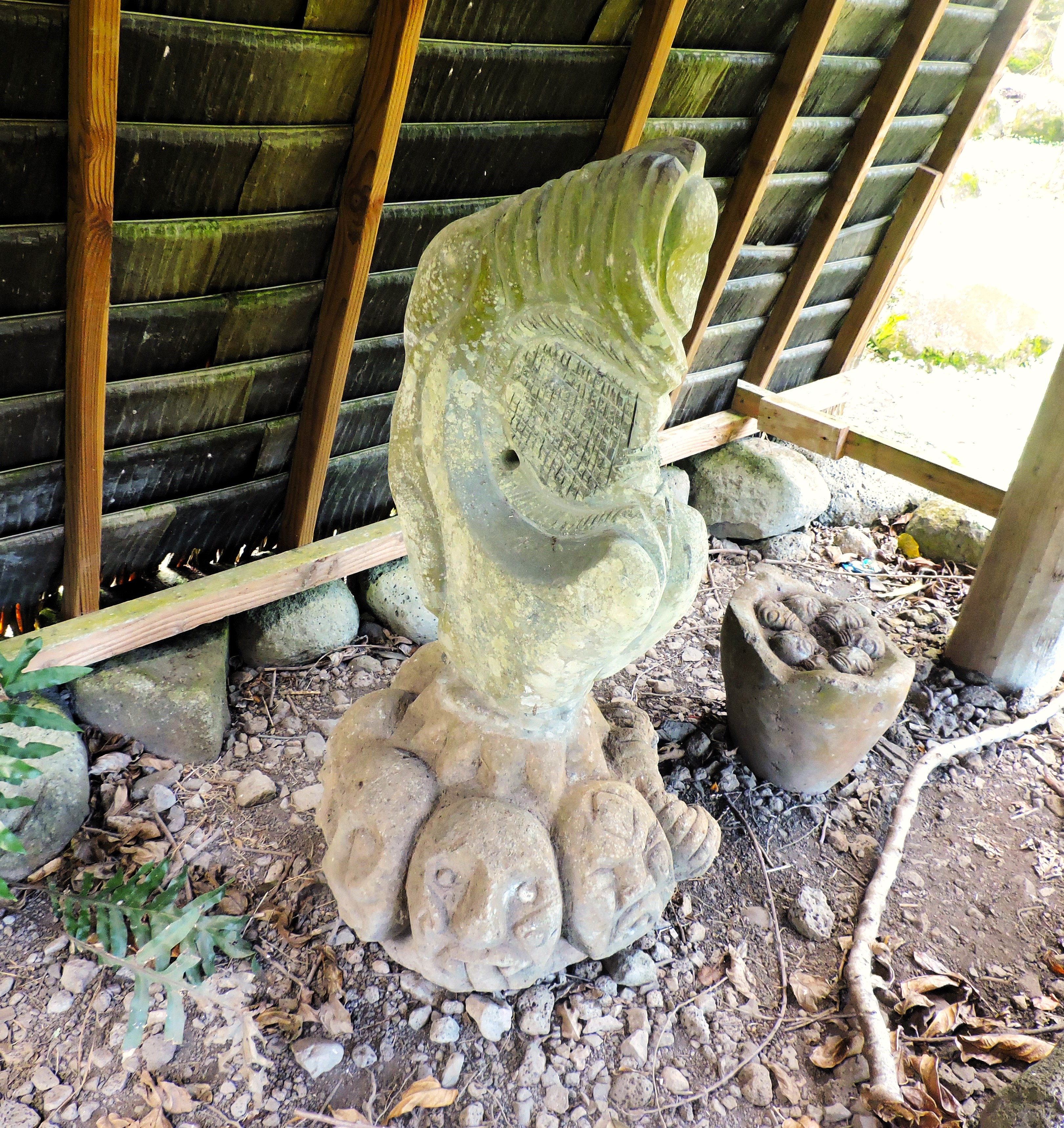
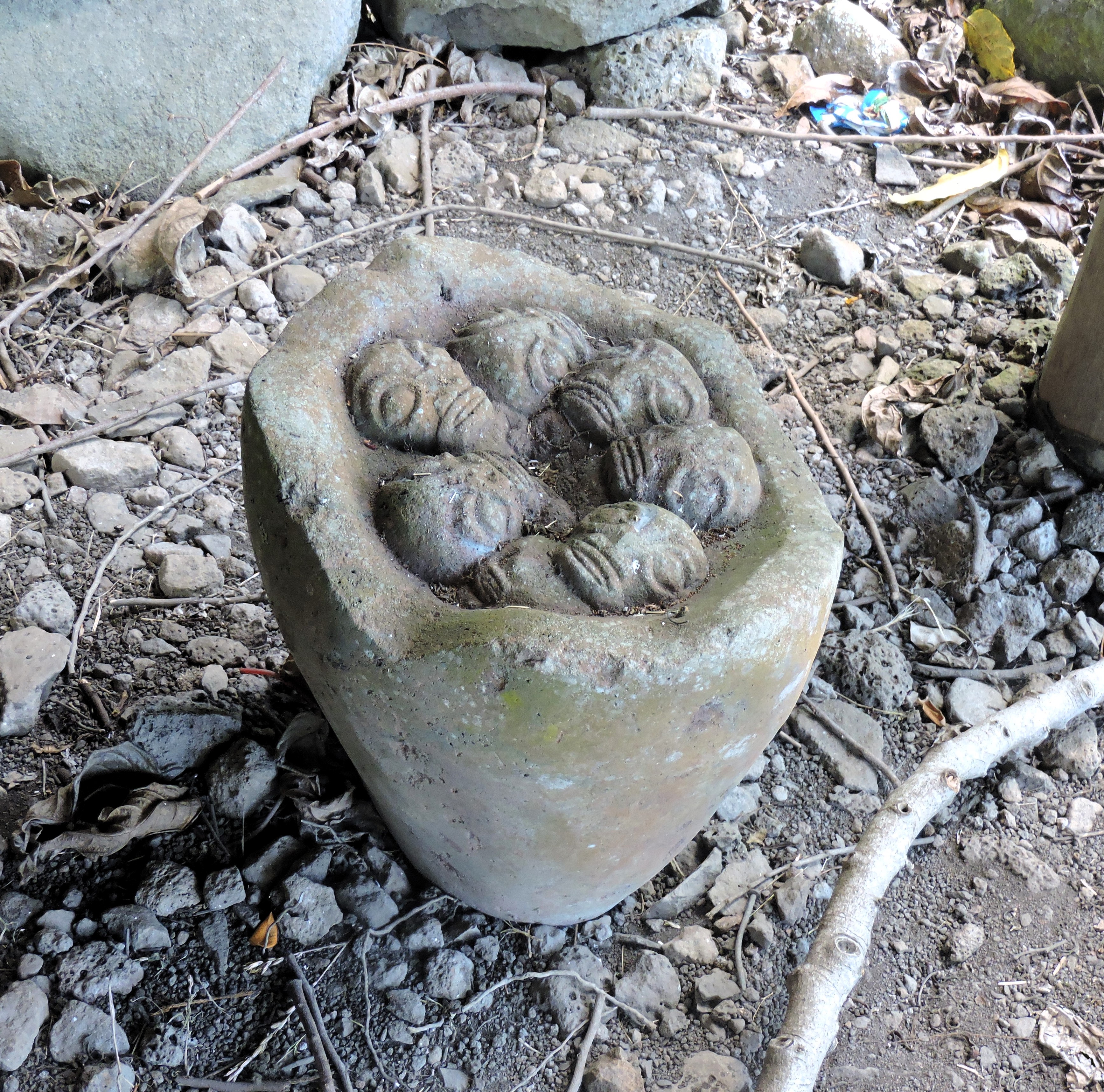
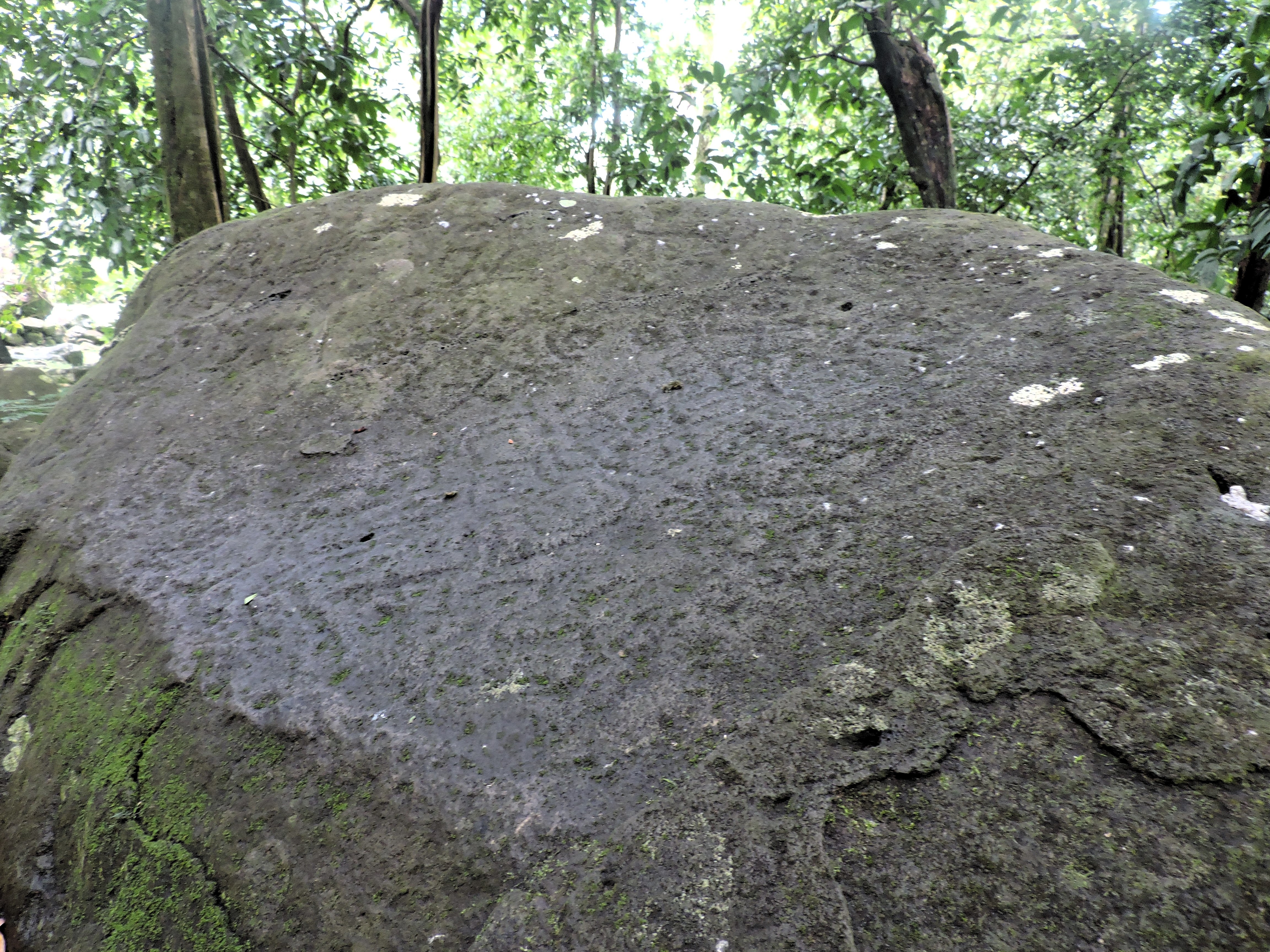
Misterious shape with Tiki heads in a pot and a big rock with petroglyphs, difficult to find and difficult to fotograph.

In defence of Tiki Tuhiva (from my spontaneous FB post)

I am by no means an expert on Tiki, I’ve just been “in love” with Tiki from the moment I arrived in Polynesia: fascinated, enamoured, overawed, enticed … I go around looking for them and take pictures to take home. I don’t even know which personal pronoun refers to Tiki, he, she, it, them, his holiness …

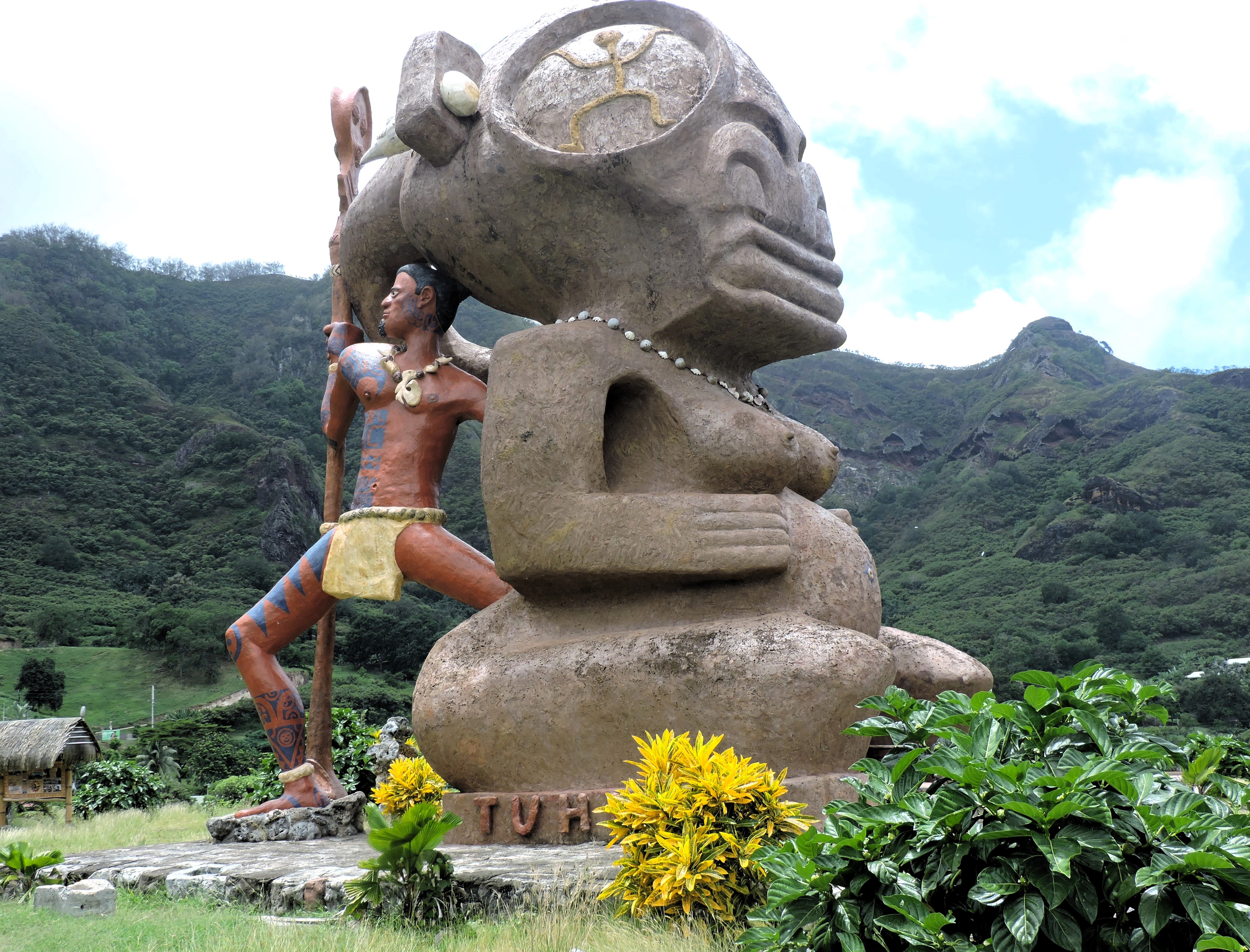
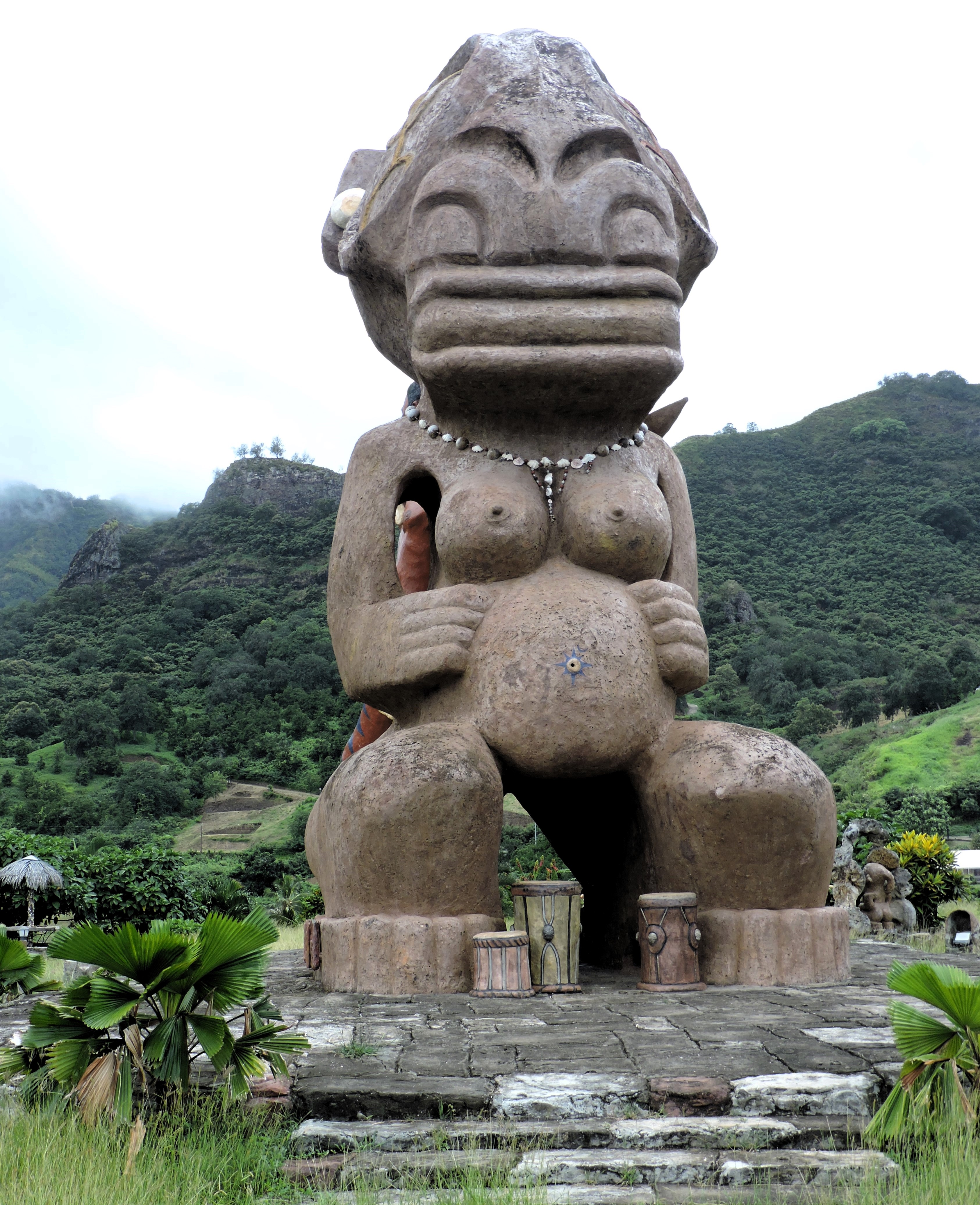
And then I come across the huge modern version of the statue, the tallest Tiki statue in the Pacific, 12 m high, wanted by Nuku Hiva’s Mayor Benoît Kautai and the sculpturer Grégorio Grand-Midi, working with the two Marquesian sculpturers Teve Teatiu and Touatini Matiki. The giant is looking out over the sea from the island of Nuku Hiva. Walking up to it, my first thought is “What’s this? Disney World or something?” I look at it closely, walk around it several time and make friends with it. Now it looks exactly right, where it is and how it was made and I start feeling sorry for all the negative comments I read and hear, saying “this is not my culture … and worse”. But cultural expression as a creative process, wouldn’t it be subject to changing ideas and convictions, new materials and tecnical possibilities? Tiki Tuhiva is the contemporary continuation of an ancient culture that got almost wiped out by the invader who robbed Polynesians of their beliefs, their myths and their rites and rights, their protection, their way of live … until almost today. And I am happy this Tiki is a woman. The artist: “avec la force ancestrale héritée de la femme tiki, gardienne de la tradition et du savoir, le guerrier Tūhiva s’élance pour façonner son futur”. She is the guardian of tradition and knowledge, and the warrior next to her protects the future so that past injustice will not repeat itself.

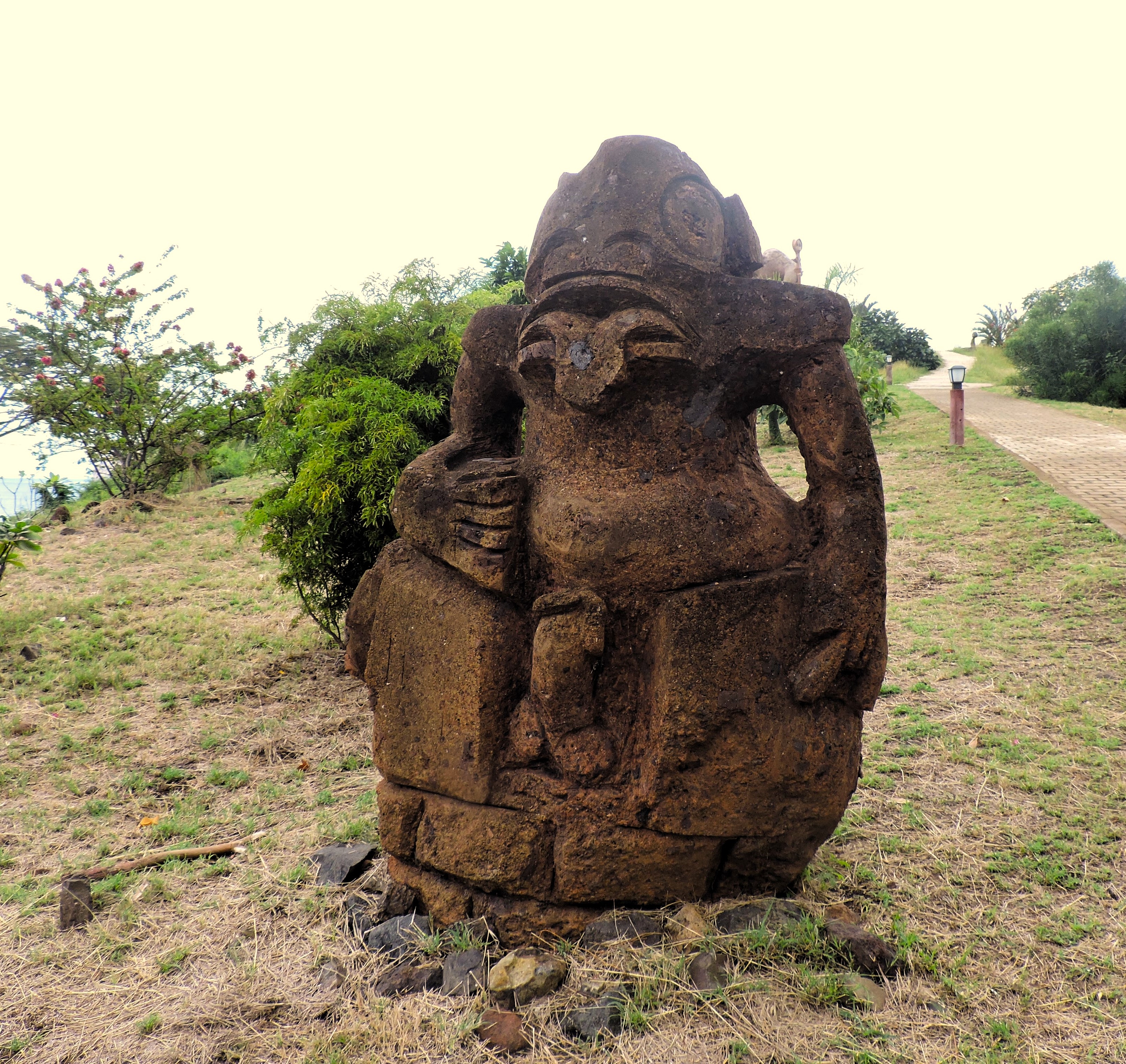
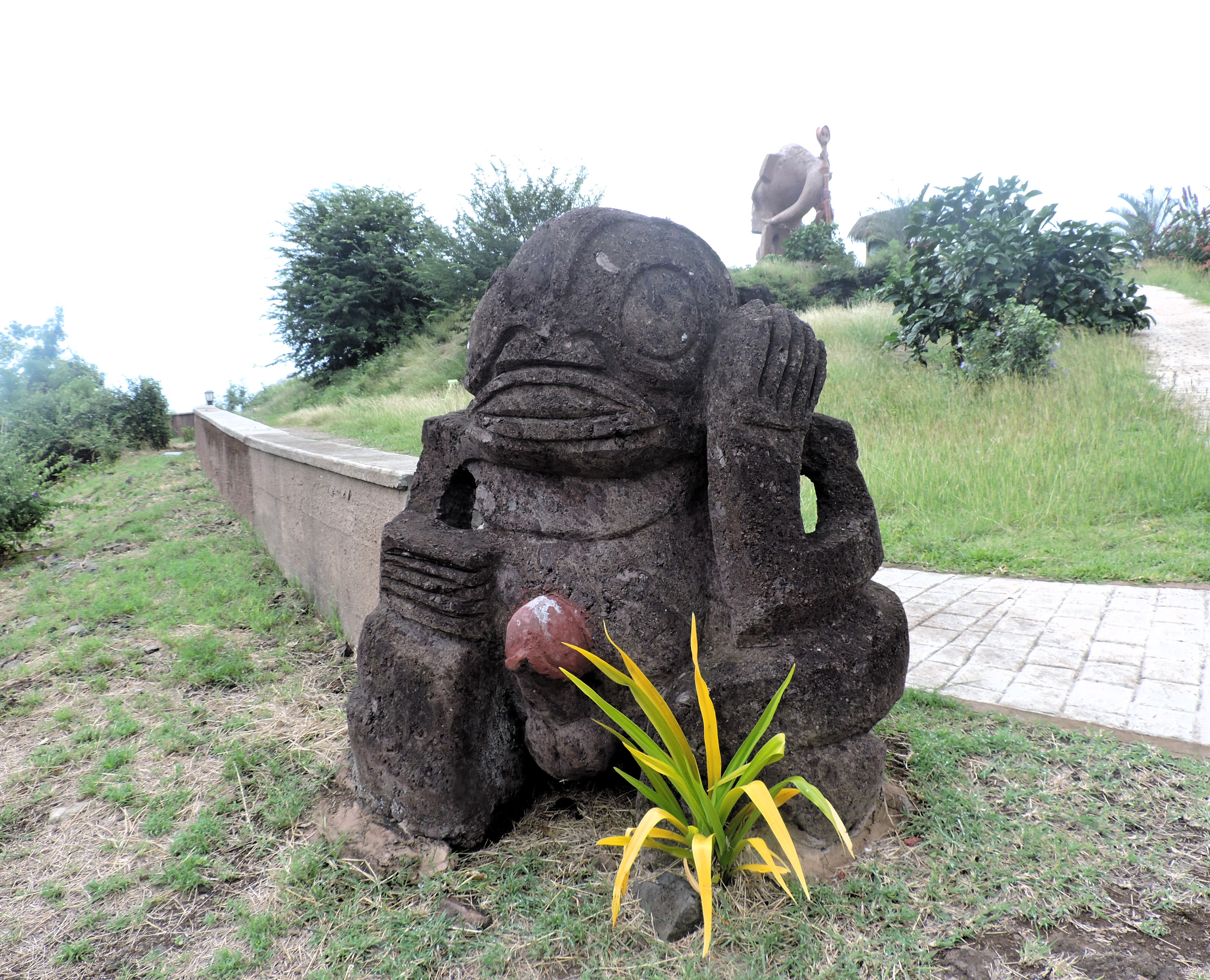
and the traditional Tikis are potently guarding her!

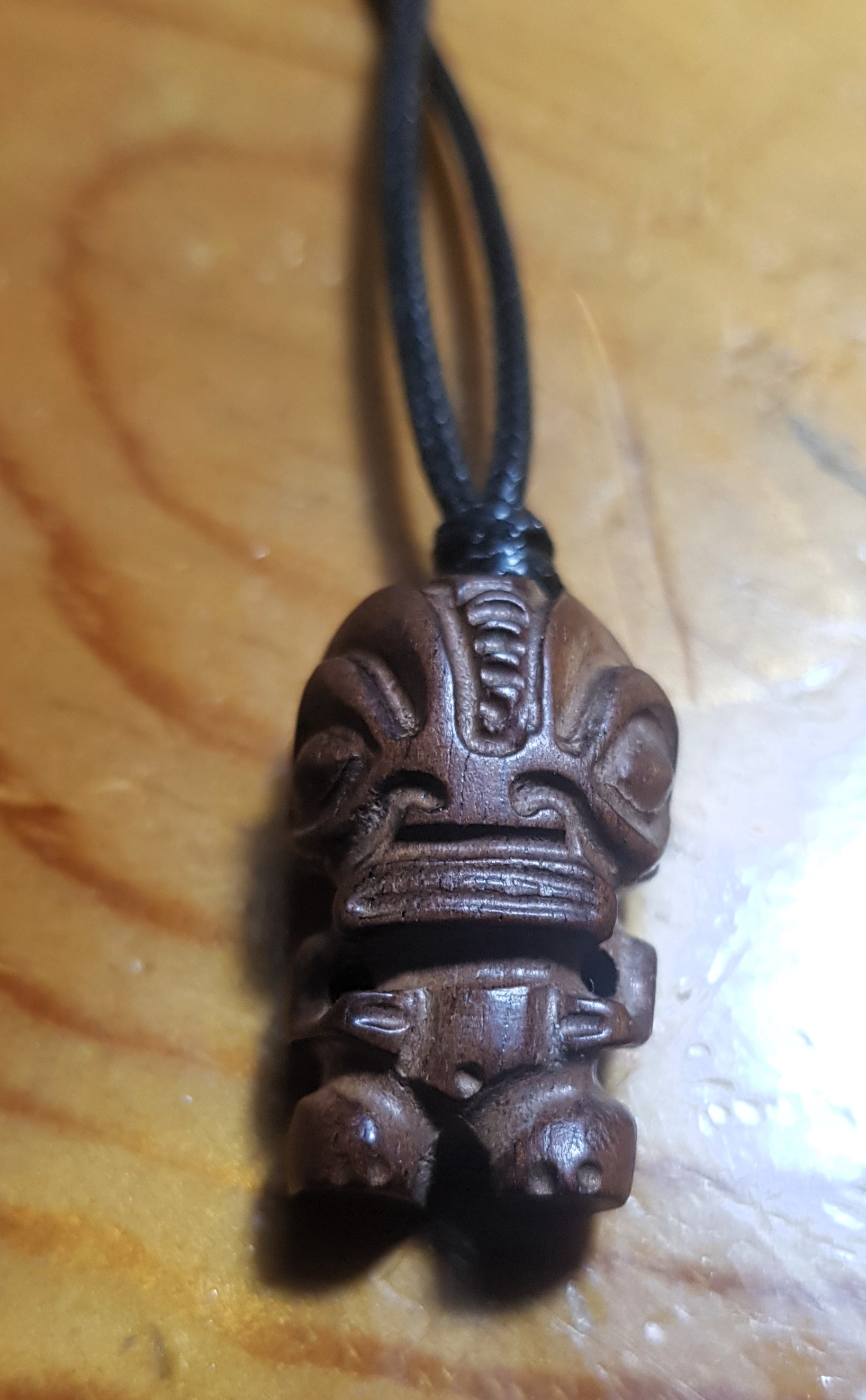
And just to feel a bit protected in the future I bought myself a Tiki charm to wear around my neck.

Bye bye Gerburg
Greetings from Robinson Crusoe

18 Sep

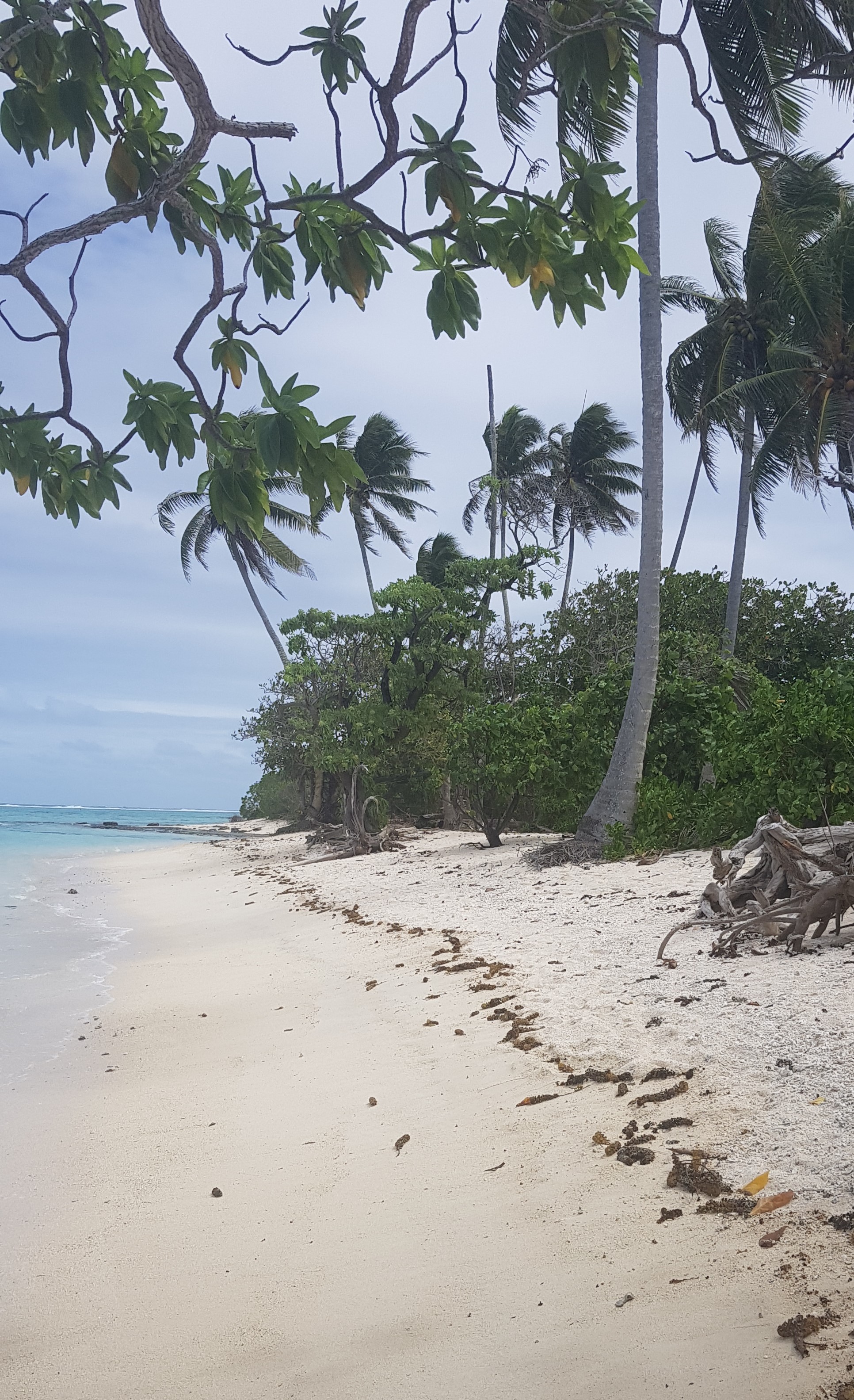
never mind, I’m a woman. I am “shipwrecked” in the middle of the Pacific Ocean.

Island: Huahine, one of the 118 beauties of Polynesia, part of the Leeward Islands, unpretentious sister of the famous Bora Bora, the rich man’s playground. Land of everybody’s dreams, normally.

Me, a castaway in the 21st century on a lovely island? in a dormitory with Wi-Fi, unreliable but still …

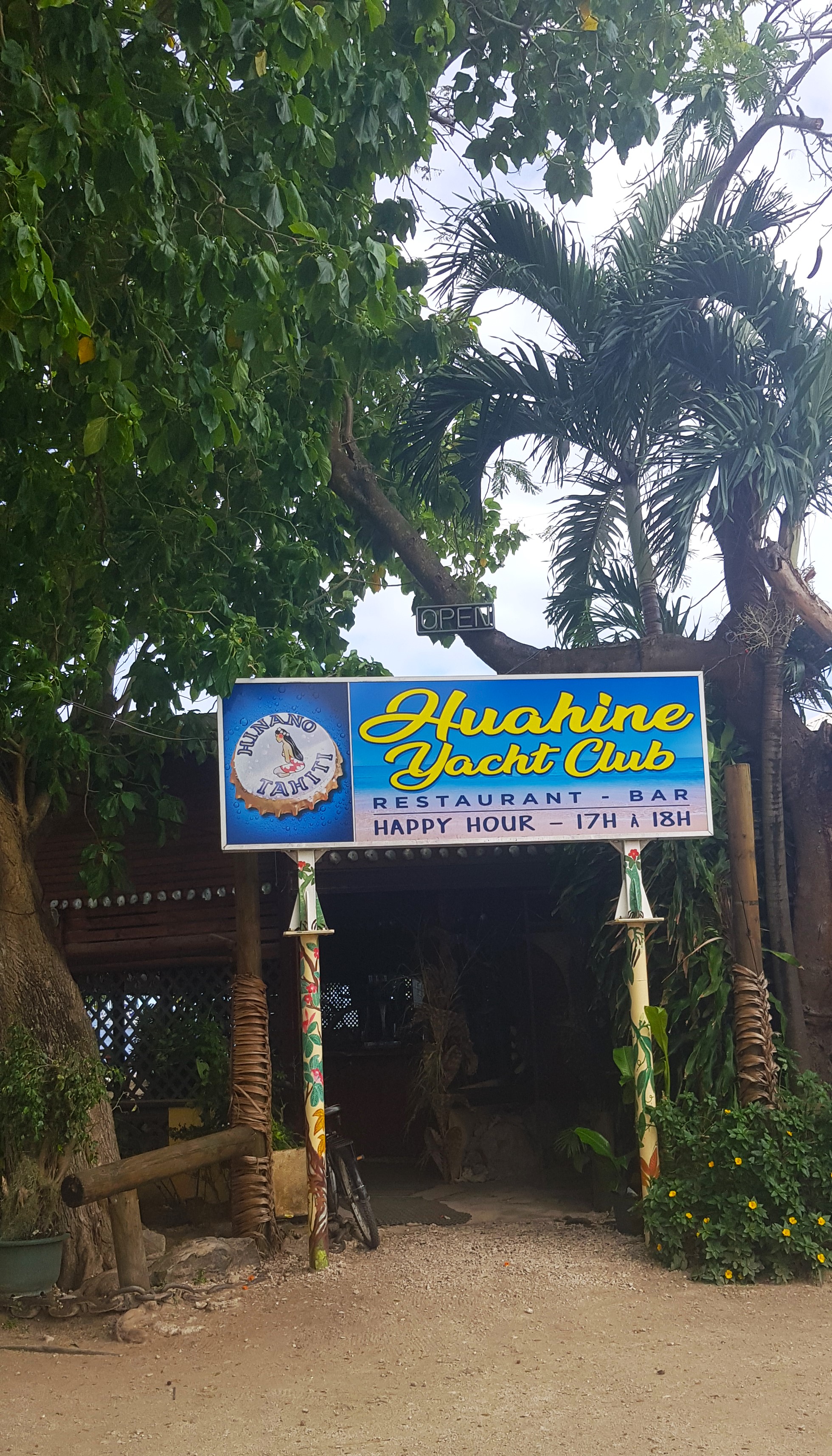
For one thing I can’t go to the roaring party in the Yacht Club next door with live music and everybody having a good time … because I am running low on CFPs (Polynesian Francs). It’s not a Yacht Club, it’s a sunset restaurant with a fancy name.

I have been in survival mode, ever since my quick and unexpected drop from romantic globetrotter with bank account and two bank cards to a castaway, a modern day Robinson Crusoe! (September 6) My bank at home had assured me my cards (with overlapping orange and red dots on it) would be working everywhere in the world … “Don’t worry, signora, and have good trip”.

First day in Pape’ete, I try to book myself a trip right through the island of Tahiti and my bank cards refuse all online action. Conclusion: you don’t book and pay, you don’t go!

Shock! Pack up and go home!

Was Robinson easily discouraged or did he try to overcome the challenges, to keep going on his lonesome path and make the best of it? I successfully withdraw cash with both cards and my spirits rise.

My host lady calls around and gets me on a wonderful tour through Tahiti, this collapsed volcano all overgrown with lush and wild vegetation. The bumpiness of the ride makes my cell phone and its touch screen go berserk.

But now … What’s the difference between me and Robinson? He had a chance! He could solve the problems with his ingenuity and even grow spiritually during his survival struggle.

And me? The next blow awaits me 2 days later at the ATM. One of the two bank cards carks and … “Sorry, unable to process transaction.” No cash!

Palpitations, cold sweat …

I try to call the bank (Poste Italiane), not possible. I enter in chat; the little figure disappears. I write E-mails that get lost in the huddle and muddle of the www. I try to call again and empty my European Sim waiting. The connections (Wi-Fi and air) are unstable, it’s raining tropically; Polynesians say, the net’s not working because of the wind.

I curse my bank and curse the red and orange dots on my bank cards.

Ok, I must become a homo economicus – no, I don’t gender when I have existential problems! This was supposed to be a budget trip anyway. You picked the right place, you’ll say! Aw, everybody can budget travel in Albania!

I take the boat to Huahine. Don’t pronounce it like the French do, without h because the first Polynesian will correct you.

Huahine: Can you see the pregnant woman lying on her back? Can you see who is responsable? A couple of young chaps who were training for some kind of fight sport explained it to me while they helped me push my non electrical museum-bike up a 30% gradient.

Booking accomodation ahead, whether you can or you can’t, is essential! I couldn’t.

The hostel on Huahine is far away and full and so is every other accommodation.

palpitations, cold sweat, dizziness

I curse my bank and curse the red and orange dots on my bank cards.

Soon enough half the island seems to be calling the other half to find a vacancy for me … in tropical countries it gets dark early. Help comes from the Yacht Club: in the “dortoir” next door, a room for next day. And tonight? A family that are dining at the restaurant decide to give me a mattress and a sheet in the garret with a breakneck staircase for something like 40 €. Deal! Not to talk bad about who saved me. But … never seen a home like this. They told me the water was drinking water but the next landlady said it wasn’t. I’m fine.

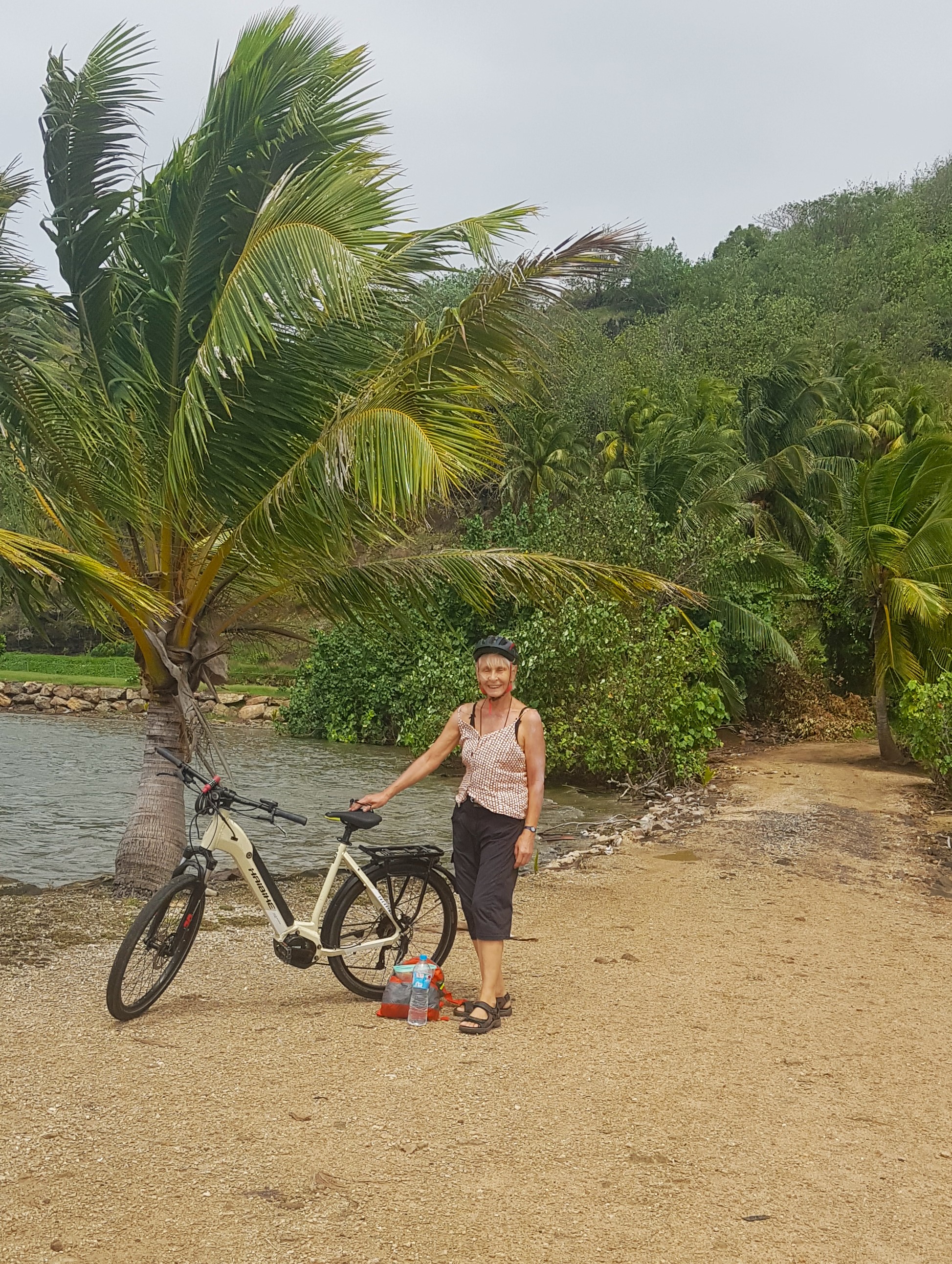
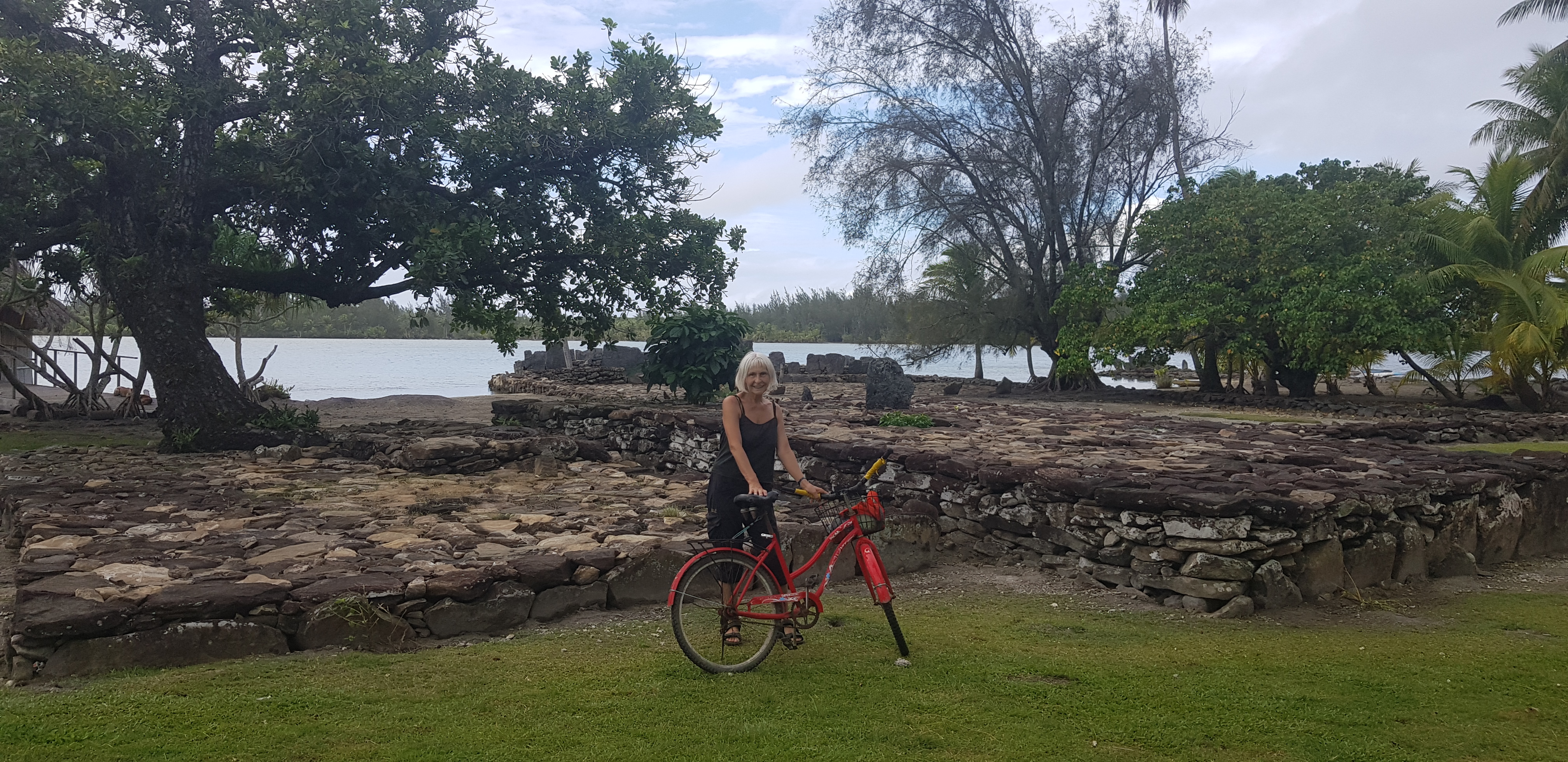
Budget is: you don’t go on an organized tour, you do your own thing, alone like Robinson Crusoe, all over the island, by bicycle. I see all the things that are free of charge: archaeological sites, pearl farm, sacred blue-eyed eels: you don’t see the eyes, you hardly see the eels; pareo painter, vanilla farm, the beach, the lagoon and all the wonderful plants with fruits and flowers or just green leaves.

Archeological sites: bone finds hint at human sacrifice – you might find a plastic bottle today, but the site is really not littered, not like some places in good old Europe.

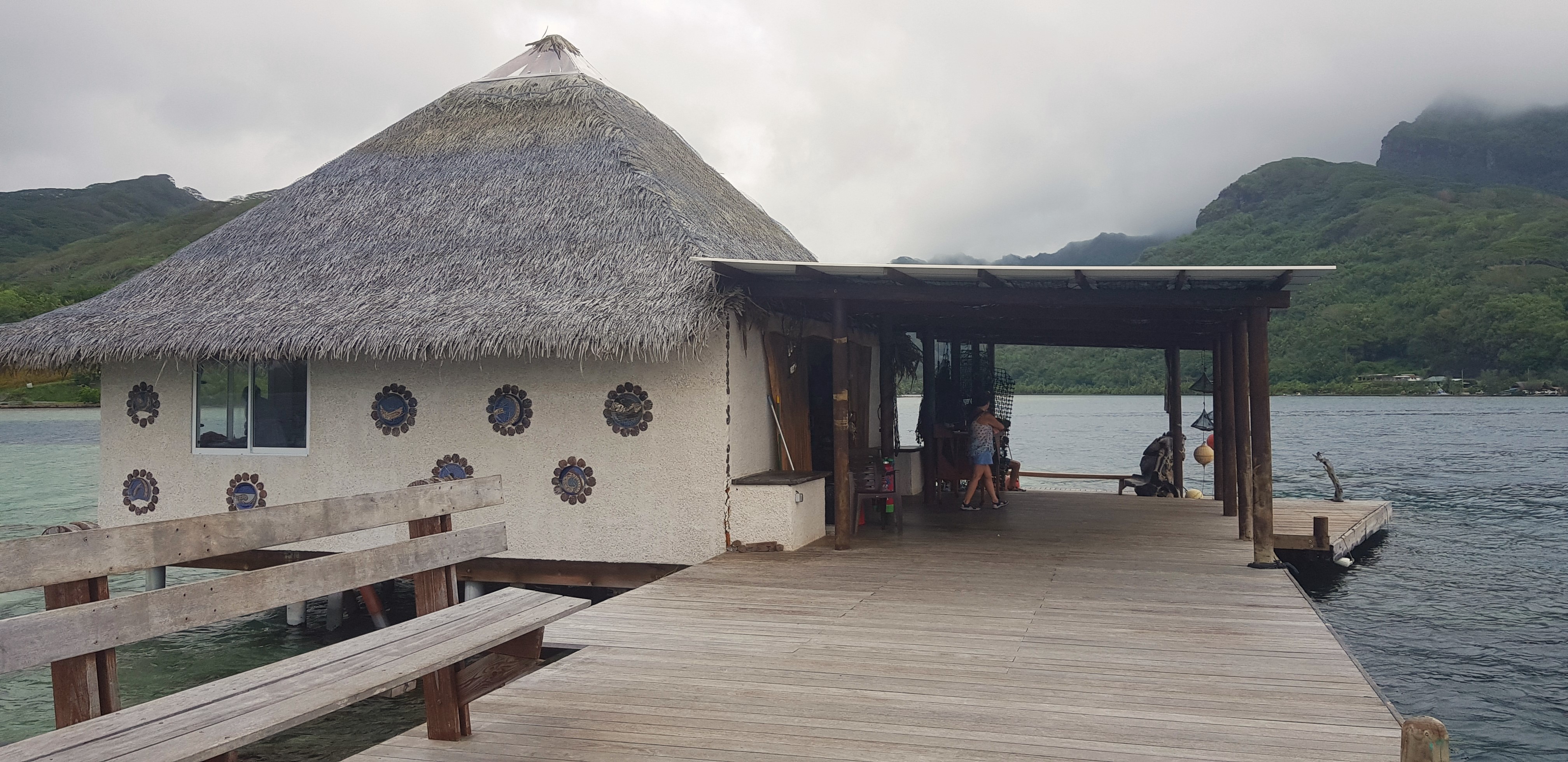
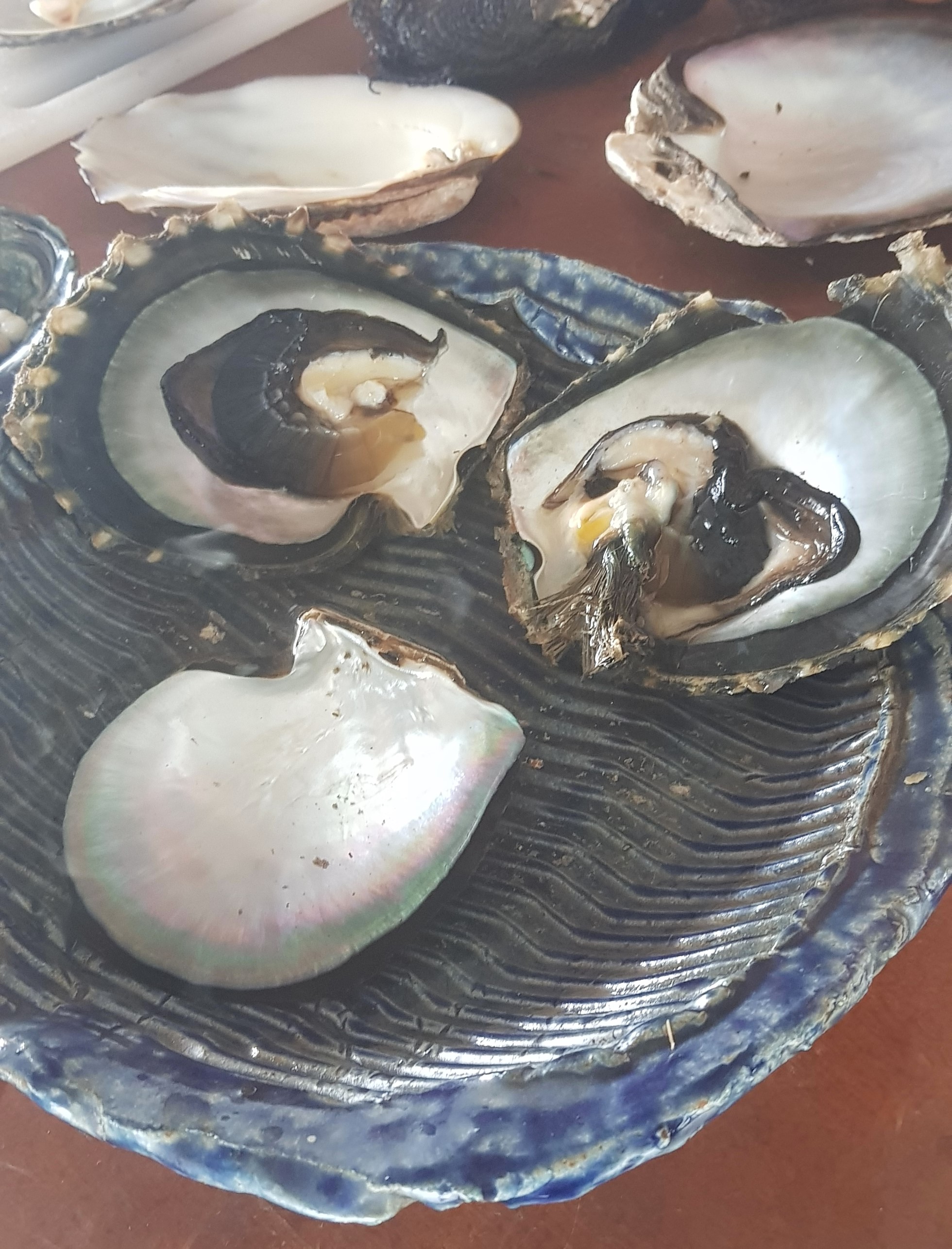
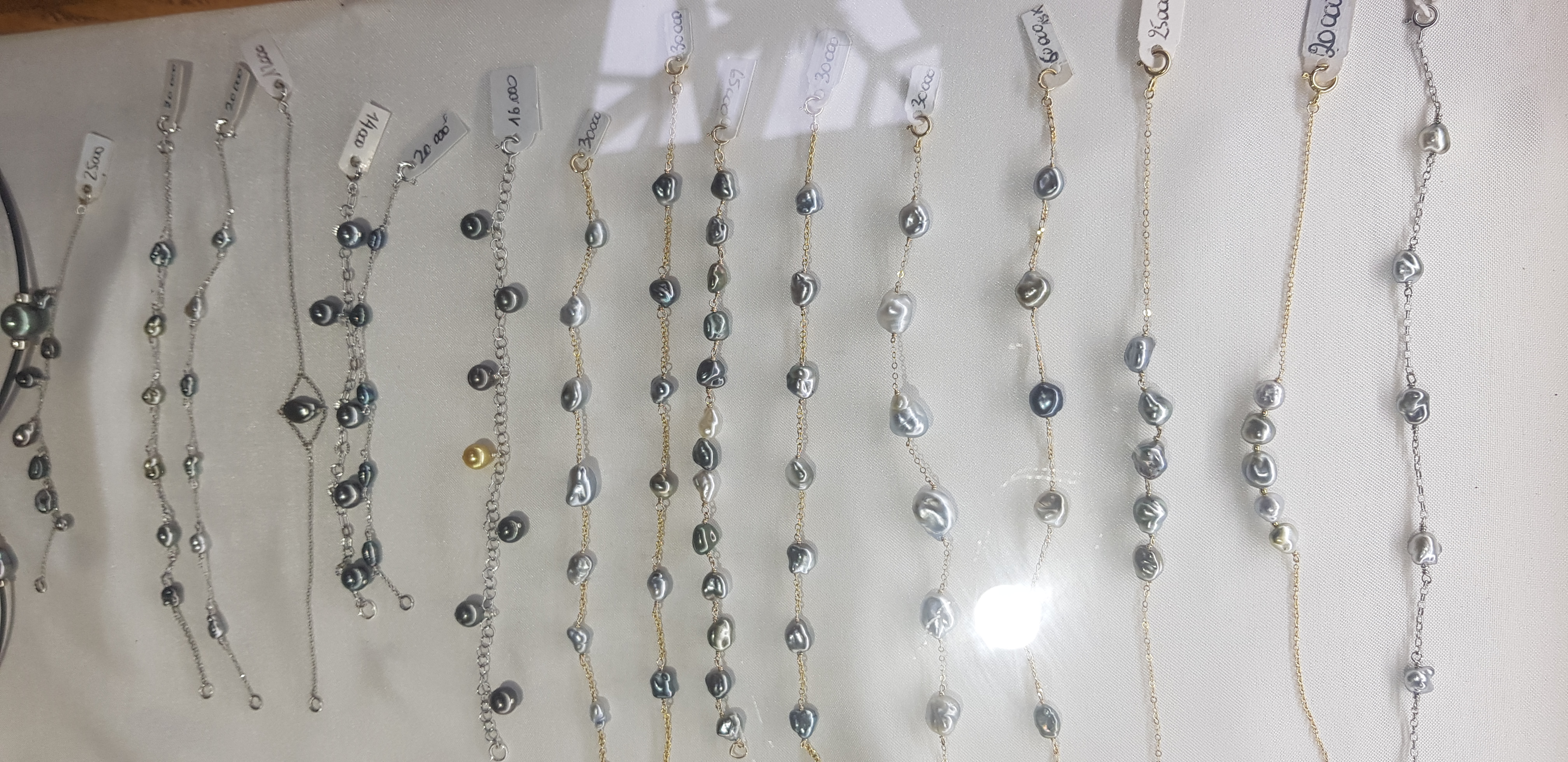
Pearl farm: in the middle of the lagoon, they take you there for free, even if you don’t buy. I would have bought … they had beautiful pearl and pottery combinations, beautiful pearls, too for my daughter-in-laws’ mothers, for my sister-in-law on whose glutenfree snacks I am still thriving avoiding to buy food. (Thank you belle-soeur!)

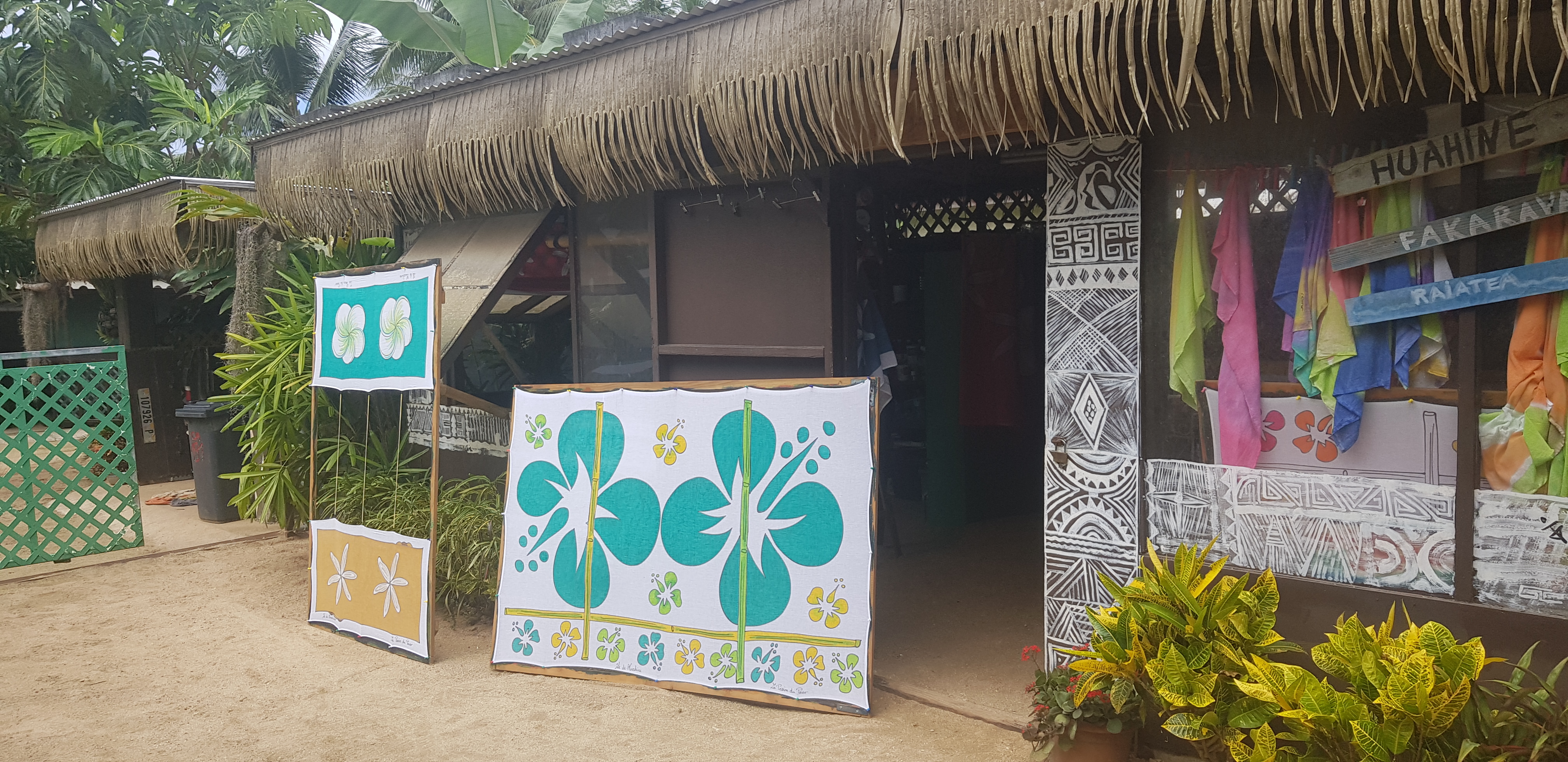
  1. Pareo painter, a French lady married to a Polynesian, she explained to me how she paints the pareos all by hand and I explained to her why I couldn’t buy the pareos for my daughters-in-law, my lady friends, myself … they actually cost around 60€ a piece, but are cotton and handpainted;
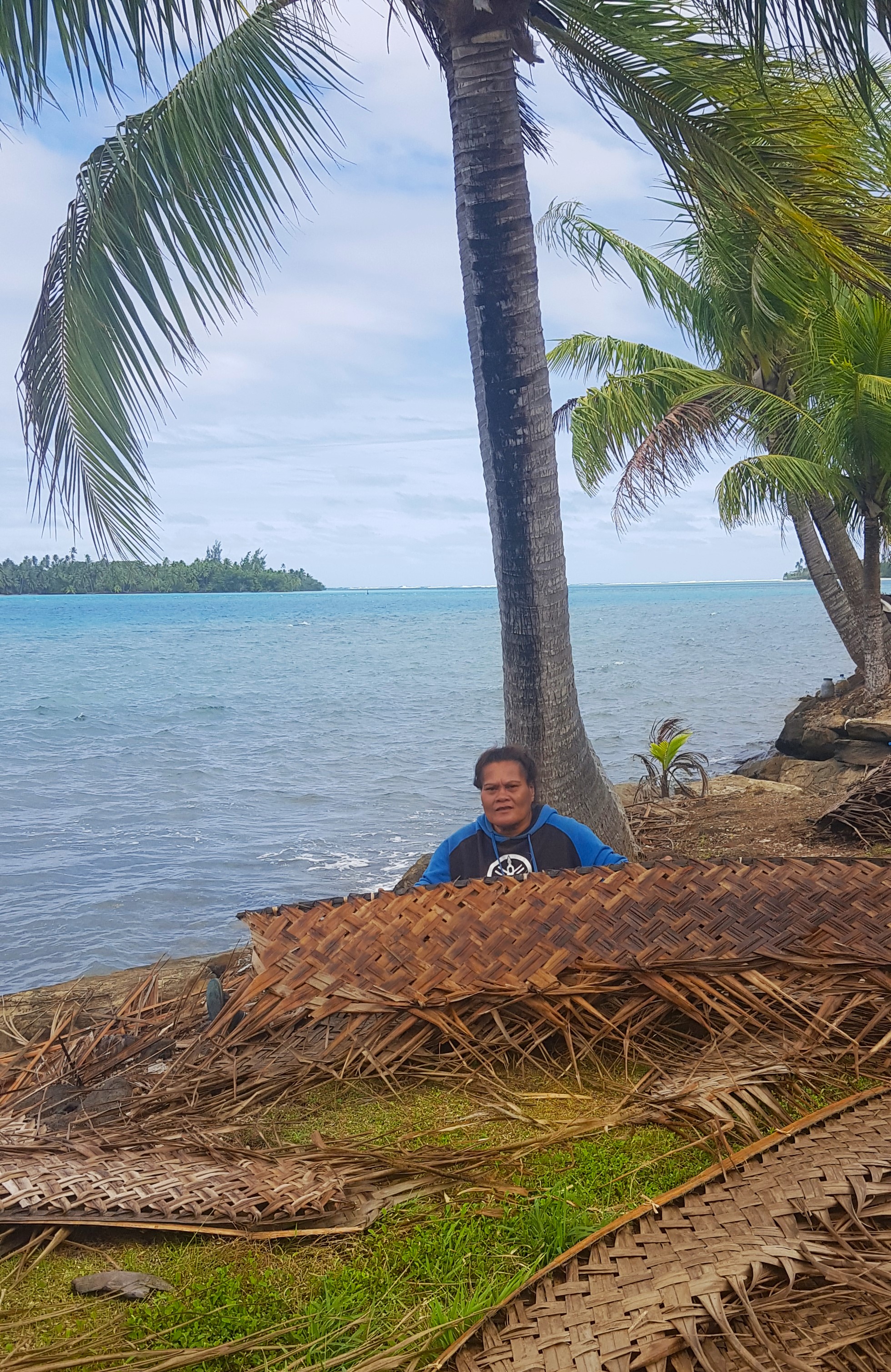
  2. Lady weaving a new roof for her hut

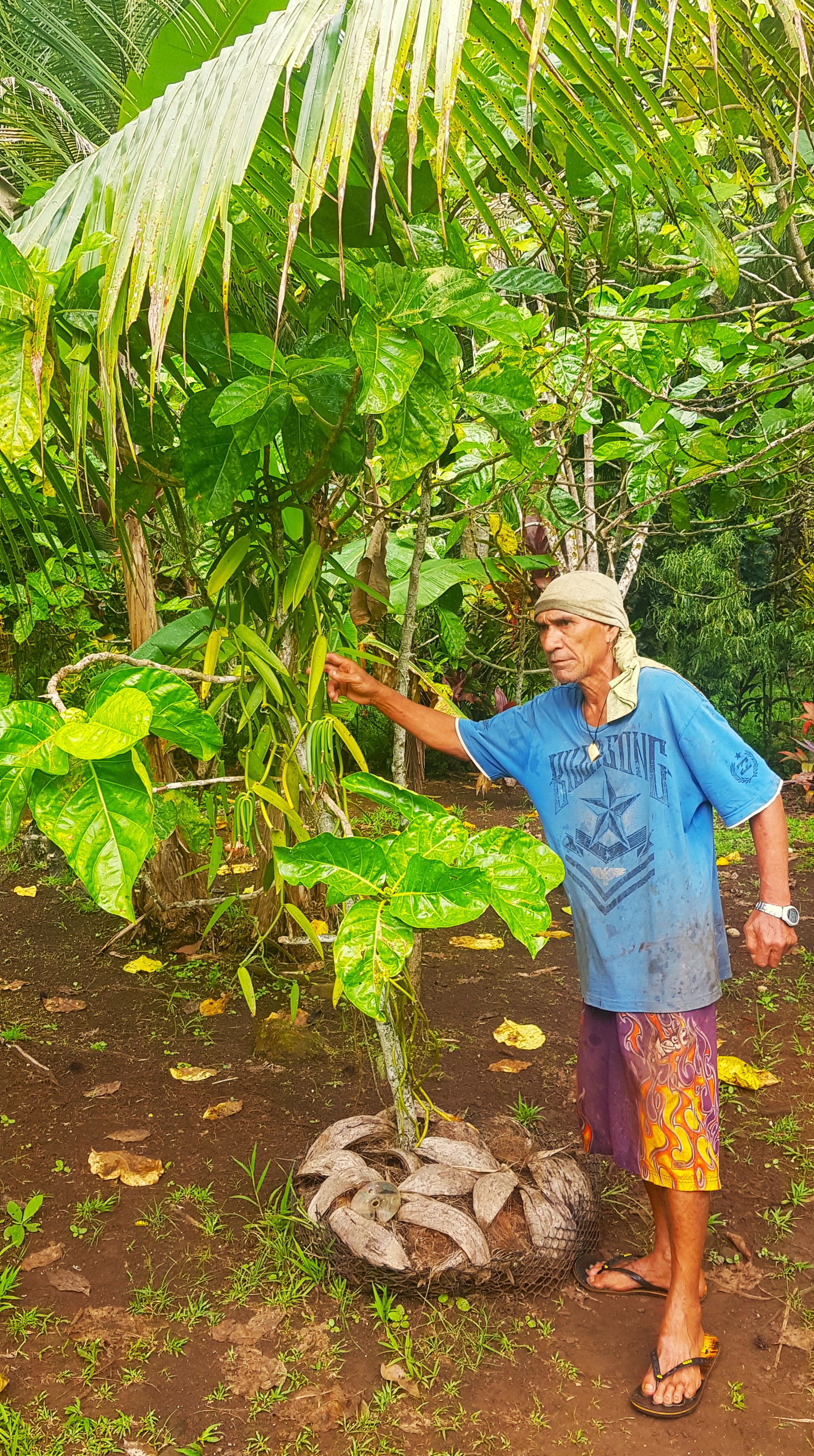
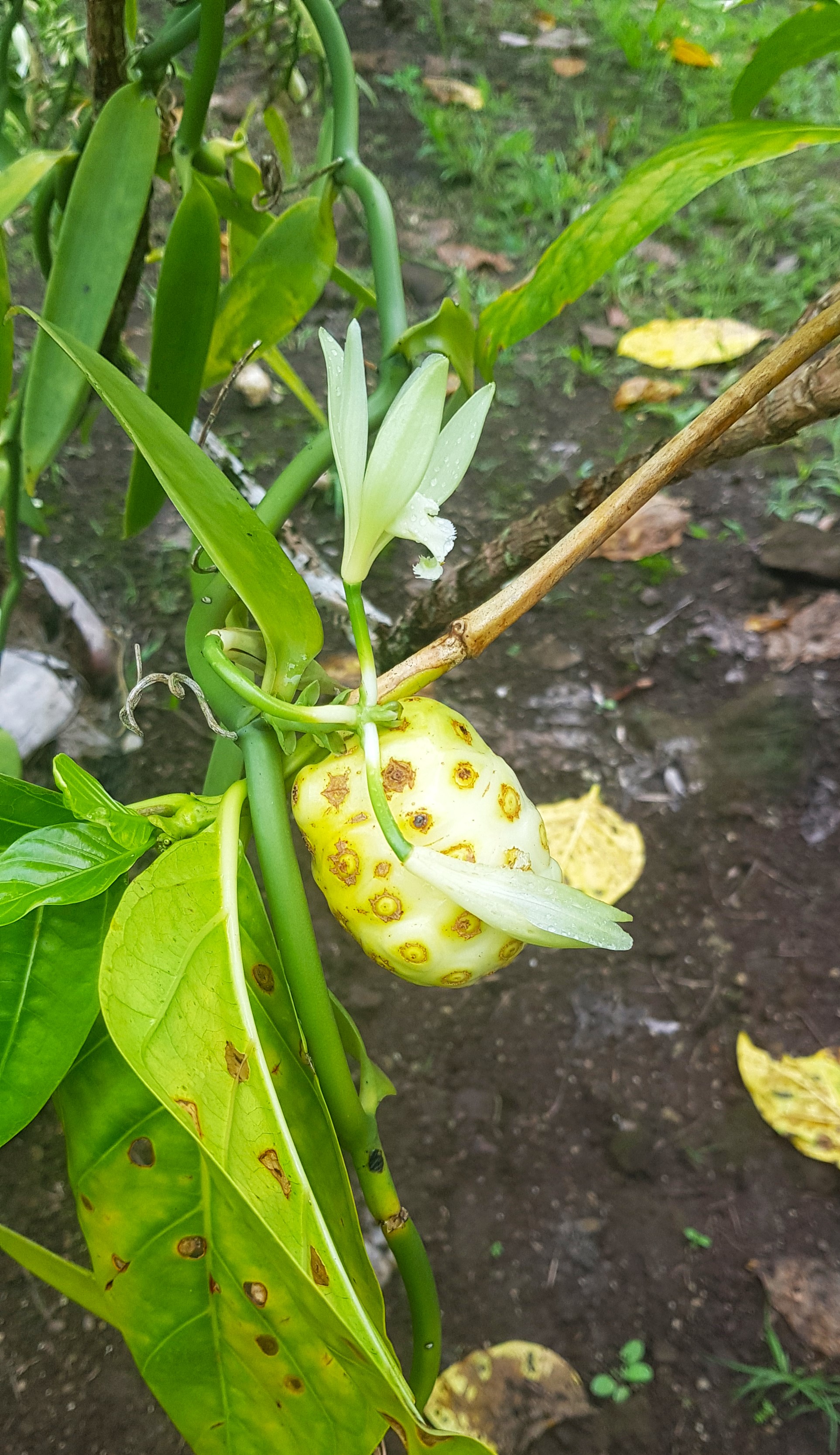
Vanilla is grown together with another plant – banana, exotic plant with exotic fruit, – to be shielded from the strong sunrays, it delicately gets impolinated by hand and takes 9 months to develop a delicious pod. The plant protecting the vanilla grows a roundish fruit with a cheesy smell and if you rub it all over yourself the mosquitoes won’t bite. Make your choice.

At the same time, I talk to all the banks because I need some cash, but they can’t give me any. They don’t even exchange my Euros. They don’t do that anymore. Sorry!

palpitations, cold sweat, dizziness, loss of appetite

Not only no appetite but I have to make a choice between eating and sleeping unter a roof.

Western Union and Moneygram are UNKNOWN in the whole of Polynesia.

I curse my bank and curse the red and orange dots on my bank cards.

I keep trying to contact the Italian consulate, calling, writing, …

Remembering my roots I try the Swiss – German – Austrian consulate, the consul won’t help, he suggests a hundred things that I have already tried. He thinks that Western Union is covered by a Tahiti bank. Nooooo! Maybe the Swiss never really need to worry about money?

I find out that my hotels in the Marquises Islands only want cash. Now that I had arranged to have them payed from Germany or Italy they want cash at arrival. At the ATM you can only get a certain amount.

A French couple offers to give me some money in exchange of a money transfer to their bank account in France and that just takes 10 minutes and I can go on breathing for a while. Merci merci merci vous m’avez sauvée!!! But for the other hotels it’s not enough.

I have desperately started looking for someone with infinite access to money here and a European Bank account. As the Italian Consul pointed out: transfering money to Polynesia takes a long time.

I am praying to the sacred blue-eyed eals. What else can I do?

Cheers Gerburg
Correction: Paofai Gardens in Papeete

14 Sep

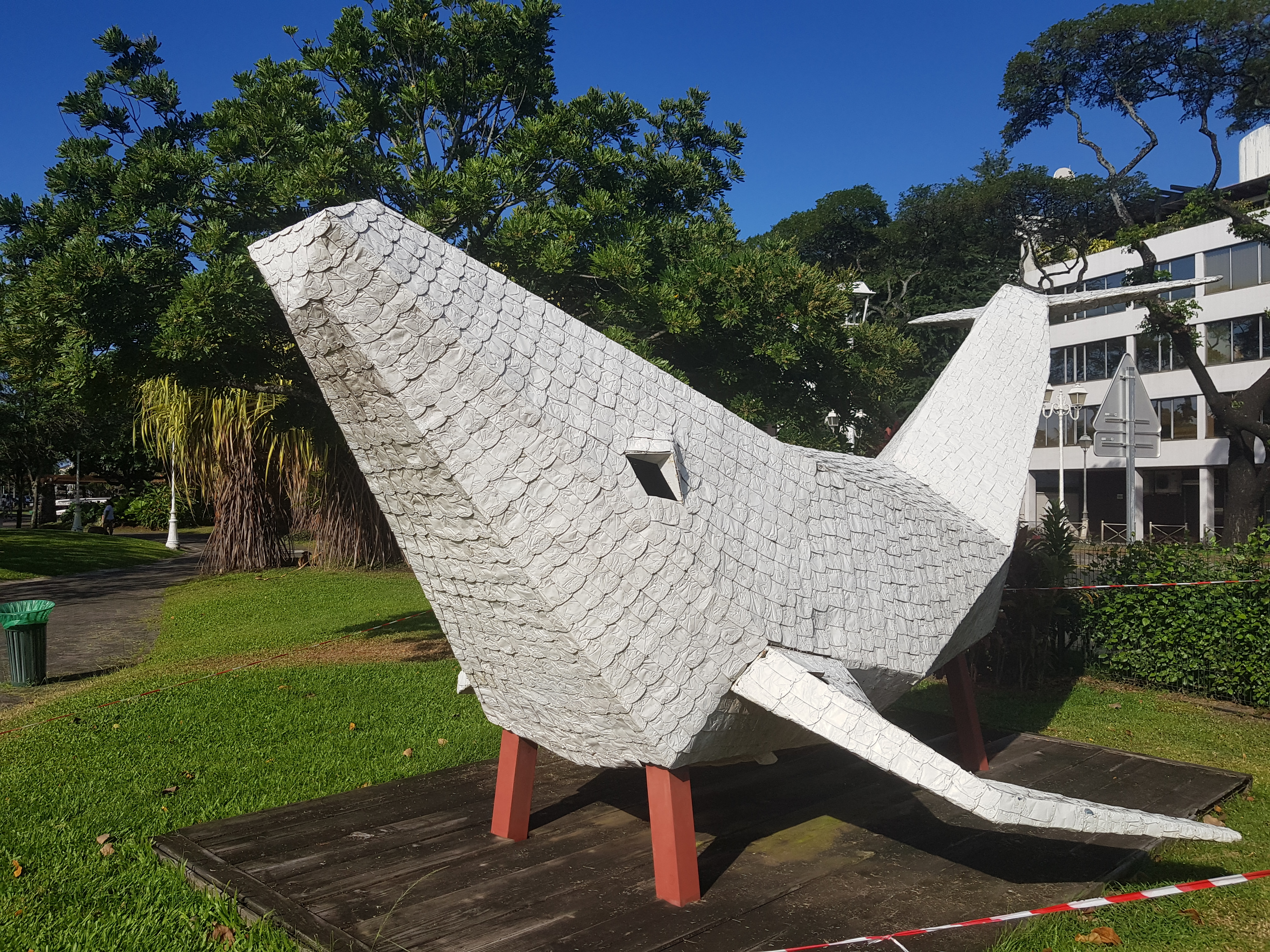
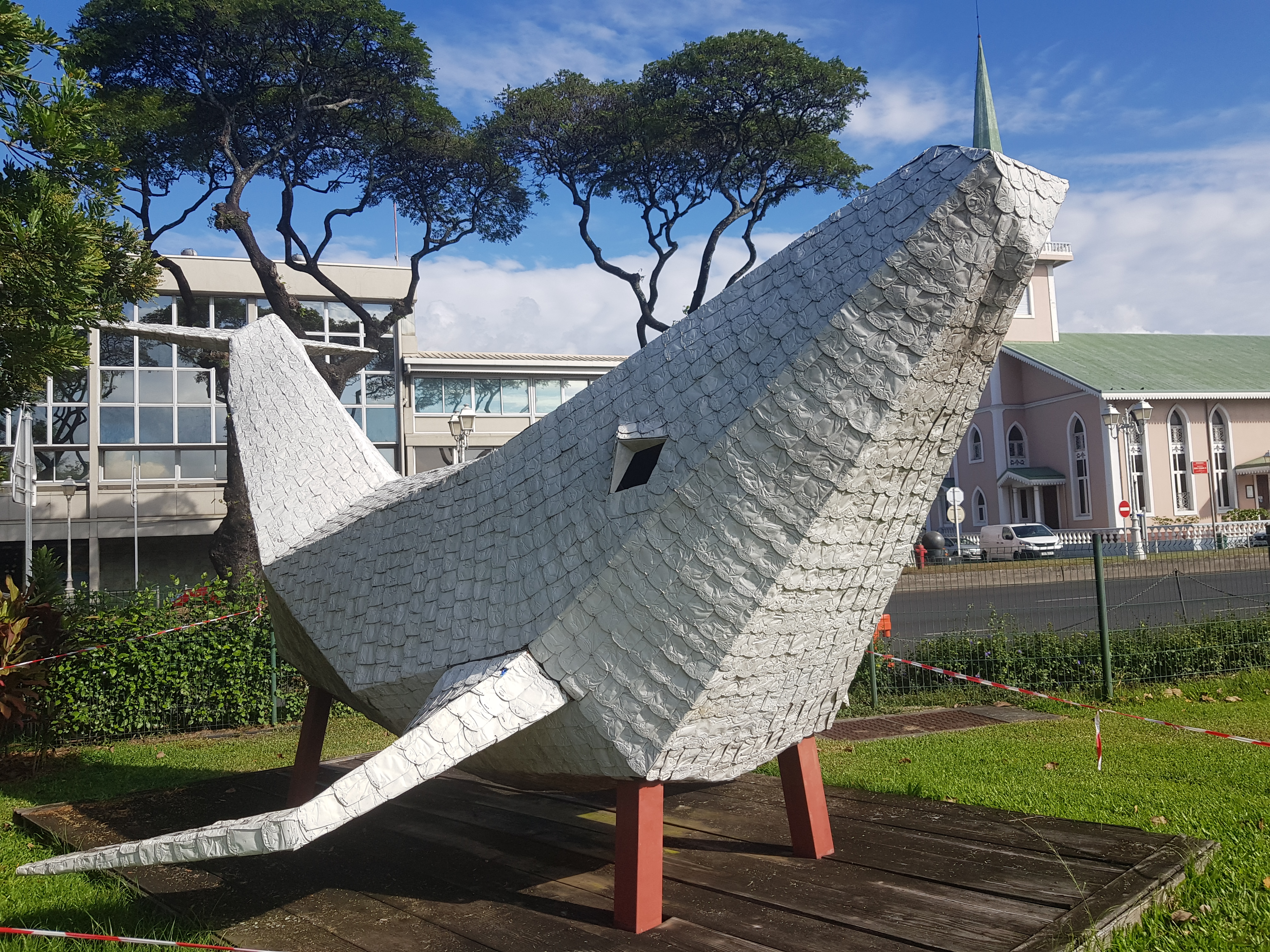
I made a mistake, I didn’t explain this work of art. It’s important!

TE VARUA TEA RERE I TE MOANA HIVA

The white spirit transcending the ocean
After one year of collecting the garbage every on the beaches of Tahiti the tour operator Nani travels wanted to alert the Polynesian population of its impact on the environment. This is how this whale came into being, created with our garbage, a cry of hope for a more responsible future.
Beach:

+ 622,5 kg of waste collected

+ 100 travellers volunteering

+ 15 garbage collections

from January to April 2019

Artistic work:

+ 5000 bottles

+ 4 months of work in the workshop

+ 10 volunteers helping the artist

from February to May 2019

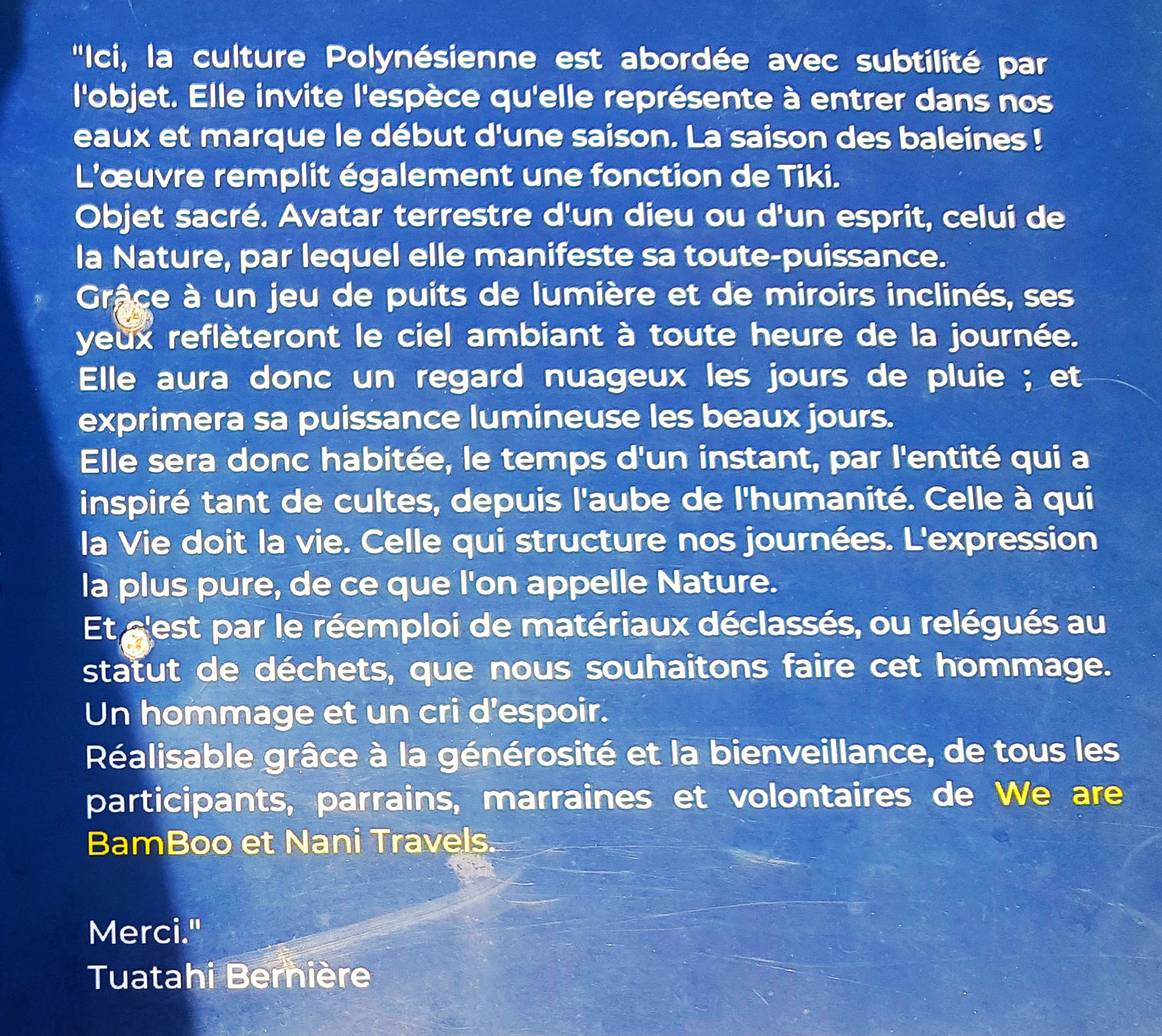
“The giant sculpture of the humpback whale, signed by Tuatahi Bernière, was created in 2019 on the occasion of the artistic and environmental festival “Mer Effect”. This work is according to the artist: “a witness to a change in attitude, and the spokesperson for a generation that is motivated and determined to act responsibly in order to protect its history, its heritage, its territory.”

It came out as one of the winners of the competition: « Plus grand musée de France »

I don’t want to ruin the following text with a clumsy, unpoetic translation, I just copy it.

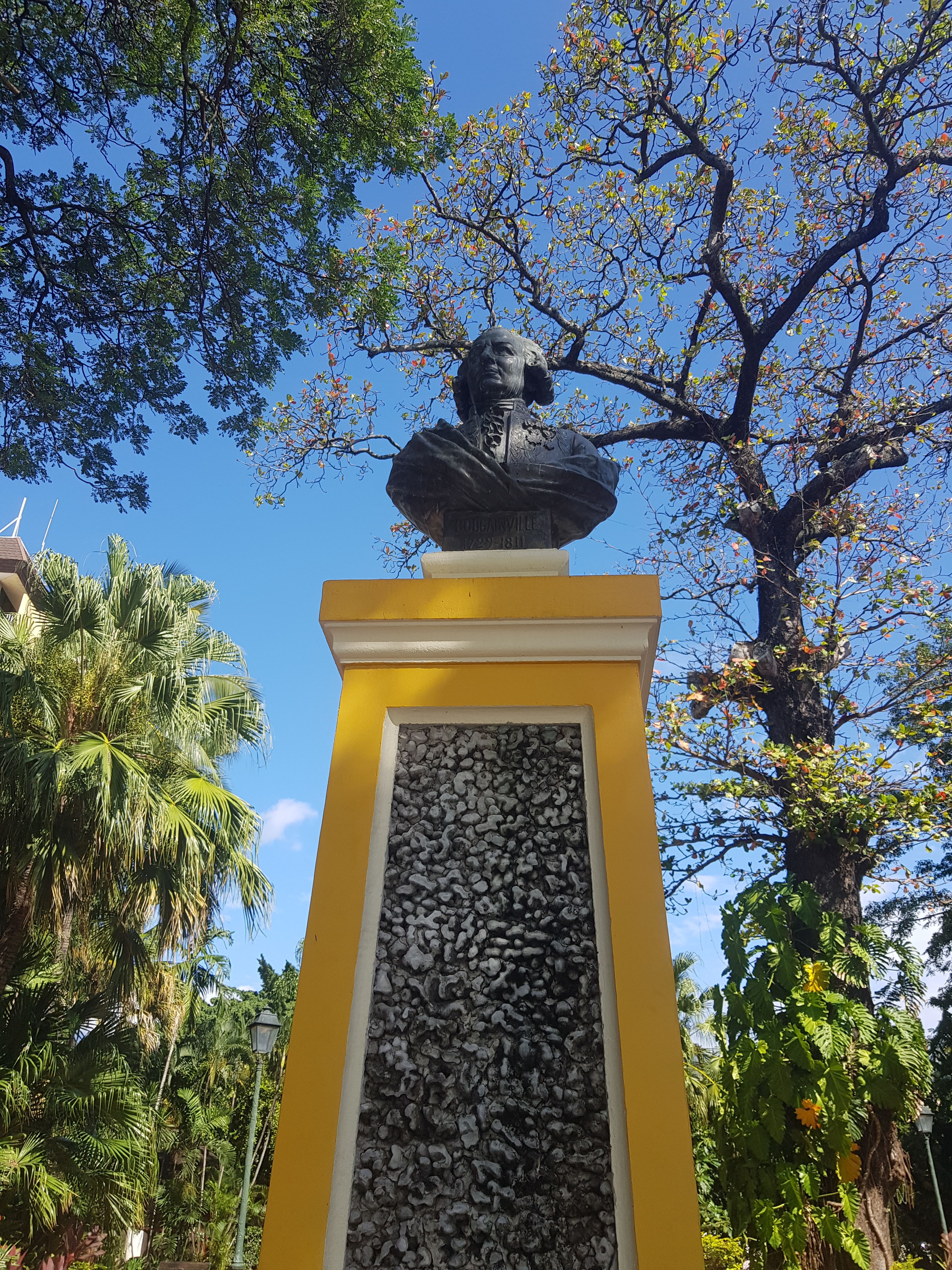
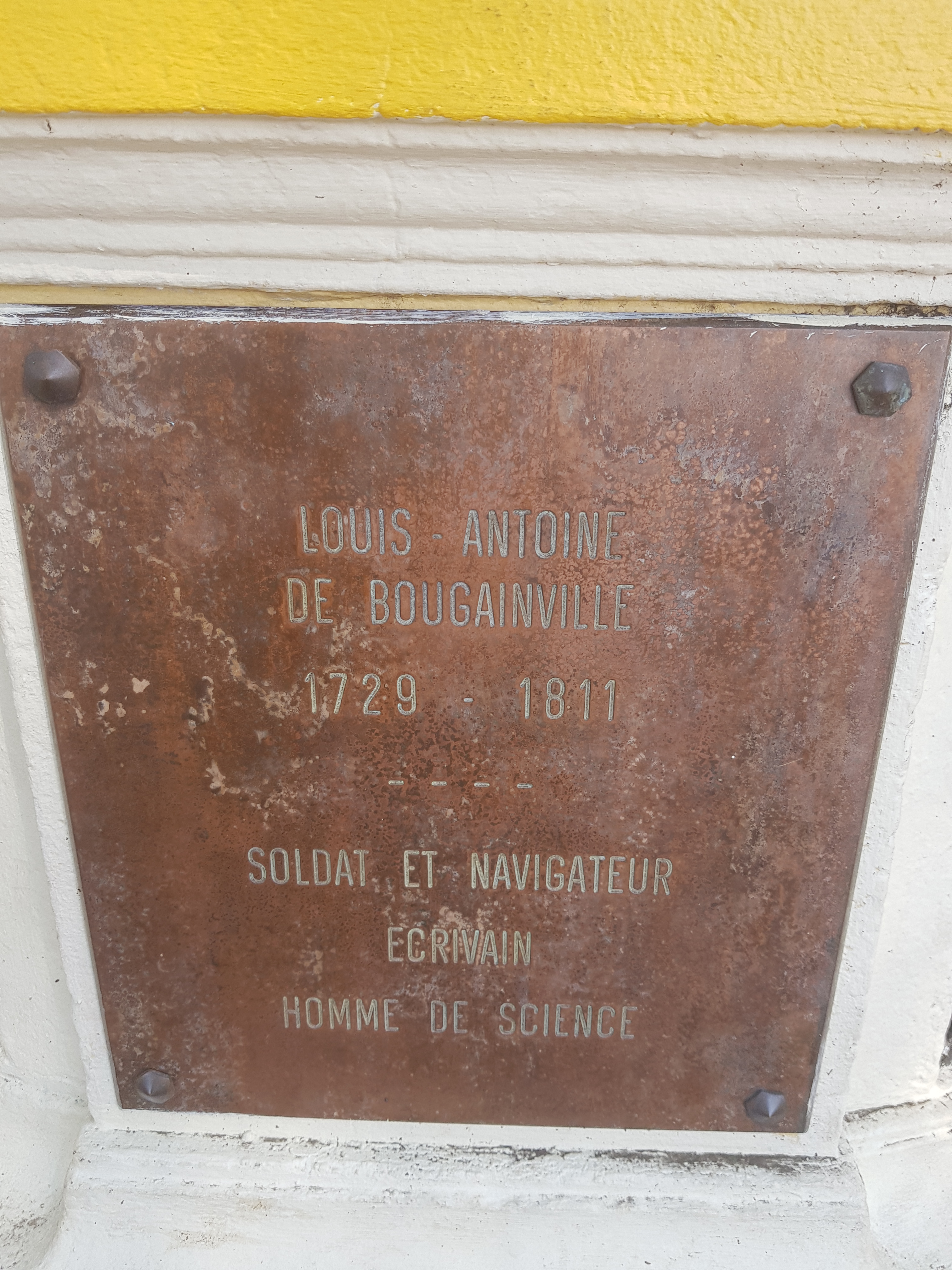
Louis Antoine de Bougainville

And I start thinking of my beautiful Bougainvillea flowers in my garden that never get as much rain as the plants in this place (it’s raining a lot here)

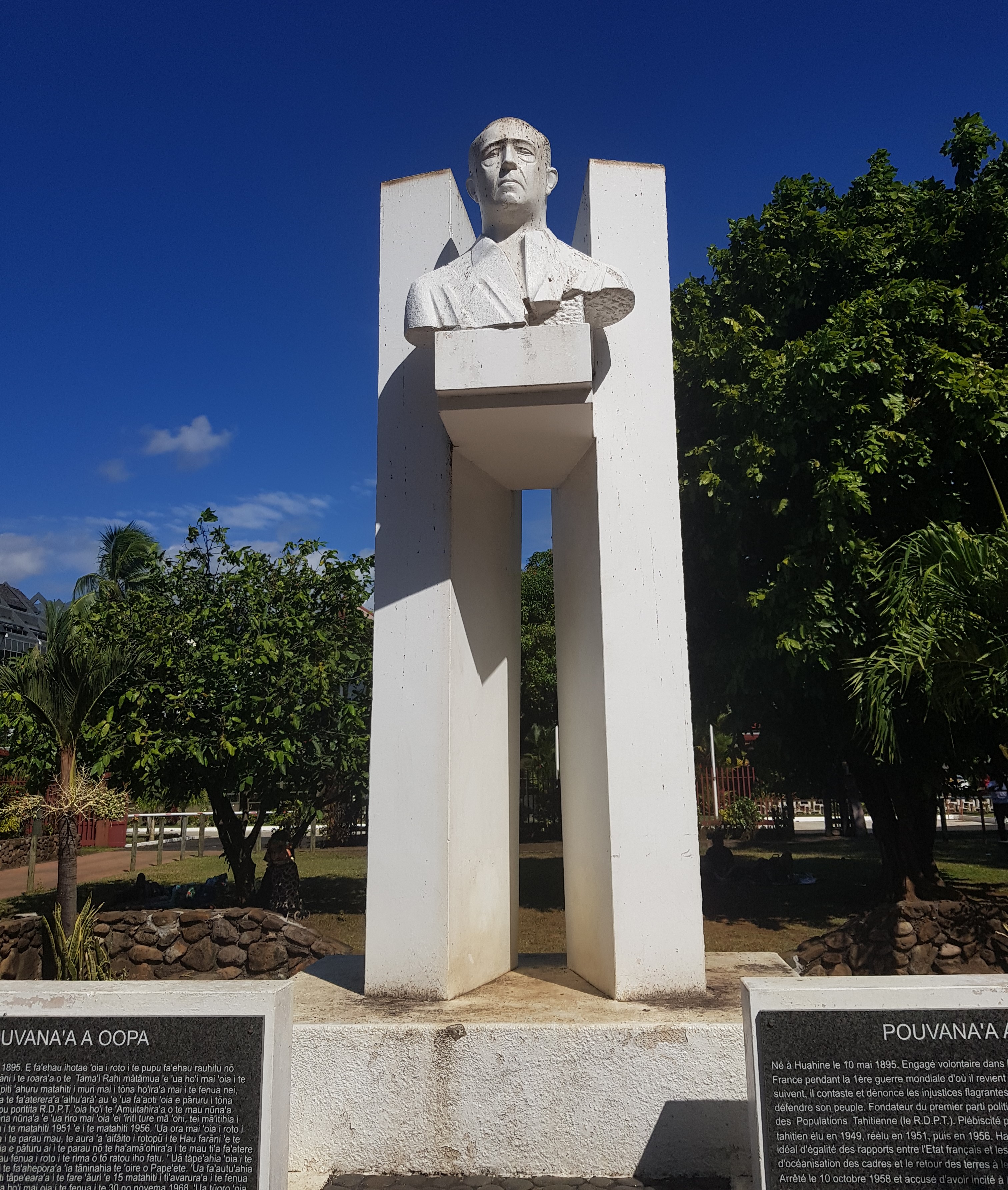
I wouldn’t be smiling as the leader of a people under the yoke of colonialism.

Pouvana’a a Oopa Tetuaapua,

born May 10, 1895 in Huahine, Leeward Islands, died January 10, 1977 in Papeete, is a politician from French Polynesia, leader of the RDPT and emblematic figure of the anti-colonialist movement.

During his lifetime, he was nicknamed “te Metua”, the Father (of the Nation). Shortly after his death, Oscar Temaru created the Polynesian Liberation Front, which became Tavini Huiraatira, which considered Pouvanaa Oopa as the “father of the Tahitian nation”.

Cheers

Writing from Papeete

14 Sep

[PAA] + [PEE] + [AY] + [TEE] or [PAPETT]? the capital of French Polynesia, which belongs to Oceania and lies roughly between Australia and South America, latitude -15°, longitude -150° and is 12 hours behind Central European Time. (by comparison Berlin is on latitude +52°, longitude +13°, kind of antipodal)

Sitting on the veranda of my very budget dormitory (bed and breakfast, bland euphemism!)
Sitting on the veranda in my budget dormitory, after all these years, it takes getting used to
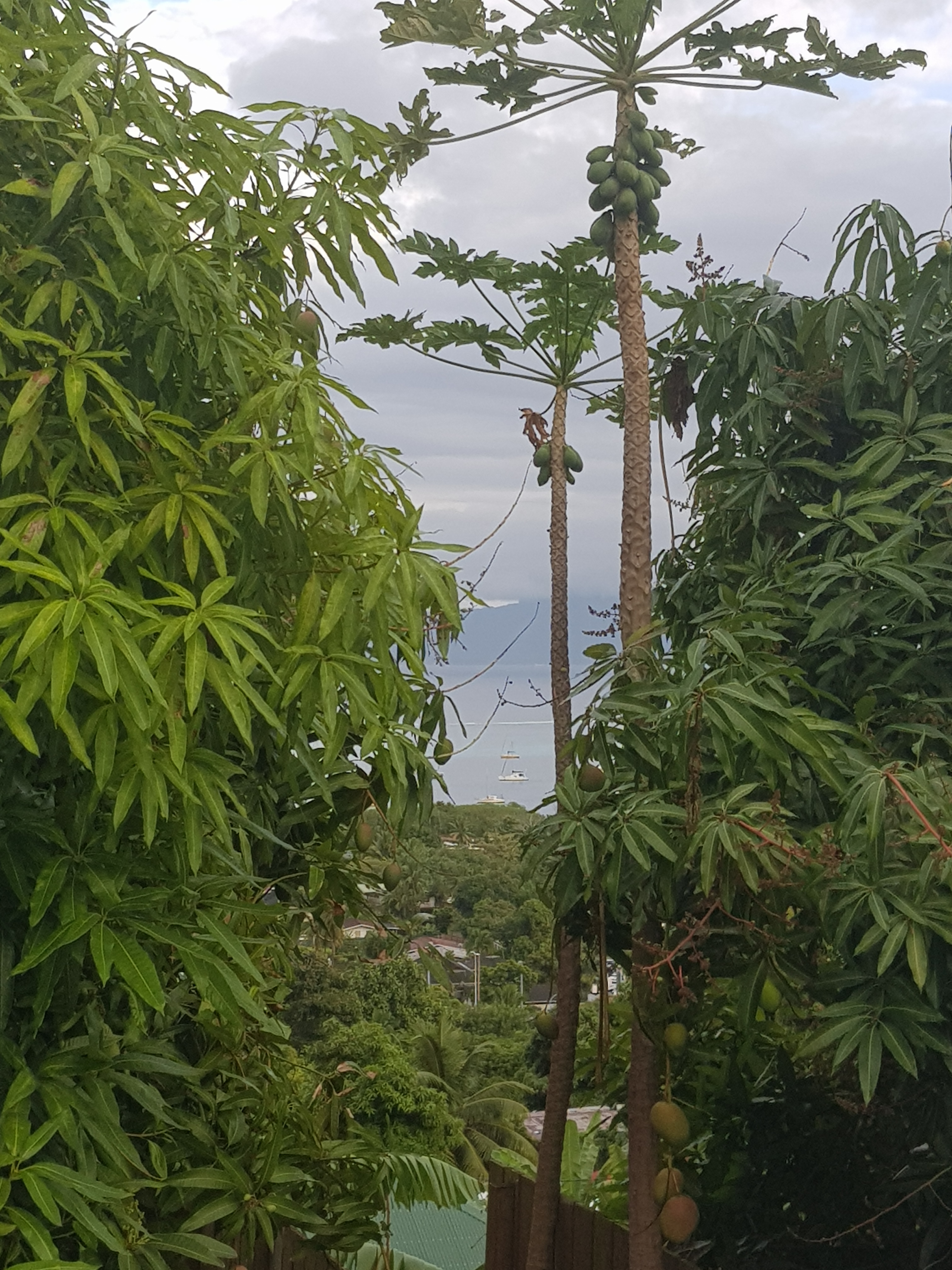
View from this veranda

I will write about my arrival there and my feelings.

Bus to Papeete, sightseeing tour. It’s warm, humid and for how small this capital may be, it’s confusing at first. A French couple show me how to take the bus and where to get on and off and on again. Merci beaucoup!

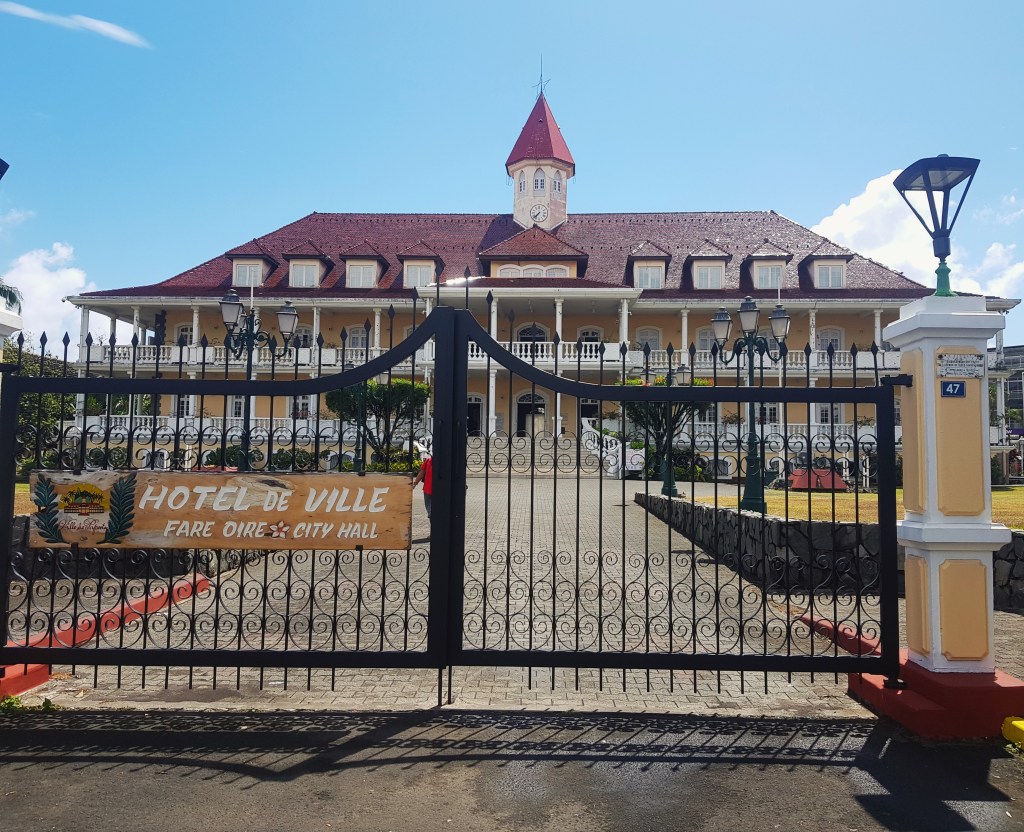
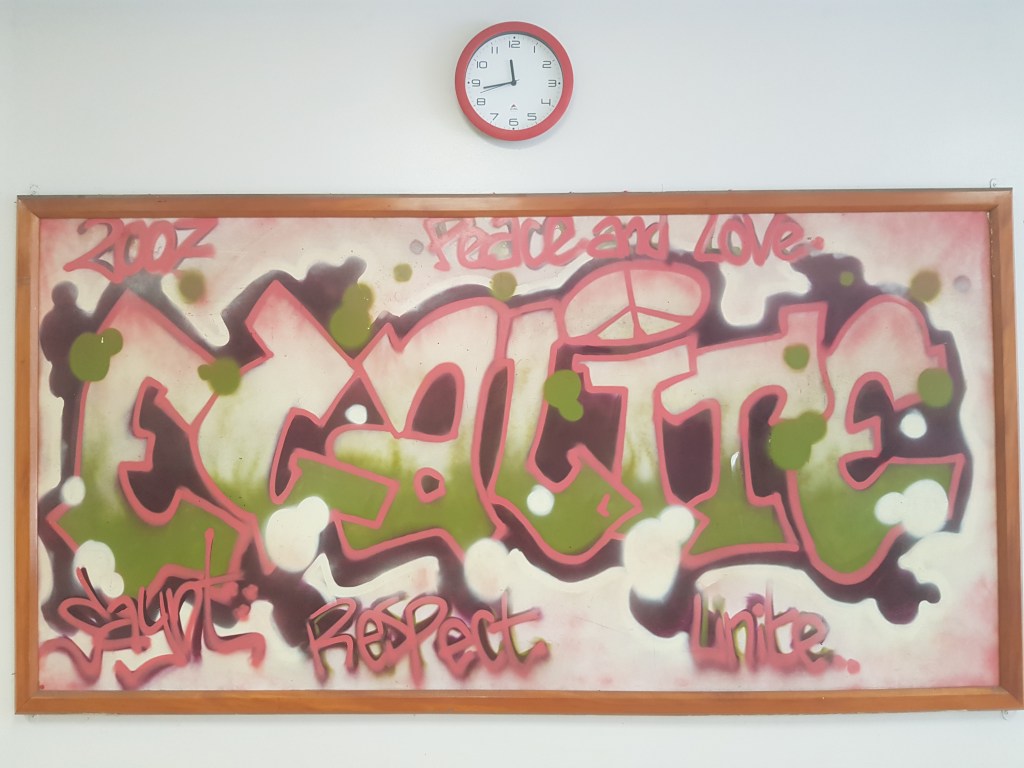
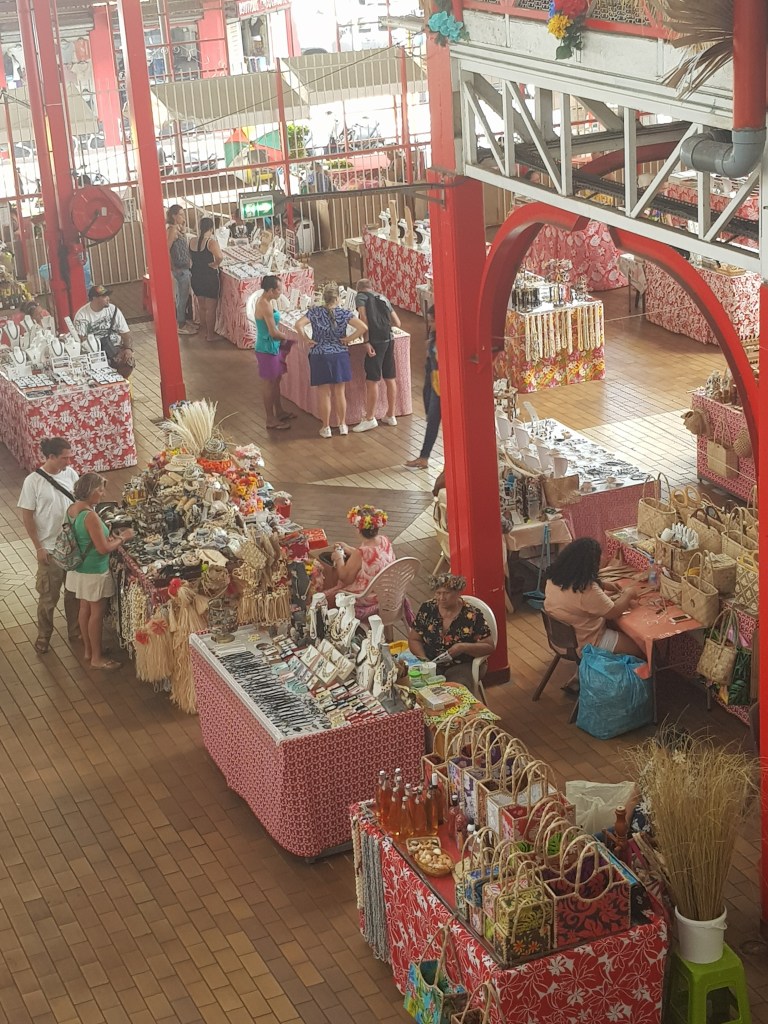
Hôtel de Ville (don’t try to check in there!) with mural “égalité”; market: the pearl and other items part, food is around the corner

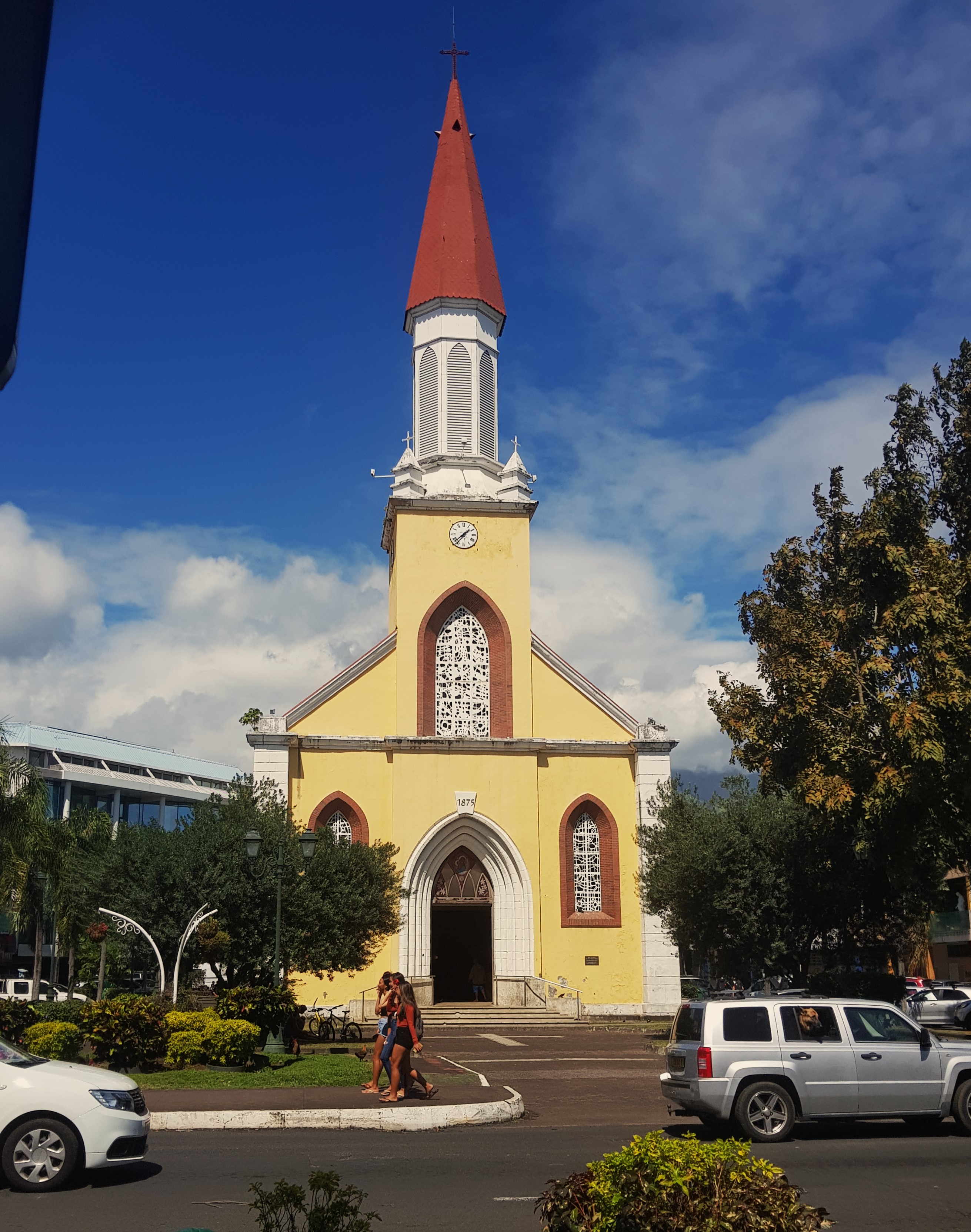
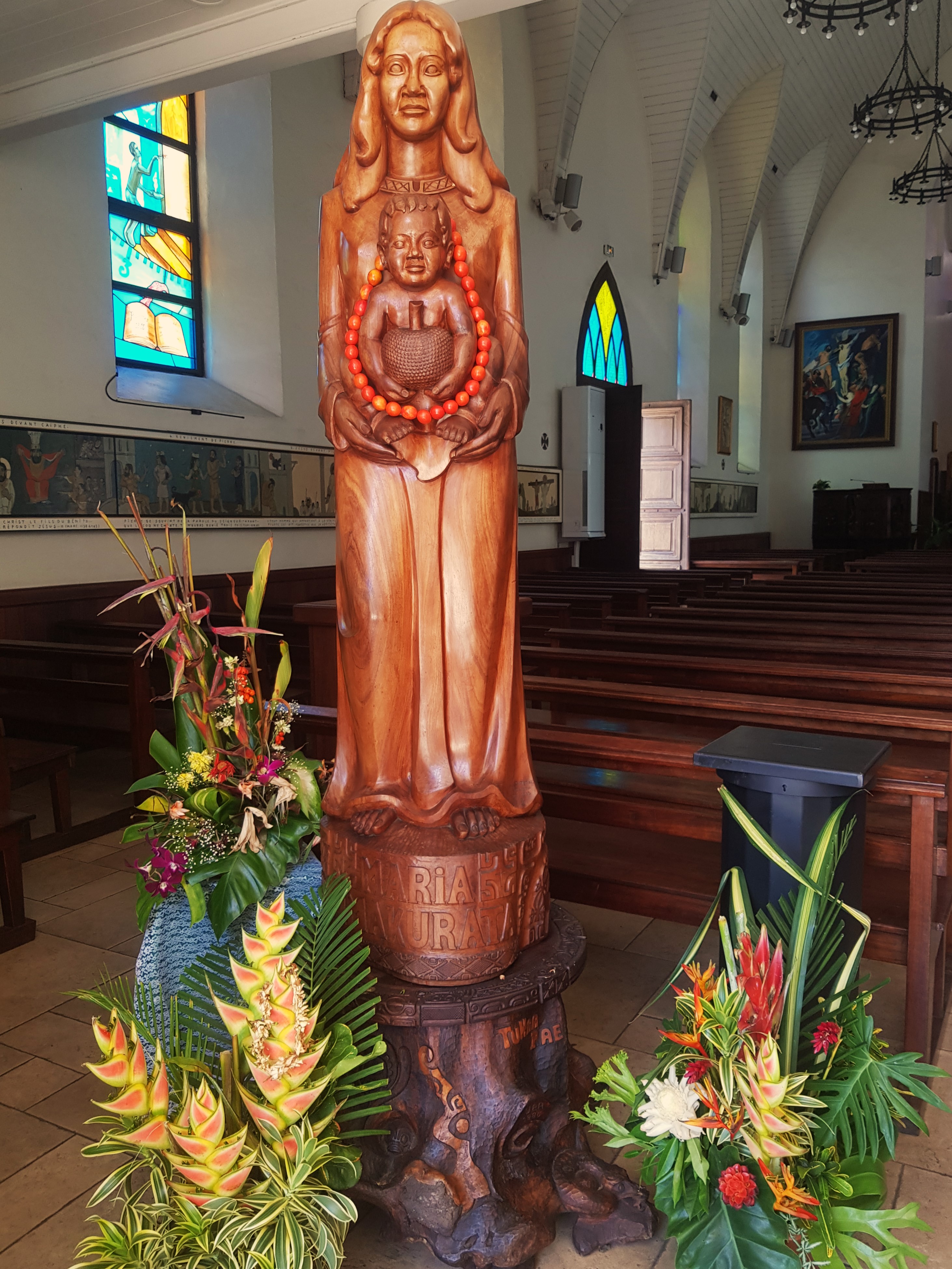
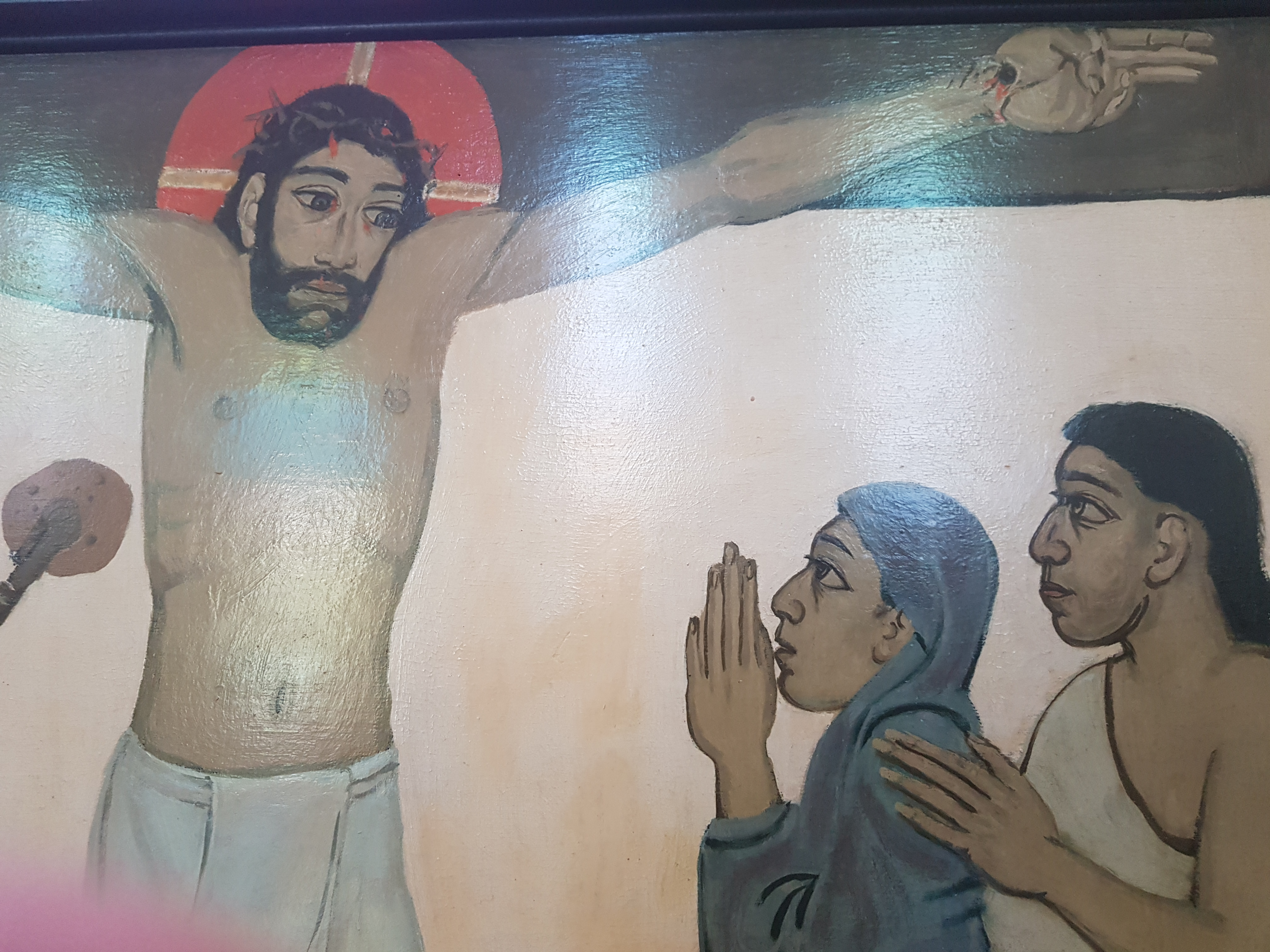
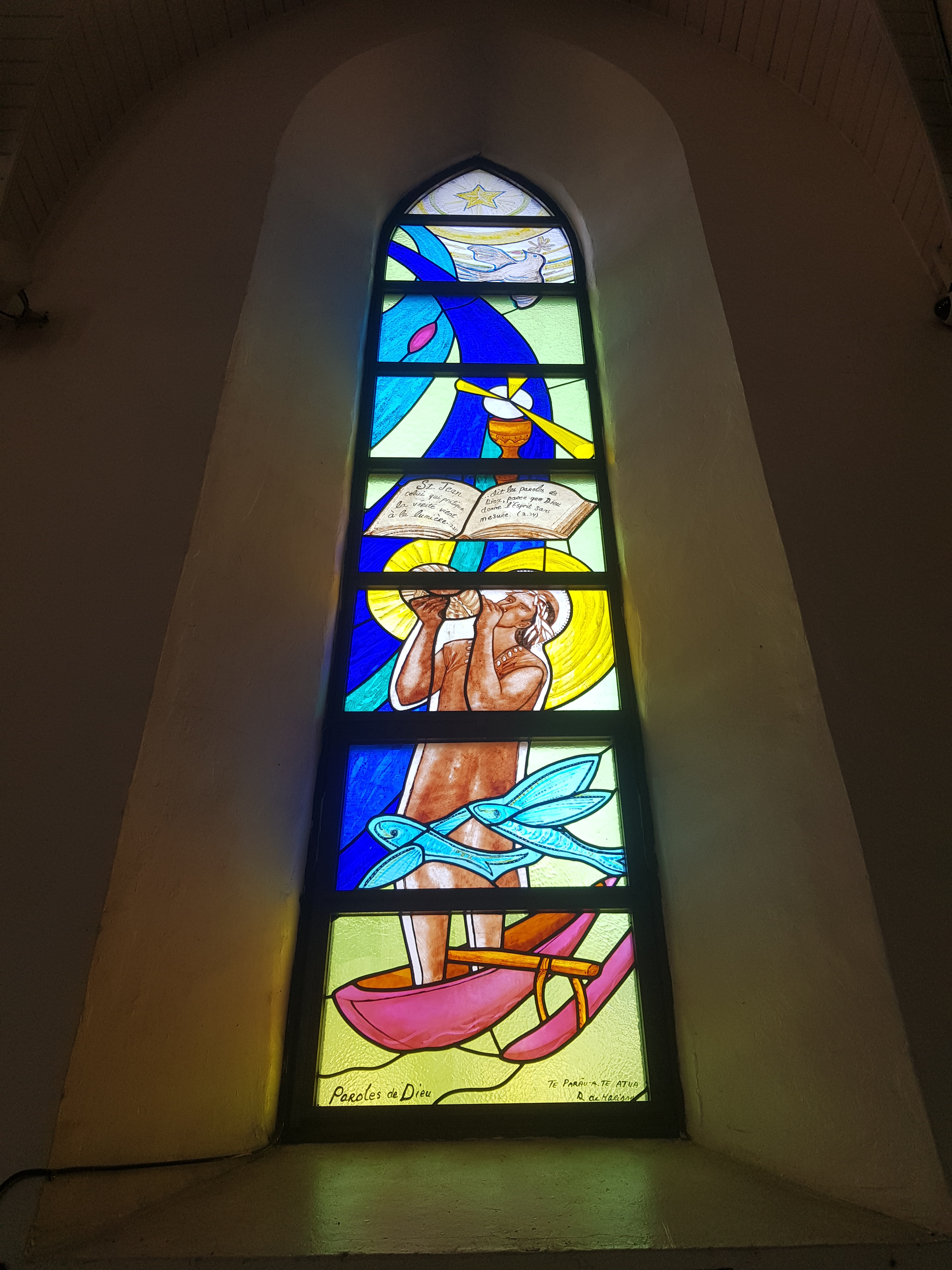
The cathedral Notre-Dame,19 th century, a blend of European and Polynesian imagery: the Madonna and child (holding bread fruit in his hands), wood carving from the Marquesas, the Passion depicted with Polynesian features, Polynesian style church window

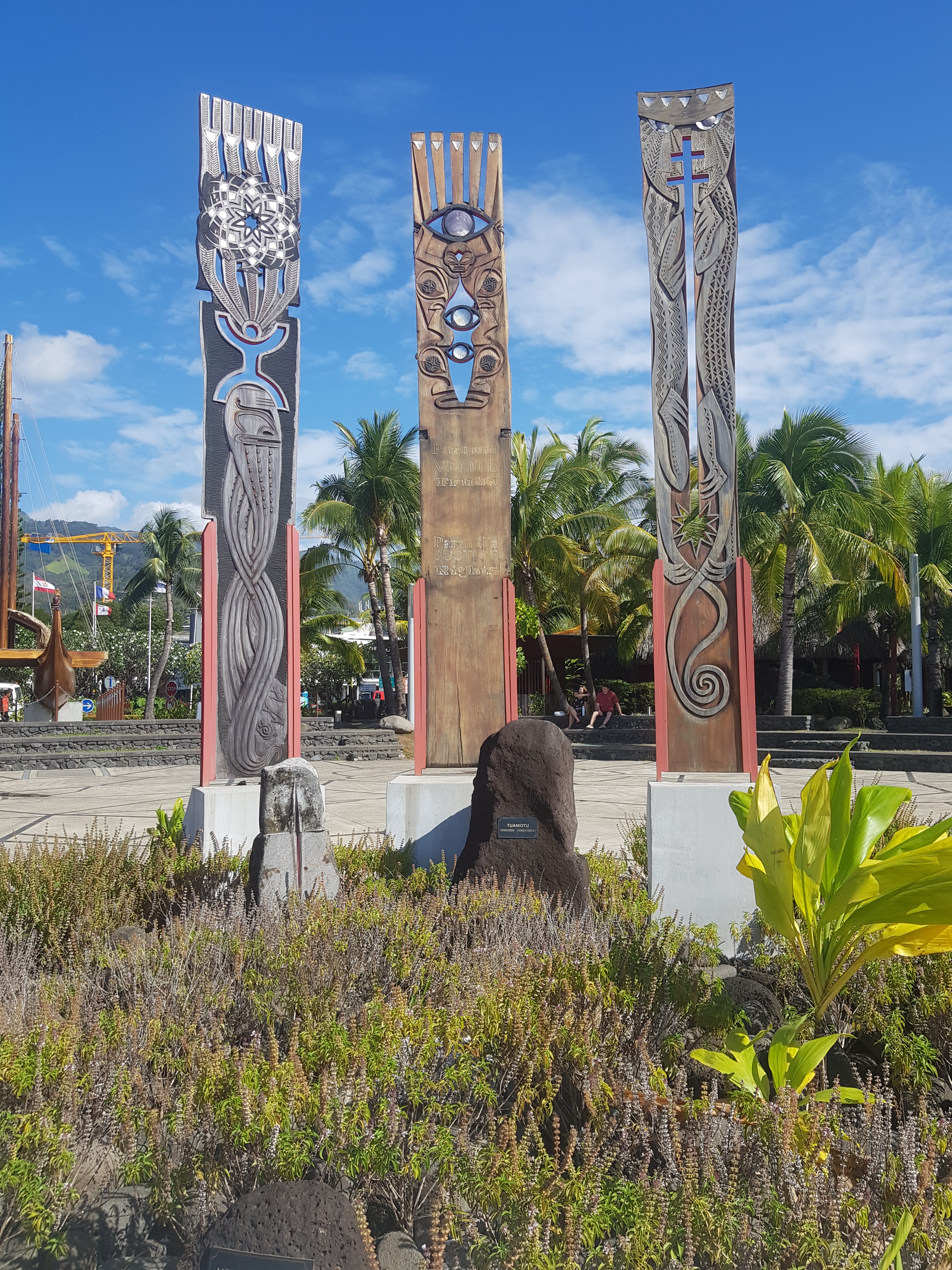
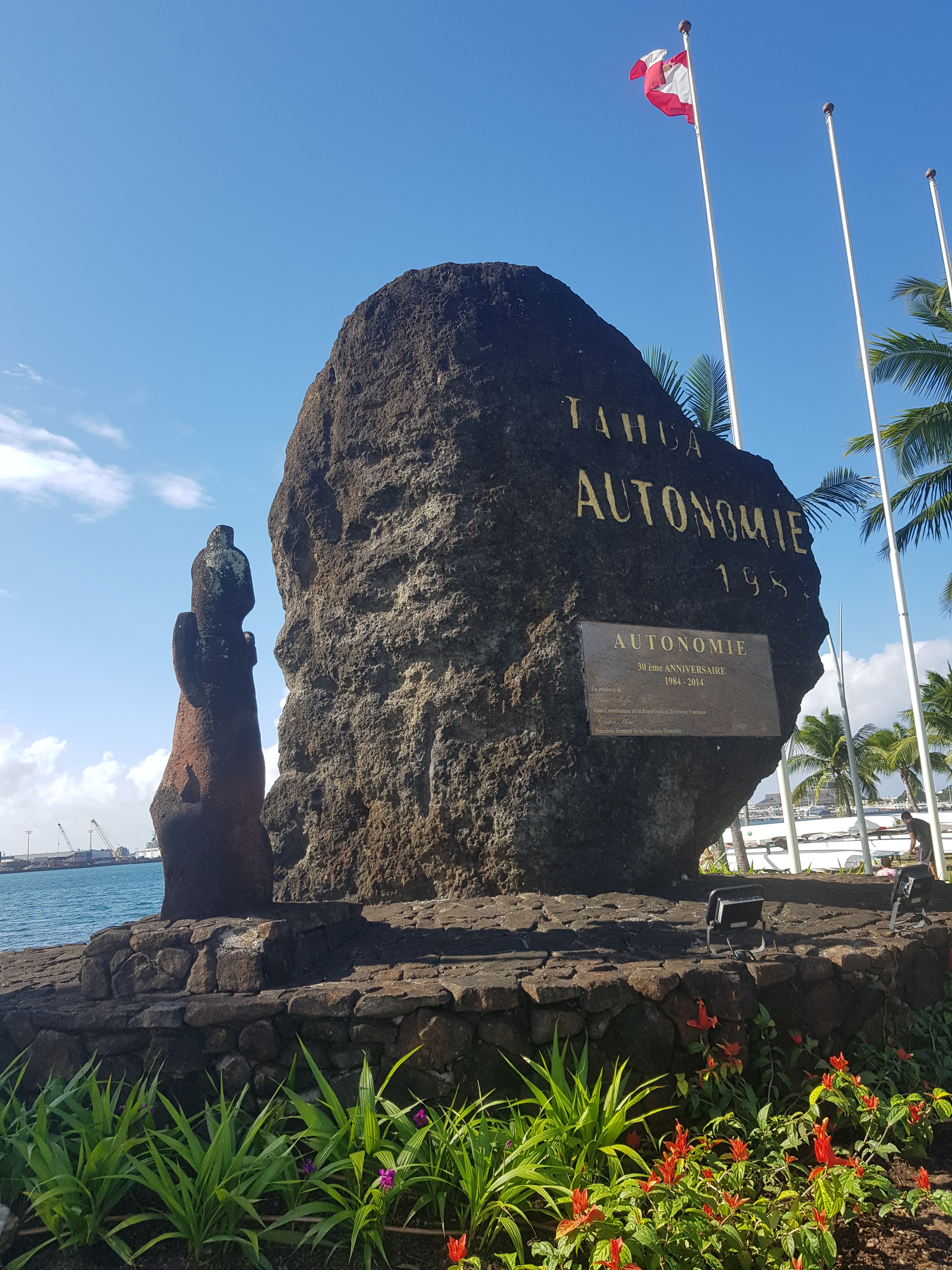
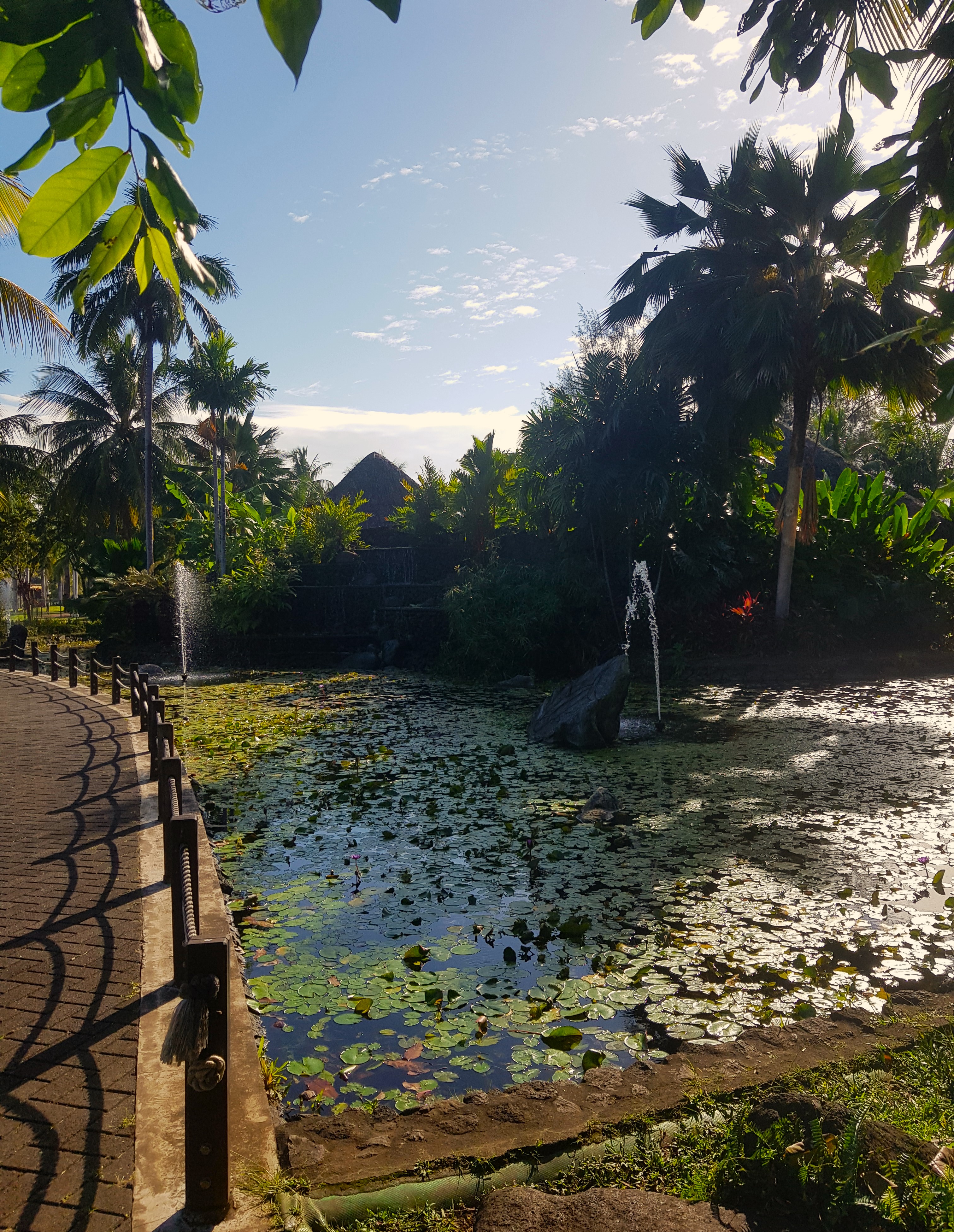
Paofai Gardens: a big recreational park with playground, shady meeting places and beautiful vegetation from the other islands. Here:

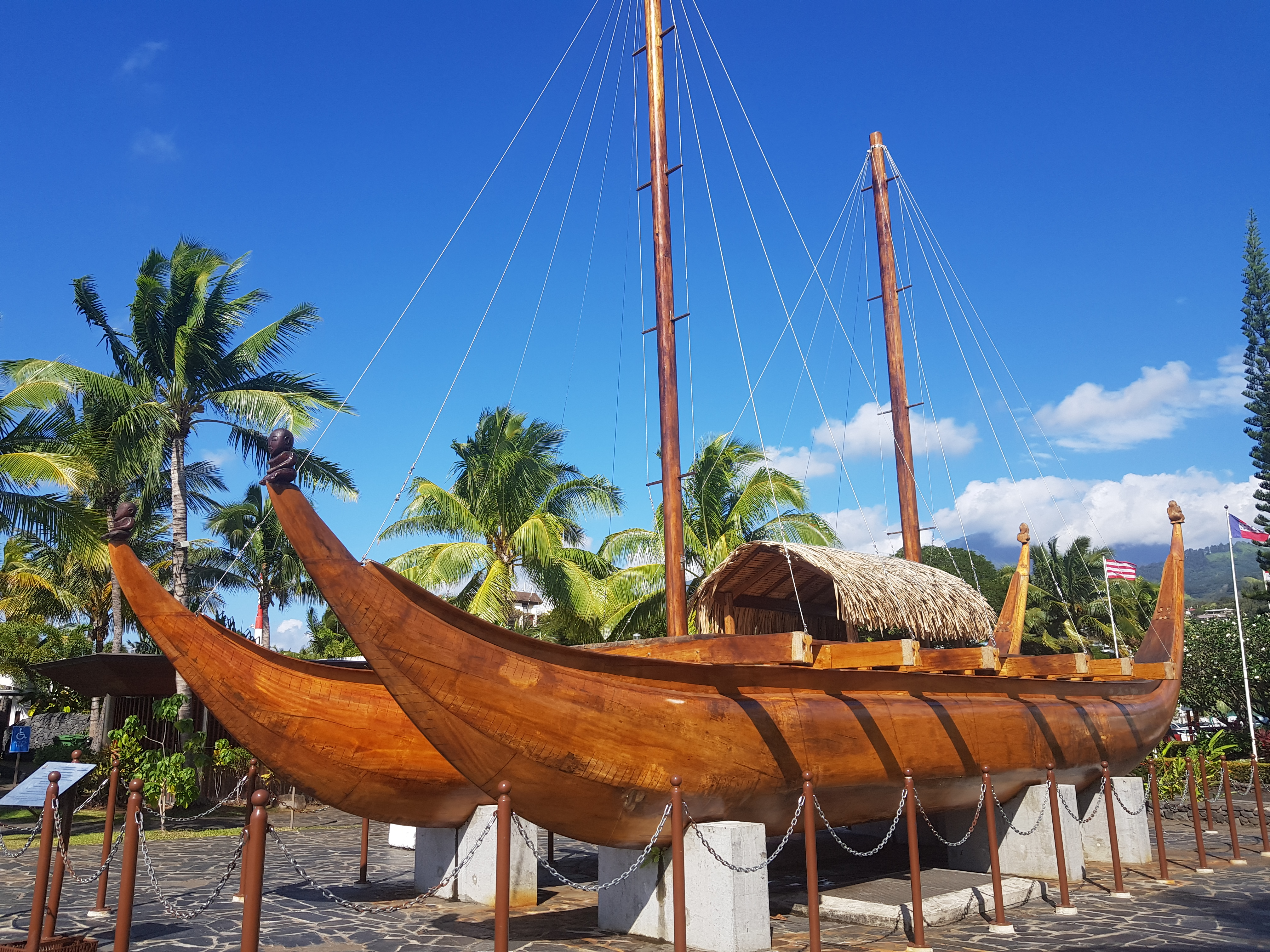
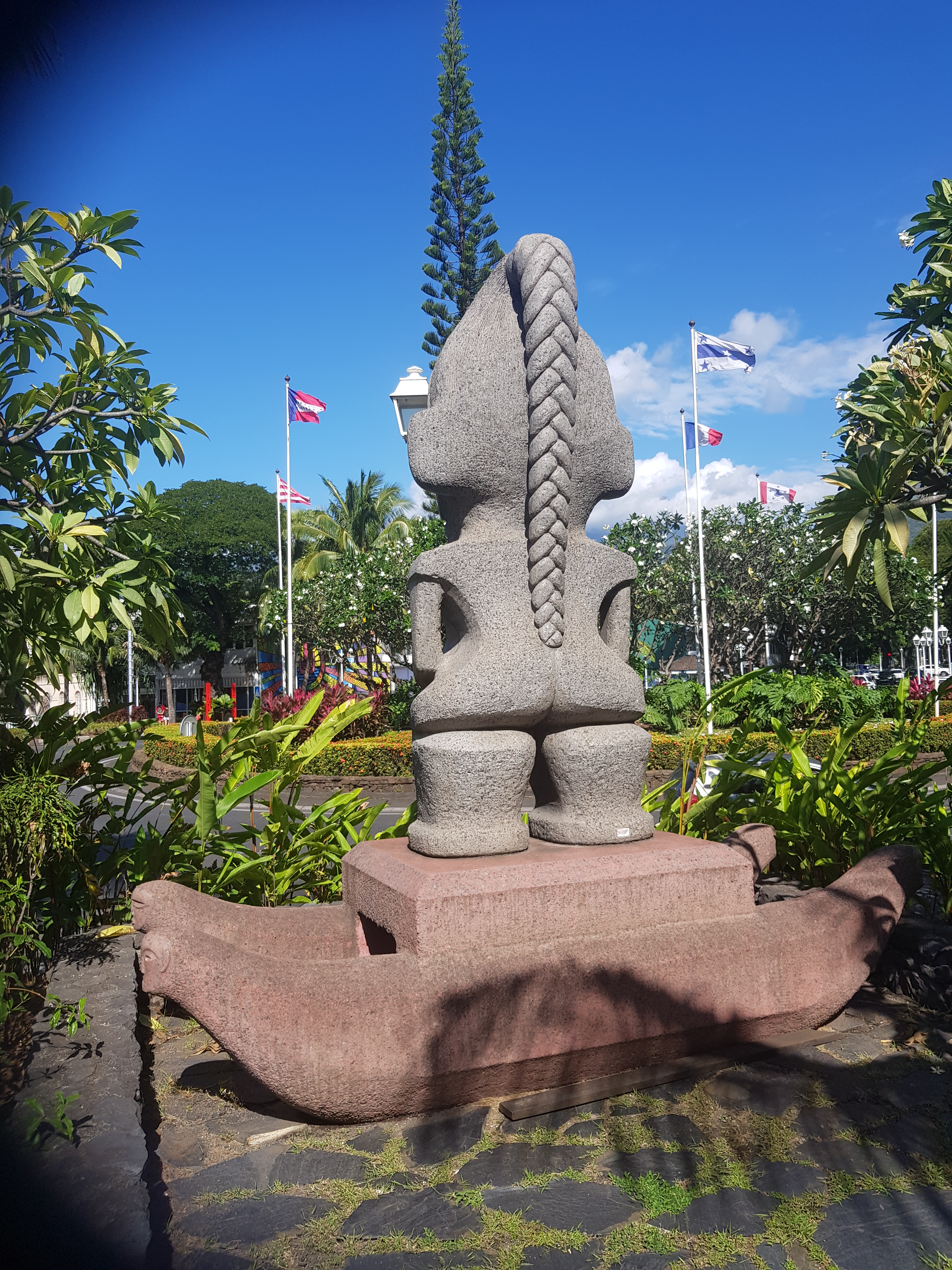
1. traditional pirogue “Marama Nui I Te Ra – Te Ra Nui Marama” means “Joins its loacation on place Tu Marama in Papeete”;

2. Memorial sight for nuclear testings between 1966 and 1996, on Moruroa and Fangataufa Atolls. The land and people of Maòhi Nui’s five atolls faced significant upheaval as the nuclear tests were imposed on them. The thousands of peoples of the Pacific still live with the memory of these weapons which today still continue to affect their health and environment. And why would one want to risk the health and wellbeing of these gentle, peaceful people? I stuck around the memorial for a while to watch the other tourists pass by, overlooking it graciously. https://disclose.ngo/en/article/french-nuclear-tests-in-the-pacific-the-hidden-fallout-that-hit-tahiti

3. 30th anniversary of Tahitian Autonomie 1984 – 2014

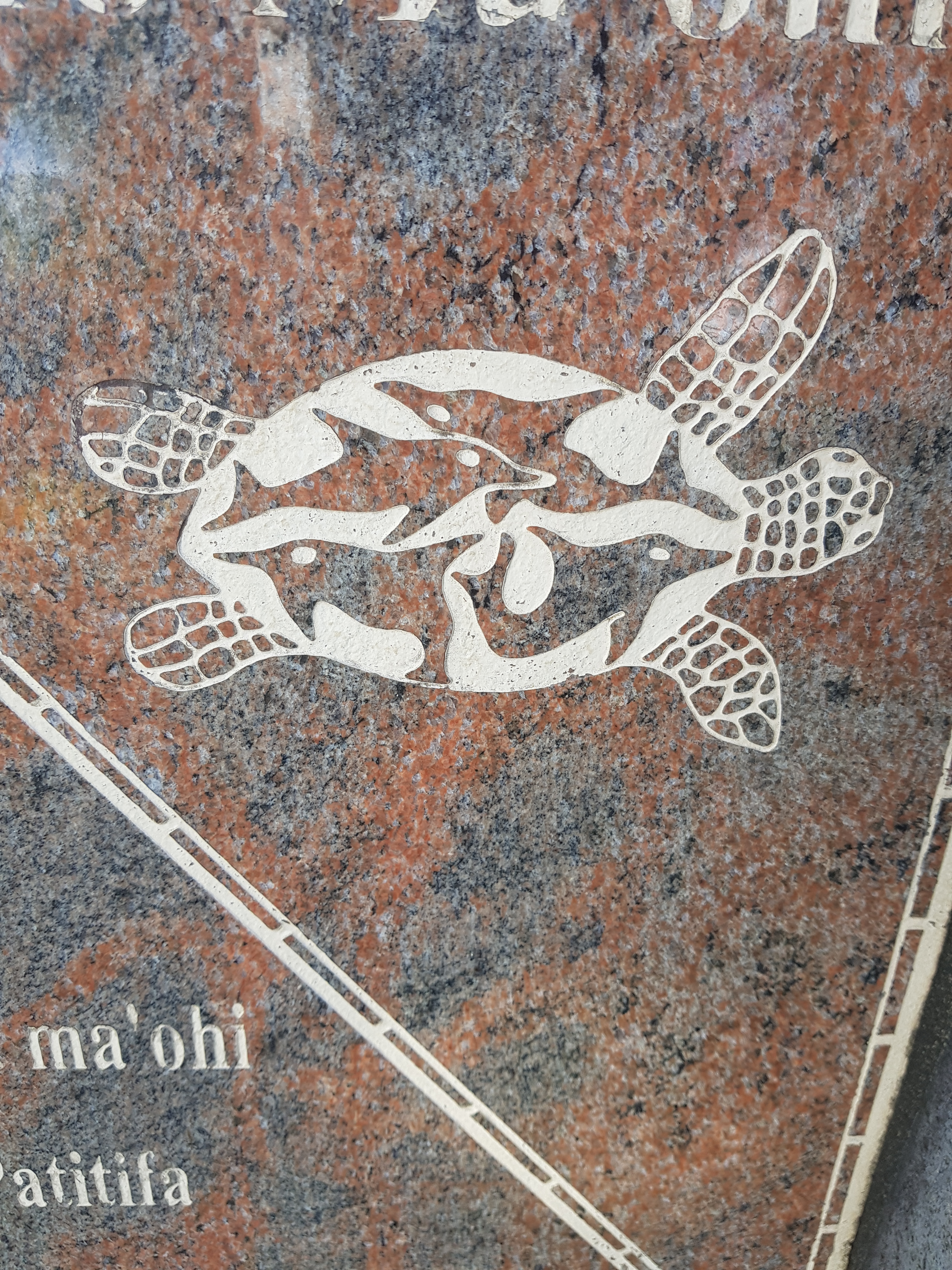
  1. The turtle or honu is another important creature throughout all Polynesian cultures. Turtles symbolise health, fertility, longevity in life, foundation, peace and rest. Also the dolphin is a protective symbol.
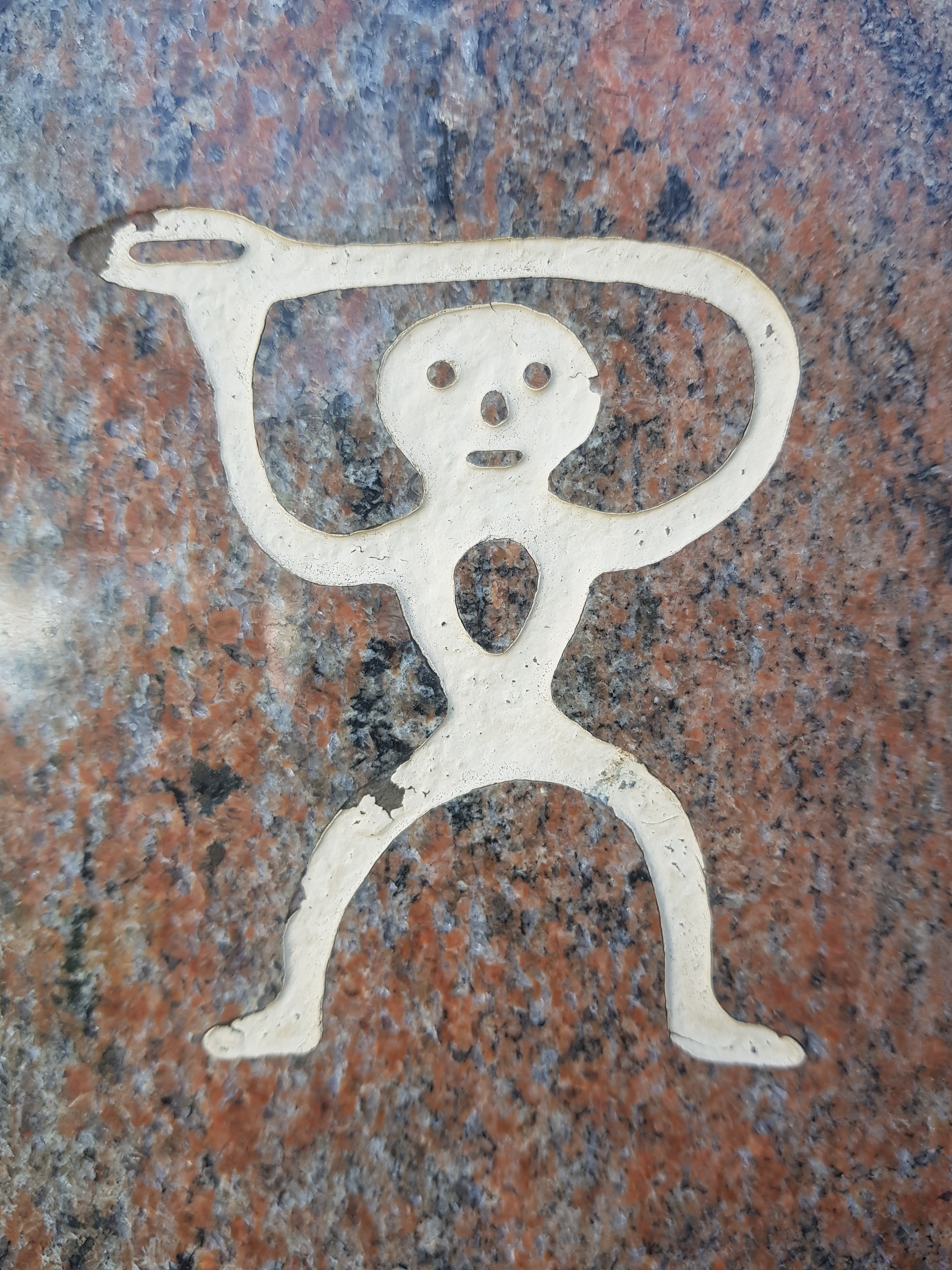
  2. Little stylised figure , still trying to find out what it means but I like it.
  3. The turtle or honu is important creature throughout all Polynesian cultures. Turtles symbolise health, fertility, longevity in life, foundation, peace, and rest. Its symbolism includes longevity, perseverance, steadfastness, protection, retreat, healing, tranquillity, the Earth, and transformation. For as long as humans have walked the Earth, there have been turtles.

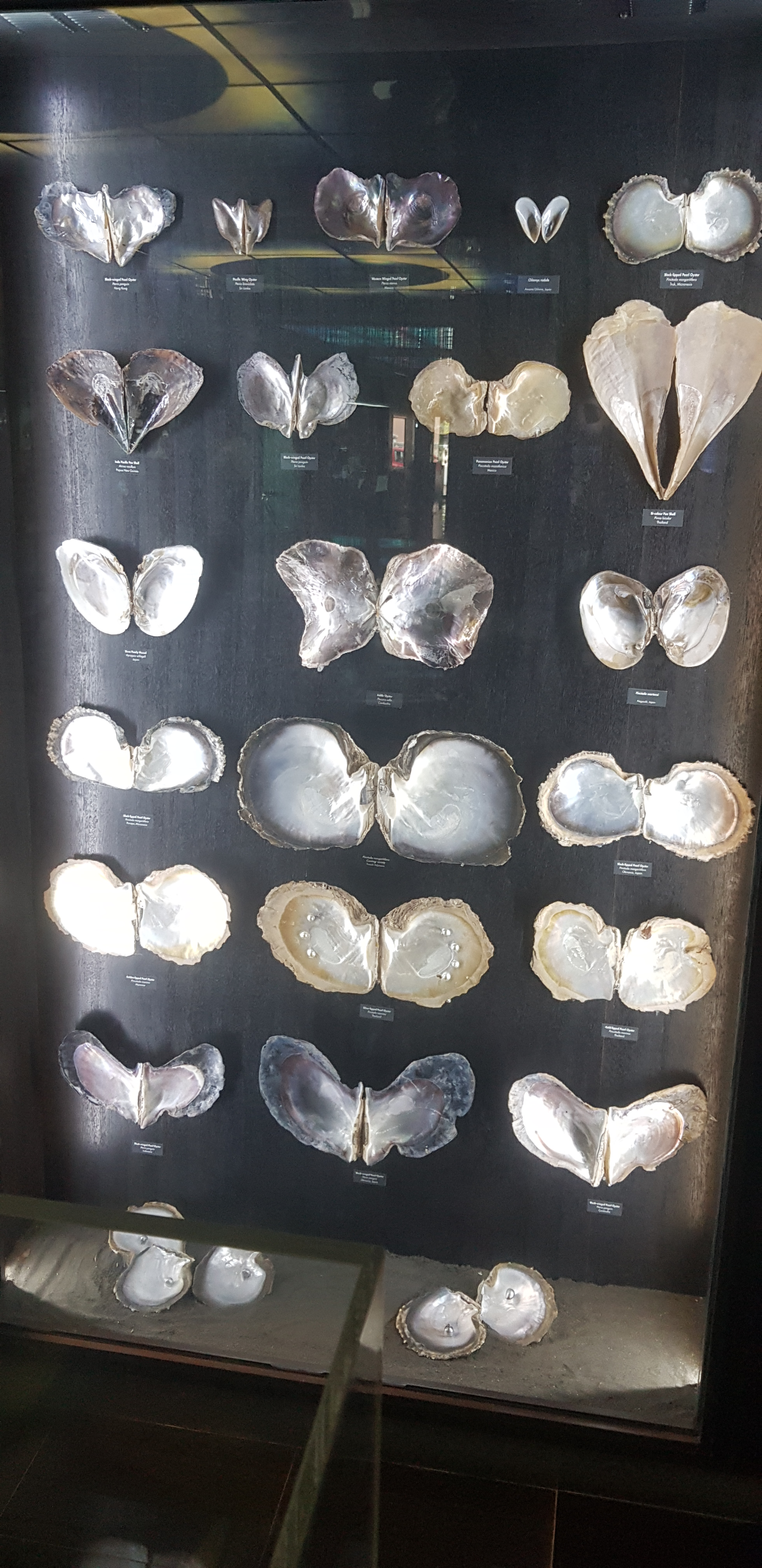
Pafoi Gardens and Robert Wan Pearl Museum

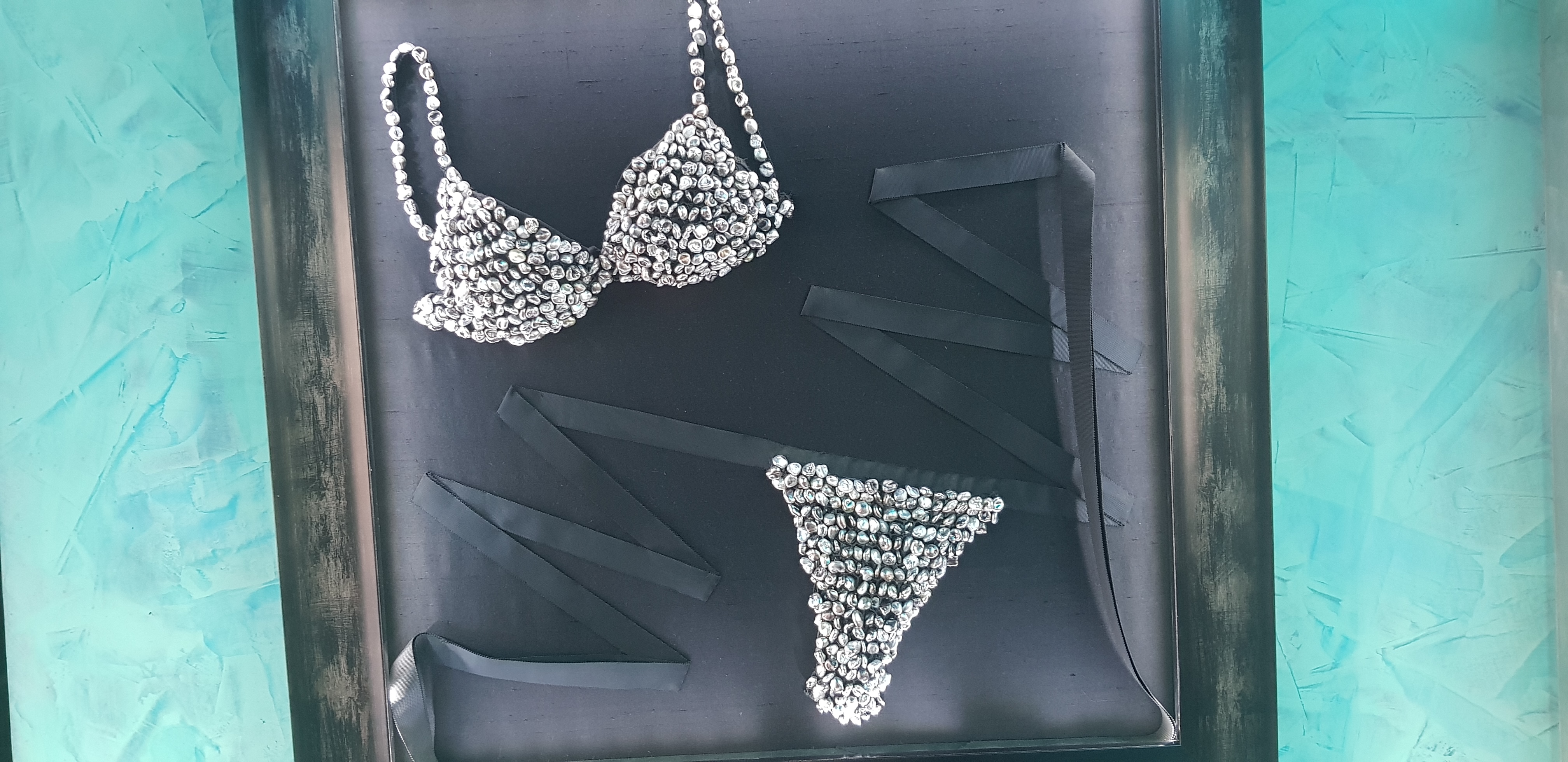
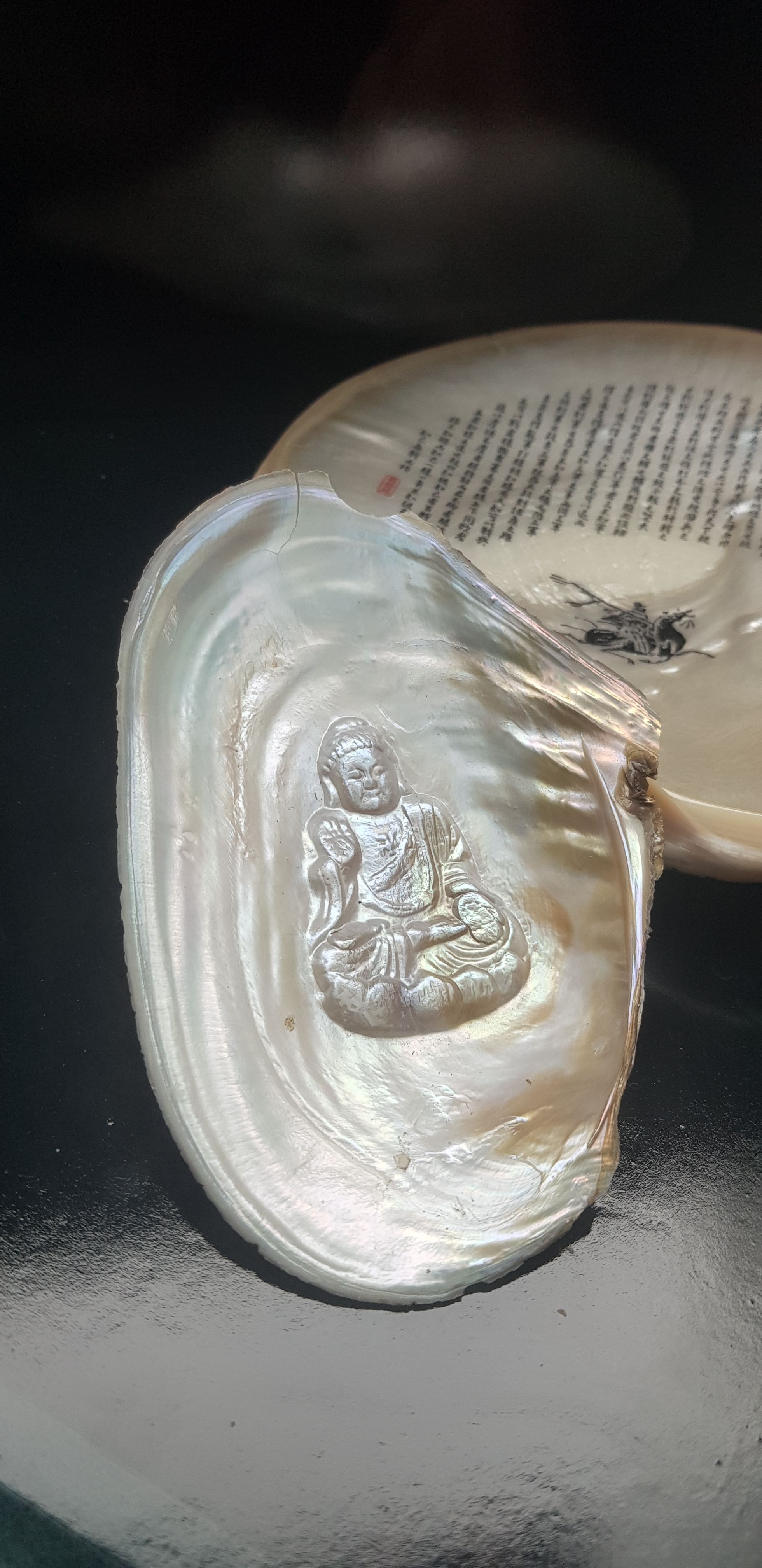
Not only oysters, also other mollusks defend themselves against foreign substances and produce pearls, a pearl bikini, and a connection to Asia.

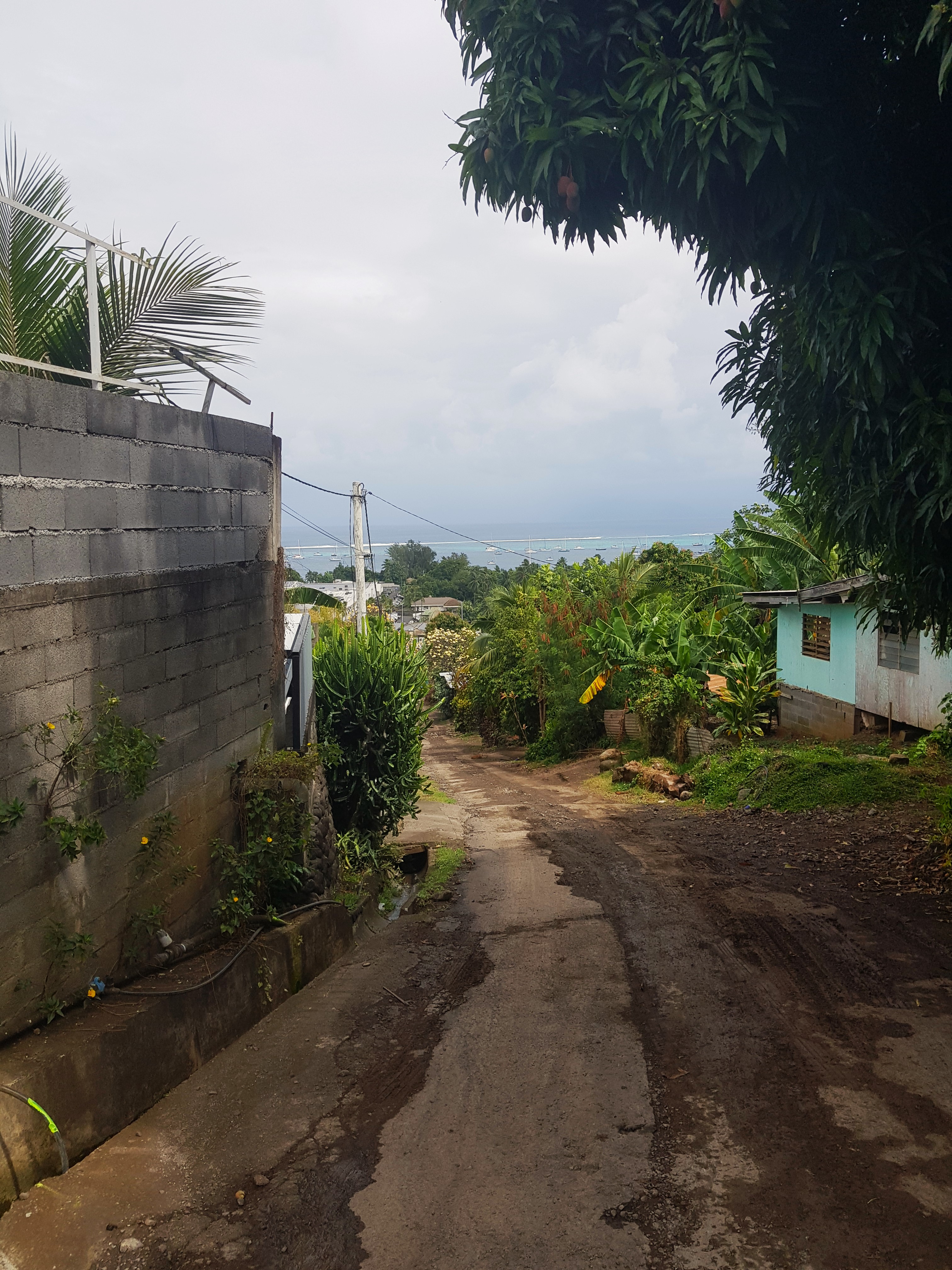
End of the day and going home, walking up a 30% gradient (cars hardly make, me neither!)

I really don’t know why some pictures come out big and others small.

Malta 4: Stoneage – Postmodernism 2: If you were a giant(ess) …

28 Oct

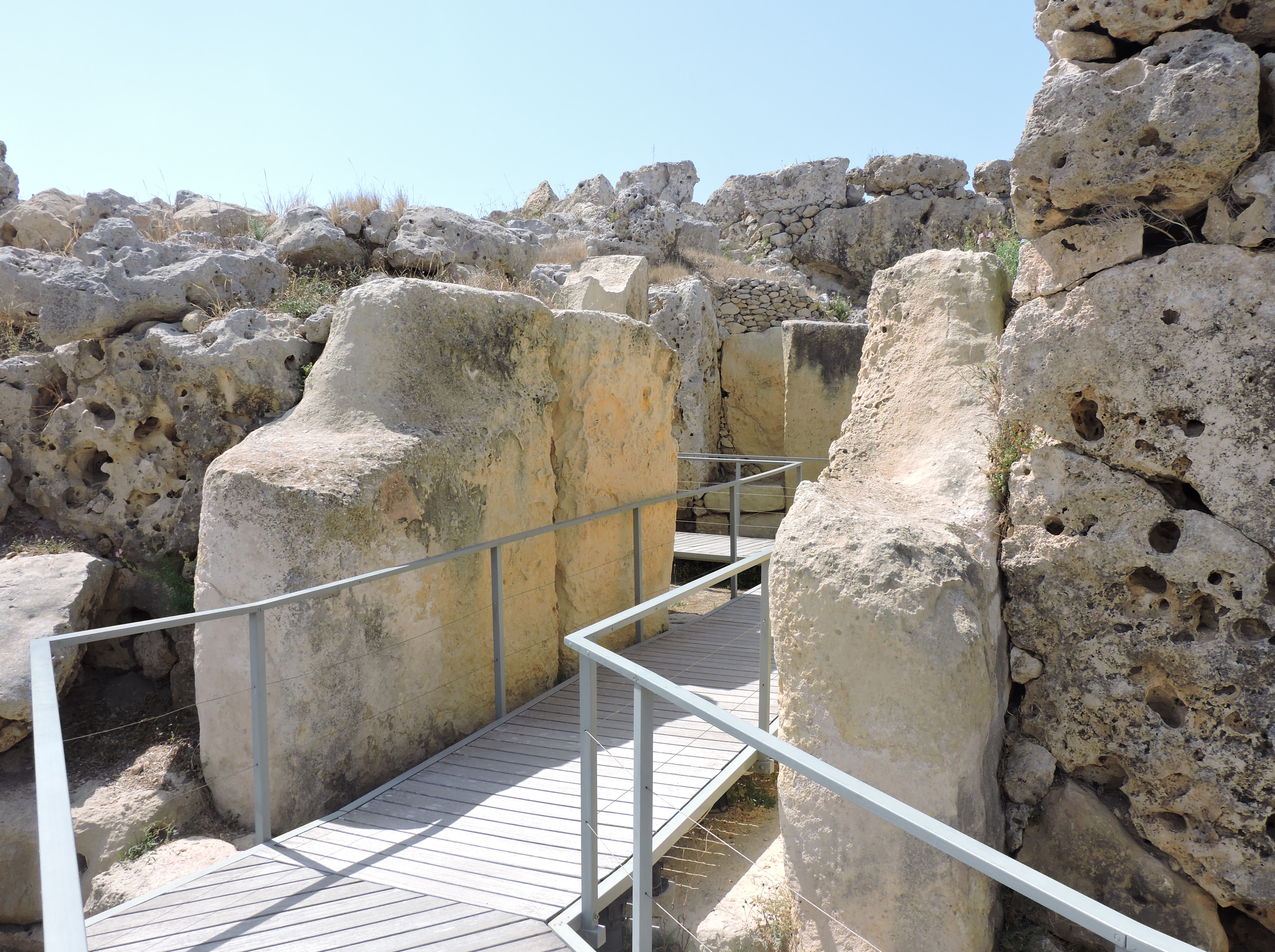
… you would build a temple or an observatory for  sun, moon and stars, a giant solar calendar, or a sanctuary where a virgin girl could be sacrificed in dignity to the patriarchal gods, …

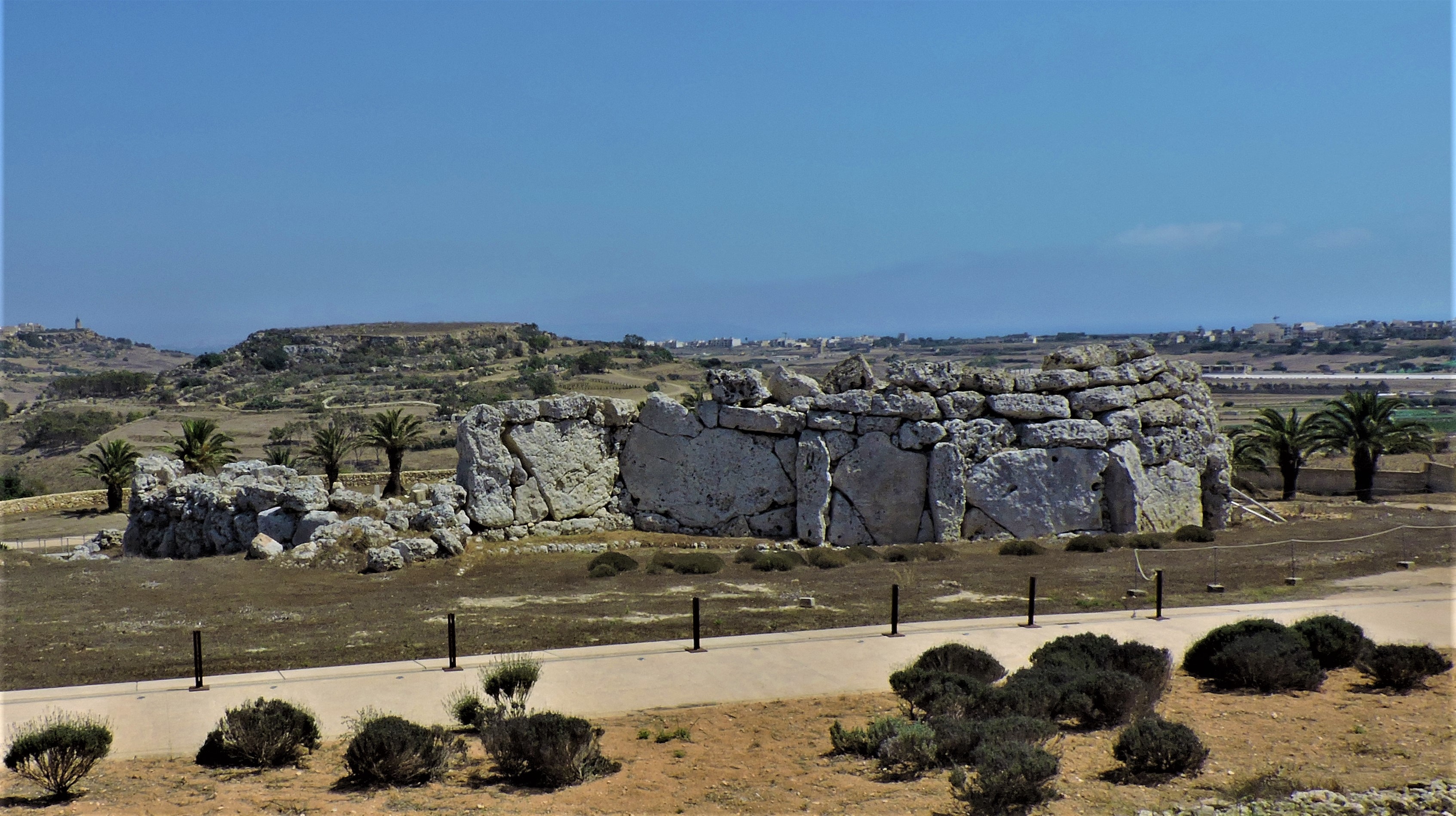
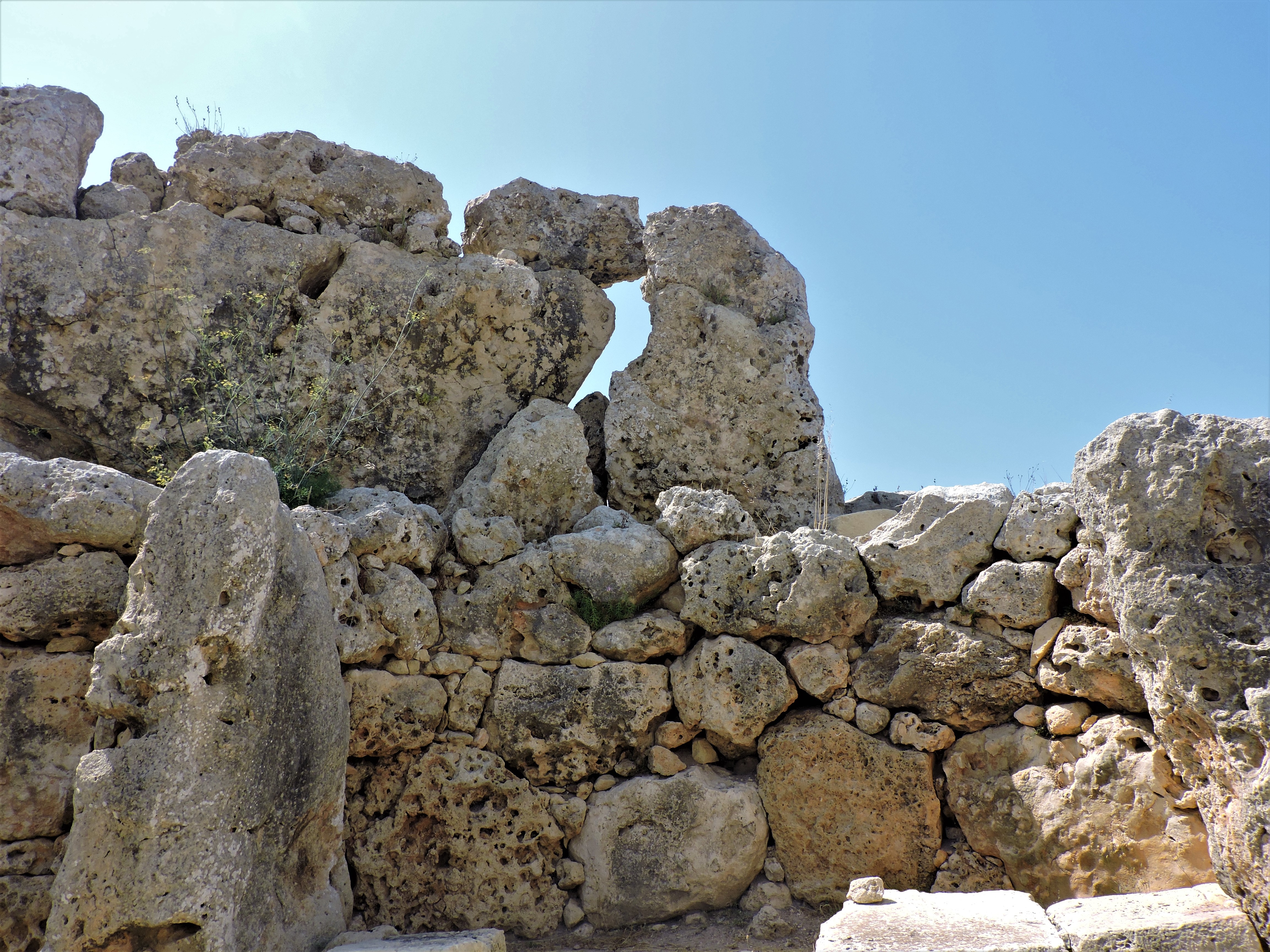
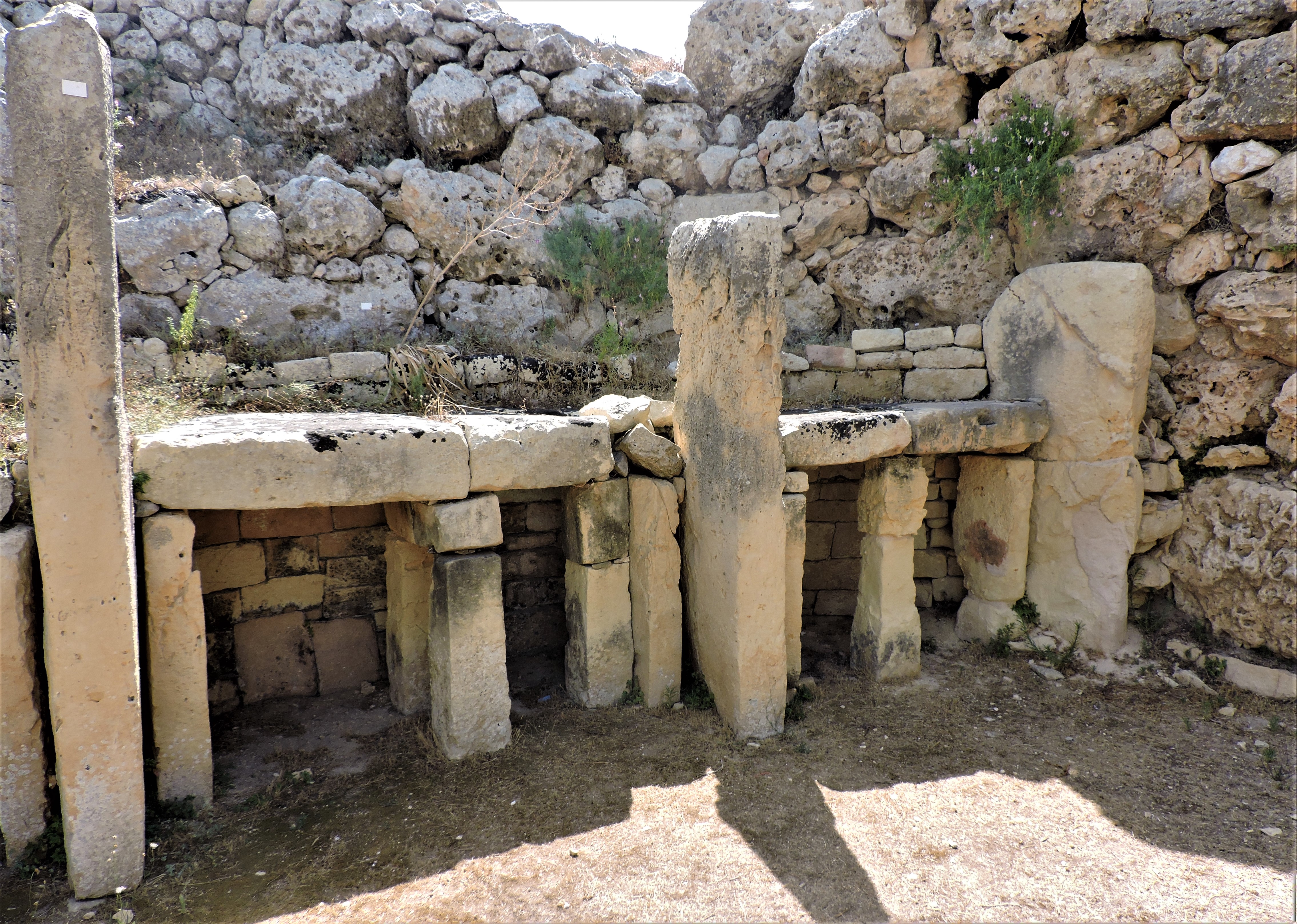
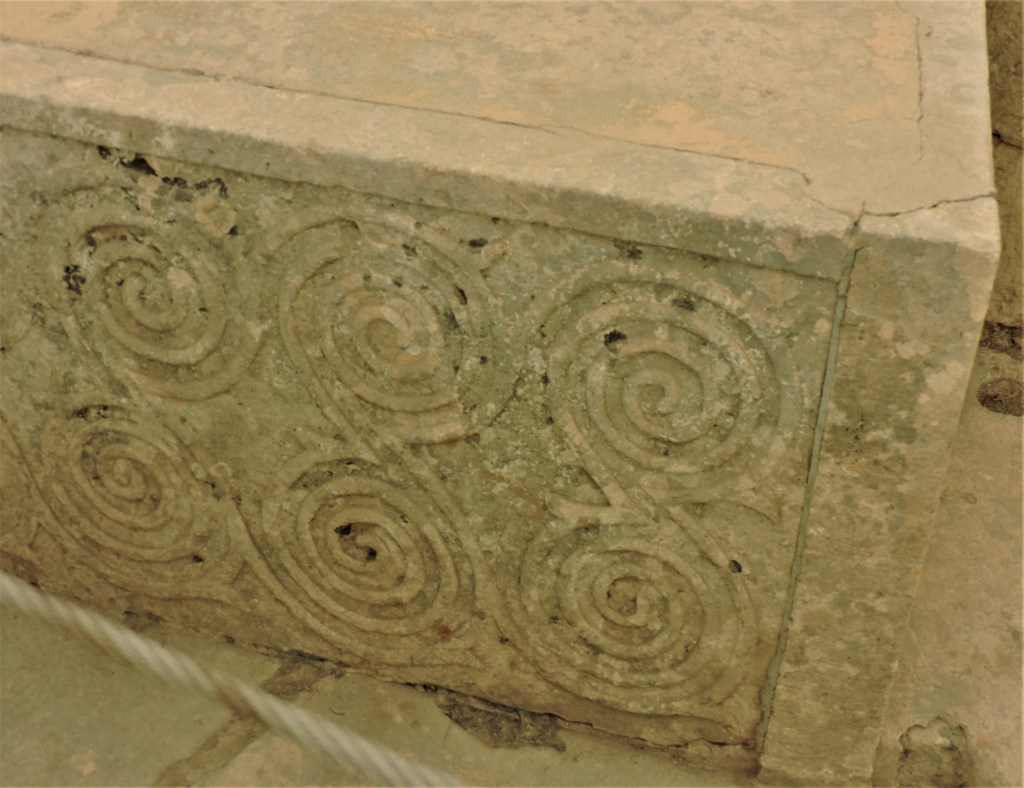
Ġgantija  [dʒiɡanˈtiːja]

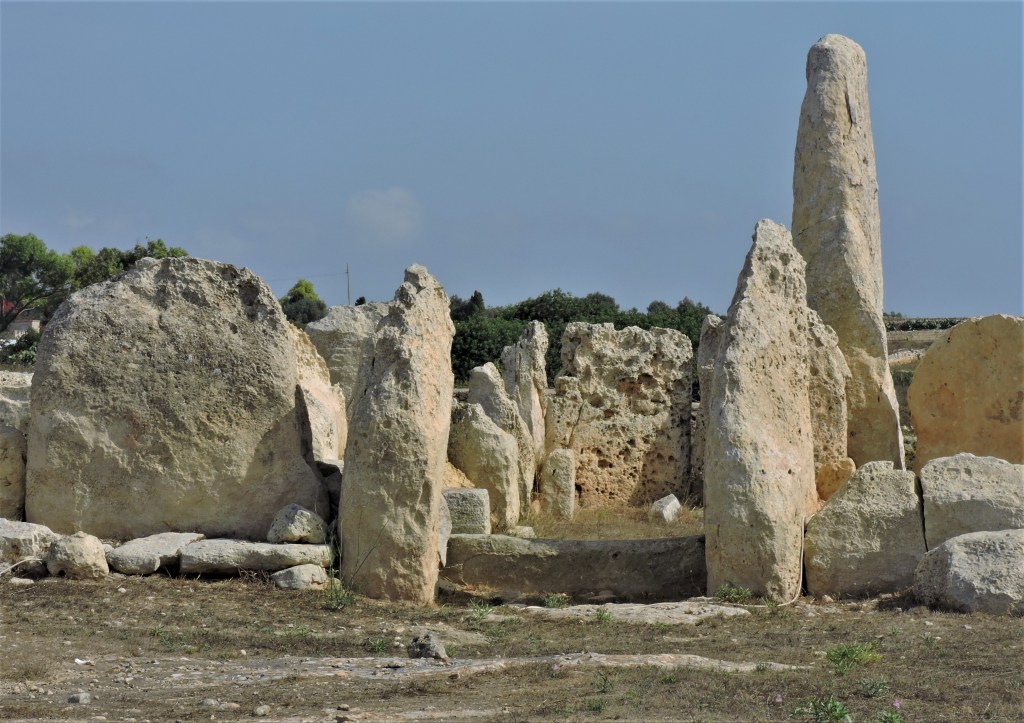
… you would construct it so big and strong, so heavy and difficult to put together … it would be standing upright forever and be recognised as a World Heritage Site after 5200 years.

Okay, you have seen huge manmade constructions like Stonehenge (2400 BC), okay, you’ve been to the pyramids in Egypt (starting from 2800 BC), all fantastic but these temples are much older, they are still STANDING upright! …

… and … they are womanmade!

Ġgantija  [dʒiɡanˈtiːja]: “A giantess was seen carrying large stones on her head while carrying her baby in her arms, or in a sling on her back . As she walked along she snacked on broad beans and wove flax.” (by Fr Manwel Magri, Maltese ethnographer, archeologist and writer, 19th century)

Now you know who built the stoneage temples: Multitasking strong giant ladies.

What about the men? You’ll ask …

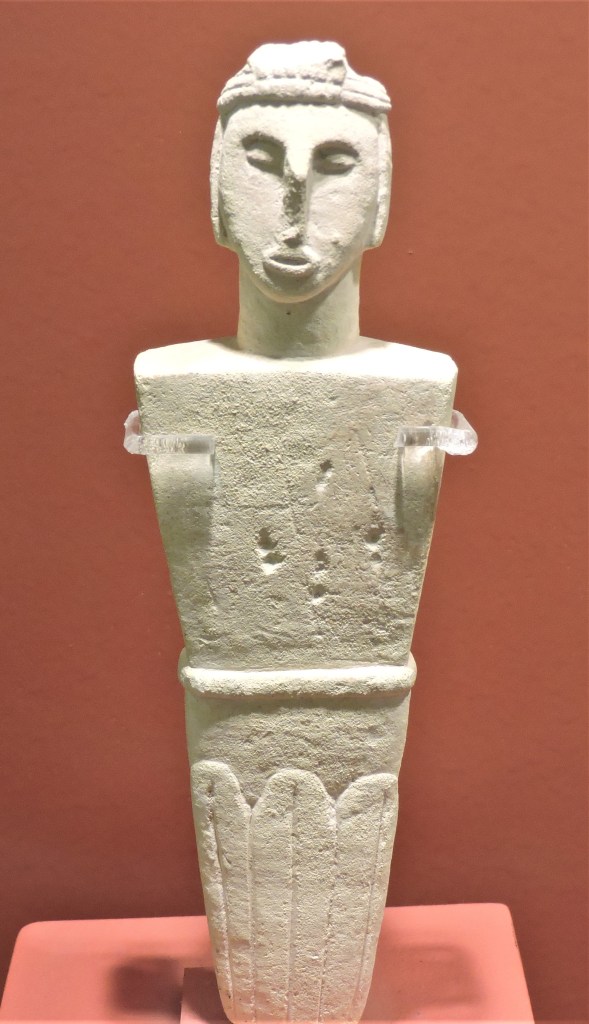
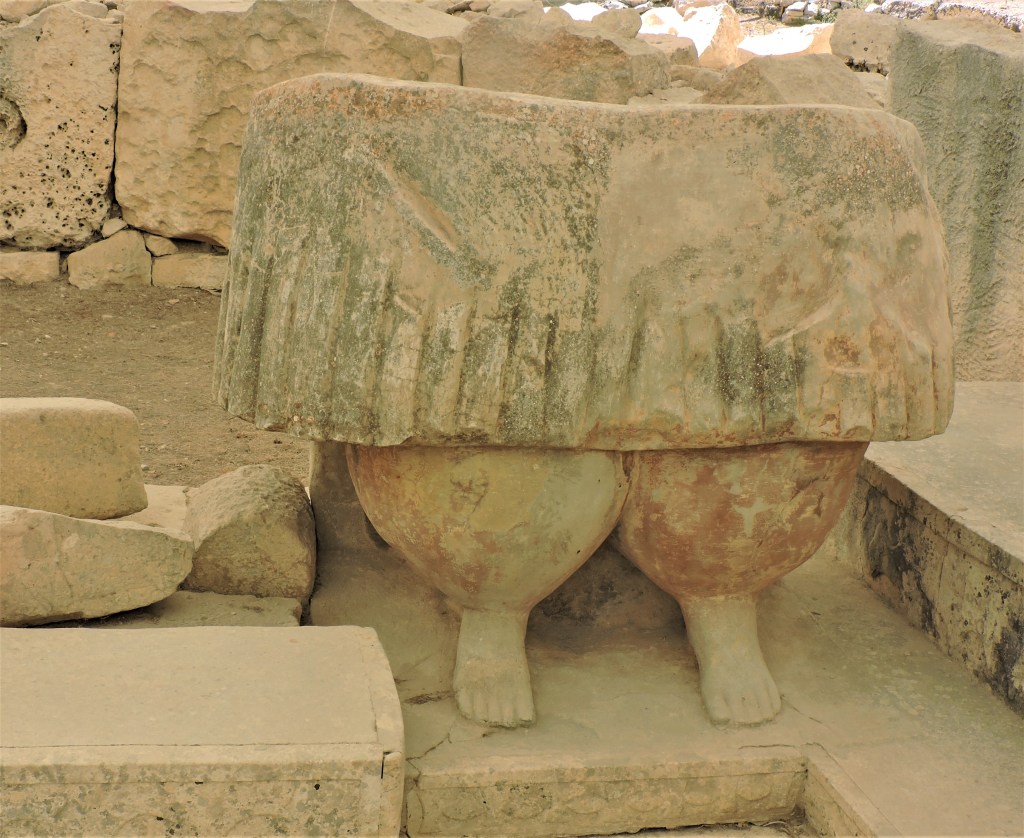
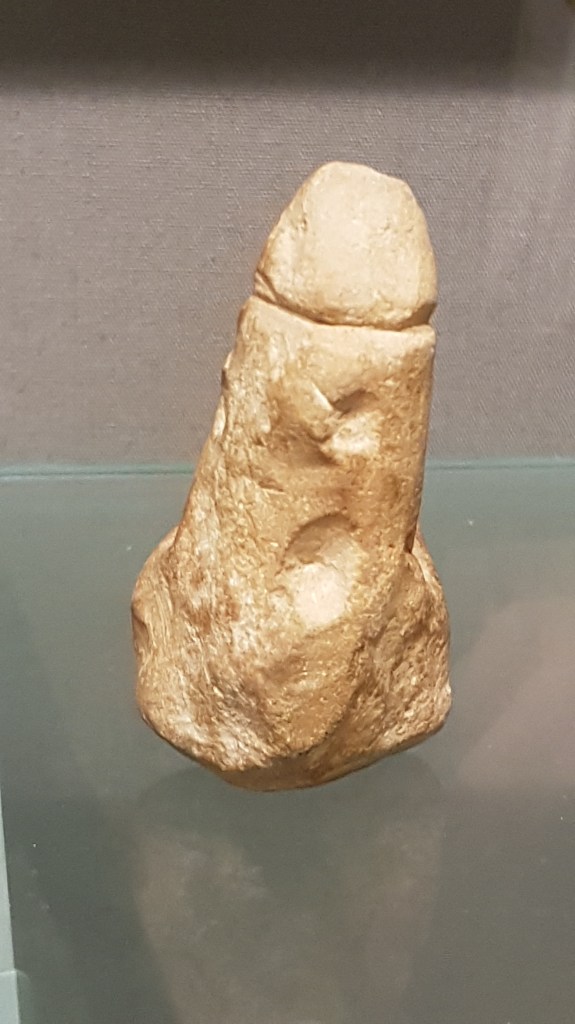
A bit priapic in shape, and arms?? … (What for?)

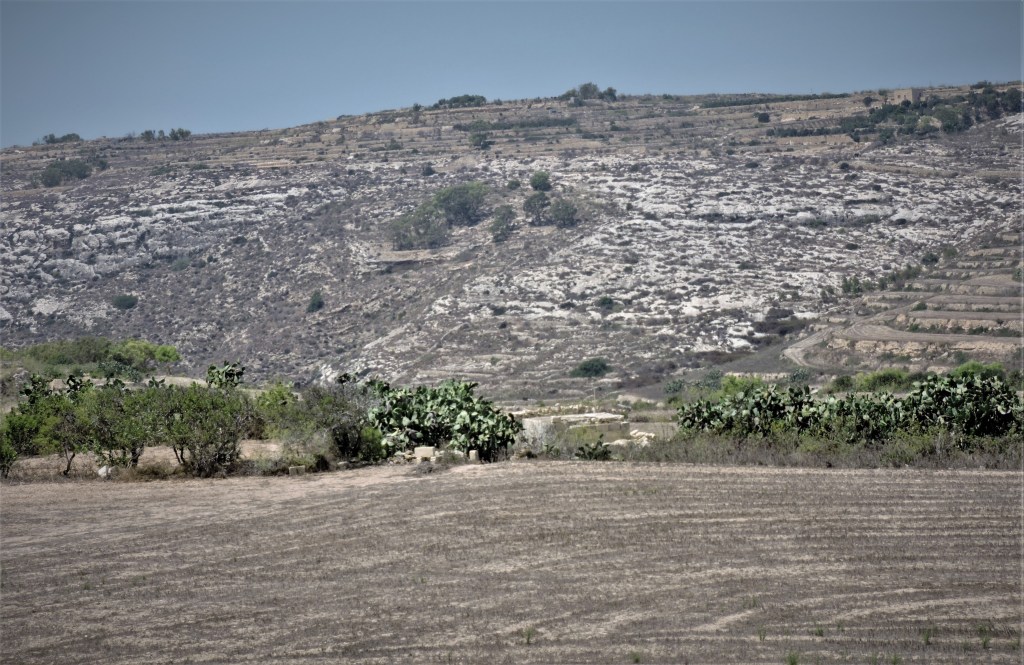
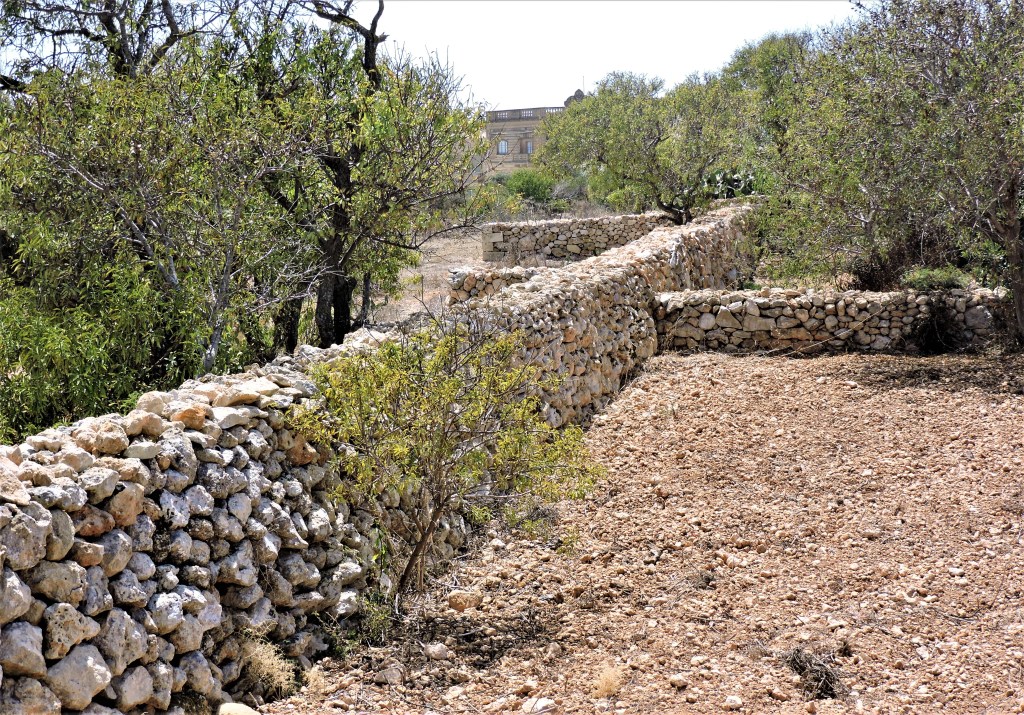
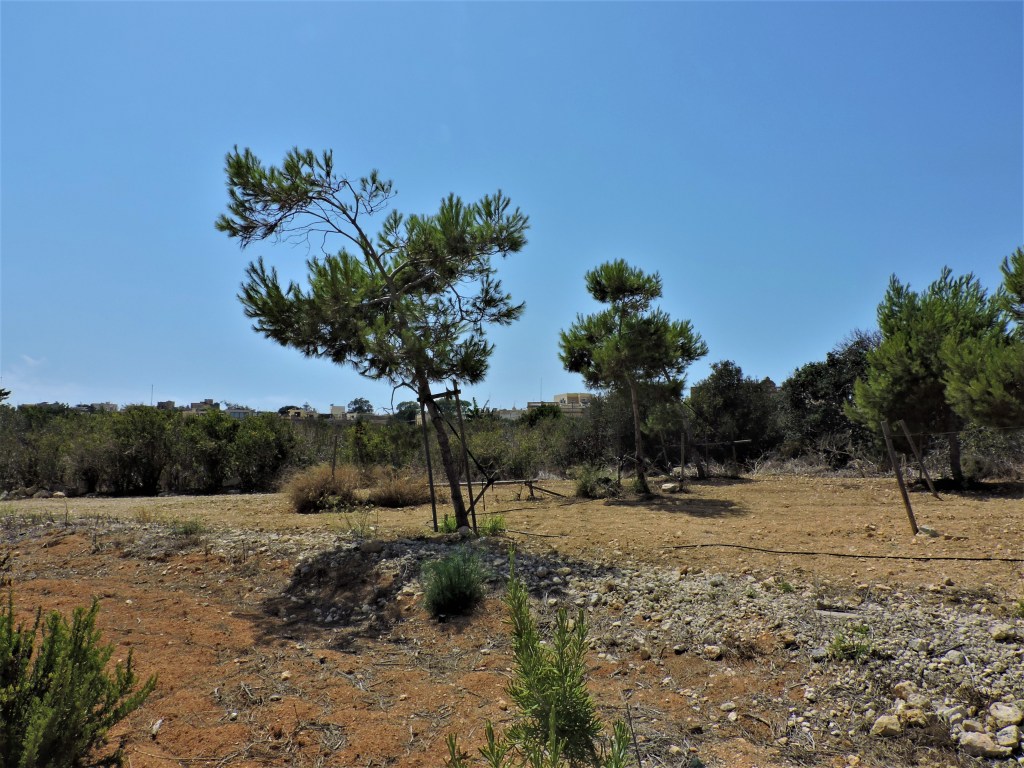
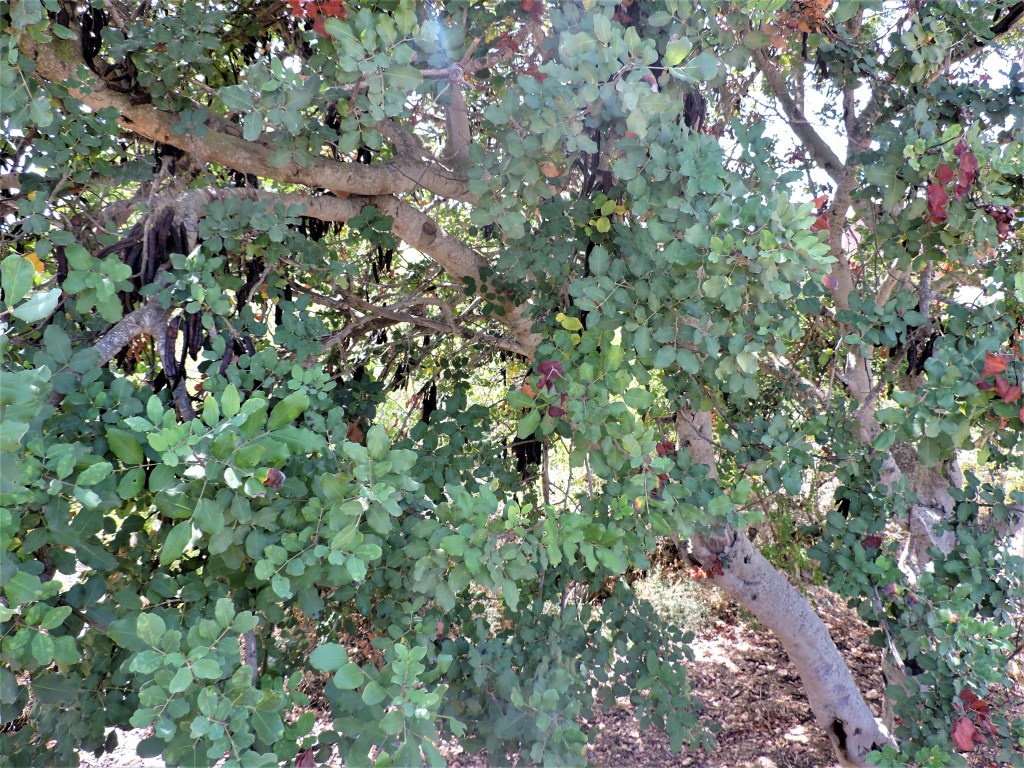
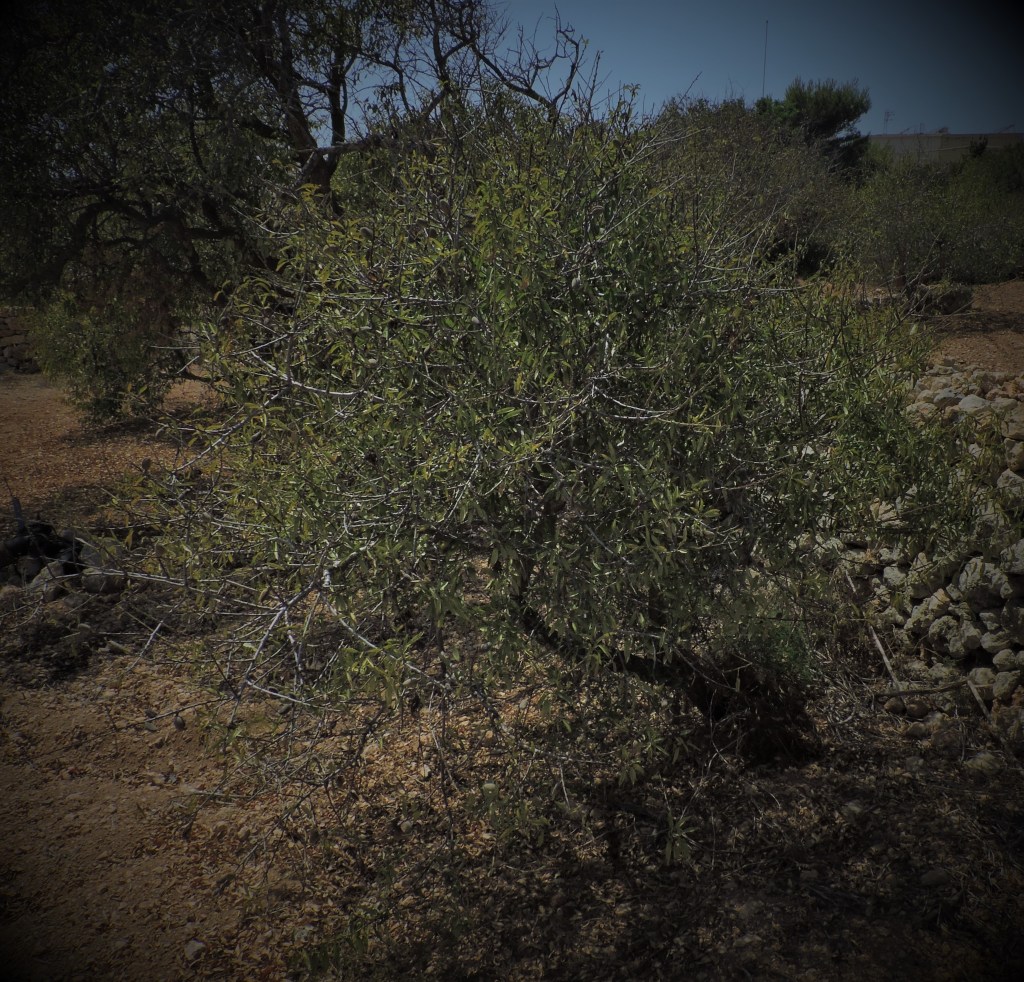
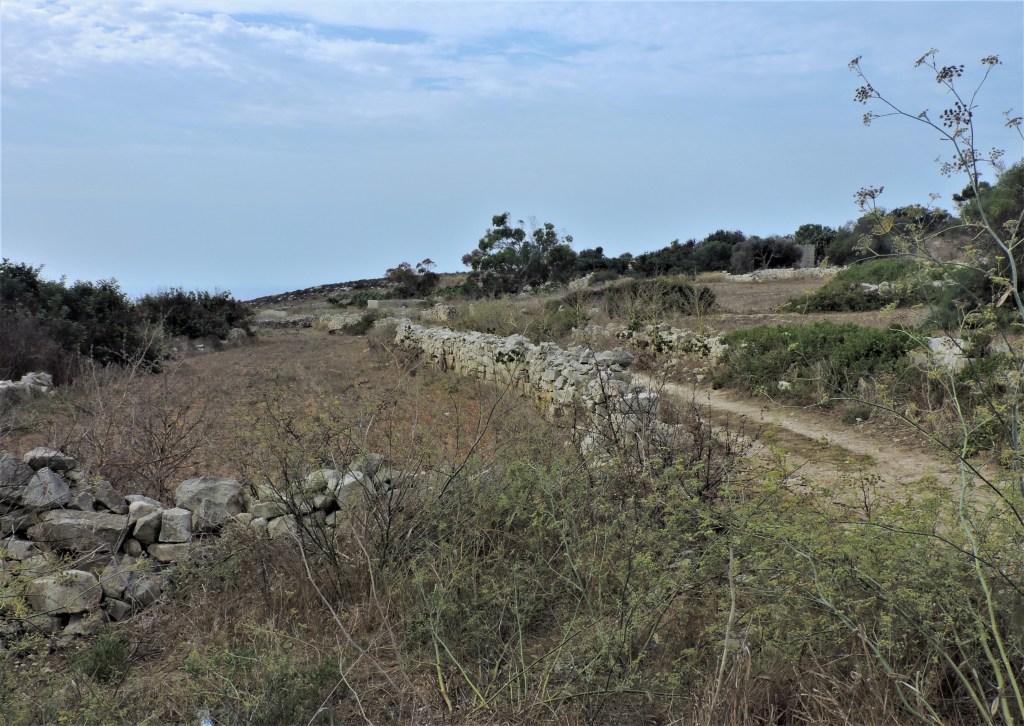
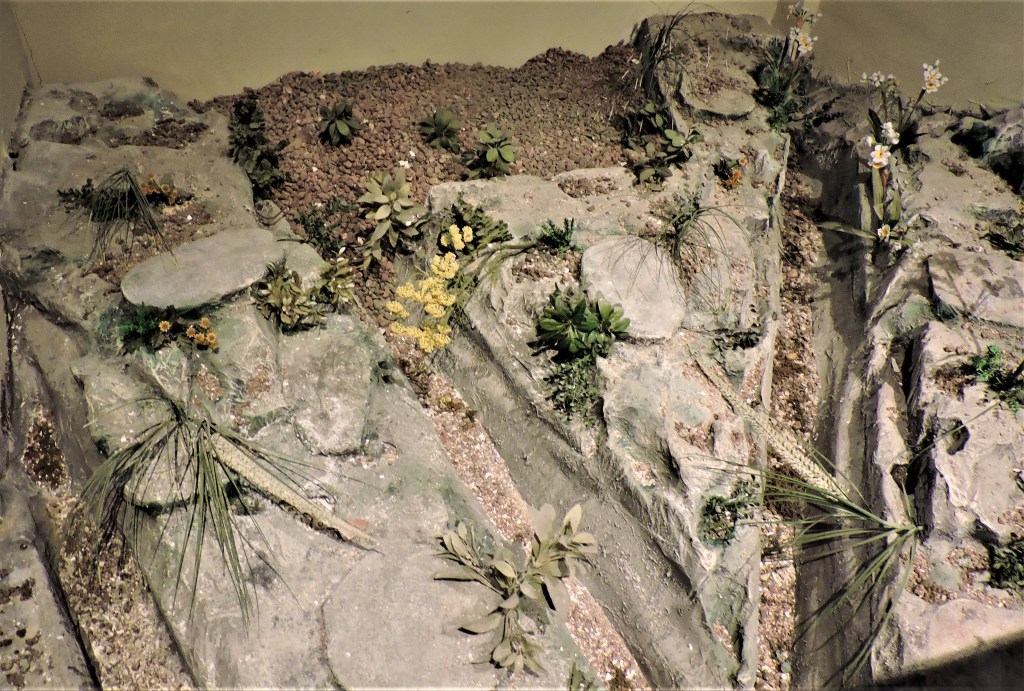
But in the end when it came to religious rituals and human sacrifice to appease the gods, in a drought for instance, it had to be a fair maiden, or at least that’s what they thought a hundred years ago. Pictures: Barren land, best drywalls, Aleppo Pine Tree

Ġgantija         di Ġorġ Pisani
Fra preistorica traccia nelle dolcissime serate incantate,
Va sognando il tempio per tutta l’estate, lassù sul colle di Caccia: ….
Gigantija         by Ġorġ Pisani
In the light of the lovely moon all through the sweet hours of the summer nights
there in the lush of the wilderness green for ever Gigantija dreams: ……

This poem goes on telling of a famine on Gozo Island and of a young maiden, unskilled, and “blue of eye” in the English version, who offers to be sacrificed to the gods. Shortly after, Gozo was green again, “every one ate and drank … and every heart rejoiced”.  (except for the maiden’s)

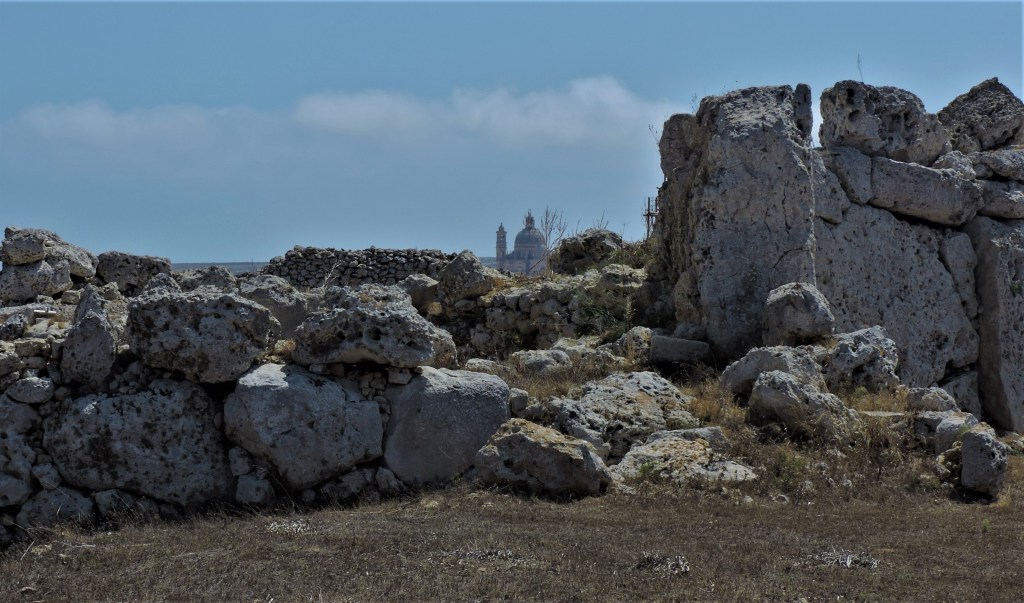
And will that church in the distance still be standing in the year 7500? I ask myself in the year 2020.

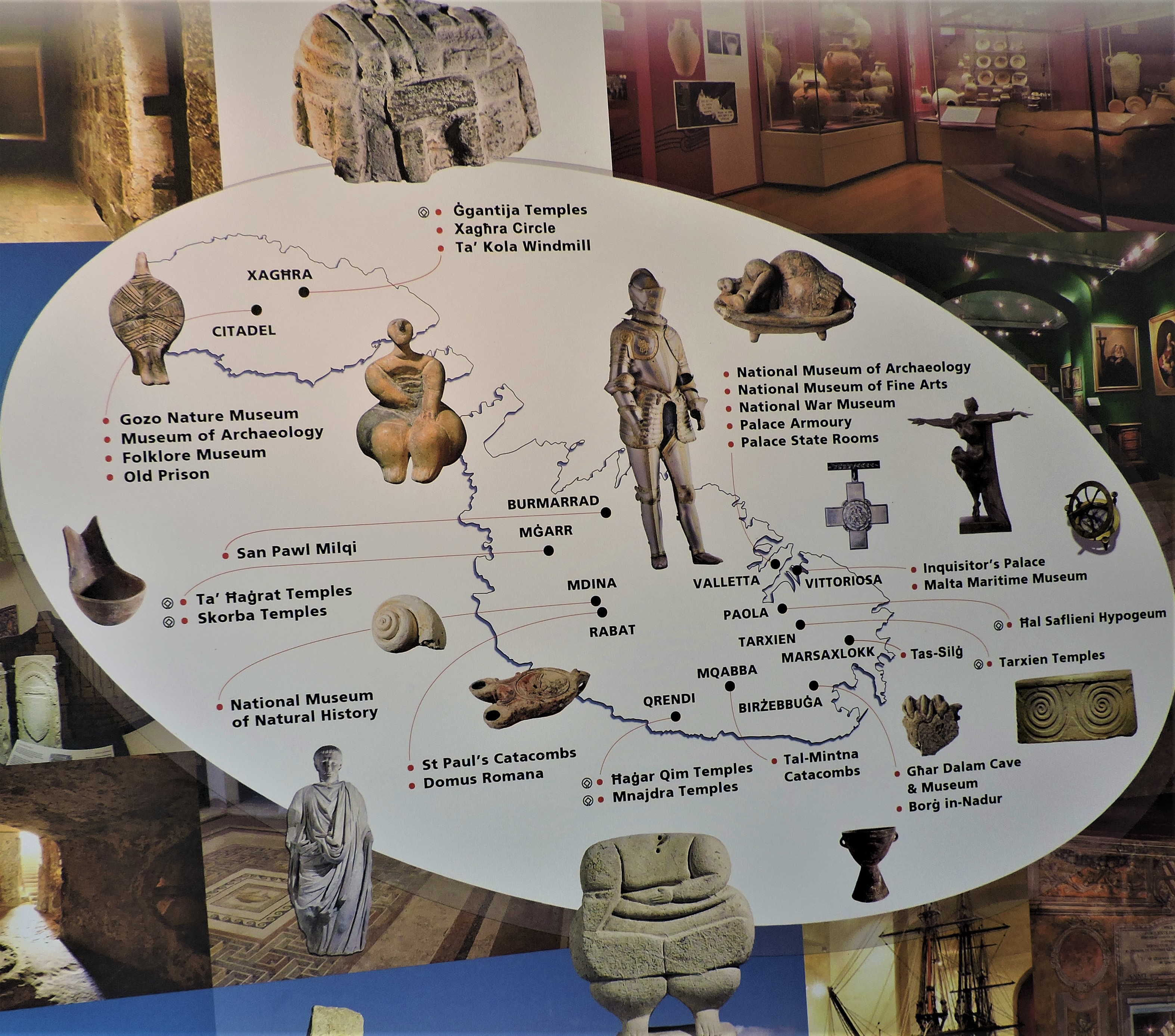
It’s difficult to see it all: At the top near Xagħra (say: Shaara) are the Ġgantija Temples, down South near Qrendi are the Ħaġar Qim and Mnajdra Temples, Paola (near Valletta): Tarxien and Ħal Saflieni

Take a local bus from Valletta, go southwest to what are maybe the best preserved temples Ħaġar Qim  [ħadʒar ˈʔiːm], worshipping stones, and Mnajdra Temples, Qrendi. The driver will let you off even if you don’t pronounce the names right. Arabic in latin letters: nothing sounds the way it’s spelt.

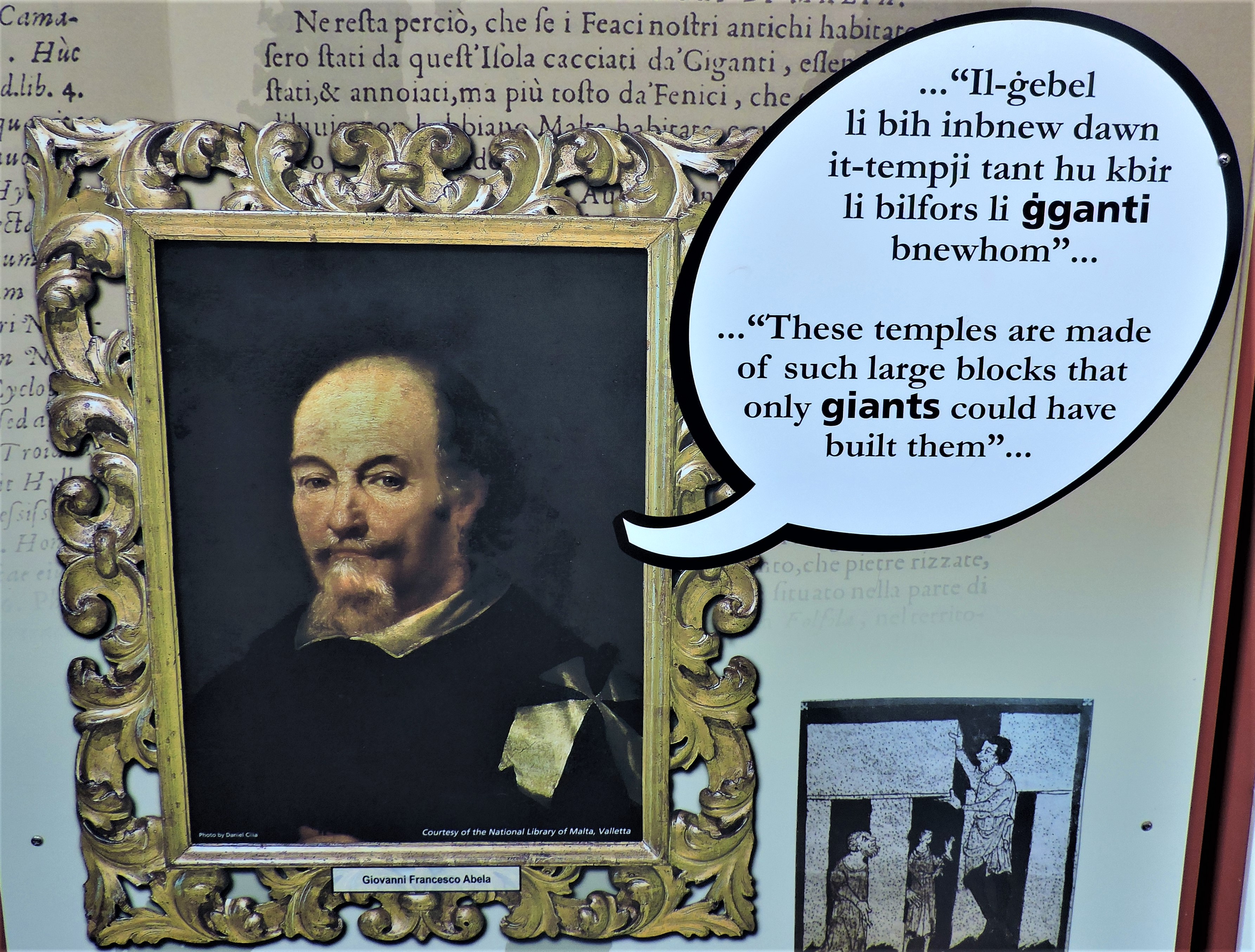
Giovanni Francesco Abela (17th century): “These temples are made of such large blocks that only giants could have built them”…

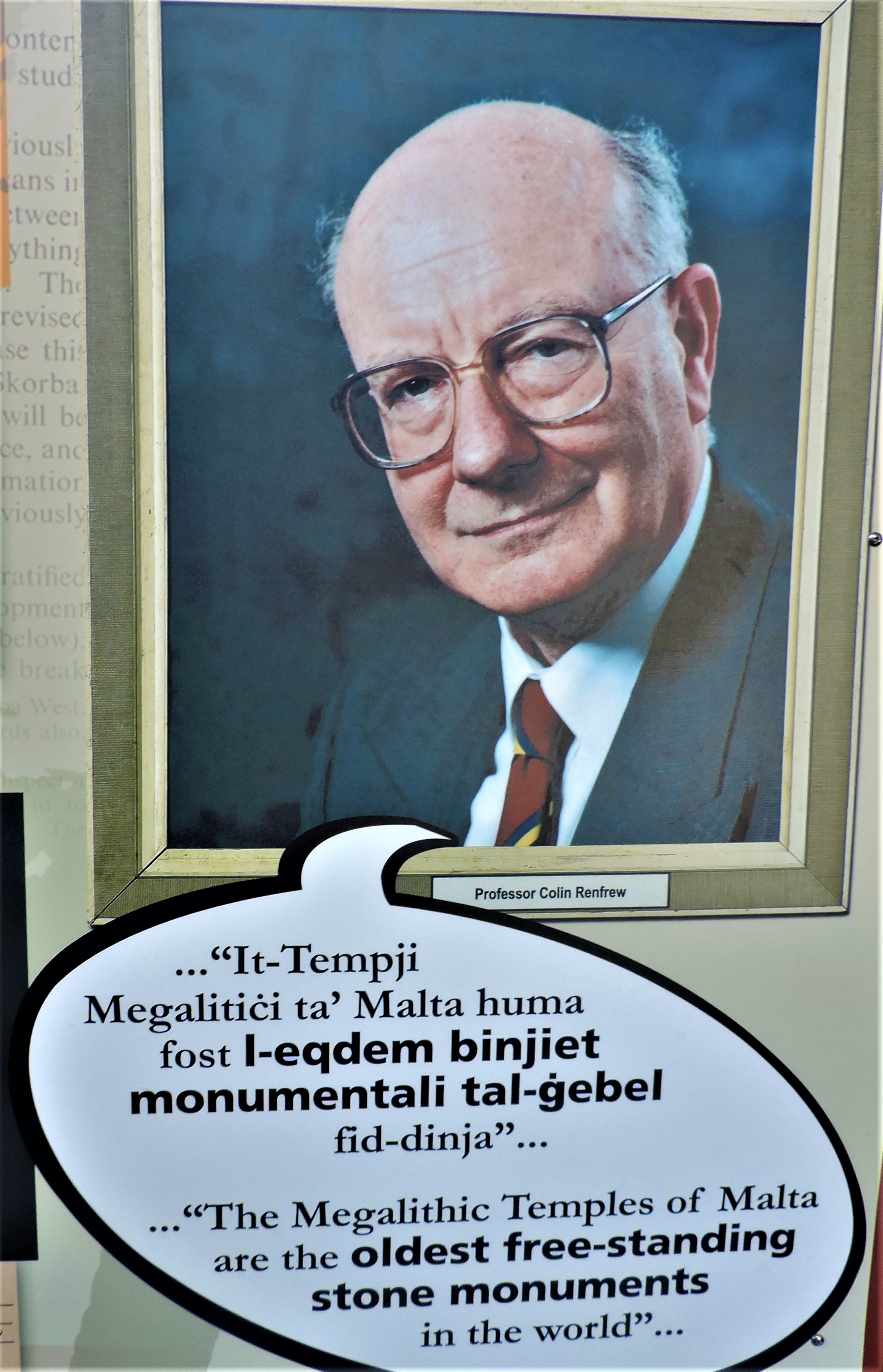
Professor Colin Renfrew (archeologist, still around): “The Megalithic Temples of Malta are the oldest free-standing stone monuments in the world” …

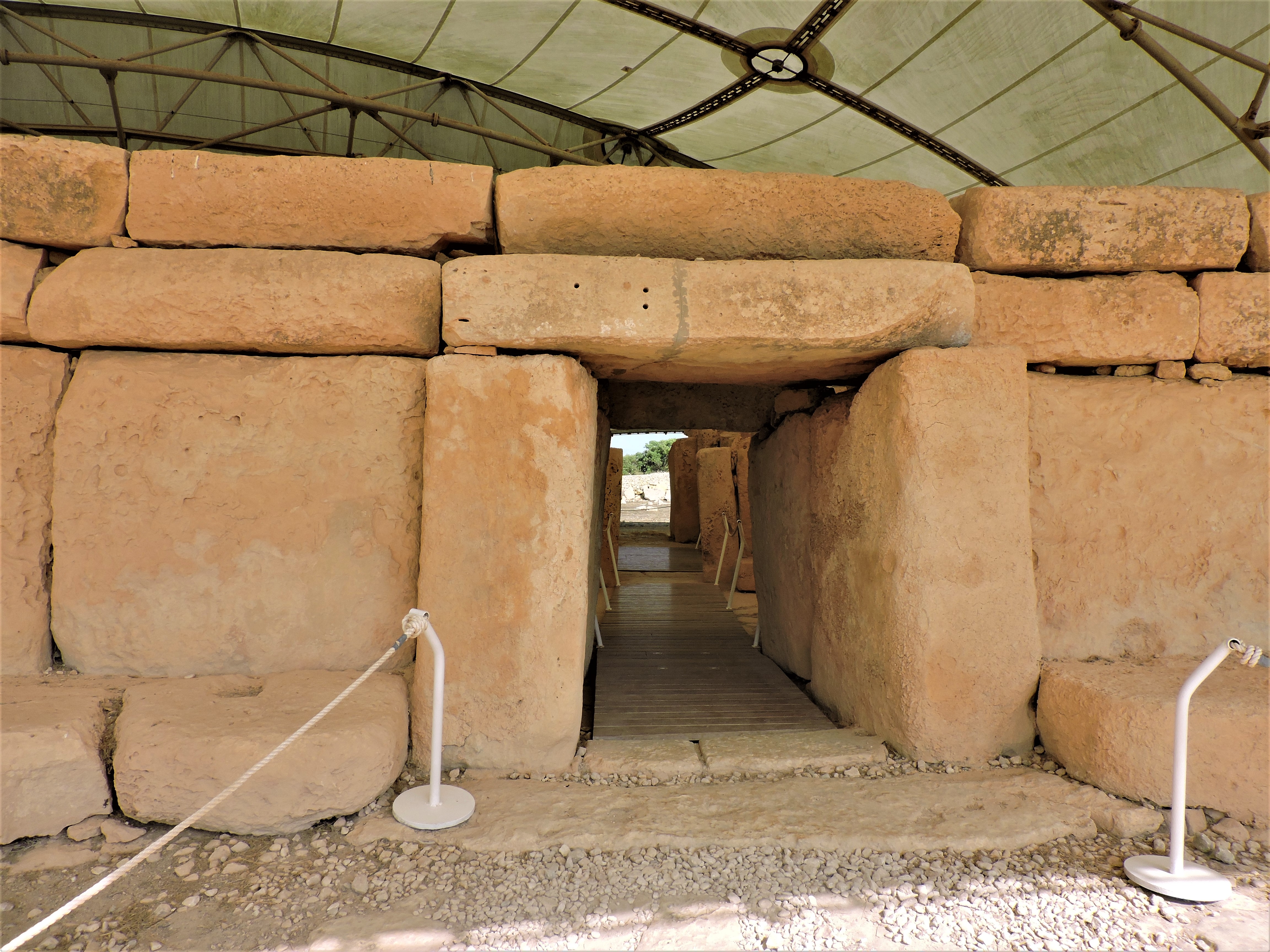
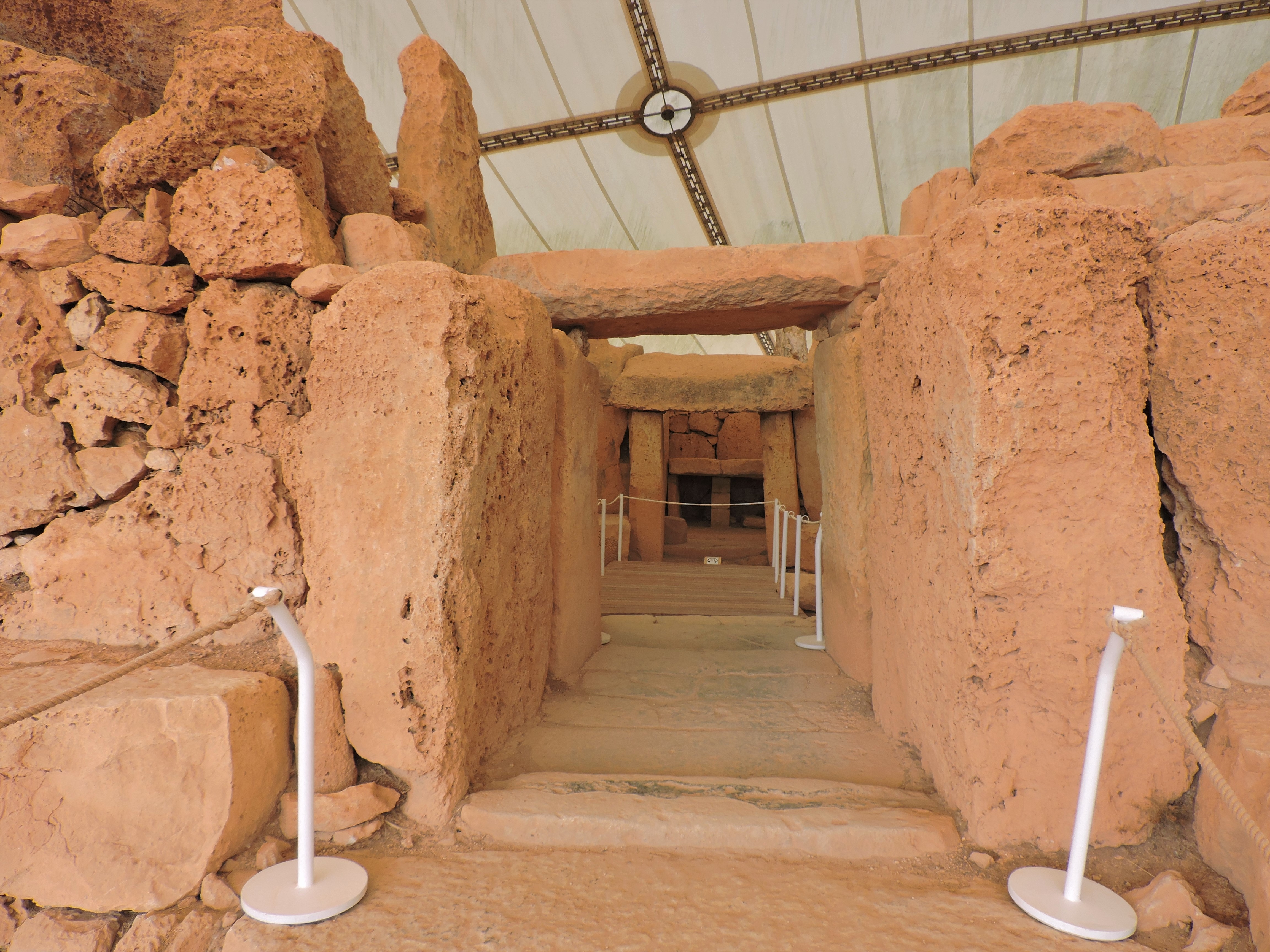
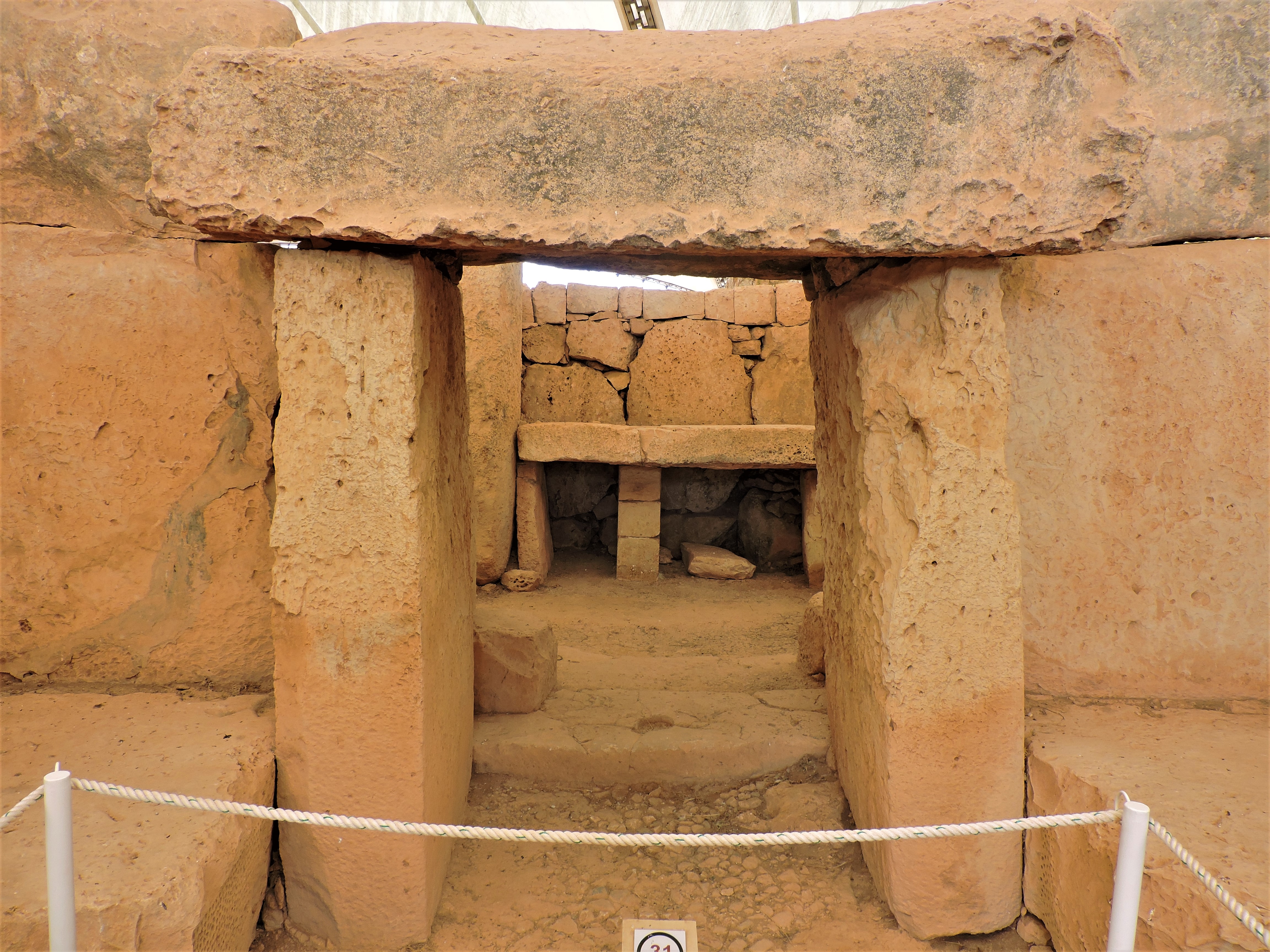
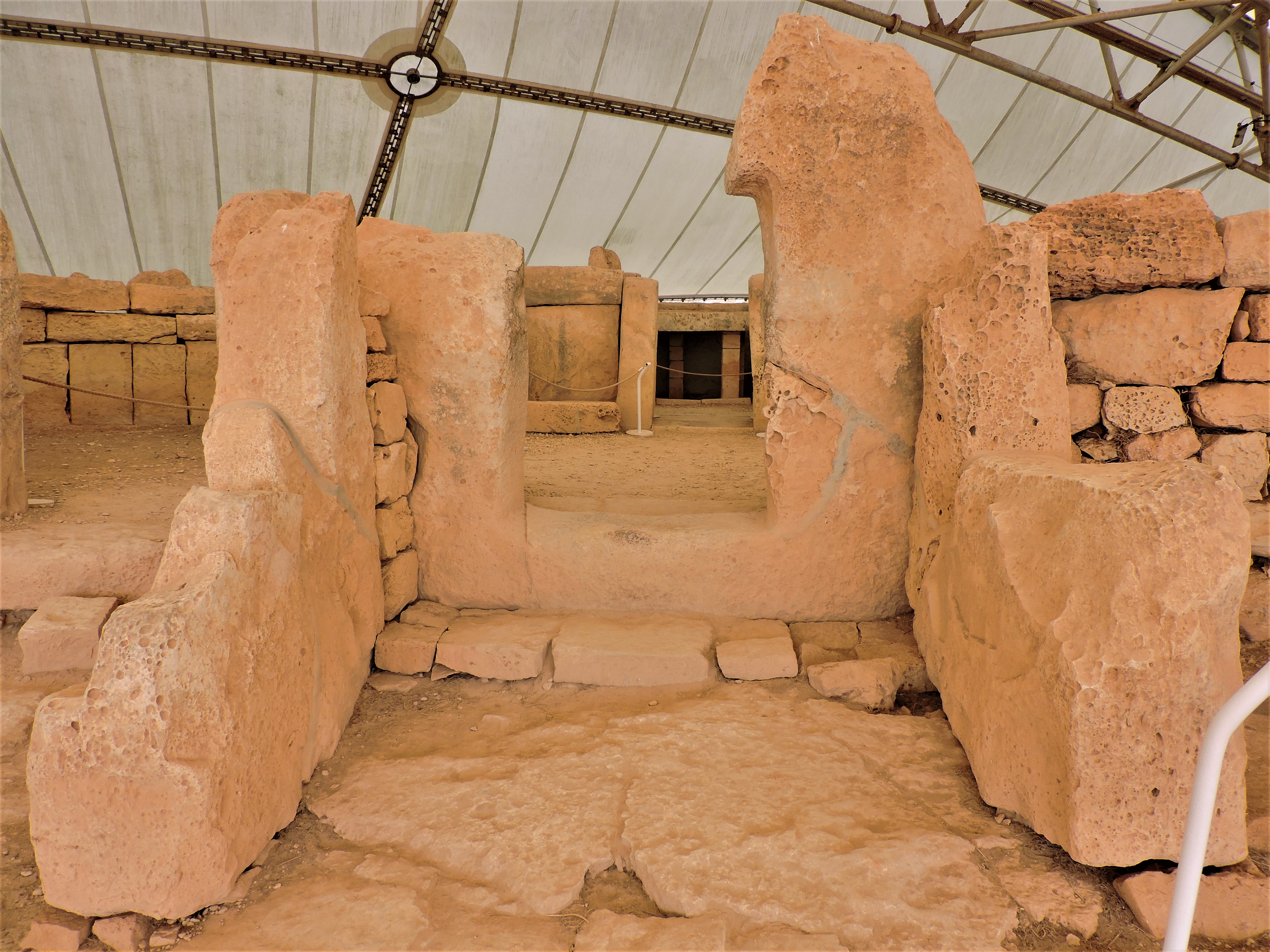
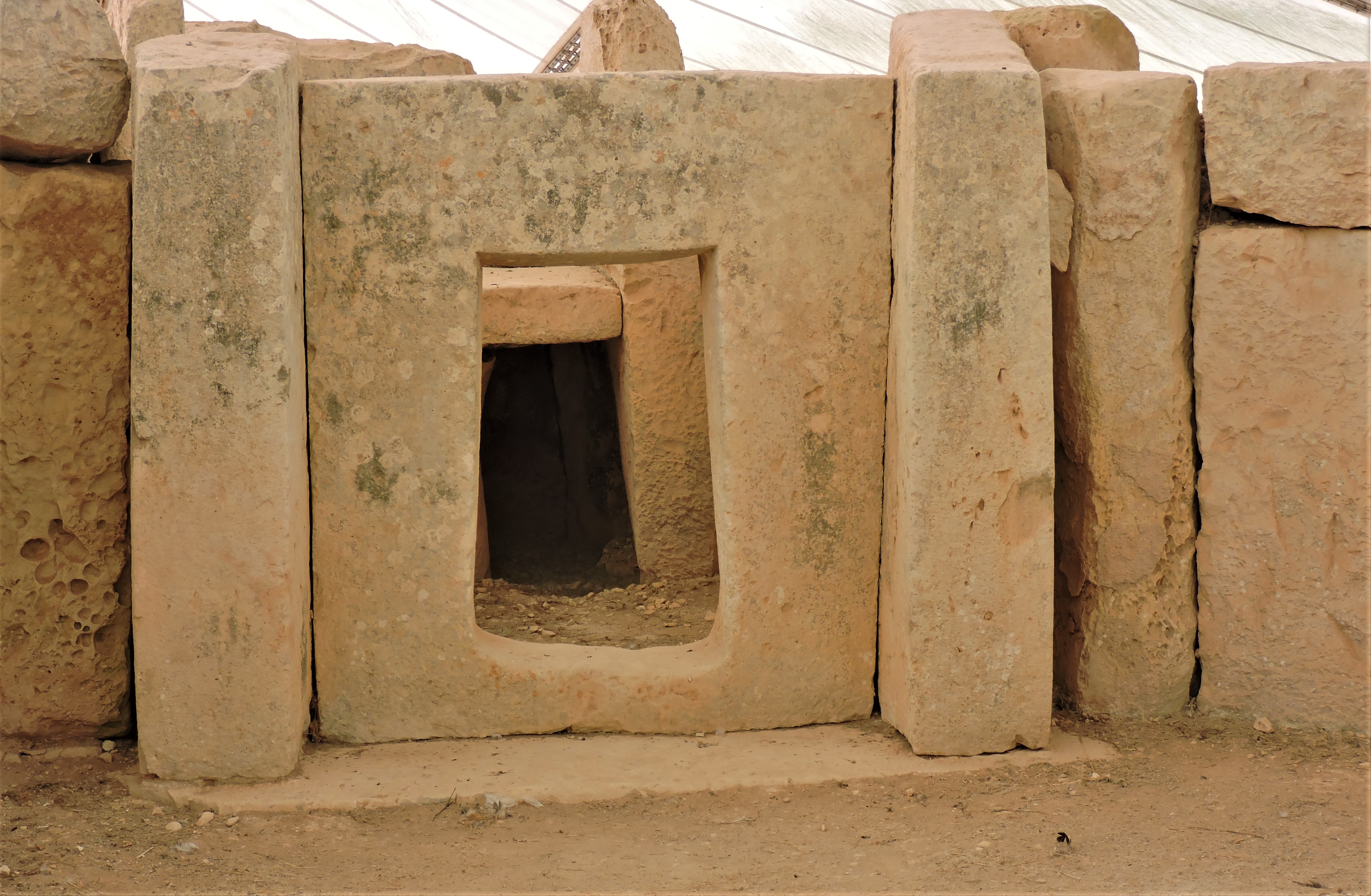
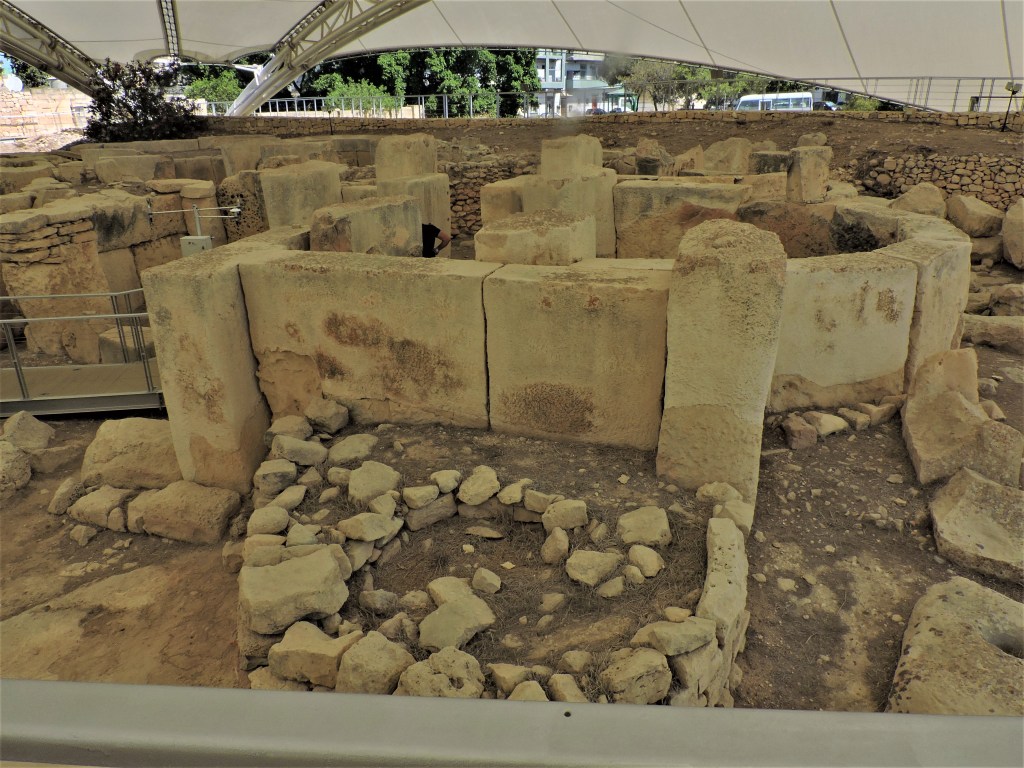
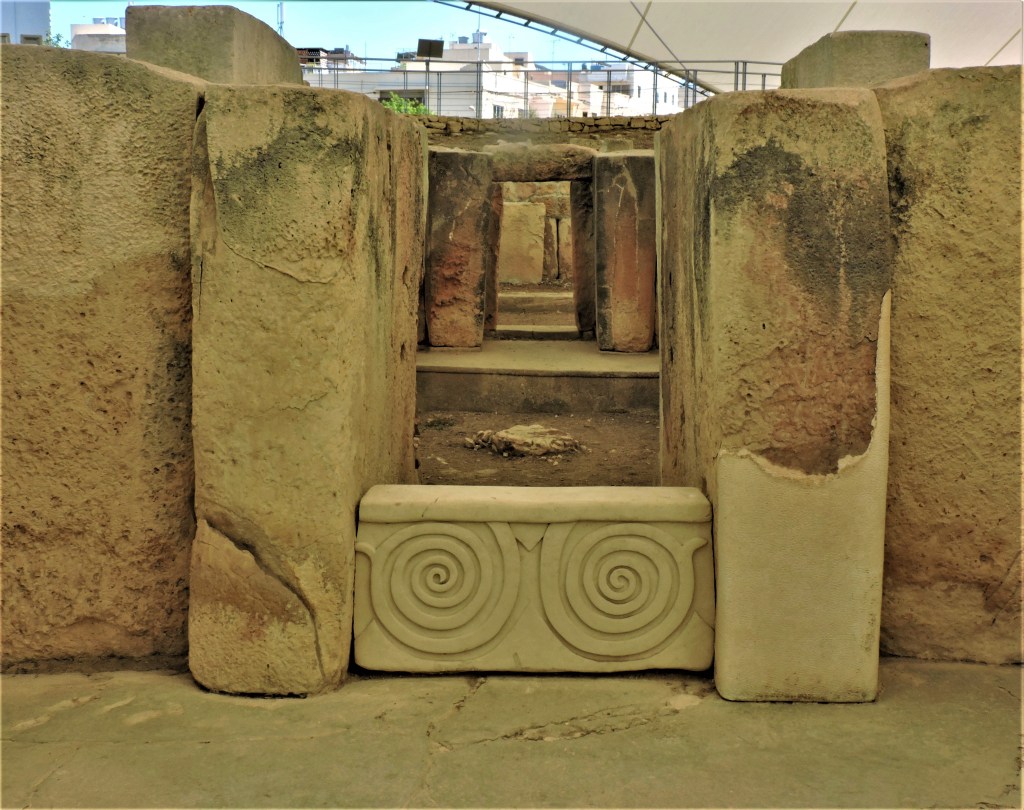
The first to be constructed were the doorways,

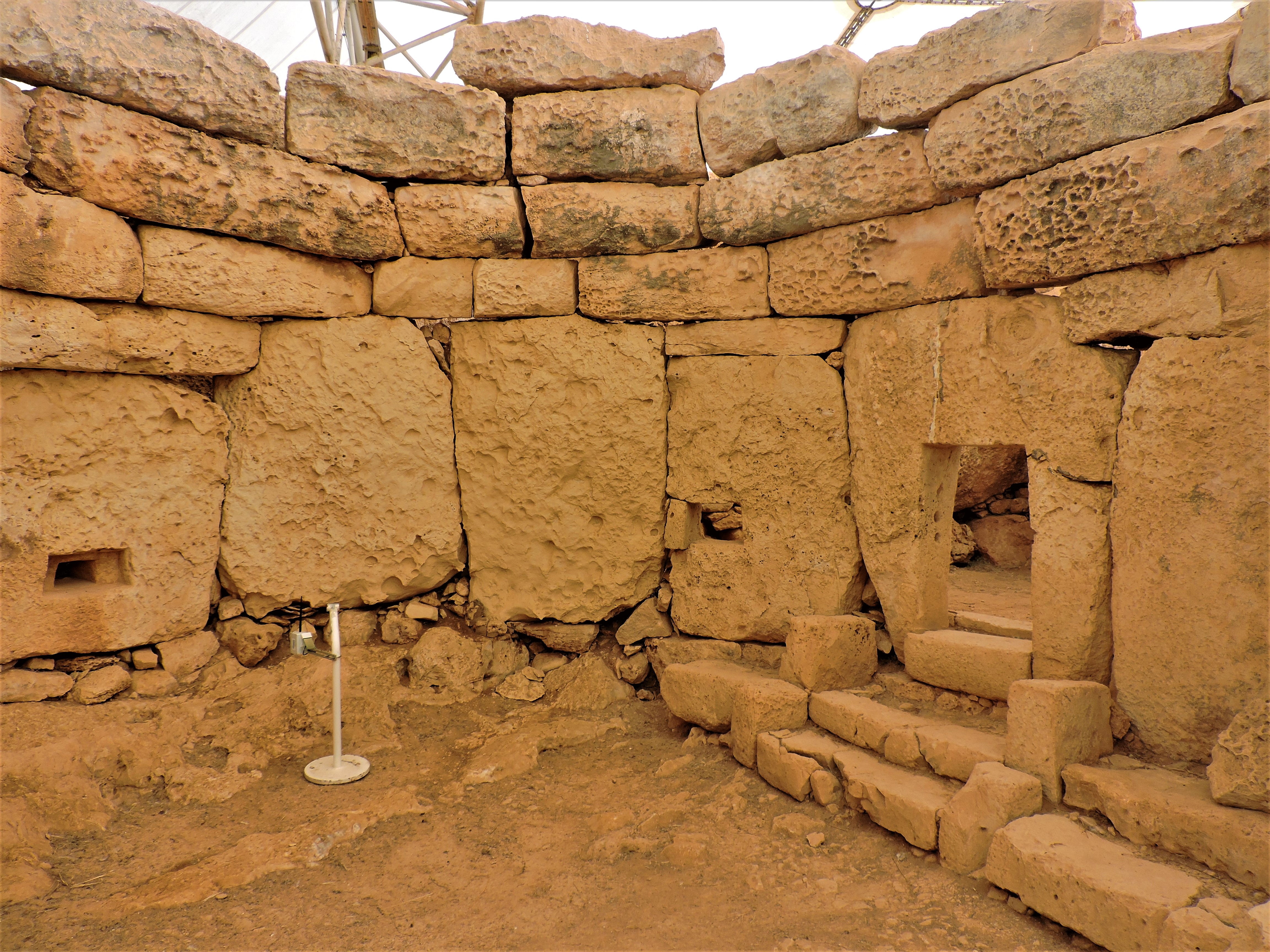
The inner wall was then built, followed by the external wall and infill, the horizontal blocks were set above the walls slightly protruding over each other to form a corbelled roof.

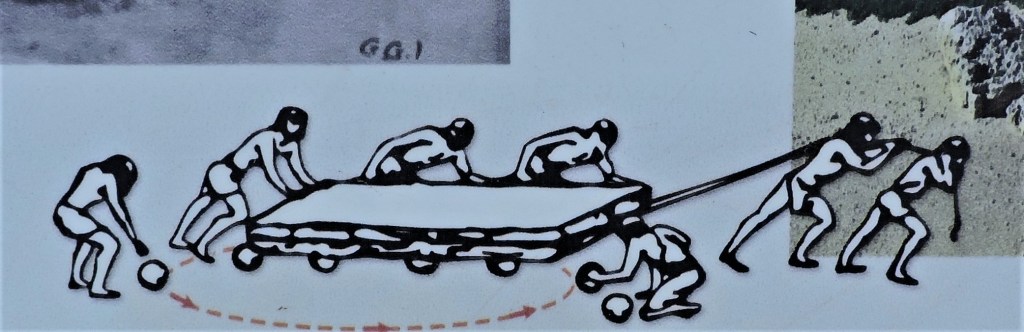
Let’s assume the builders weren’t giants or giantesses, they didn’t have metal tools and the wheel hadn’t been invented yet. How did they get those huge slabs to where they wanted them?

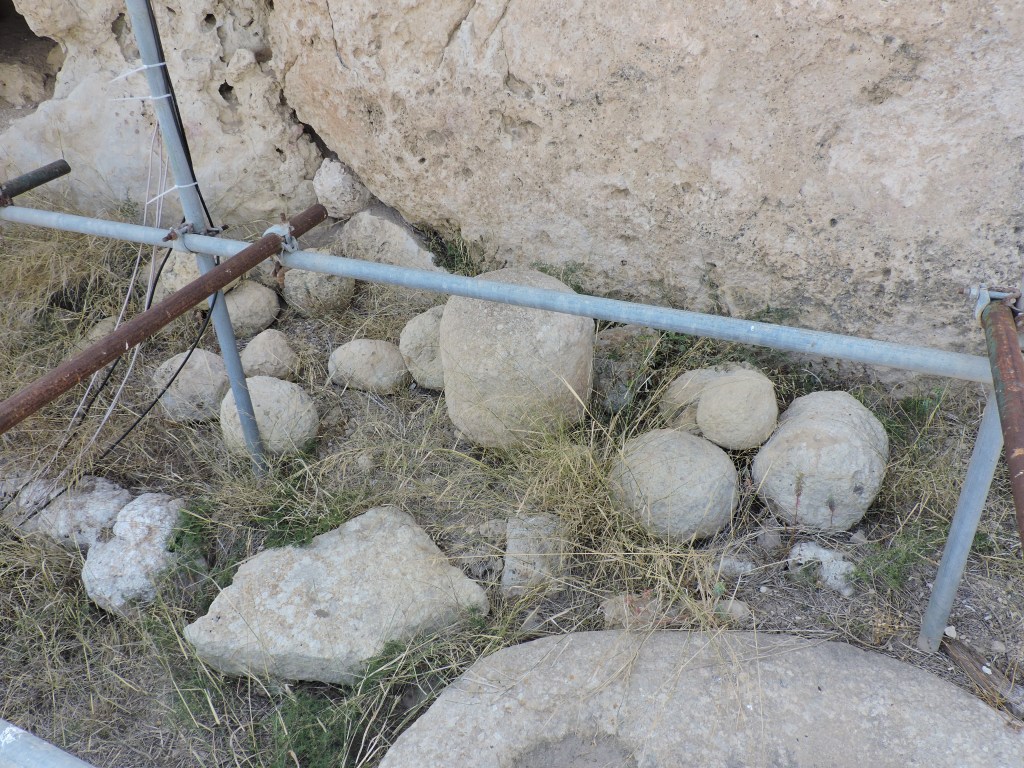
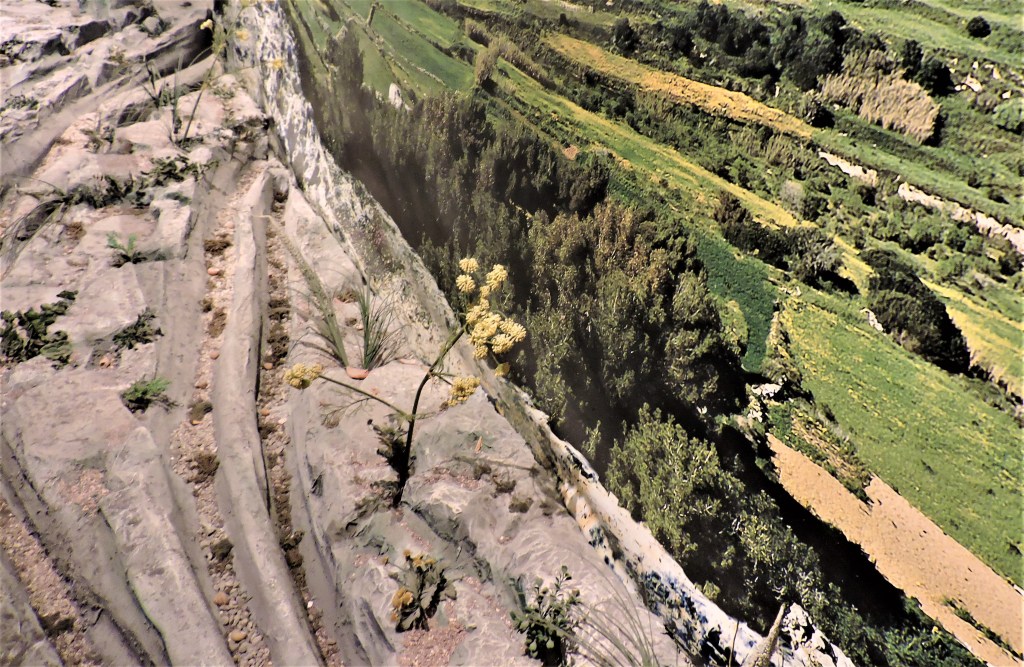
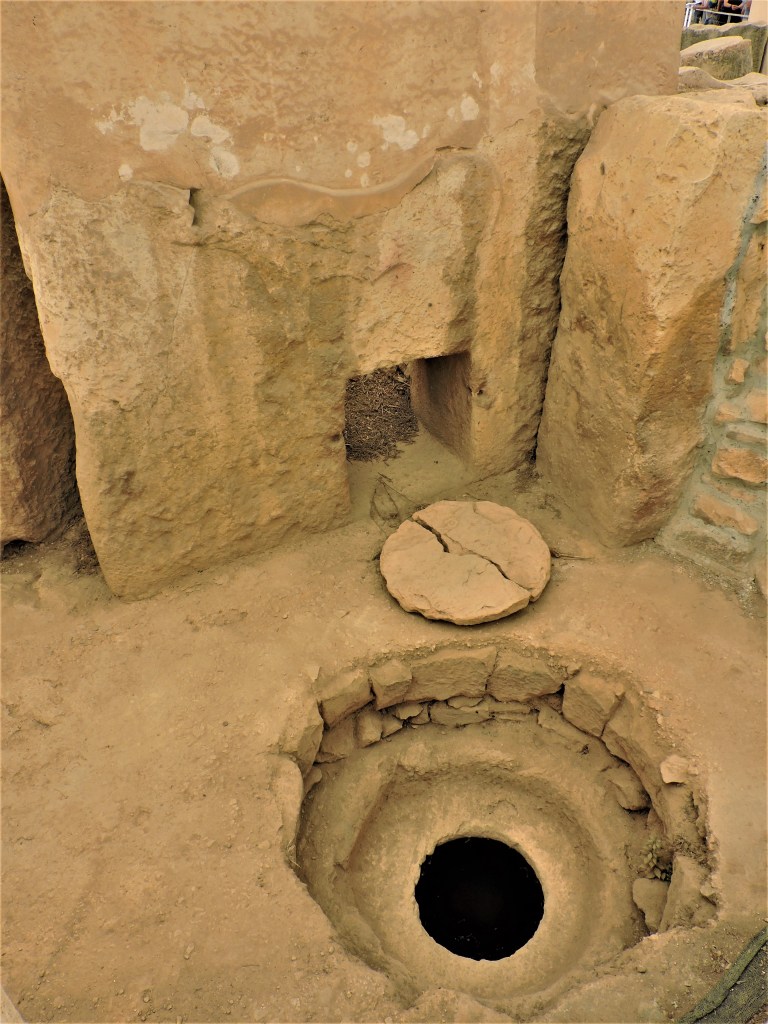
They used stone spheres to roll the heavy stone slabs along and the ruts that run through the countryside were most likely carved by sledges that carried heavy weights (no wheels yet).

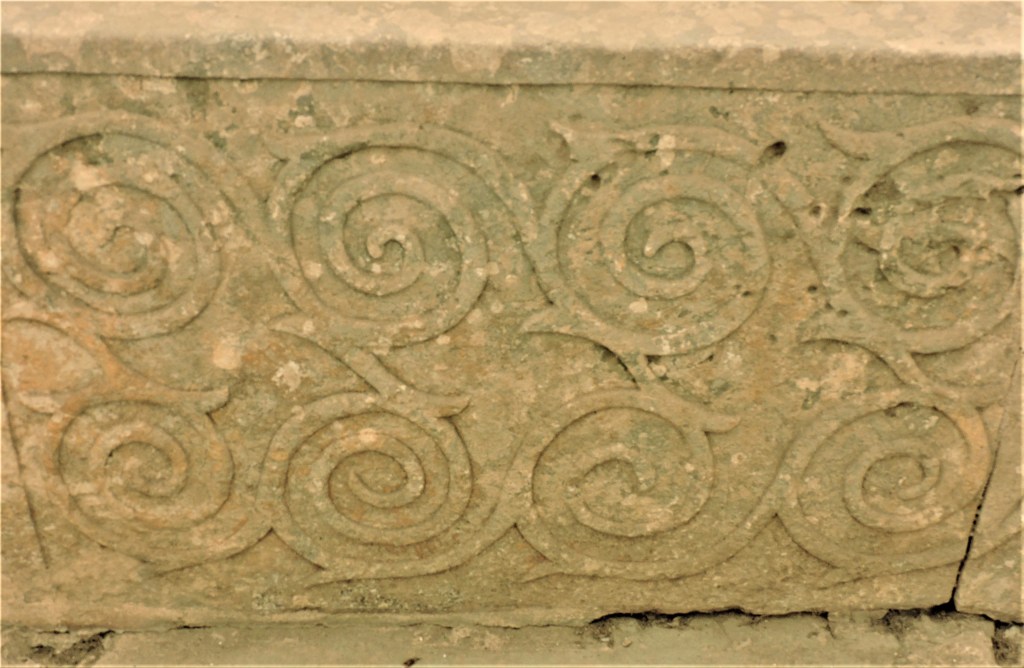
The Tarxien Temples  [tarˈʃɪːn] – until as late as 1914 – used to drive the farmers nuts any time they tried to plough their fields and struck a stone. Then they realised they had a World Heritage Site under their plough blades.

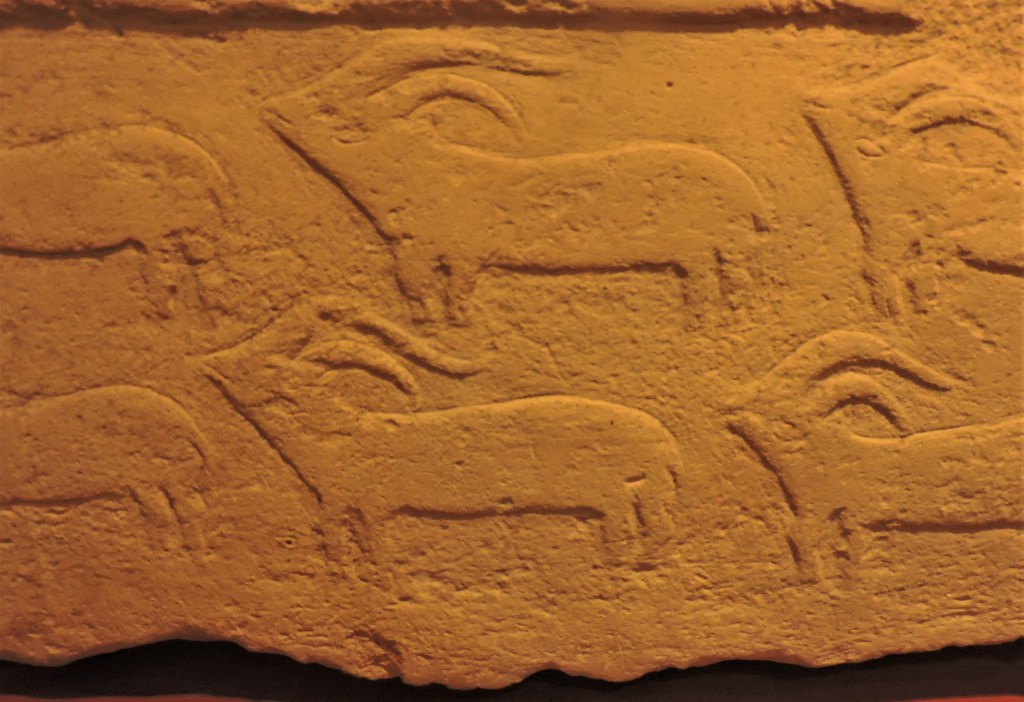
Evidence showes the possibility of animal sacrifice, anything worse must be folklore.

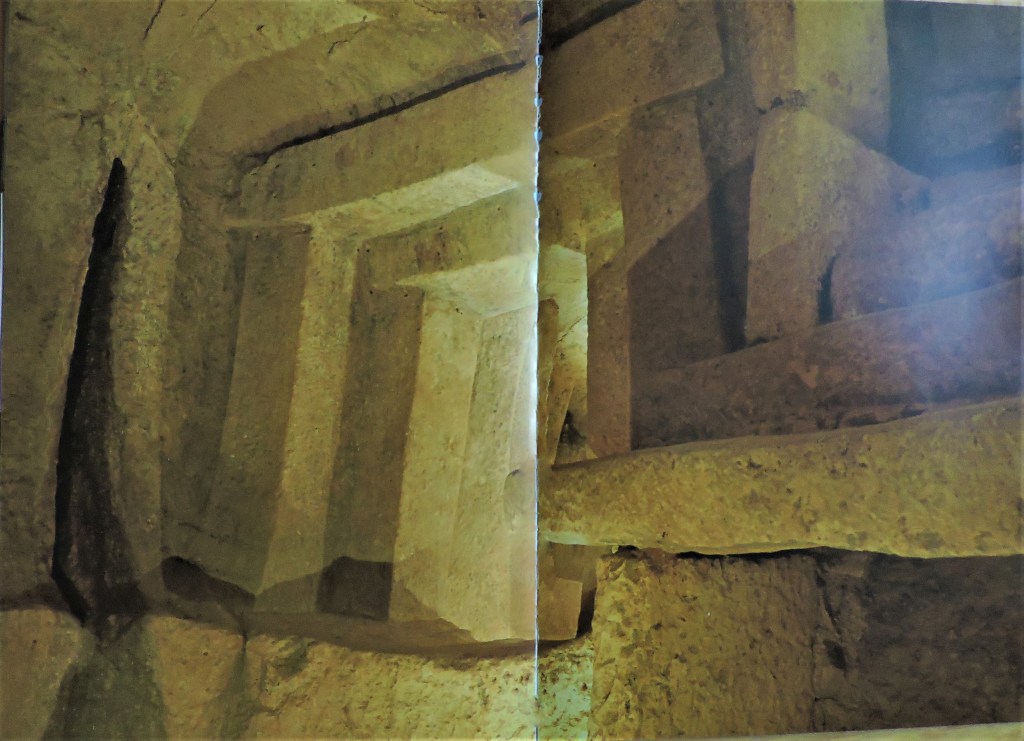
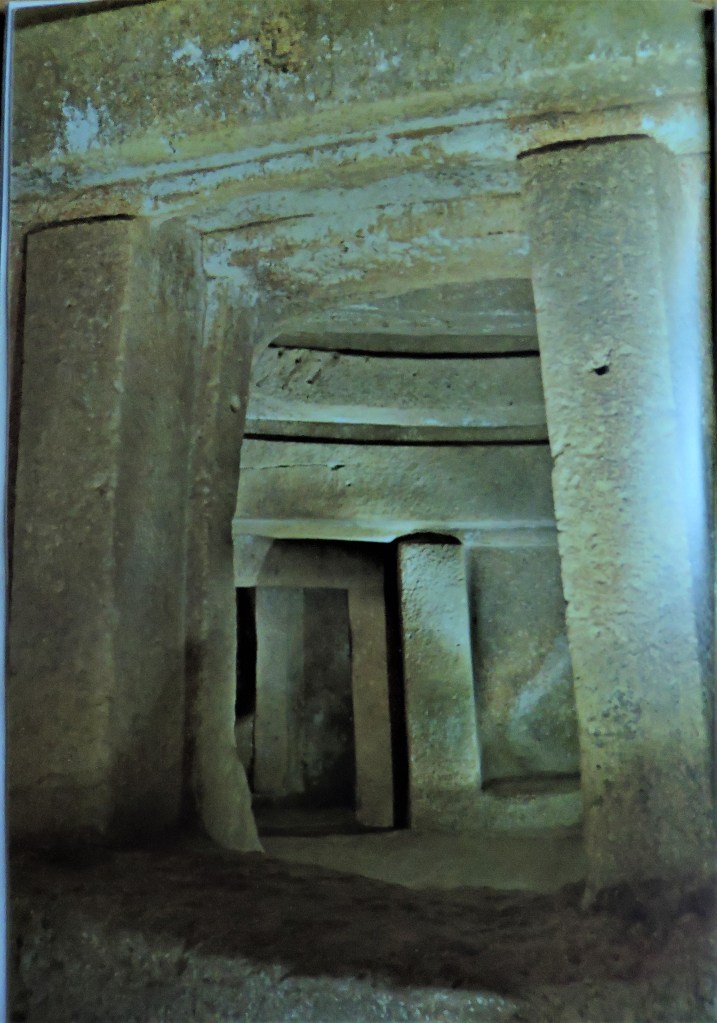
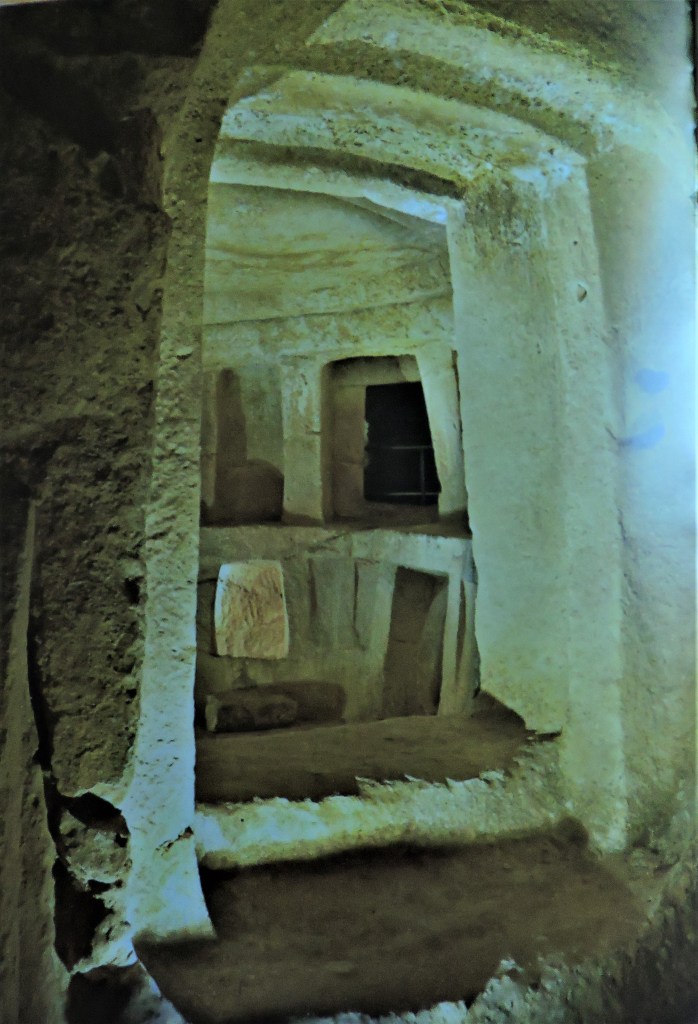
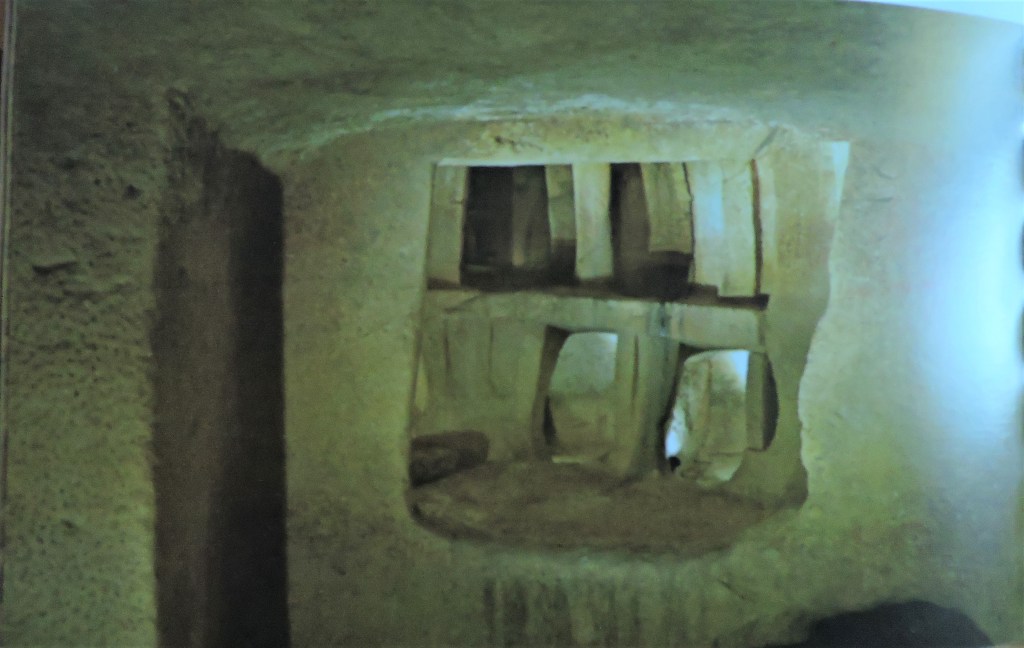
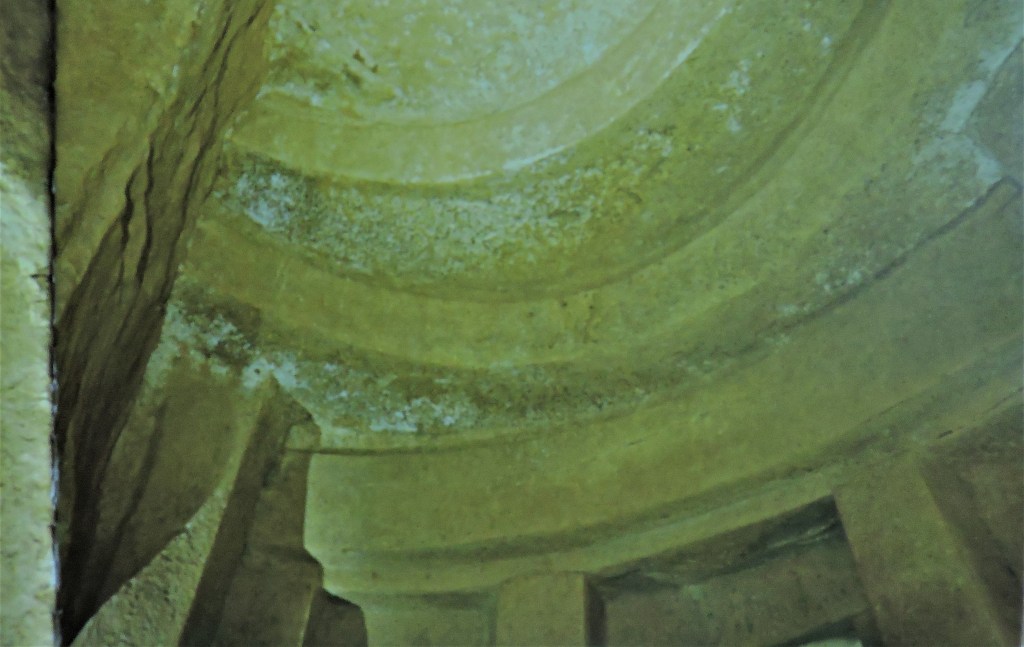
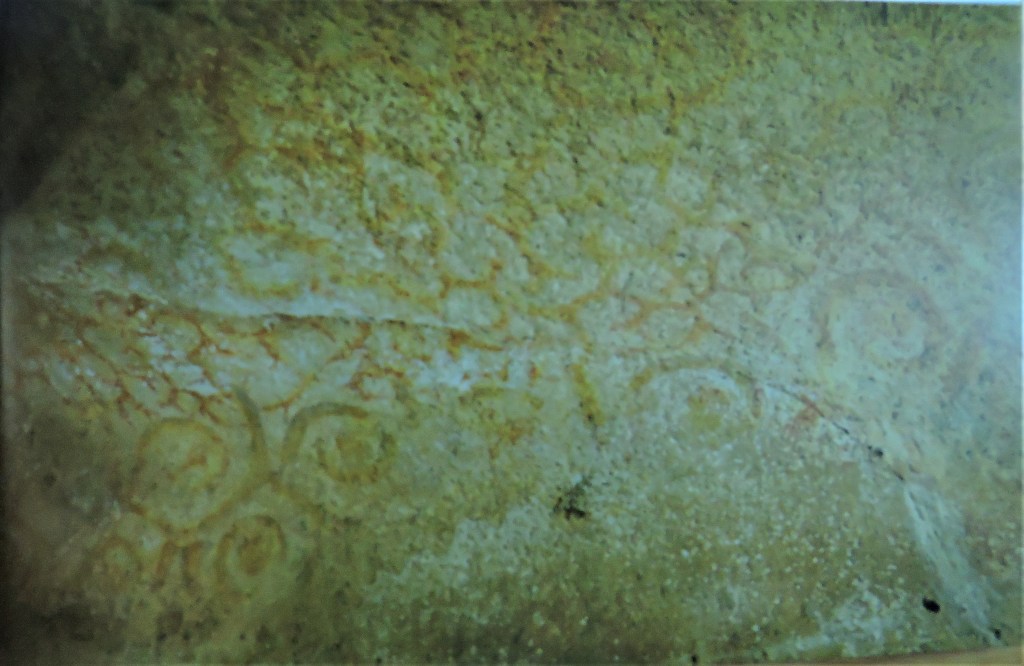
THE ABSOLUTE HIGHLIGHT of Maltese archeology was discovered shortly before the Tarxien Temples: an underground cemetry! Forget about the Catacombes! The earliest rock cut chamber tombs had started to be carved out by 4100 BC! The Ħal Saflieni Hypogeum in Paola (a short bus ride from Valletta). Book your visit half a year ahead, access is very limited for the protection of the site, be prepared to pay what seems a lot of money, a bit less for the over 65. The visit is awesome even though you can’t take pictures. (these pictures here taken from Heritage Books)

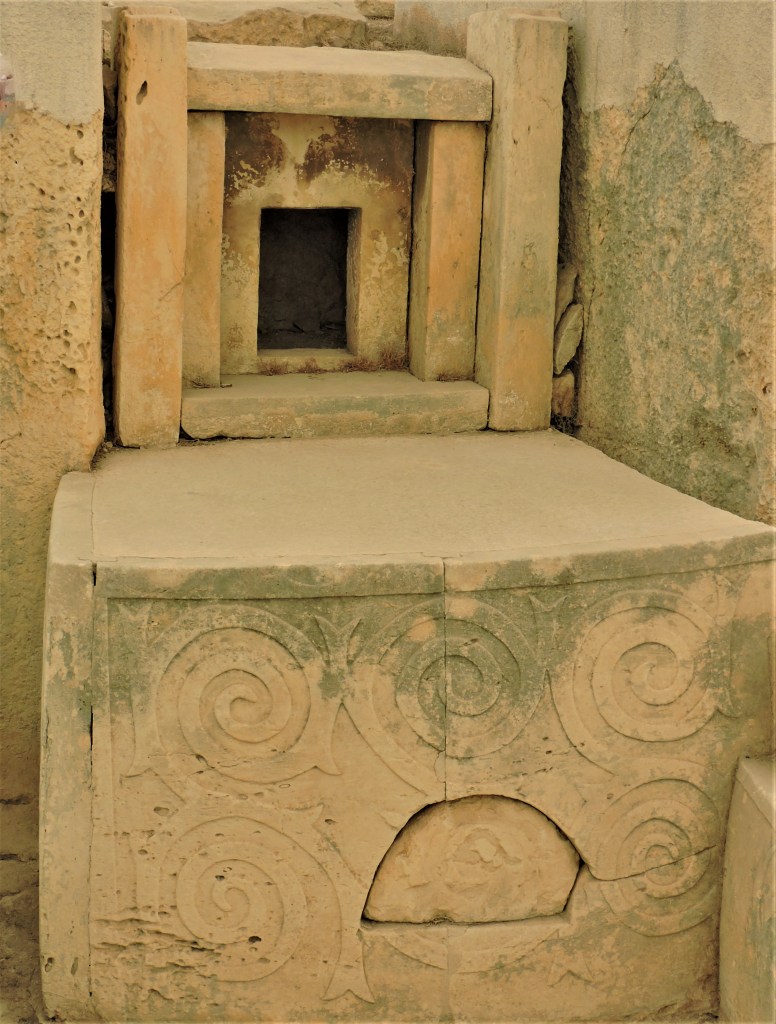
Paintings are red because red is the colour of the dead. What’s the difference between the other temples and this one? You see the usual passageways: vertical stones with heavy lintels on top. But … not built from bottom to top but laboriously carved out with tools made of hard stone like chert, flint or obsidian: the chambers, one oriented towards the winter solstice, another one producing an acustic effect, the corbelled ceilings, the doorways, niches, holes and windows. Even antlers were used to hew and carve. A lot of what was found inside the Hypogeum and the other temples is now exhibited in the National Museum of Archeology in Valletta. And … a lot was not recognized as valuable finds and discarded as waste (I wish I could have just one piece, even a smal one!)

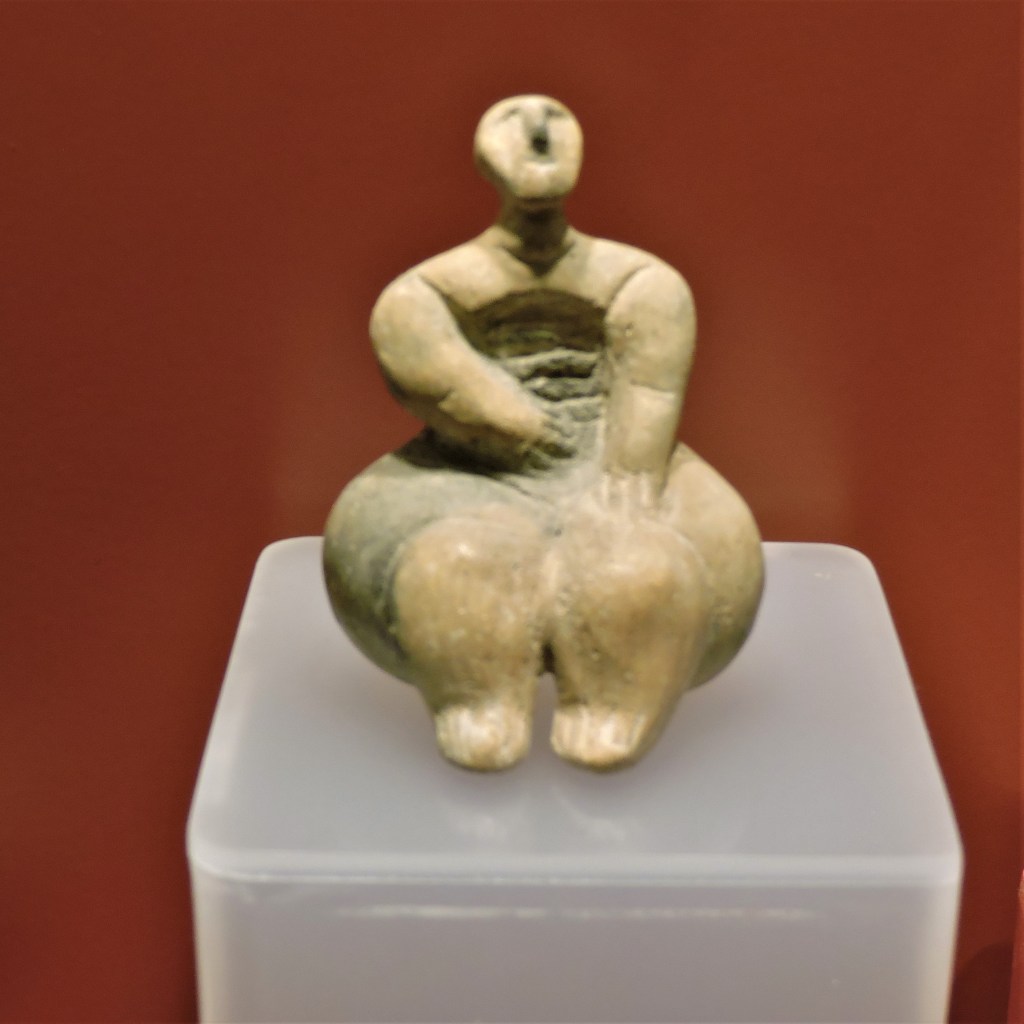
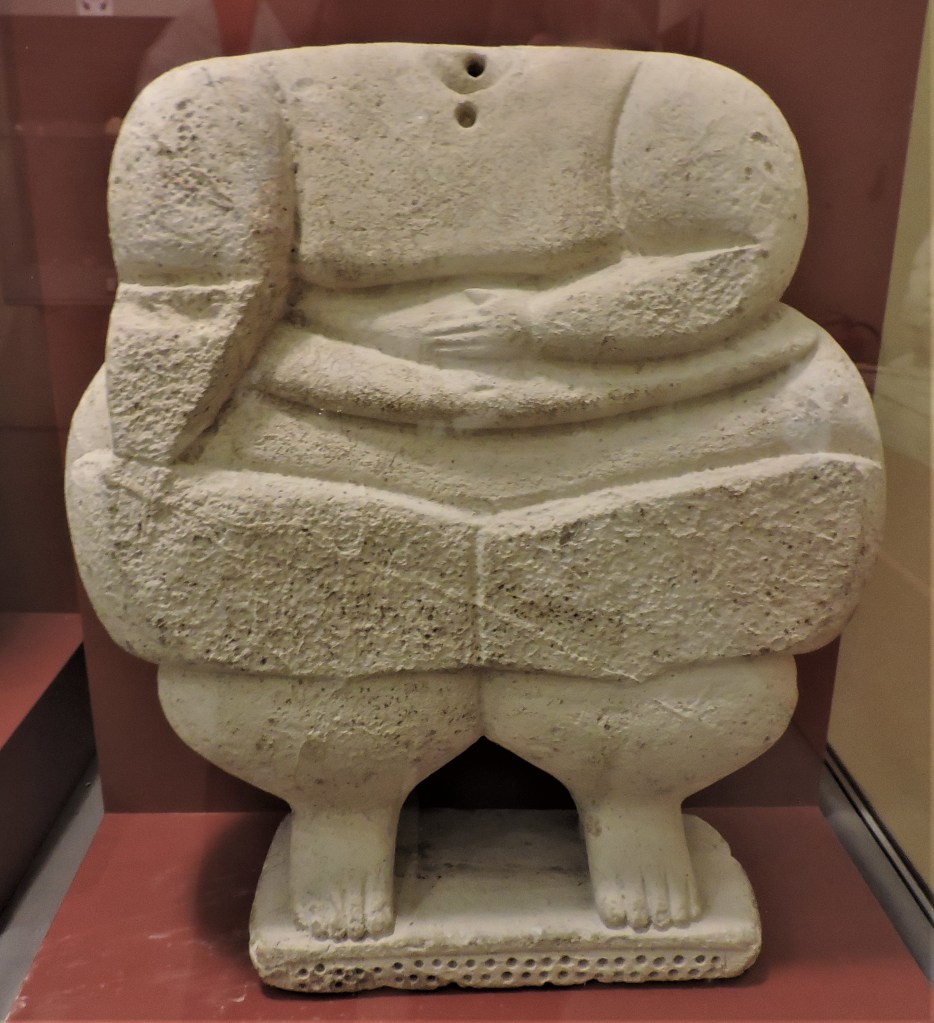
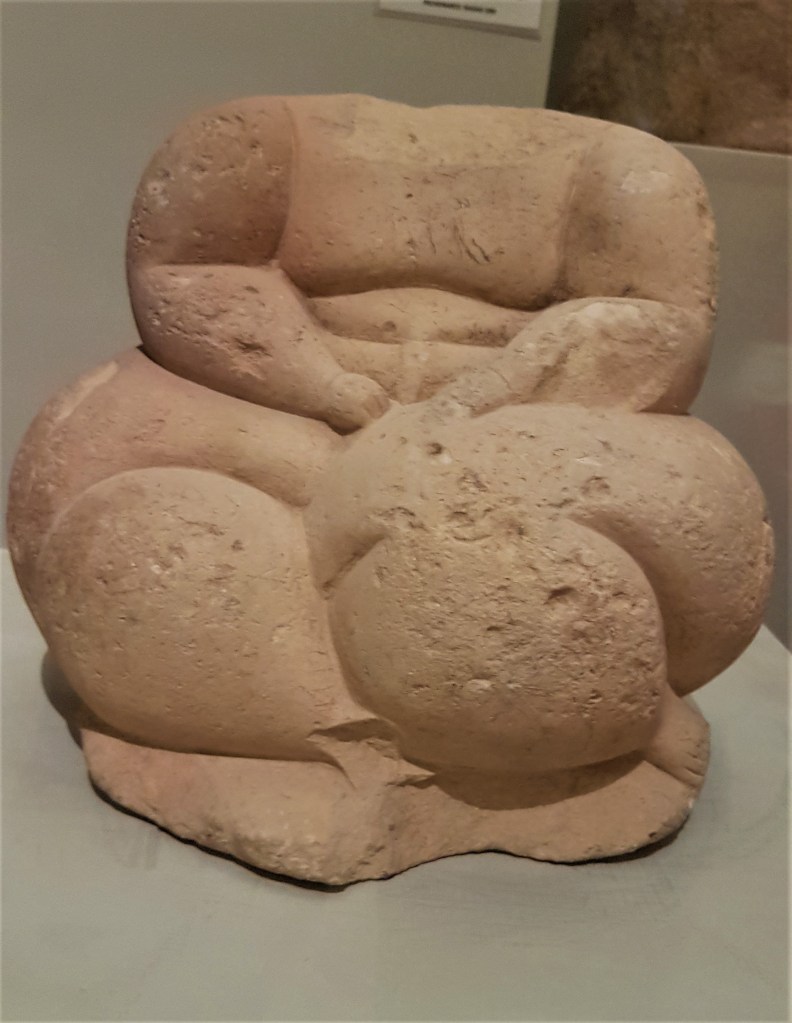
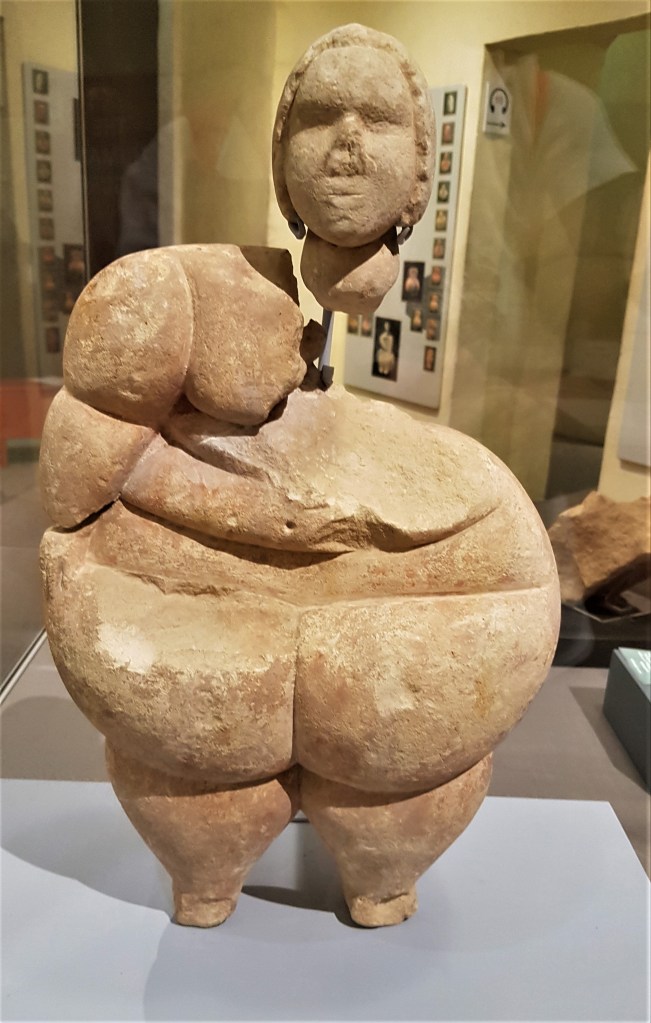
The corpulent statuettes? Must be mother goddesses, females anyway, who survive the famines and keep the tribe alive. Archeologists nowadays take a more unbiased look: the figures are sexless, infact, but still part of fertility rites. The prone figurine without its head,? Don’t worry, no axes yet.

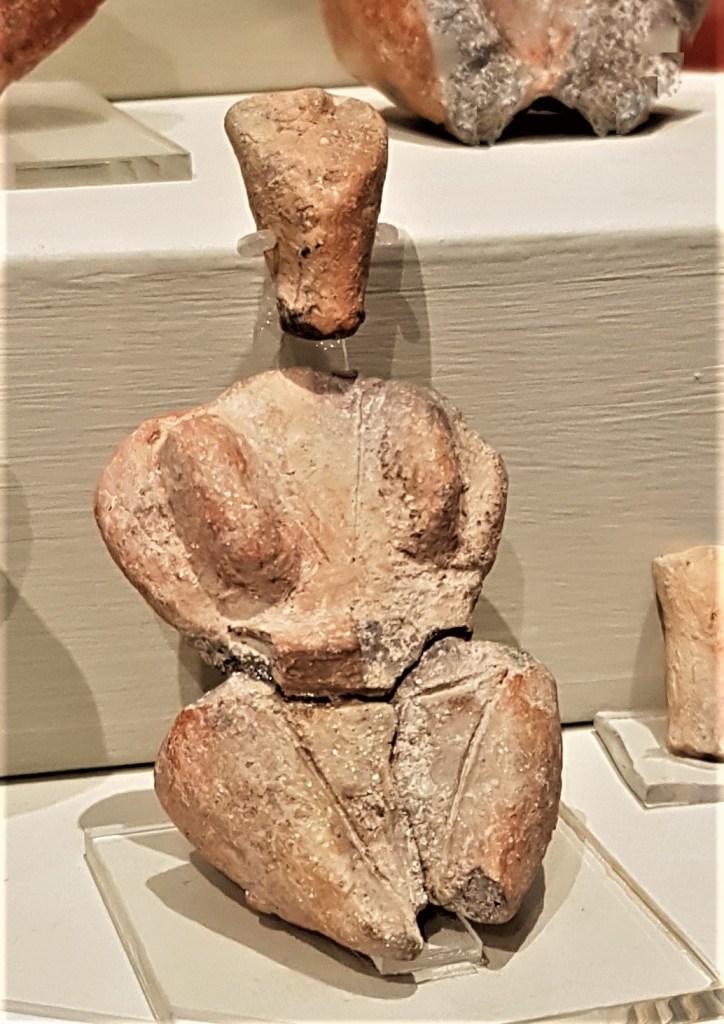
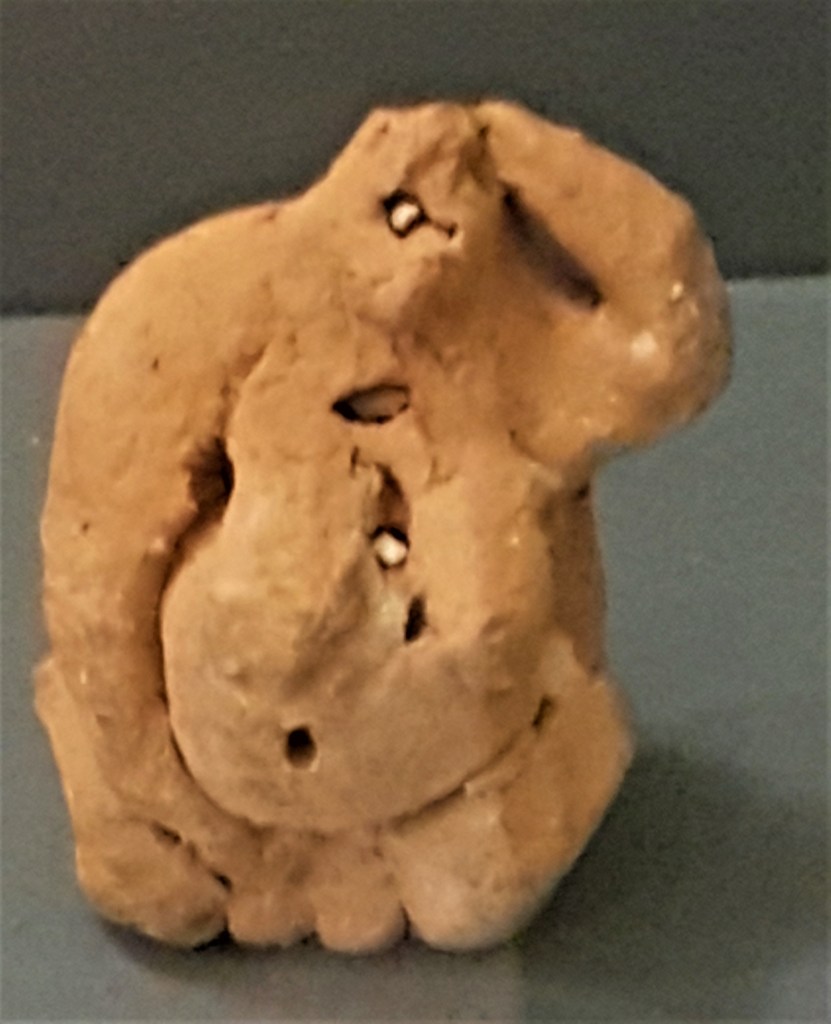
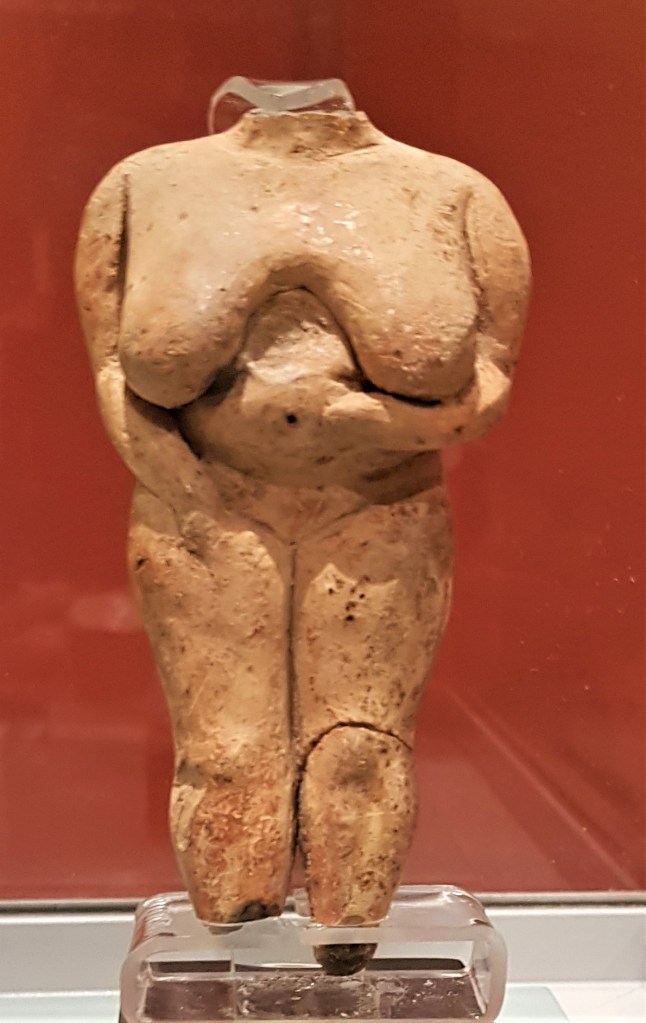
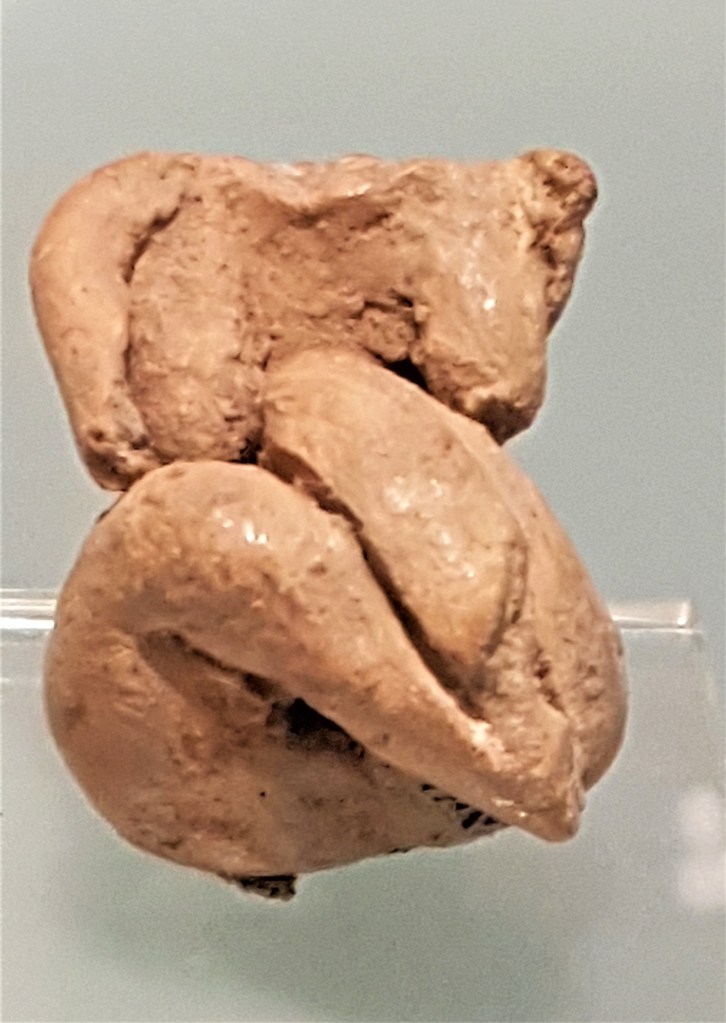
Much smaller but not less fascinating: real women, exactly as the gods had created them: 1) one of the earliest representations of a human being 2) a pregnant woman holding her forehead and her belly, maybe preparing for delivery. There are small pieces of bone stuck in the figure. 3) a sitting figurine, elegant 4) the so called “Venus of Malta”, the most natural representation of a woman 5) the universal fertility symbol shown here for the sake of male female equality

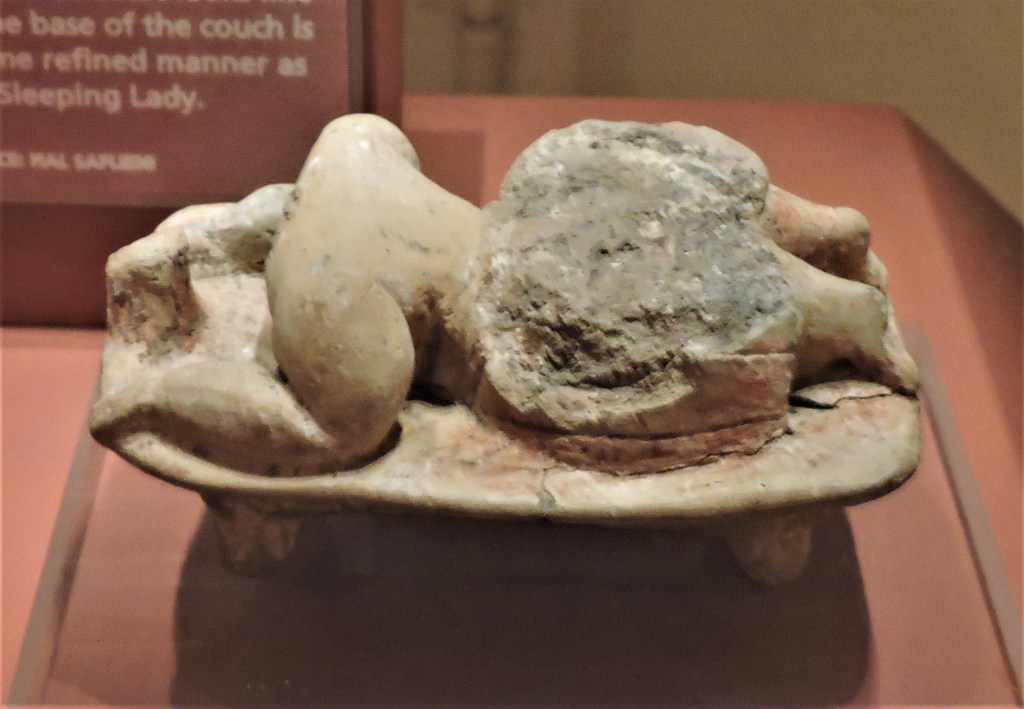
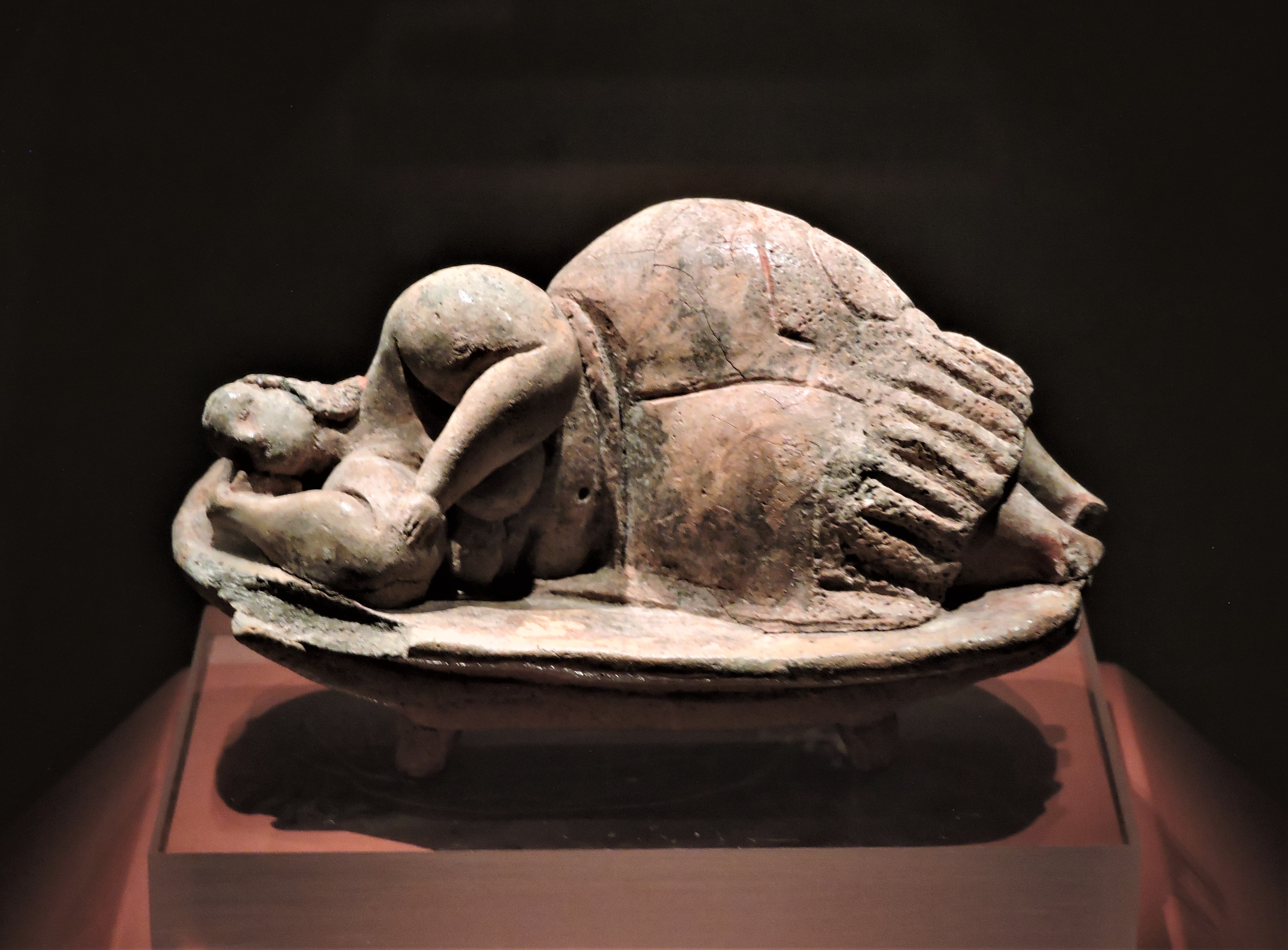
And now the absolute highlight: the Sleeping Lady from the Hypogeum. The figurine is 7 cm high, 12 cm long and 6.8 cm wide, polished brown clay with red ochre, lying sideways, half clad in an embroidered skirt. Is she a ‘sleeping mother godess’, or a representation of the ‘eternal sleep’ or just an exhausted cavewife? We don’t know but she is the oldest most amazing representation of a woman you may have ever seen.

There are many more impressions to share about Malta and when I get quarantined again, I’ll let you know.

Gerburg