UXO LAO VISITOR CENTER
I’ll start with the tears. I am crying inside, like when I guided my classes through memorial sites in Germany. Here I am alone. There are not many visitors, just one young guy, perhaps American, silent, moved. I ask him to take a photo of me at the end.
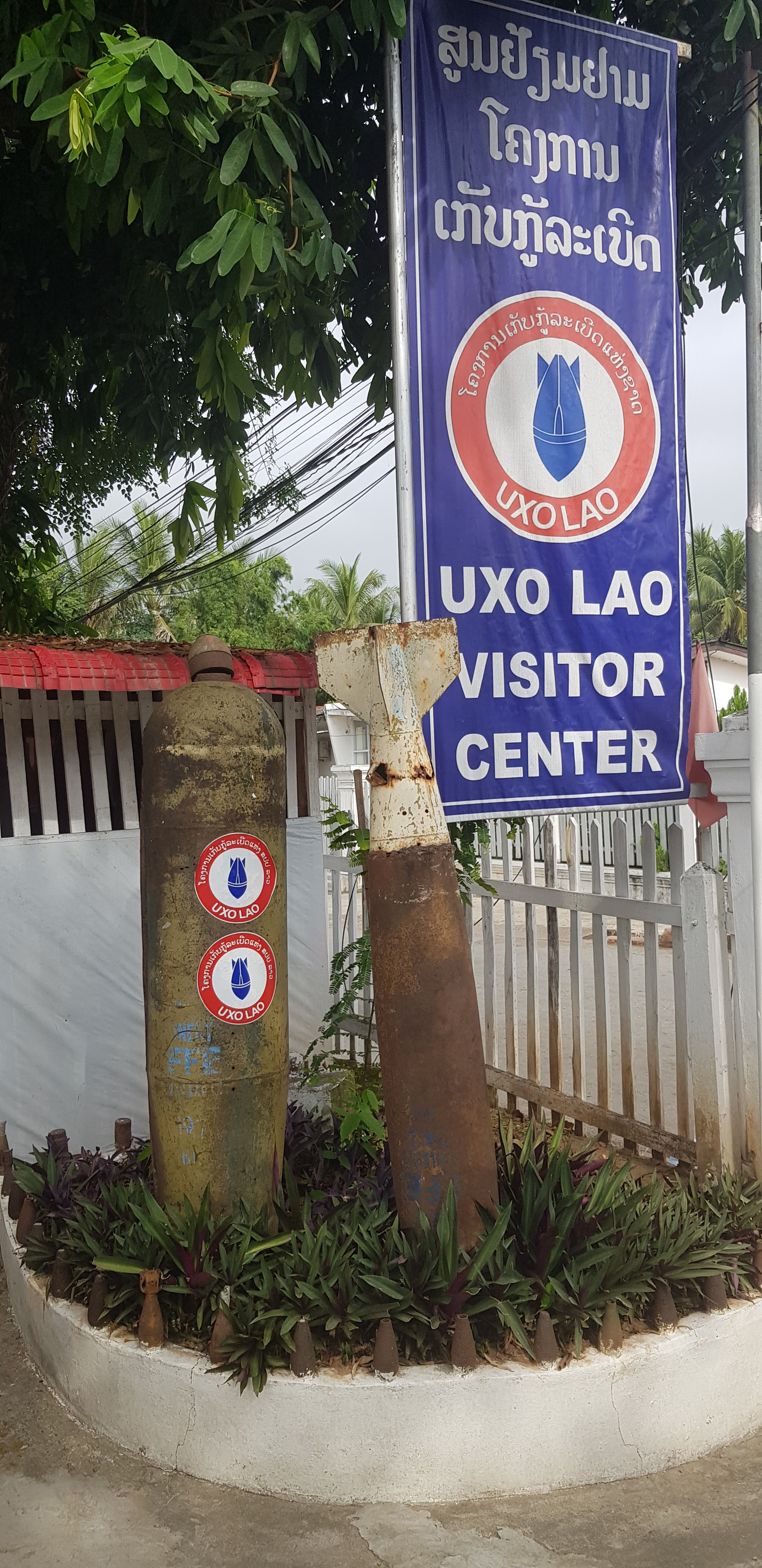
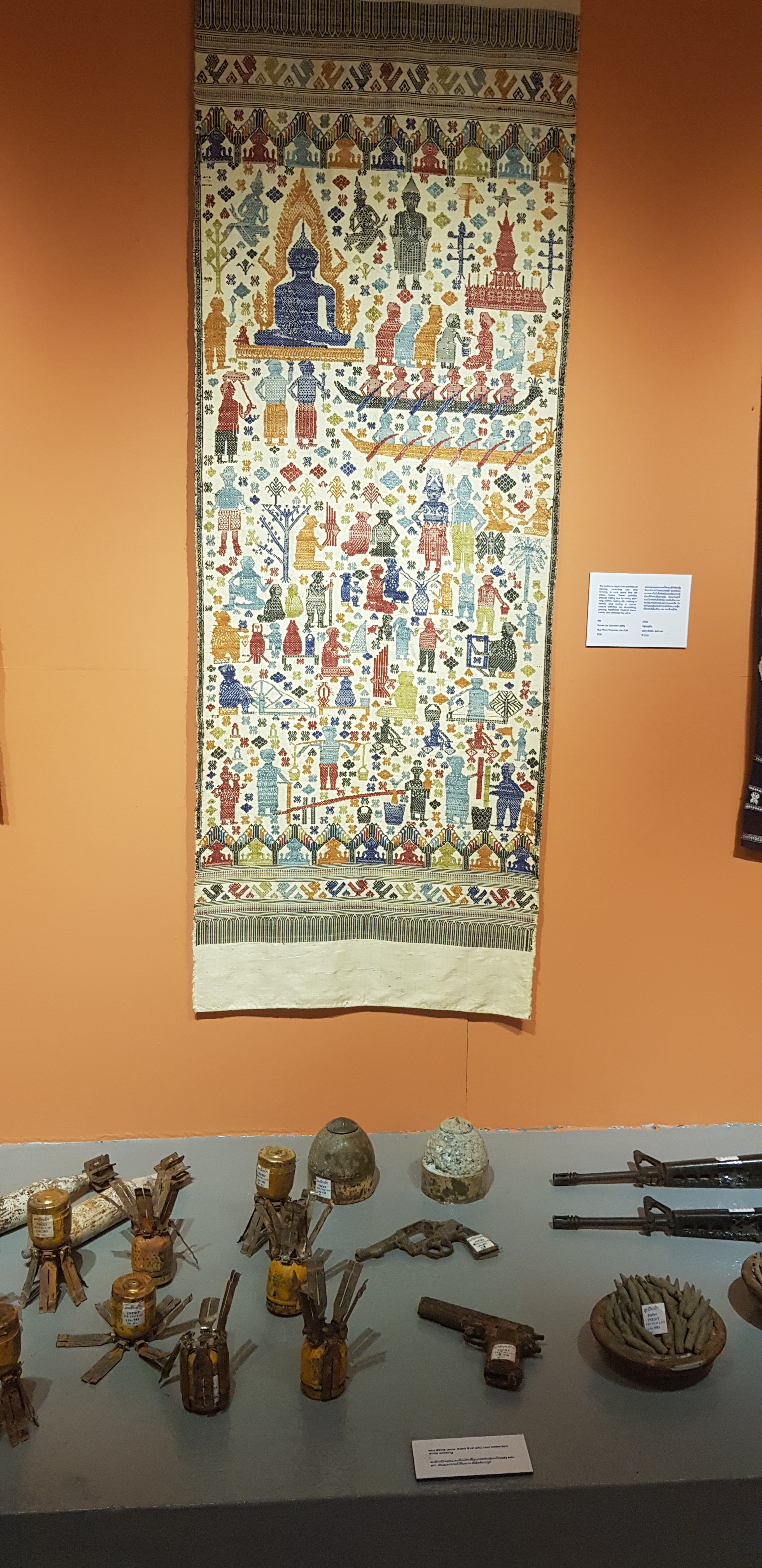
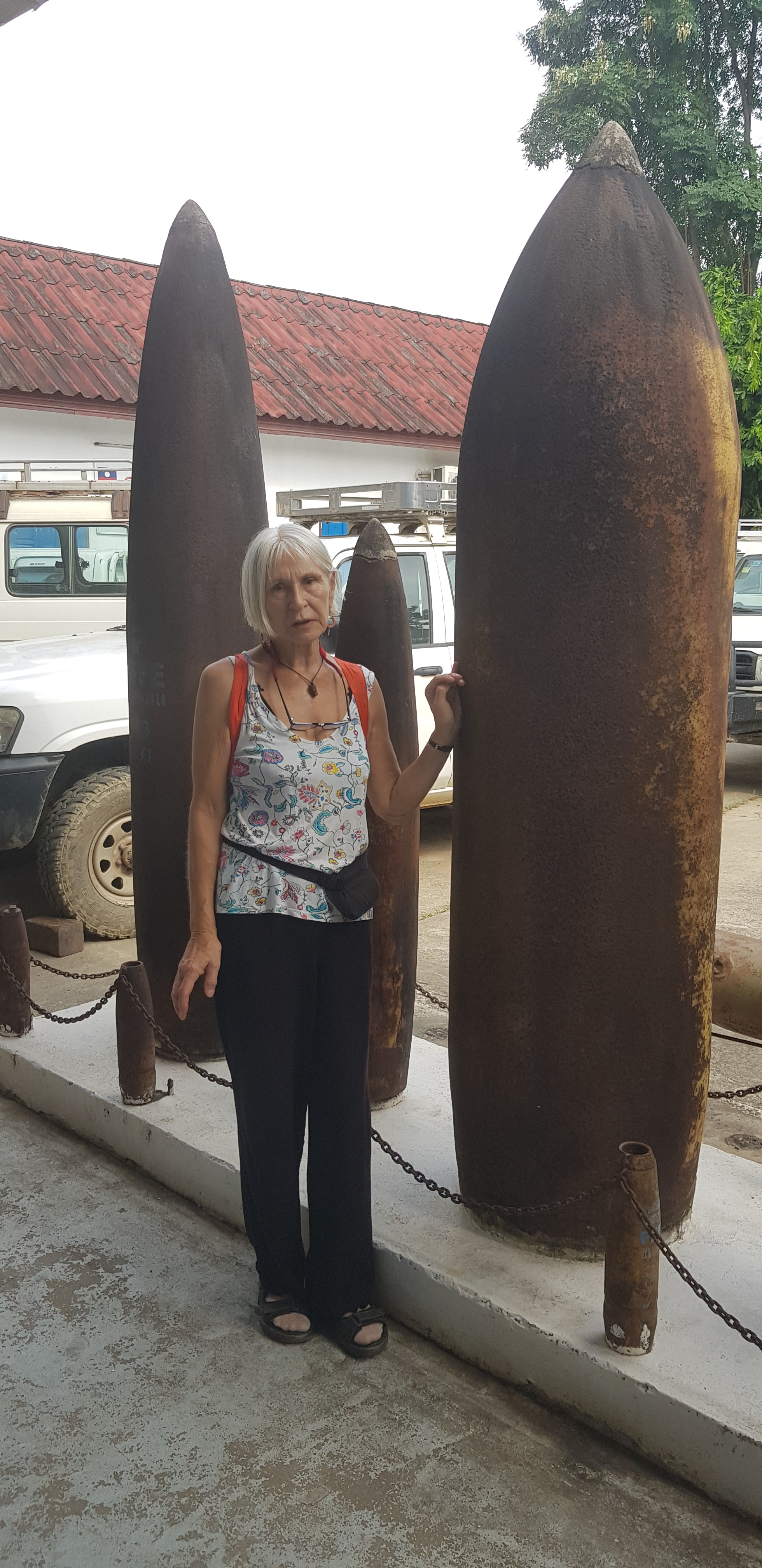
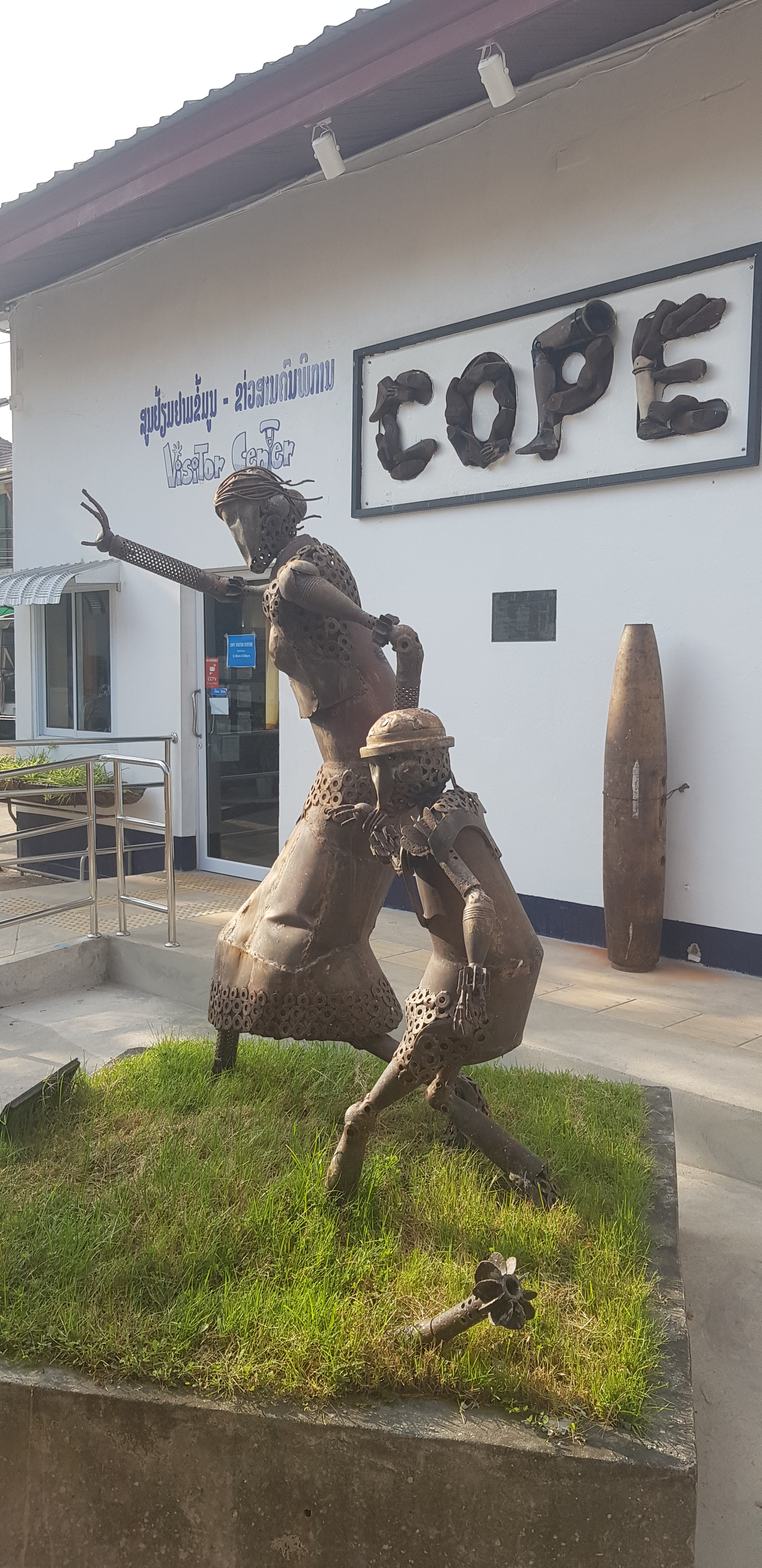
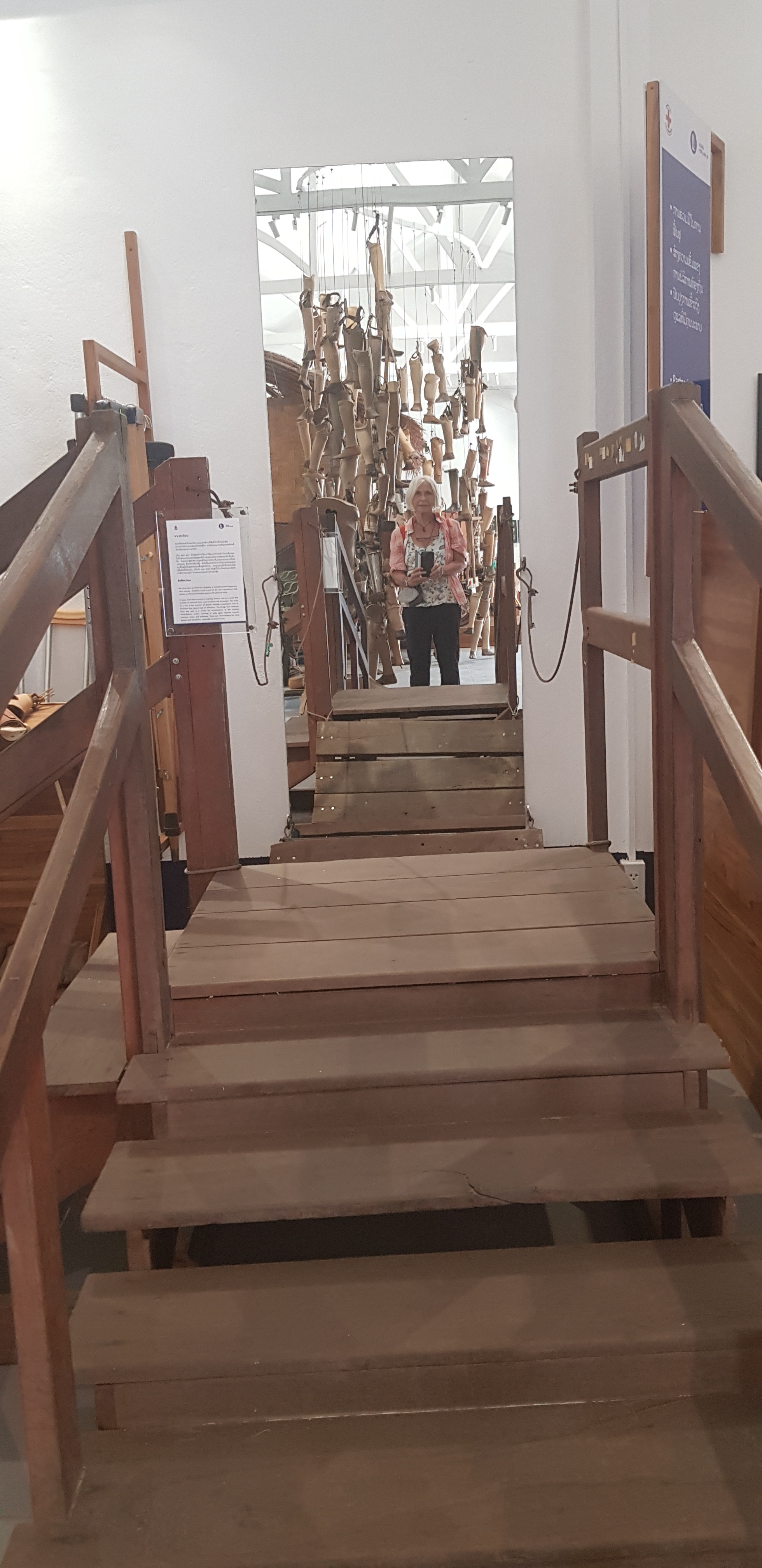
UXO means unexploded ordnance: bombs and other kinds of ammunition that didn’t go off during the military action and that are still claiming victims among the innocent population 50 years after the war. And we won’t live to see the end of the current wars, because the earth won’t heal, UXOs remain. Between 1964 and 1973 (it was called Vietnam War) over 2 million tons of ordnances were dispersed over Lao PDR, which means a planeload of munitions every 8 minutes, 24 hours a day for 9 years. Picture 1 a cluster bomb, pictures 3 and 4: the metal from the UXOs is used for art works and utensils.
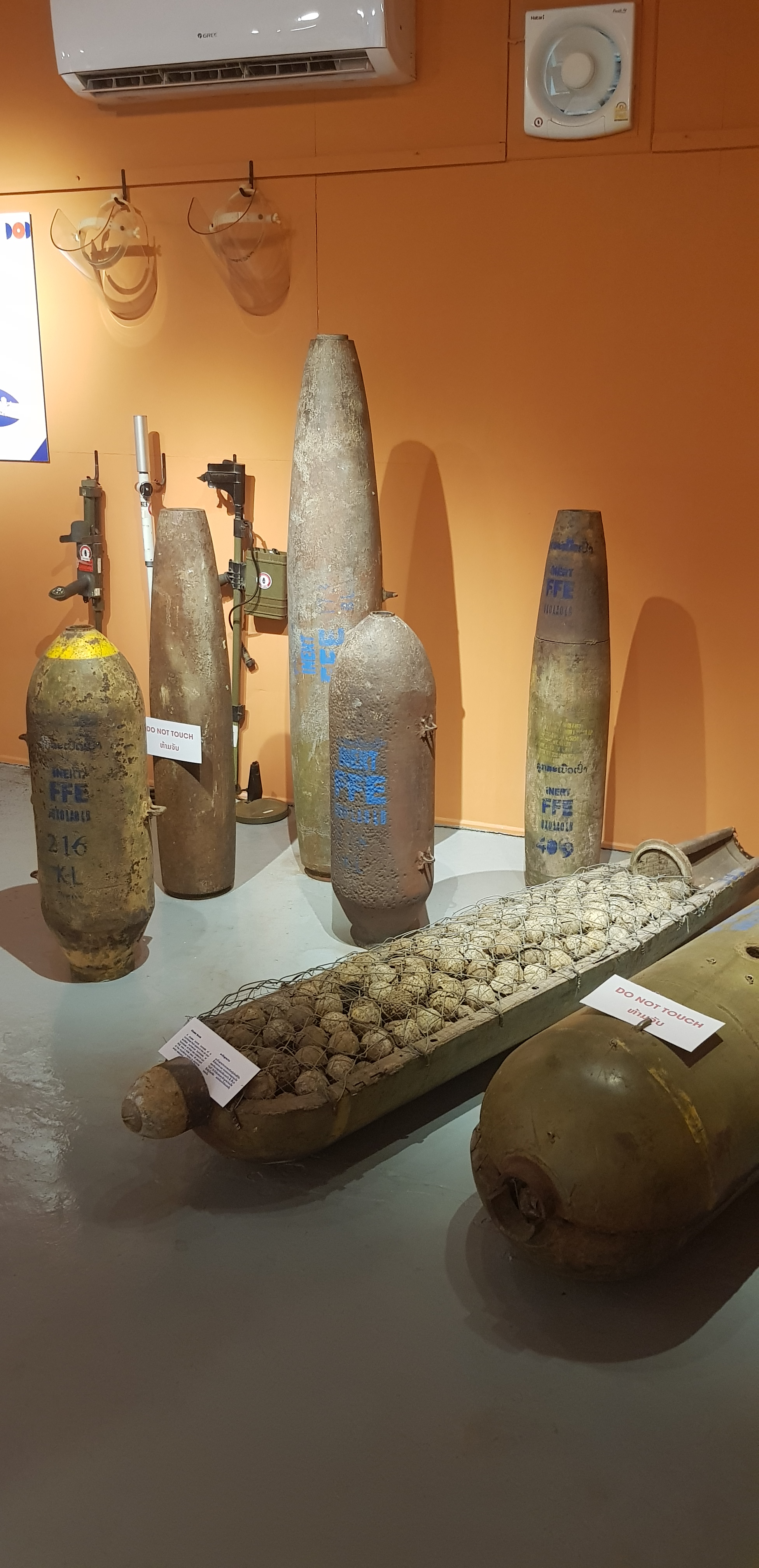
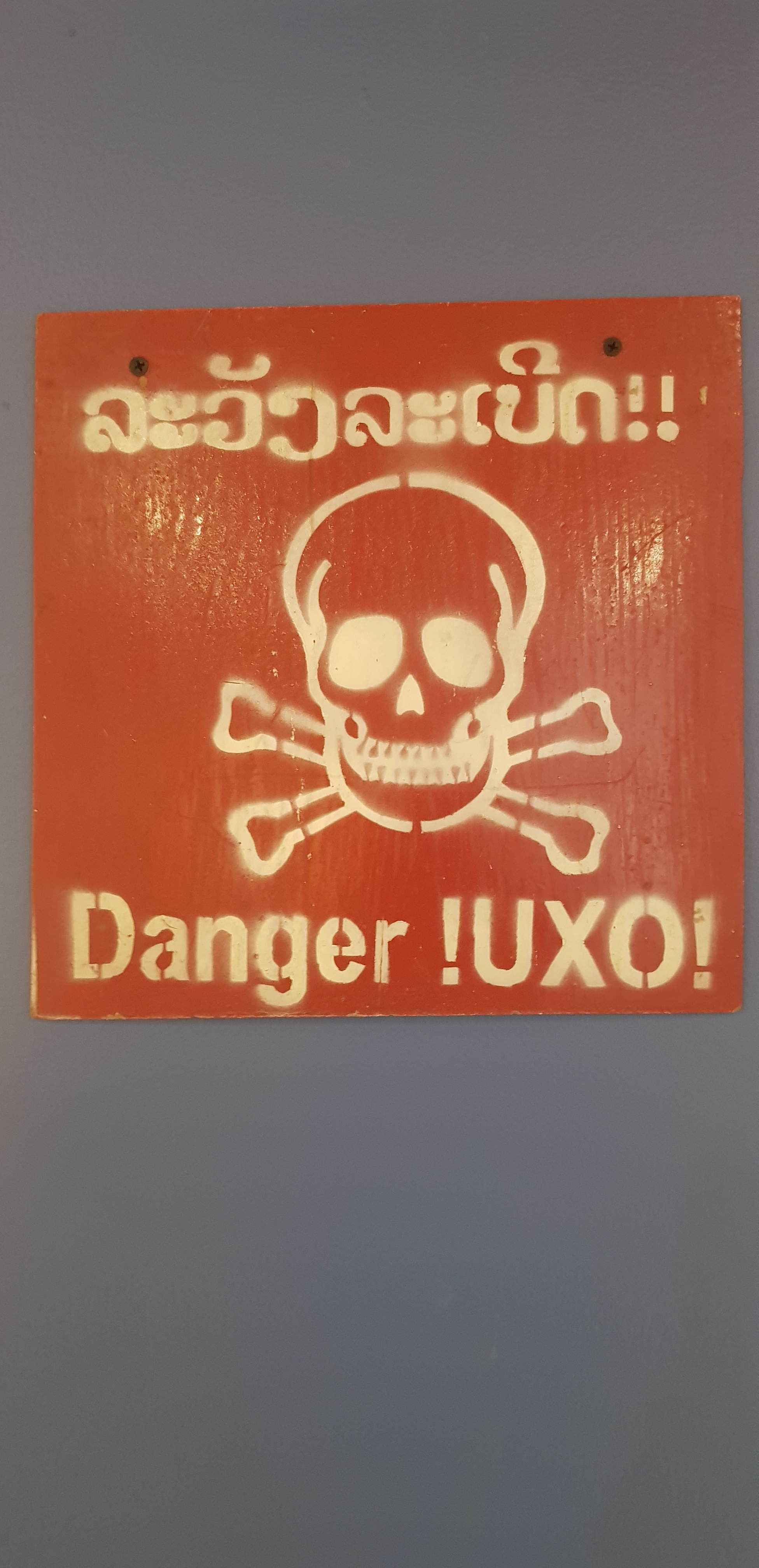
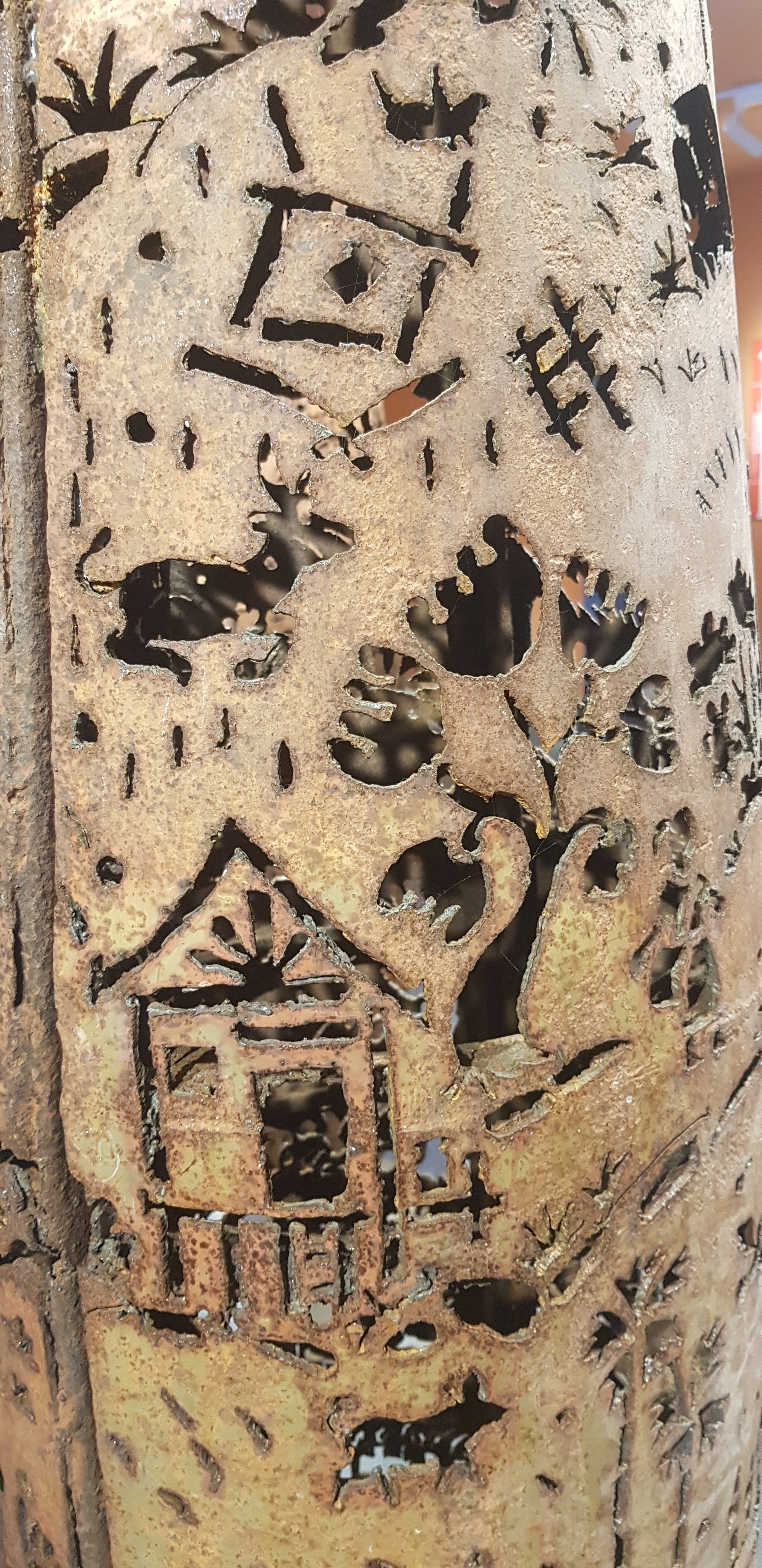
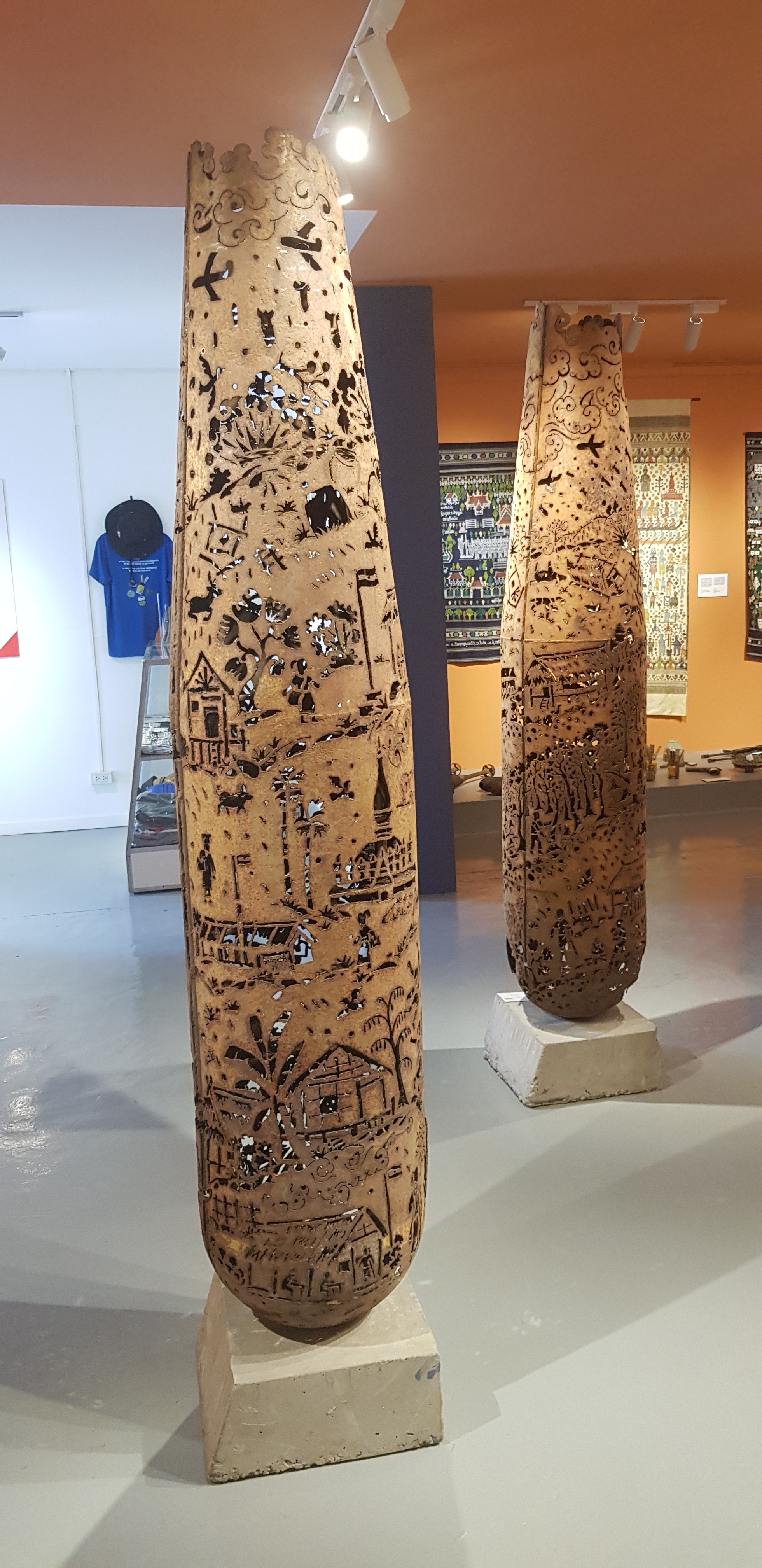
270 million bombs were dropped with an estimated 30 percent failing to detonate immediately, which means: 80 million devices remain as Unexploded Ordnances in forests, where people collect firewood or food stuff, on fields to be tended, on school routes that children use every day.
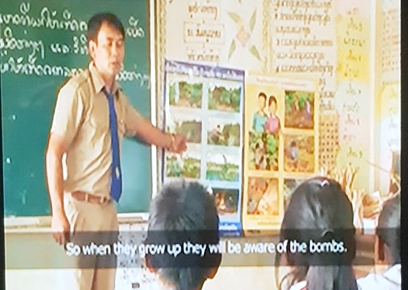
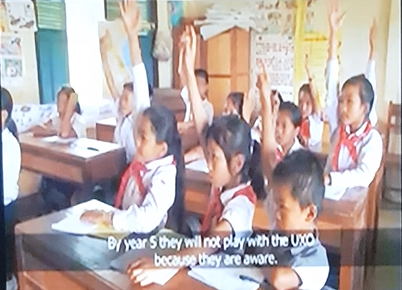
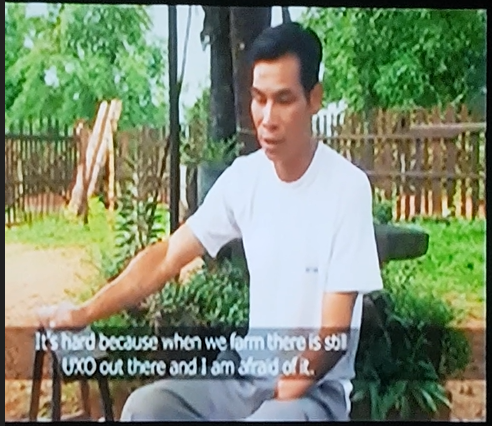
Each injury or death is a tragedy and children learn at school how to recognise the UXOs and report them to the authorities.
And I keep thinking: how could such a thing be done to the friendliest people in the world?

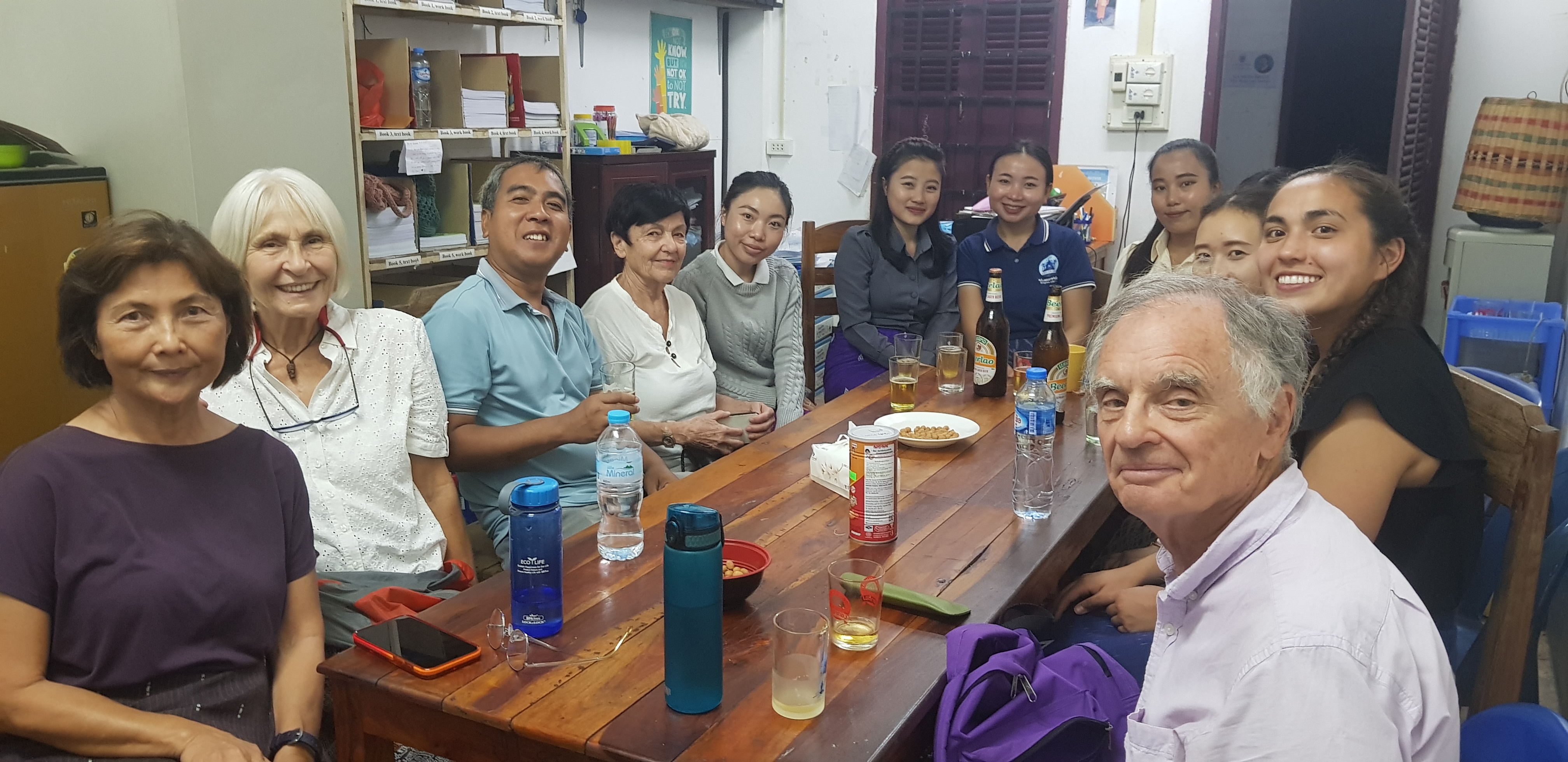
Not only do older visitors appreciate spending time here among people, who are caring, generous, polite and open, but young foreigners seem happy to follow the example of their Lao peers and become friendlier and more attentive (my personal impression).


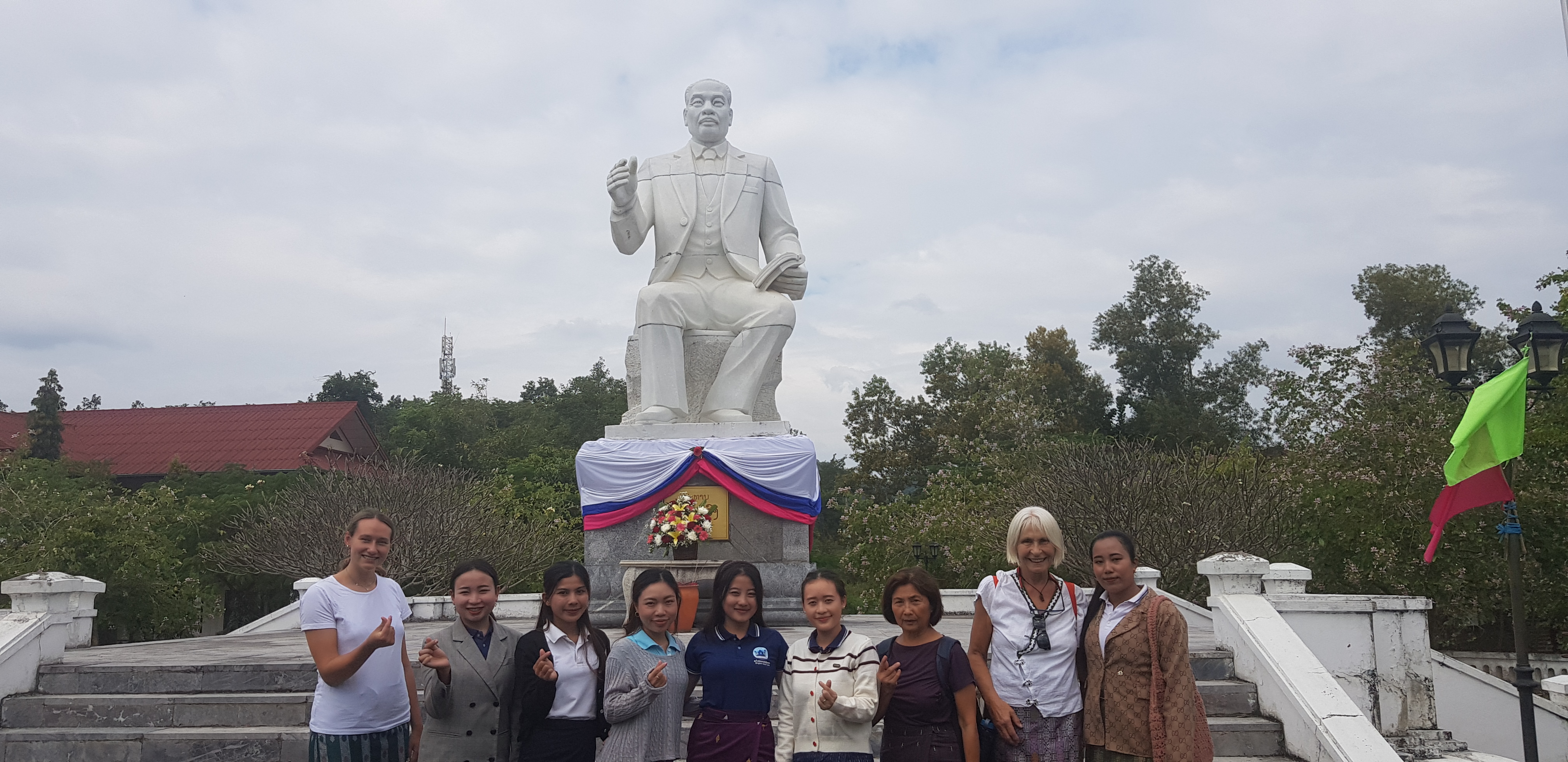
“Did you know that more bombs were dropped on Laos than on Germany during World War II?” asks one of my volunteer “colleagues” later. I’m trying to make sense of it: Is merely supporting communists more punishable than actually being barbarous Nazis? Or is the threshold for killing ethnically determined: The more the enemy resembles you, the more reluctant you are to kill him? Or was the arms industry simply better developed in the sixties and seventies than in WW II?
Laos is the most heavily bombed country in history. So far, but now they are trying to catch up, as best they can.
… In my mind’s eye I see children with wide-open, terrified eyes and I imagine their screams. And their faces, contorted in pain, look all alike, no colour, no ethnicity, just children, like everybody’s children, like what we see in the news in Europe every day now.
“Are you alright?” asks the employee of the UXO – Centre. I nod and buy a few gadgets made of UXO metal for my friends .
Hope with COPE
If there are people who have to suffer so much, then the least I can do is to know it, to acknowledge it and to empathize with it. In Vientiane I visit COPE (Cooperative Orthotic & Prosthetic Enterprise).
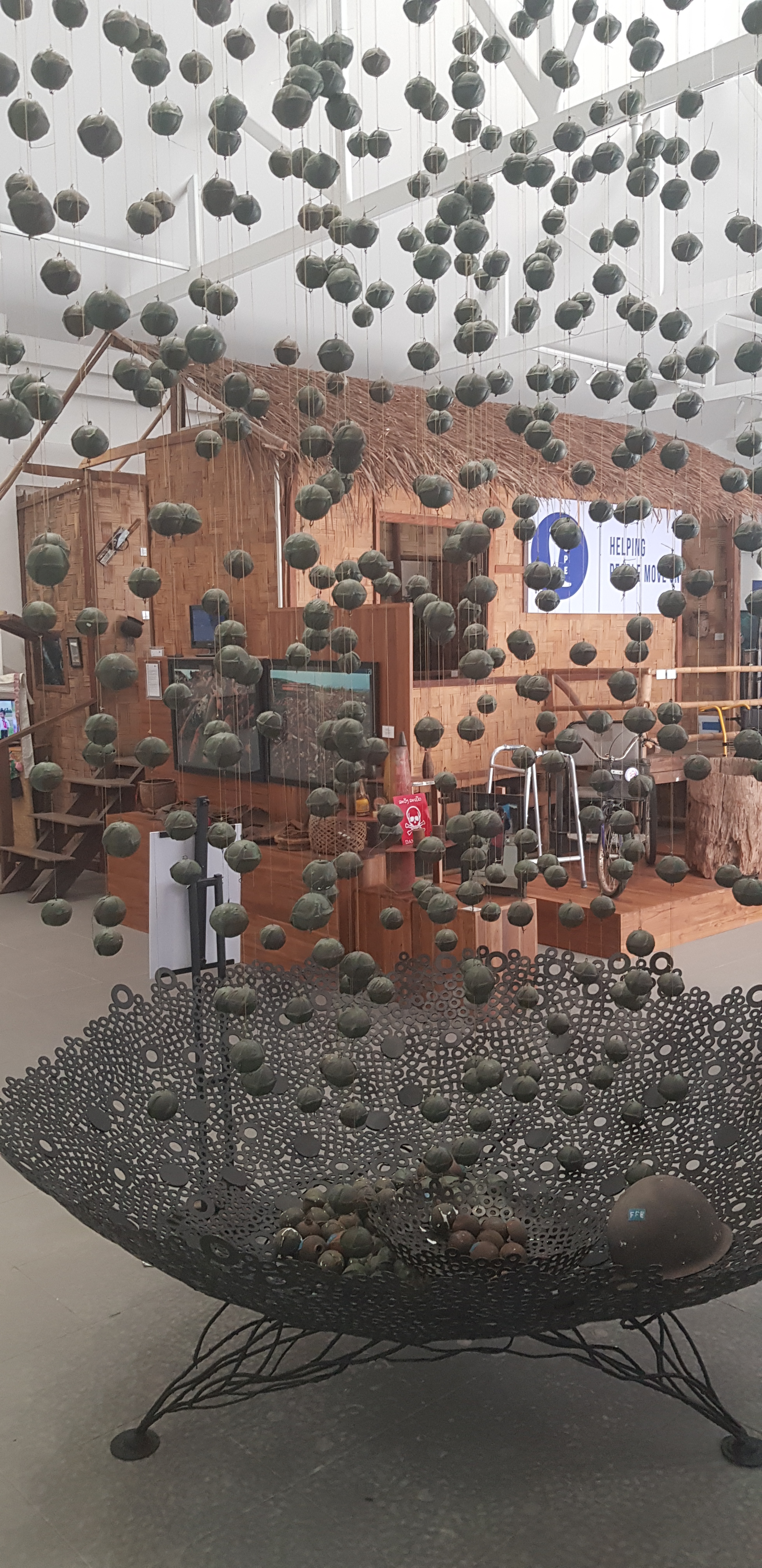
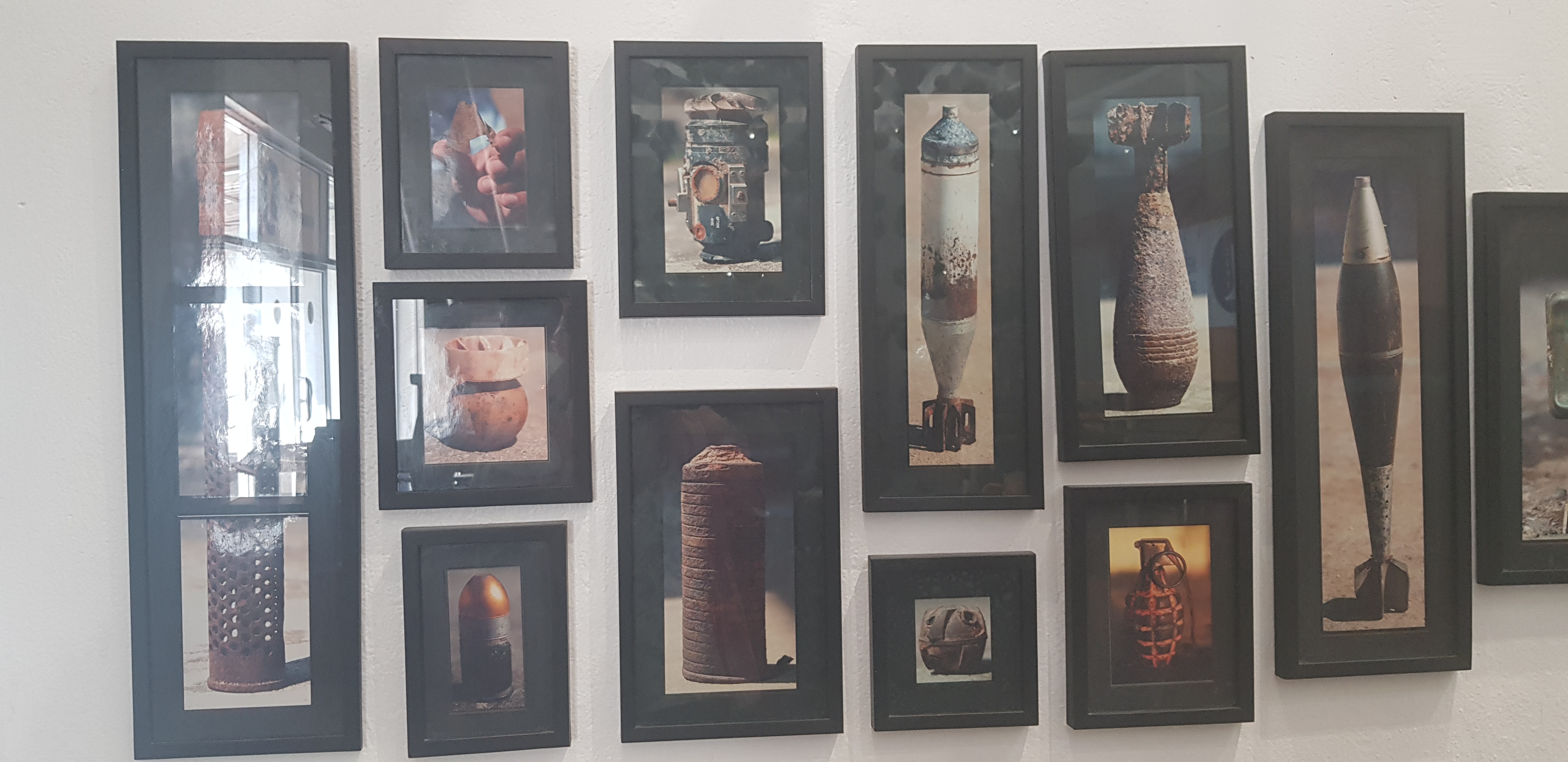
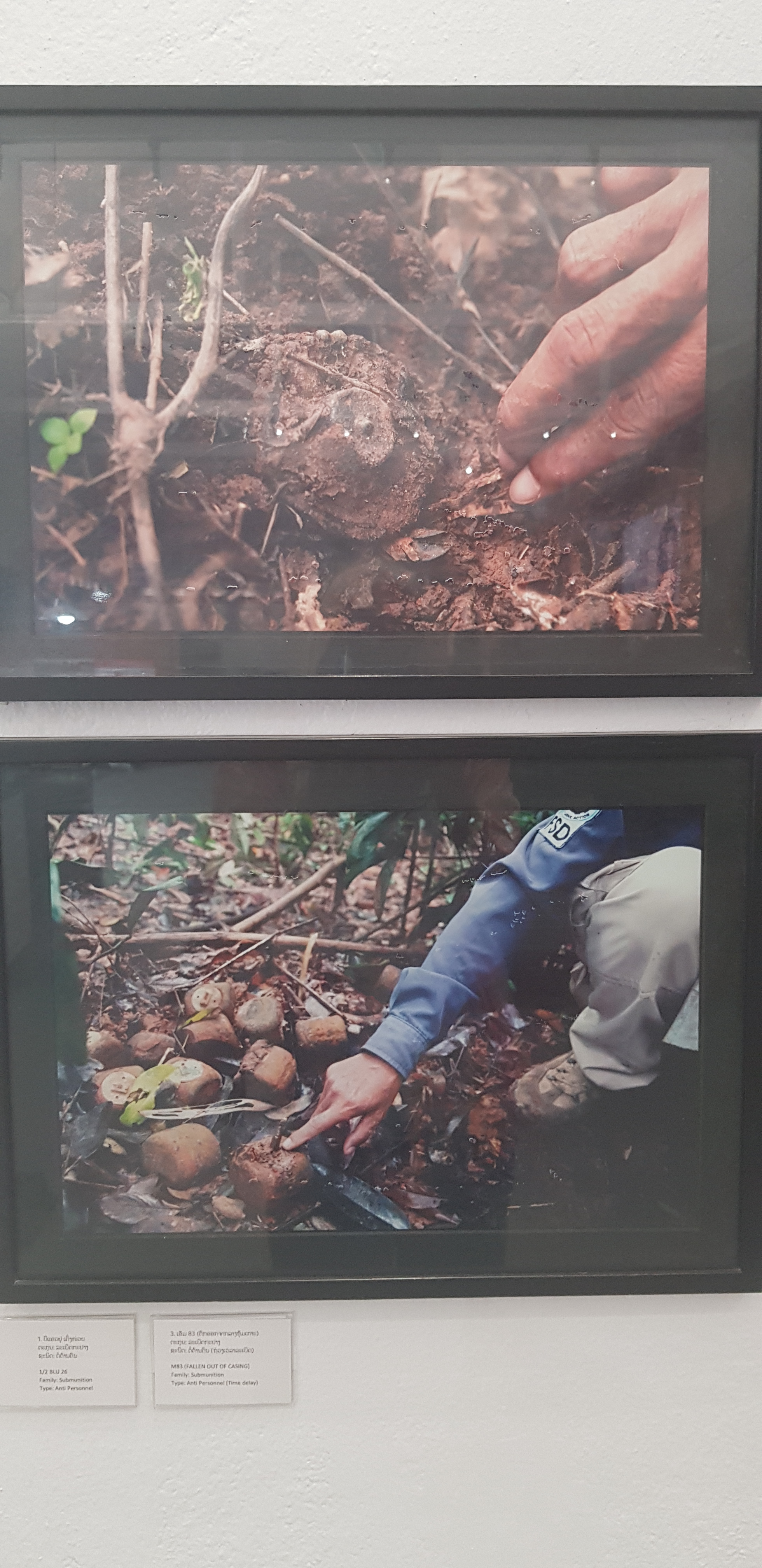
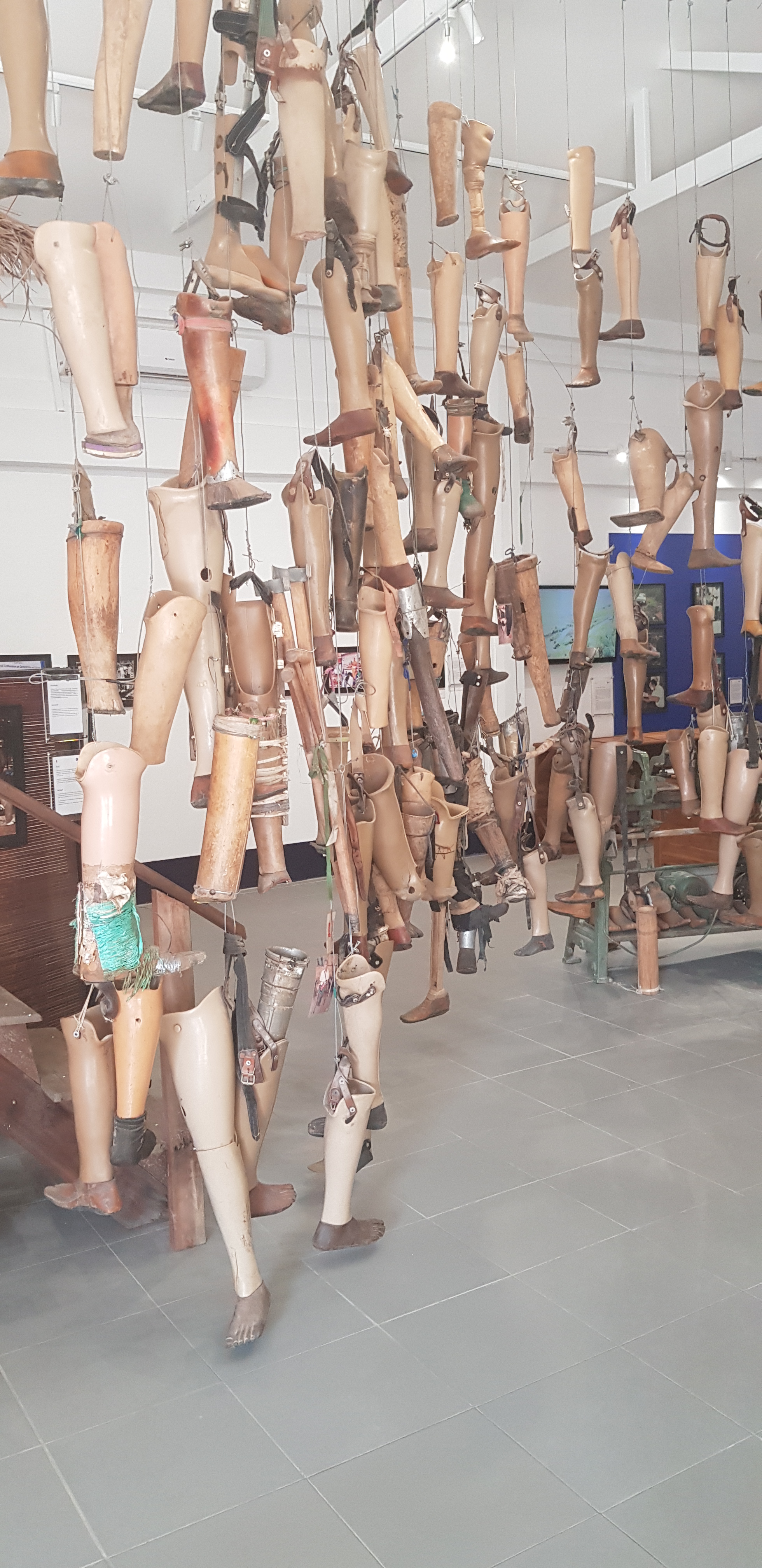
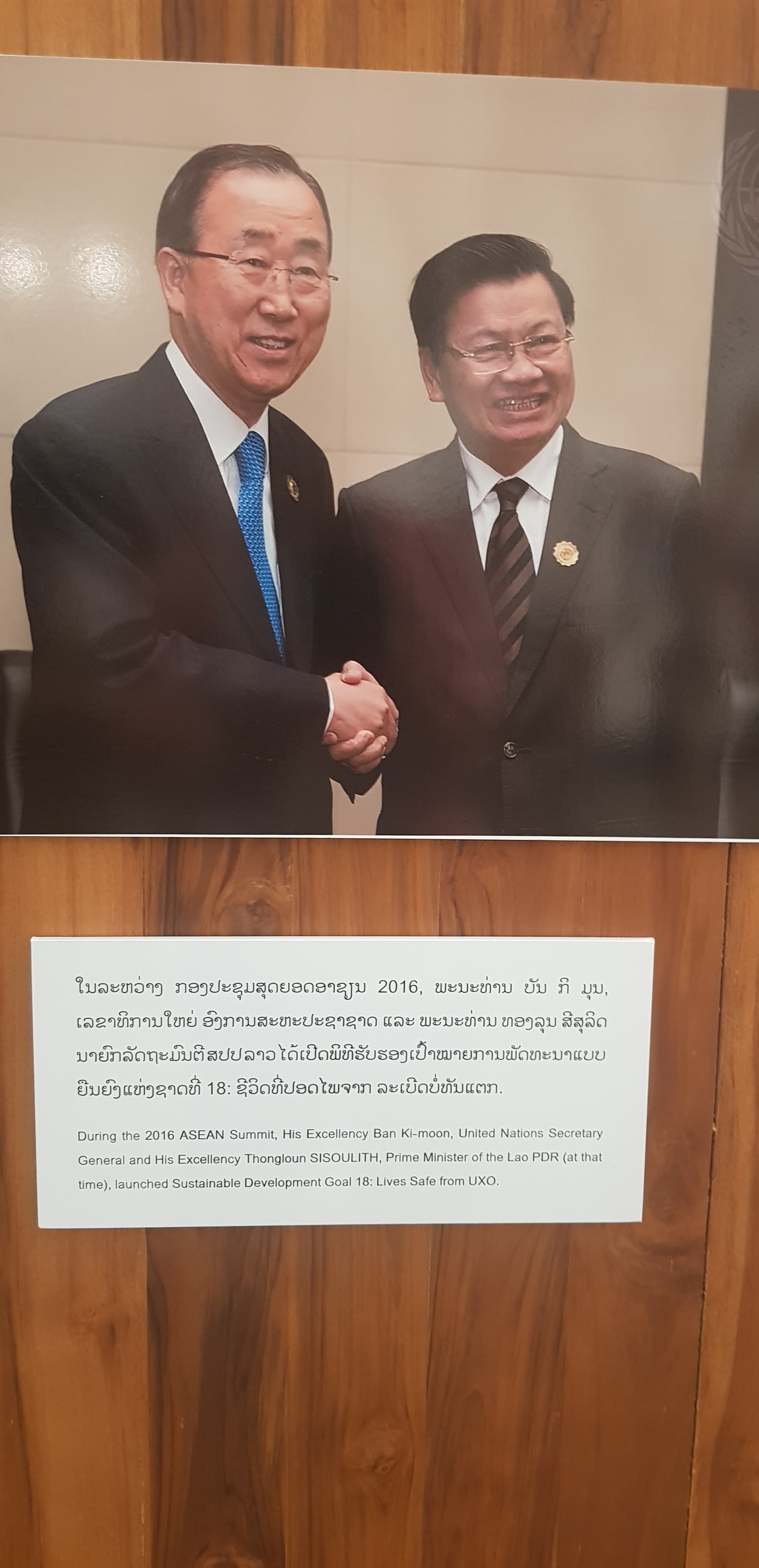
UXOs have all kinds of shapes and sometimes you don’t see them and sometimes they look like toys or something valuable, something useful (pictures 3, 4). Between 2008 and 2023 the Convention on Cluster Munitions (picture 2) was signed by many states, but some belligerent countries are still using them now.
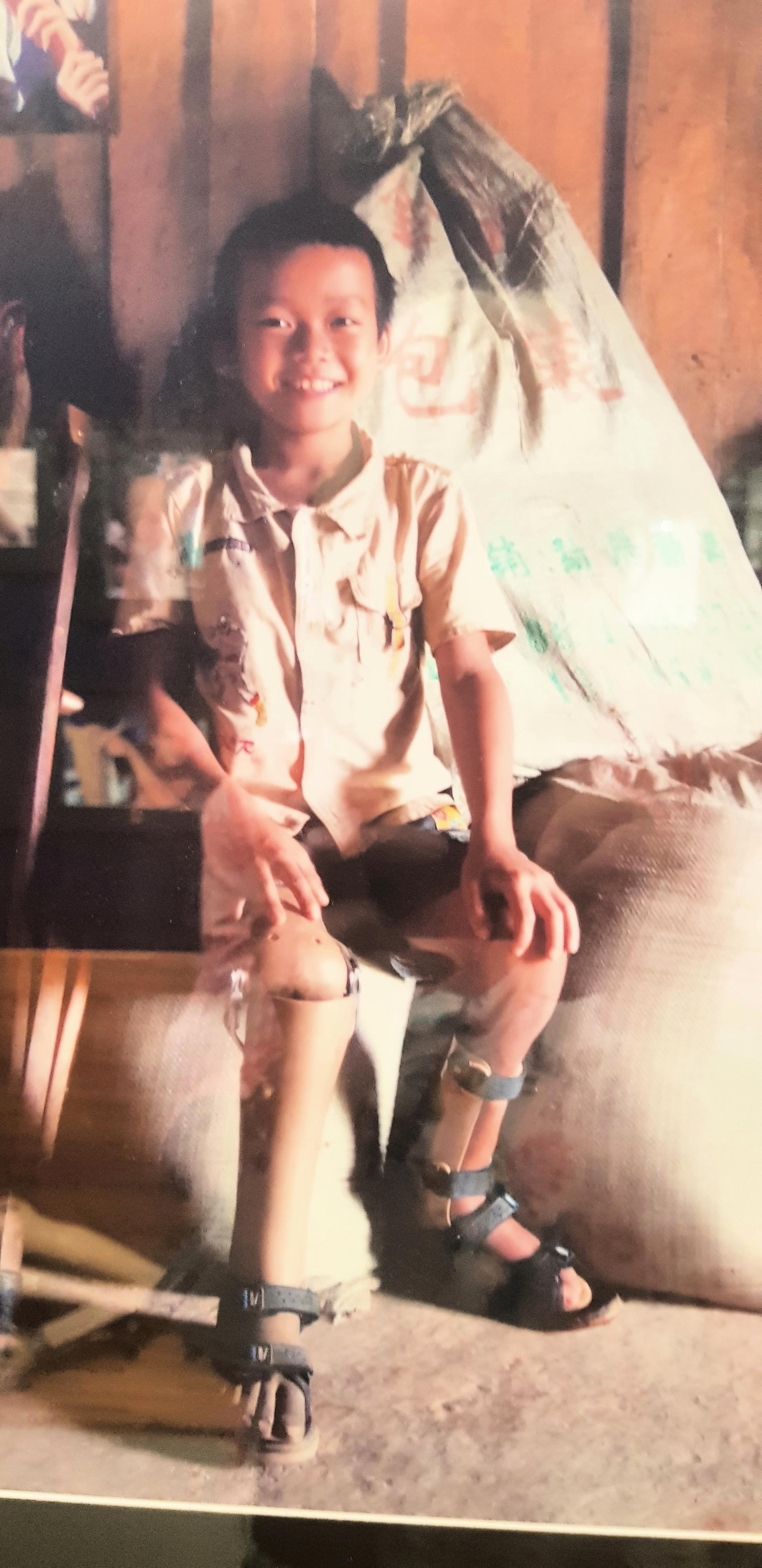
Below: a traditional cabin with utensils made from UXO metal, a boy before and after he got his prothesis, second row, politics: making people’s lives safe from UXO.
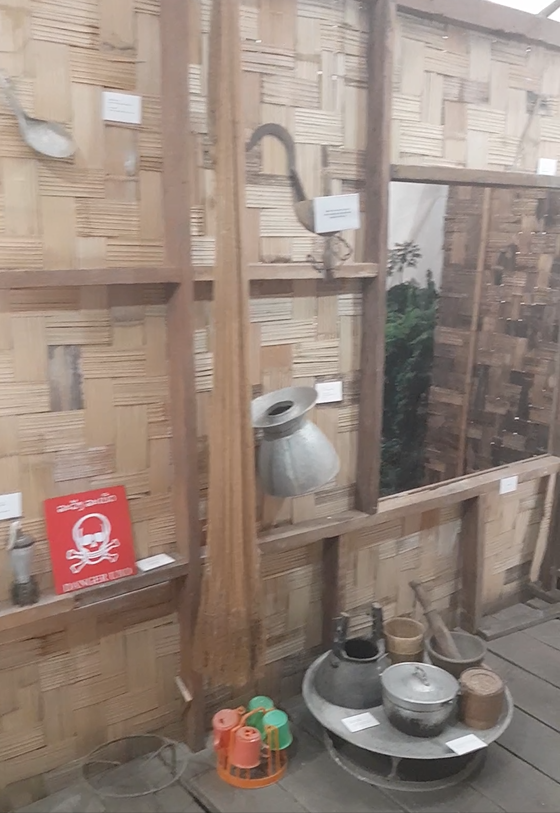
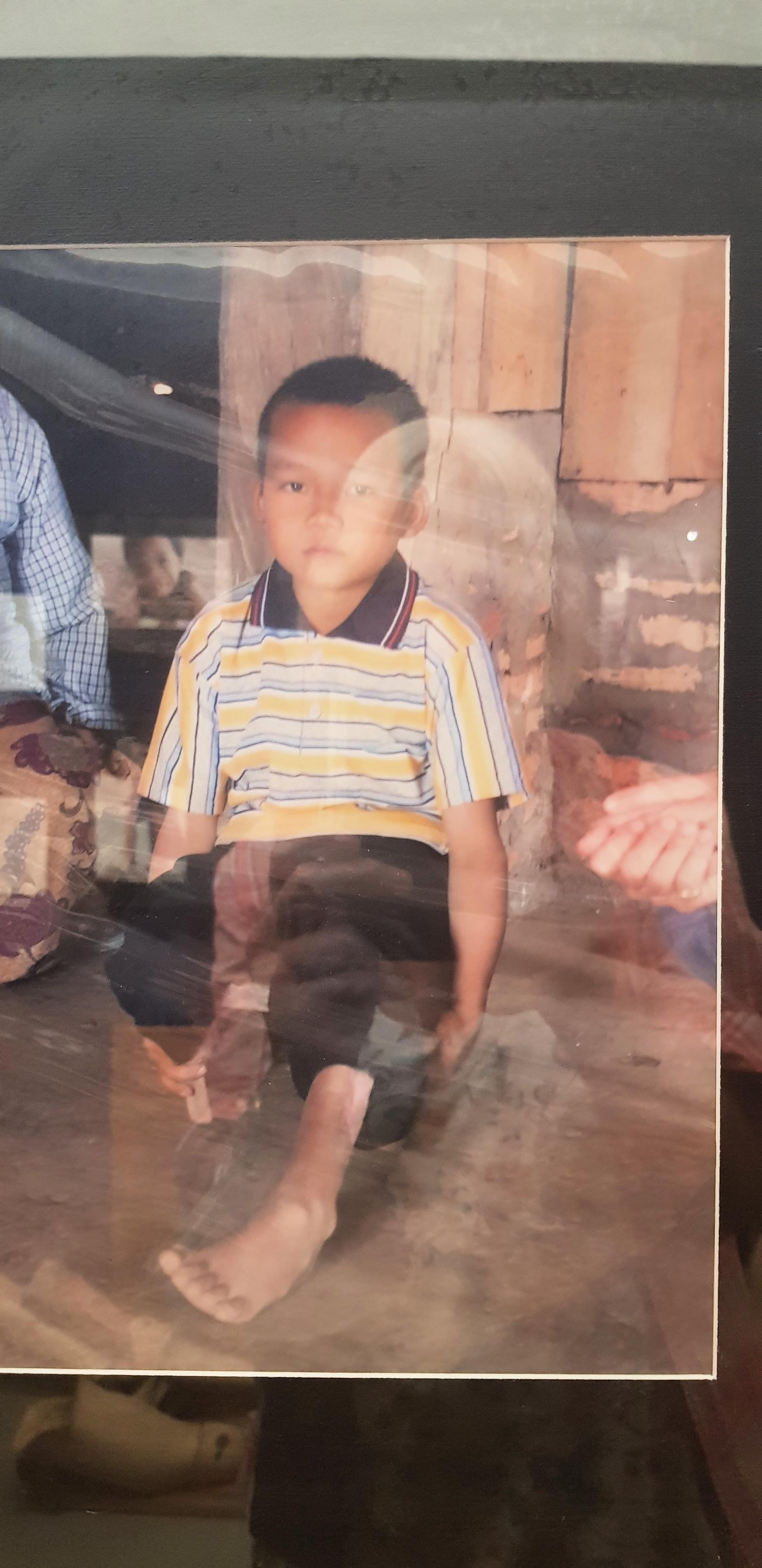
The United States has expanded its UXO program significantly in recent years, tripling United States-funded UXO teams from 70 in 2020 to a total of 210 teams in 2024. This includes training, equipping, and deploying 40 additional clearance teams and expanding operations into two additional provinces in 2024. And still: It will take ages to clear Laos and the whole of Southeast Asia.
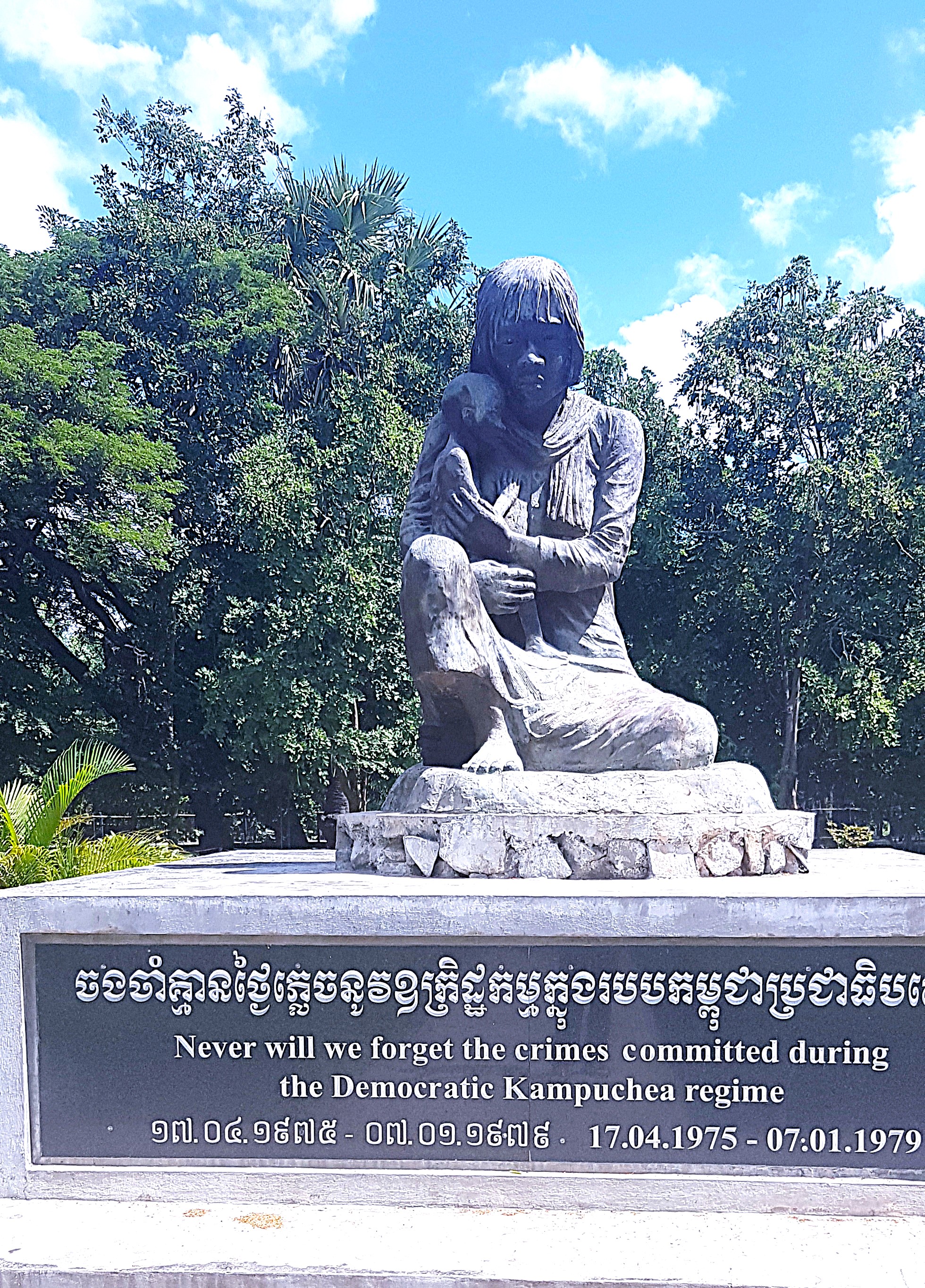
More tears: Cambodia, Kampuchea, Khmer Rouge, Pol Pot
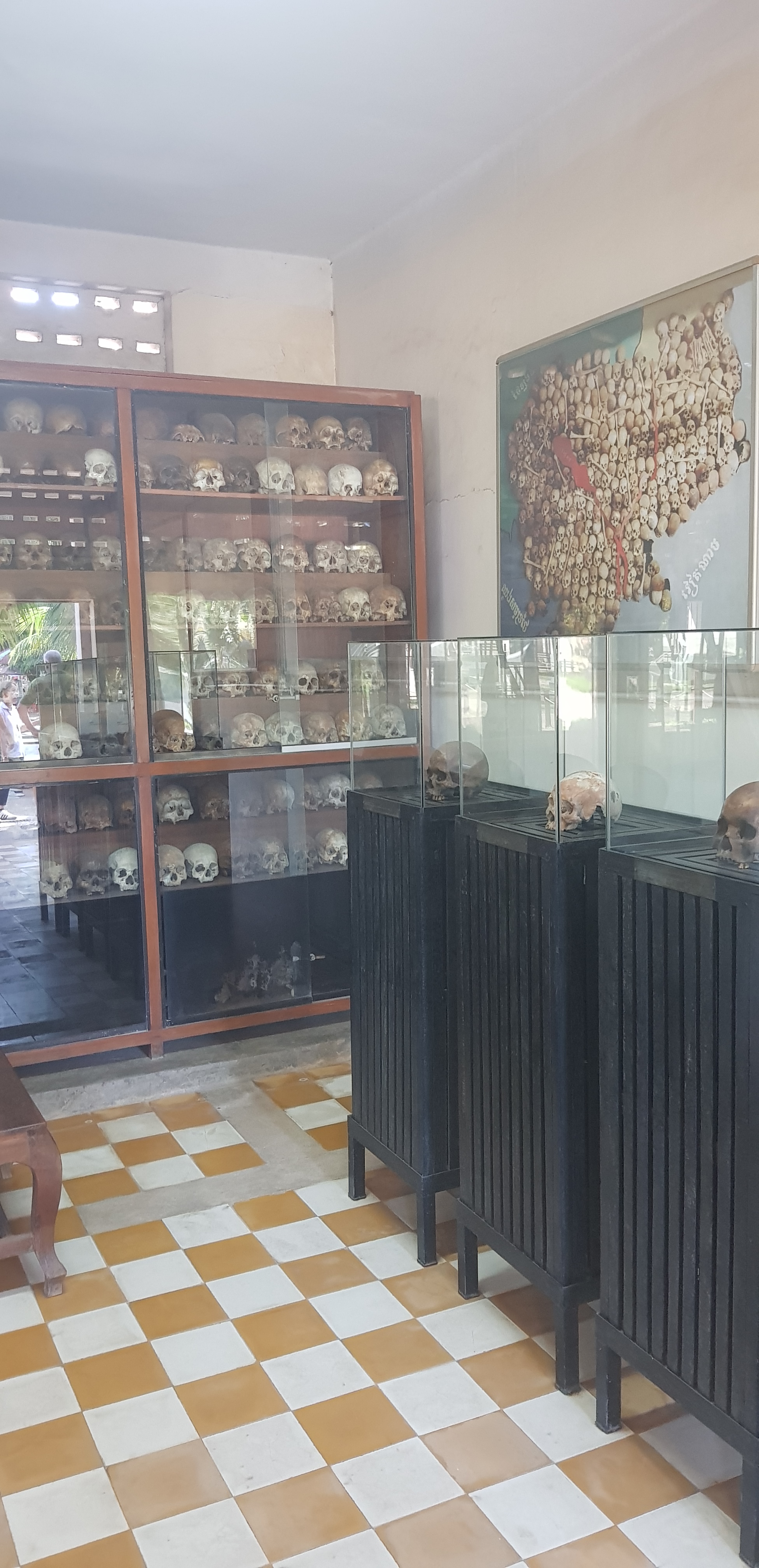
… and on April 17, 1975, I was probably having my biggest party ever, being 20 years old that day. The Khmer Rouge announced “Year Zero”, and decided that everything before that date had to be purged. What that really meant I found out visiting Tuol Sleng Genocide Museum (Phnom Penh) and the Killing Fields, memorials of an overlooked, or ignored or undervalued genocide.
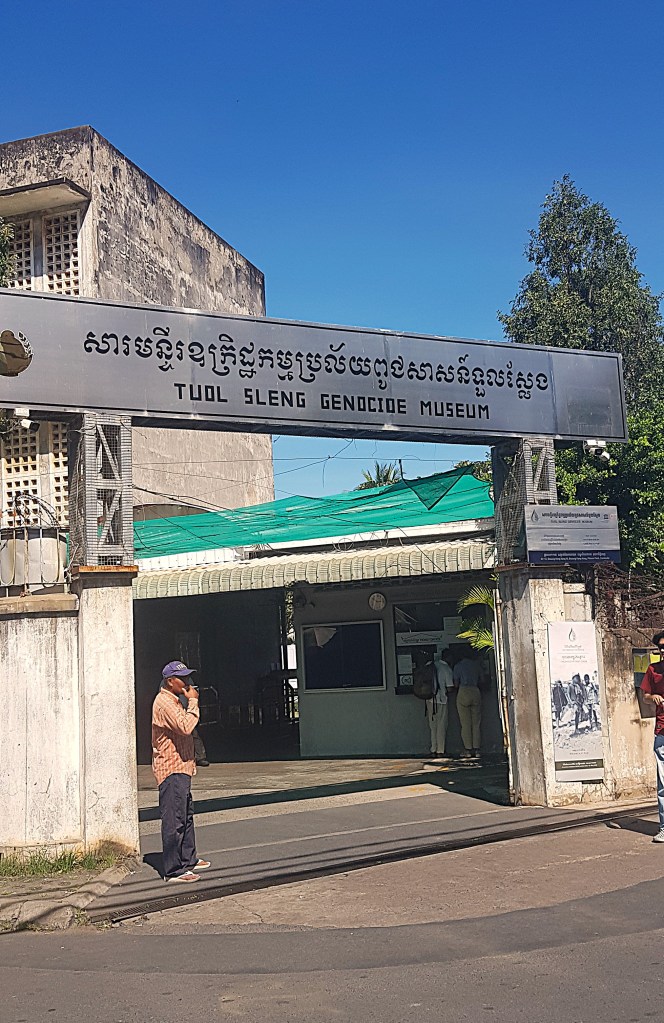
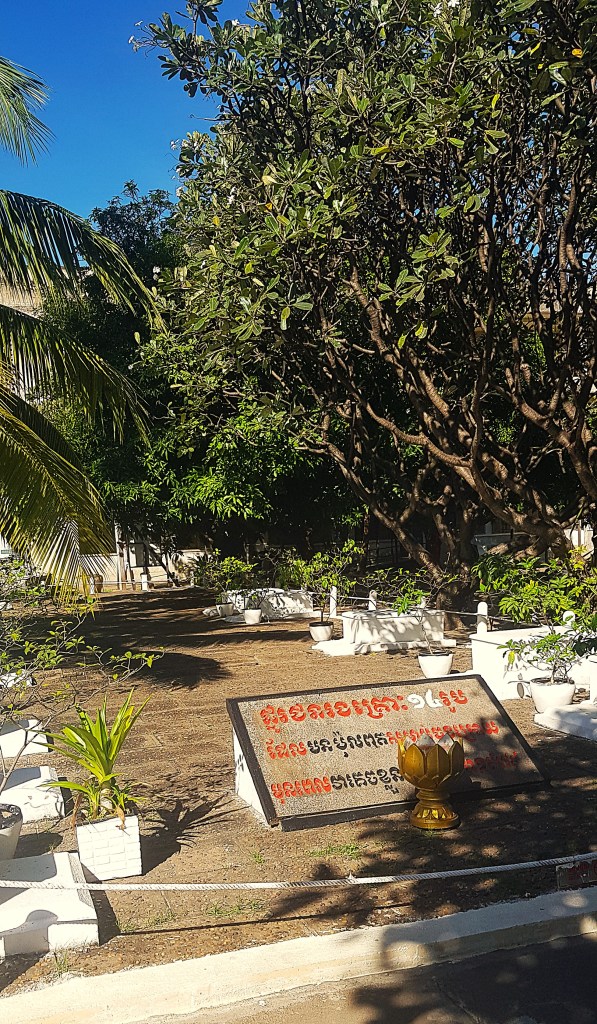
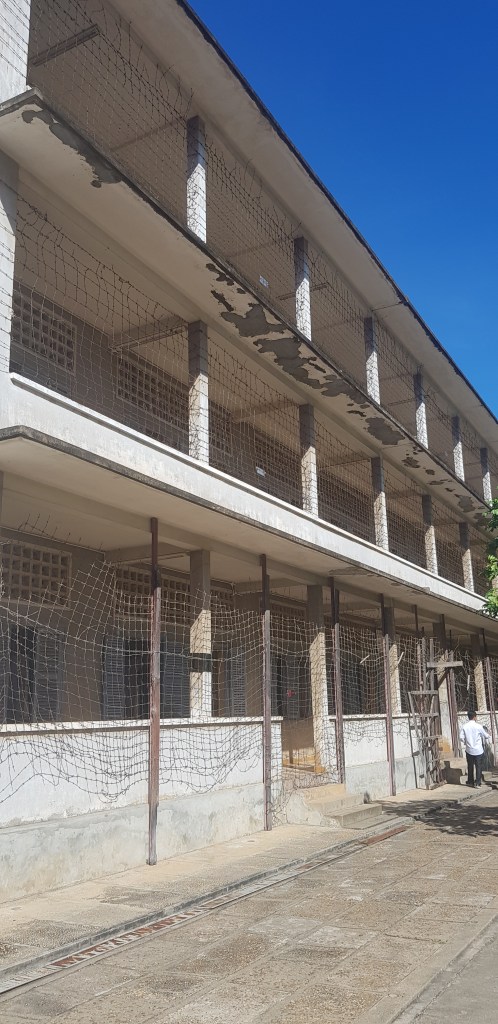
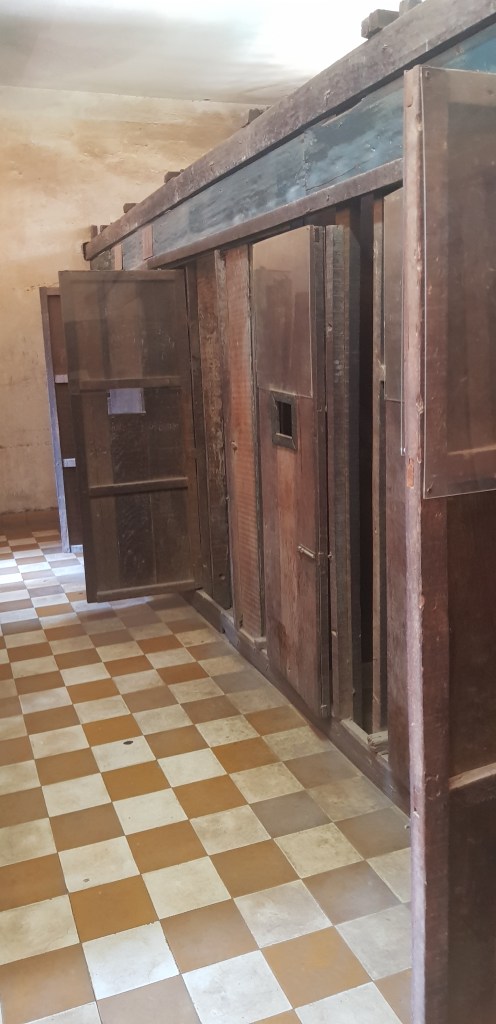
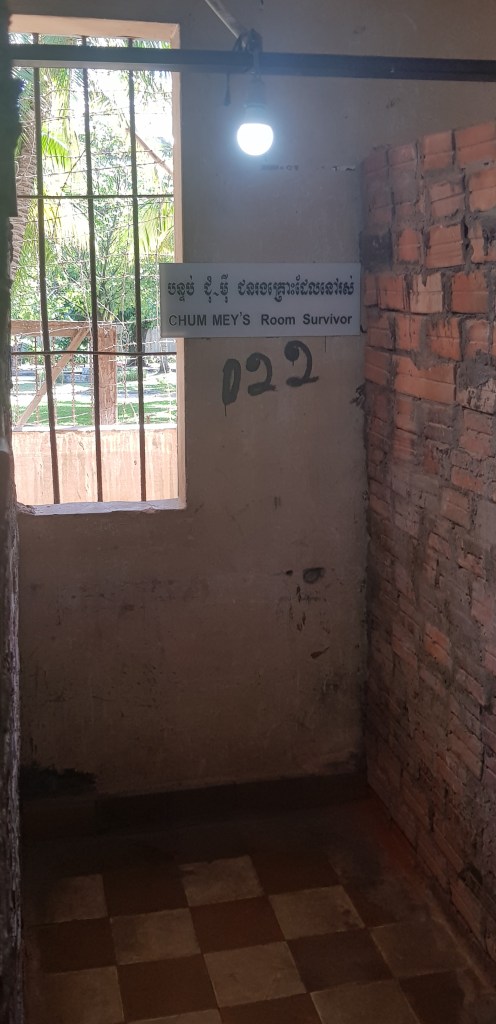
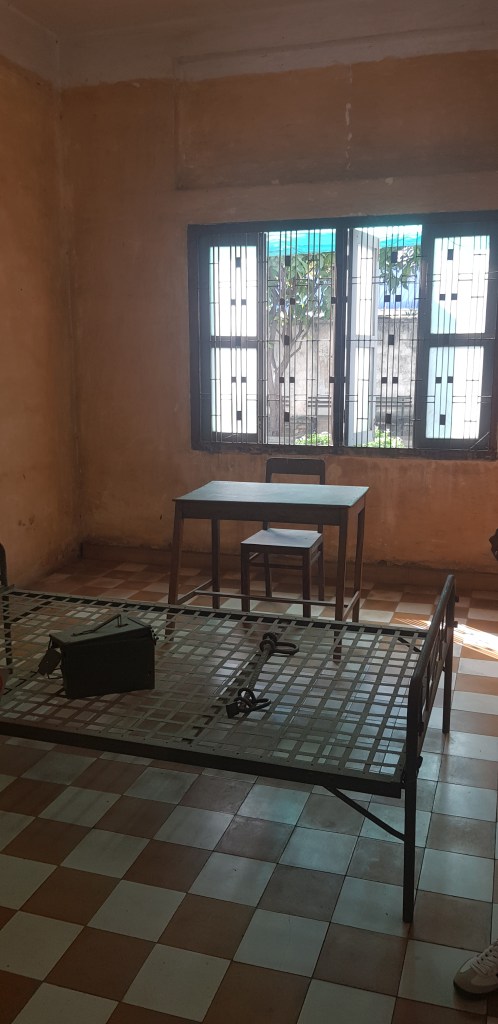
A secondary school converted into Security Prison 21 or Tuol Sleng (“Hill of the Poisonous Trees”) became the infamous place where the Khmer Rouge murderers had a free hand to torture innocent, defenseless people to death. And the world was looking on again.
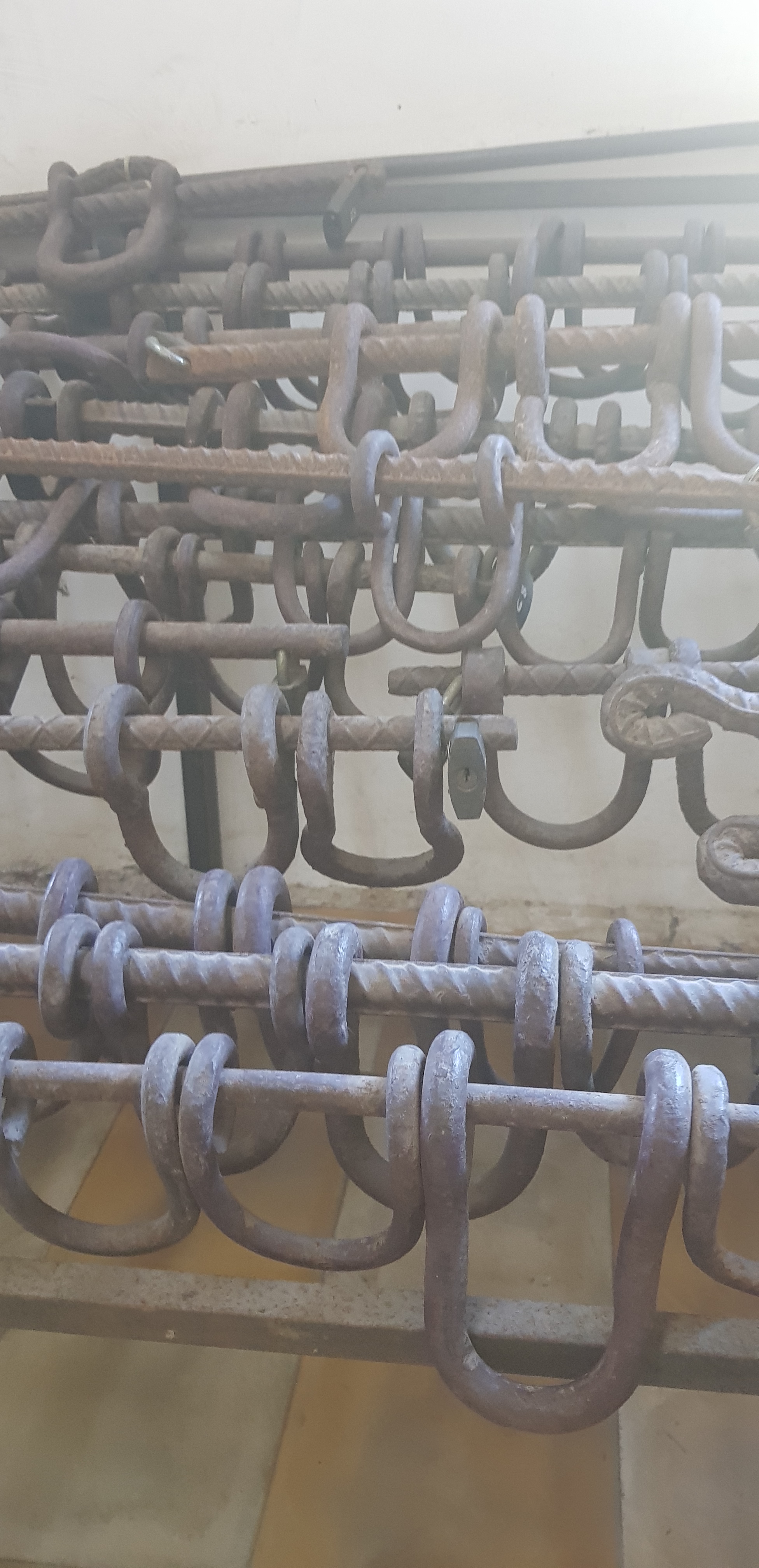
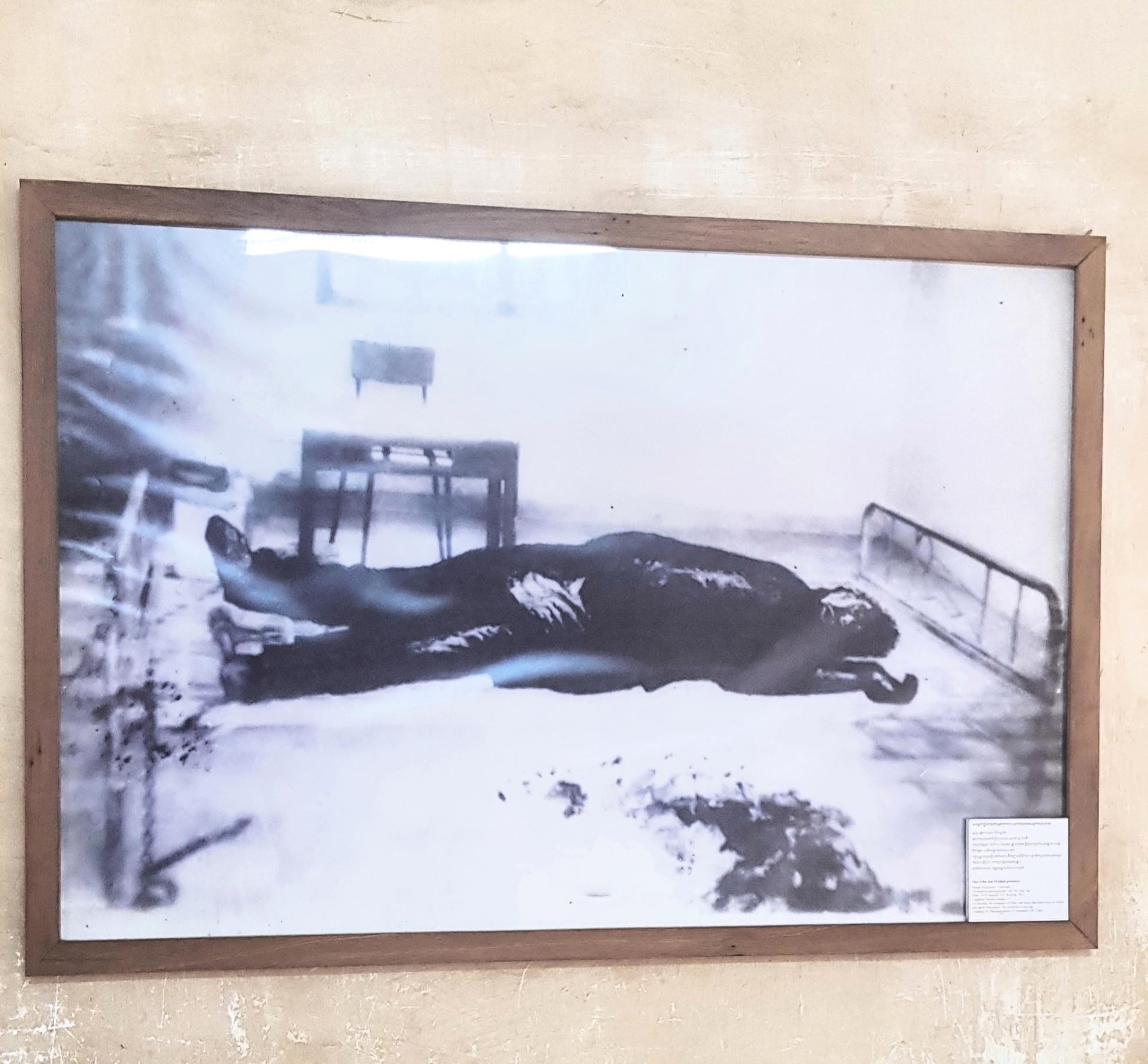
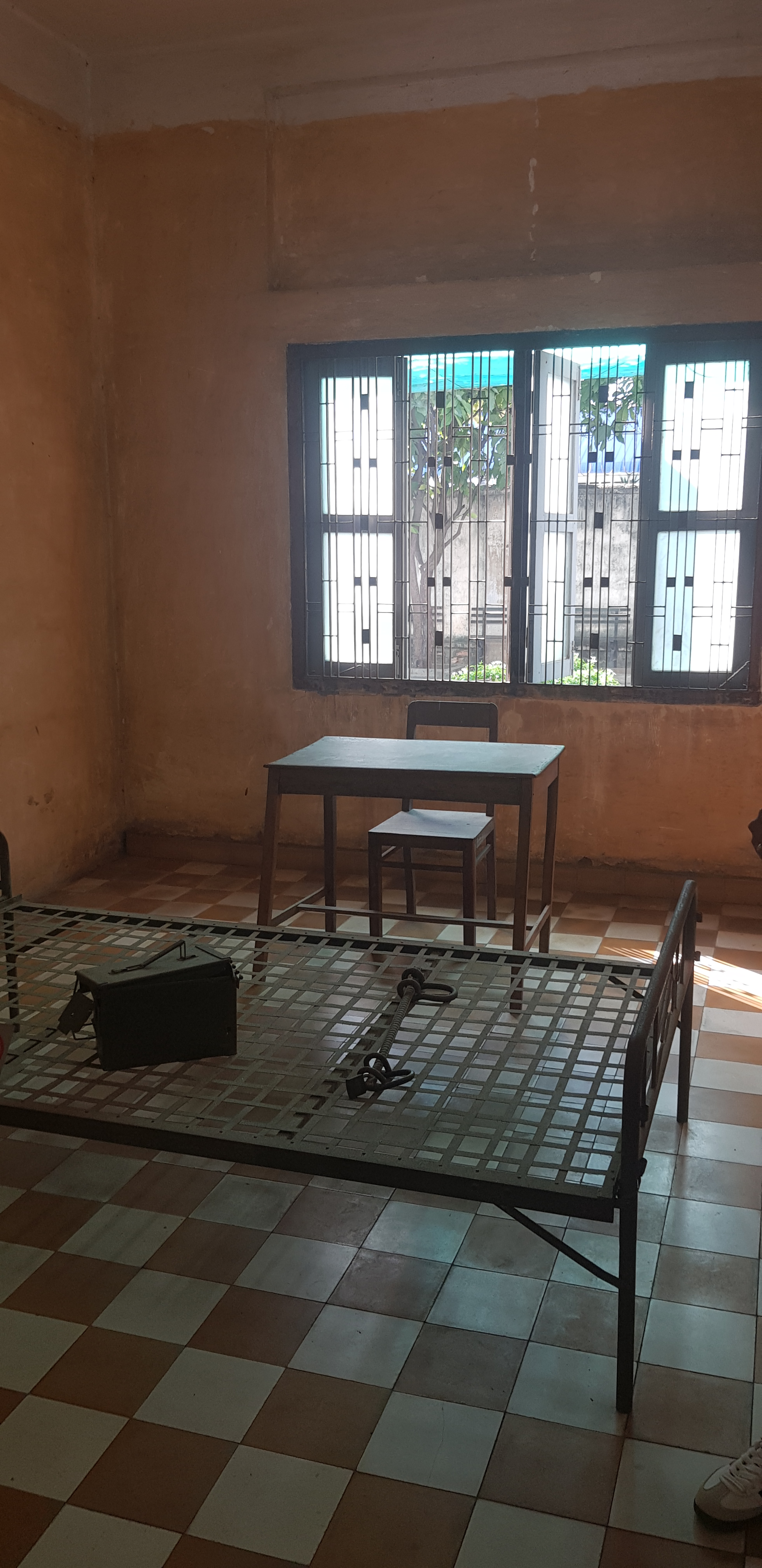
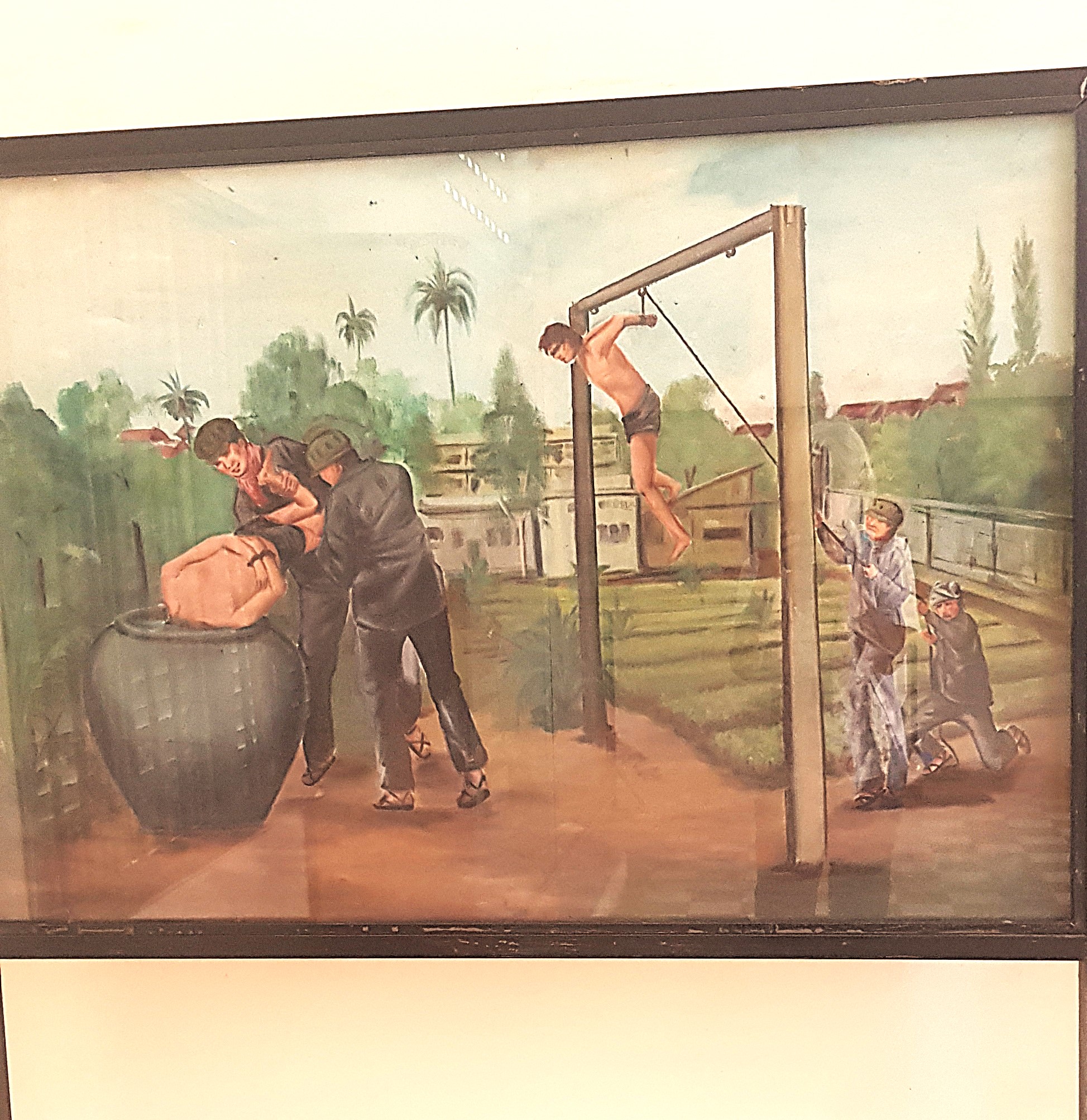
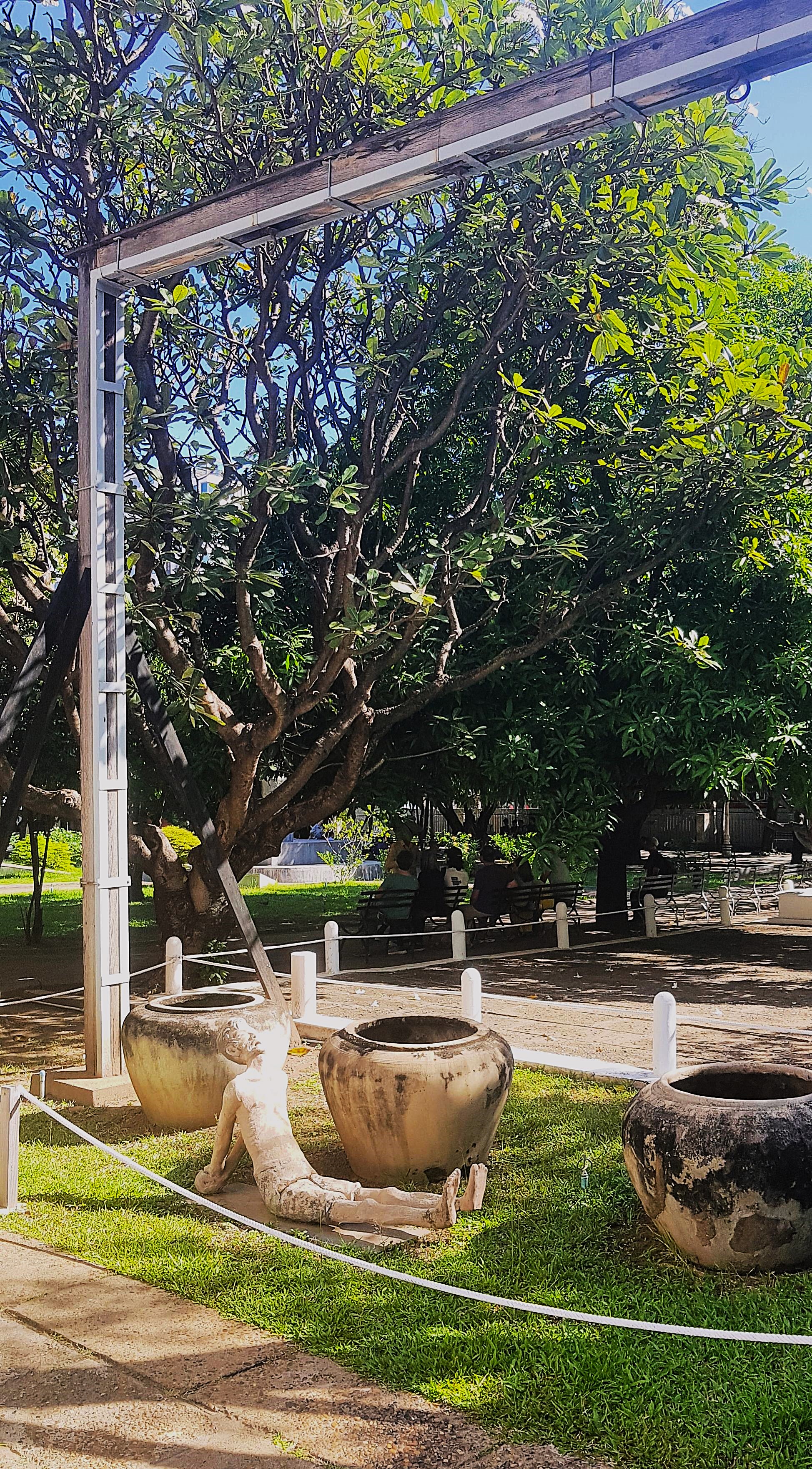
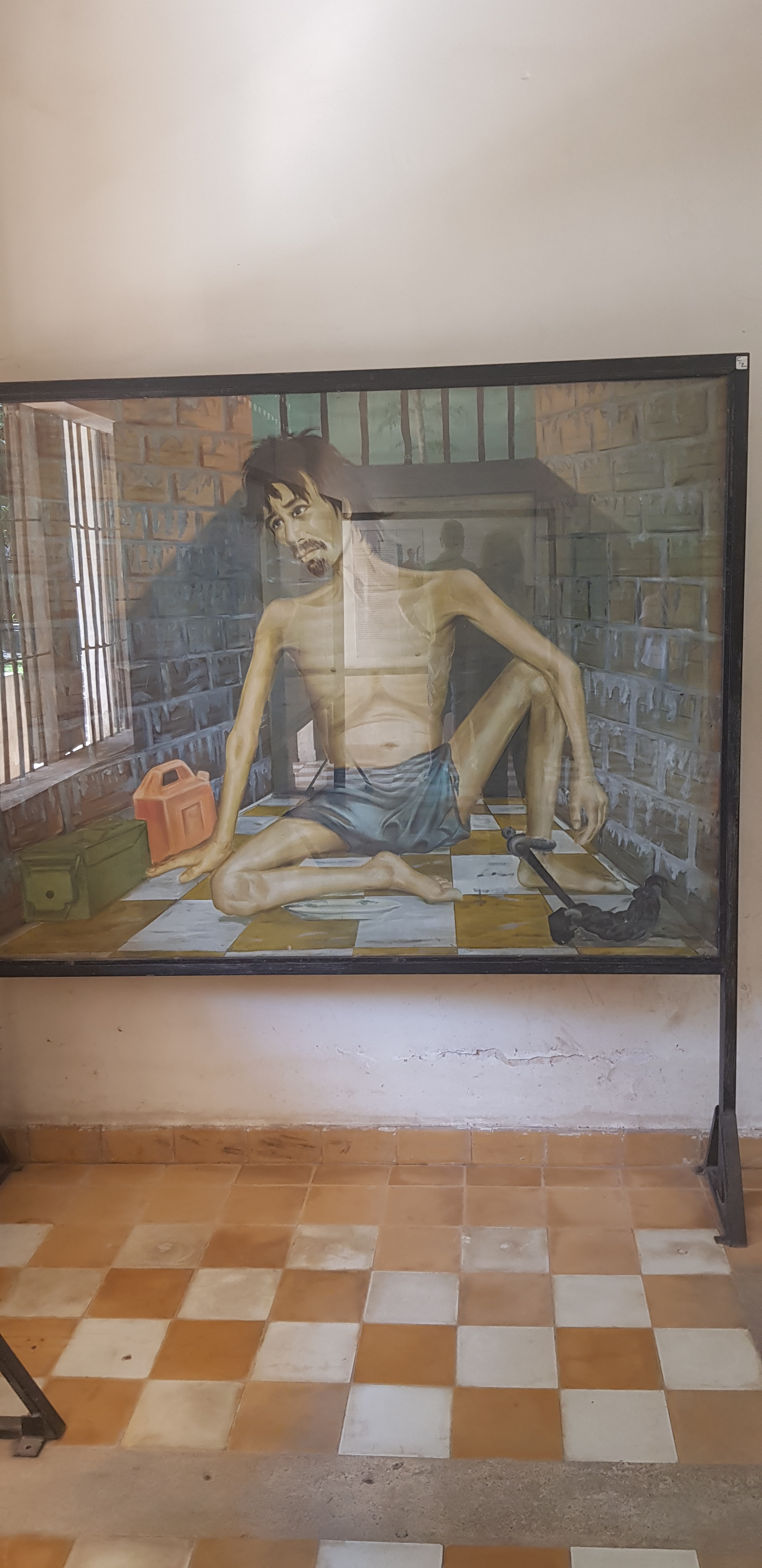
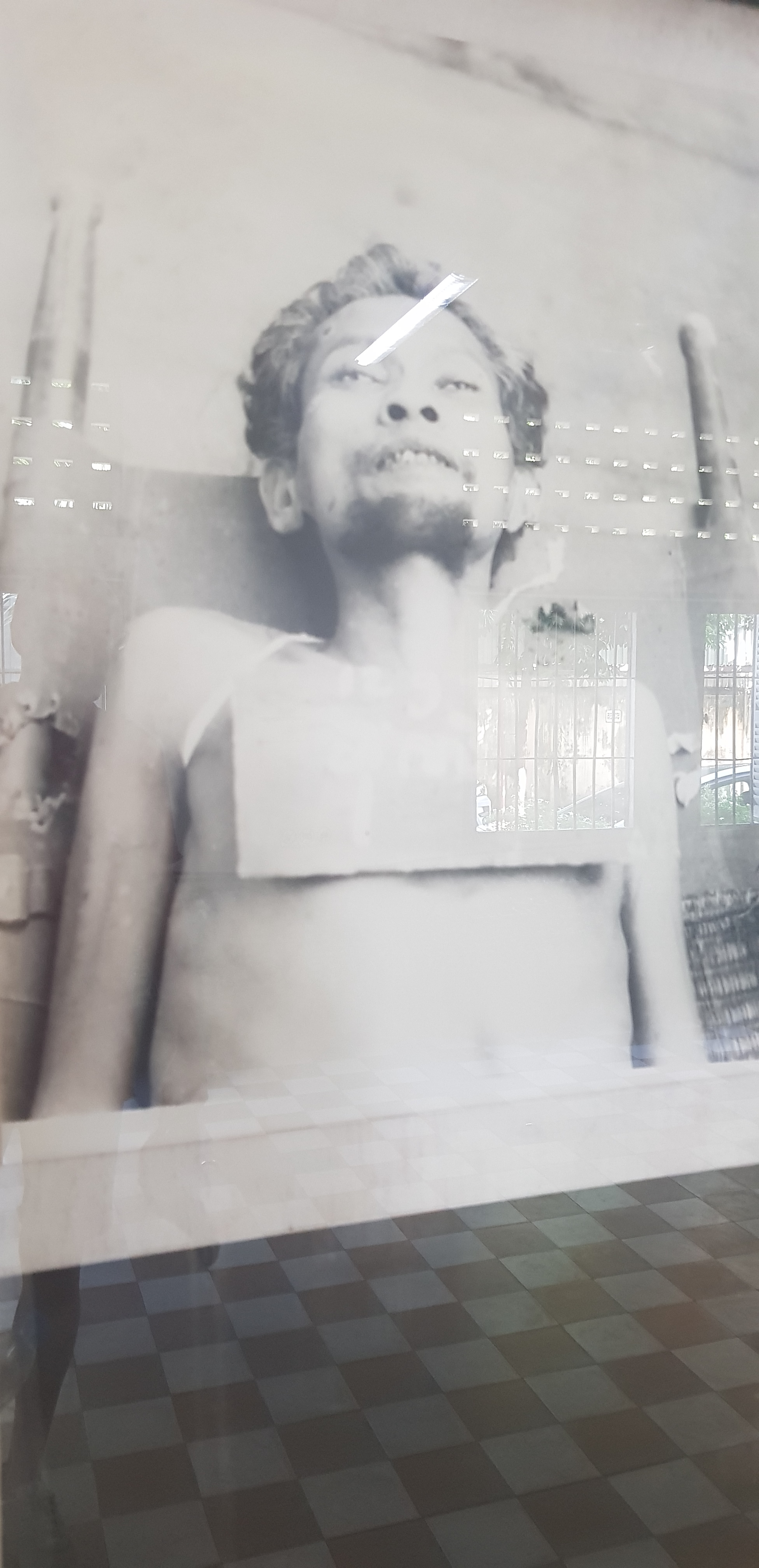
Back then we heard some of the horror stories of what Pol Pot’s hordes did to the population: to the spectacle wearers accused of being intellectuals, to the babies and their mothers sitting around the camp fire in their villages, to minorities, to anyone, for no reason. We didn’t know that the Khmer are actually very gentle people, some of whom were brought to savagely slaughter their own kind. We didn’t know that a quarter of the population was exterminated. For us Democratic Kampuchea was so far away, a war zone anyway, not a holiday place like Italy or England. And, even the United Nations General Assembly didn’t seem to have the will to stop the “genocidal tyrant” Pol Pot. For us, the world was alright when Cambodia did away with its “colonial” name and re-adopted its supposed “ancient” name of Kampuchea. Today it seems Kampuchea and Kambuja or Kamboja have the same origin.
Choeung Ek, the killing field connected to Tuol Sleng
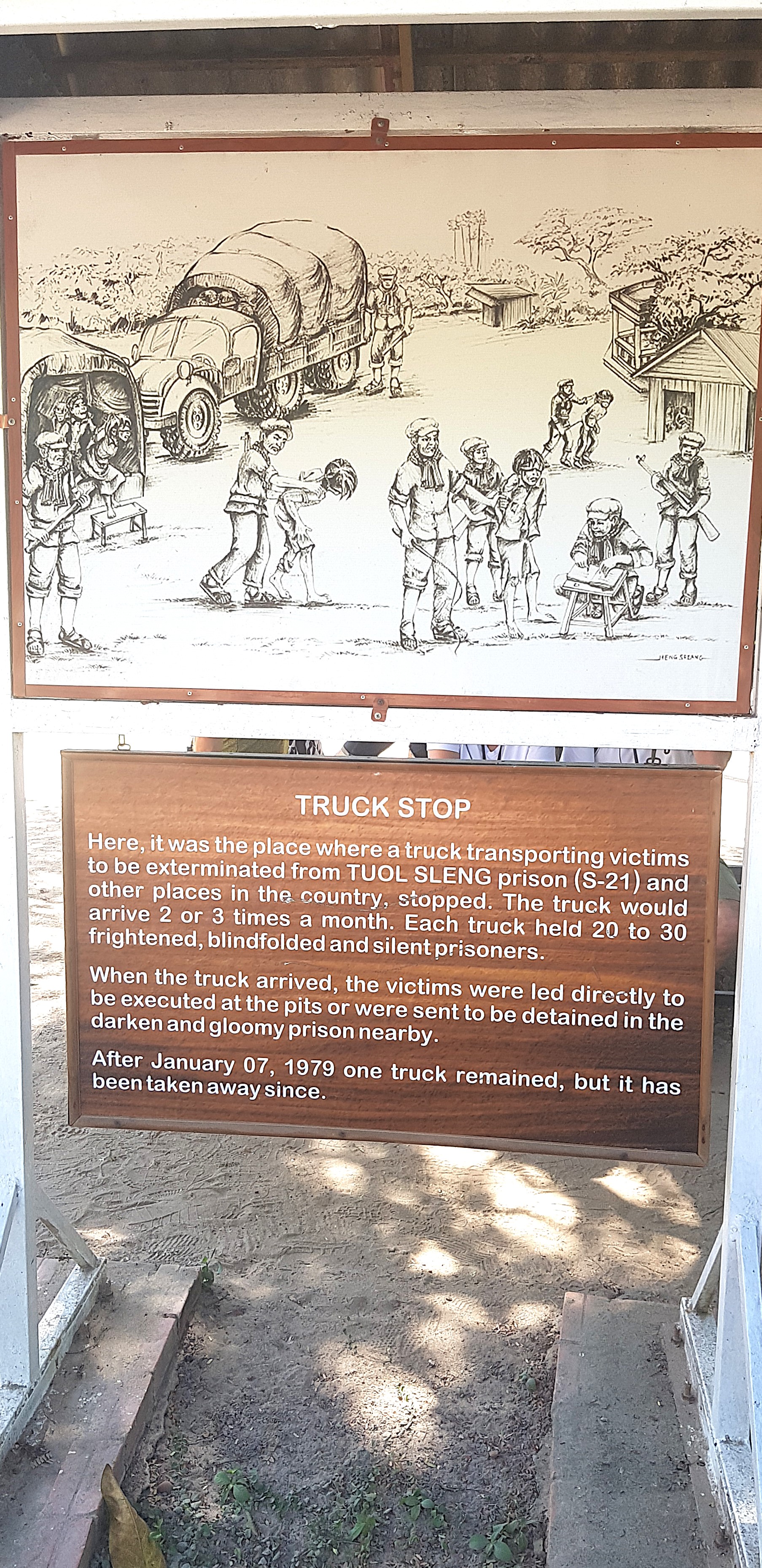
Eerie silence, where once the blaring music of loudspeakers hanging from the top of a tree drowned out the screams of the tortured and dying. Below: 1. the truck stop, where the victims were unloaded 2. mass grave under a lawn 3. mass grave of children and their mothers, …
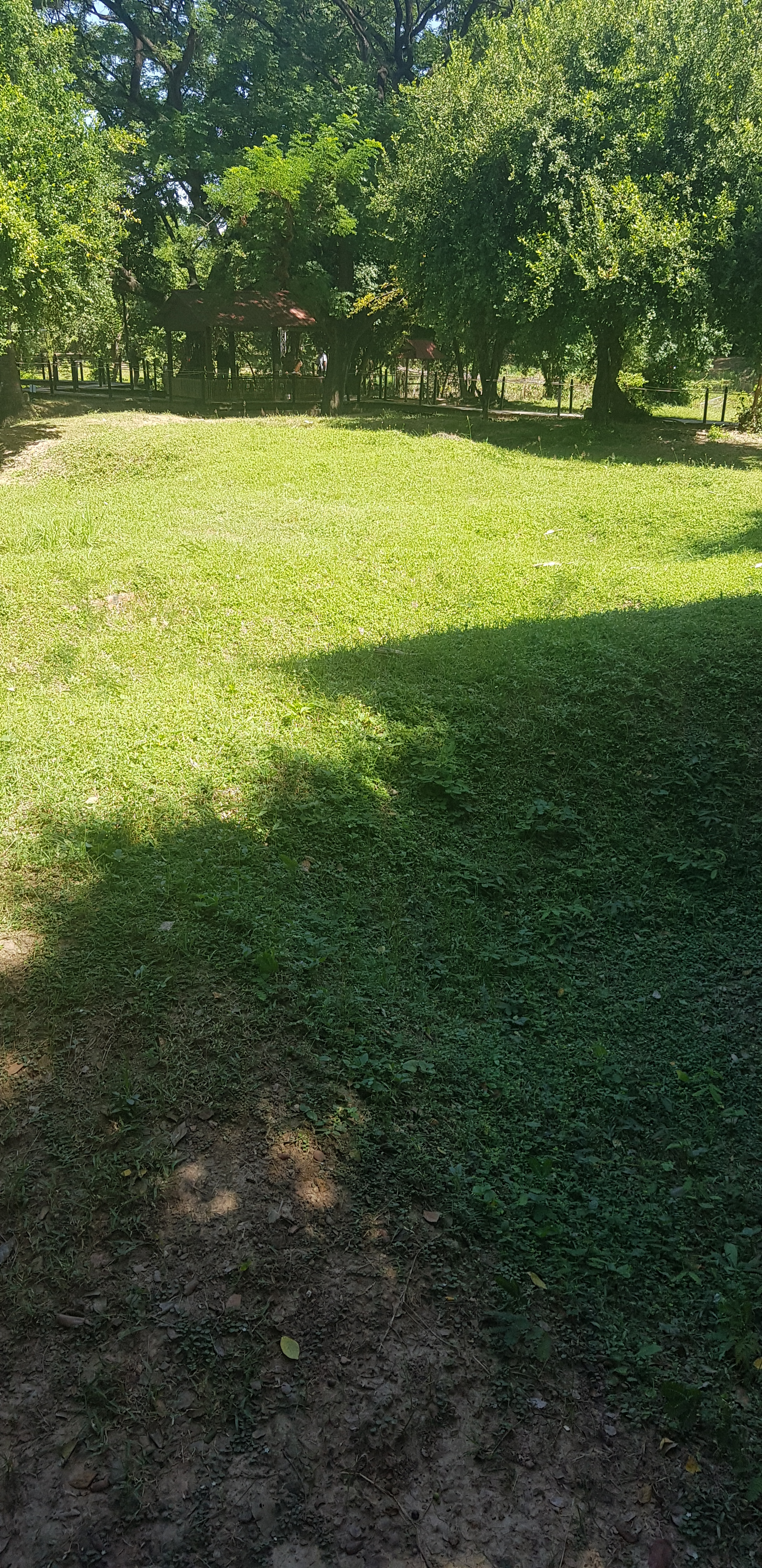
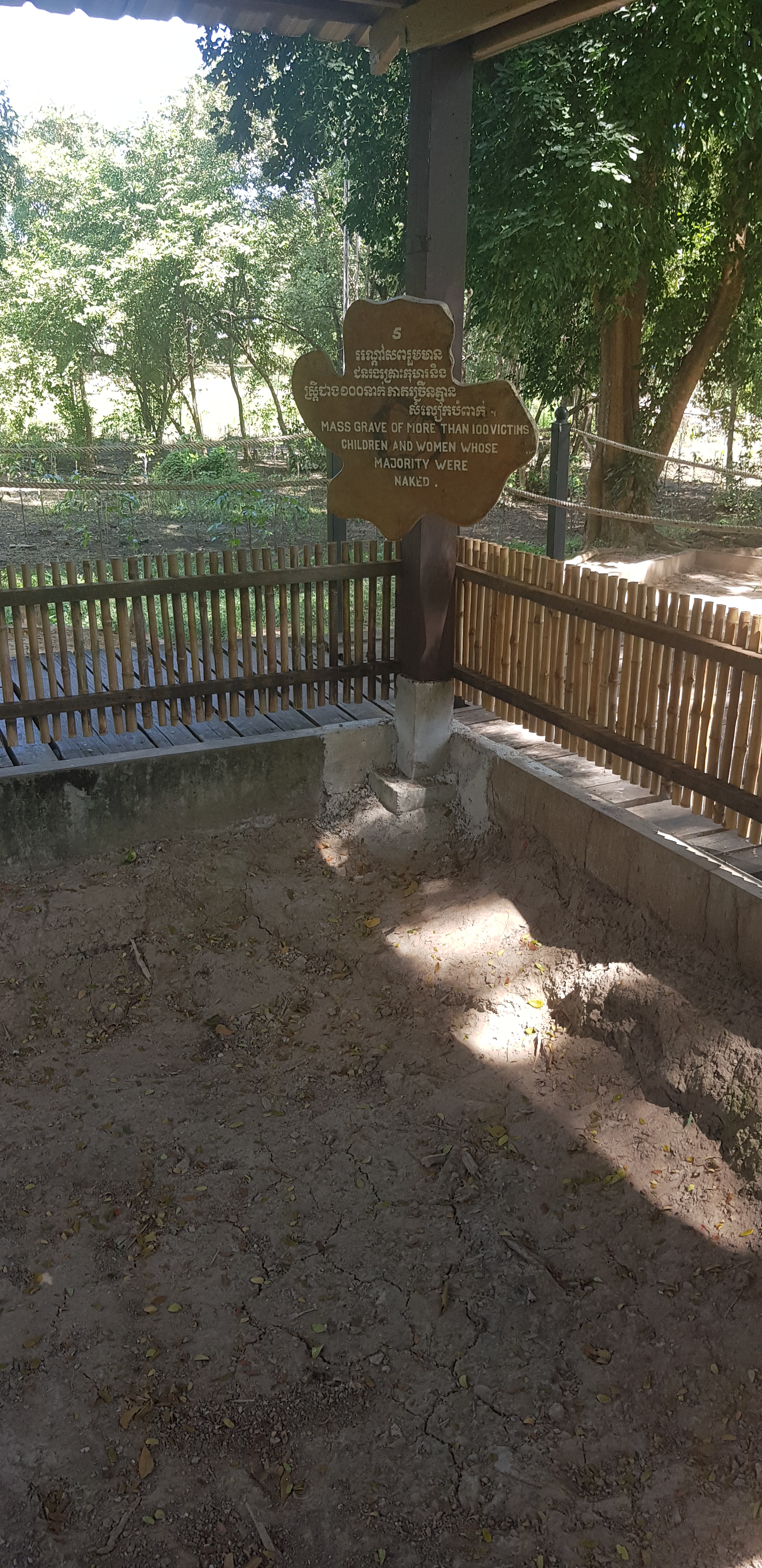
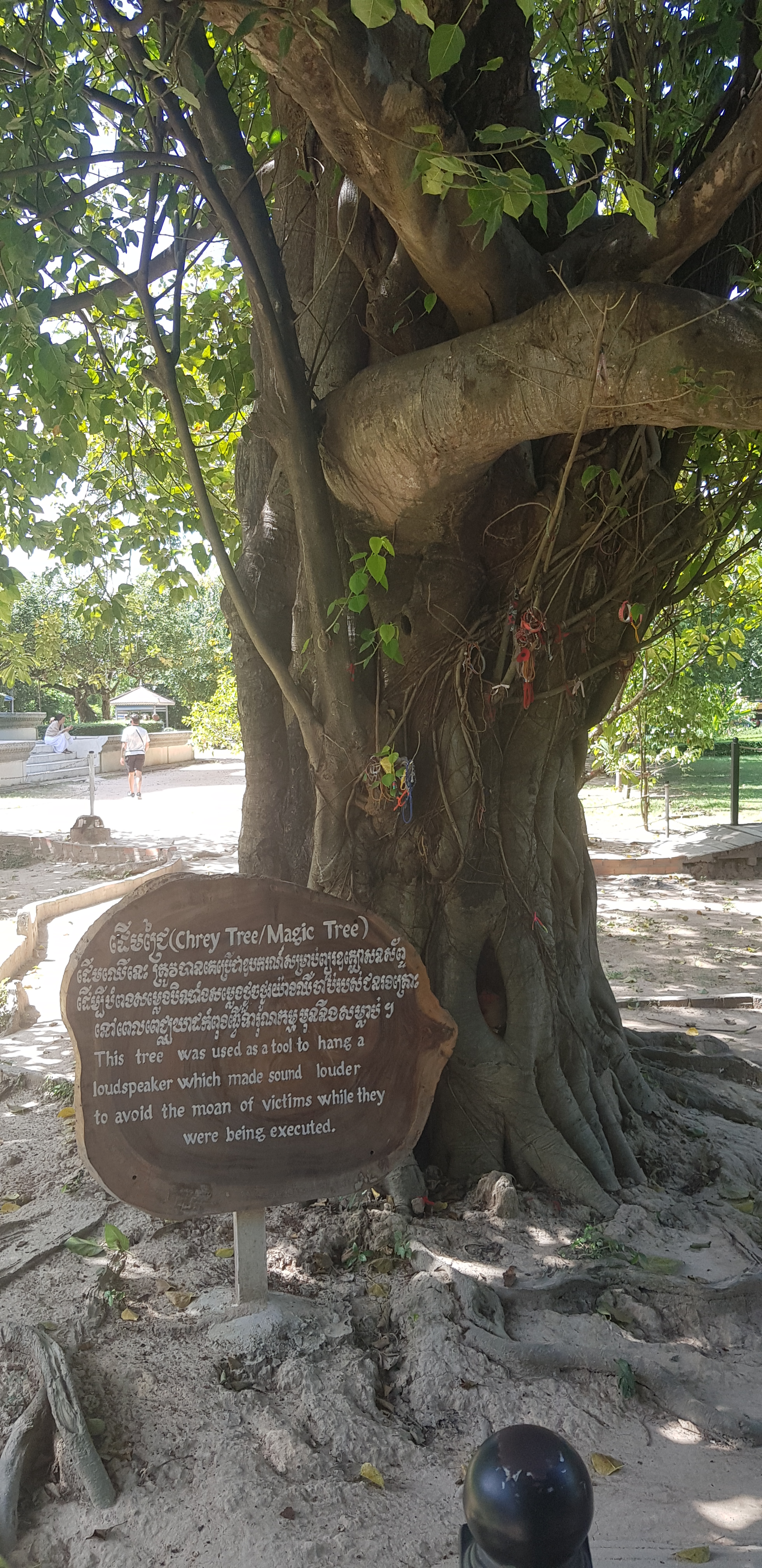
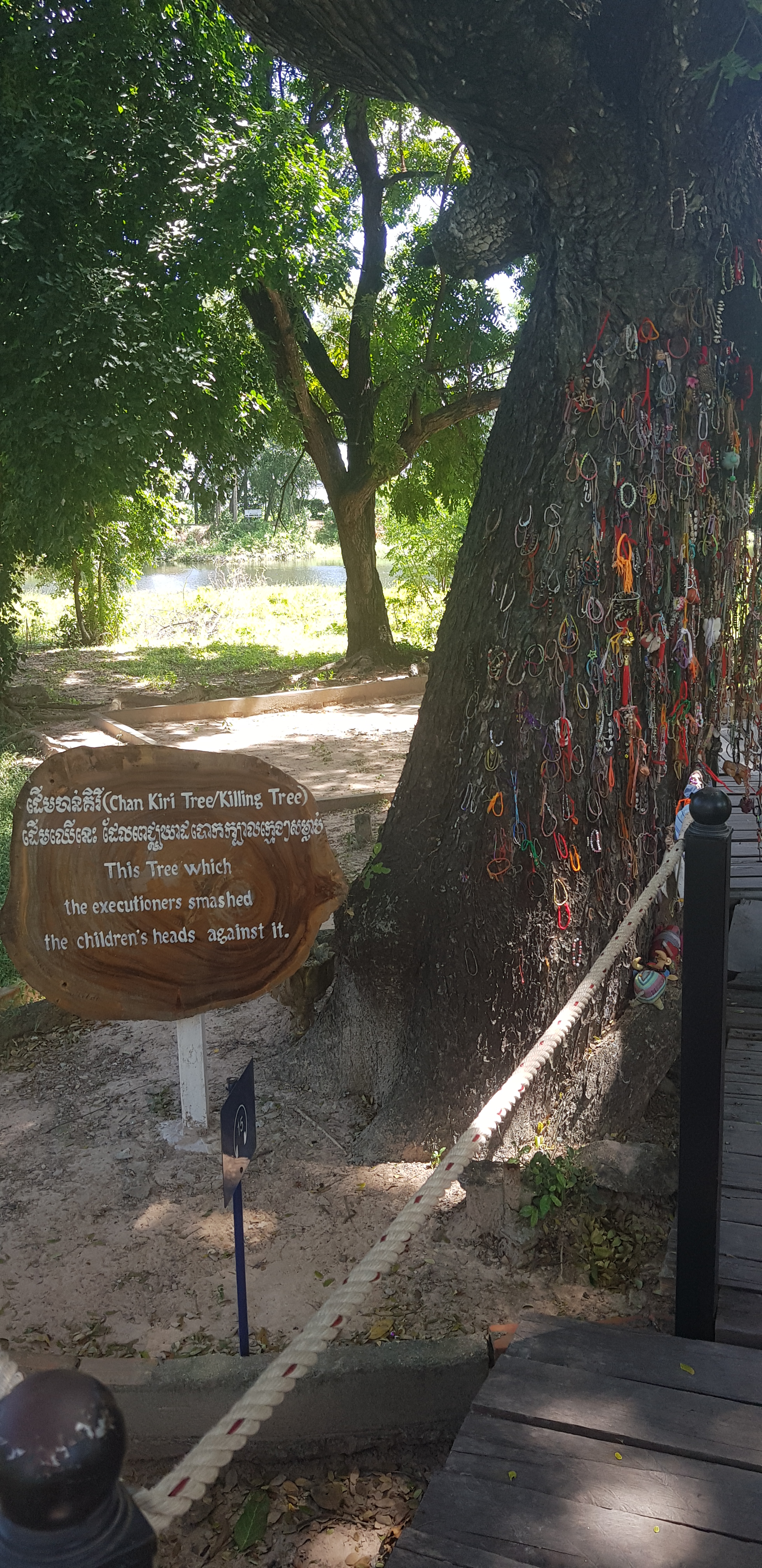
(above) … 4. the tree from which the loudspeakers were hanging and 5. the tree which was used to commit unimaginably ferocious crimes.
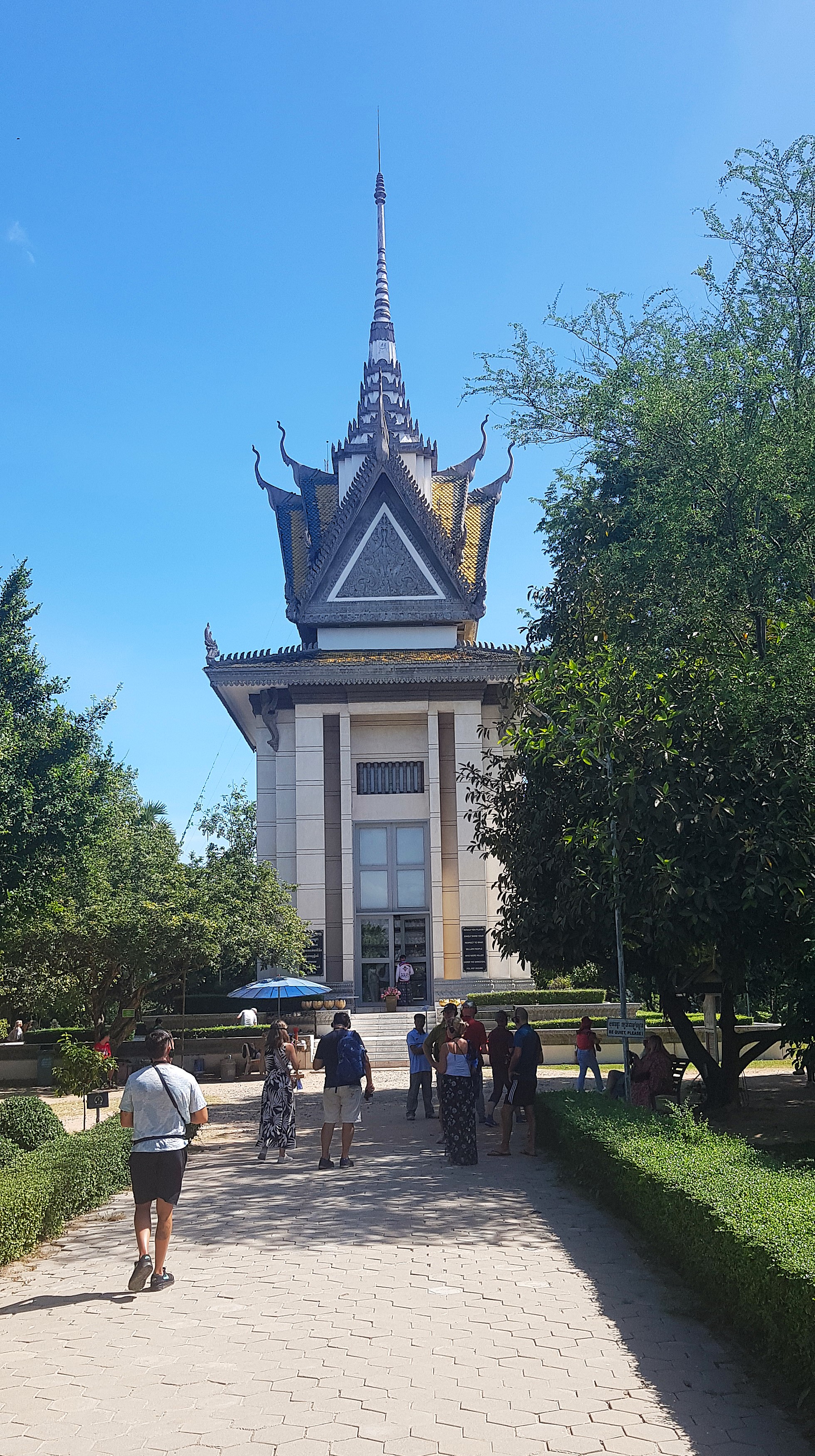
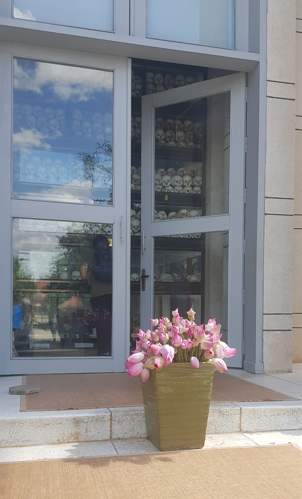
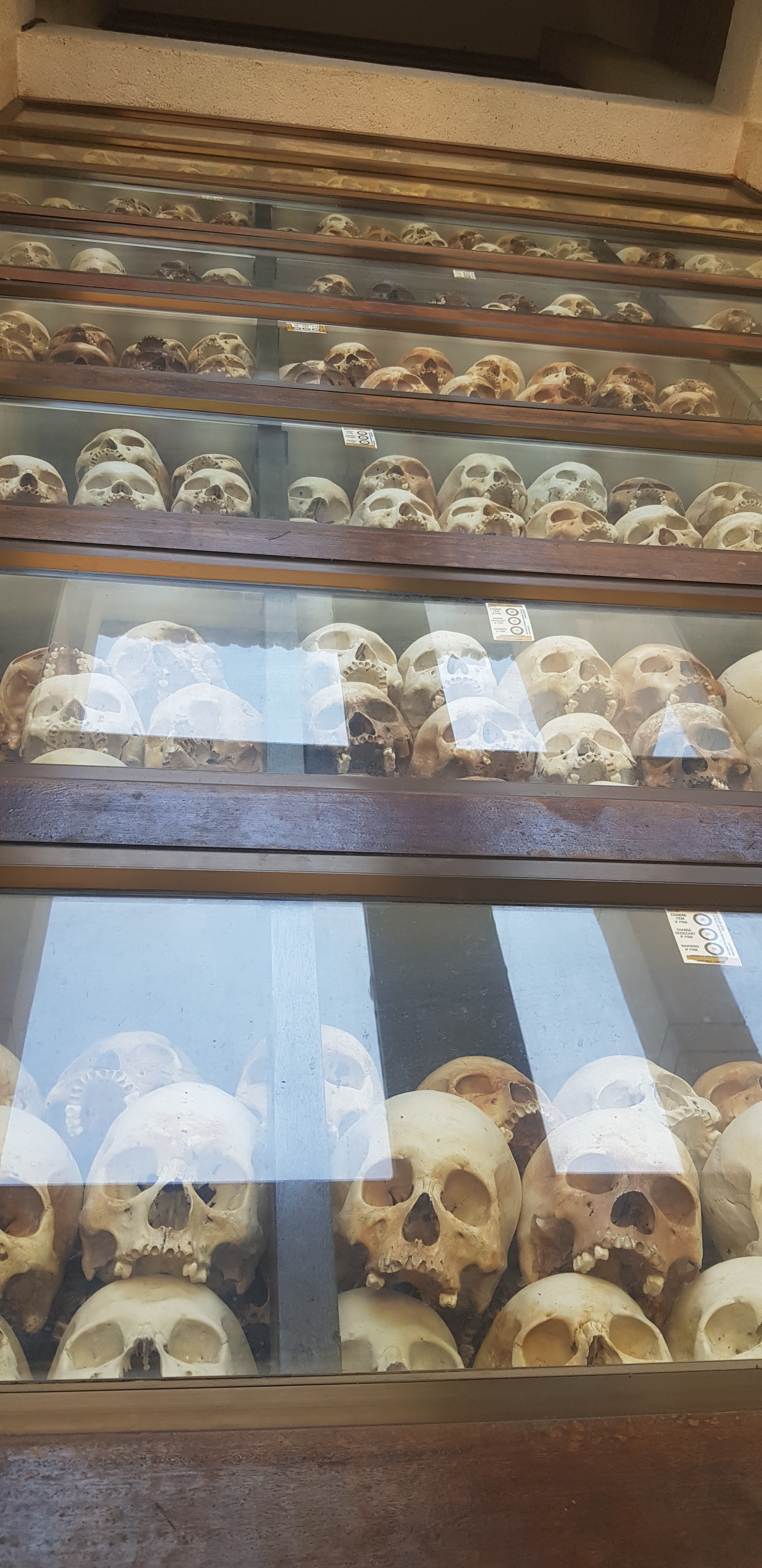
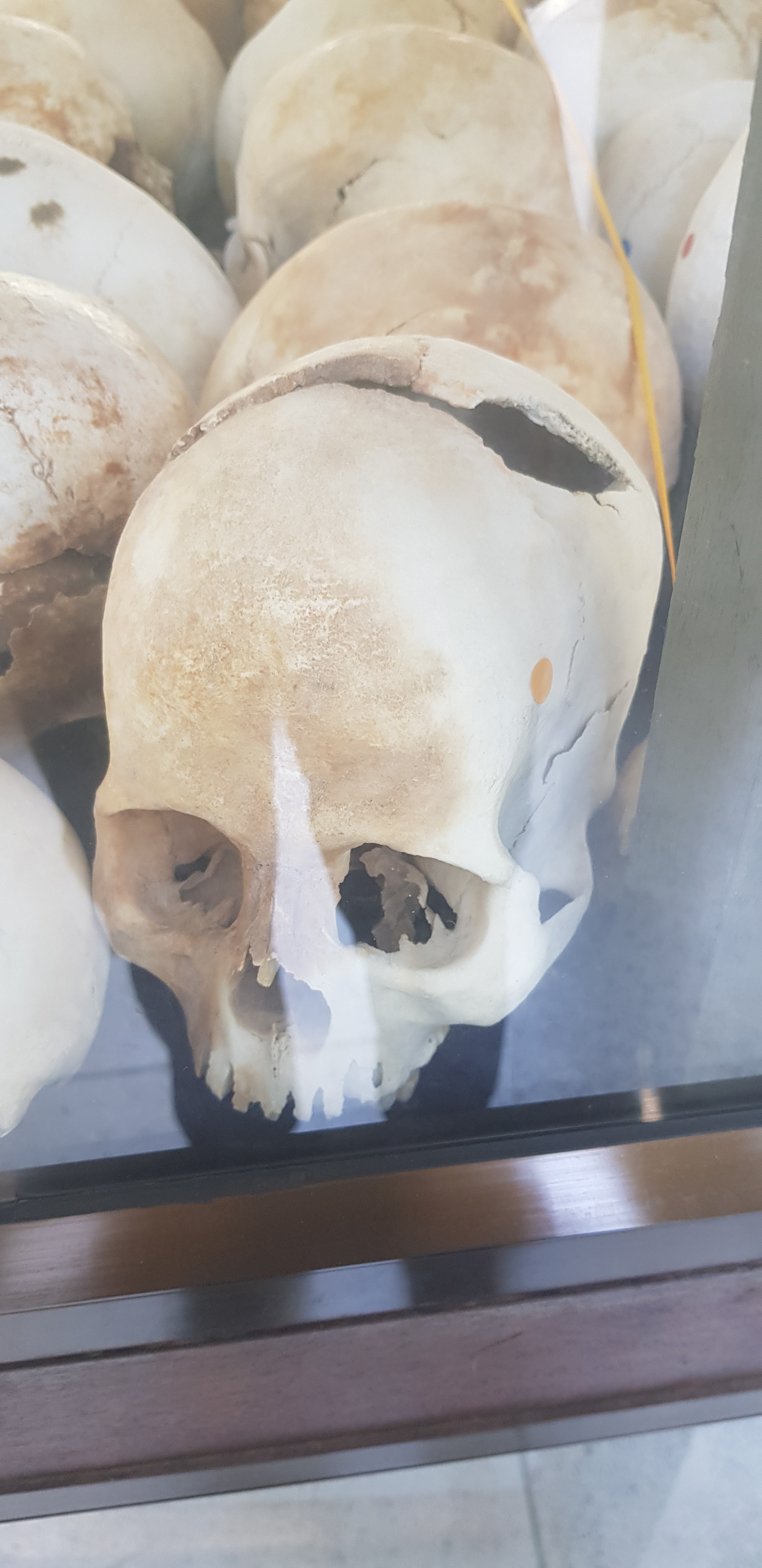
The stupa is filled with skulls and bones up to the top. No need to be a forensic scientist to know, how the people were killed. As you walk around the stupa you hear a faint melodic sound. Leave a lotus flower to show your compassion. And pray “never again”, as always.
&&&&&&&&&&&&&&&&&&&&&&&&&&&&&&&&&&&&&&&&&&&&&&&&&&&&&&&&&&
Cheers: feeling like Christmas and birthday and winning the jackpot, all in one day
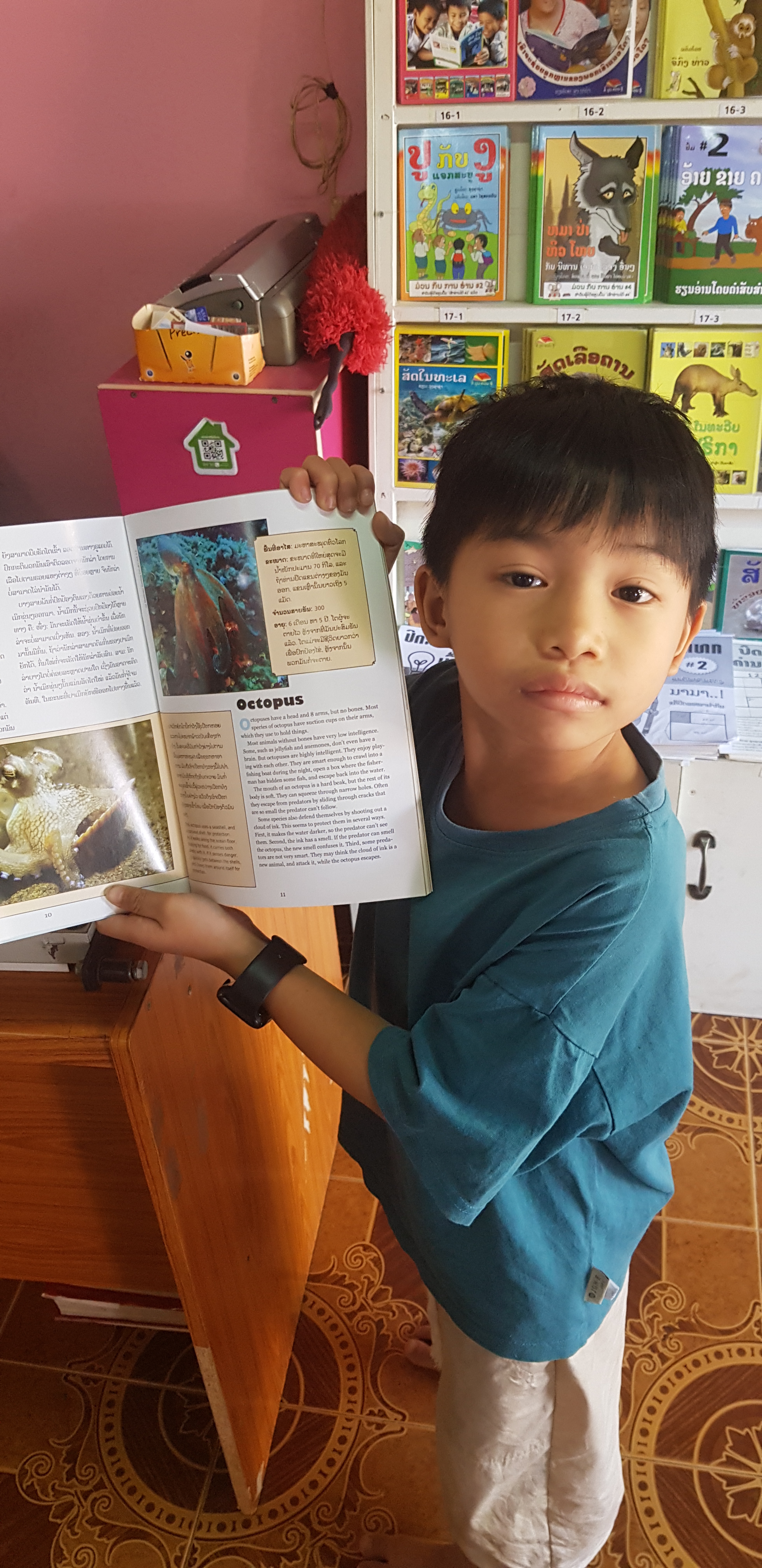
It all started with Big Brother Mouse, a book shop in Luang Prabang with the aim to promote reading among the Lao population. And soon the owners began something new: a centre for English conversation practice, where young Laotians and English speaking tourists could meet, sit down together and talk to each other. Between our lessons we went there and talked to students, monks and everyone who wanted to improve their English. It really helps, not only the local students, also the visitors from abroad. You don’t have to be a mother tongue English speaker and you learn a lot about your holiday country. And sometimes a very good student and a very generous sponsor find each other.
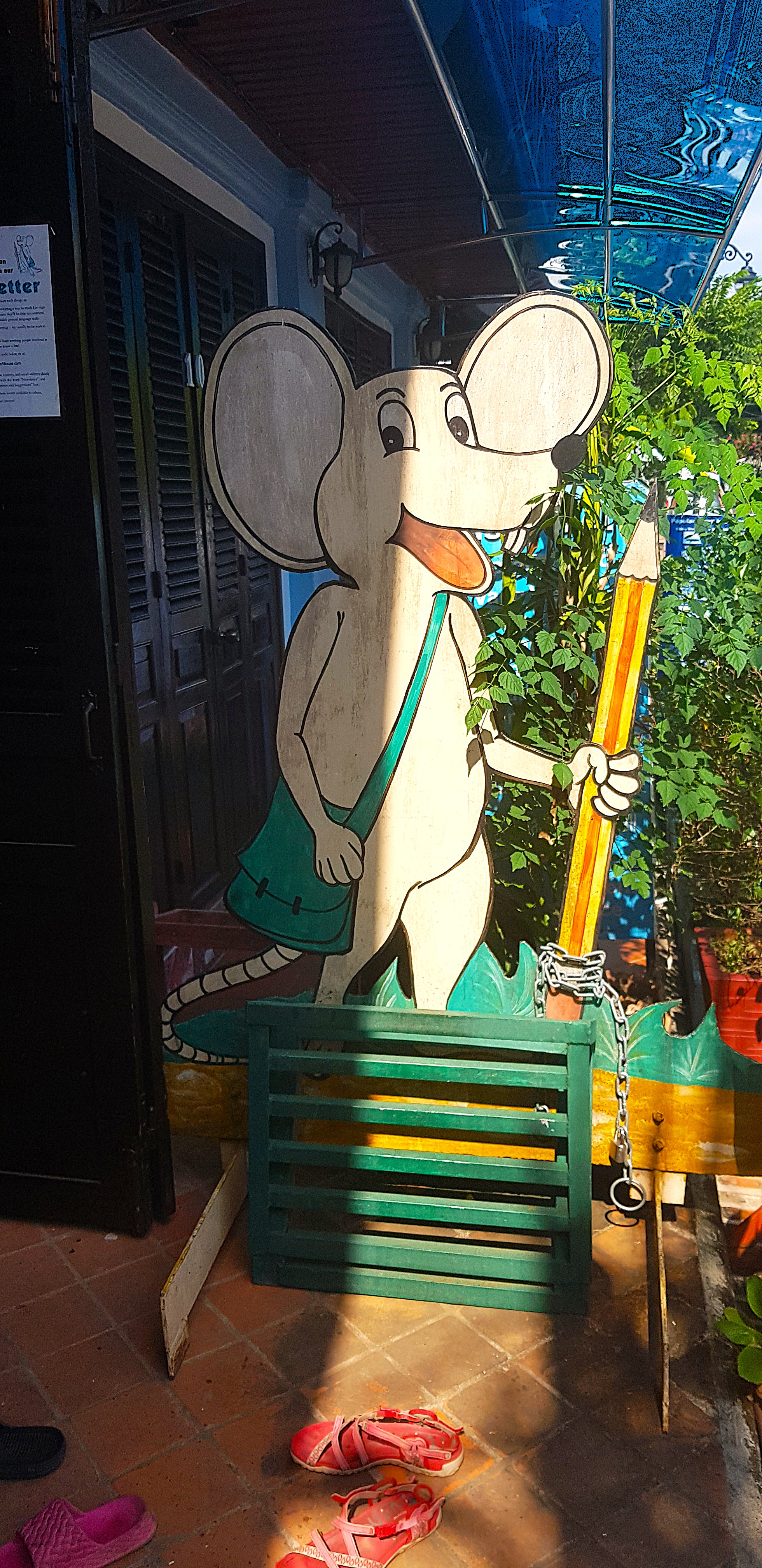
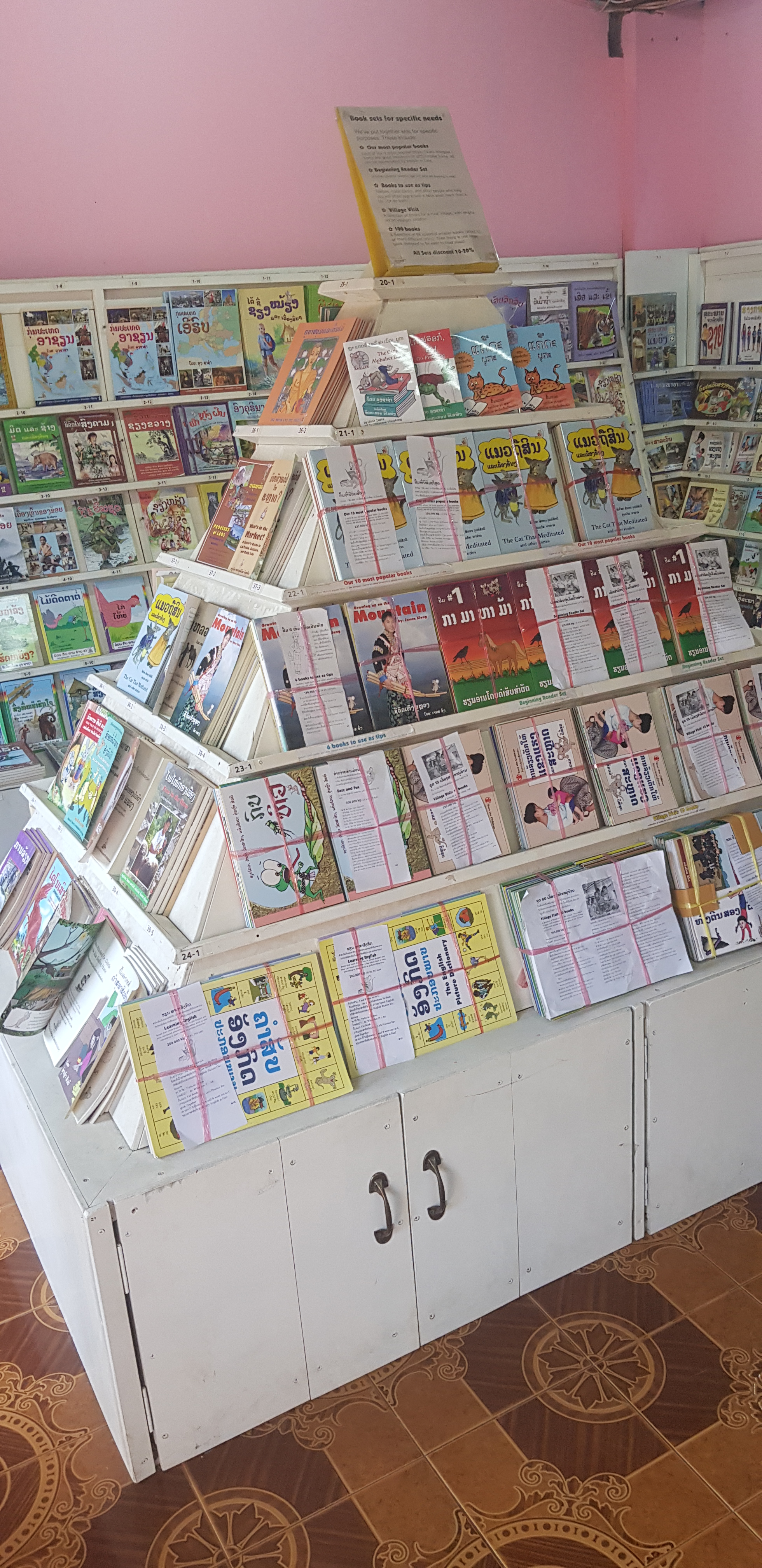
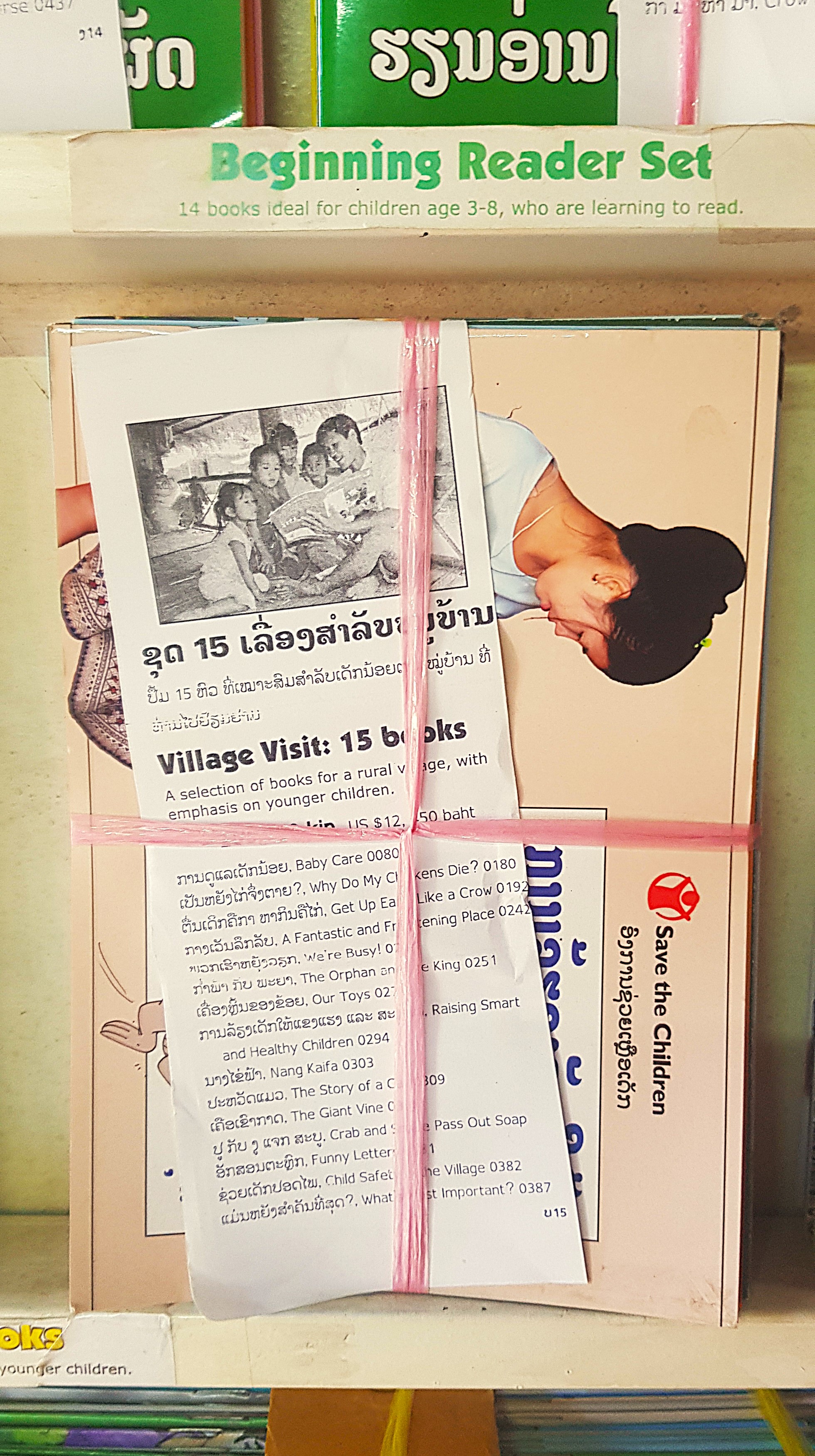
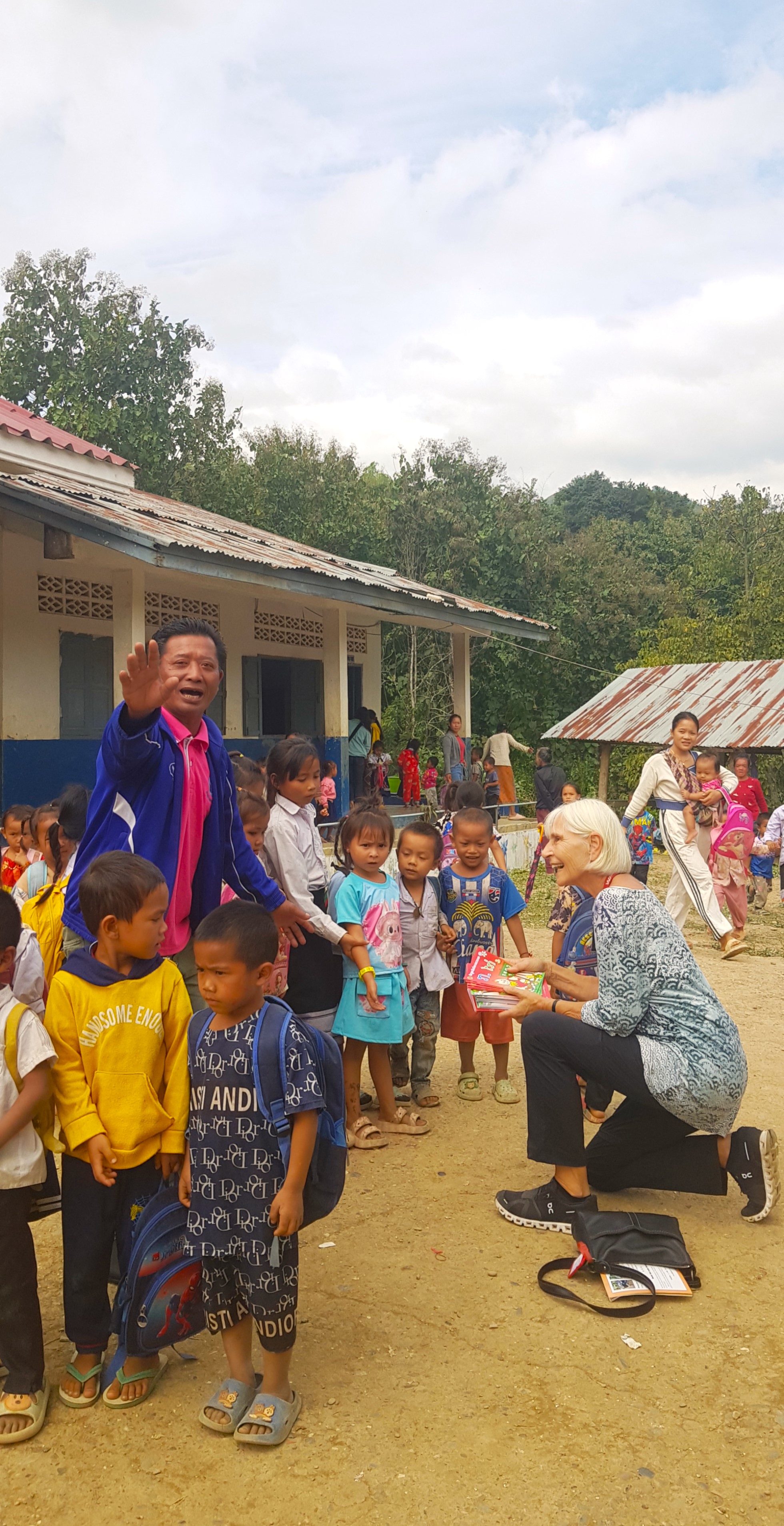
That’s where I saw the packs of books. The idea is to get the books to the children in the country side where there is neither a school library, nor a book shop. What you need is a sponsor who buys a pile and sends it to a village school. I was immediately enthusiastic, but I wanted to take the books to a school myself. So the project coordinator of my volunteer group organised a car to travel to the village of Kacham, where there is a primary school and a kindergarten that take in children from three villages in the vicinity. Well-travelled friends of mine and a cousin liked my idea and sent me a generous amount of money. This enabled me to buy not only the book packs, but also exercise books for the whole school, even for the kindergarten. Thank you, dears, for helping me to have the best time of my life.
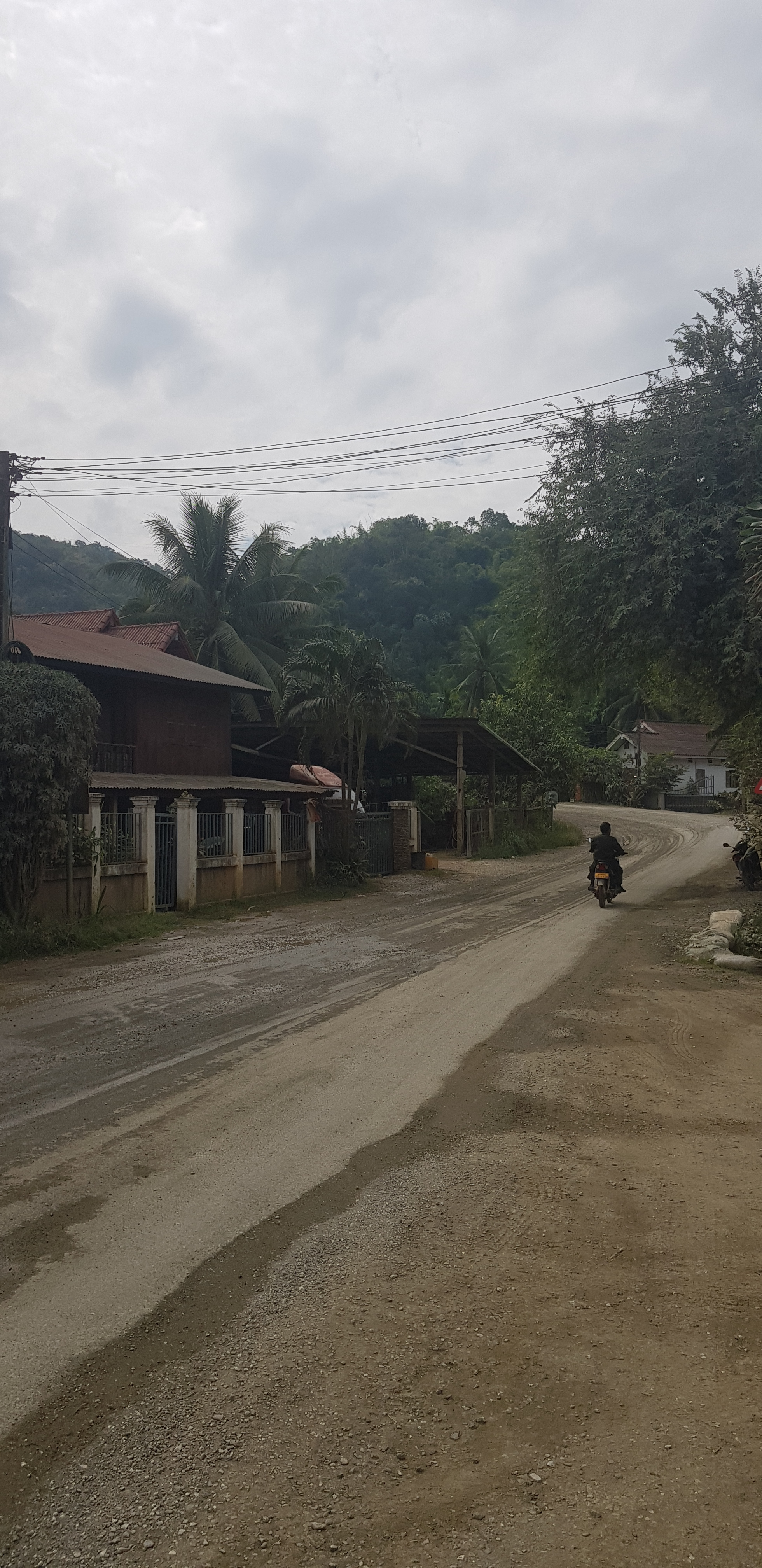
- going to Kacham Village: road in the country side 2. On our arrival the precious freight was unloaded in no time 3. pupils anxiously waiting for their exercise books (in front).
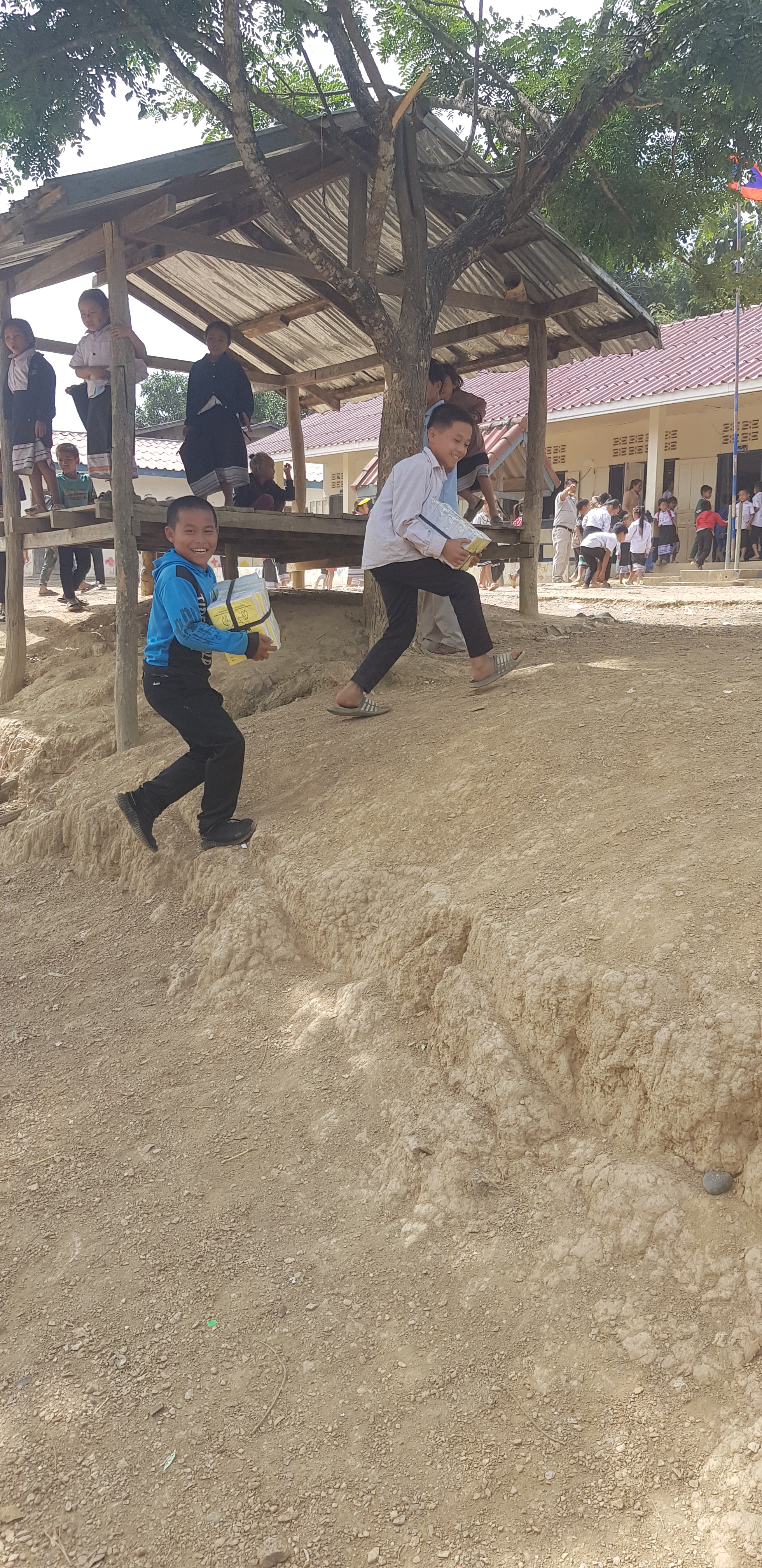
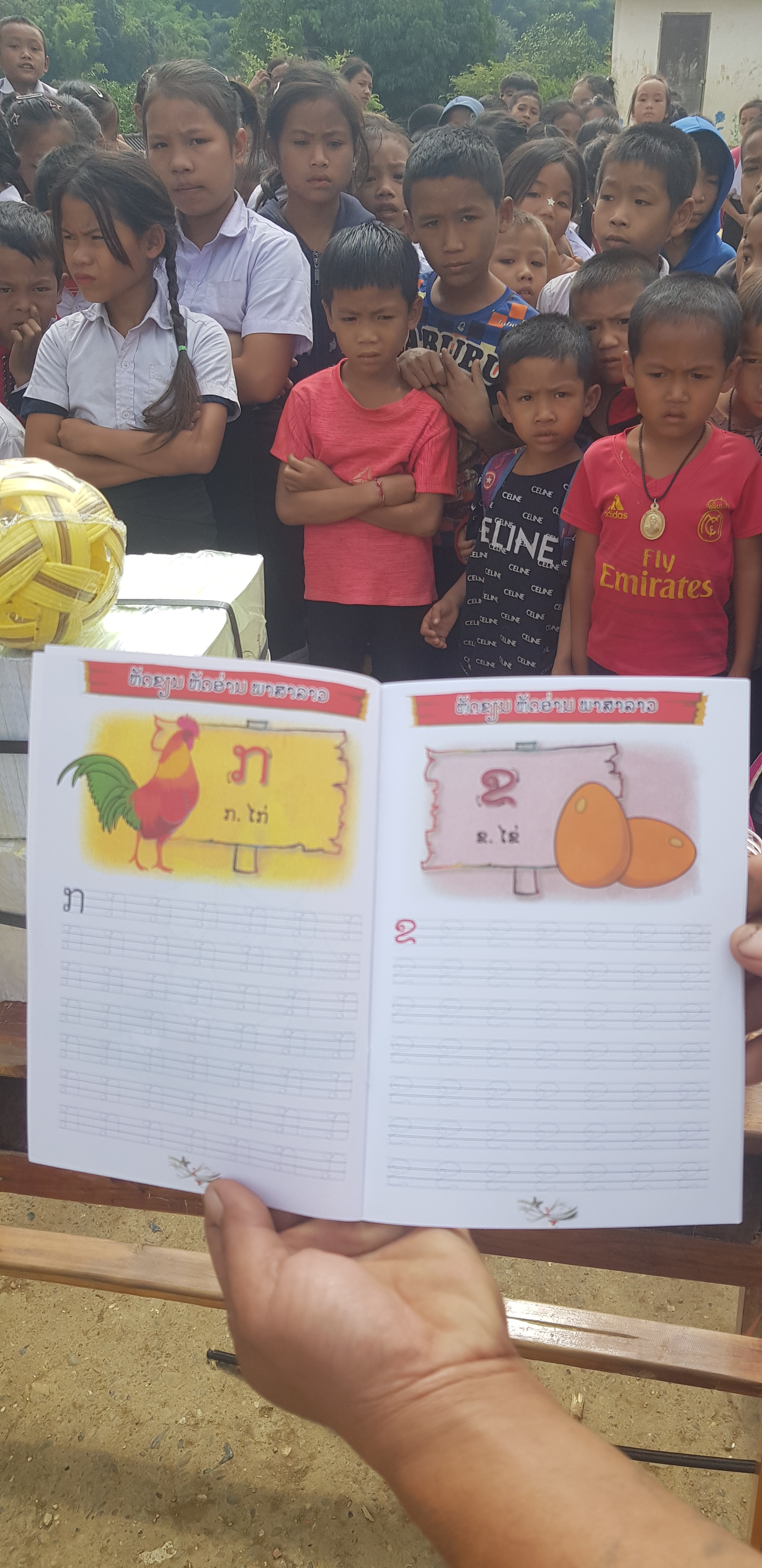
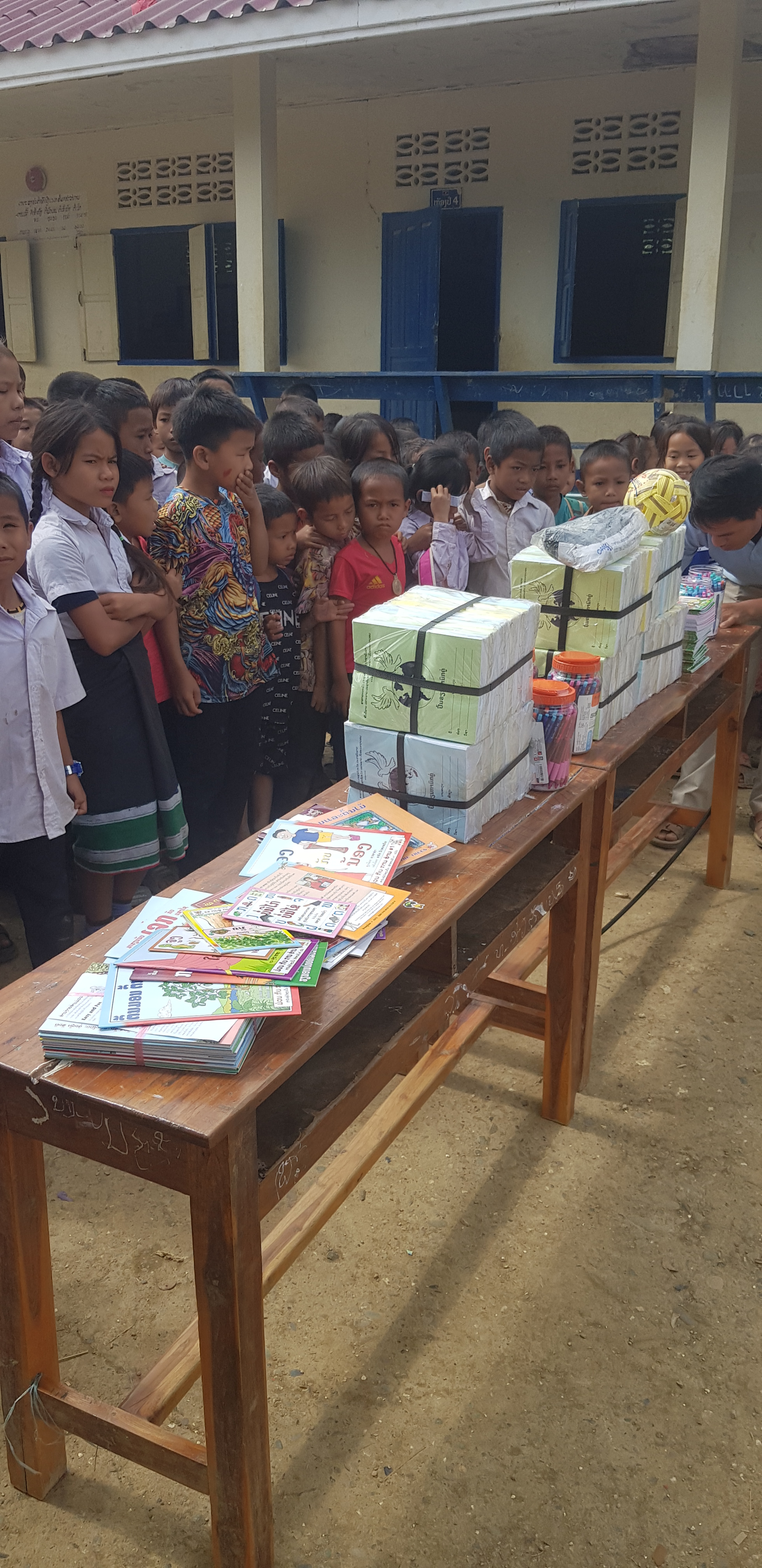
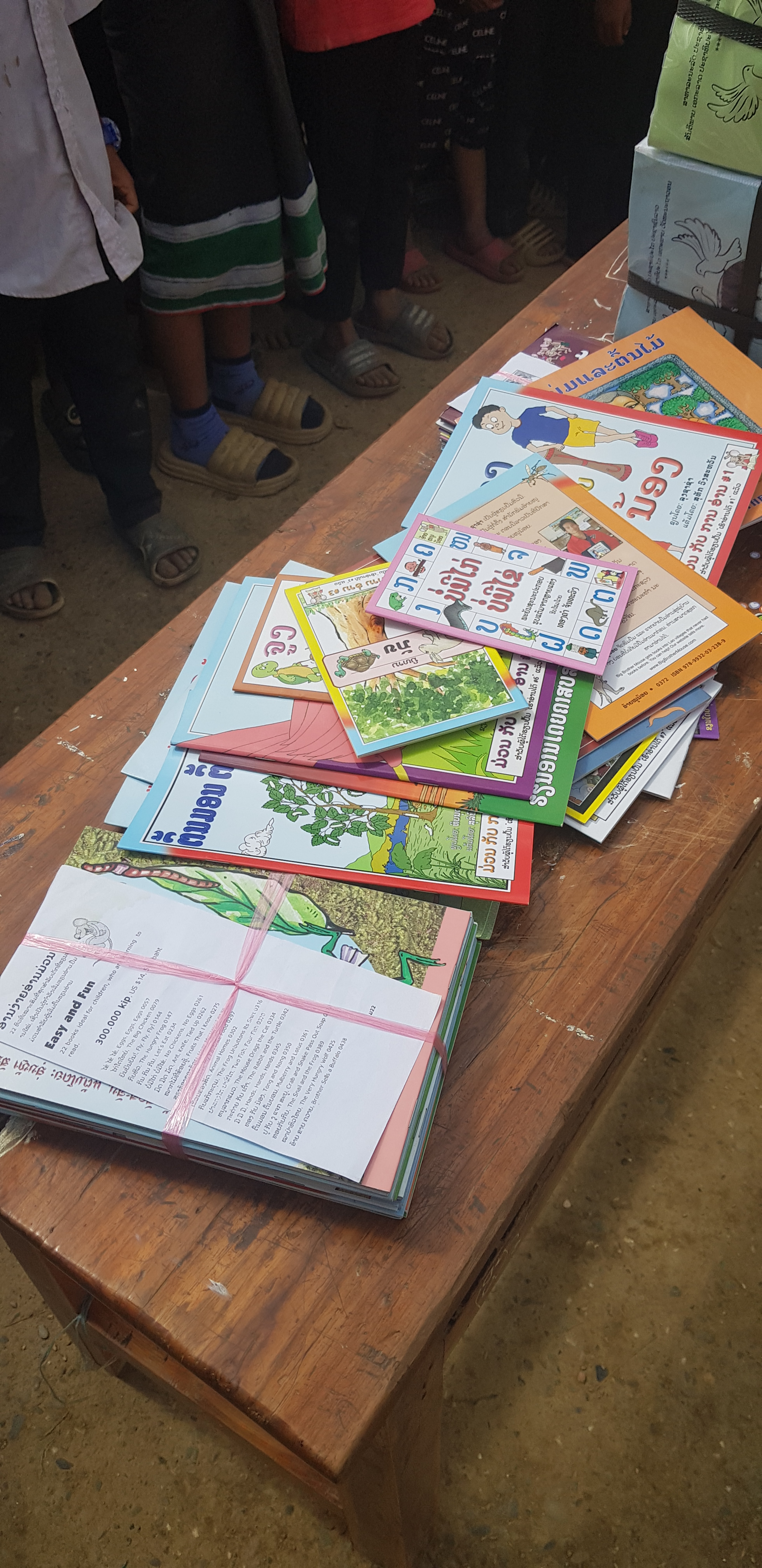
4. Is it a load of learning materials or is it a drop in the ocean? 5. No books in English, because they don’t have an English teacher. But they all know two words: “thank you!”
The Kindergarten: 1. I didn’t know the little ones didn’t have any toys at all 2. They are all so beautiful 3. getting organized to receive their booklets.

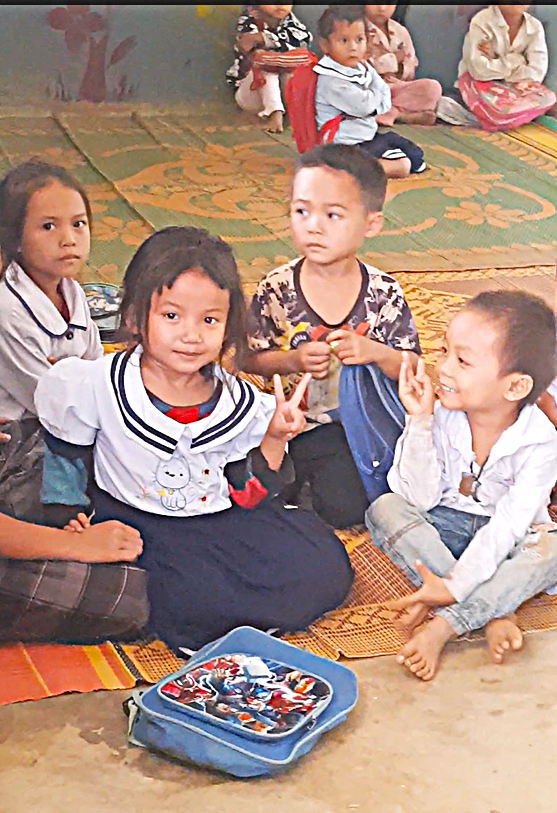
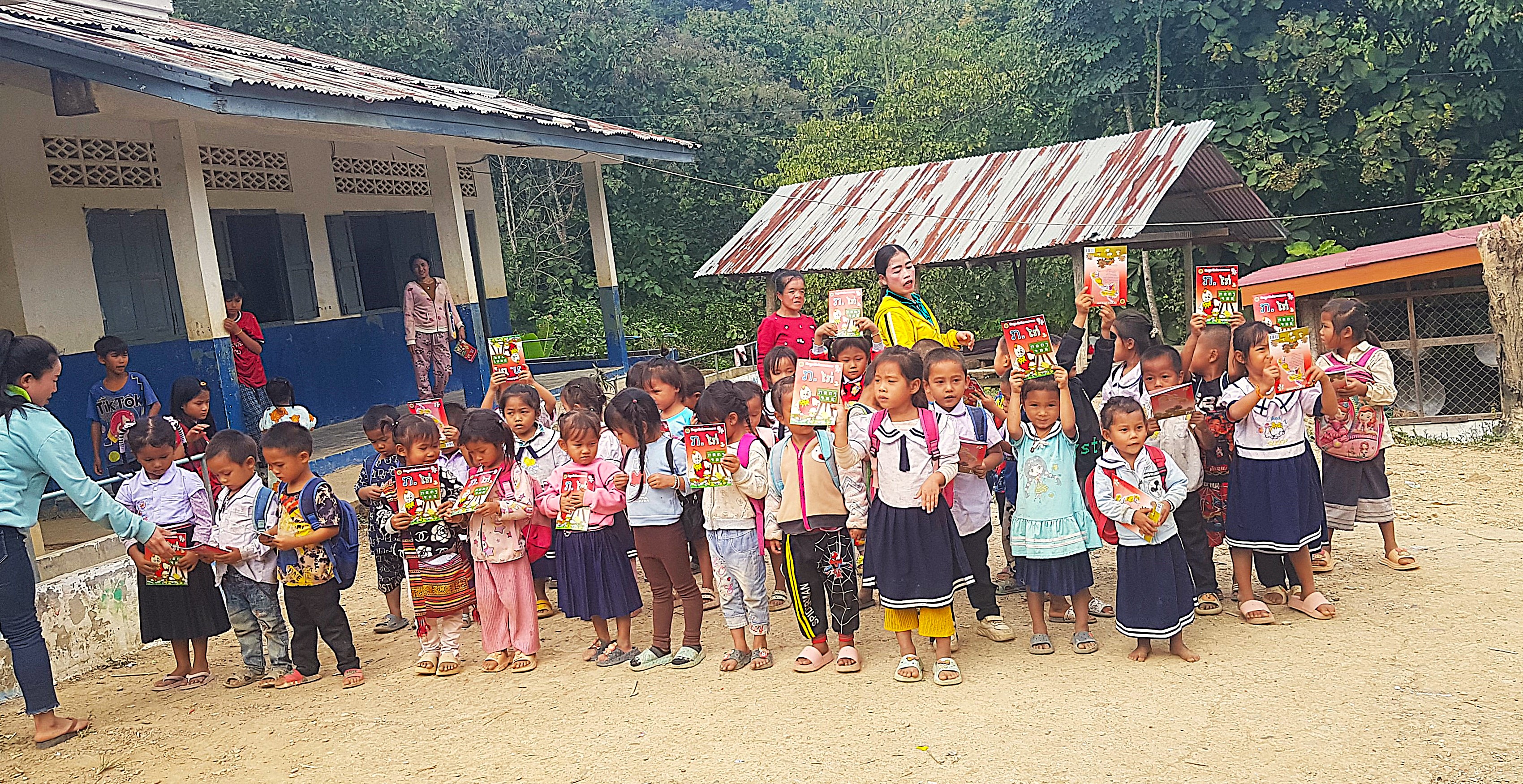
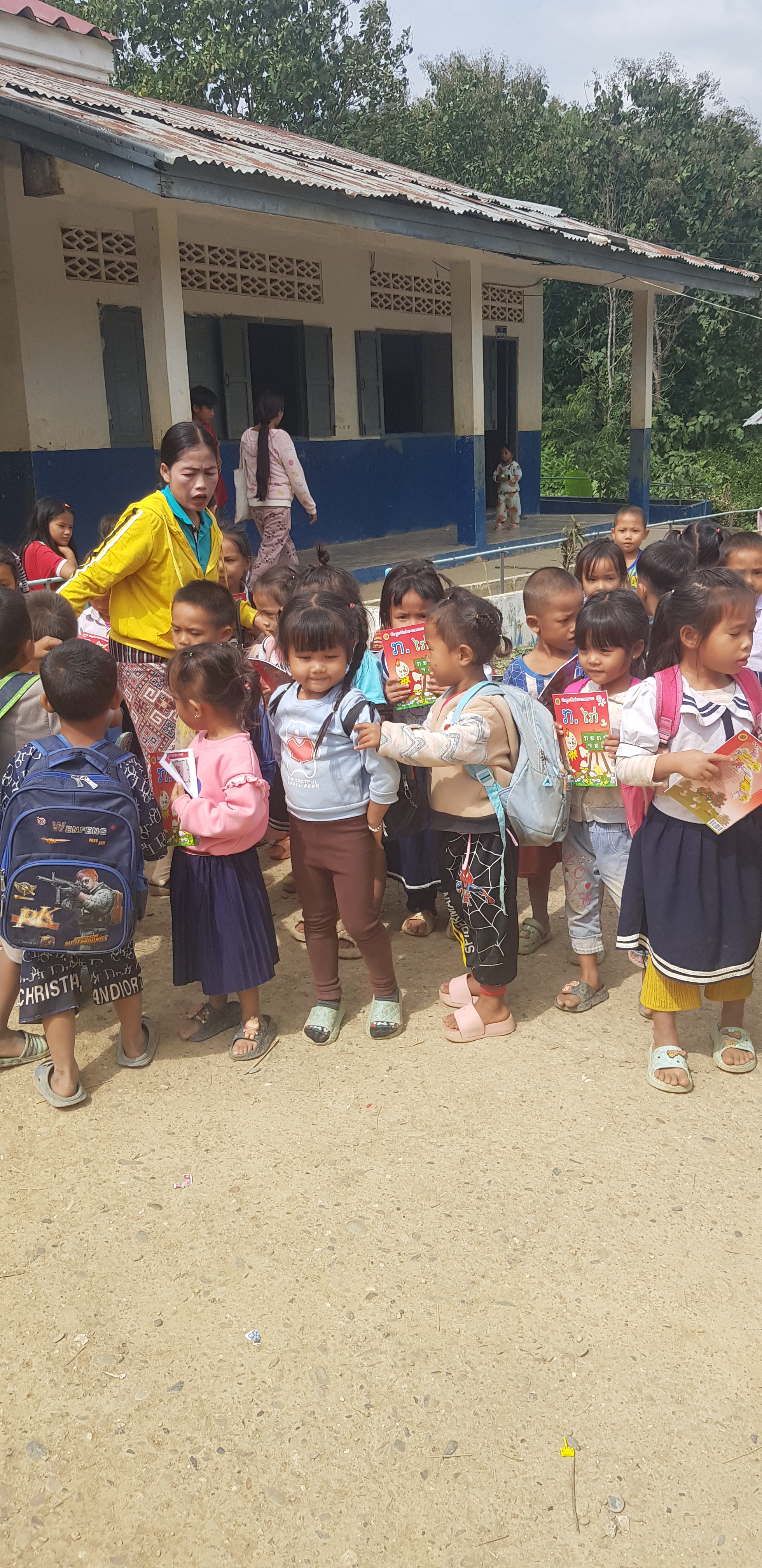
4. happily showing their booklets 5. No one goes home without his/her exercise book
The elementary school: 1. I help hand out hundreds of exercise books and pens 2. everybody is cheering under the Laotian flag.
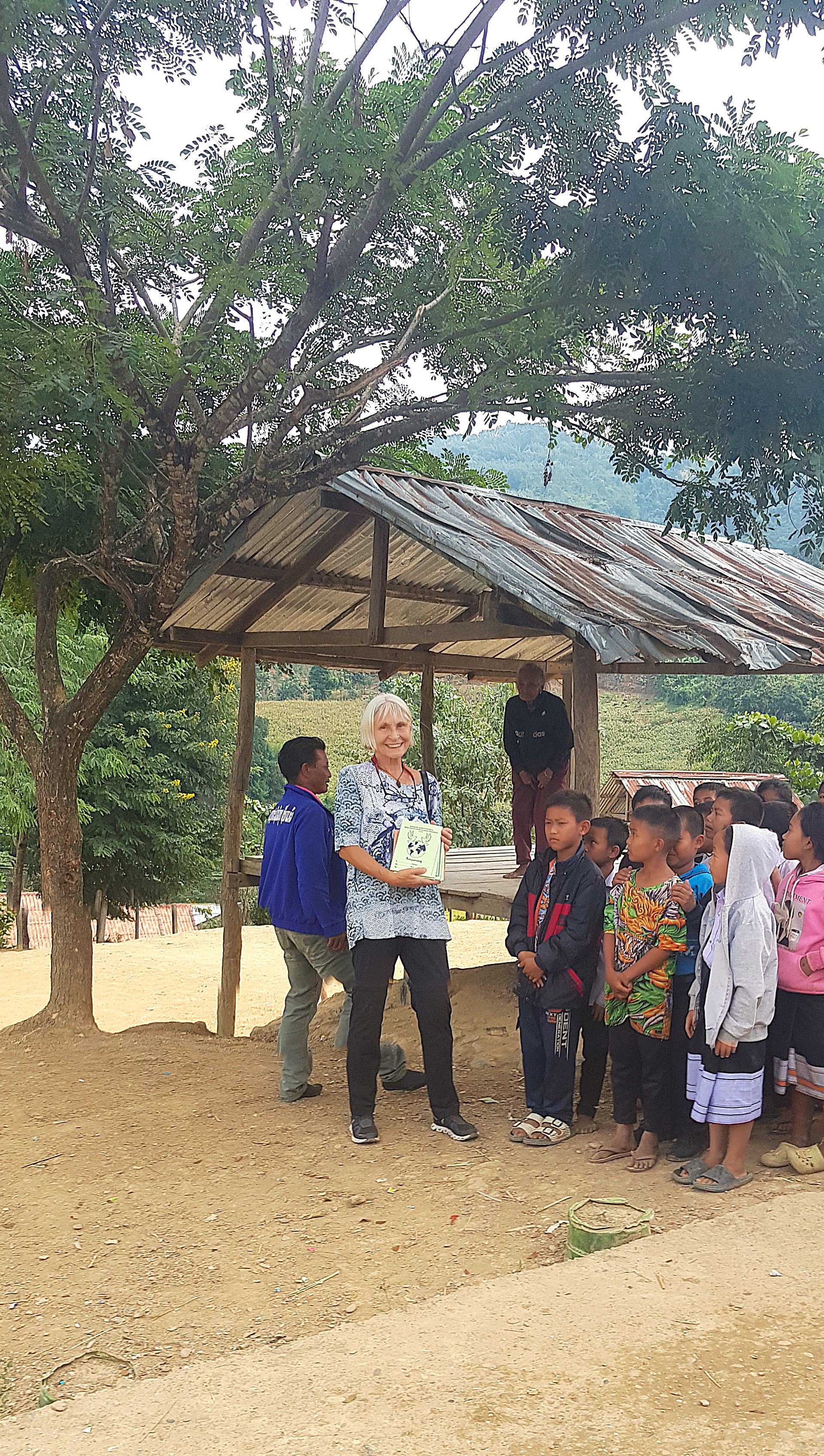
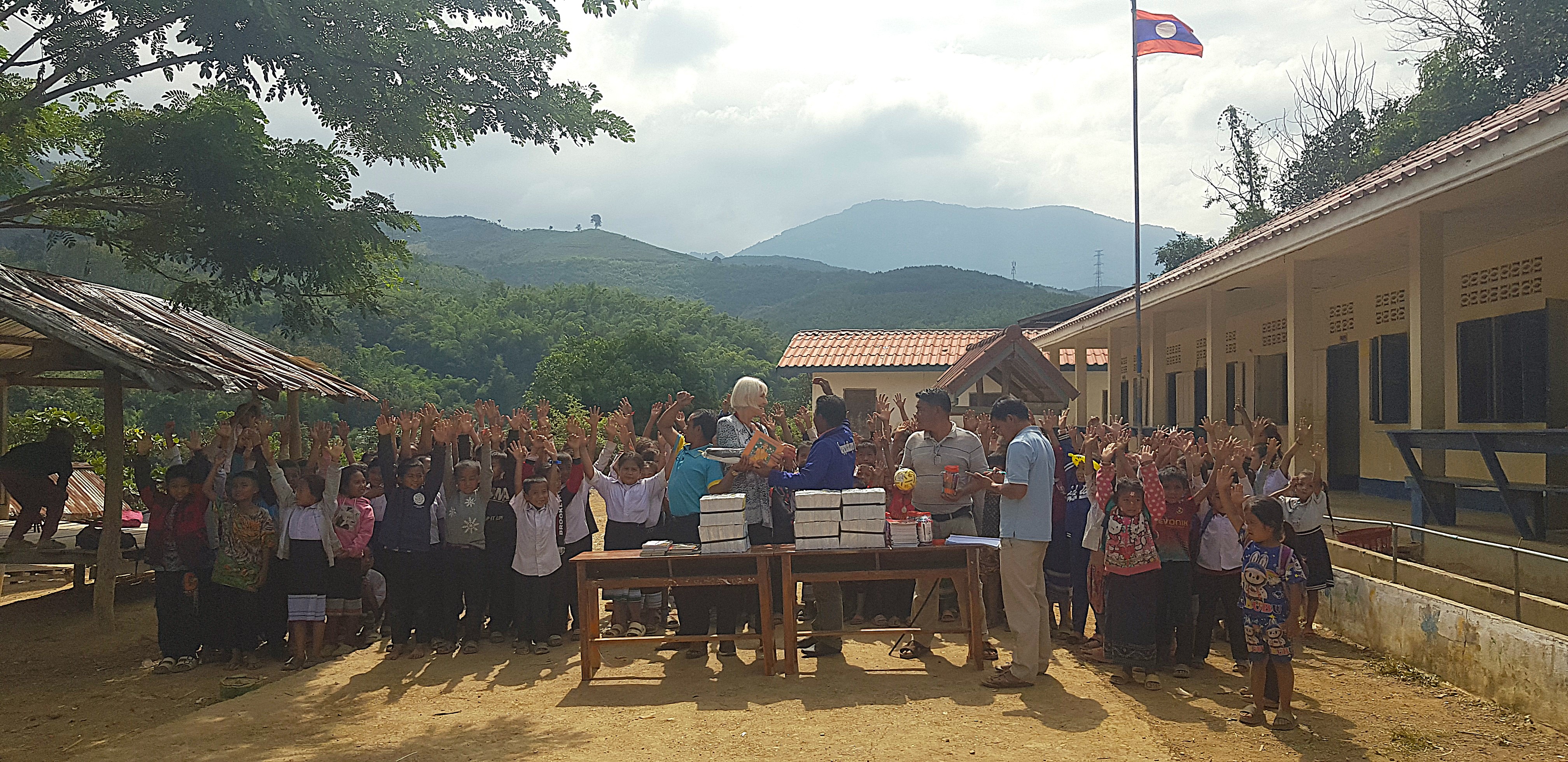
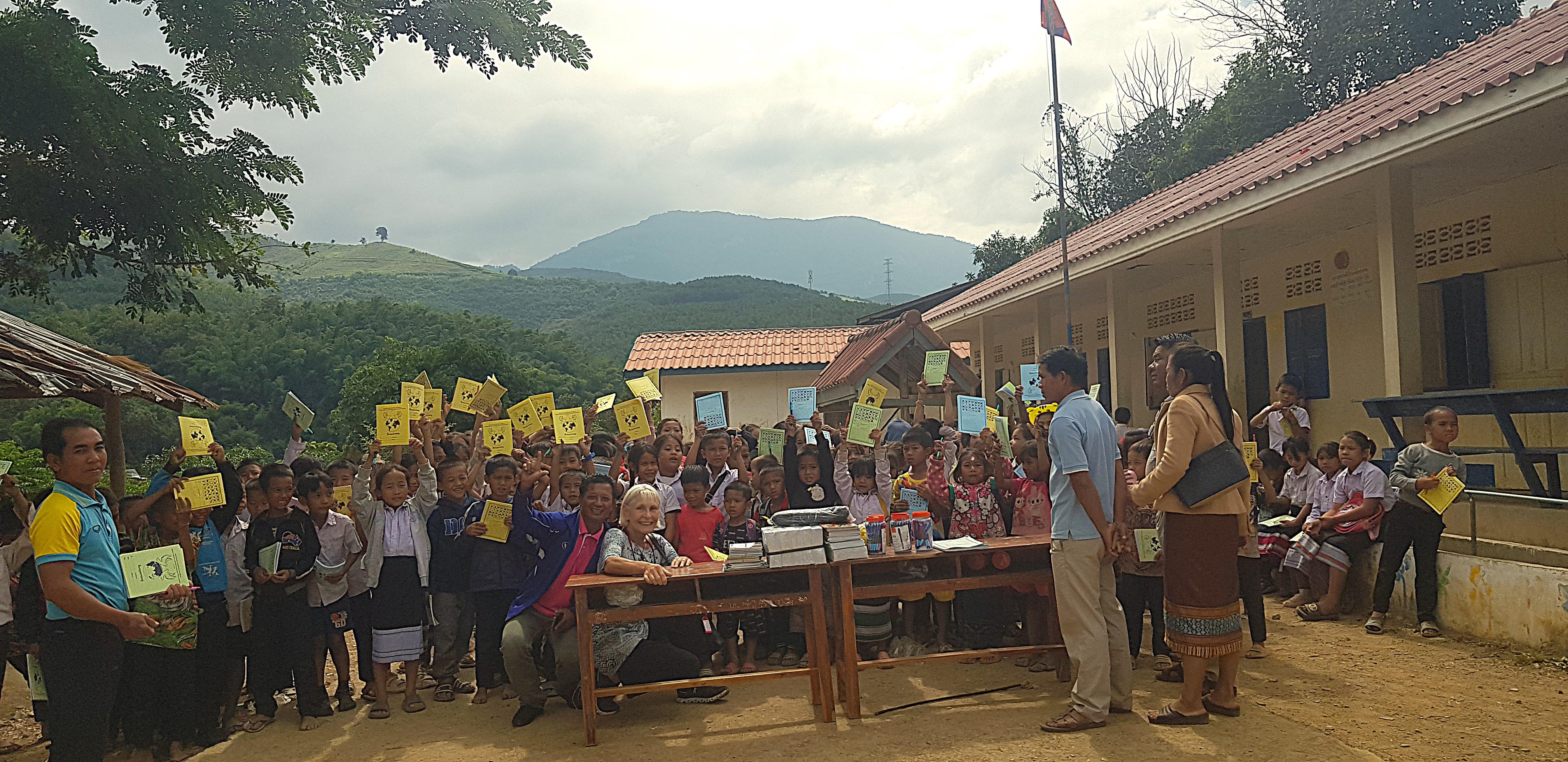
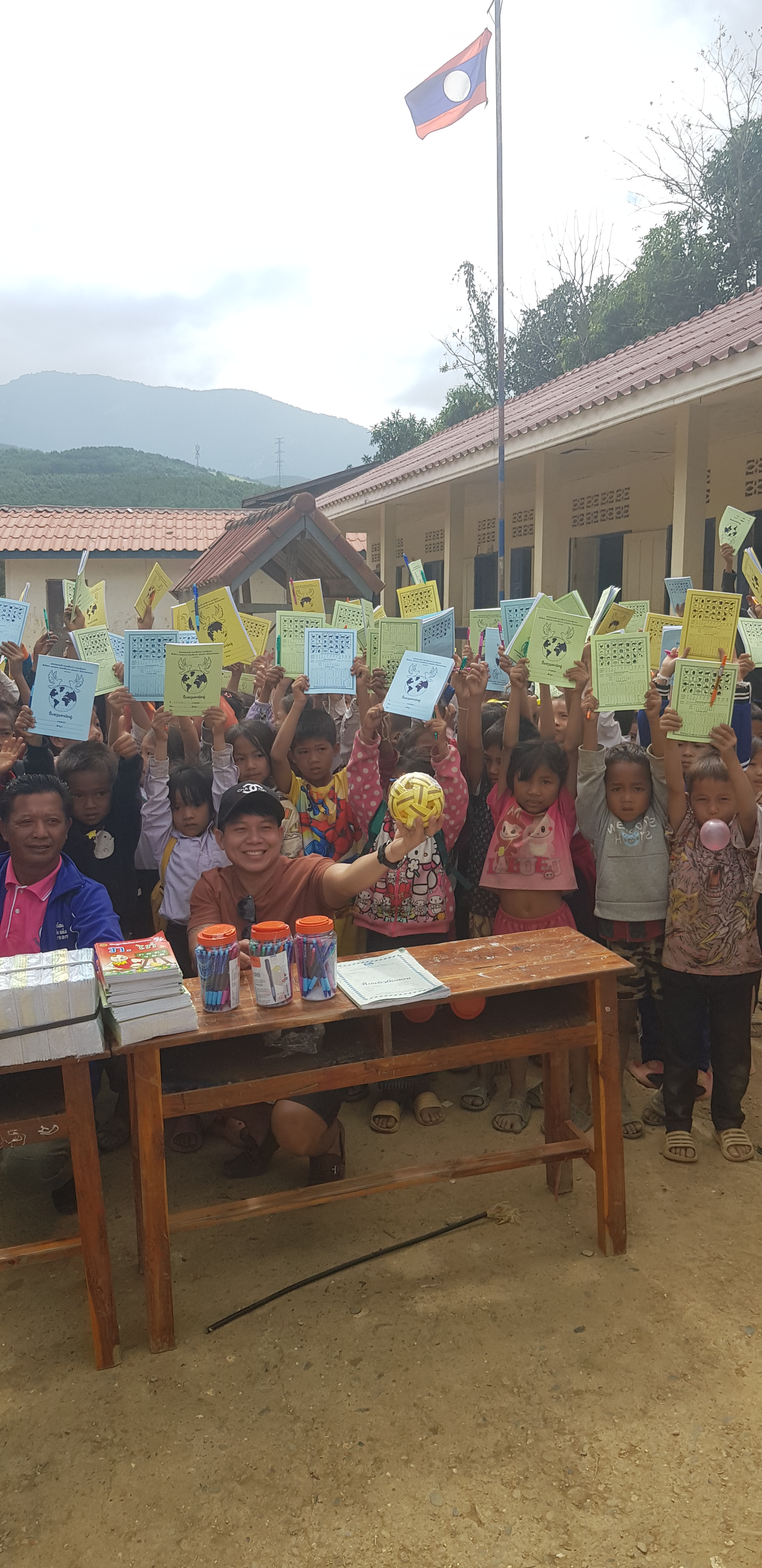
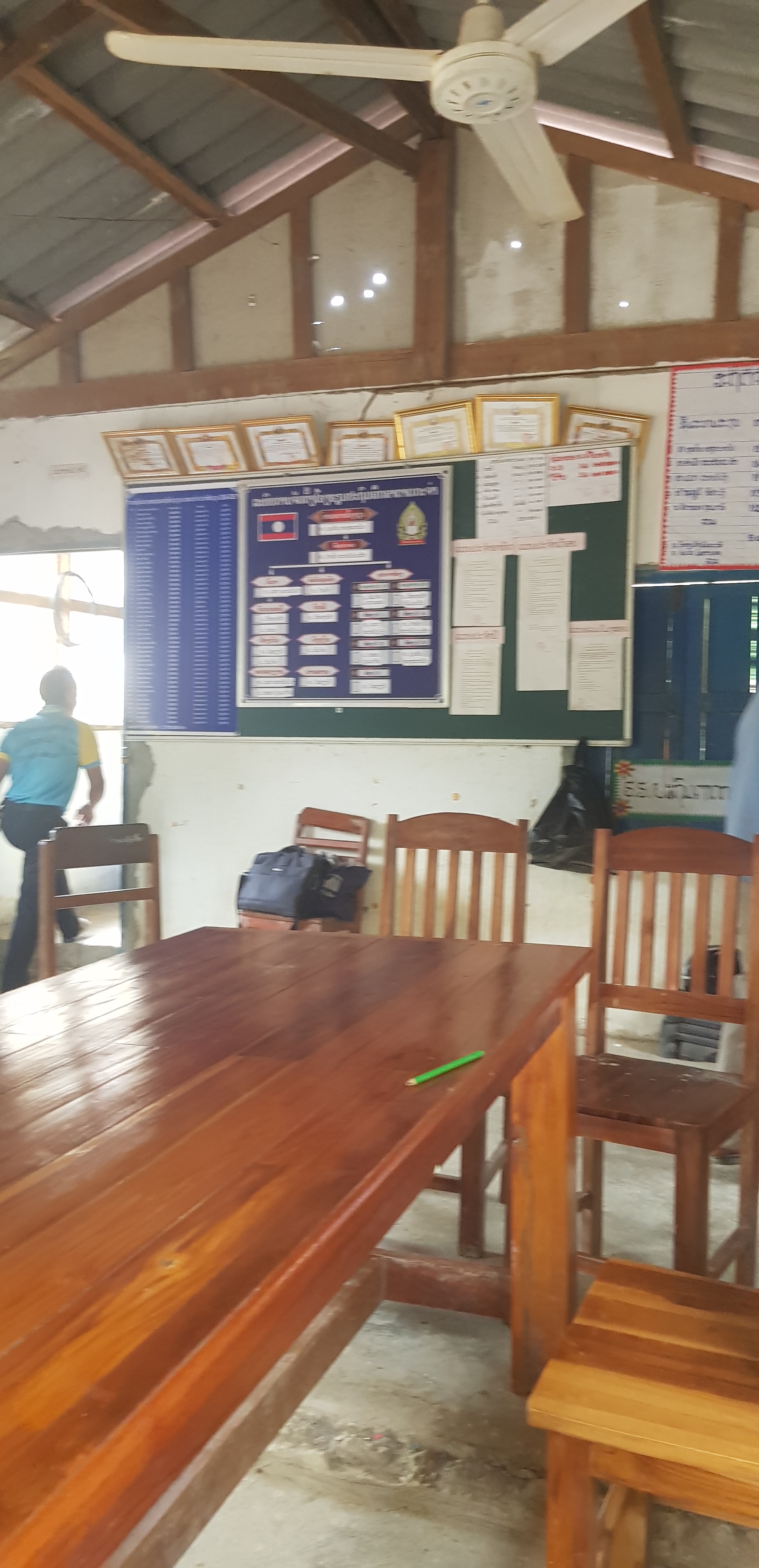
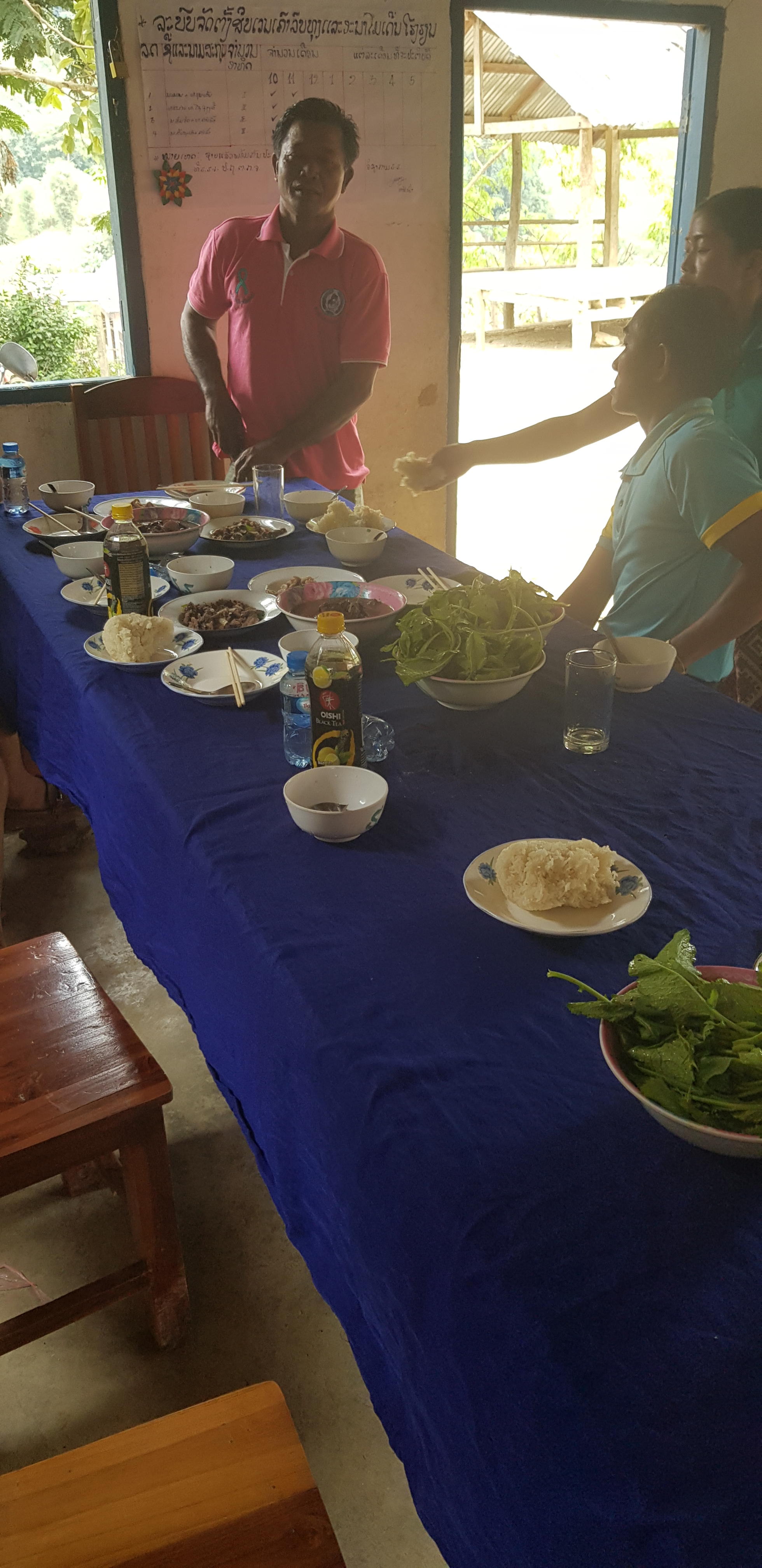
3. and 4. very official “thank you, teacher Lulu*”! 4. and 5. teachers’ room converted into dining room, for a very traditional and very very good lunch!!! *Lulu is my nickname at home and I adopted it as my travel name, for obvious reasons.
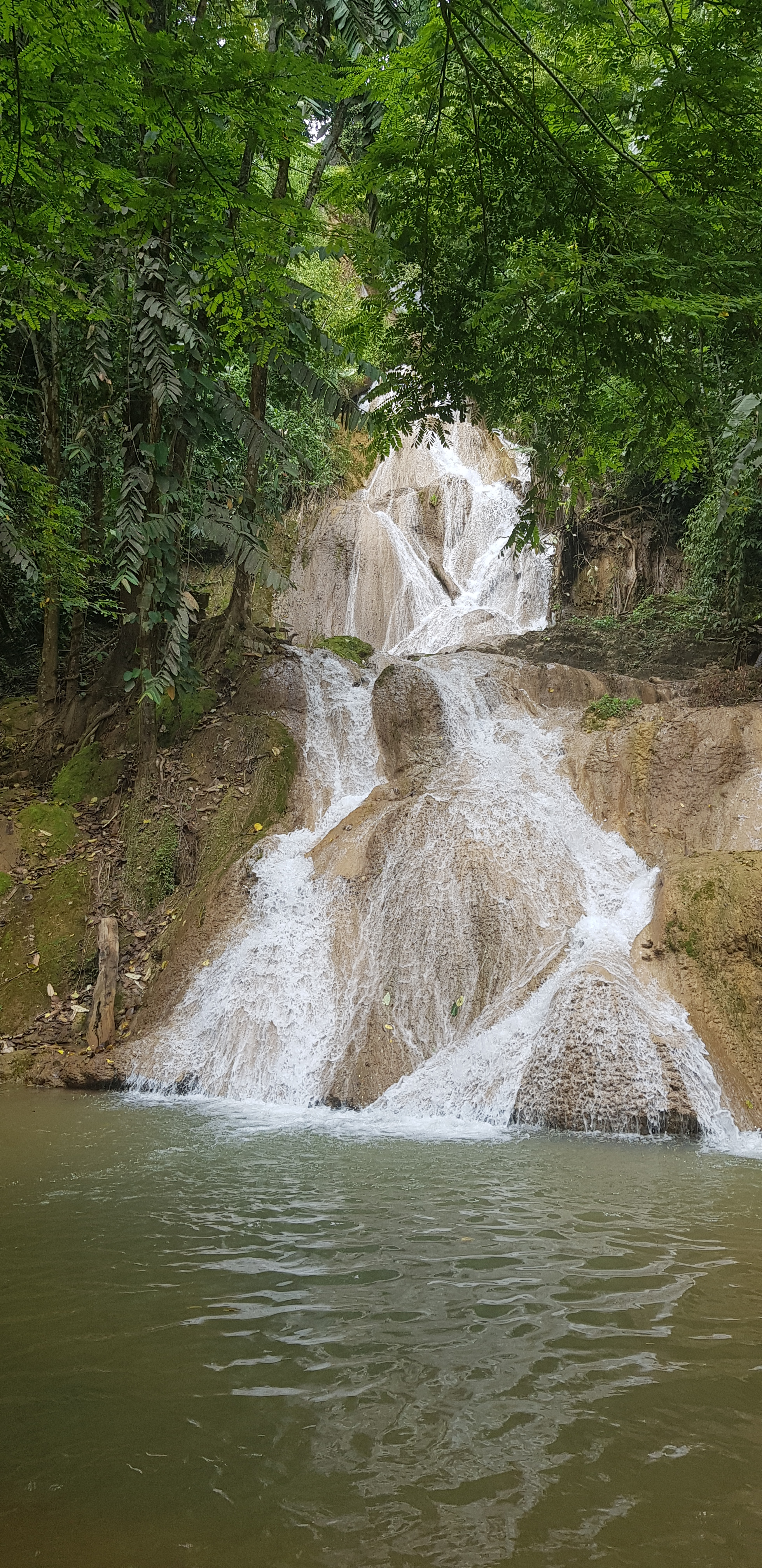
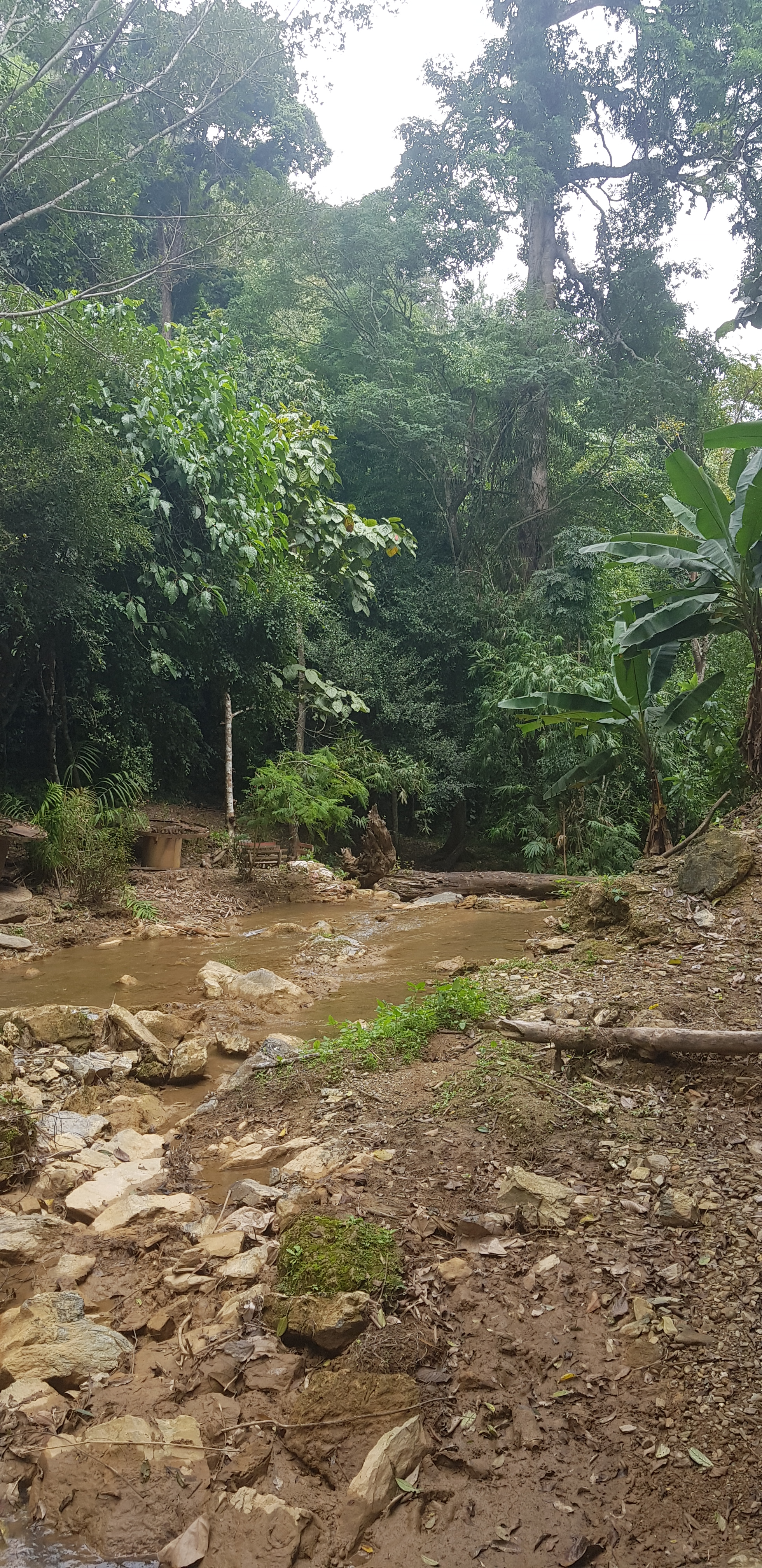
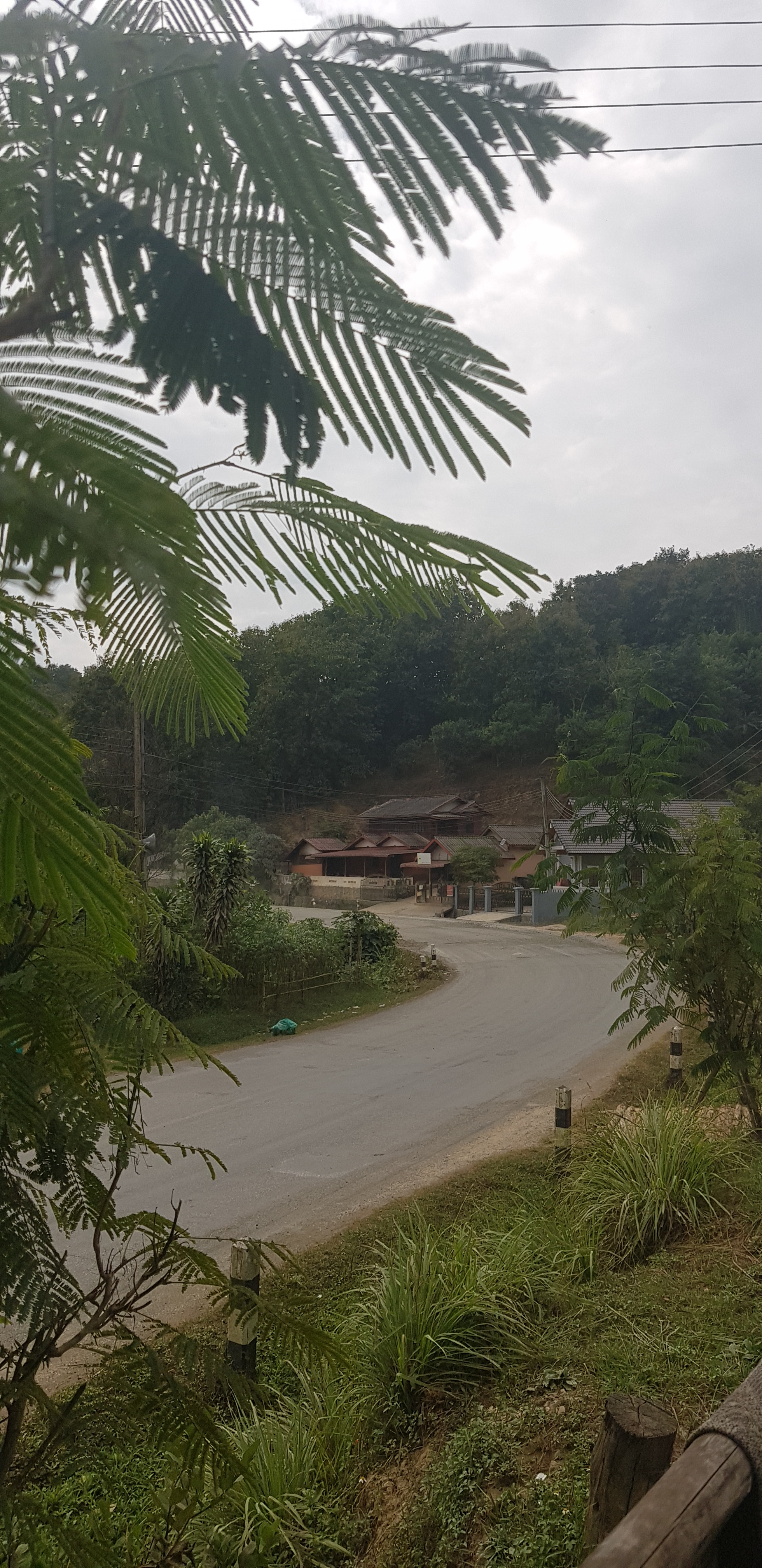
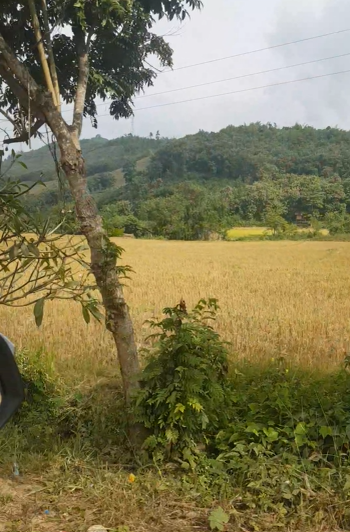
On the way back, past the Kacham waterfall, other villages and harvested rice fields, I repeated inside myself: “Khob chai lai lai!” “Khob chai lai lai!”
see you again
cheers Gerburg
 gerburgkamm
Sadly, the world watches helplessly as Netanyahu and his evil regime continue to starve and kill hundreds of innocent Palestinians. History repeats itself. We have not learnt from past atrocities and never will … avarice, power, wealth rule the hearts of evil humans!
Ciao cara collega. Grazie per avermi inviato questa mail e di farmi partecipe della tua emozionante esperienza.
Spero di riceverne altre.
Savina Costantini
>