If you think Kakadu has anything to do with cockatoo, the parrot, you are right. The German word is Kakadu and somewhere in the internet you’ll find a long etymological explanation about the origins of the word. The park is big, almost half the size of Switzerland. The top sights of my trip: Yellow Water Cruise, the rock paintings, the sunset over the wetlands and sitting under Jim Jim Falls.
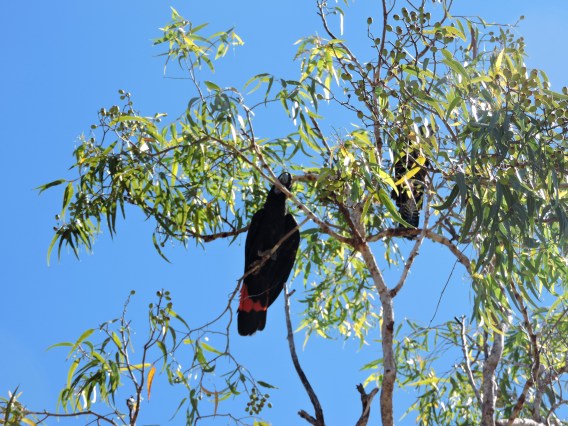
red-tailed black cockatoo
In nature I saw more white cockatoos than black ones but I managed to take pictures of the artificial ones only.
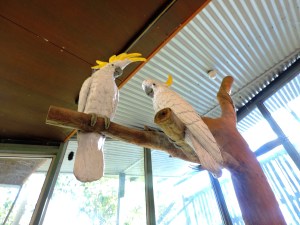
Yellow Crested White Cockatoo
THE CRUISE
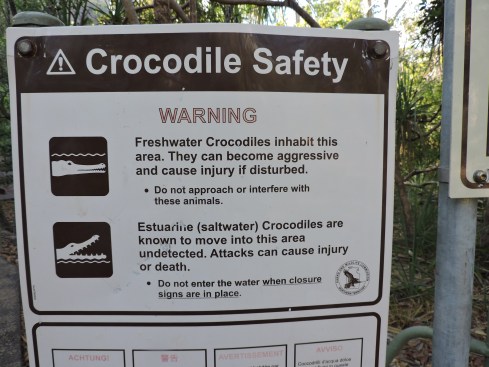
Yellow Water is a big billabong, a kind of lake, a cut off branch where once the South Alligator River flowed. Anyway, no alligators here, if you want to get eaten by one, have a swim around the Florida Keys; they are also in China, but there, it’s probably them who get eaten (unreliable info!). Almost all the rivers in the area are called Alligator River, like East -, West – and South Alligator River and they are full of CRO-CO-DILES!


Our cruise captain was an aborigine, funniest guy I met, steering the ship, cracking jokes and explaining at the same time. First thing on board, you have to put a bright, fluorescent life jacket on, in case someone goes overboard. Crocodiles adore bright colours and go after them as soon as they detect them in the muddy water. That way, you won’t drown for sure. But rules are rules, so put that jacket on. Next lesson, the crocs you see are not the dangerous ones, but beware of the ones you don’t see (how do you do THAT?)


When hungry and in a hunting mood they hide, they are practically invisible for potential prey (left picture): when they are basking in the sun they are just warming up and/or digesting. I still wouldn’t go near them, but the ducks don’t seem to worry.
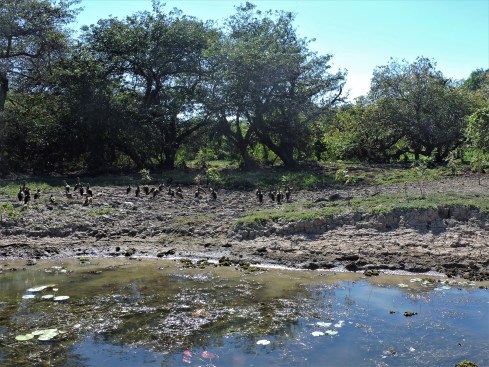
plumed whistling ducks
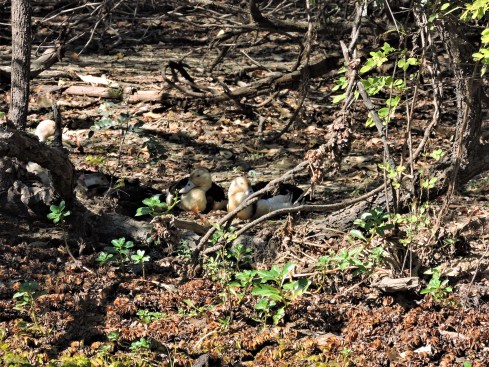
Our guide told us the story of a fisherman in a boat who was imprudent enough to stand up when trying to pull his catch out of the water. From behind a large croc flipped up and grabbed him
end of the story.
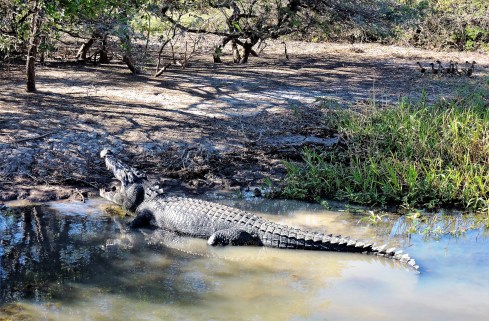
crocodile yawning
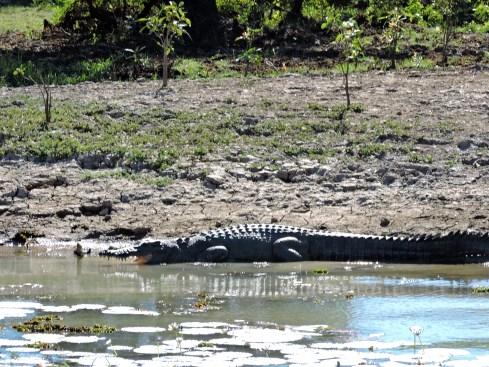
crocodile breathing with its mouth open to ventilate and cool the brain (the tropical sun is hot and human beings are advised to wear bush hats)
NOT ONLY CROCODILES
Falcons, egrets (heron-type bird), brolgas, cockatoos, jacana (Jesus bird, tiny, tiny tiny), Australian darter
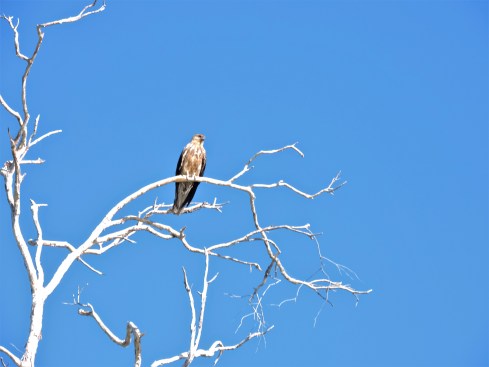

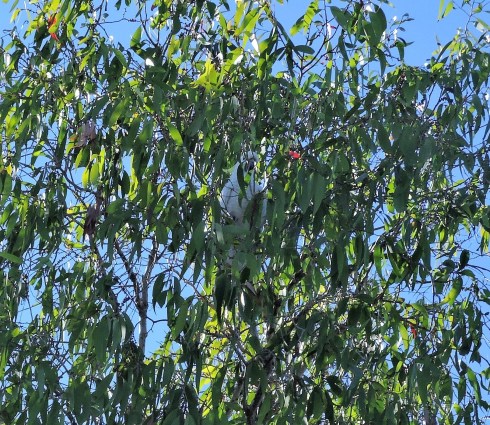
spot-the-cockatoo-search-image
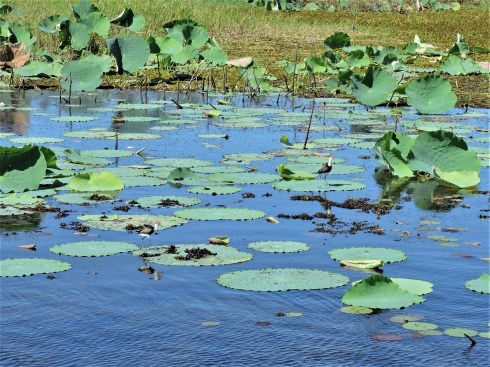
spot-the-jacanas-search-image, there are 2 of them
Jacanas are also called Jesus birds, they are so tiny and light, they can walk on lotus leaves, I don’t know if they are able to walk on water, too (should be, otherwise, why the name?)
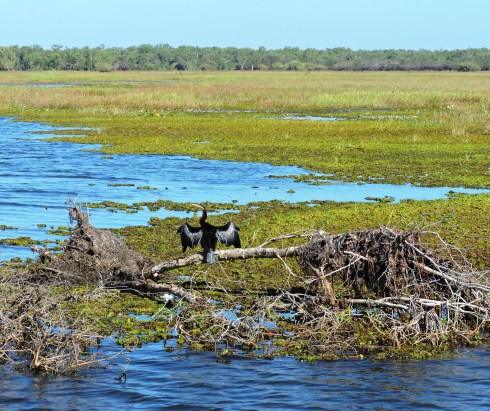
Australian darter, makes me think of Halloween

I thought this was picturesque
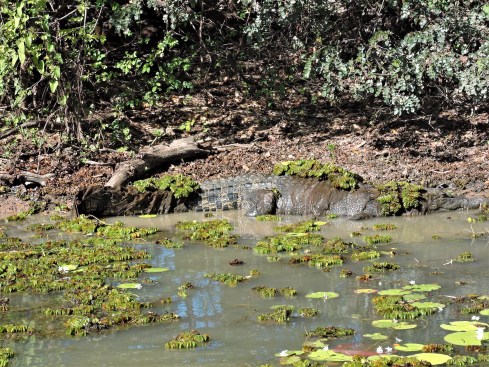
camouflaged croc, you step on it, before you know, your leg is off
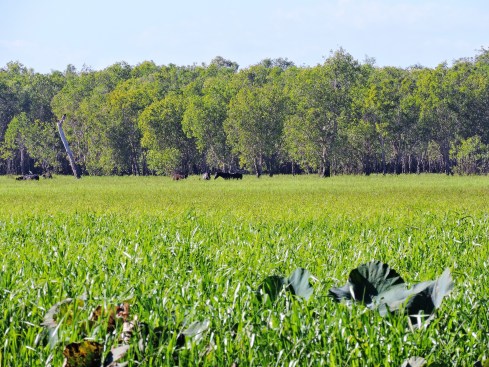
horses and buffaloes
Hoofed animals are not indigenous in Australia. They were brought in from Europe. Until then, no hoofed animals had ever set “hoof” on the continent, and now they arrived and multiplied: horses, cattle, donkeys, sheep and goats and even deer for hunting and to make the newly conquered land look more like home, like England. These animals trampled all over the continent, damaging the soil, spreading seeds and plants to where they weren’t supposed to be, nibbling everywhere and eating up the plants on which kangaroos and wallabies were feeding, in short, they made a regular mess of the delicately balanced Australian ecosystem.
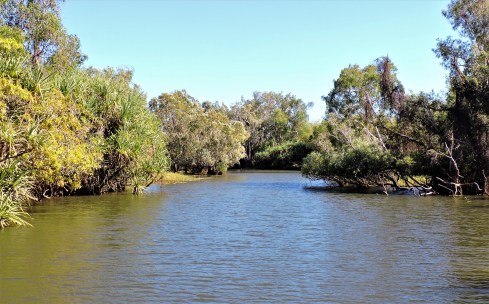
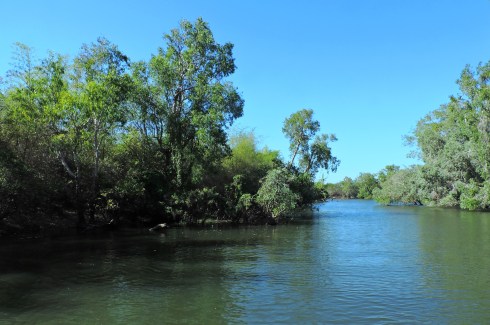
Bye-bye Yellow Waters
The rock paintings at “NOURLANGIE ROCK”
except the name is not Nourlangie but one part is called Burrungguy and the other one Anbangbang, pronounced “boo-rong-goi” and “arn-barng barng”, another thing the white aliens got wrong. Visitors today are asked to use the right names.
Violet Lawson from the Murrumburr Clan: “That’s a place where you are sheltered from the rain in Gudjewk (monsoon season). A place for making tools, telling stories, doing string games while the tucker (food) is cooking. Go hunting down the river, when the water is down a bit. Hunting yams, kangaroos and sugar bag (native bee honey). Waiting around til the dry season comes. Today we got house and still cook galawan (sand goanna) on the coals of open fire.”
Mimis (tall thin fairy-like beings), kangaroos, x-ray style paintings
Burrungguy and Anbangbang: the first paintings, I got so excited, I took pictures of every little painting


you have to bend and bow to get to the paintings

in the soil archaeologists found stone tools and organic objects such as bone, bark string and plant remains, objects that easily decay in tropical climate
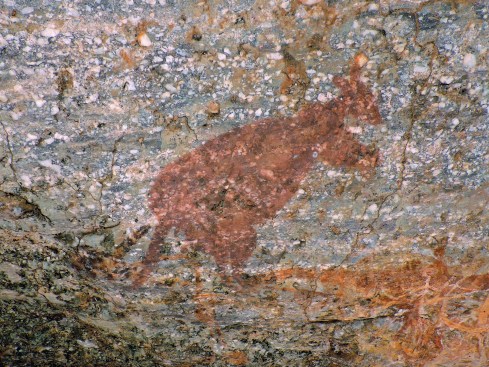
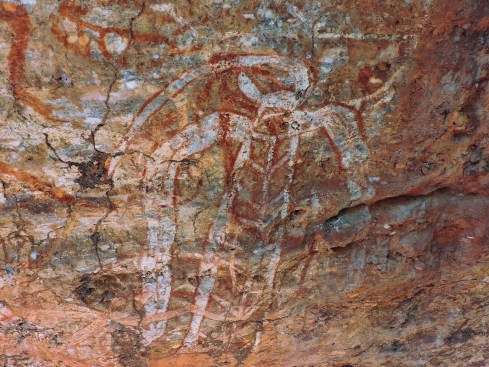

paintings are drawn on top of each other
A sign says: “Art is an important part of traditional aboriginal life. Aboriginal people paint to record events in their lives, to illustrate stories and for fun and enjoyment. some paintings have religious power and can influence the success of a hunt.”
On the way to the next gallery


A kangaroo and small hollows in the ground: could be for mixing paint or playing games, who knows


but the best is right around the corner
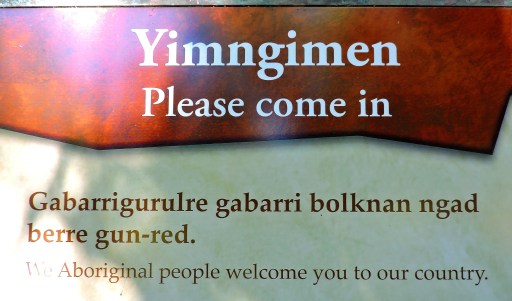
Try to say this!
There are / were so many different cultures and languages in Australia before the Europeans arrived!
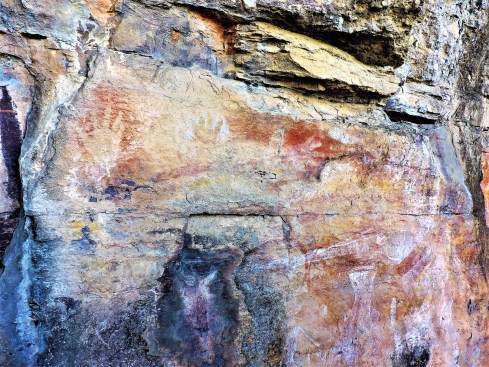
Wow, the negative imprint of a human hand, how did they do that without a spray can? Easy! Fill your mouth with paint and psssssssh spit it over hand and wall
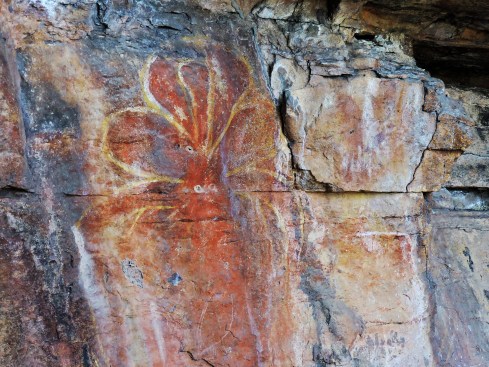
a spirit? a monster? a flower?
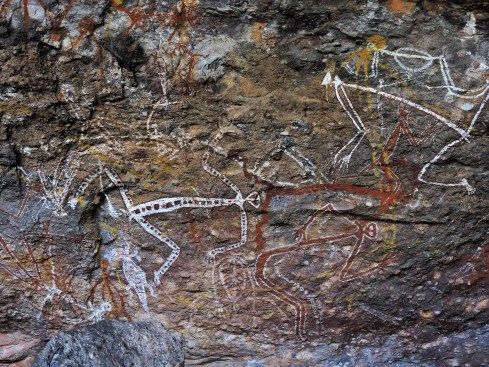
Mimis and x-ray art, fact is the people seem to be lying down, are they sick, not feeling well? One theory is that the aboriginal people noticed that whenever they came here, they felt sick after a short time. In fact, uranium was found in the area as soon as the Europeans came snooping around for mineral resources.
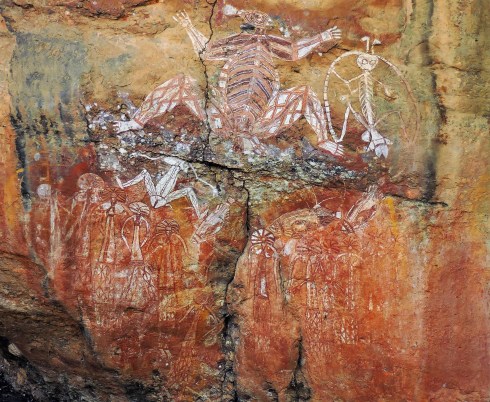
Mamarndjolg and his sister broke the incest laws on the rock ledge above this gallery. Later he became Ginga, the great saltwater crocodile. In aboriginal culture incest laws do not necessarily refer to the same family but extend to community members with the same cultural responsibility and relationships.
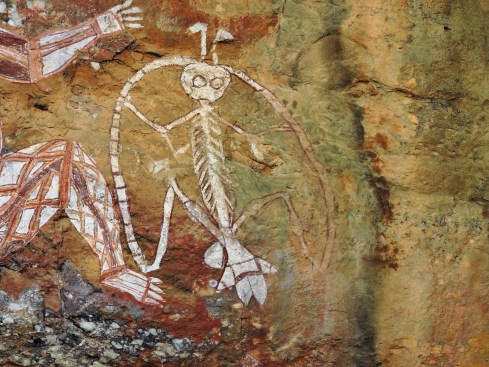
Namarrgon the Lightning Man: he wears his lightning as a band around him connecting his arms, legs and head. Stone axes on his knees and elbows make the thunder.
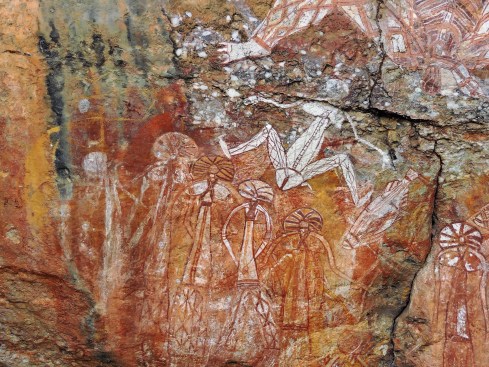
Barrginj is Namarrgon’s wife. she and Namarrgon are parents to Aljurr or the Leichhardt’s grasshoppers which appear as the first storms break.
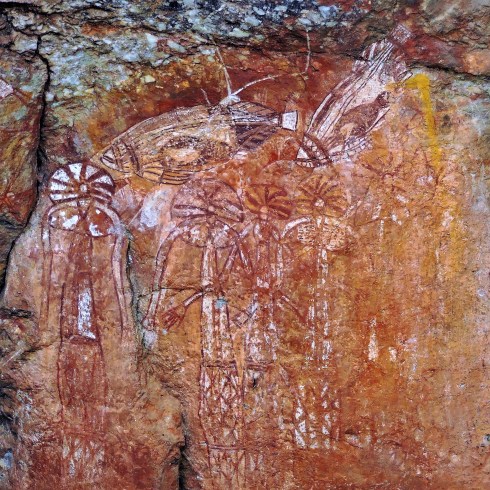
Family groups of men and women on their way to a ceremony. flecks on the breasts of the women on the right indicate that they are breast-feeding children. above the groups: Guluibirr, the saratoga fish is popular food fished from the waterways nearby.
Sunset at Ubirr
“You go to look out, see floodplain, bird, sunset. Don’t take any alcohol up there with you. Too dangerous on top of rock, might fall over. Water and camera better. No matter you or Aborigine … Same thing, same law … No drinking at Ubirr.” Bill Neidjie, Bunidj Clan, Aboriginal traditional owner.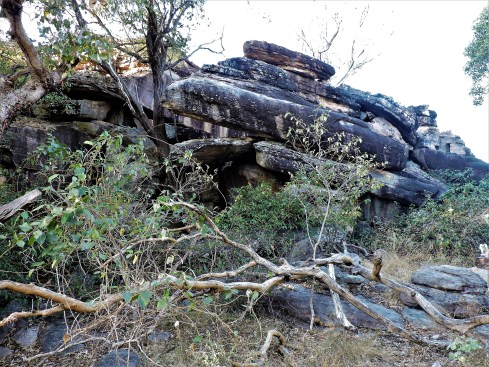
continues in my next letter: more rock paintings, Aboriginal stories, and a fantastic sunset
Gerburg
![DSCN8247[1]](https://gerburgkamm.blog/wp-content/uploads/2017/09/dscn82471.jpg?w=490&h=396)
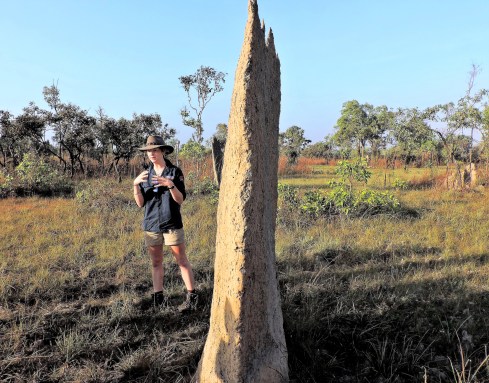
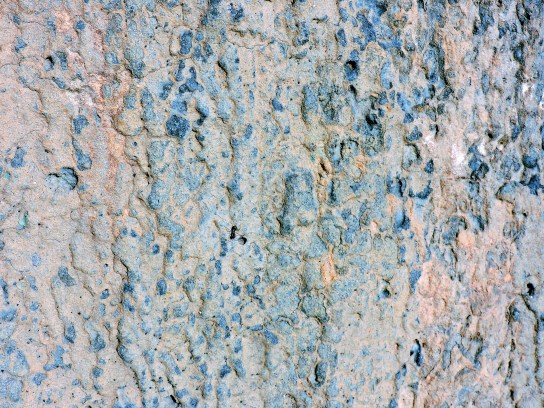
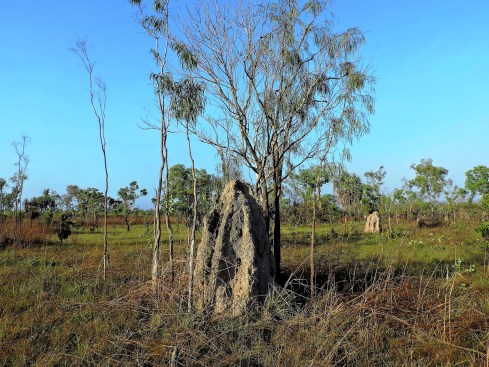
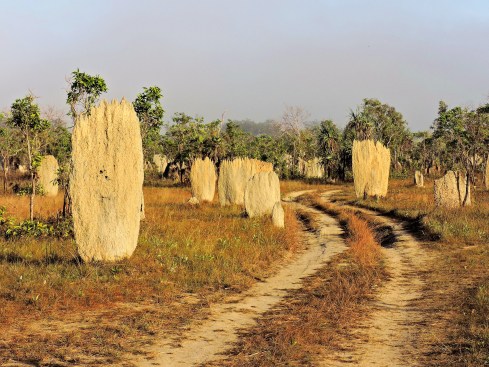 It never gets too hot on any side of the mounds, also, the termites move to the more temperate side during the day (and I keep thinking of Dubai and Abu Dhabi architects). With its tunnels, chambers and chimneys made from the yucky recipe of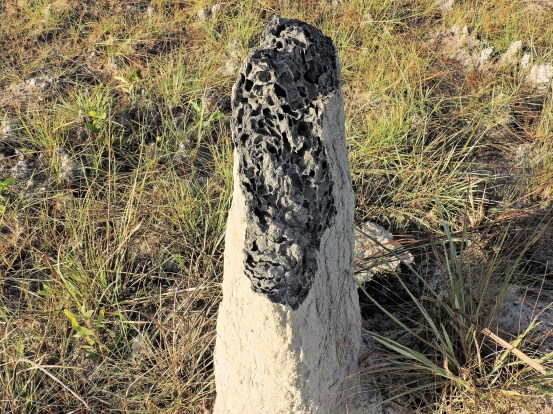
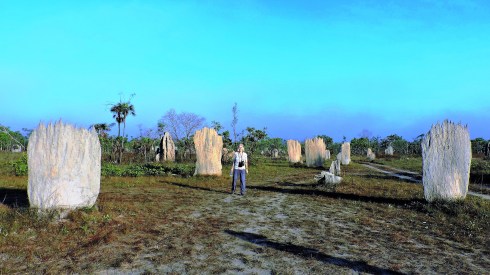


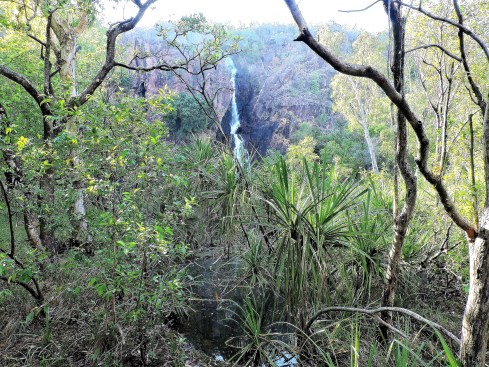
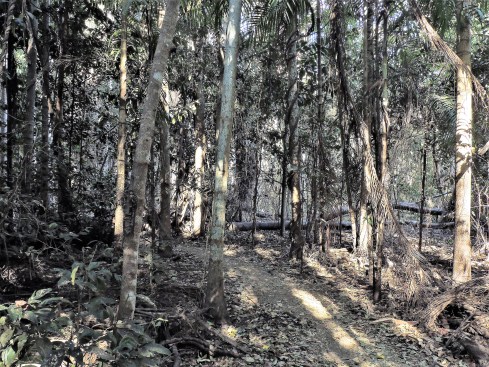
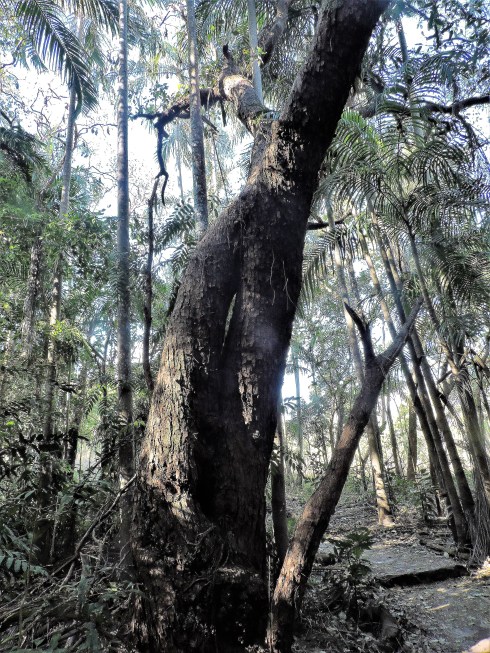
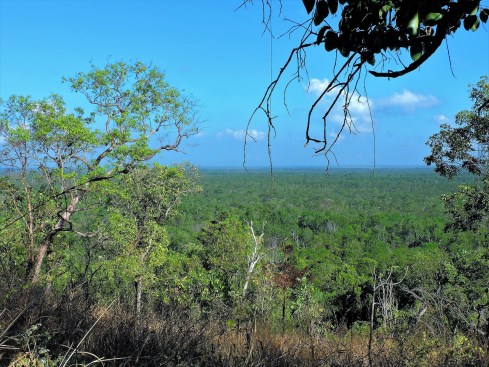
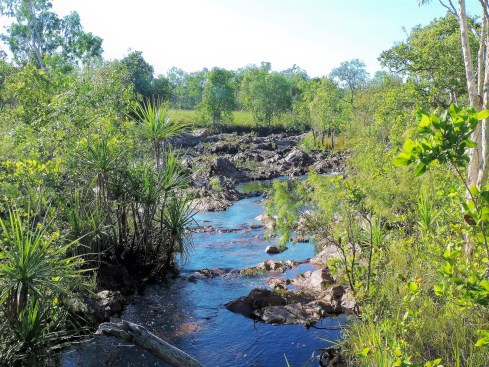
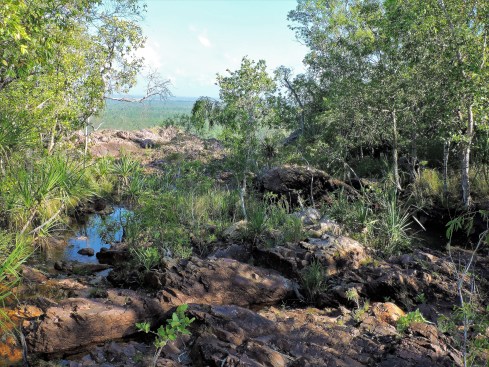 I felt great, but, to tell the truth, it hadn’t been such a tough walk, after all, and I kept asking myself what this fussing about age was all about.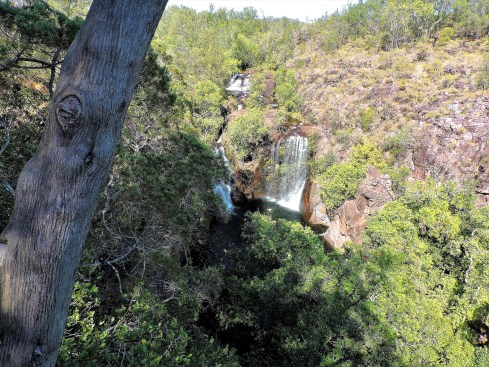
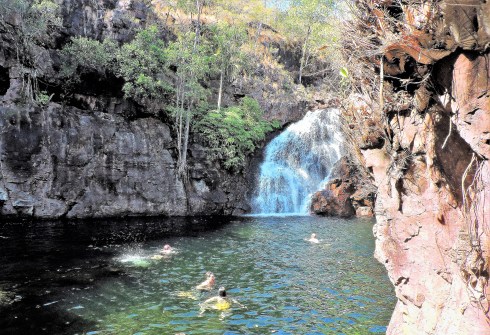





 gerburgkamm