Just to become familiar with travelling in Albania a daytrip from Tirana to Kruja (statue, bazaar, fortress) is a good start. You wouldn’t believe it but it’s a most historical place:
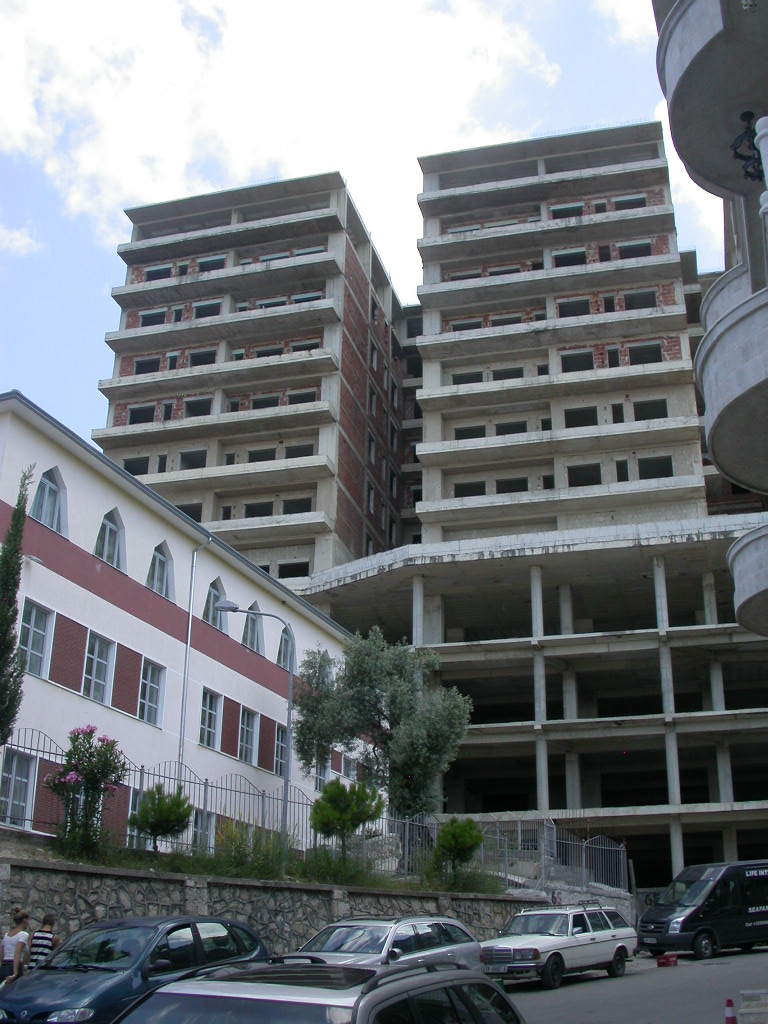
this is where the great Skanderbeg (pronounce slightly Skanderbey) stopped the Ottomans for about 25 years, ten years after his death the besieged inhabitants surrendered, got killed and the women enslaved (a kind of ISIS at the time).
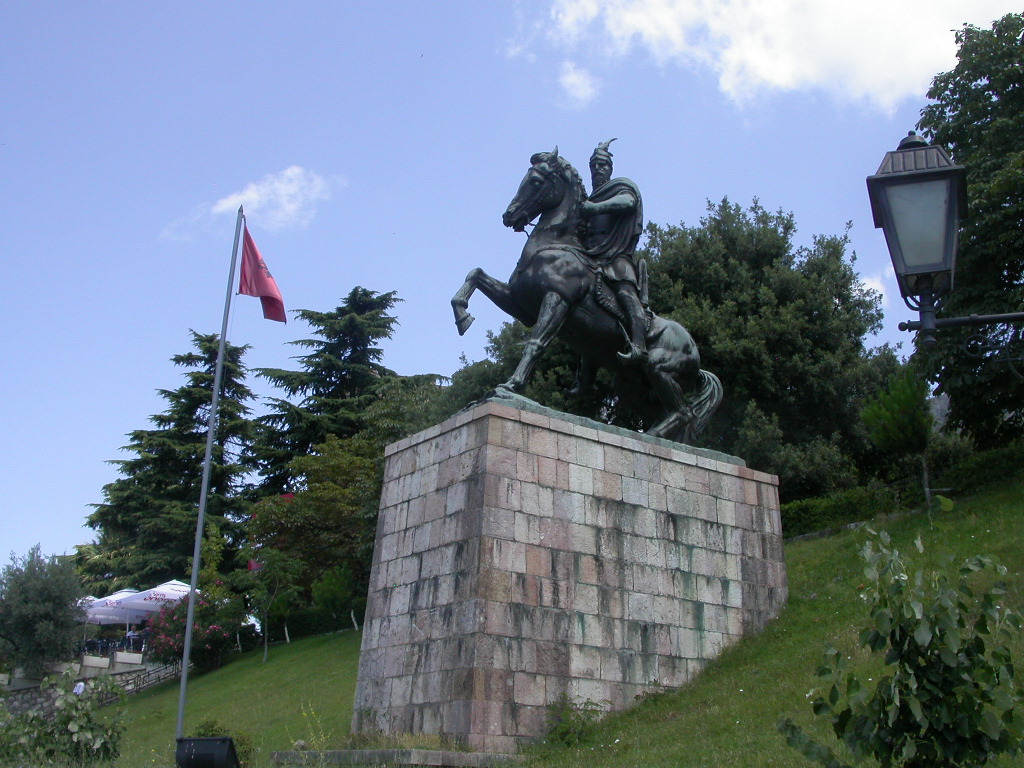
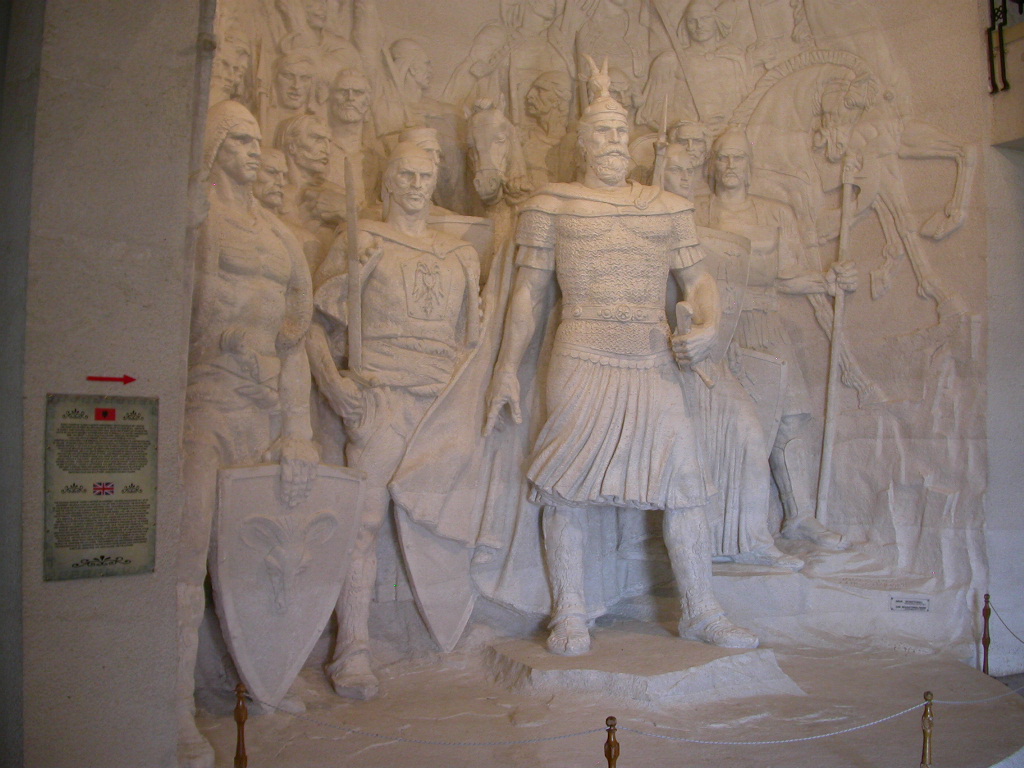
A magnificent statue of Skanderbeg! You can spot the two horns on top of his helmet. His helmet was adorned with a ram head, eloquent sign of virility, power, divineness – what it means here: an allusion to Alexander the Great, the two-horned-one, Iskander, his Ottoman name … Skanderbeg means Lord (bey) Alexander, see the connection? The real helmet and huge,heavy sword of the 15th century hero are in Vienna (Kunsthistorisches Museum), because the Viennese also know something about the Ottomans.
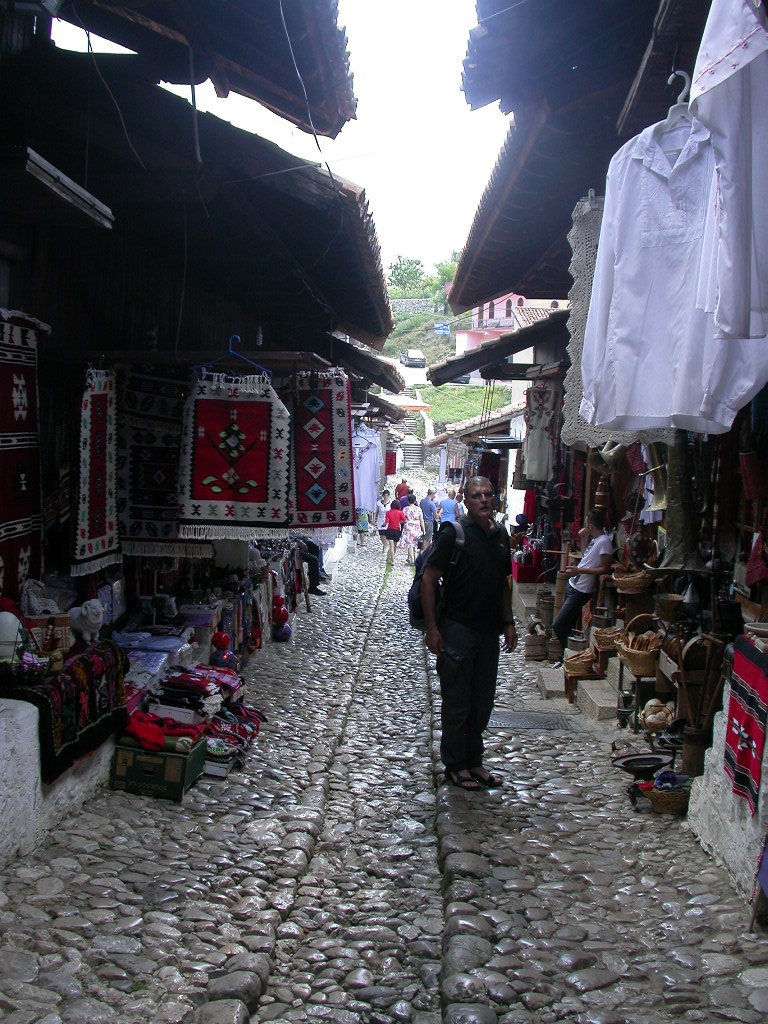
Beautiful ancient bazaar (here with an Italian tourist … gee, they are everywhere!). This ancient shopping mall had already sunk into oblivion and was SAVED and reconstructed, guess by whom? Enver! one point for him (never say never). Cross the bazar, you can buy everything there, from blouses, to wood carvings, carpets and ancient tools, but then you have to carry them. Buy a small pill-box to be used as an ashtray (how fitting, a bunker with ashes inside!), good quality and a real souvenir. Do you think my taste would be bad enough as to buy one?
Sure!
Go up, up, up (wear good shoes on cobblestone!) and you reach the fortress. Is that the medieval fortress you expect to see? m e d i e v a l ? or neobyzantine-fascio-comunist-modernism?
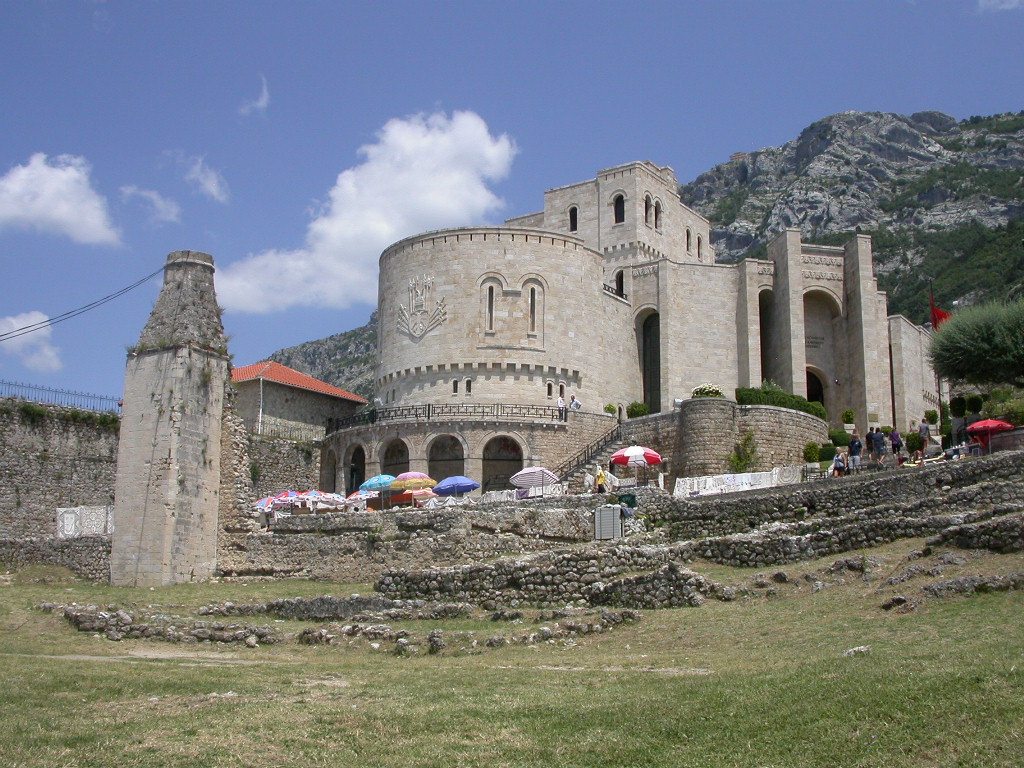
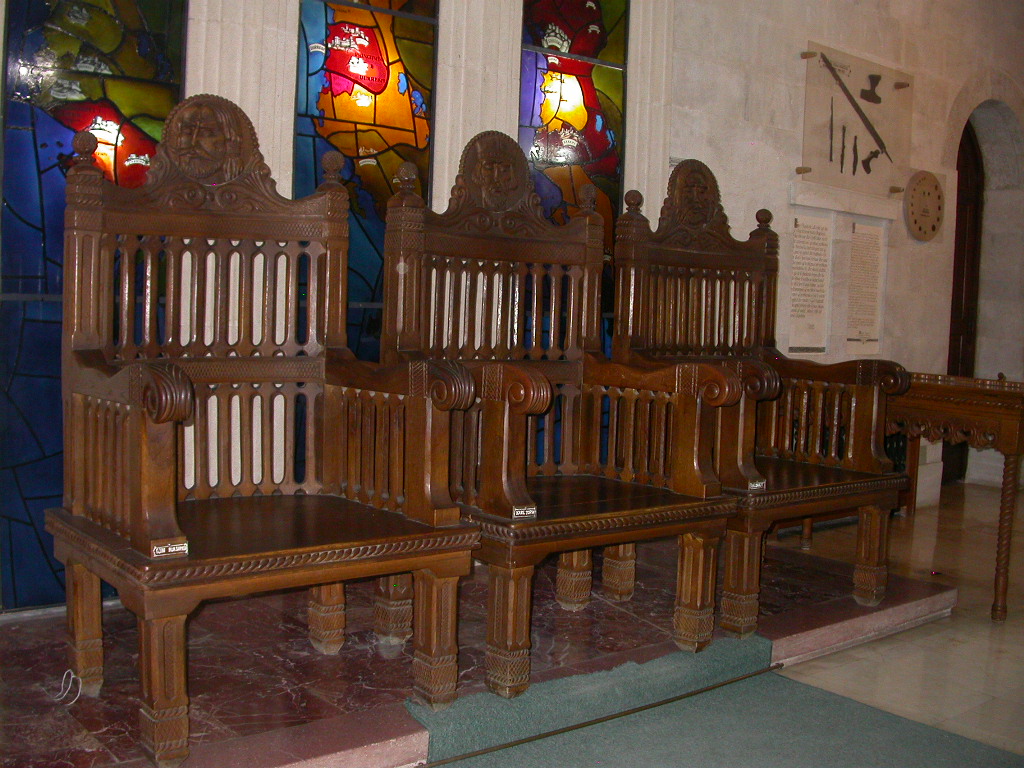
Wild guess who ‘architected’ this; right! Pranvera Hoxha, Enver’s daughter; remember the pyramid? The building hosts the Skanderbeg Museum. When buying the entrance ticket you are informed ‘no taking pictures inside the museum’. Okay, rules are … Then you observe Albanian families flock into the museum teaching their children about their history and their culture and all of a sudden in their boundless enthusiasm they start putting their children on the thrones to take pictures of them, so I felt free to sneak out a few photos for myself.
heroes
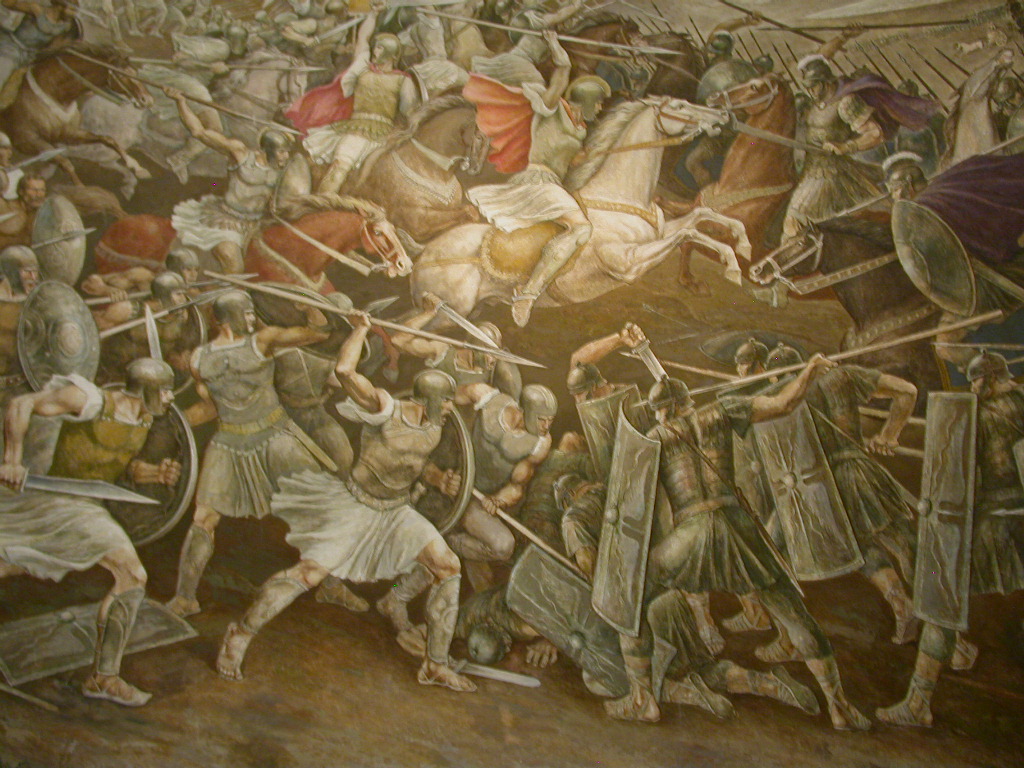
battles
thrones (without children)
This is what’s left of the ancient castle (in front the Italian tourist, again)
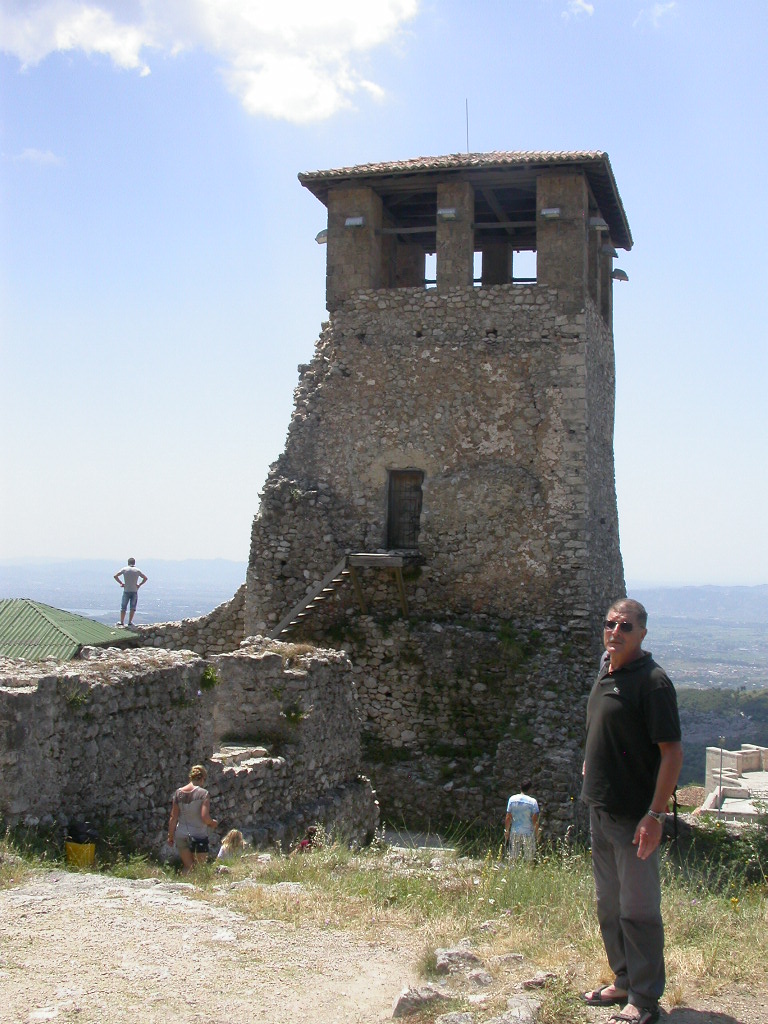
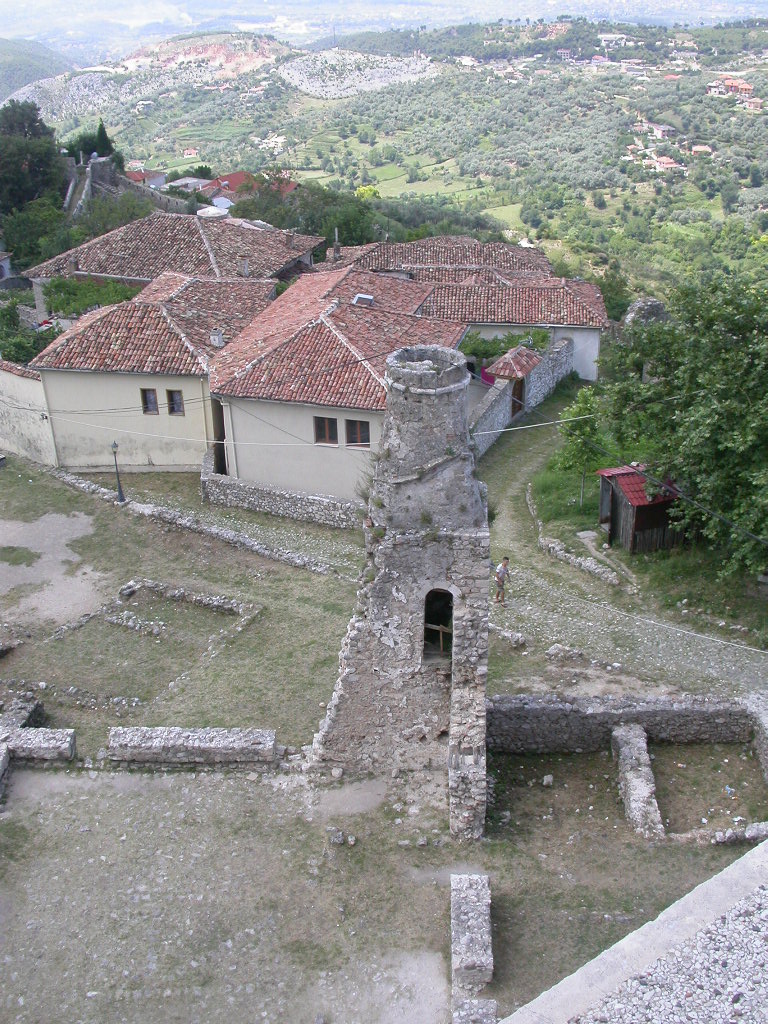
The National Ethnographic Museum (you find National Ethnographic Museums everywhere and they are usually Ottoman villas)
beautiful entrance
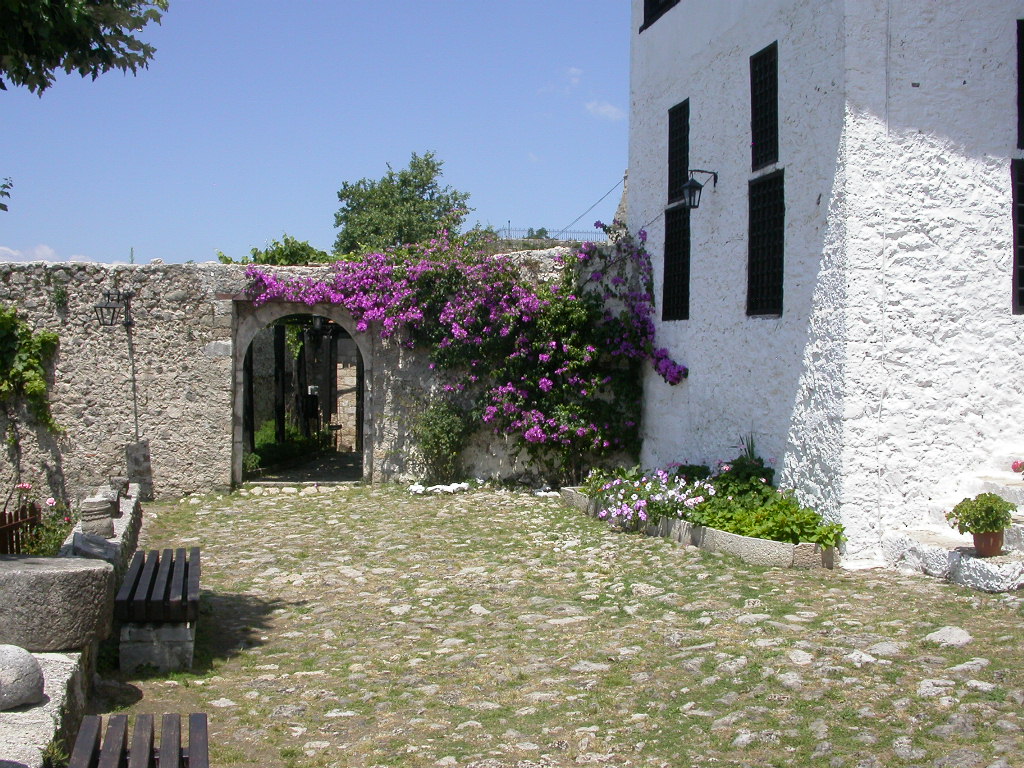
the ladies’ quarters
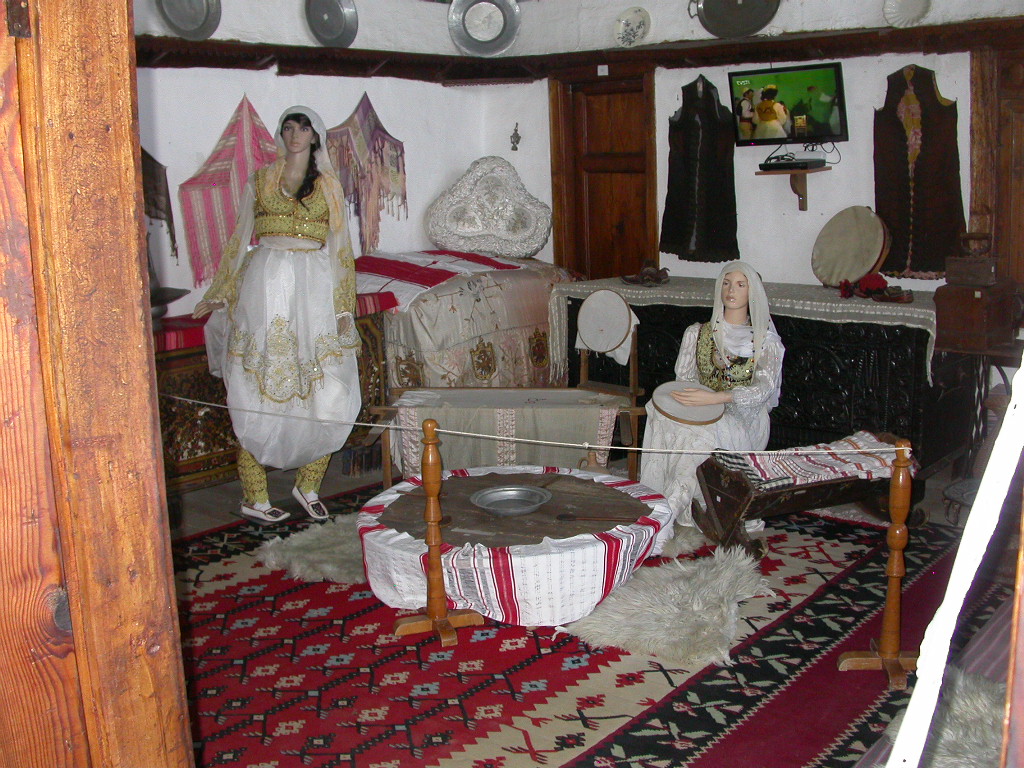
comfy living room (for the men and their guests)
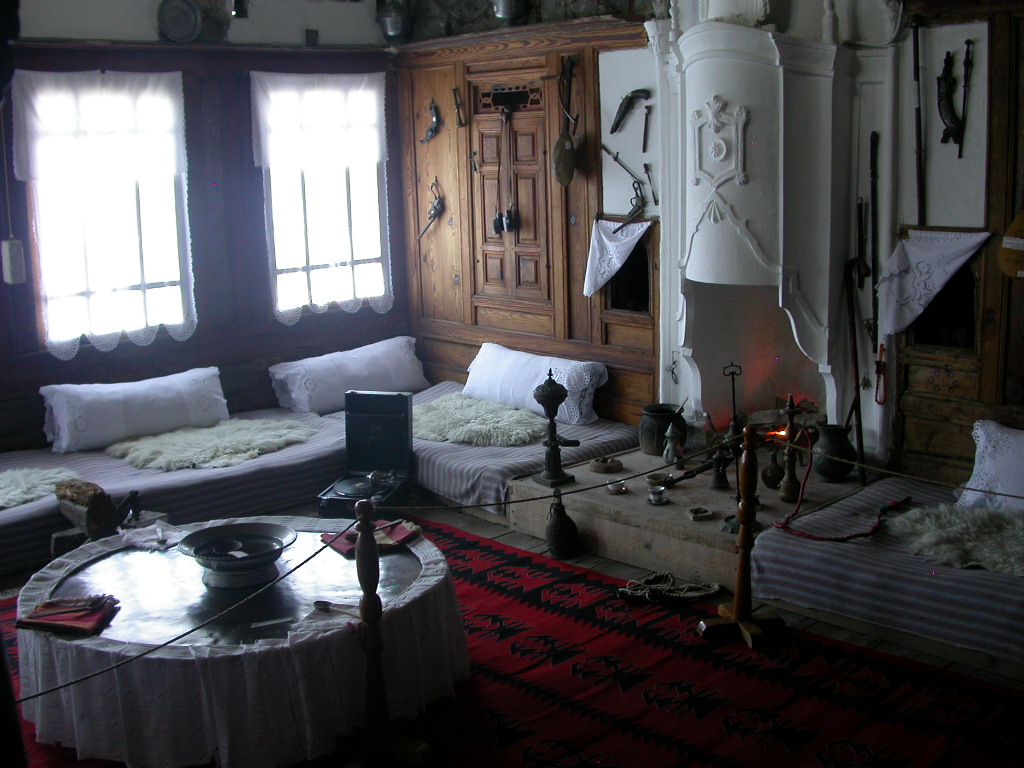
bedroom (I guess)
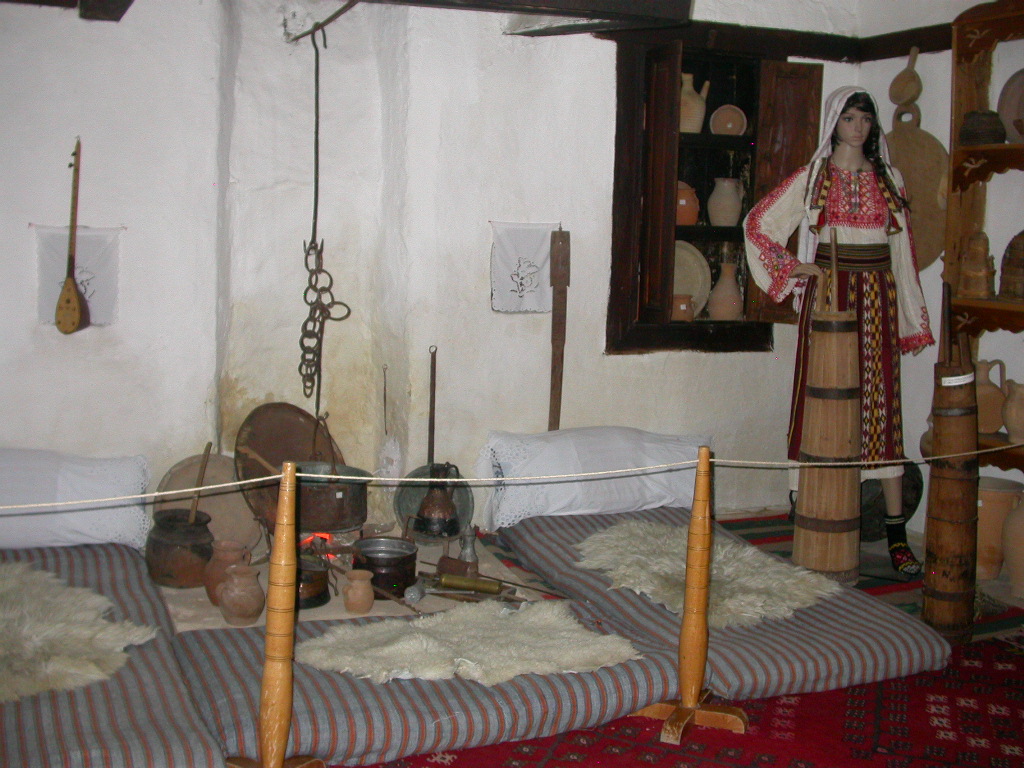
And after visiting this wordly Ottoman villa a more mystical site attracts my attention:
a Bektashi cemetary
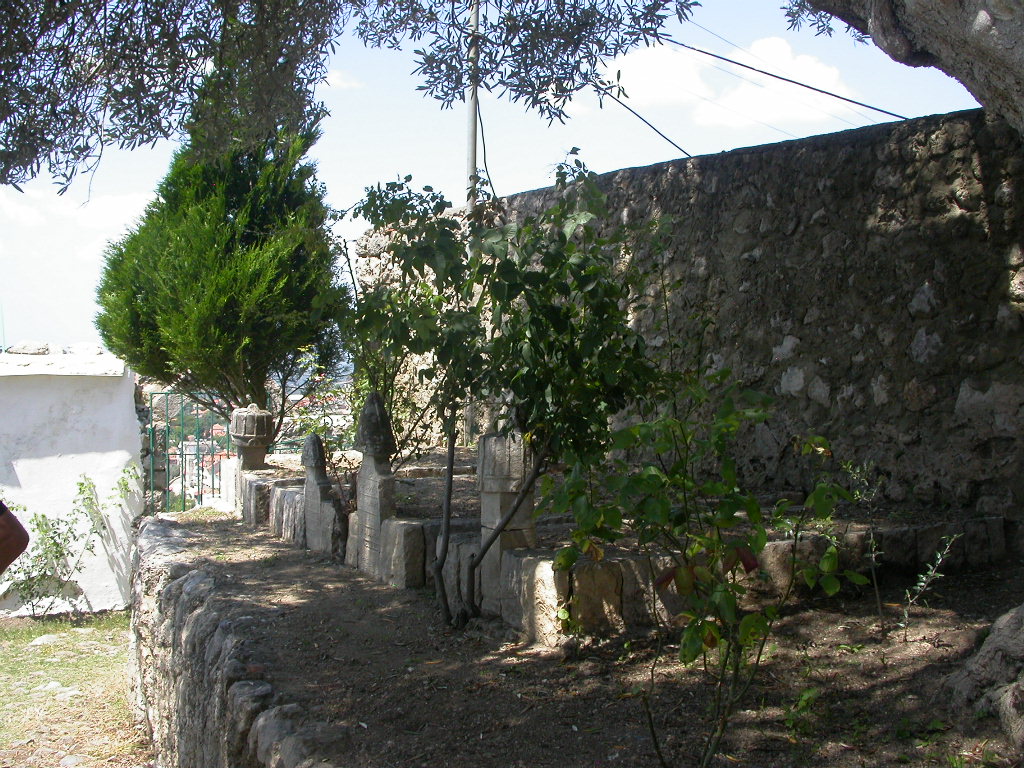
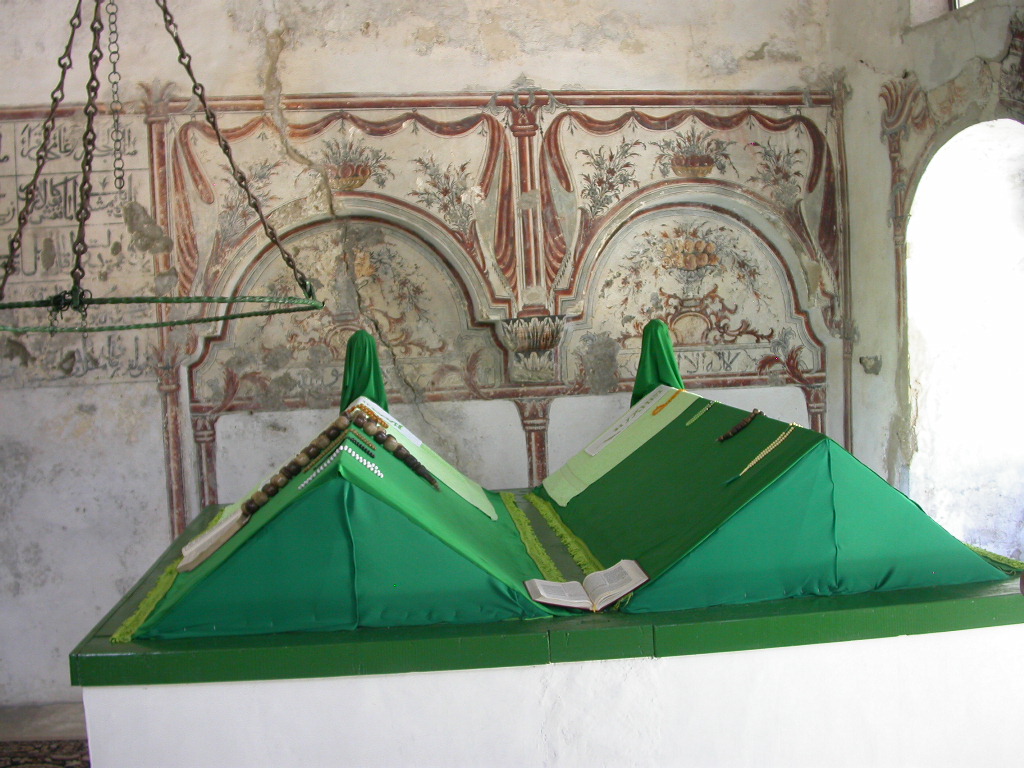
Bektashi tombs
and a millennium olive tree
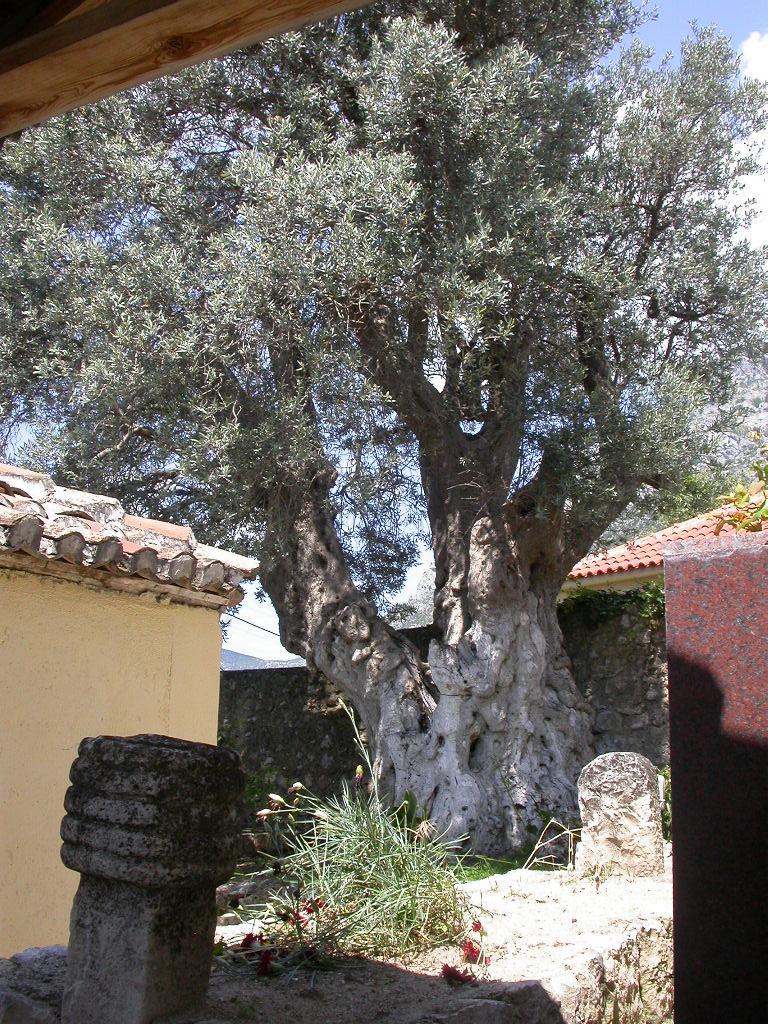
Bektashism is a kind of Sufi order but I don’t want to bore you =I can’t explain, you may have to look that up yourself. One thing I can say is the man who was on guard at the tombs was extremely reserved, modest, friendly, calm … all a result of training oneself to acquire praiseworthy traits? Albanians on the whole are really very friendly people
and who knows where all those prejudices that I hear come from?
More about that next time
cheers
Gerburg
 gerburgkamm
Leave a comment